Antonio Navalón
All over the world, regardless of continent, race, gender, or religion, the year that will end in eleven days will be tough to forget. What for years was a phantom threat, a vague, almost telluric fear, shared but distant, has begun to take shape as a reality. Hopefully, it’s still avoidable. Once again, the current global situation imposes, allows, and encourages outbreaks of war. Country by country, region by region, it is essential to emphasize the decisive nature of this year, particularly for the United States.
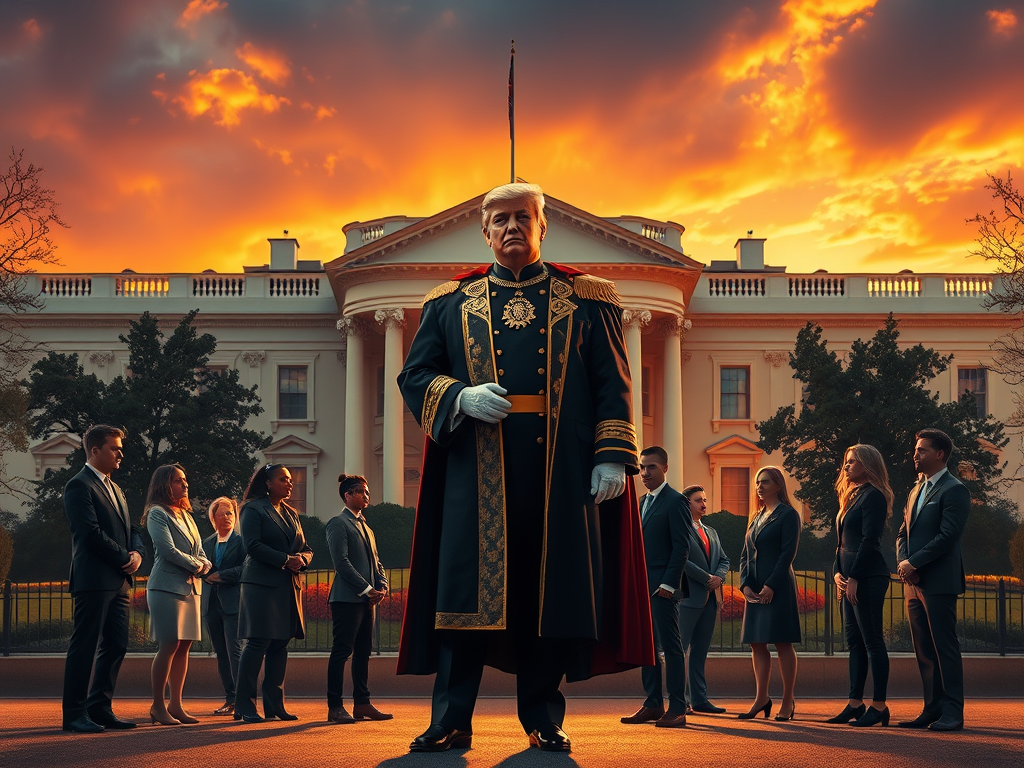
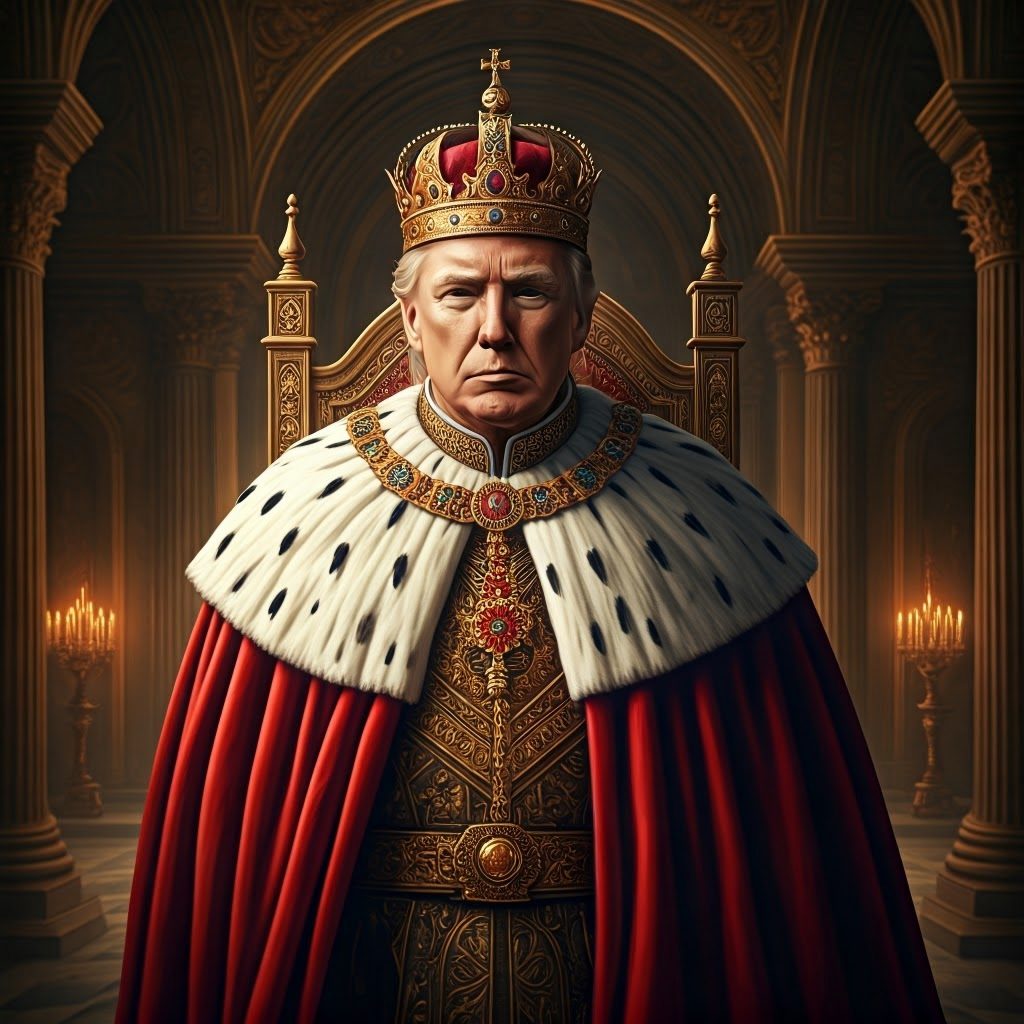
Donald Trump’s second term has not only confirmed many of the initial fears but has turned out to be even more definitive. The United States does not have a president; it has an emperor. After more than forty years of professional life and political experience in Washington, this is the first time that, if you have interests—and let anyone on this planet who does not have interests in the United States raise their hand—you can move around Washington with a single goal: to be heard, accepted, and not rejected by the White House.
In his first campaign, Donald Trump promised to “drain the swamp,” a phrase referring to the political establishment in the District of Columbia. Nearly a decade into that task, the result is visible. Today, those who decisively influence White House policy do not respond to traditional Washington codes. They are young, operational, and alien to the political culture that for decades marked access to power. The clearest example is Karoline Leavitt, the current White House press secretary, who is just 28 years old. Alongside her, Kush Desai, deputy press secretary, who is not yet 35, is part of a generation that has reached the heart of power without passing through the usual filters of the US political system.
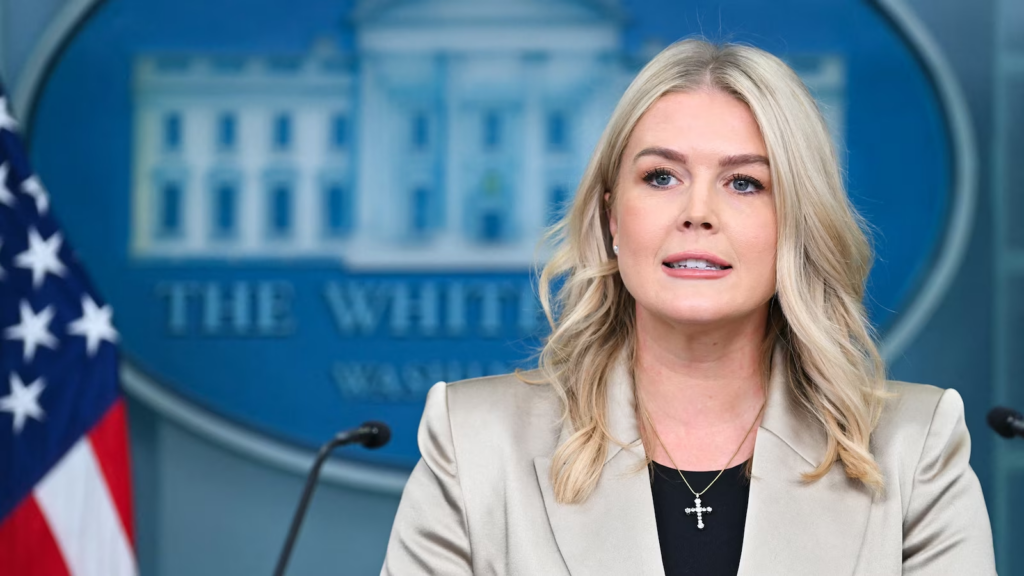
The message is unequivocal: today it is possible to exercise power in Washington without relying on the complicity of Capitol Hill, the Senate, or Congress, and without the self-serving intermediation of the lobbies on M Street. Command is concentrated in the White House under a direct management scheme imposed by Trump and is articulated through close coordination between his son, Donald Trump Jr., and Susie Wiles, the chief of staff. Around them operates a team that has not been co-opted or molded by the traditional machinery of political business. It does not come from it nor does it owe it anything. And in this break with the inertia of Washington lies, to a large extent, the key to the new balance of power that defines the White House today.
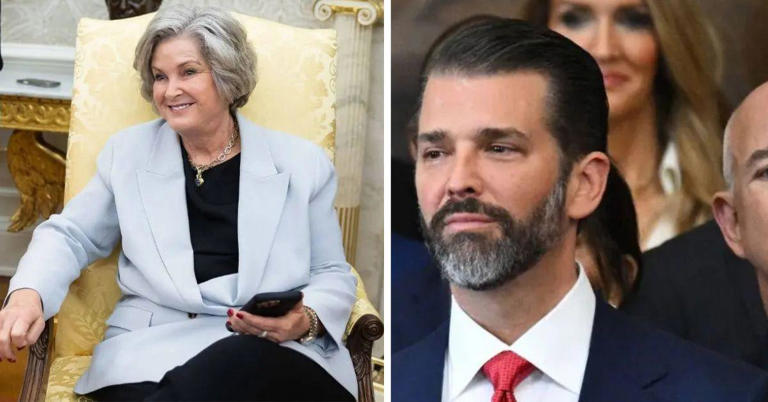
Regardless of what happens with Trump, there is something that no one can reverse: it is entirely possible that, precisely because of his lack of complexes in the exercise of power, he will suffer an electoral setback in the midterm elections in November. Defense has established itself as the main field of investment, along with technology, for continents, countries, and blocs.
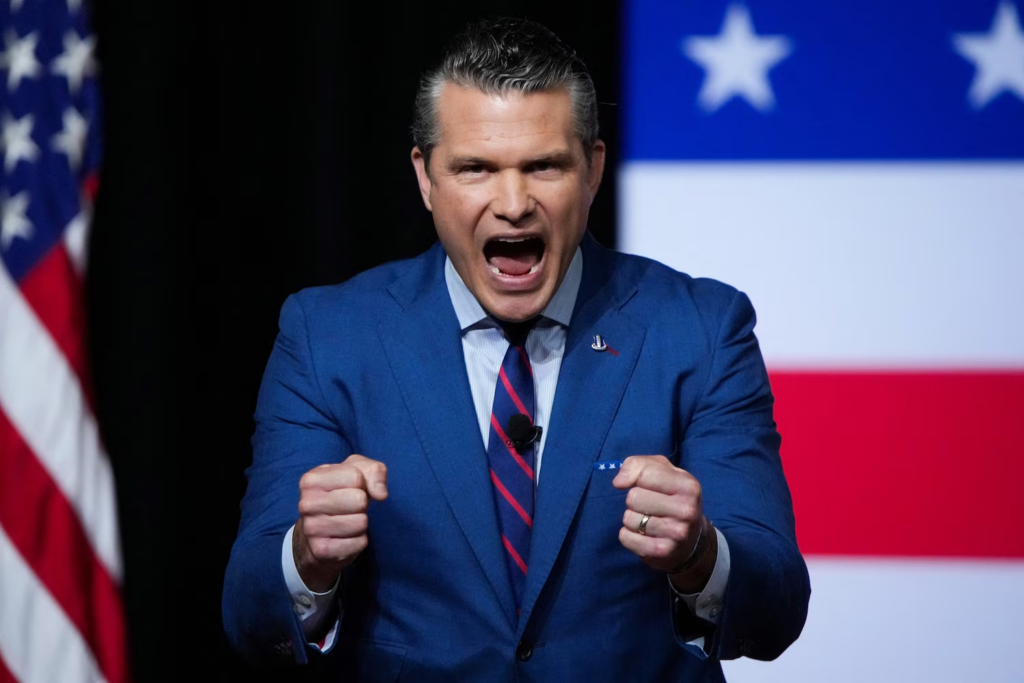
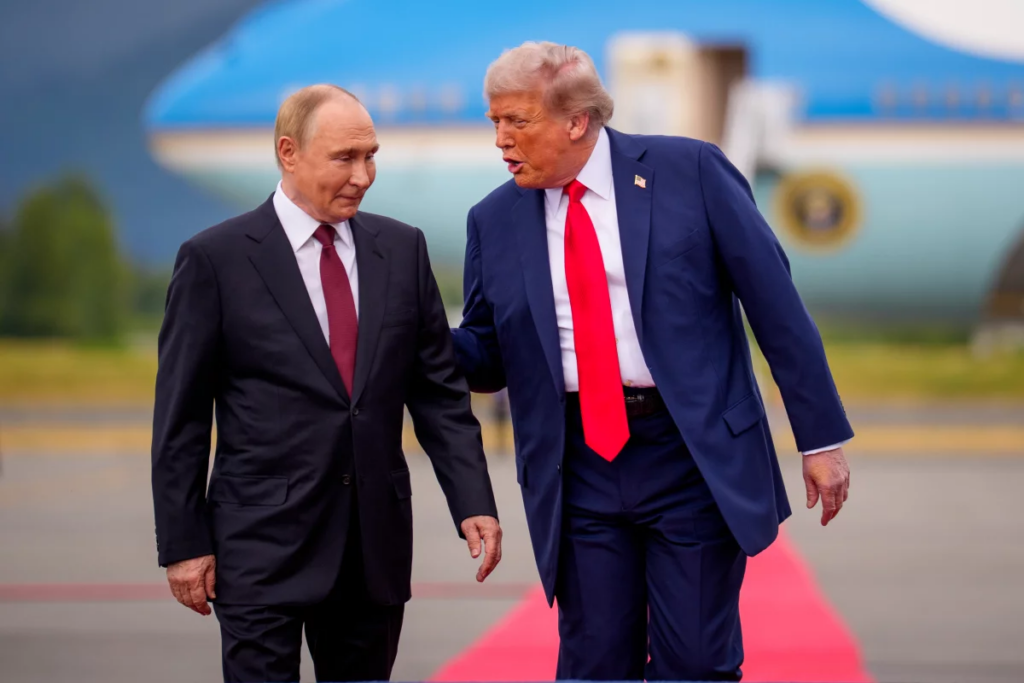
The policy of friends and enemies he has chosen—or rather, of allies turned indifferent, such as former European partners—is clearly reflected in his disinterest in maintaining NATO, his contempt for the political regeneration capacity of European leaders and systems, and his explicit respect for Putin. All this is accompanied by the idea that peace can be achieved by handing over territories, as if it were a condominium with tax exemptions and special permits. That has never worked in Europe. Hopefully, this time it will work in the complicated geopolitical context we are closing out this year.
In any case… today, just like yesterday, everything revolves around the economy. And so far, the decisions taken in the economic sphere are not yielding the expected results. Therefore, 2026 looks set to be an extremely complex year, marked by the reappearance of an uncomfortable yet persistent truth and recalling Bill Clinton’s famous phrase that helped him win the 1992 election against George Bush Sr: “It’s the economy, stupid.”
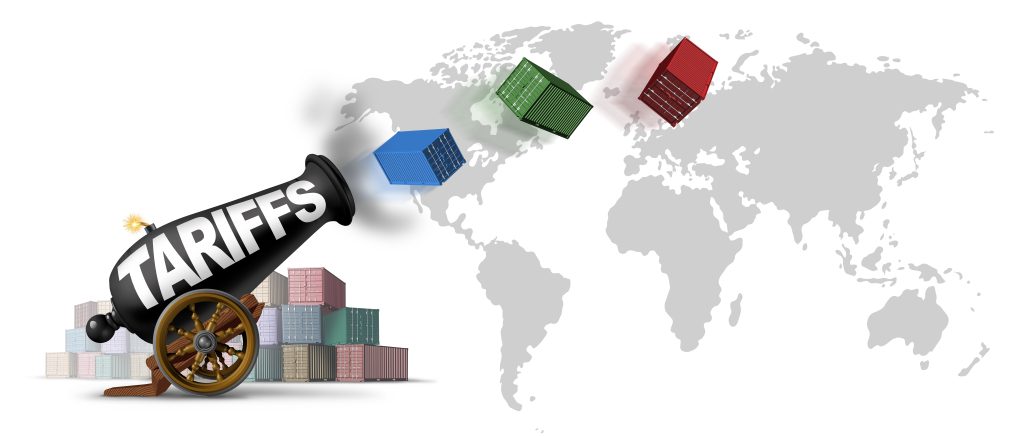
And it is not only in the United States.
The confusion also extends to the USMCA. The ongoing uncertainty about whether a stable agreement is desired affects, first, the resilience of a bloc representing nearly 30% of global gross domestic product and, second, the macroeconomic stability of both Mexico and Canada.
Today, paradigms are no longer ideological. It is not that populism is falling solely because of its inefficiency. The crisis of democracy is more profound and has one central cause: the scam of promising to improve living conditions, only to deliver corruption, betrayal, or, perhaps even worse, structural inefficiency, in which the State apparatus devours itself.

A State that does not produce benefits for its true owners, the citizens, whether they vote or not. The economy has been and will continue to be the decisive factor. But now, it is also a war economy. Whatever happens, the policies maintained—for different reasons—in Mexico and the United States strengthen the military-industrial complex and the defense sector.
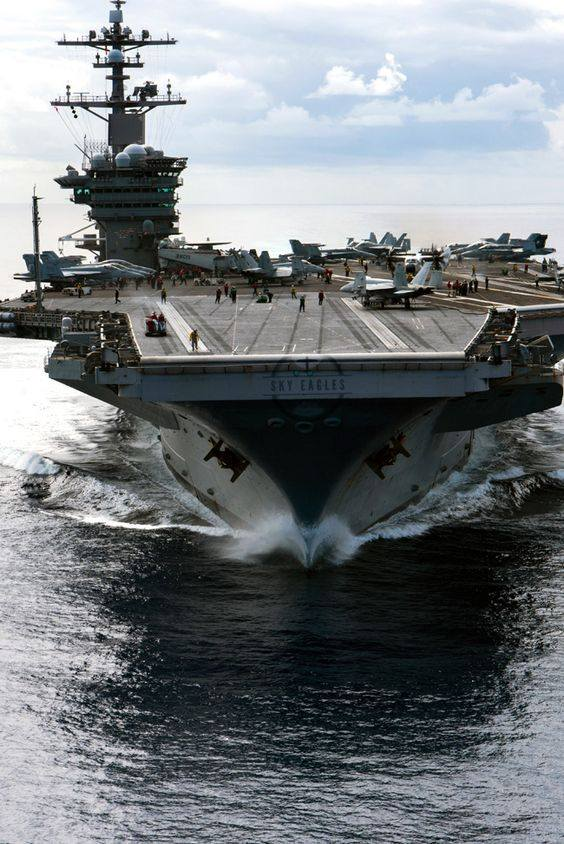
It is no coincidence that the US fleet deployed in the Caribbean has an estimated daily cost of $200 million. For what exactly? To oust Maduro, end drugs, and reinstate the Monroe Doctrine through the Marines? The underlying question is what structure is really being offered from here on out. This is not simply a year lived dangerously. It is the year in which the foundations are being laid for a world that is difficult to envision, except for two certainties. The first is that everything that seemed clear at the beginning of the year—who the allies were, who the enemies were, who was for and who was against—is no longer so. The second is that this ambiguity requires, both internationally and nationally, the formulation of radically different policies.
In the specific case of the United States, Mexico, and Canada, the economy is not only the central axis but also the decisive factor. In 2026, the USMCA will be renegotiated, and with it, much of the framework for trade relations between the three countries over the next few years will be outlined. This is not a technical formality or a minor discussion, but a turning point that will define competitiveness, investment, and regional growth.
In this new phase of Trumpism, beyond the noise and accompanying controversies—including his social media posts—everything will be subordinated to economic efficiency. Political interference, as was the case of Mexico during the previous six-year term, risks becoming unsustainable. The debate no longer revolves around conflicting ideologies, but something more dangerous: the possibility that a leader’s blindness will end up imposing its blindness on the entire system. When that happens, the cost is not political. It is structural.
Amid these turbulent times, this column will resume on Saturday, January 3. Thank you very much for reading and following us.

Further Reading: