Antonio Navalón
There is no need to dwell on it. There is no need to speculate. There is no need to wait for something that has already disappeared to reappear. It is not just that the world is new—every generation has rightly believed that theirs would be the definitive, the best, the most luminous—but that today the latest is a substantial, brutal change that has transformed everything. That change can be summarized in two main points.

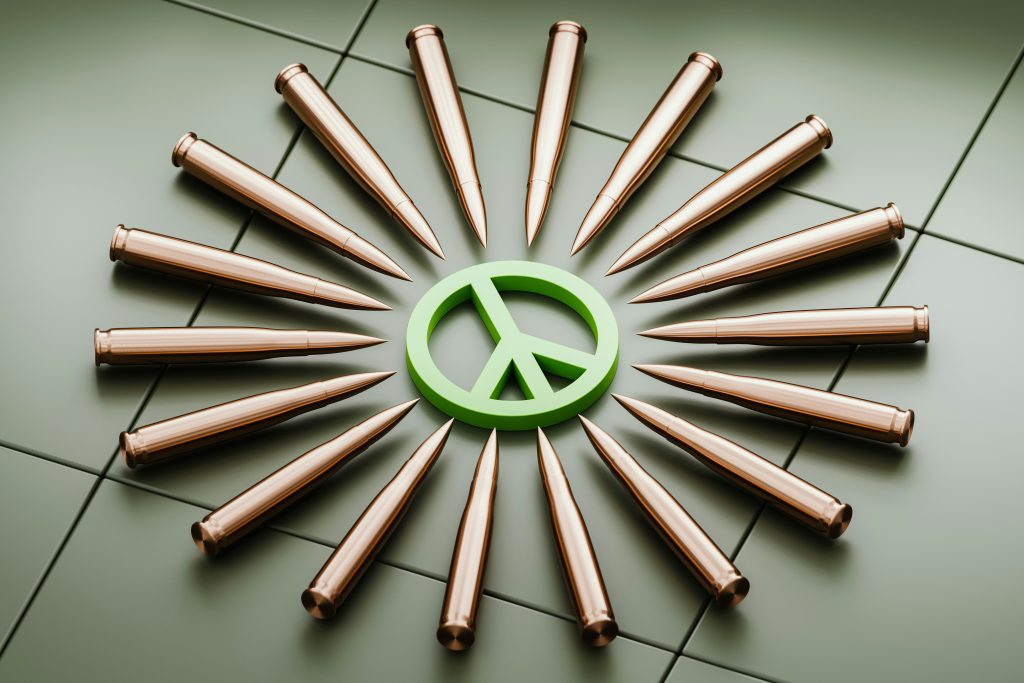
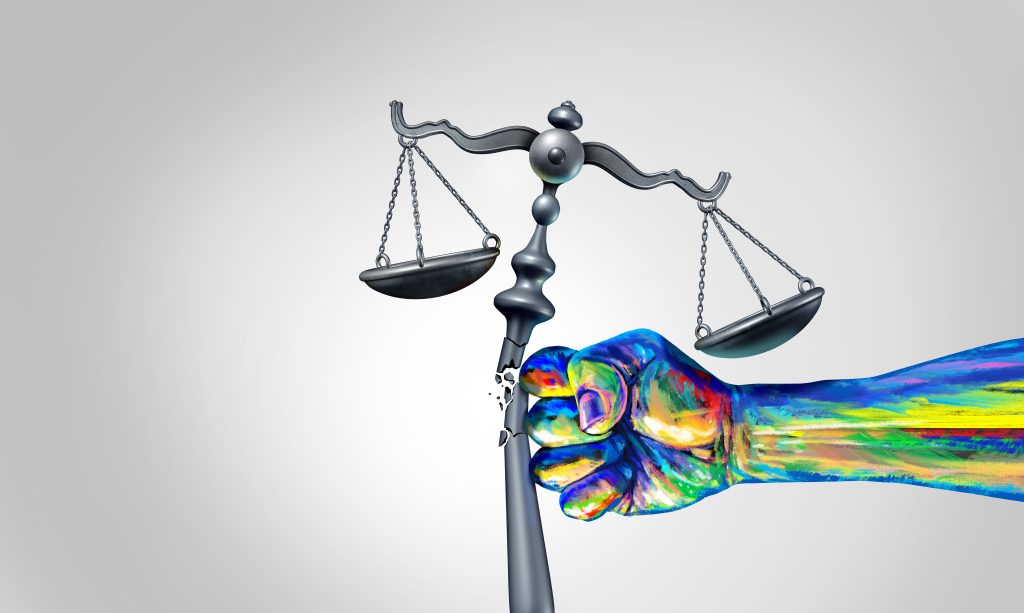
First, we have entirely replaced the era of legality, values, and guarantees of individual rights with a logic of unlimited profit, without checks and balances, and without the ethics of force. As at other times in history, regions and empires are once again ruling the world. Rome, in its time, had the intelligence to build a legal system that gave rise to a social order that lasted for centuries. But that era has passed, and today, once again, the law has been displaced by force.
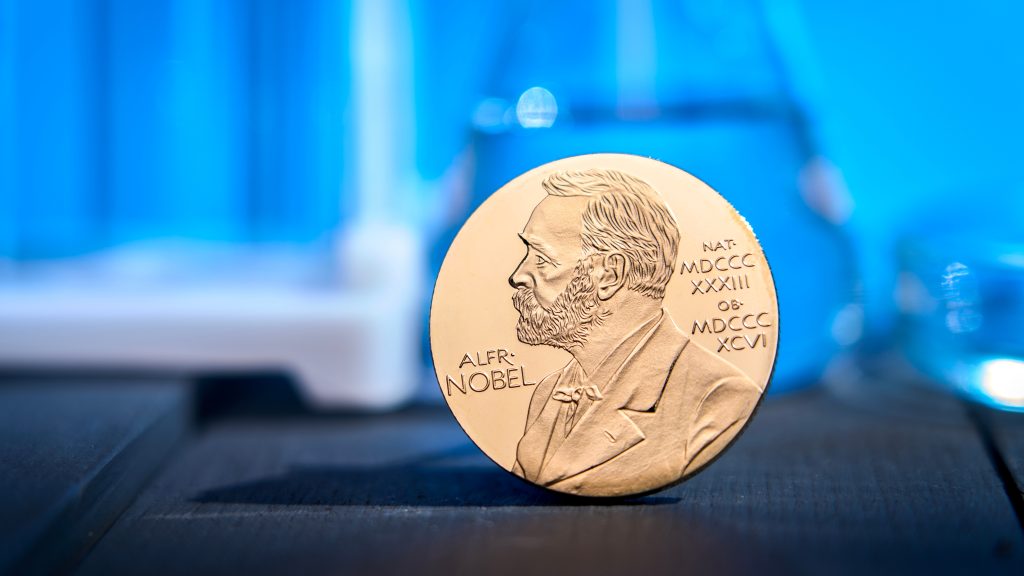
On the current chessboard, Arabs and Jews—in a conflict as old as it is manipulated, although it is false to say that it has lasted for centuries—enthusiastically align themselves with the only leader who, with cynicism and charisma, acts as if he were an emperor. A man who believes he can rule the world with his face, his ideas, and, above all, his guns, and whose short- and medium-term aspirations include winning the Nobel Peace Prize. Although in reality, for the creator of The Apprentice, this prize would be nothing more than another chapter and achievement in his ambition to rule the world.
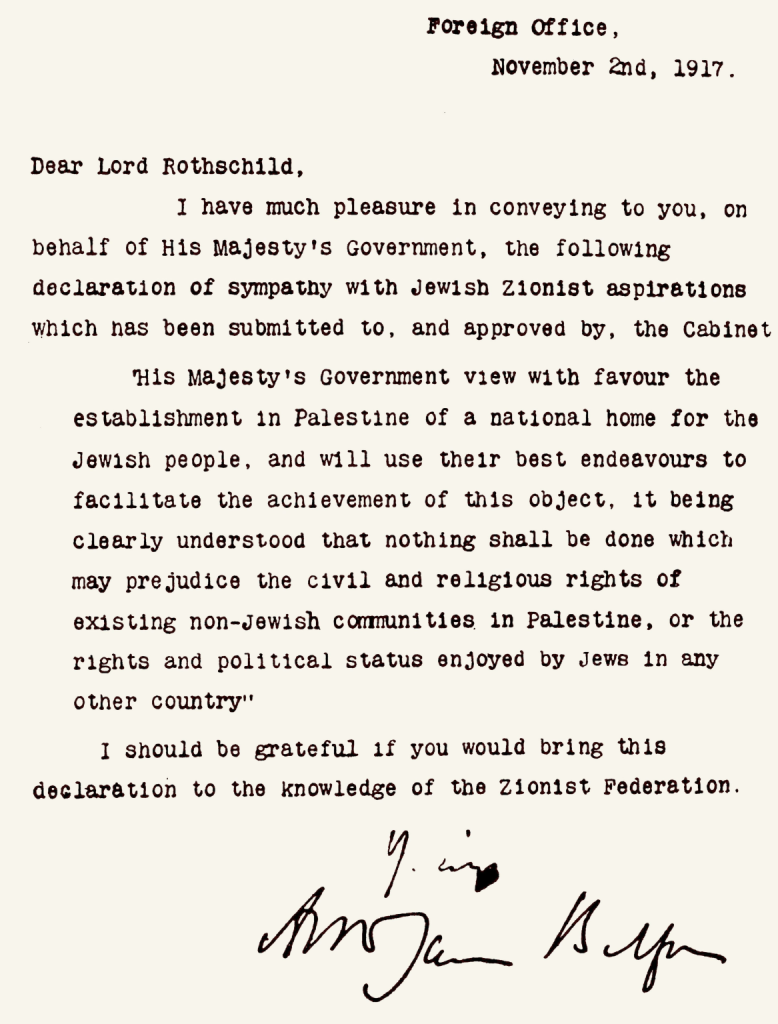
Since the British defined the map of the Middle East after the fall of the Ottoman Empire, securing their oil hegemony and promoting the birth of the State of Israel, the planet has been caught between a reality—oil—and a fiction: the perpetual war between Arabs and Jews, with the Palestinian people as an eternal sacrifice that no one wants or claims.
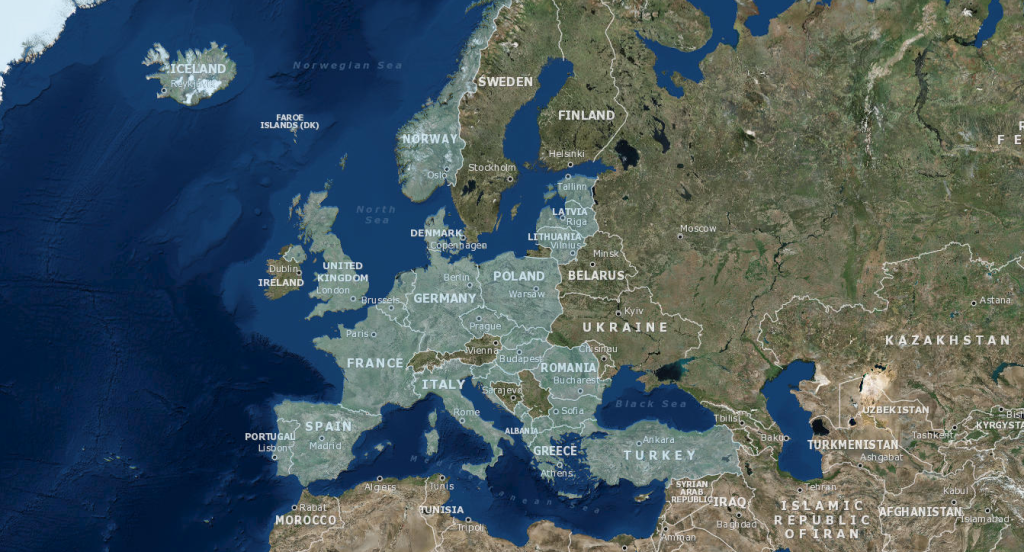
It now remains to be seen whether that same leader will also impose his version of “Trumpian peace” on Ukraine, with the collaboration of— and above — his friend and admired leader, Vladimir Putin. However, lately he has been failing him. If he succeeds, the next step is clear: to reconfigure the European board and accommodation.
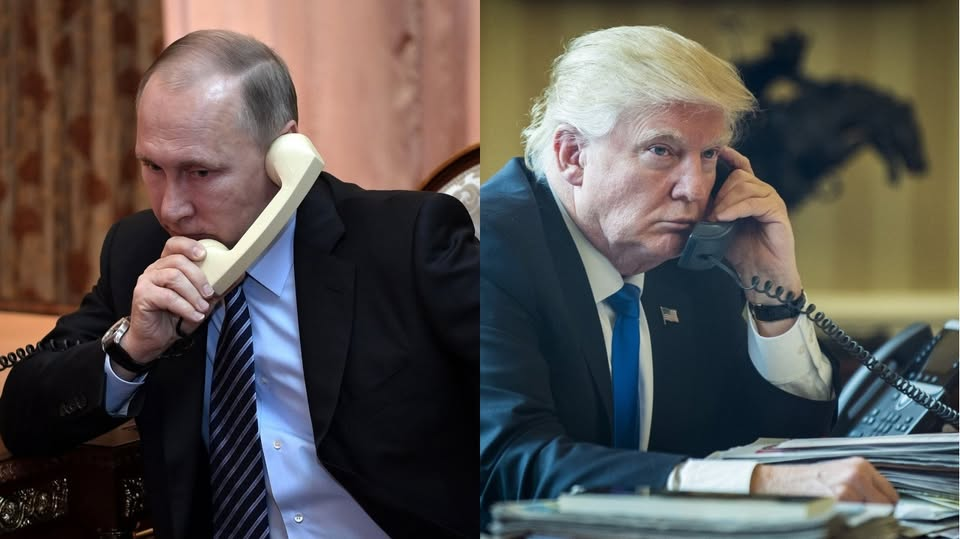
After a million deaths and a weakened Europe, it seems clear that for the Russian president, keeping Crimea or Donbass is no longer enough. Putin needs to withdraw with the narrative that he has restored Russia’s security against NATO and that the country is no longer in danger of being invaded or colonized. He can try to do this with drones, missiles, and fire, while Trump could do it with a single meeting in Washington, ordering NATO to retreat 500 kilometers from the Russian border and declaring the conflict over. Tony Blair understood in his time that democratic leaders were soft and that lukewarmness is deadly to power. This new cycle confirms it. In today’s politics, democratic values no longer exist; countries surrender their freedoms and rights to rulers who promise strength and order, and claim that democracy is a fraud, as if it were a collective scam. In the end, checks and balances, the separation of powers, and the very idea of social welfare seem outdated and failed today.
People no longer mobilize to defend their freedoms, perhaps because freedom—with rare exceptions—never really changed their lives. And so, human beings and peoples—with their heads, stomachs, and hearts intertwined—continue to be driven by the same things as always: fear and ambition.
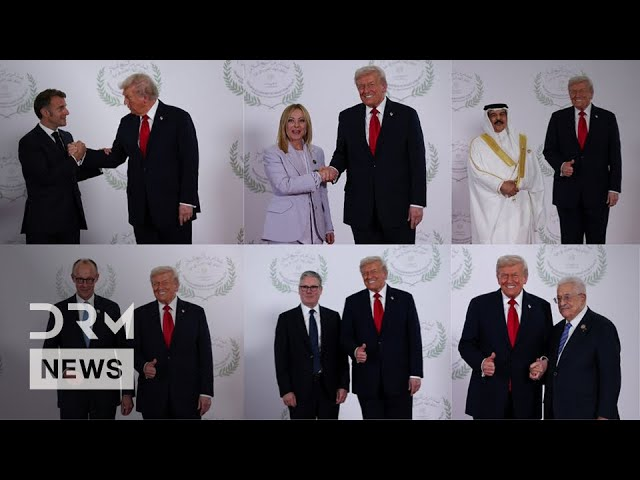
The era of force is beginning—or continuing. The difference is that now there is nothing to oppose it. The figure of the “statesman,” the “leader,” the supposed symbol of hope for societies, has disappeared. The images of handshakes on a platform, as if it were an altar, where all his peers—assuming he has any, from the British prime minister to the Spanish president—were a pitiful and dishonorable spectacle for others. That reverence is closer to a Sieg Donald Trump—in memory of the German expression “Seig Heil” from the Hitler era, which could be translated as a salute to victory—than to an expression of diplomatic respect.
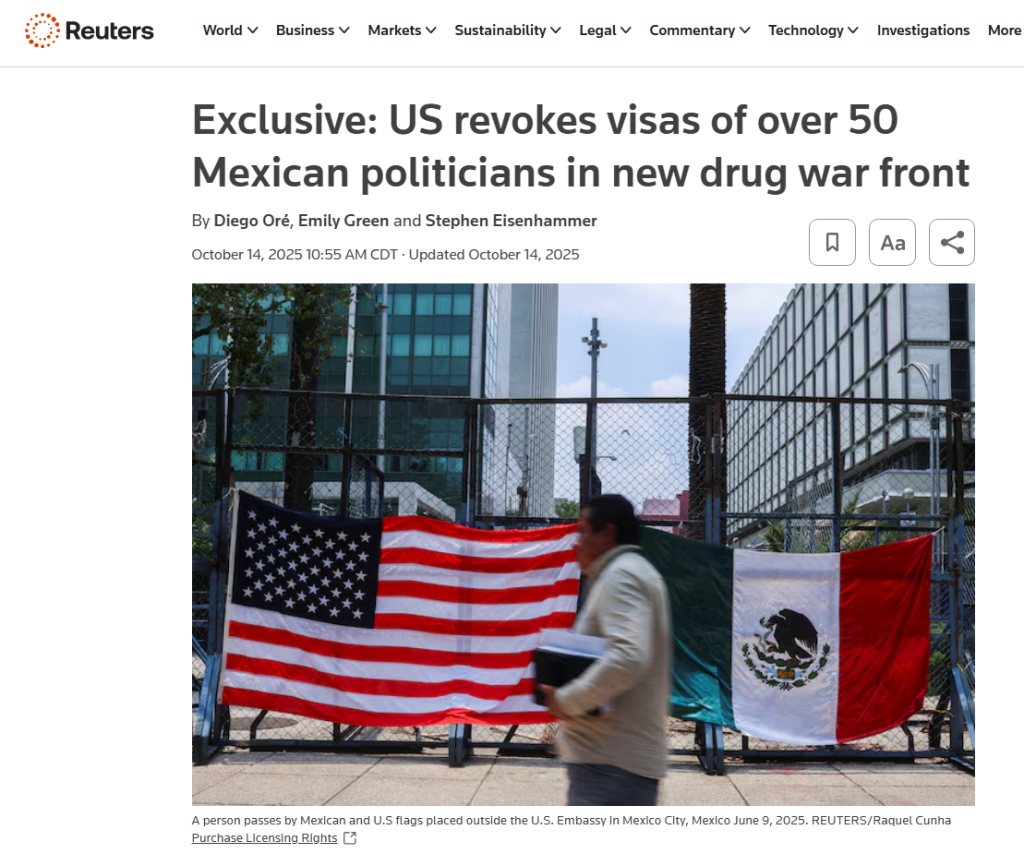
Postscript: Prime Minister Sheinbaum neither denied nor confirmed that fifty senior officials in her government—but, above all, in her regime—have had their visas canceled for traveling, shopping, or having fun in the United States. Perhaps it is a personal matter between the immigration authorities and those affected, but the truth is that it represents another step in the political strangulation of her administration. The Americans are closing their doors to her people, and this hits them where it hurts most, in their pride. Don’t worry, little by little, day by day, we will find out who can no longer go to the United States—assuming, of course, that this is a tragedy for those affected.
Further Reading: