
Antonio Navalón
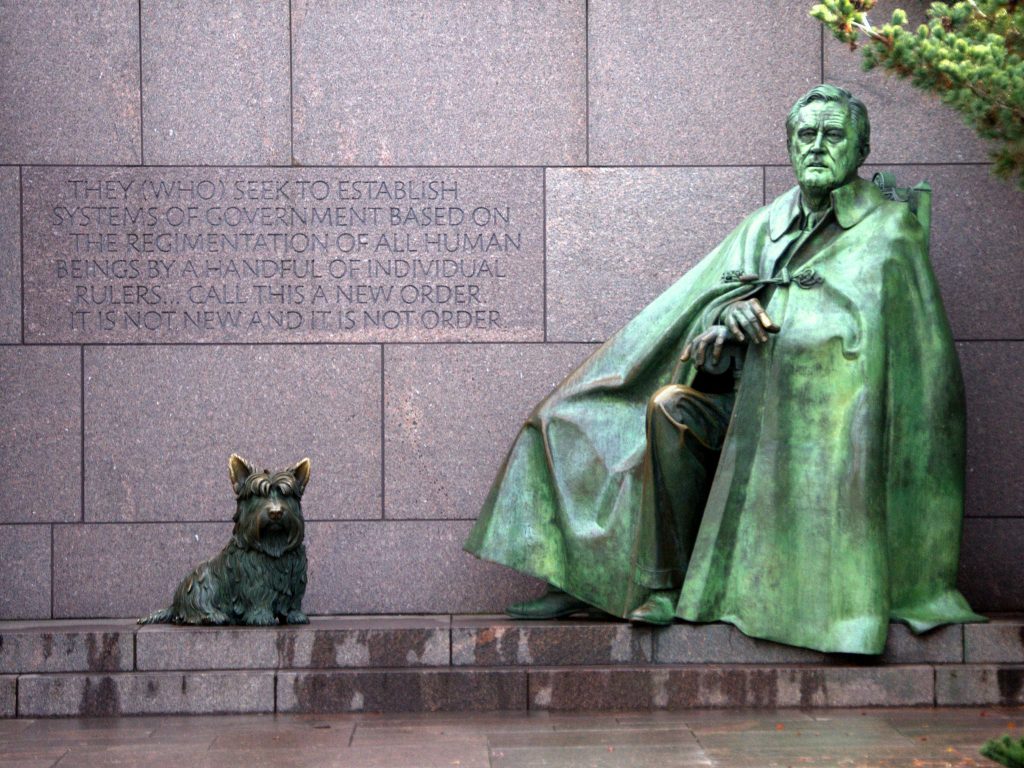
The 1960 US presidential campaign marked a historic milestone. Not only did it bury the old ways of doing politics—those fireside chats that gained popularity during the New Deal and Franklin D. Roosevelt’s campaign during the Great Depression—but it also did away with the centrality of political programs and promises. From then on, the domination of image, and above all, the dictatorship of polls, began.
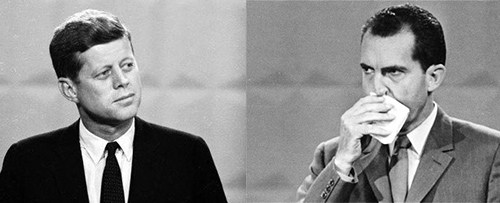
Until that contest between Richard Nixon and John F. Kennedy, politics was built around a program that was proposed, and then each political leader was free to decide whether or not to fulfill it. But with Kennedy’s serenity and youthfulness, which led him to victory on November 8, 1960—in contrast to Nixon’s emblematic sweat and stiffness, which he displayed in one of the debates but which became a symbol of his campaign—a new era began. From that moment on, image became more valuable than any commitment, and an obsession with measuring the popularity of leaders replaced the value of political promises.
From that moment on, political life around the world was inundated with the logic of polls. For decades, we have become slaves to them, acting more on perception than on principles, more on appearances than on reality. Today, no one clearly remembers what they were promised or why they cast their vote. The politician who arrives with a speech and a set of promises feels liberated from his commitment as soon as he appears in the next photo, which reaffirms him in the public arena.
That is why I am not surprised that on October 1, the first anniversary of President Claudia Sheinbaum’s term, there was such overwhelming agreement in the local media—all so affected by the situation—in proclaiming that this first year of her administration had been a success and that her six-year term would be a triumph. I don’t mean to be unfair. I recognize that favorable public opinion is not the worst thing that can happen to the president or the country. However, the discourse of the polls is one thing, and the actual sentiment of the country is another. If even sociological technologies struggle to capture the popularity and true acceptance of a leader, imagine how complex it is to convey them.

The most important thing is to understand that in politics, it is no longer so much about the issue that matters, but how people feel about it. It’s like a marriage: will it last? As long as both parties are content or have valid reasons, they will likely remain together. Today, the marriage and relationship between the Mexican people and their president not only seem solid, but also convey the idea of being in good hope. Naturally, the natural result of that political pregnancy would be a better future for the country. Of course—although I won’t focus on that right now—there is still a long list of pending issues and things that are not working as intended. But as long as they do not directly affect the majority, they seem to be of no importance. The essential thing is that citizens continue to receive their pensions and can provide for their daily needs, including food and a stable income.
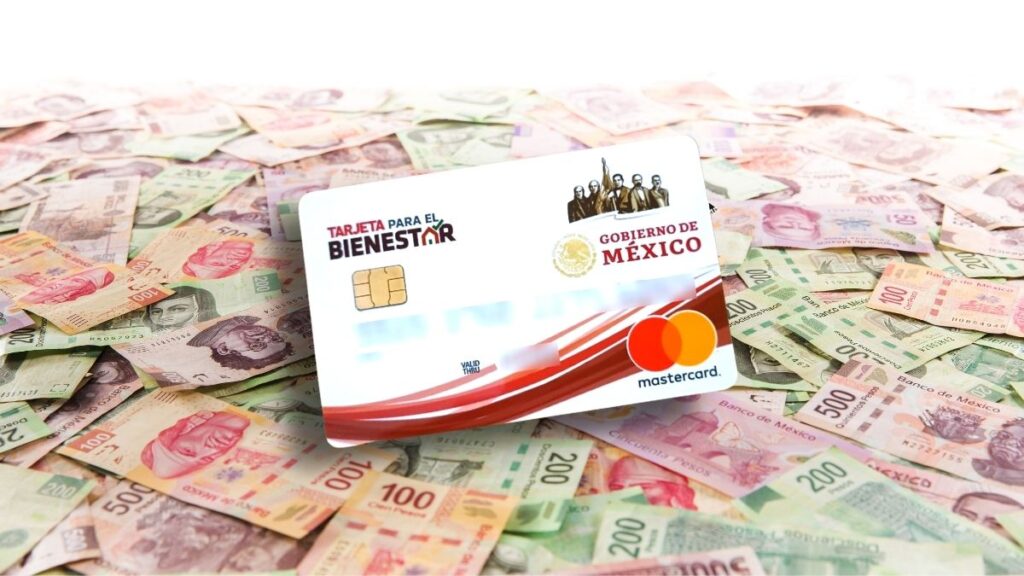
Inevitably, the day will come when we must consider what will happen the day after. The question is: after what? After losing popularity? After losing the horizon of economic development? We cannot ignore the fact that the term of office is fixed, and it is clear what is stated in our Constitution: six years, not one more. People, by nature, are volatile and evanescent. But those who have conquered power with proposals and an electoral machine have an obligation to anticipate the moment of disenchantment. That moment—hopefully far off—cannot be faced with evasiveness, but with responsibility and transparency. In this sense, what is worrying is that the barometer of morality and accountability seems to be more focused on the United States than on Mexico, and on the day-to-day events in our country.
It is they who, according to the ebb and flow of their interests and as a method of negotiation—so far efficient—uncover scandals, increase political pressure, cancel visas, and place the country under suspicion. And in the meantime, the question remains: where are our own institutions, those responsible for investigating and enforcing the law? How different Mexico would be and how beneficial it would be for us if, in addition to enduring external accusations and pressure, we had a solid system capable of arresting those truly responsible and holding accountable those who harm the country.

Perhaps in another story, perhaps in another country, but for now, all we can do is wait and hope that popularity transcends the polls. Hope that the image turns into action and that the programs, those endless documents of hundreds of pages, are transformed into a better quality of life and a true and efficient use of power.
Further Reading: