
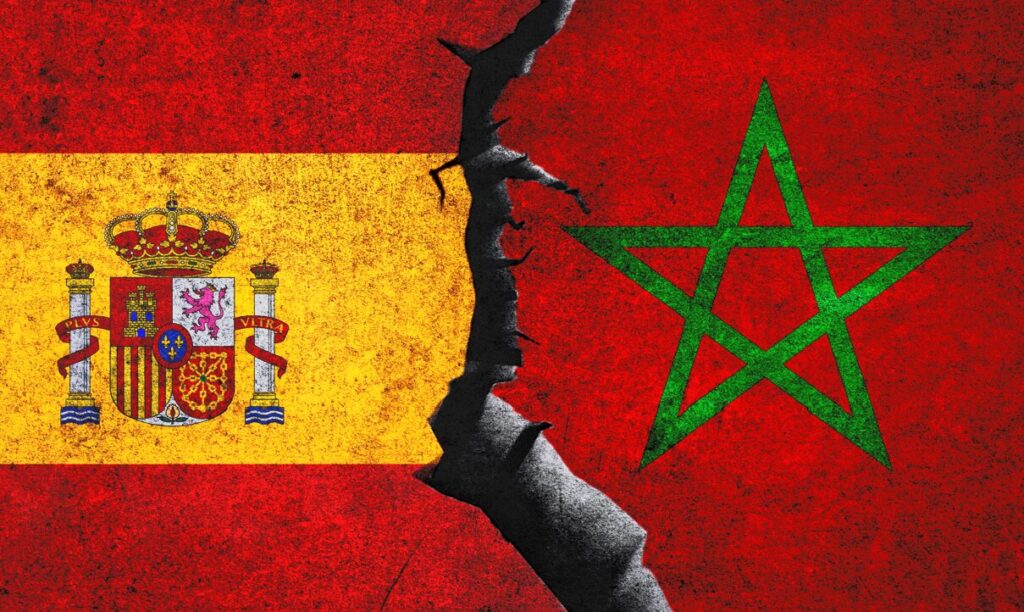
Antonio Navalón
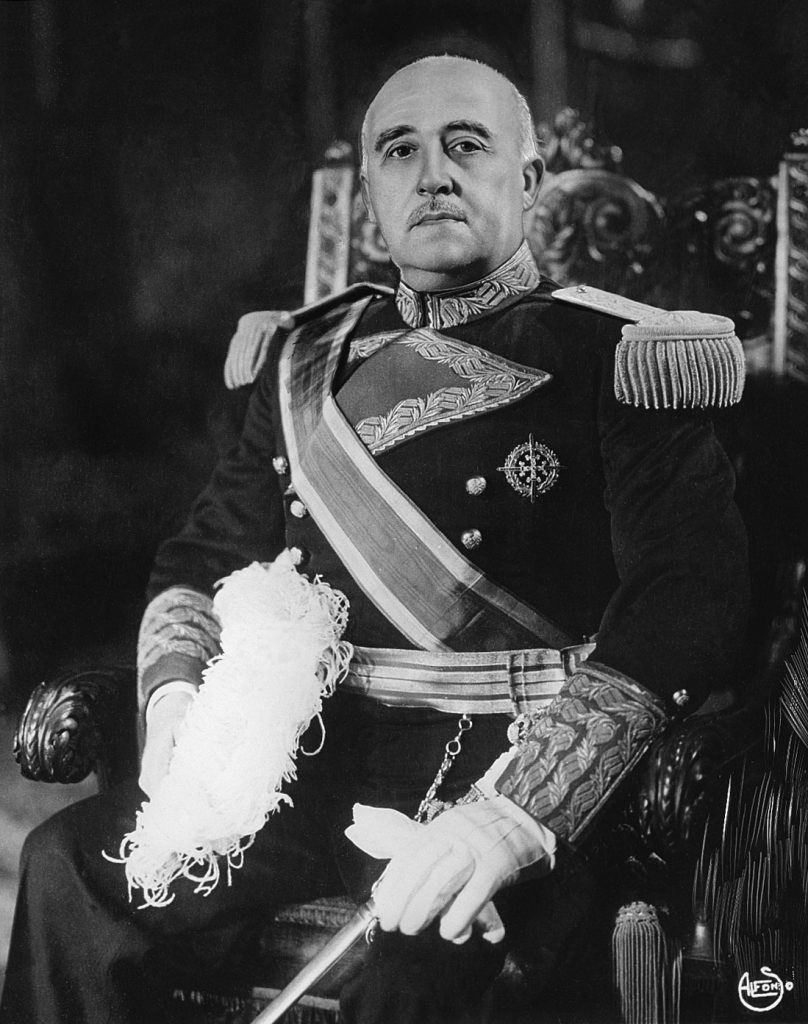
It was October and November of 1975. Francisco Franco, Spain’s dictator, Caudillo, and Generalissimo—“Caudillo of Spain by the grace of God,” as the official propaganda proclaimed and as was engraved on the peseta, Spain’s currency before the euro—was on his deathbed in Madrid. His body had been subjected to an almost Dantesque succession of medical procedures, while the regime he had built over nearly four decades was also beginning to fade away. Franco would finally die on November 20, 1975.
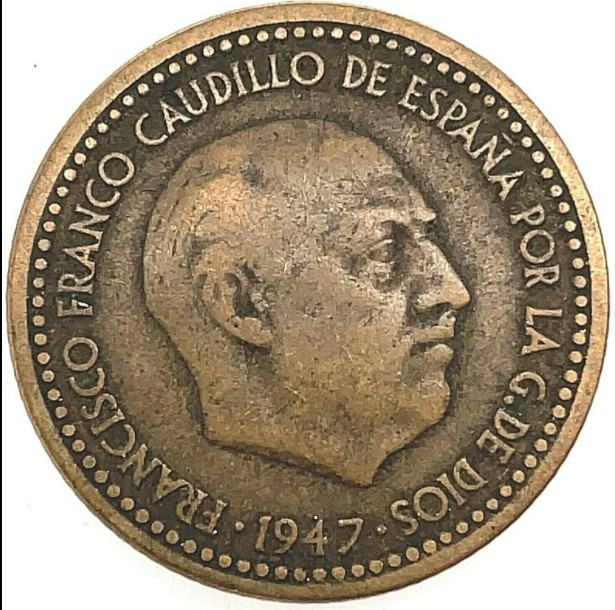
Morocco was in the very marrow, soul, and spirit of the man whom the Franco regime called Generalissimo. A title whose grandiloquence recalls—all historical differences aside—Antonio López de Santa Anna, the Mexican ruler who had himself granted the title of “Most Serene Highness” and the rank of Captain General during his final dictatorship. It was in Morocco that Franco began his most daring career and his military rise. First as an officer in the Regulars and later as one of the key figures in the Legion, created by José Millán-Astray. Franco was one of those who shaped that military corps into what it still represents within the Spanish Army. It was also there that he was shot in an incident that nearly killed him. It happened in June 1916, during the Battle of El Biutz, near Ceuta. A bullet pierced his abdomen and left him seriously wounded. That incident not only earned him medals and recognition but also placed him at a decisive turning point, allowing him to make his mark among the senior generals.
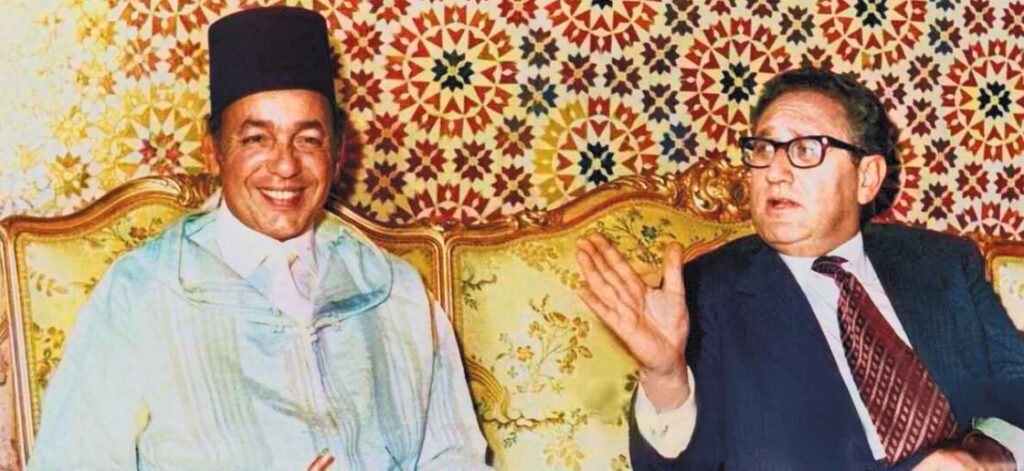
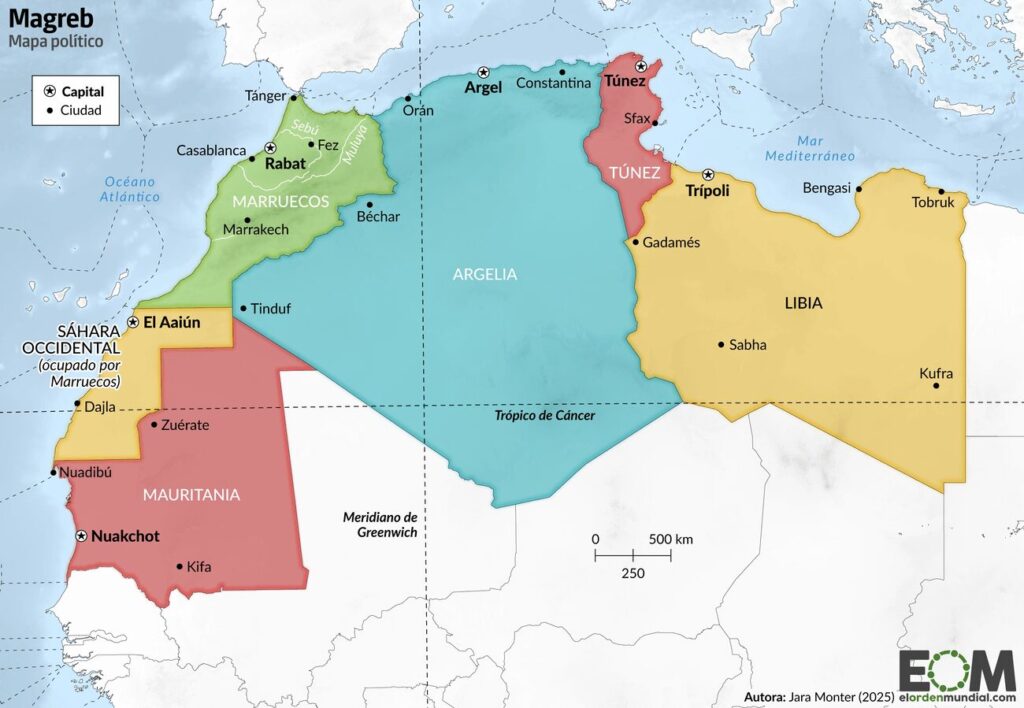
On the other side of the Strait of Gibraltar, a young king reigned—the son of Mohamed V, a man with French leanings, devious, and extraordinarily skilled in political strategy. His name was Hassan II. The Moroccan monarch had developed a very close relationship with Henry Kissinger, the U.S. Secretary of State, and with the administration in Washington. Morocco was a key component of U.S. strategy in North Africa and a counterweight to Algeria, a country aligned with the Soviet Union and Rabat’s main regional rival.
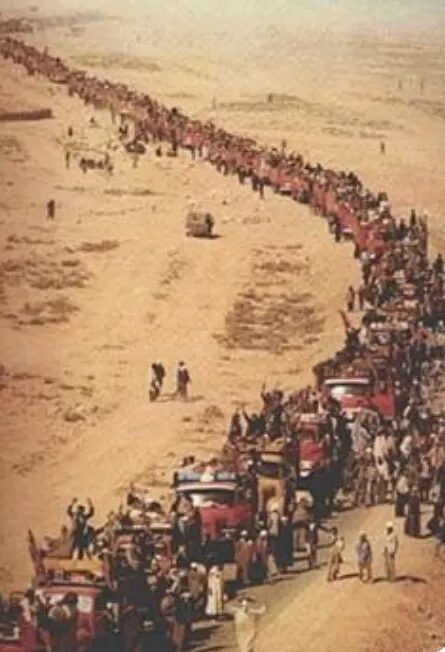
Hassan II took advantage of the end of the Franco regime to deliver the coup de grâce to what remained of what was once one of the greatest colonial empires on earth. On November 6, 1975, he mobilized hundreds of thousands of people in a seemingly peaceful march, called the Green March, to enter the Spanish Sahara and force Madrid to abandon the territory. Morocco presented that operation as the recovery of its own land. However, the International Court of Justice had ruled that, although certain historical ties existed between the Sultan of Morocco and some Sahrawi tribes, those ties did not constitute territorial sovereignty nor did they nullify the right of the people of Western Sahara to freely determine their future.
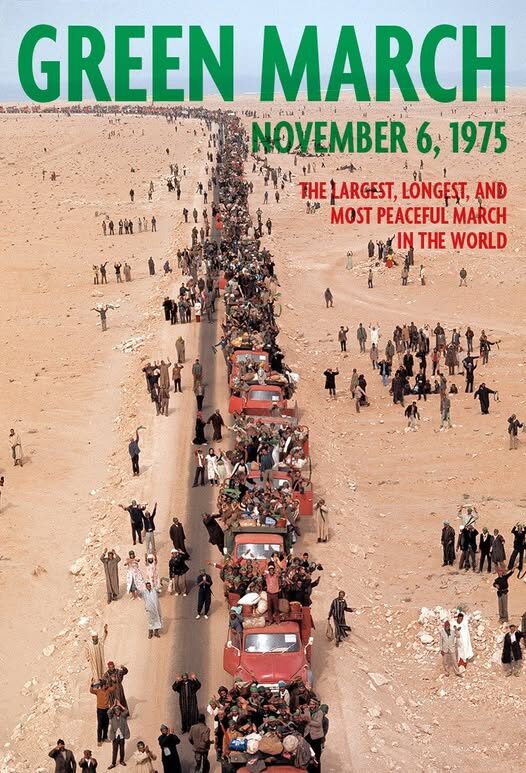
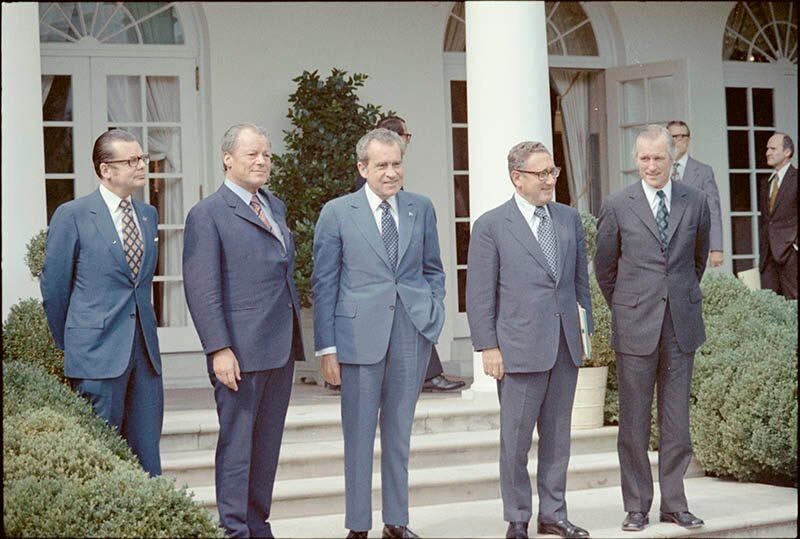
It did not take Hassan II long to consolidate his position and drive out the Spaniards. For one thing, Spain was a regime on its last legs, with a dictator who could no longer rule and elites focused on preparing for succession. Furthermore, that geostrategic move was part of a much broader plan. Morocco occupied a central place in Henry Kissinger’s vision. Strengthening Hassan II meant limiting Algeria’s position in the Sahara, containing Soviet influence, and maintaining the West’s strategic balance in the Mediterranean and North Africa. Washington sought to avoid an open military confrontation, but fully understood Morocco’s value in its global struggle against communism. The Green March was part of that world and that logic: strengthening allies, weakening pro-Soviet adversaries, and preserving the Western order.
That strategy was also linked to U.S. policy aimed at preventing European communist parties from coming to power through the ballot box. To achieve this, the West found a reliable alternative in social democracy, represented during those years by figures such as Willy Brandt and the German Social Democratic Party.
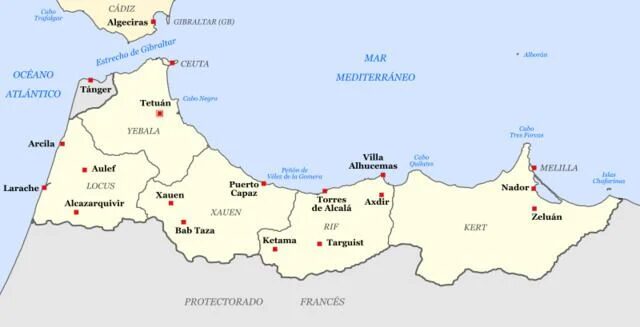
More than fifty years have passed since those days. Yet history repeats itself. History always ends up buying a round-trip ticket. Today we find ourselves once again facing a tiny sliver of the Strait of Gibraltar: a few square kilometers that are part of Spain but are located on the African continent. We’re talking about Ceuta, one of the last Spanish territories in Africa, along with Melilla and the so-called “plazas de soberanía.”
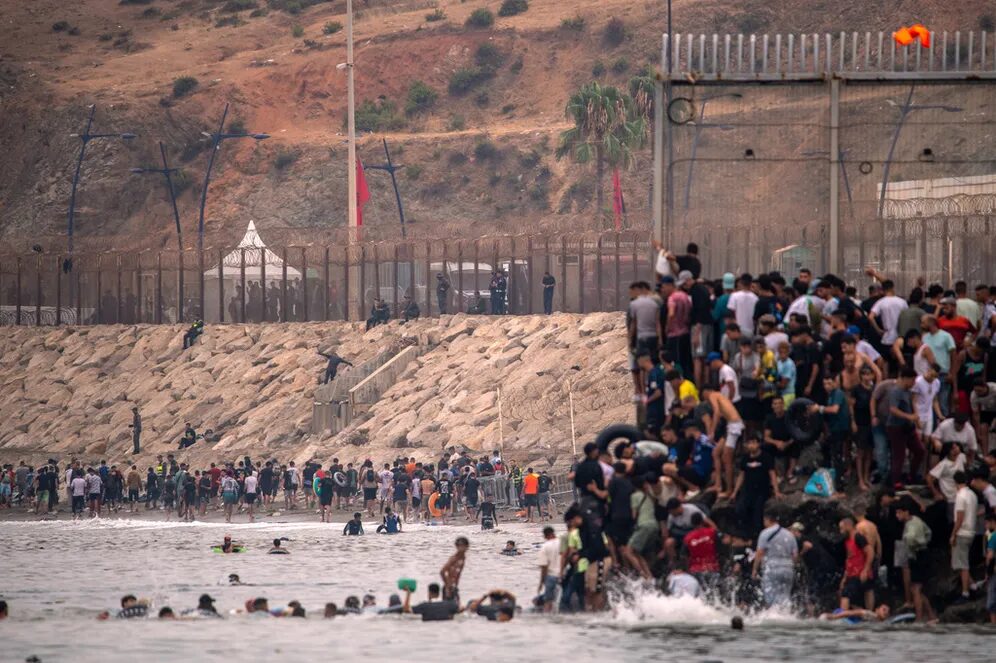
The current operation is no longer “green.” It is “blue,” for the color of the sea. This is not a march officially organized by a monarch, nor is it a column advancing in orderly fashion through the desert. It is a massive influx by land and sea—primarily of civilians—that has once again put Spanish sovereignty and Europe’s ability to control its borders to the test. In just twenty-four hours, around 49,000 people crossed from Morocco into Ceuta. Most came from Morocco itself, though there were also people from other African countries. They entered on foot, by sea, and by bypassing border controls. Spain had to deploy police, Civil Guards, and military personnel. The crisis left dozens dead and subsequently required coordination with Morocco to facilitate the return of thousands of people.
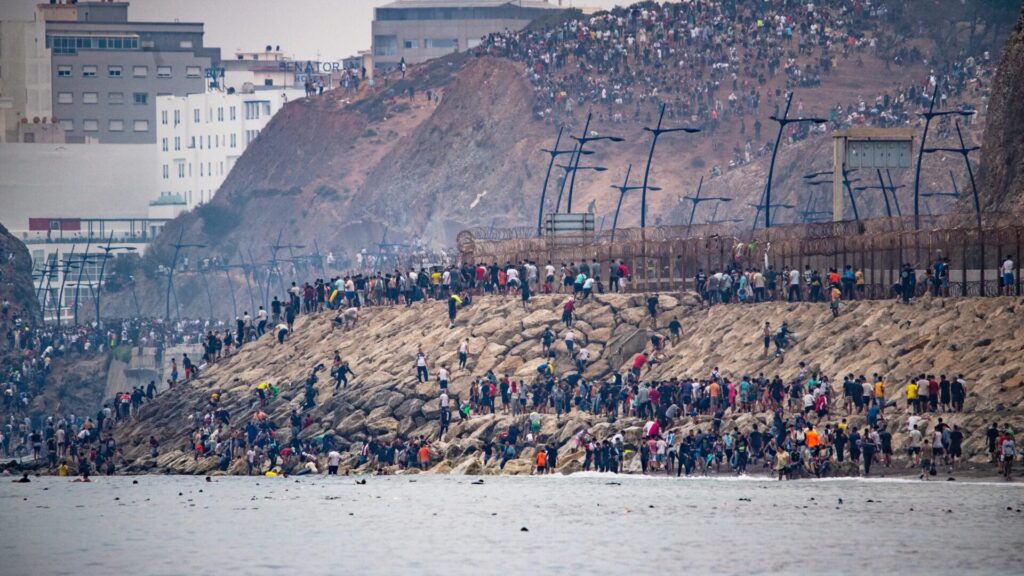
Of course, this is not an exact replica of the Green March. But it is a form of pressure on a small, vulnerable, and geographically isolated territory—an operation that does not need to conquer Ceuta to demonstrate that it can paralyze it. There are many differences between 1975 and 2026. The most important is that Ceuta is part of Spain, whereas the Sahara was a territory awaiting decolonization. But events like this help us understand why, in the future landscape of Europe, three countries will find it difficult to take a leading role, despite their history and importance. The first is France. The second is Spain, one of the fastest-growing economies within the European Union. The third—first by its own choice and now by default—is the United Kingdom.
All three countries are deeply impacted by a wave of Arab, Maghreb, and African migration. All three bear the burden of their former empires. All three face problems of identity, integration, and security. And all three struggle to define where the moral obligation to receive ends and where the political obligation to protect begins.
There is a fundamental reason why Italian Prime Minister Giorgia Meloni, with the reflexes of a tiger, seized the opportunity to respond to the political and demographic challenge posed by the Spanish Prime Minister’s migration strategy. Pedro Sánchez’s government pushed for an extraordinary regularization of immigrants who were already in Spain before January 1, 2026. This is not automatic naturalization, but rather a procedure to grant residency and work permits to those who meet the requirements. However, in politics, the consequences never end where the laws begin. Many European countries and political sectors believe that this decision could, over time, become a source of votes for Sánchez’s party and its allies. First comes residency. Then, citizenship may follow. Finally, once the legal requirements are met, comes the right to vote.
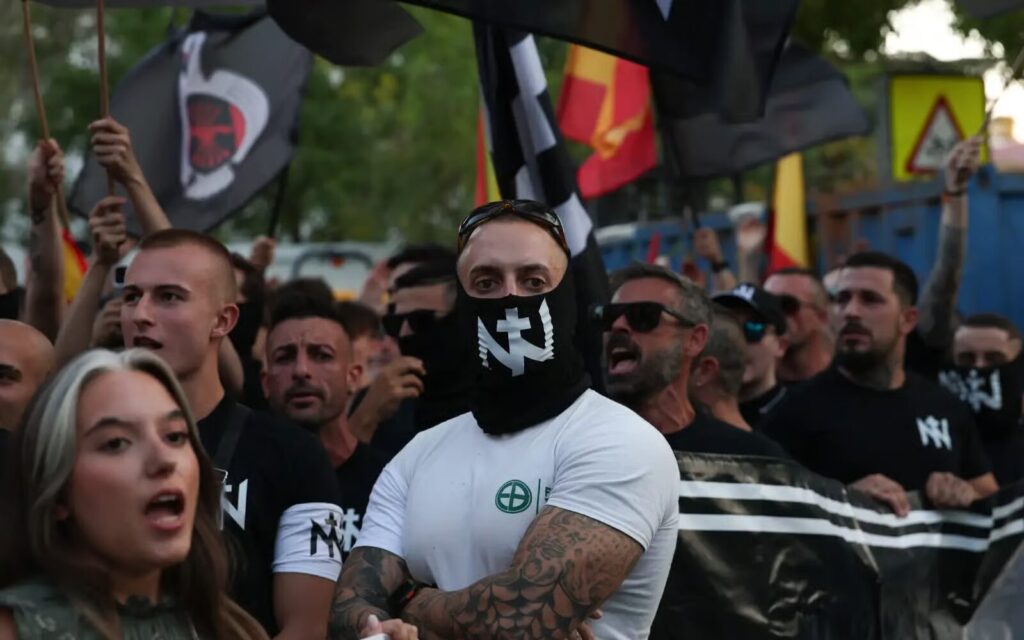
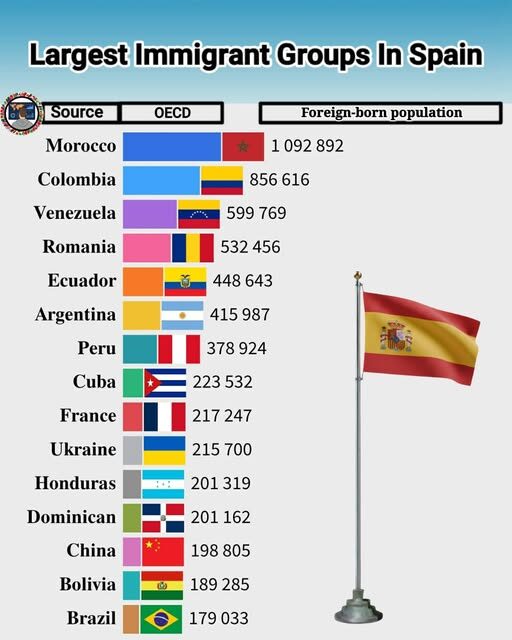
At the same time, a regularization effort of this magnitude sends a message abroad that is difficult to control. Although it applied only to people already in Spain, the perception that may spread outside Europe is much simpler: Spain is opening its doors. And when it comes to immigration, perceptions tend to mobilize people just as much as the laws themselves. Spain’s population has reached nearly 50 million, of which about 14% are foreign nationals; however, when the resident population born outside Spain—including current residents—is taken into account, the proportion rises to approximately 18% of the total population. This figure continues to rise every day. Immigration from the Maghreb, especially from Morocco, plays a very significant role in this demographic transformation. Added to this is the arrival of millions of Latin Americans—who are culturally and linguistically closer—who have made Spain their second home and who, in many cases, have even acquired Spanish citizenship.
Italy threatened to push for the temporary suspension of the Schengen Agreement with regard to Spain or, at the very least, to strengthen border controls. The measure had not been formalized, but Meloni’s message was very clear: if Spain loses the ability to control who enters Europe, the other countries will regain control of their own borders. Schengen allows people, once inside the European area, to move between countries without systematic passport checks. That freedom depends on mutual trust and, especially, on each state adequately protecting the external borders under its responsibility.
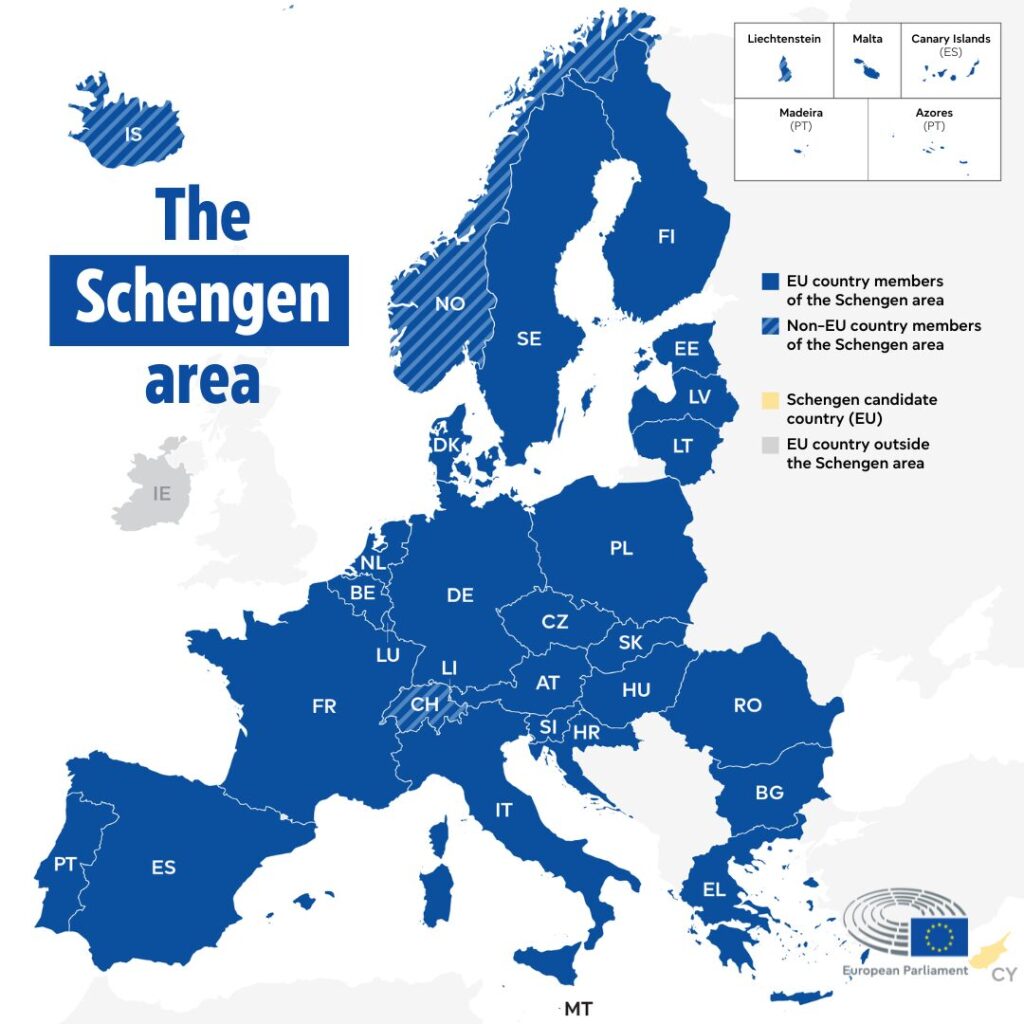
When that trust disappears, each government begins to investigate, monitor, and decide for itself who may enter its territory. This is a crisis of immense political significance. For obvious reasons, it ties in with the doctrine currently dominant in Washington, where Donald Trump’s administration has placed border control and the fight against irregular immigration at the center of its political agenda. Pedro Sánchez and his administration do not exactly belong to the White House’s circle of ideological allies. Their immigration policy stands in stark contrast to the vision championed by Stephen Miller, Deputy Chief of Staff for Policy and Advisor on Homeland Security—one of the key architects of the U.S. administration’s immigration policy.

Spain is also the second-largest source of foreign direct investment in Mexico, trailing only the United States. Spain has also become one of the main destinations for Mexican investment, residency, and economic interests in Europe. Numerous Mexican businesspeople and families maintain properties, businesses, second homes, or dual citizenship there. For this reason, what happens in Spain is never entirely irrelevant to Mexico. The political implications go far beyond a single election or the gradual granting of voting rights to those who eventually acquire citizenship. What is truly at stake is whether Europe can continue to belong to Europeans—and, if so, what kind of Europeans we are talking about.
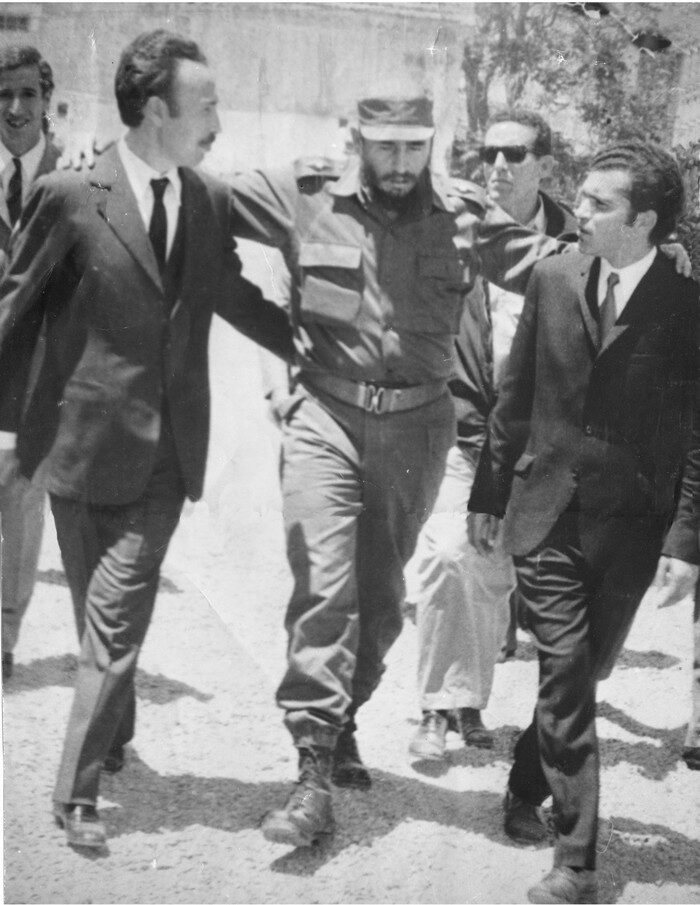
Is a European only someone born there? Is it also someone who arrived, worked, respected the laws, and adopted its values? Can someone who uses the continent’s freedoms to combat the political culture that made those freedoms possible be considered European? In politics, there are always coincidences. Think the worst, and you’ll be right. At the root of the Green March, more than fifty years ago, was the regional confrontation against Houari Boumédiène’s Algeria—an ally of the Soviet Union and a supporter of the Polisario Front. That dispute led Washington to gradually shift its strategic balance toward Morocco.
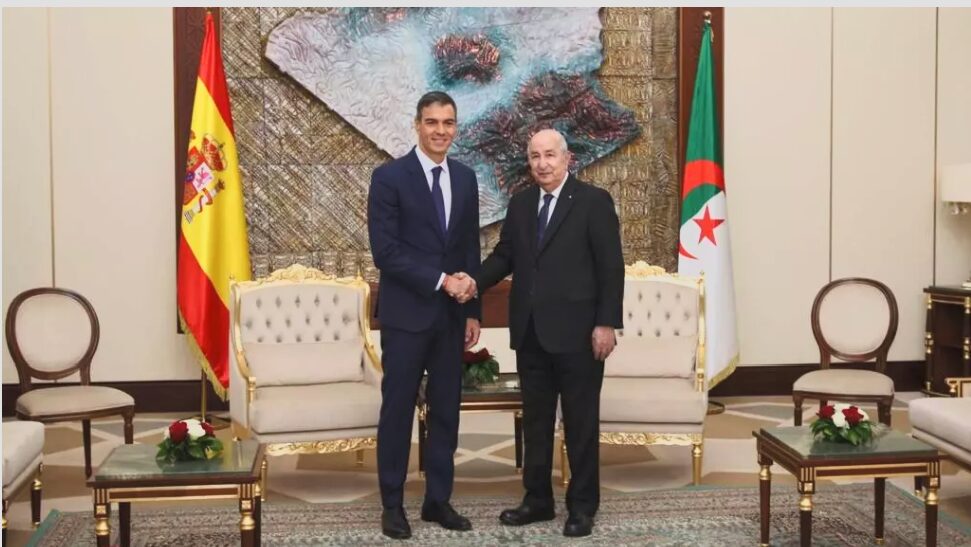
Fifty years later, Morocco, Spain, and Algeria find themselves once again within the same triangle. Pedro Sánchez visited Algeria on July 20, 2026, following several years of estrangement and diplomatic clashes. There, he met with President Abdelmadjid Tebboune and announced a new phase of cooperation in politics, the economy, energy, migration, and security. Ten days later, the mass influx into Ceuta took place. It may be a coincidence. It may be the result of human trafficking networks, rumors spread on social media, or the perception created by Spain’s regularization policy. It may also be a message. A message to remind Sánchez that Morocco holds one of the fundamental keys to Spanish security. A message to warn him that any rapprochement with Algeria has consequences. A message to demonstrate that Ceuta, Melilla, the Sahara, immigration, and energy continue to be part of the same game.
There is still no public evidence to confirm that Rabat deliberately orchestrated the influx. But neither can it be ignored that Morocco has previously used immigration control as a tool of diplomatic pressure. History never repeats itself exactly the same way. The colors change, the tools change, and the protagonists change. Geography and power remain.
Further Reading: