
Antonio Navalón
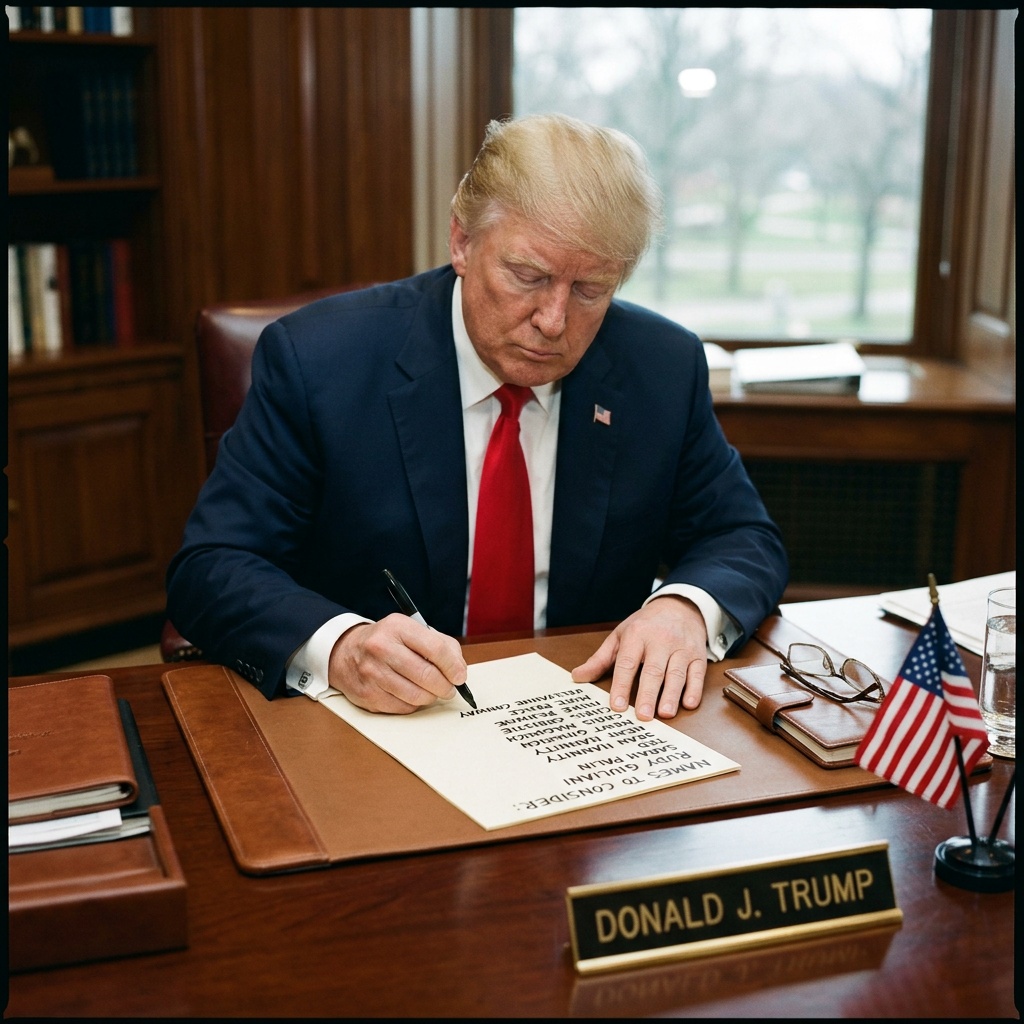
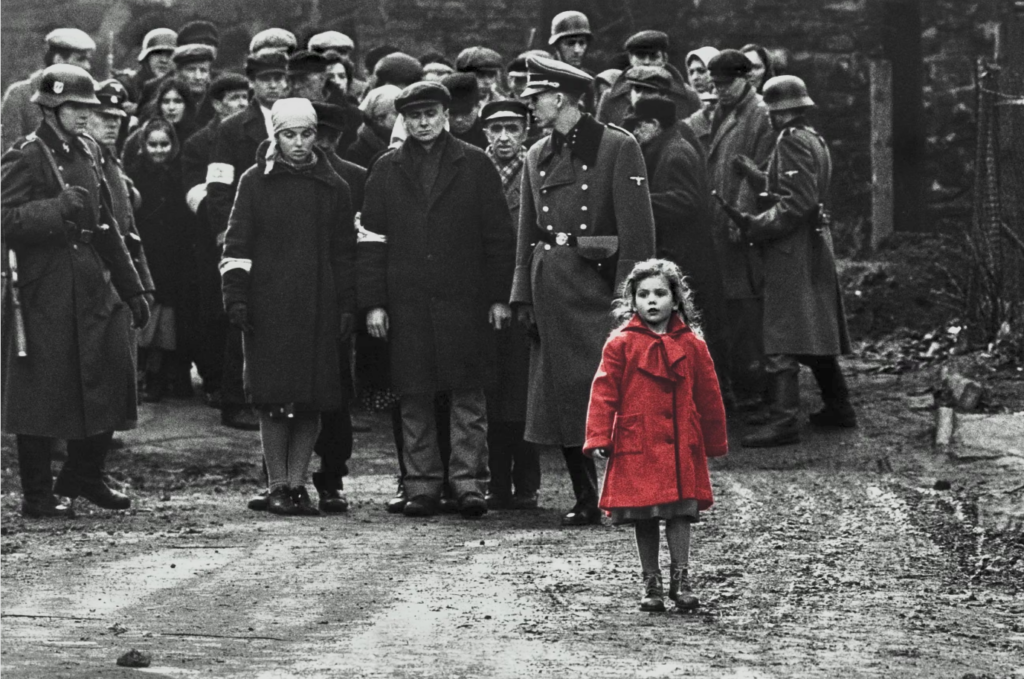
In Mexico, political life increasingly depends on Trump’s list. Not since Schindler’s List has there been such a defining list—one where being on it or not could mean the difference between life and death.
In Schindler’s case, it was physical death. It was the possibility of ending up in the gas chambers, murdered with Zyklon B in the Nazi extermination camps. In the case of Trump’s list, it is another form of death: civil death, political death, public death. Because once someone is singled out, regardless of the objectivity of any evidence that may be presented later, they will have to live with the stigma of having been suspected of being an associate, ally, or protector of the crime syndicate.
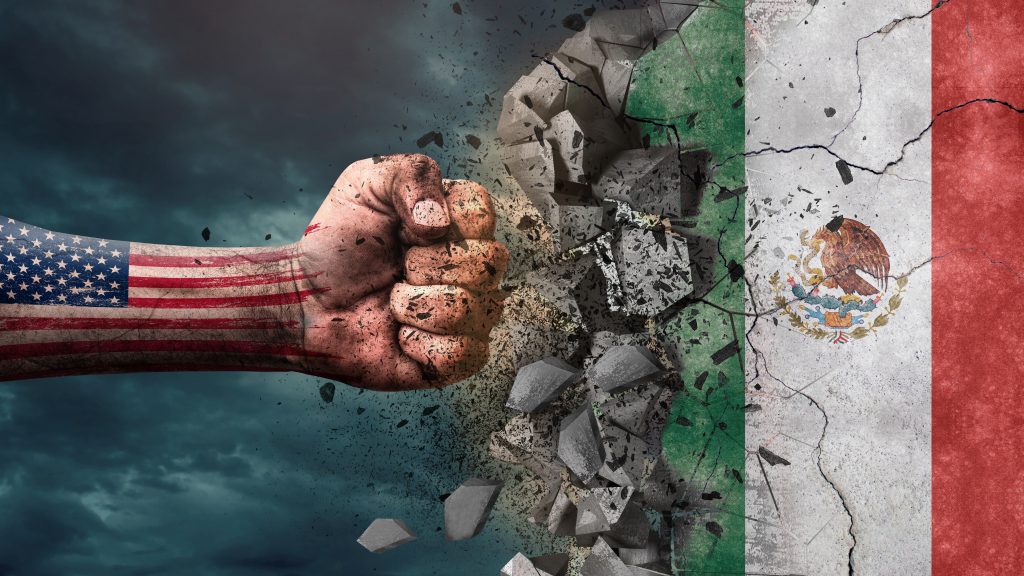
That is the situation. And however you look at it, it is serious. It is serious, it is uncomfortable, and, without a doubt, advantageous for those who use it as a tool of pressure. No one ever said that the United States, when it argues, pressures, or negotiates its interests, is a model of diplomatic chivalry.
In that sense, the special relationship with the former British Empire is evident. I have always been struck by the fact that one of the most refined forms of distance, racism, and social distinction was invented by the English. Do you know what it consists of? It is that the more refined and polite the manners, the deeper the distance can be. The more impeccable the respect appears, the more visible the real boundaries between classes, powers, and hierarchies become.
But, for the rest, they are just as ruthless as one another. “In the name of God and His law,” as the motto of the British Crown goes, but above all in the name of the manifest destiny that caused the United States to be born with a calling to become the first empire on Earth. The problem is how long it can continue to be so, at what cost, and with what consequences. And also whether it has known how to be so and whether it still knows how to be so.

But we, the Mexicans, are something else. Look, if you’re not on the list… congratulations! Because that means that, at least for now, part of this country’s immediate problems won’t directly affect you.
But if you are an elected official, an appointed official, a trusted civil servant, or someone who serves—at least in theory—the general interest of the Mexican people—even though in many cases you end up serving yourself and your own—you need to know that you no longer have to wait for a call telling you what to do. The country’s political life, administrative life, and much of public decision-making are paralyzed.

We are all waiting to see what comes next and whose turn it will be. Who they will target. What they will demand. What names will surface. What investigations will be opened. What consequences will the designation of Mexican cartels as foreign terrorist organizations have, and whether that logic will ultimately reach, directly or indirectly, the country’s political, financial, or administrative structures.

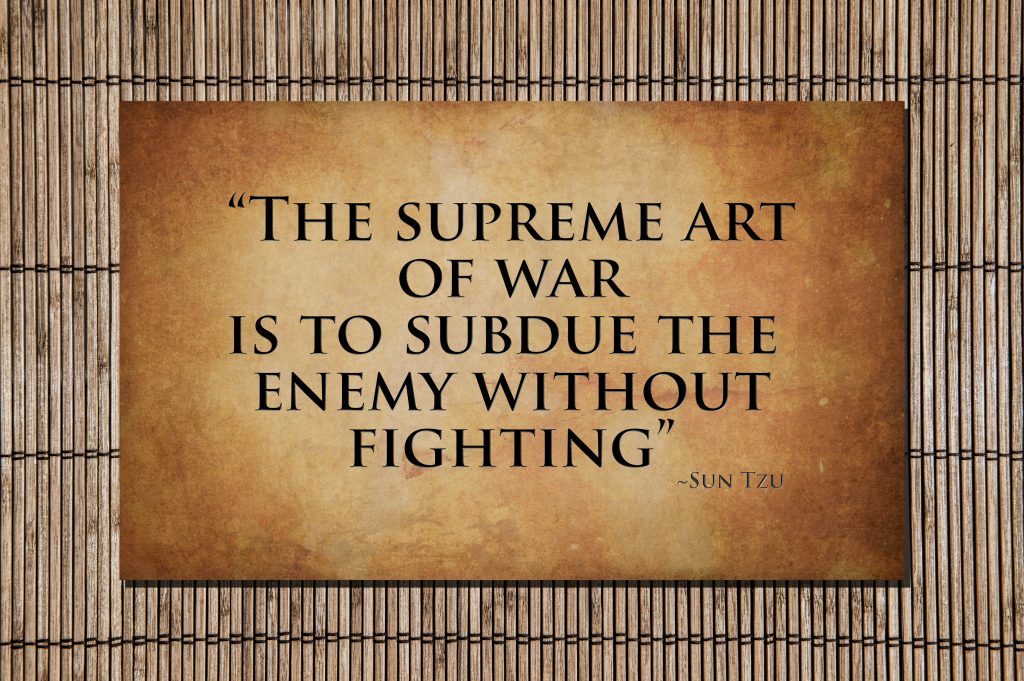
In other words, as Sun Tzu taught in The Art of War, the highest expression of strategy does not necessarily consist of physically destroying the enemy, but rather of breaking their resistance, neutralizing their will, and nullifying their capacity to respond without the need to wage an open battle.
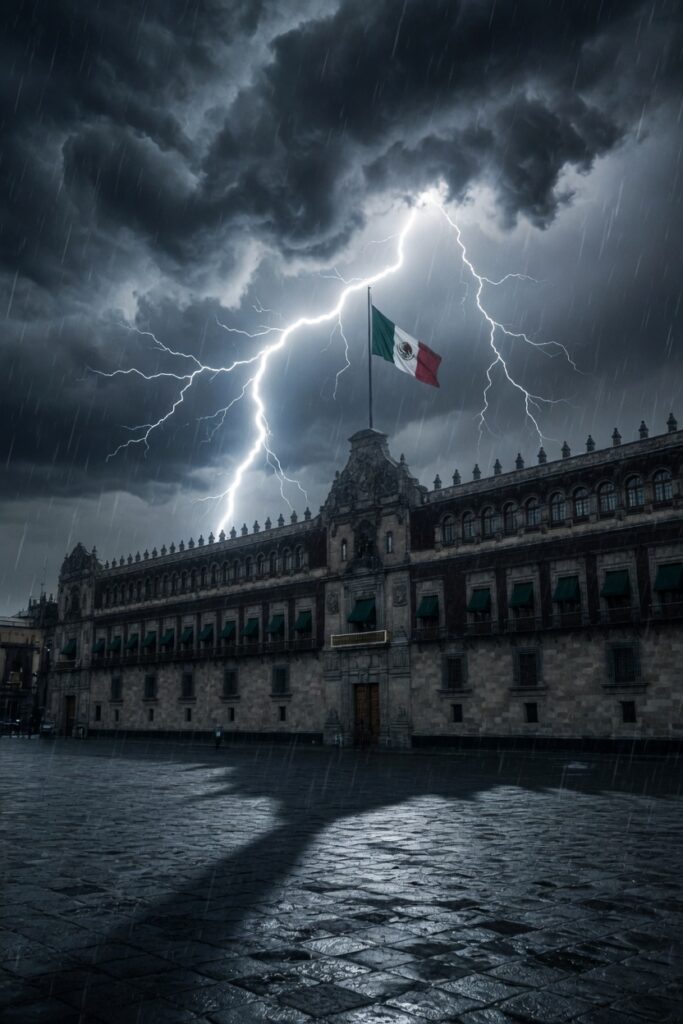
And here we are, waiting for the lightning to strike and strike us down. Meanwhile, the government, the country, the economy, the future, and the present seem trapped in the same paralysis.
It is an enormous responsibility for all of us. I am among those who believe that, given the stakes involved, they will not seek the total destruction of Mexico. But I do believe they are doing what great powers have always done when negotiating from a position of strength: using every available card, every file, every threat, and every signal to impose conditions. We are not on our knees, but we are surrounded by so many problems that it is hard for us to focus on properly defending our interests.

And in the midst of all that, imagine what it means to govern while trying to guess the extent of the catastrophe and, at the same time, resolve the problems of day-to-day administration. In a world and a system where, despite an increase in foreign direct investment—Mexico recently recorded a record $23.591 billion in the first quarter of this year, marking an annual growth of 10.4% compared to the same period last year—the country cannot afford administrative paralysis or public policy based exclusively on waiting, fear, or reaction.

We need a national vision and a government plan. There are plenty of politicians managing their own interests; what is needed is a national plan for the country’s development. While we wait, we are on edge and anxious every day about the scope of the catastrophe that could arrive at any moment in the form of a letter, a sanction, a file, or a list. Trump’s list.
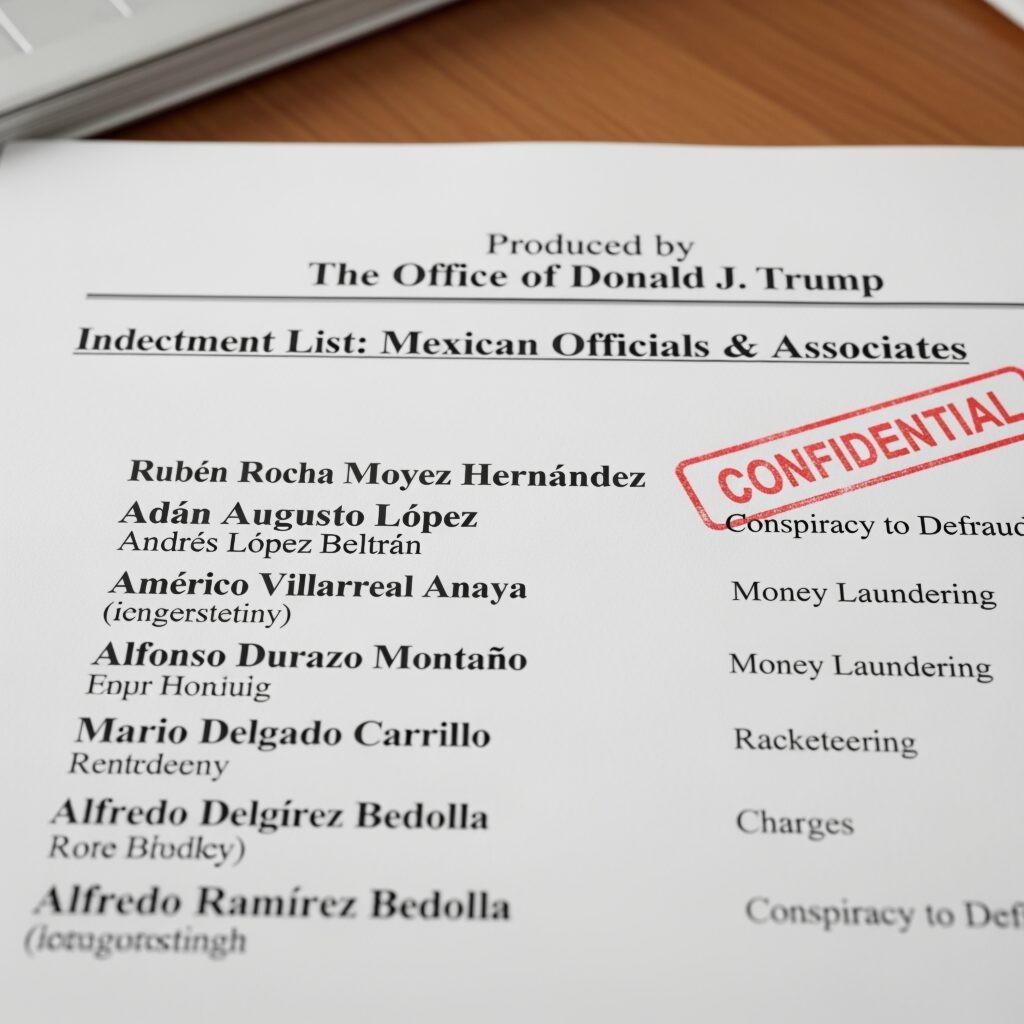
It is essential that the Mexican government, with its leader at the helm, understands several things first: that the list cannot paralyze the country, second, that a confrontational policy cannot be based on confusing the defense of national sovereignty with the protection of those who are the subject of a claim grounded in judicial investigations. Third, if the United States presents solid evidence, Mexico will have to respond with state authority, the law, intelligence, and strategy—not with automatic denial or empty rhetoric.
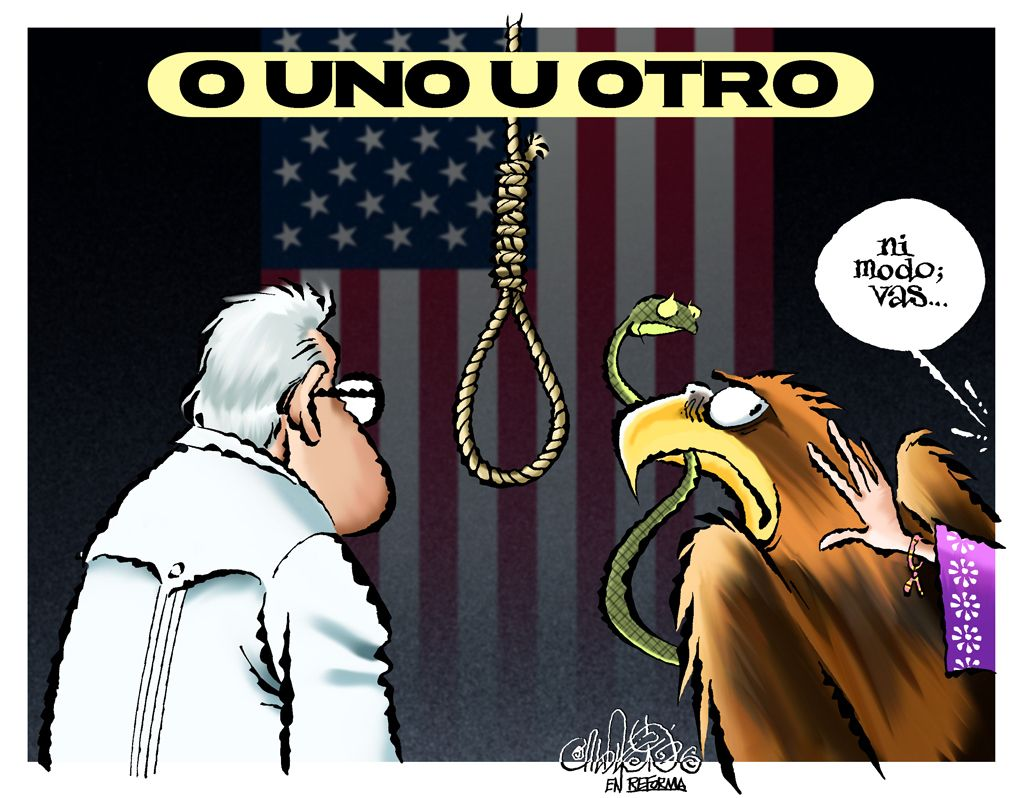
Because, ultimately, in the cases related to Sinaloa and the political and financial protection networks of drug trafficking, the United States already has statements, trials, convictions, and plea agreements from key figures. We are no longer just talking about controversial cases such as the capture of “El Mayo” Zambada, Genaro García Luna, or other cases that have eroded Mexico’s institutional credibility; rather, investigations are now targeting the structure and everything that allowed disorder to take root as a form of government in our country.
That is why the problem cannot be reduced to a discussion of national pride. Sovereignty is defended through institutions, well-constructed case files, a just legal system, and the ability to clean house before others attempt to do so from the outside.
We do not deserve to die under the delusion that our problem was an inability to defend ourselves. Nor do we deserve to die under the excuse that we did not know how to rid ourselves of the bad actors. Mexico needs to decide whether it will face this crisis as a mature state, capable of distinguishing between sovereignty and complicity, between national dignity and cover-ups, between legitimate defense and impunity.
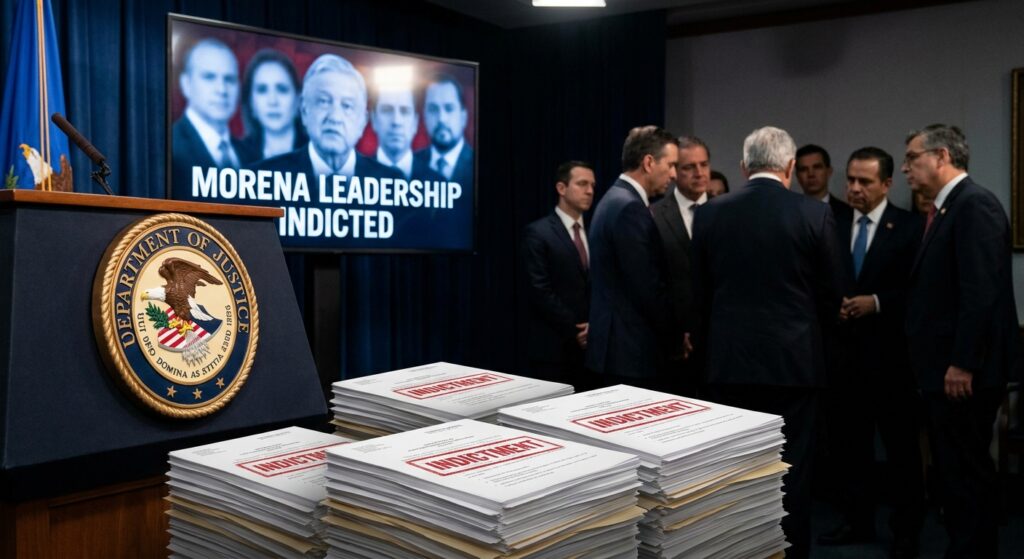
Trump’s list may be abusive, uncomfortable, unilateral, and politically motivated. But it would be a suicidal mistake to believe that the problem begins and ends in Washington. The real problem lies in what that list reveals, in what it threatens to reveal, and in what Mexico has not wanted, has not been able, or has not dared to resolve on its own.

Further Reading: