Antonio Navalón
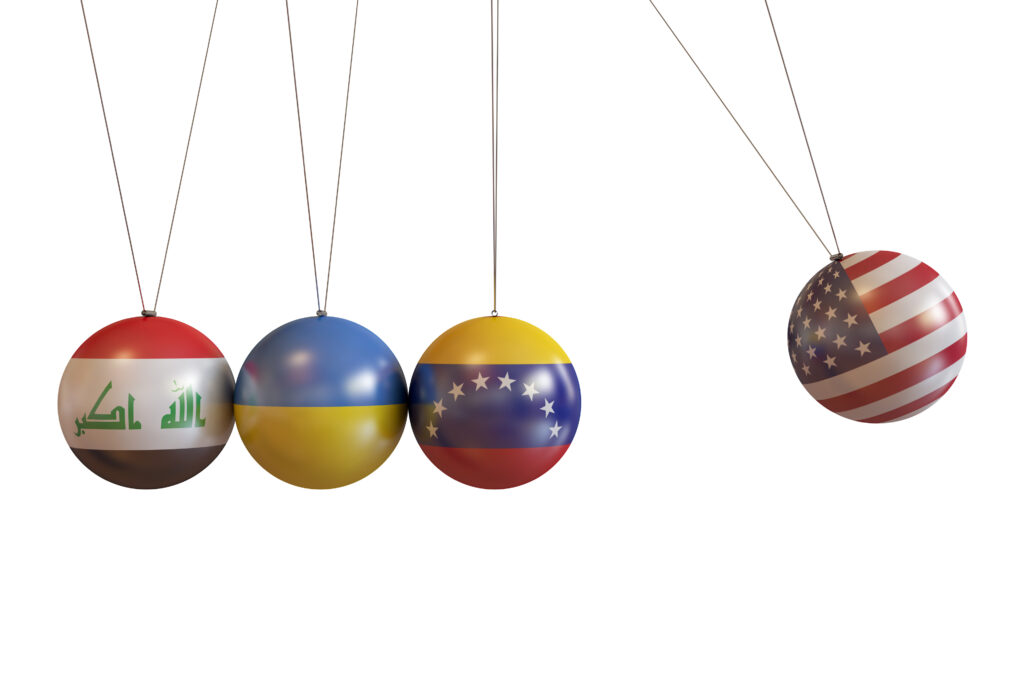
The power of weapons is evident. A country that spends nearly $200 billion annually on defense, invests around $200 million daily, and, at least in theoretical terms, has the best army in the world, should be able to impose its will. However, it is essential not to lose sight of an uncomfortable fact: that same army has lost, directly or indirectly, every war since the end of World War II. This is not a minor detail. It is a structural warning.
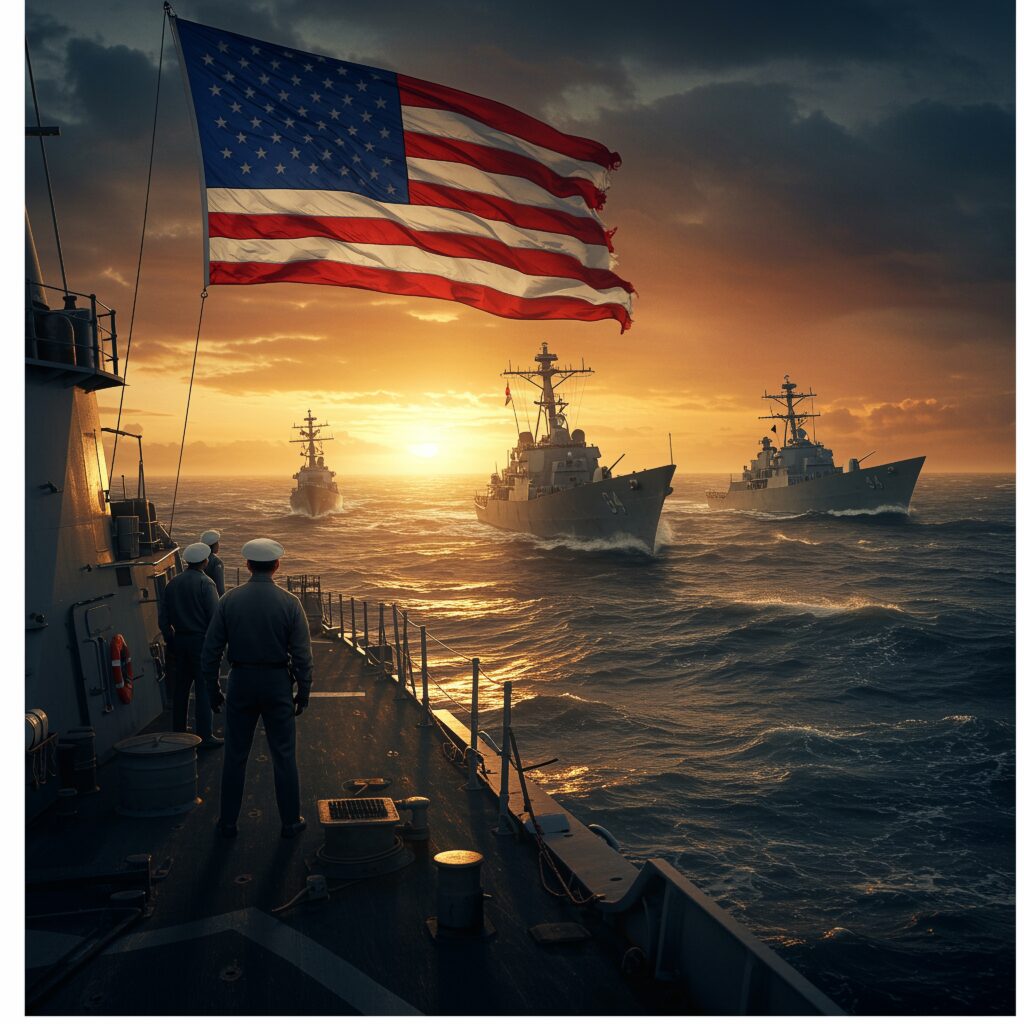
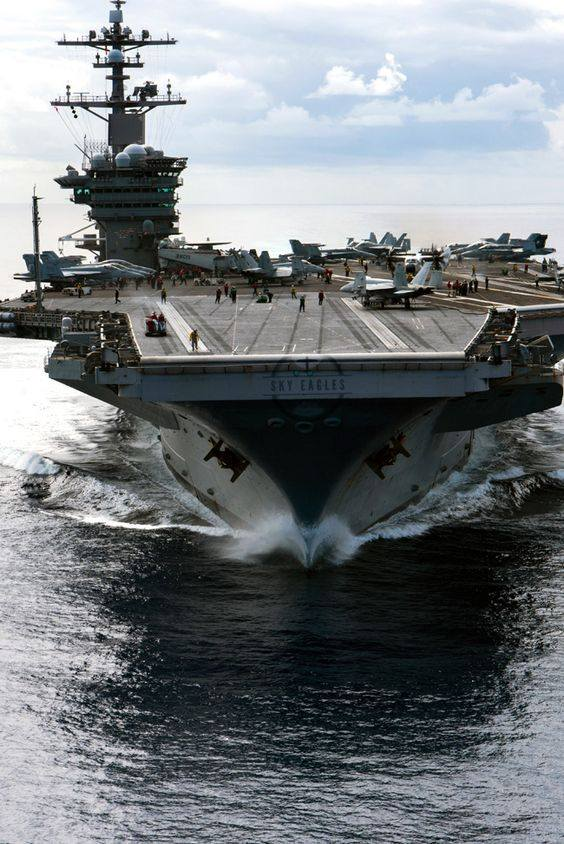
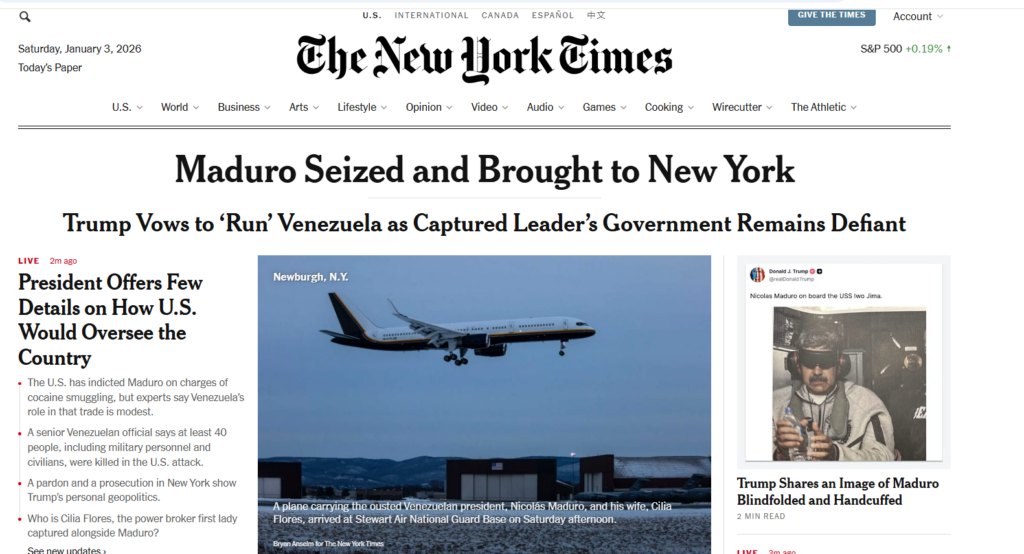
Nicolás Maduro challenged the United States, and after the largest display of naval power since the Normandy landings in 1944, as promoted by Donald Trump, the real alternatives were drastically reduced. Either a surgical extraction operation was carried out, with the necessary firepower to distract and remove Maduro from his hiding place, or the political cost of demonstrating that the commander-in-chief may have formal power, rhetoric, and discourse, but lacks the ability or the will to deliver on his promises, was assumed.
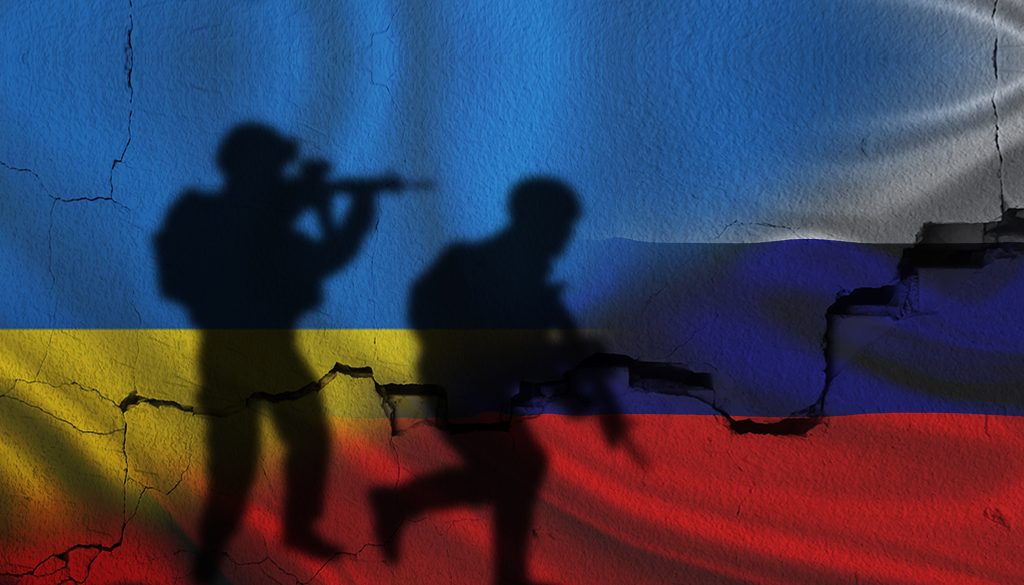
The dilemma between Trump and Venezuela was unsolvable by other means. He could not afford to lose, as Vladimir Putin has done in Ukraine, a war against an army inferior in numbers and technology. Both the United States and Russia boast cutting-edge armed forces, but recent experience has shown that theoretical superiority does not guarantee victory.
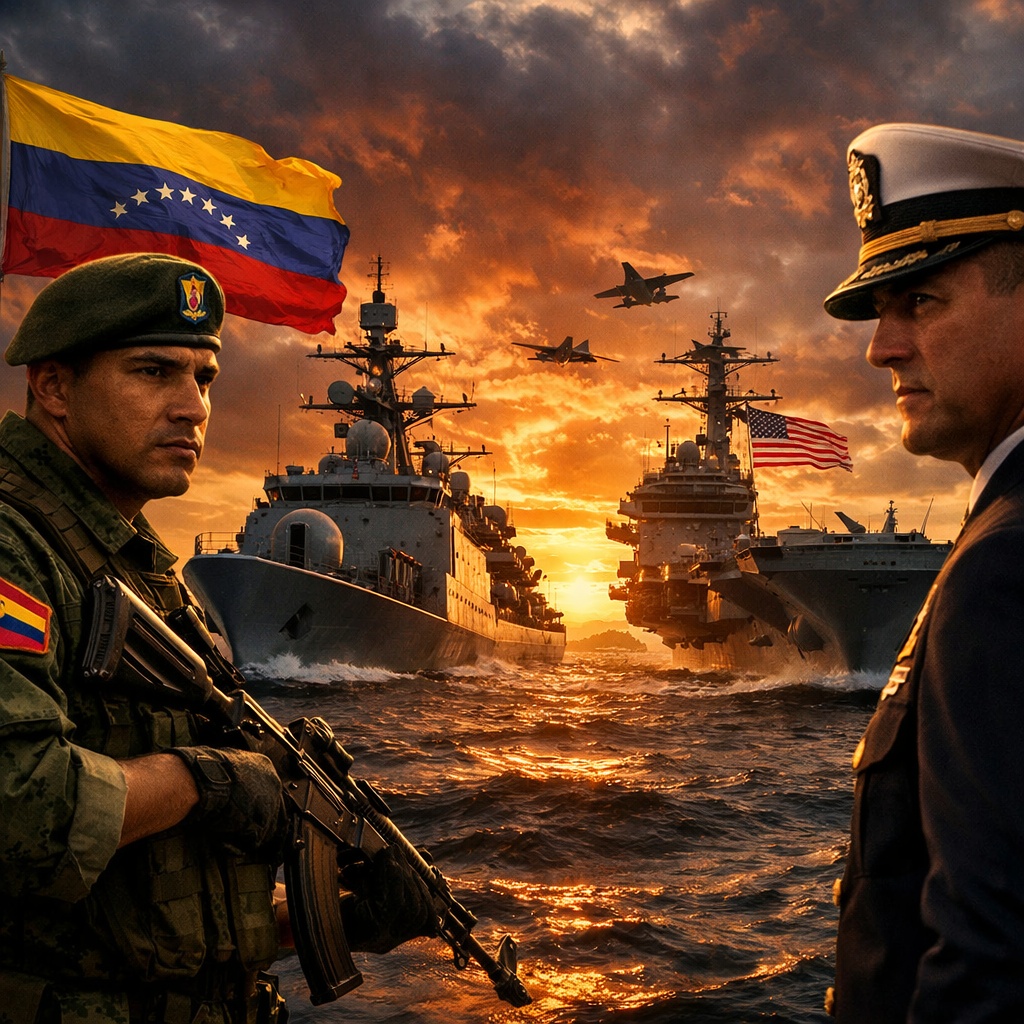
Ukraine, thanks to European and US support, has been resisting for four years now. The figures being bandied about regarding the human cost to Russia are the most evident proof that the lion is not as fierce as it is painted. Its army may be large and fearsome, but it has not demonstrated the ability to win wars decisively, which is, in the end, the raison d’être of any armed force.
In this context, Trump could not allow Maduro to defeat him, even through a temporary departure from power. Nor could he risk reaching November, in the middle of an election cycle, with the United States once again caught up in a war that no one wanted and that offered no clear benefits. Therefore, surgical extraction became the only viable alternative. Trump knows that what happened in Caracas not only implies the deployment of effective control over the most significant oil reserve on the planet, but also represents a strategic move in the war that really matters: the competition for critical minerals against China. This is a calculated chain of moves. On the one hand, it restores US power over the American continent. On the other hand, it sends a direct message to Moscow: from now on, the bells are tolling for Ukraine and Volodymyr Zelensky.
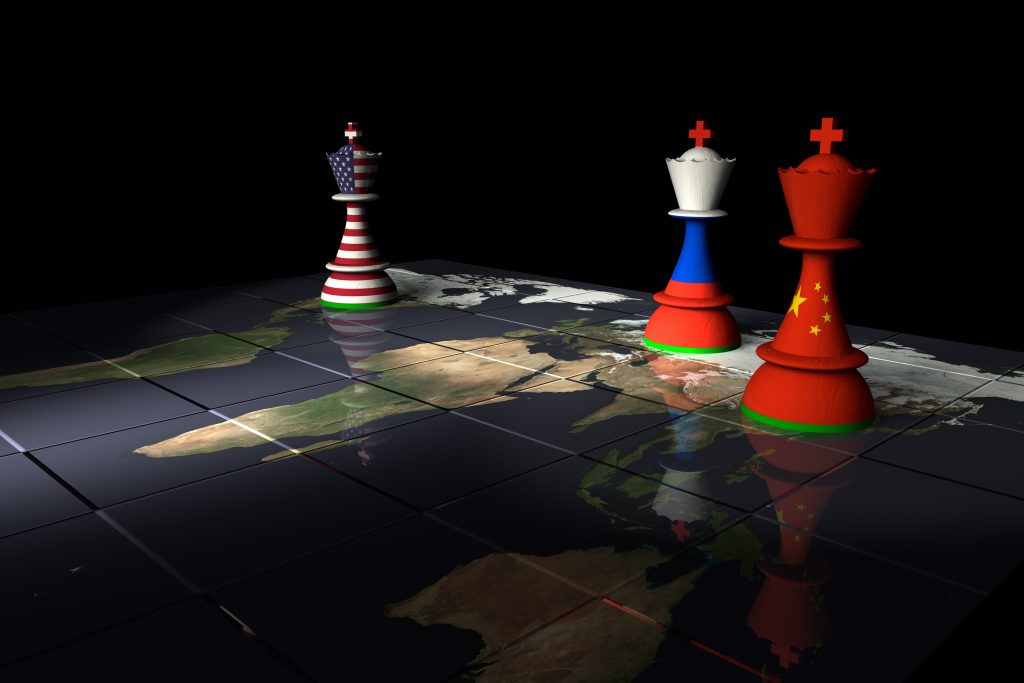
From that moment on, Donbas falls more under Moscow’s orbit than Kiev’s. The immediate consequence of the US special forces operation is the acceleration of the end of the war in Ukraine under a logic of fait accompli: Trump consolidates his control over Venezuela and lets Putin consolidate his control over Ukraine. What happened two days ago is not an isolated episode but a move on the chessboard that directly impacts Asia and Europe.
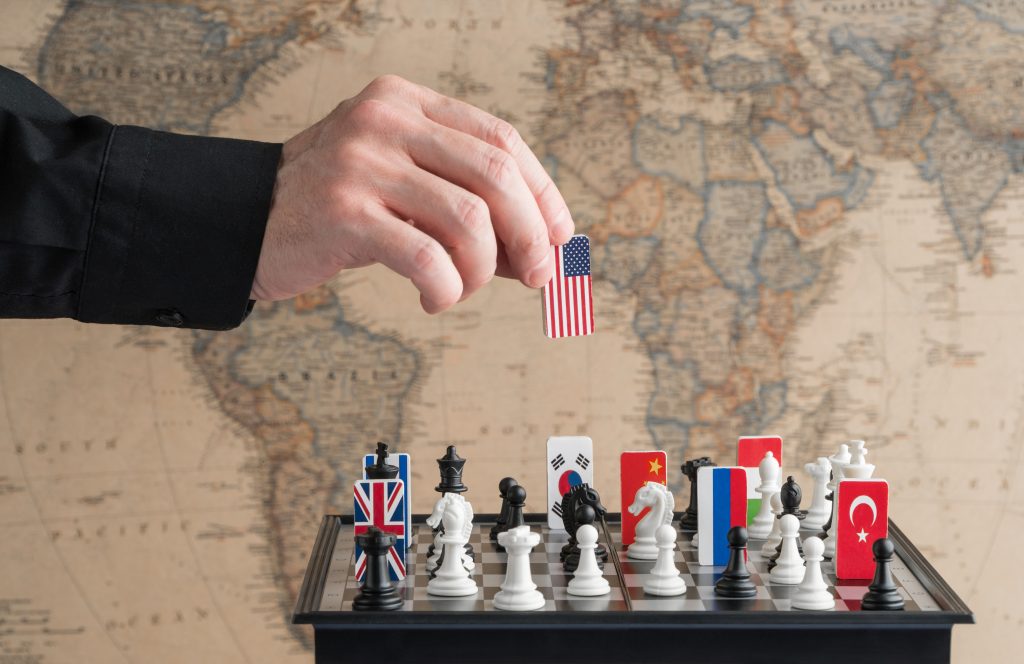
In Asia, the war for control of strategic materials—those that define modern wars and a growing part of our daily lives—has begun with no room for retreat that does not at least lead to a forced stalemate. In Europe, because its strategic isolation deepens in the face of the Ukrainian conflict and its relationship with Russia. One of Trump’s characteristics is that he usually says what he is going to do. Although he does not always do so, reality sometimes catches up with his words. In this case, ending Maduro’s rule was not a matter open to discussion.
All this is happening in an escalation that leaves the other players with an increasingly limited capacity to react. Trump has said it bluntly: Europe is a continent ruled by elderly elites, with no real capacity for self-defense. Ukraine is Europe. And the central objective of the new Germany, of the great Germany, is to close this cycle as the dominant military power on the continent, with the most advanced military technology possible, all to deter Putin.
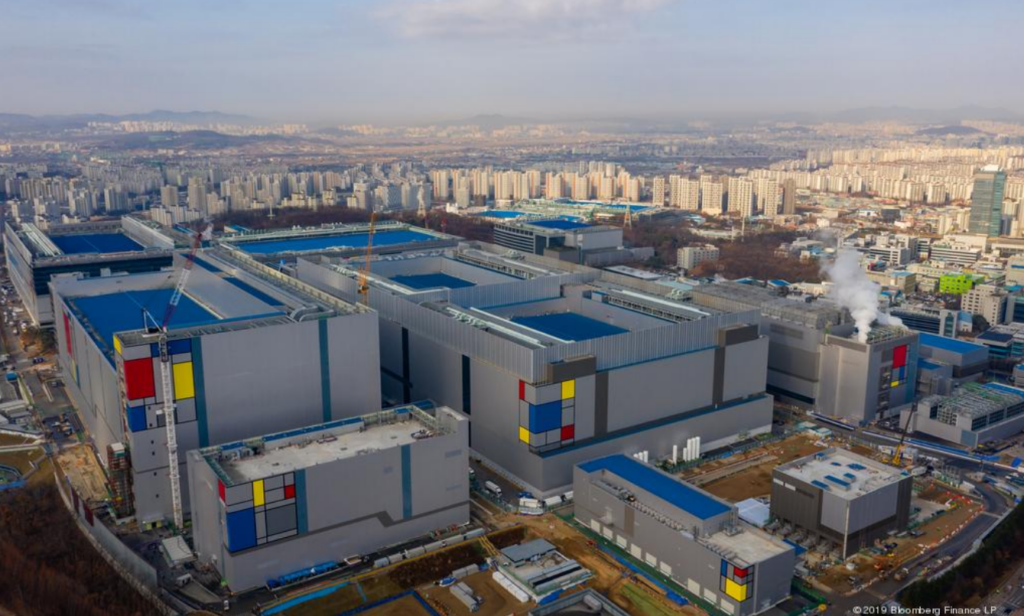
From here, the focus inevitably shifts to Taiwan and to what is already happening in Ukraine. If strategic minerals, rare earths, and semiconductors are the factors that shape the present and articulate the future, it should come as no surprise that the next major operation will feature China as the protagonist. The United States began to correct its dependence after the pandemic, with heavy investments—including Korean ones—in places like Travis County, Austin, to break the monopoly on chip supplies that caused so much damage during the health crisis and its collateral effects.
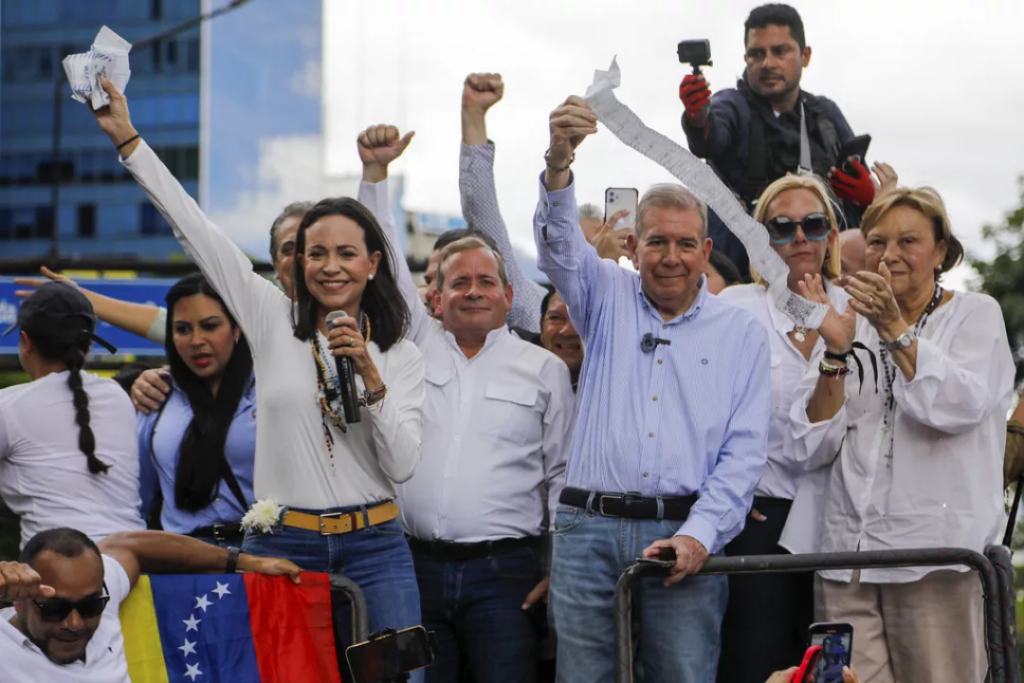
Venezuela, for its part, has less and less room for maneuver. The power vacuum is not a sustainable option. At this point, Edmundo González and María Corina Machado should already be aboard a US warship, heading for the land where they were born.
The level of overall deterioration is such that Venezuela’s strategic importance cannot be ignored, not only because of its oil, but also because, in recent years, through its alliance with Iran, it has become a platform for the indirect projection of conflicts that spill over from the Middle East. Iran is going through one of its most unstable phases: suffocating economic sanctions, a fractured society, recurring protests, and a regime that survives thanks to its ability to export conflict.
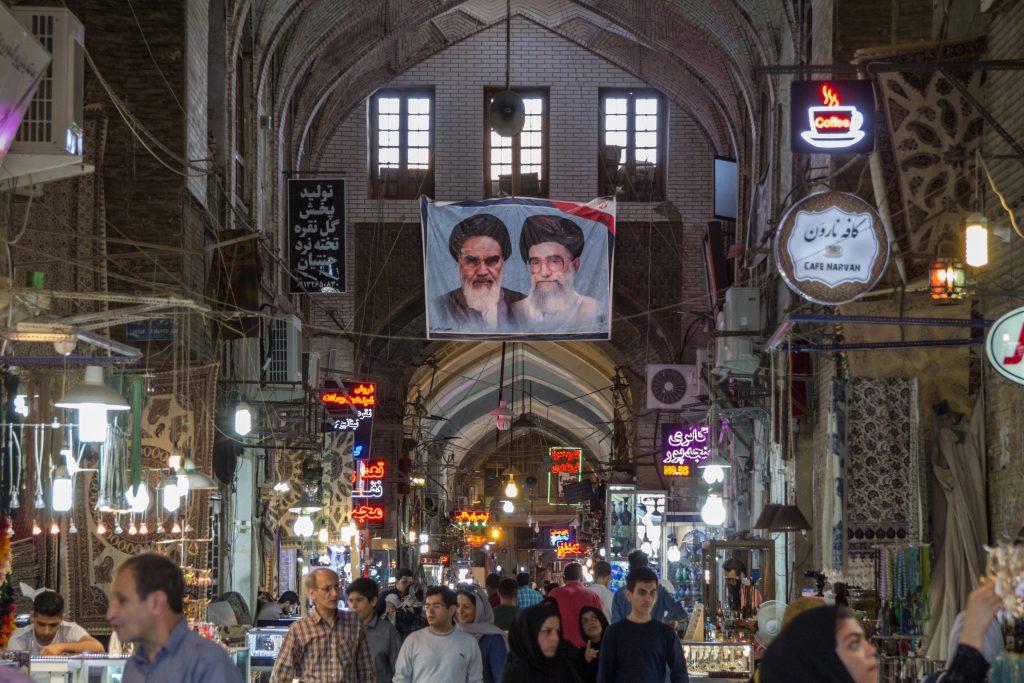
The Islamic Republic has consolidated a hybrid warfare strategy based on militias, proxies, and armed organizations operating from Lebanon, Syria, Iraq, and Yemen. Hezbollah, the Houthis, and various Shiite militias act as operational extensions of Tehran. This architecture not only challenges Israel and Western allies in the Middle East but also seeks to open corridors of influence in other regions. Venezuela, through energy, technology, and security agreements, has become one of the main gateways for this strategy in the Western Hemisphere.
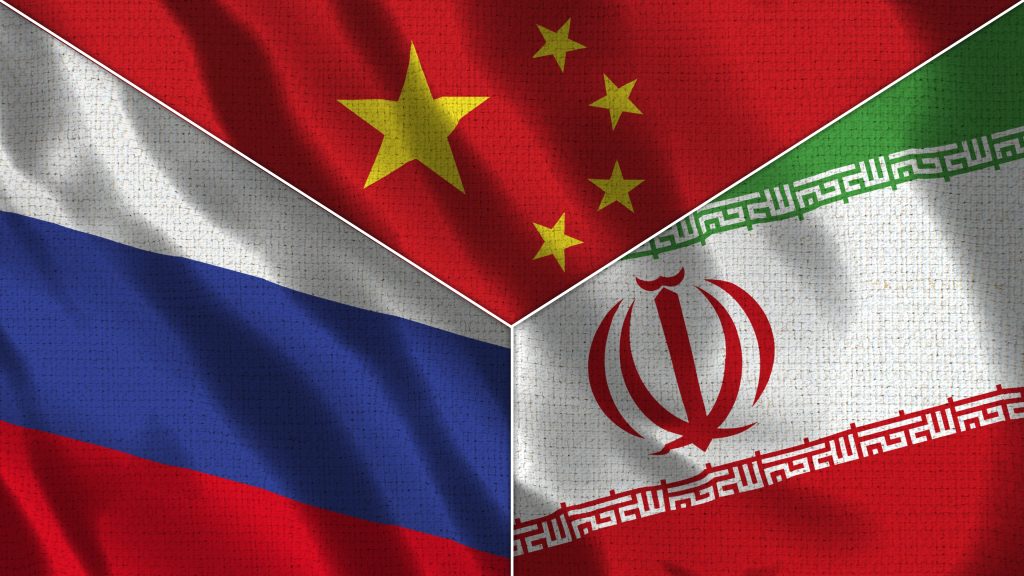
We are, in fact, in year zero. A moment in which the inherited rules are no longer functional and the new ones have not yet been fully written. On this chessboard, those who do not act lose relevance; those who hesitate lose ground; and those who do not understand that power is no longer measured only in armies, but in energy, minerals, technology, and territorial control, are left out of the game.
Venezuela is not the end of this story. It is just one more square in a game that is already being played on a global scale. Ukraine, Taiwan, the Middle East, and Latin America are all part of the same structural conflict. And the question that remains open is not whether there will be more moves, but who is really prepared to understand them… and survive them.
Further Reading: