Organized Chaos

In 2015, the FBI exposed corruption in FIFA, revealing that Russia and Qatar secured World Cup hosting rights through bribery. Despite a shared 2026 tournament, Mexico and Canada will host fewer matches. FIFA, despite its non-profit claim, prioritizes profit, risking player health with an intensified schedule amidst a global crisis.

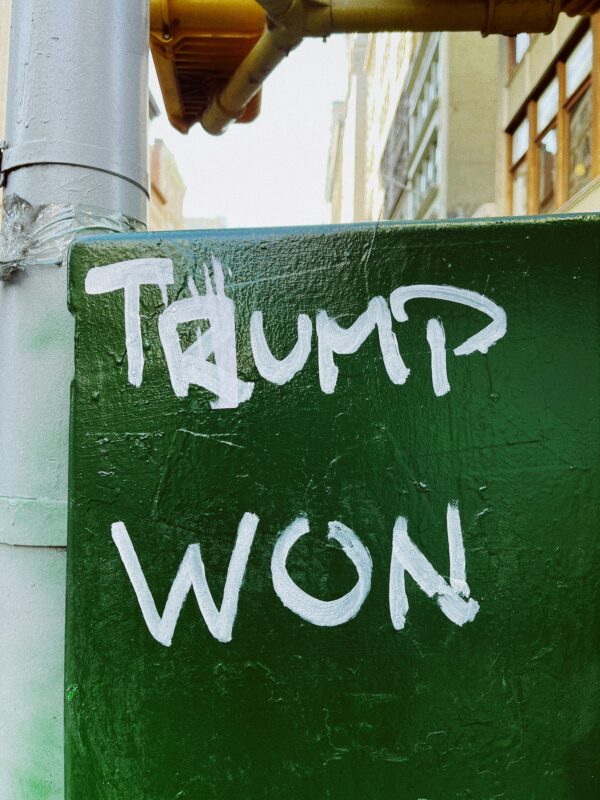
Trump’s Unfinished Victories.

As the hours pass, the war waged by Israel and the United States against Iran threatens to become a protracted conflict, much like the war in Ukraine. The mix of politics and war is proverbial: we know who starts the war and when, but we never know when it will end or under what conditions.

An Impossible War.

This is an impossible war because it has no easy way out. Once the bombing is over, assuming the partial destruction of facilities and even the weakening of the Ayatollahs’ government, we would still have to live with a world full of fanatics, militias, ideological networks, clandestine apparatuses, and political structures that have made holy war and the destruction of their enemies a way of life and a reason for existence.

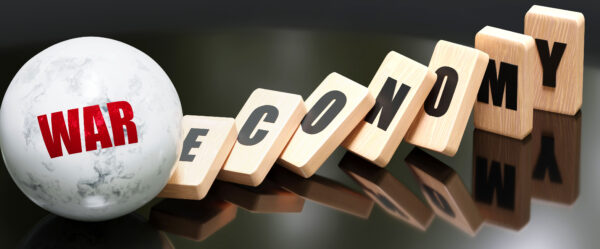
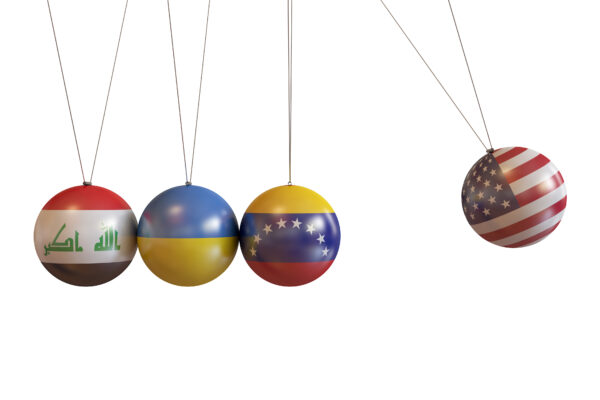
The “Domino Effect” of the War in Iran.

The US and Israeli military actions against Iran in February 2026 have escalated into a potential global conflict, adversely affecting the world economy. With the Strait of Hormuz at the center, energy prices have surged due to disrupted oil and gas supplies, leading to inflation and economic stagnation worldwide, particularly impacting Europe, Asia, and vulnerable emerging markets.

Three Videos on Iran, Trump, and The World.

Thomas Friedman discusses U.S. strikes in Iran on Morning Joe. Canadian Prime Minister Mark Carney speaks at the Lowy Institute about global tensions and strategic alliances with countries like India and Australia, emphasizing diplomacy. David Brooks and Jonathan Capehart analyze the U.S. political landscape, focusing on the economic uncertainty amid recent military actions.

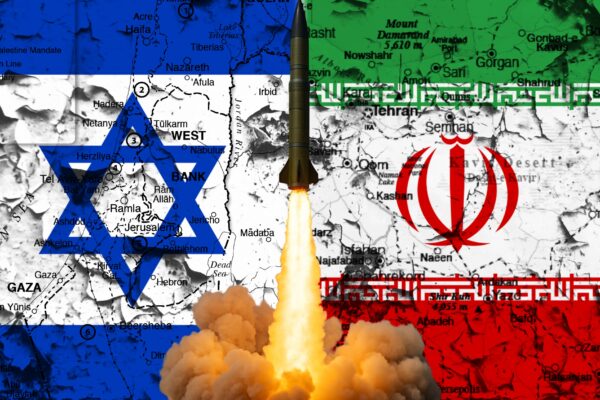
Israel-Iran: One of them has to disappear.

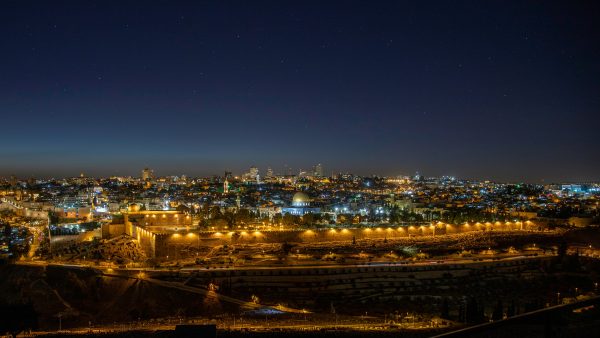
When this war ends, which I hope will be soon, one of the two countries—Iran or Israel—will have had to change its political, military, or security structure substantially. What is at stake is not a minor adjustment, but the very survival of the Iranian regime or, at the extreme, the strategic viability of Israel in a regional environment that has become reactive.

Venezuela’s Strategic Role in Global Conflicts.

The power of weapons is evident. A country that spends nearly $200 billion annually on defense, invests around $200 million daily, and, at least in theoretical terms, has the best army in the world, should be able to impose its will. Both the United States and Russia boast cutting-edge armed forces, but recent experience has shown that theoretical superiority does not guarantee victory.

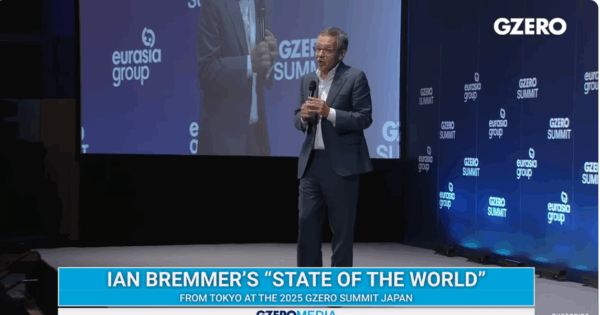
Must-Watch Video: State of the World 2025

Ian Bremmer’s annual State of the World address on October 21, 2025, in Tokyo outlined key geopolitical developments, including growing global uncertainty due to the unpredictable U.S., evolving U.S.-China relations, and strategies adopted by U.S. allies. The speech was part of the 2025 GZERO Summit hosted by Eurasia Group.

As Always, Israel.

In the book of books, the Bible, the beginning recounts not only the creation, but also the exodus of the people of Israel. Moses, the protagonist of this part of the story, the man who received the Ten Commandments from God and became the instrument of liberation for his people for centuries to come, played a role that cannot be ignored.

From Yalta to Alaska.

Eighty years after the Yalta Conference, where major powers divided post-World War II territories, the recent Trump-Putin summit in Alaska starkly contrasts in purpose and outcome. Unlike Yalta, which established frameworks for future peace, the Alaska meeting failed to address the Ukraine conflict. Their approaches and lacks of vision highlight contemporary geopolitical challenges.

Shares