
Antonio Navalón
All wars are a problem. All wars have a beginning—sometimes euphoric—that influences the national spirit and, for a time, seems to justify everything. The emotion, the unity, the epic nature, and the idea of a higher cause are justified under that seemingly common cause or objective. But usually, as the price of war is paid in the form of deaths, problems, economic hardships, fear, and sheer survival, war becomes a burden that every government—even when it ends up winning—ultimately pays for.
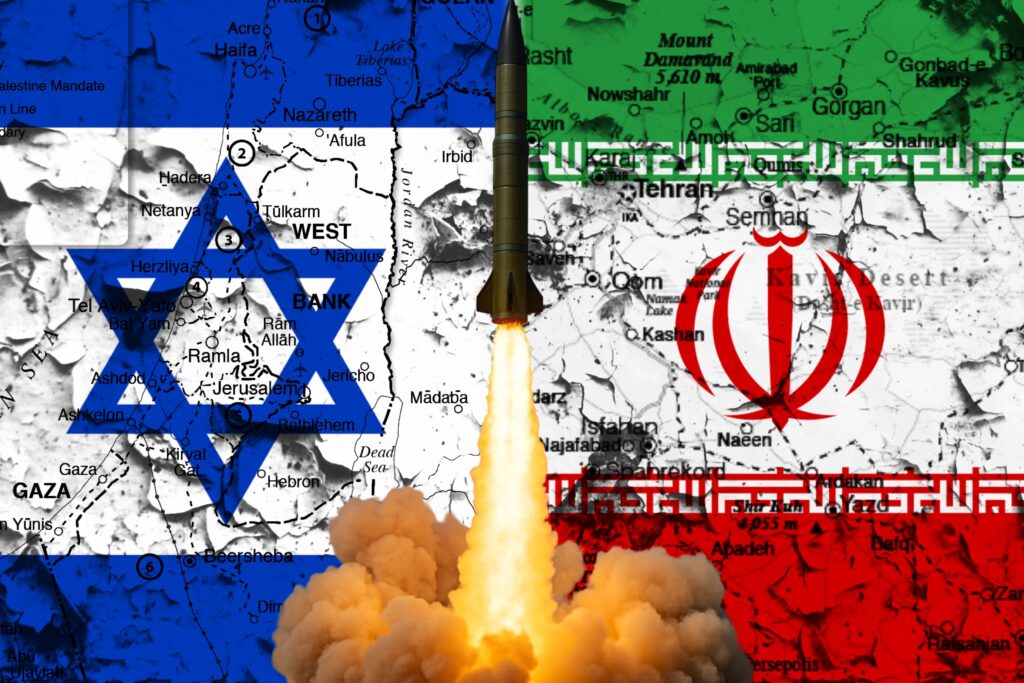
Israel’s war against Iran, with the decisive backing of the United States, is a holy war. Not necessarily in the purest theological sense for all its actors, but certainly in the deepest and most dangerous sense: that of a war fueled by absolute convictions, by historical grievances, by memories of humiliation, and by the moral impossibility of accepting the other as an adversary with whom one simply negotiates.
It is a holy war for the Iranians, given their status as an Islamic republic and a government of the ayatollahs. It is also a holy war for Israel because, after all these years of survival—which would have been impossible without the United States’ constant and enduring support for the consolidation of the State of Israel—and following the massacre of October 7, 2023, carried out by Hamas, Israel decided that it had spent too long in the role of victim and would no longer accept the dead with historical resignation. That attack, perpetrated by Hamas, became a political, military, and psychological turning point for the Israeli state.
Beyond an eye-for-an-eye response, beyond what would be a measured response, it is as if all of a sudden all the years of anti-Semitism, persecution, struggles, constant threats, and accumulated conflicts had reached a breaking point. As if, suddenly, the prevailing conviction in Israel was that this history could not continue any longer and that the time for restraint had ended. That is the moral atmosphere of the conflict, and without understanding it, one cannot understand anything that is happening.
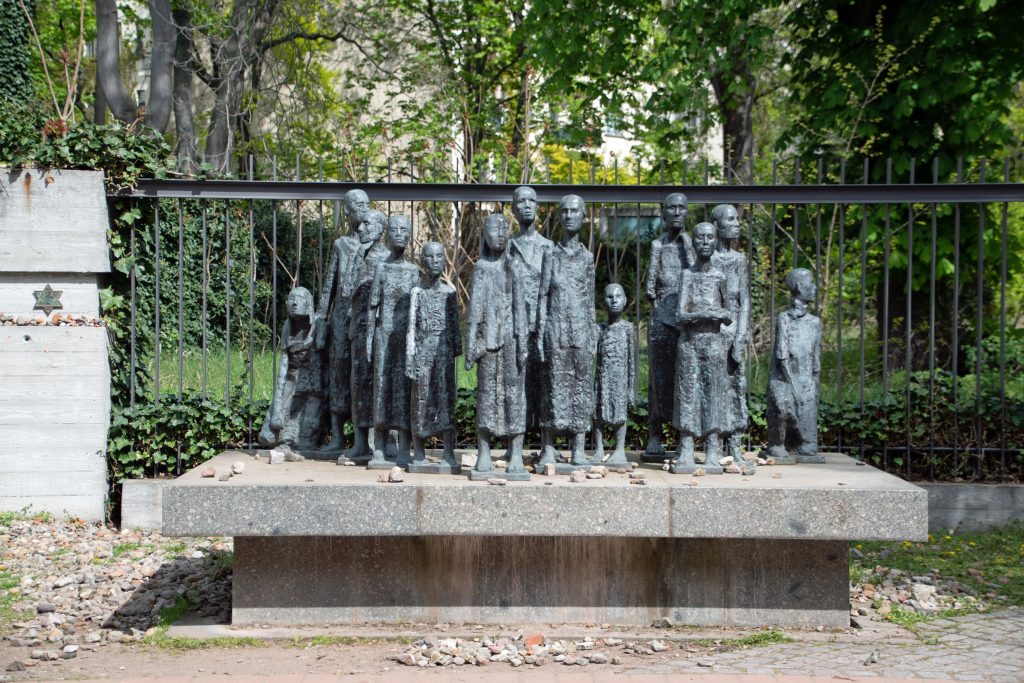
The response regarding Gaza and Hamas was the least of it, not because it lacks importance—it has it, and it is immense—but because that was not the straw that broke the camel’s back. There have been many years, at least since 1982, of coexistence with an enemy that possesses not only hatred but also preparation, structure, patience, military capability, and operational standards far superior to those of other armed actors in the region. Hezbollah, the Shiite militia created in Lebanon in 1982 under the influence of the Iranian Revolution and with decisive support from Iran, took over the bloody role previously played by the PLO and other Palestinian groups and eventually became the main non-state armed threat on Israel’s northern border.
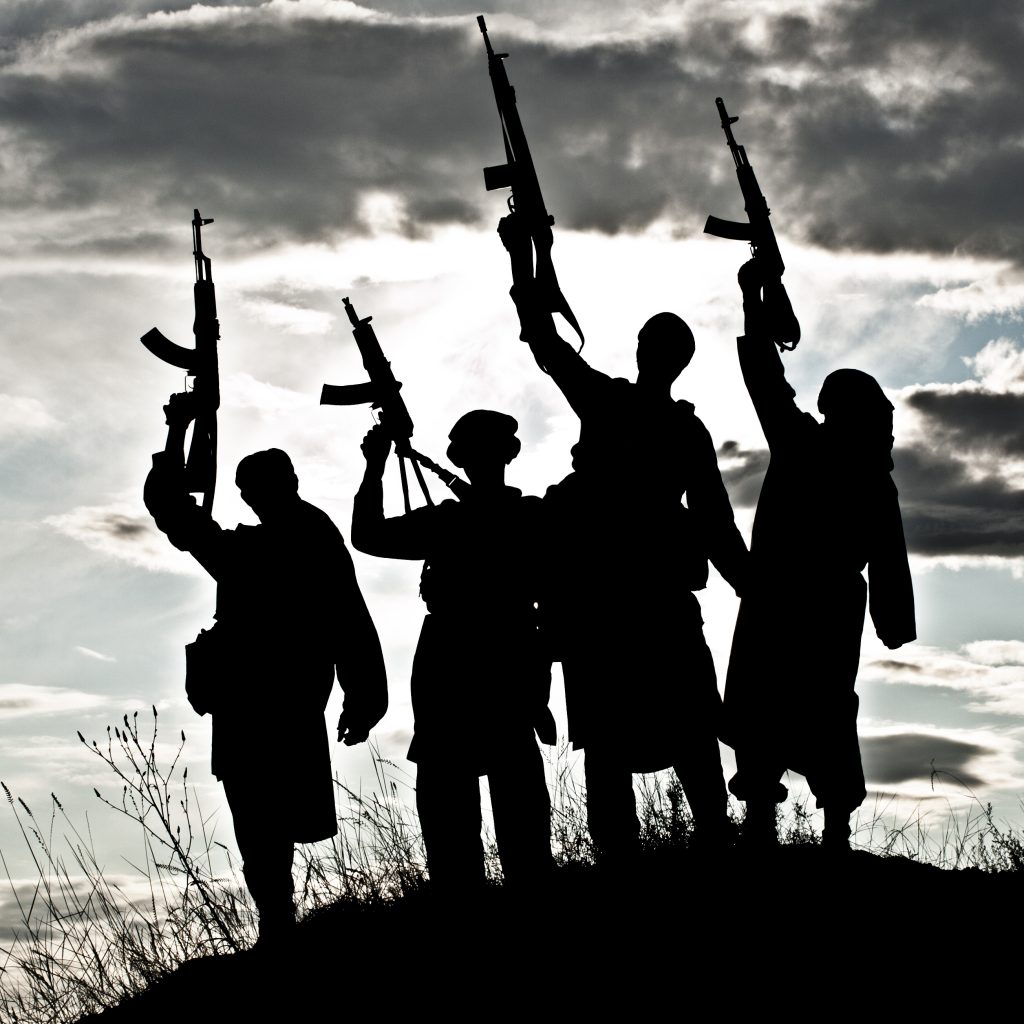
From that moment on—beginning with the attack on the Marine barracks in Beirut in 1983—Hezbollah did nothing but grow and grow to the point of becoming, in fact, one of Lebanon’s major real powers. There came a point when the only effective security the Lebanese state possessed as a state did not derive entirely from its own institutions, but rather from Hezbollah’s capacity for territorial control, intimidation, deployment, and force. And Hezbollah could never have existed, sustained itself, or achieved that level of efficiency without Iran’s resolute support on every front: ideological, financial, military, logistical, and strategic.
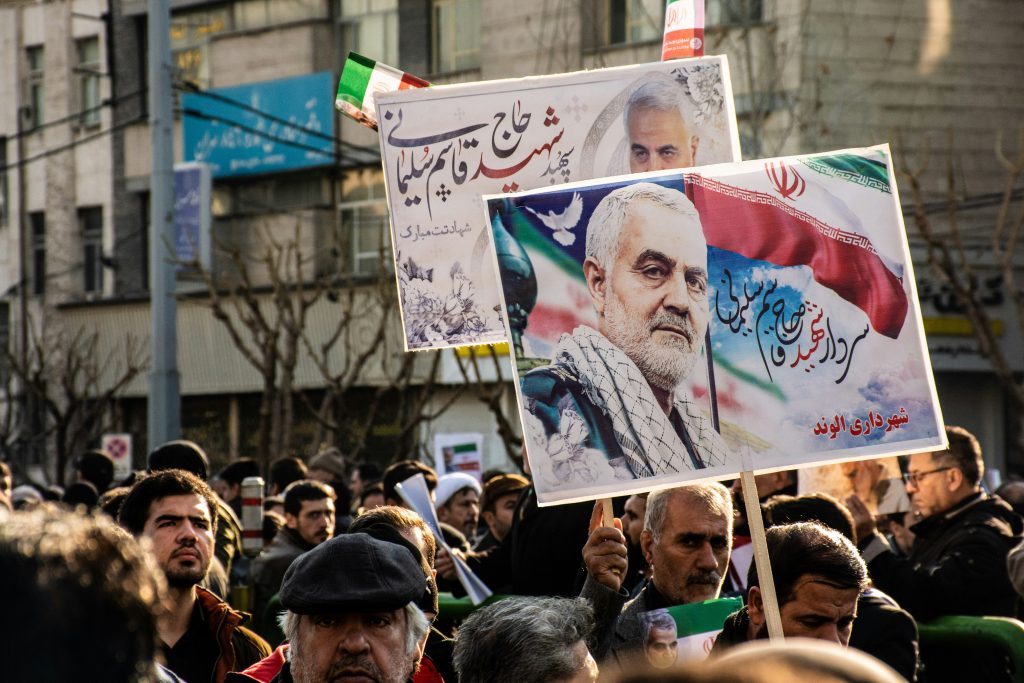
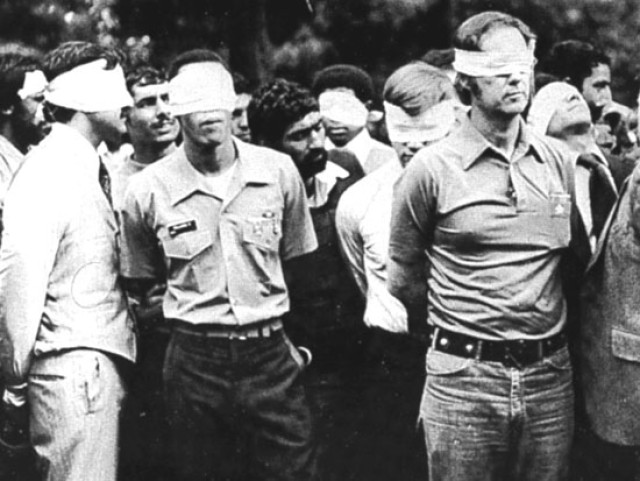
From the very first day of the revolution, Iran made it clear that its war was not merely regional, but also ideological and civilizational. When the U.S. embassy in Tehran was stormed on November 4, 1979, and more than 50 Americans were taken hostage for 444 days, the new regime told the world what its political language was and what its relationship with the United States would be. The release of the hostages coincided with Ronald Reagan’s arrival at the White House, but the crisis had been brewing and developing under Jimmy Carter’s presidency.
Moreover, the Iranians’ war—before Khomeini’s own complete consolidation of power—was, above all, a war against the United States and against everything its influence in Iran represented. The new regime built much of its legitimacy on the idea that Shah Mohammad Reza Pahlavi could not have sustained himself without Washington’s backing, and on the conviction that the authoritarian modernization of the old regime had, in reality, been a form of national subjugation. Khomeini did not come to power simply to change a government; he came to establish a regime defined by a break with the West and by a revolutionary vocation that was never merely internal.
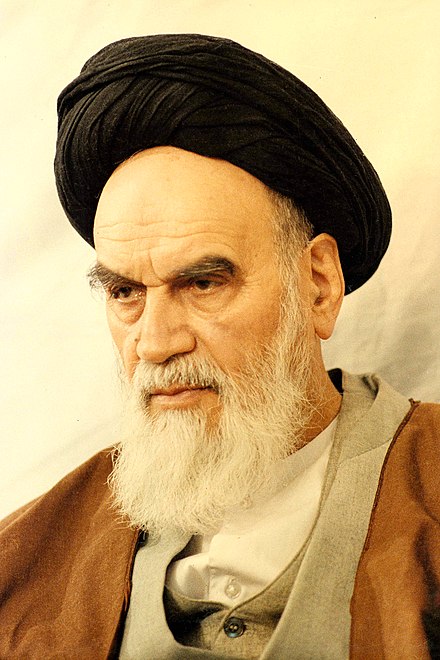
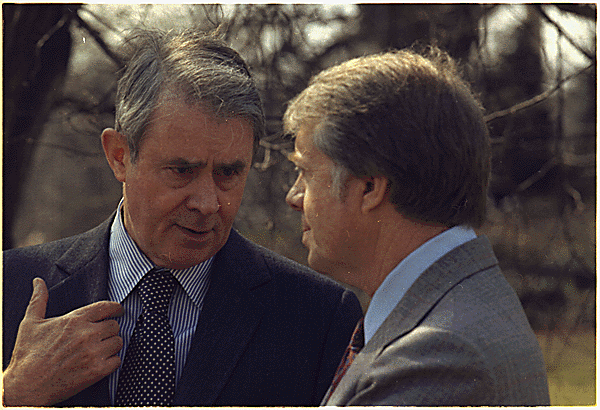
Much of the tragedy we continue to experience today is attributable, for many, to the erratic policy pursued by Jimmy Carter and his Secretary of State, Cyrus Vance, in handling the end of the Shah’s regime. This is not about vindicating the Shah or arguing that he should have been kept in power at any cost. It is about understanding that dismantling a regime without a clear idea of what would replace it, and without gauging the nature of the enemy coming in its wake, opened the door to an Islamic republic that made hostility toward the United States a raison d’état.
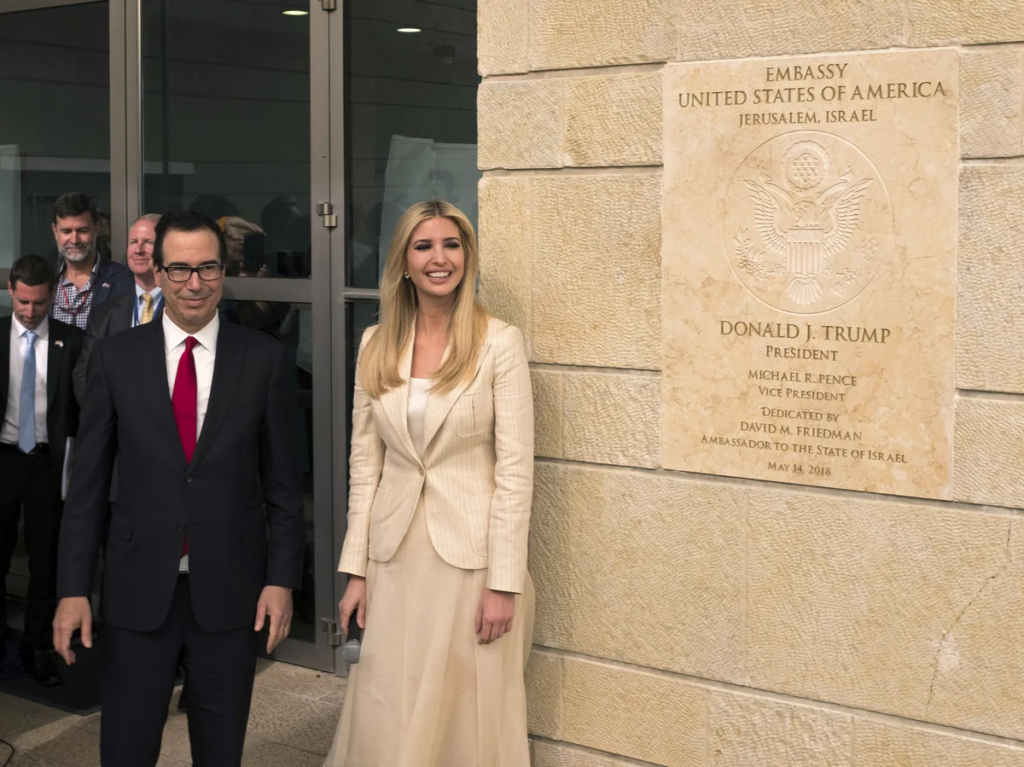
Donald Trump was the only U.S. president to dare move the embassy from Tel Aviv to Jerusalem. This effectively closed, at least from the Israeli and Trumpist perspective, the long-standing diplomatic debate over denying Jerusalem the political centrality that Israel attributes to it as the state’s capital. From that point on, the die was cast. It became increasingly difficult to imagine a complete withdrawal of Washington’s political commitment to Israel.
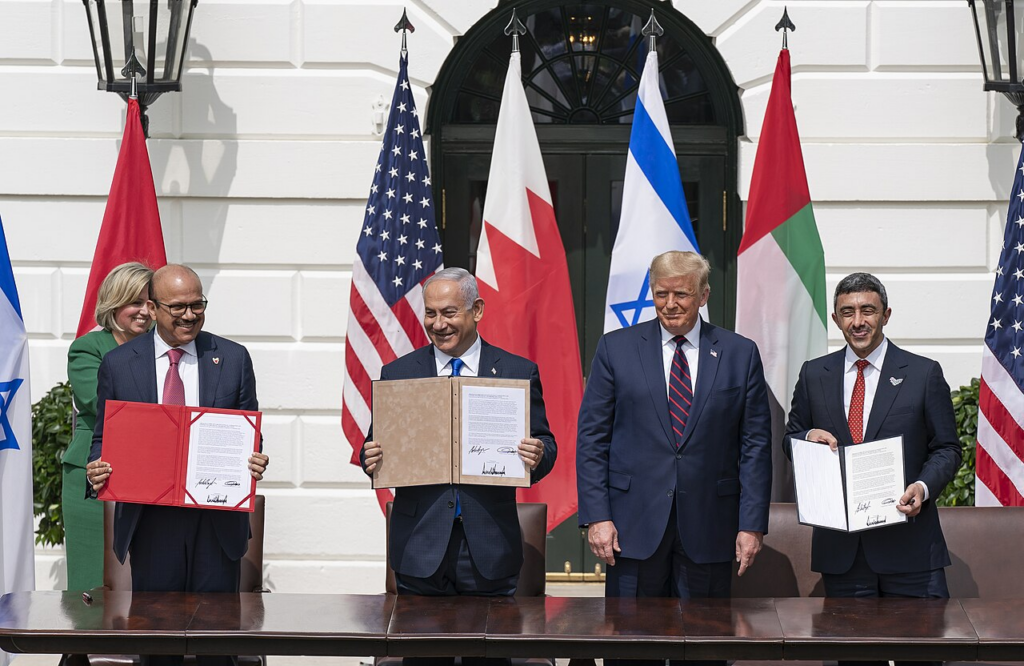
At the same time, another initiative took hold: the Abraham Accords—driven by Donald Trump and Jared Kushner—to bring several Arab countries into a new framework for relations with Israel. What had seemed impossible for decades began to take diplomatic shape in 2020 with the normalization of relations between Israel, the United Arab Emirates, and Bahrain, which was later followed by other regional steps. Behind this movement lay a very clear strategic idea: to isolate Iran, normalize Israel within the Arab world, and always keep Saudi Arabia on the horizon as the key player that, if fully realized, could reshape the regional architecture.
Israel will never again return to the balance of terror that comes with coexisting with an enemy whose primary goal is its destruction. And even less so when that enemy, unlike other governments or movements surrounding it, has demonstrated a level of efficiency, effectiveness, professionalism, and capacity for harm that makes it a very dangerous enemy.
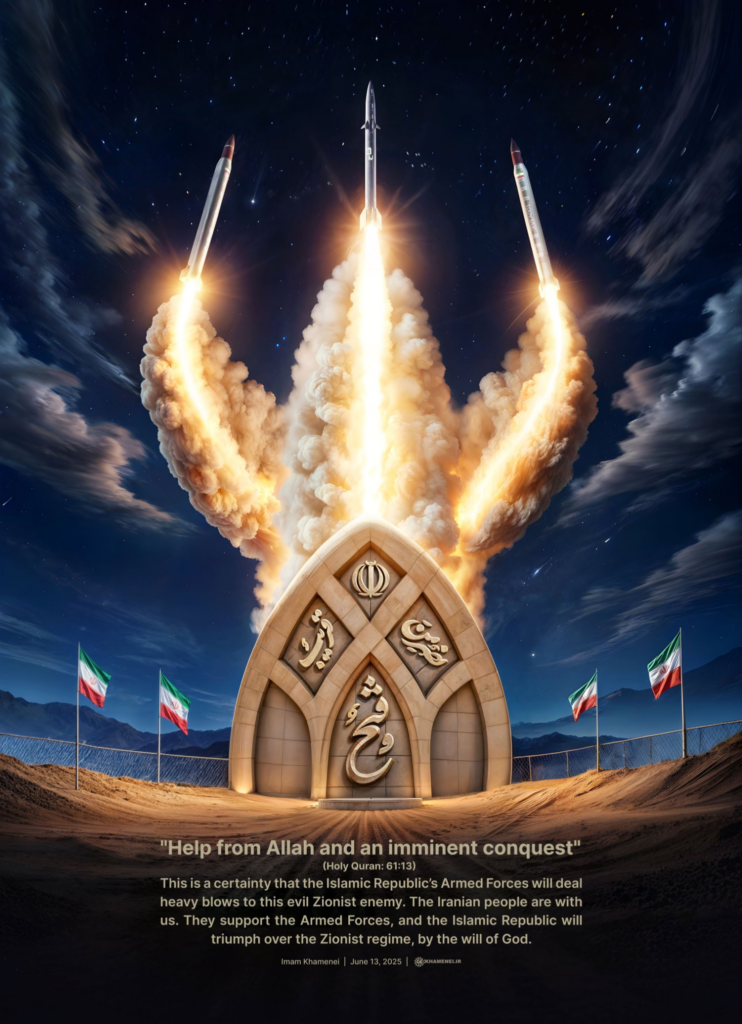
On the part of the United States, the military capability to destroy Iran exists. Still, firepower superiority is one thing, and the ability to bring a war to a close, manage the aftermath, and prevent the resulting chaos from becoming even worse is quite another. At the end of the day, the decrepitude, strategic fatigue, and crisis of the American empire fuel the madness of the most fanatical. If not stopped in time, Iran could continue to advance toward military nuclear capabilities, which, added to a world already thrown into turmoil by Russia, China, and North Korea, would make the global balance even more unstable.
This is an impossible war because it has no easy way out. Once the bombing is over, assuming the partial destruction of facilities and even the weakening of the Ayatollahs’ government, we would still have to live with a world full of fanatics, militias, ideological networks, clandestine apparatuses, and political structures that have made holy war and the destruction of their enemies a way of life and a reason for existence.
It is very difficult to build peace from this point on, and even the enemies of war know this. In any case, in Washington and across the United States, people have begun to feel fear. Fear that the situation in Iran will end up becoming another Iraq, another endless war in the Middle East. Fear of beginning to lose young lives in a war that is impossible to end. Fear because, even though there will be a high cost, much destruction, and great harm, it is very difficult to completely defeat an enemy whose first consideration, when entering battle, is that they do not care about losing their lives.
Finally, Trump’s message regarding the Israeli attack—and the way he distances himself from any prior knowledge or collaboration—on the South Pars gas field introduced a key element. South Pars-North Dome is not just any target; it represents energy, power, and global leverage. It is the world’s largest gas field, located between Iran and Qatar.
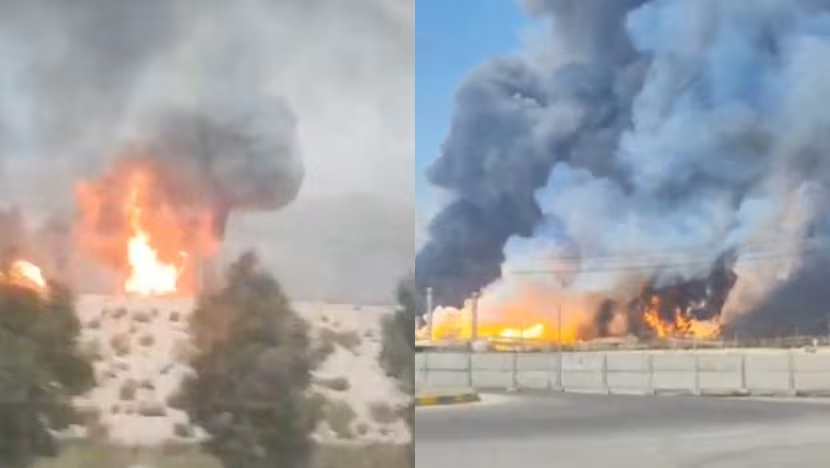
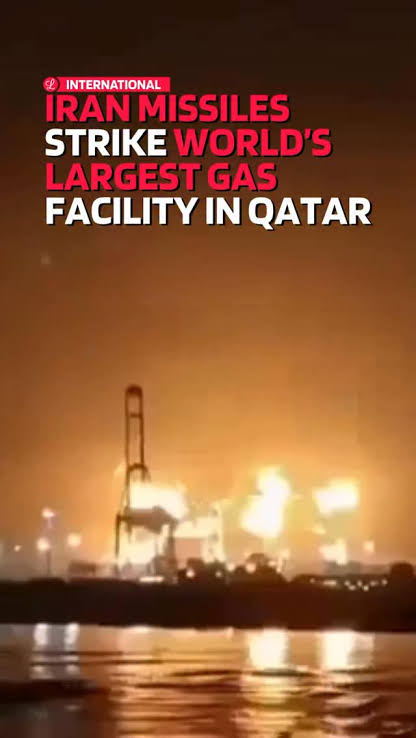
The response was swift: hours after the Israeli attack, Iran struck Ras Laffan in Qatar, the world’s largest liquefied natural gas plant. These events confirm that the conflict has escalated to a new level, has entered the energy sector and critical infrastructure of the Gulf, and, in doing so, is seriously jeopardizing the energy supply not only of the region but of the entire world. ~
Further Reading: