
Antonio Navalón
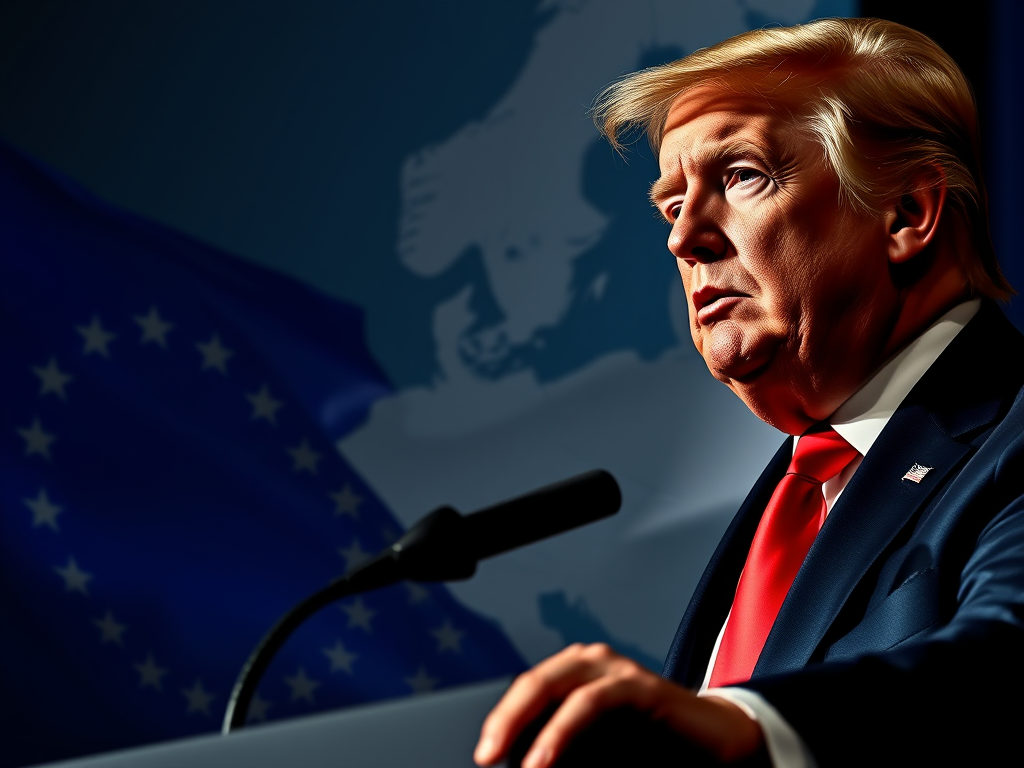
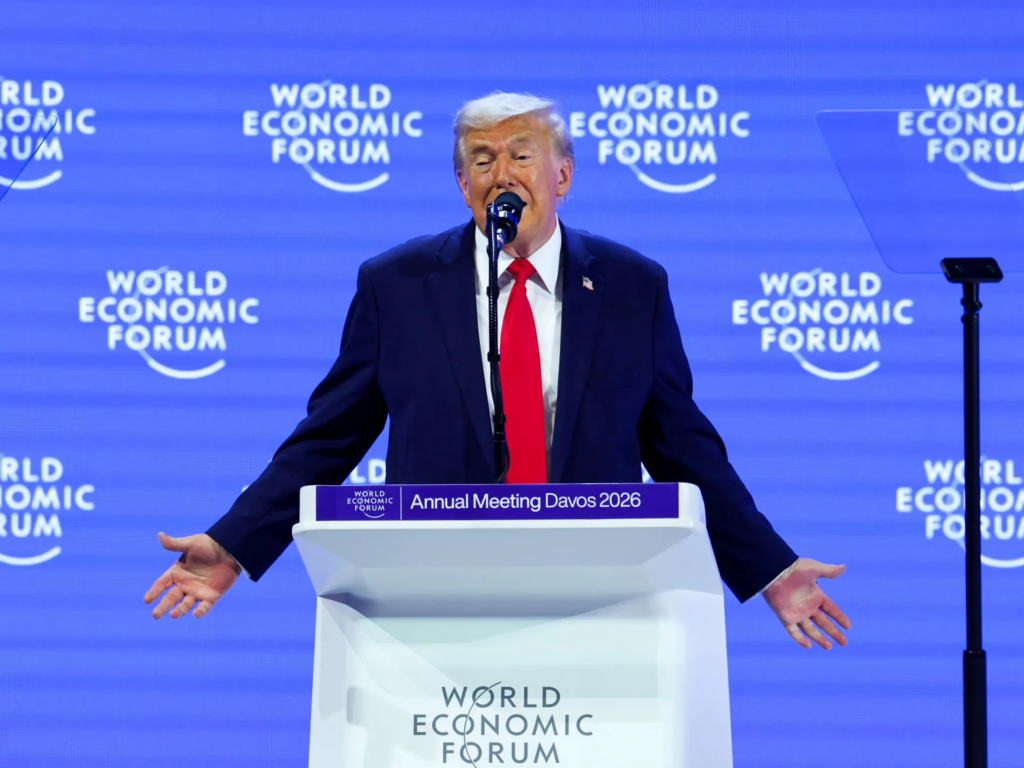
Donald J. Trump decided to present, in one fell swoop and without nuance, what he believes to be the European continent’s outstanding historical debts to his country. It is incredible, though consistent with his style, that at a time of maximum international tension—marked by the display of new US strategic weaponry, the reconfiguration of global military power, and the deterioration of the multilateral order—Trump opted for an improvised speech. Lacking formal preparation, the US president arrived in Davos last week to send a clear message: the United States has the strength, and Europe has benefited from American generosity for more than seven decades, since the end of World War II.
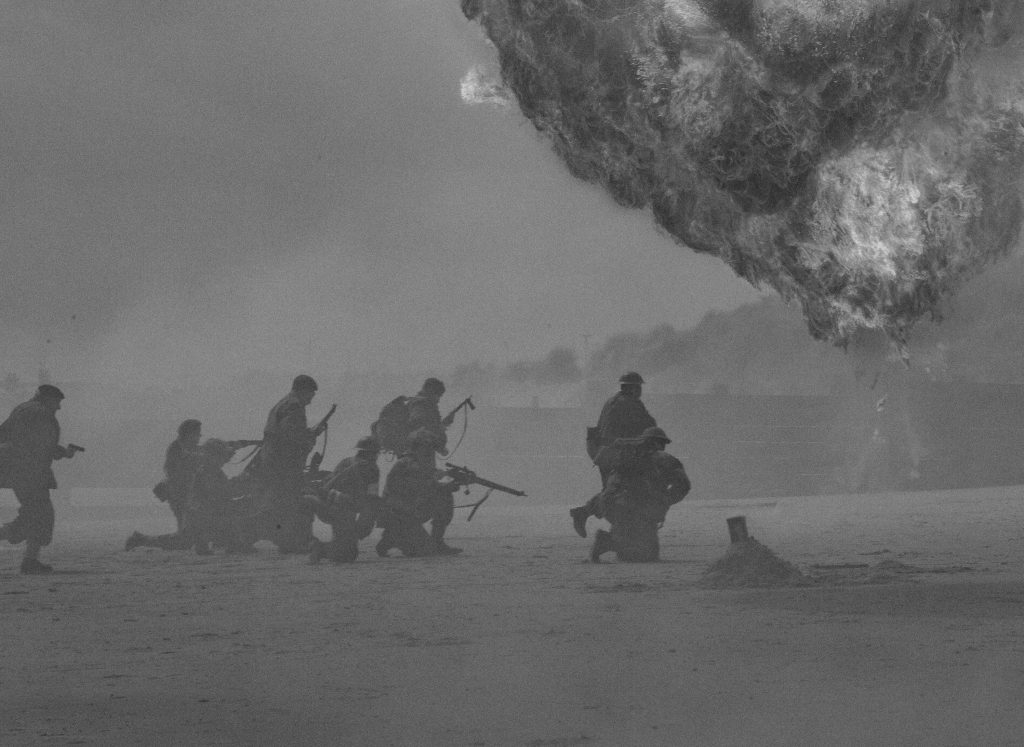
The core of the argument is simple and repeated. “We have given you everything,” he said. “We gave you freedom and helped you win the war,” – although in reality, he should have said both world wars. And yet, after decades of economic, military, and strategic support, when Washington asks for something in return, Trump argued, the European response is ingratitude, injustice, and disrespect.
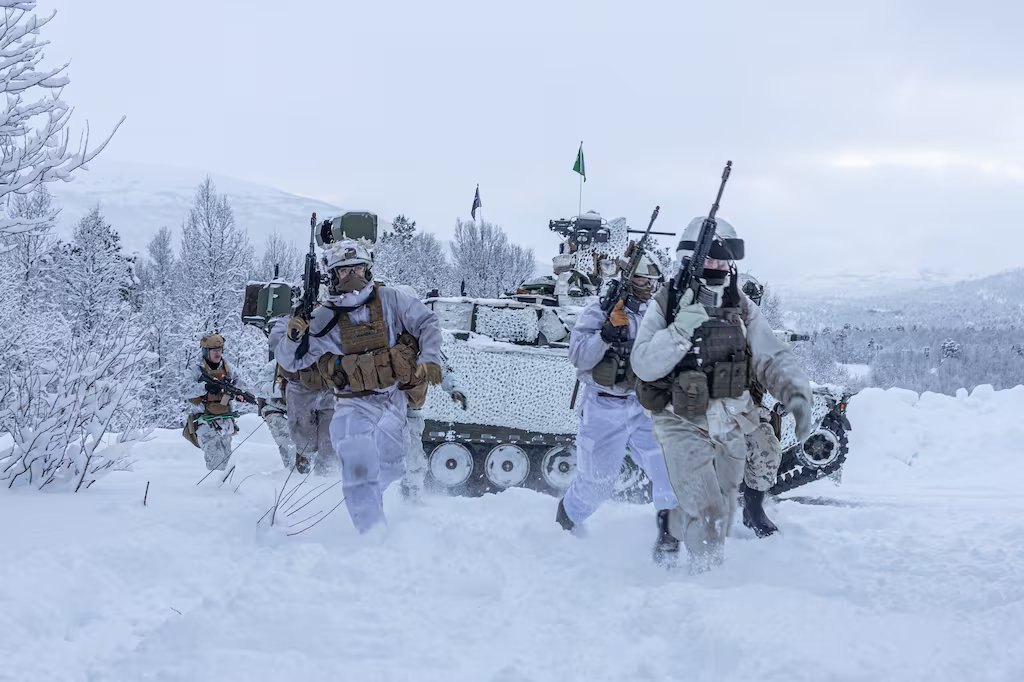
In this context, Greenland appears as a symbol and a strategic piece. Trump recalled that the United States already controlled the island during World War II when, in April 1940, Nazi Germany launched Operation Weserübung and occupied Denmark in approximately six hours, without significant resistance. This left Greenland politically isolated and unable to receive instructions from the legitimate Danish government, which was under German control. In April 1941, Washington signed an agreement with the Danish ambassador to the United States, who was acting on behalf of the legitimate Danish government (not the regime under Nazi occupation). That agreement allowed the United States to deploy troops in Greenland, but above all, to protect the island from possible German occupation.
Without US intervention, Trump argued, Greenland would have suffered the same fate as much of the European continent and fallen under total German control. After the war, the United States returned and vacated the territory, as—according to his account—it has always done in Europe: without demanding anything in return.
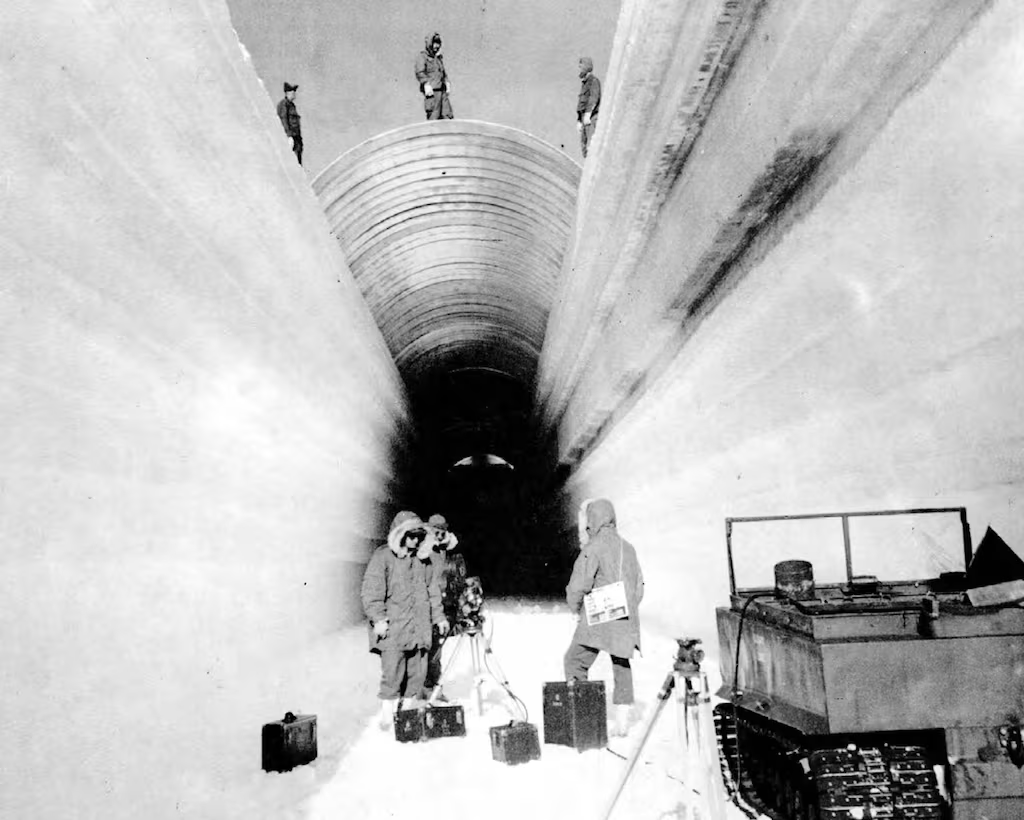
Today, however, the approach is different. Greenland is once again relevant for two main reasons. The first is historical: the island was once under US control and protection. The second is legal and strategic. Since the Defense Agreement signed with Denmark in 1951, the US has maintained the right to deploy military infrastructure on the island to guarantee its security and prevent it from falling under the influence of hostile powers. This was a point that Trump did not develop with legal precision, but which he used as political support for his argument.
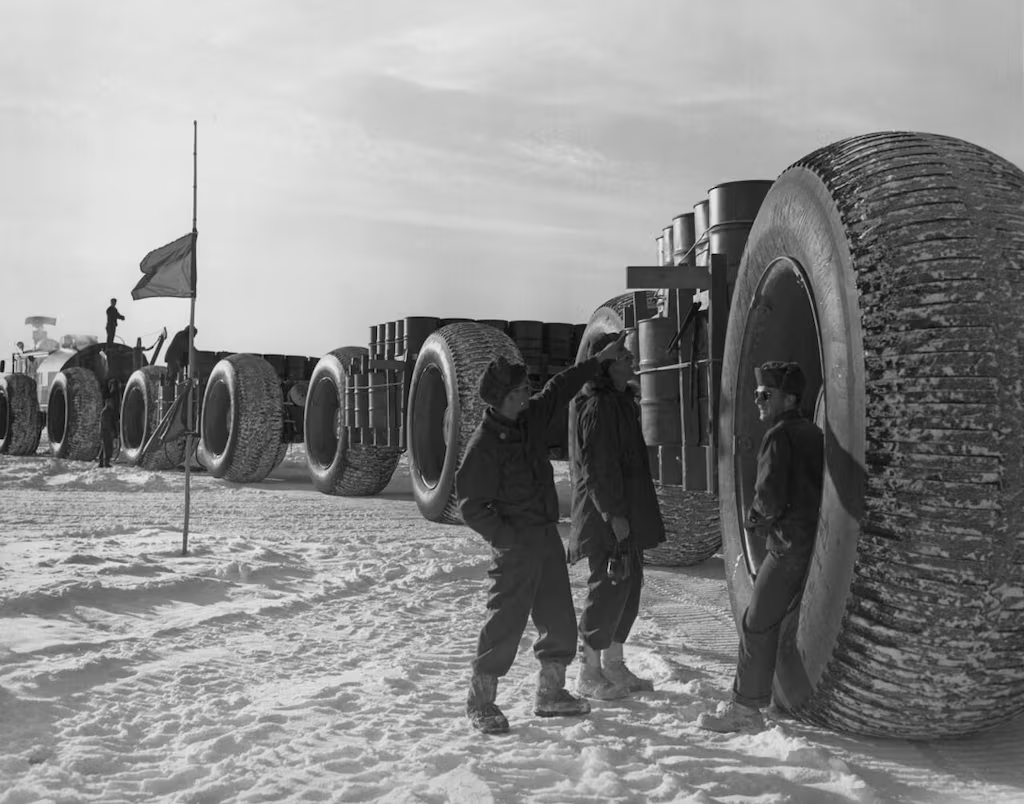
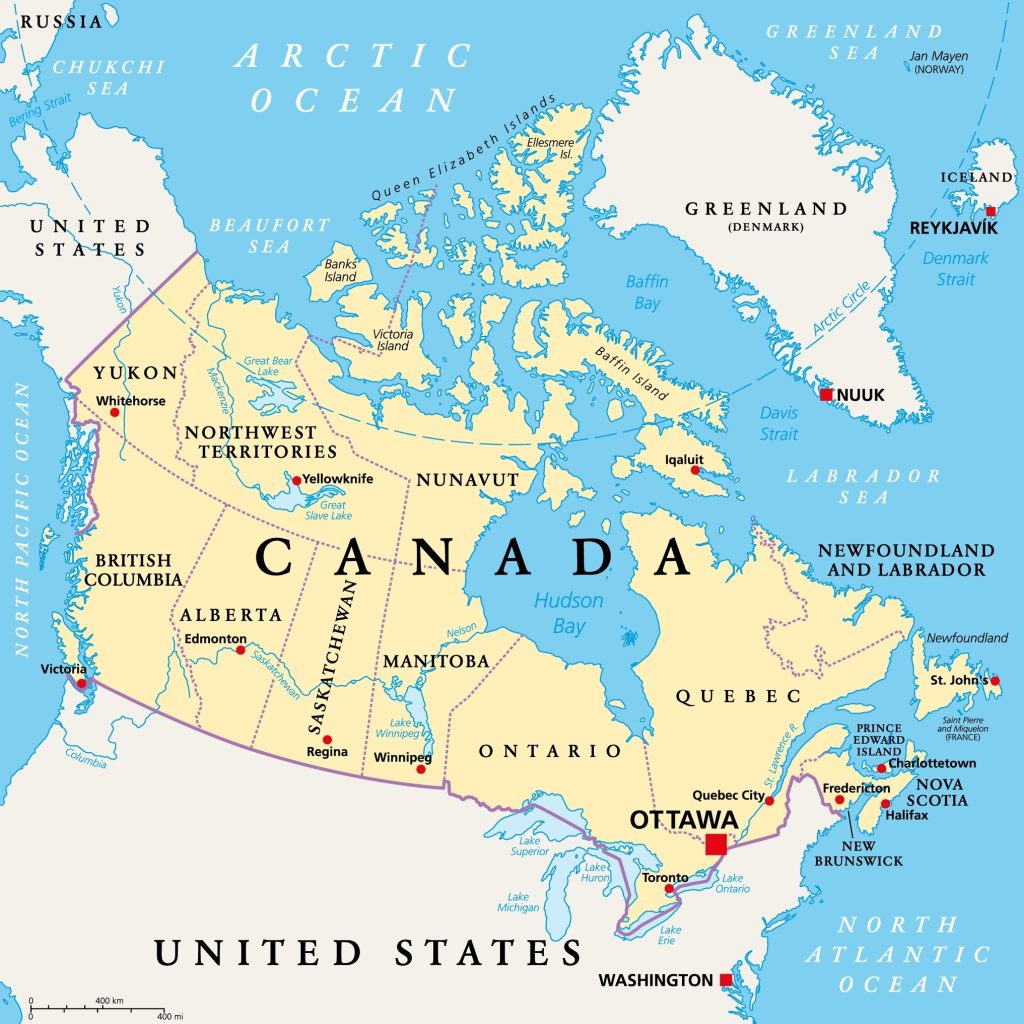
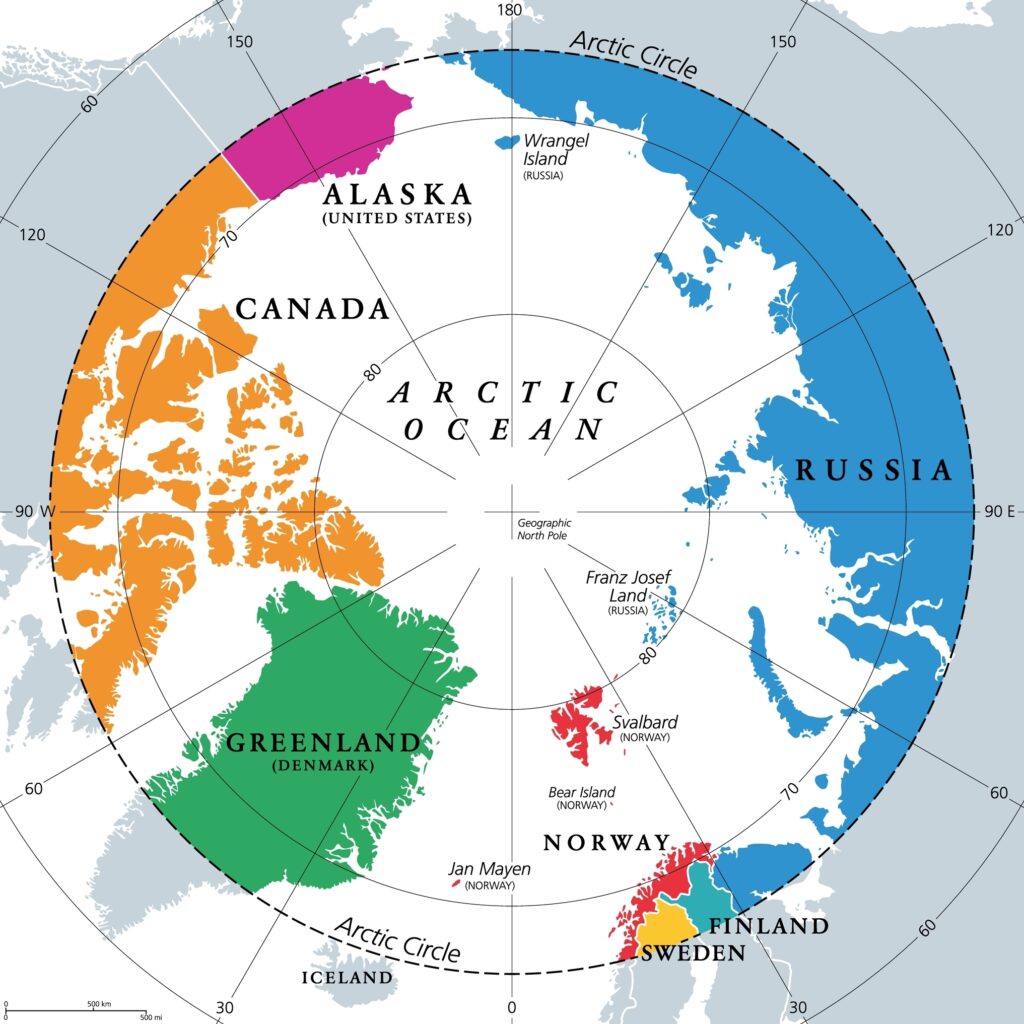
Added to this is a warning and implicit reality: if Europe enjoys security, it is thanks to the United States. For decades, Washington has covered a substantial part of NATO’s budget and operational capabilities, compensating for the lack of defense investment by many of its allies. In this context, Trump argues that the acquisition of Greenland would not be a lease or a symbolic agreement, but a full purchase, with title to the property, which would allow the United States to protect key strategic routes, especially those linked to missile transit and Arctic defense. In the initial stage, this defense would benefit Canada and the United States, but it would also benefit Europe, something Europeans fail to see.
But beyond Trump’s interest in Greenland’s significant deposits of rare earths and strategic minerals beneath the Arctic ice, his motives go further. According to his speech, the reason is exclusively defensive: any hostile power controlling Greenland could pose direct threats to both North America and Europe with ease.
For decades, the US leader said, the scheme has been simple: the US pays, and Europe enjoys. That model, he declared, has come to an end. Never before has Washington asked for anything in return for winning the war and financing the Western defense system. And now, when it does, the European reaction is one of rejection and reproach. For Trump, this behavior confirms the political and strategic fragility of his allies.
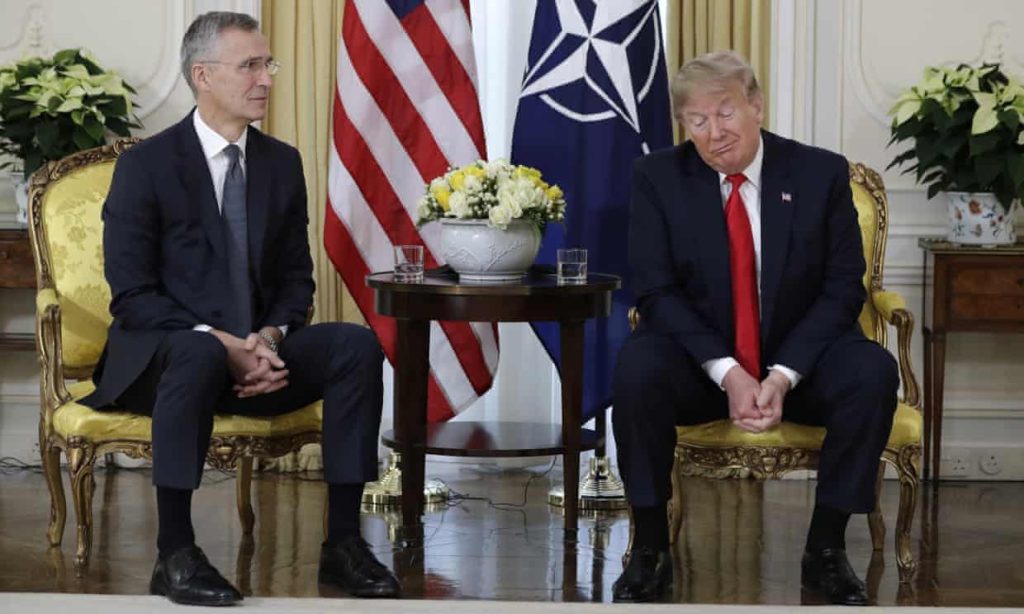
In his speech at the World Economic Forum in Davos, Trump shattered much of the consensus built over more than a century of multilateral diplomacy, political cooperation, and sensitivity to the social costs of state decisions. It was not just a criticism of Europe, but an amendment to the entire international order.
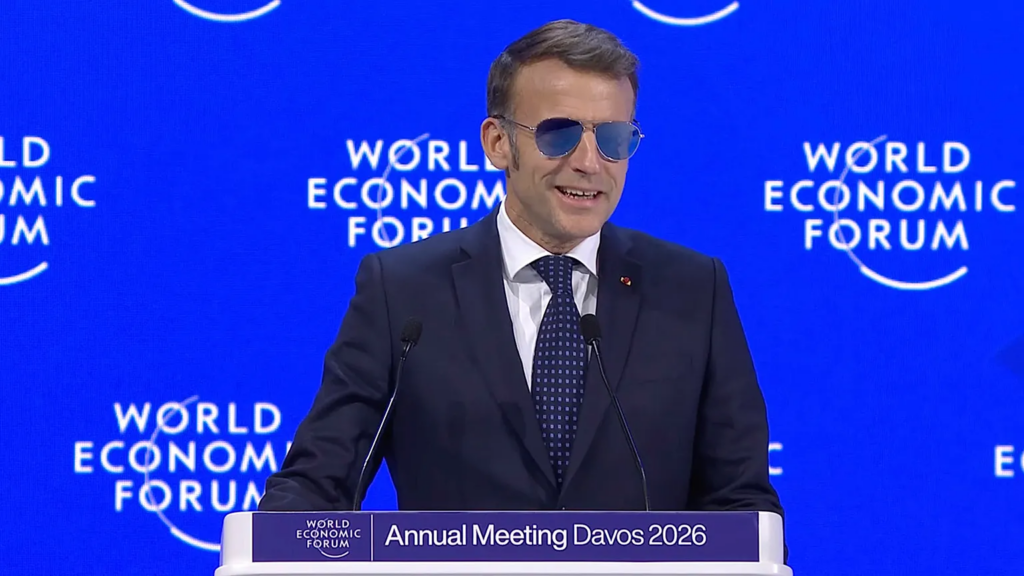
The US president also took the opportunity to highlight what he considers to be an inconsistency among European leaders. He explicitly referred to Emmanuel Macron, mocking his appearance in Davos wearing dark glasses and recounting, in a tone of superiority, the conversations in which the French president refused to accept his demands. According to Trump, it took him no more than three minutes to bring the European leaders to heel.
Everyone said his program was unworkable. However, there it is. A program that, according to his own assessment, is succeeding both inside and outside the United States. In his view, a superpower cannot afford weak allies. The United States, as the leading global force, needs partners that reinforce its position, not ones that are permanently dependent on it. His conversations with Vladimir Putin and his policy toward China must be understood from this perspective, not as concessions but as part of a new defensive scheme in line with current reality.

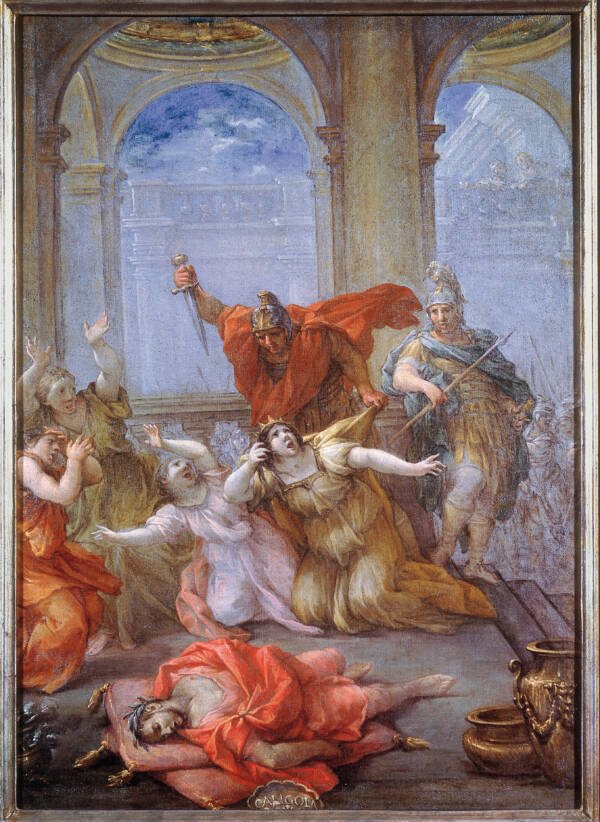
Thus, before the Davos audience and the eyes of the world, Trump closed his message—as if we were watching Caligula himself addressing the Roman Senate—with a warning that sounded more like an ultimatum than a proposal. He recalled that Greenland was once American, that Europe has a historical debt to pay, and that instead of arguing or creating problems, they should cede the territory, sell it, or hand over the title deed. From that moment on, he concluded and implied that Europe should start defending itself, because the United States is no longer willing to continue doing so for it.
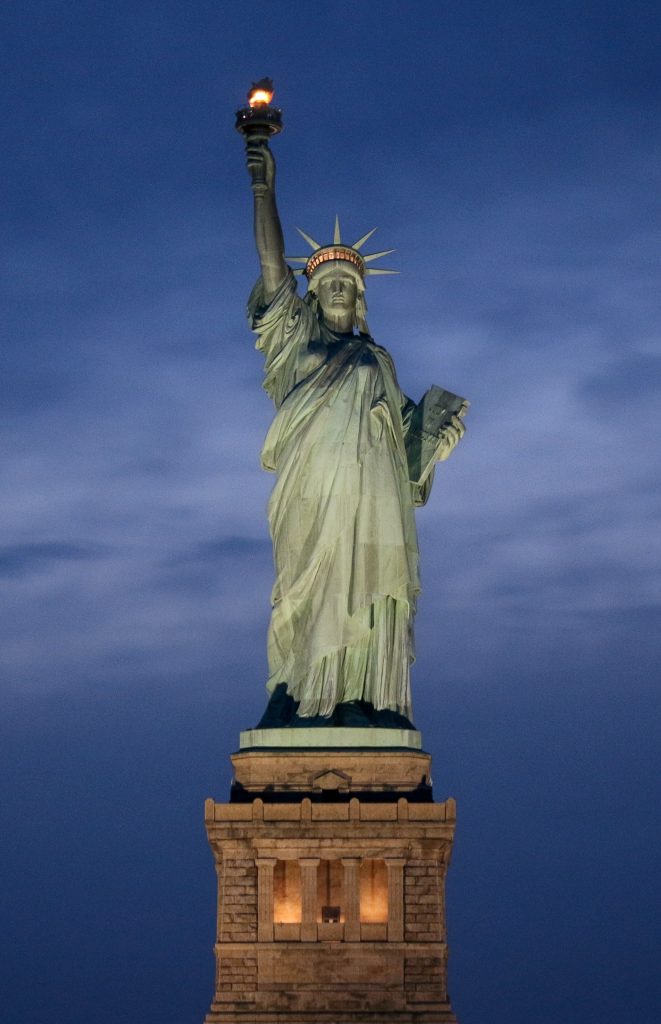
That same tone, laden with historical reproach and a transactional conception of alliances, was reminiscent of the Trump administration’s rejection of a French politician’s suggestion that the Statue of Liberty be returned to France. But above all, it reminded me of the phrase uttered by White House press secretary Karoline Leavitt: “My advice to that anonymous low-ranking French politician would be to remind him that it is only thanks to the United States that the French are not speaking German right now.”
There are phrases like that which are steeped in history, and ignoring them often has devastating consequences. In that vein, Europe should remember and bear in mind the saying about reciprocity: “The pitcher goes so often to the well that it is broken at last.” It is well known that in politics, one can recover from defeat. But not from ridicule.
Unintentionally, comparing the discourse and positions of Mark Carney and Donald Trump leads to a conclusion that is as obvious as it is dangerous. And it is so, above all, because—regardless of whether one likes it or not—the president of the United States remains today, both in terms of real power and decision-making capacity, one of the three most influential men on Earth.
That is why it is worth taking a close look at what happened with Greenland. If he had to backtrack just hours after escalating his threats, announcing a “framework” of understanding with NATO Secretary General Mark Rutte—to the point of defusing, at least temporarily, the diplomatic clash and the threat of tariffs—it is clear that even a player of that stature can be forced to adjust course when the political and strategic cost becomes too high.
Hence, it is easy to imagine what might happen when demonstrations and internal pressure begin to take a heavy toll. And that toll is already looming: protests against raids and tougher immigration policies—sparked, among other triggers, by the death of US citizen Renee Good in an ICE-related operation—have grown rapidly and tested the narrative, control, and legitimacy of the federal apparatus.

Further Reading: