Antonio Navalón
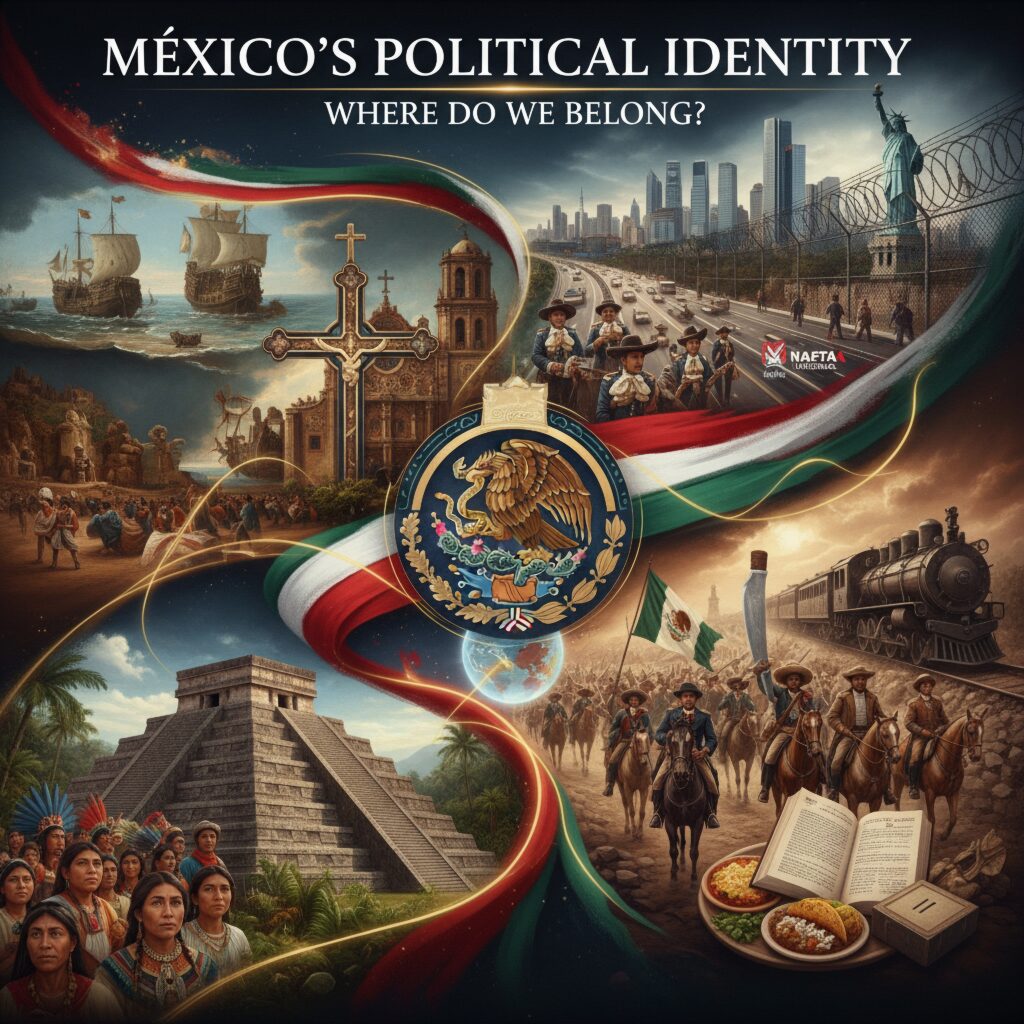
Some believe that the day a bullet grazed Donald Trump’s ear not only secured him the presidency but also marked the beginning of his rise to political prominence. “We are dust, and to dust we shall return,” but in the meantime, blood—that river that connects the heart with thought, ideas with feelings—remains the driving force behind human passions and choices. Blood, but above all, personal will and instinct are powerful magnets. They define who we follow, who convinces us, and who does not suit us. And today, more than ever, Mexico needs to ask itself who it is. To which orbit does it belong, and which world does it want to join?
Is it possible that former President Luis Echeverría, with his idea of leading the movement of non-aligned countries, saw something that we did not? Did he anticipate a unique role for Mexico, neither subordinate nor isolated, but a bridge between powers? At this moment, the planet is experiencing the most extraordinary polarization in its recent history, perhaps the most intense since the wars between Athens and Sparta. However, we continue to invoke a false neutrality, as if we were strictly—albeit falsely—adhering to the so-called “Estrada doctrine” by not taking a position or interfering in foreign affairs, when in reality this has never been the case.

We behave as if we were, in the style of old India, an unknown planet within the global universe. We are no longer, except by geography or divine will, part of North America. And yet, we do not belong to any other bloc either. Are we so enthralled with our truth, with the different floors of the so-called Fourth Transformation, that we have lost sight of our place in the world? At this point, I confess that I would give anything to know what the “-4 what” really is. Because, beyond the rhetoric, I don’t know if it is a model of development, a moral project, or simply God’s revenge for placing us so close to the United States and so far from Him.

Given what we have seen, I inevitably ask myself: Do we really believe that our destiny is similar to and related to that of Cuba, Venezuela, Nicaragua, or North Korea? Is that what we want for our people? Because, beyond ideologies—which are undoubtedly necessary—there is something more basic: the stomach. Before having or adopting ideologies, we must ensure that our stomachs are full. Because when stomachs are empty, that is when revolutions really begin. We feel satisfied every time the boss in Washington grants us a deadline, a truce, or an extension of one more week without sanctions. We are glad that the punishment is not so harsh, “because we are brown,” and because we represent the majority of immigrants that he does not want to see and does not like. However, in our eternal world of contradictions, every time we have the opportunity, we take pride in showing solidarity with those governments that contrast with US interests, such as Cuba or Venezuela.
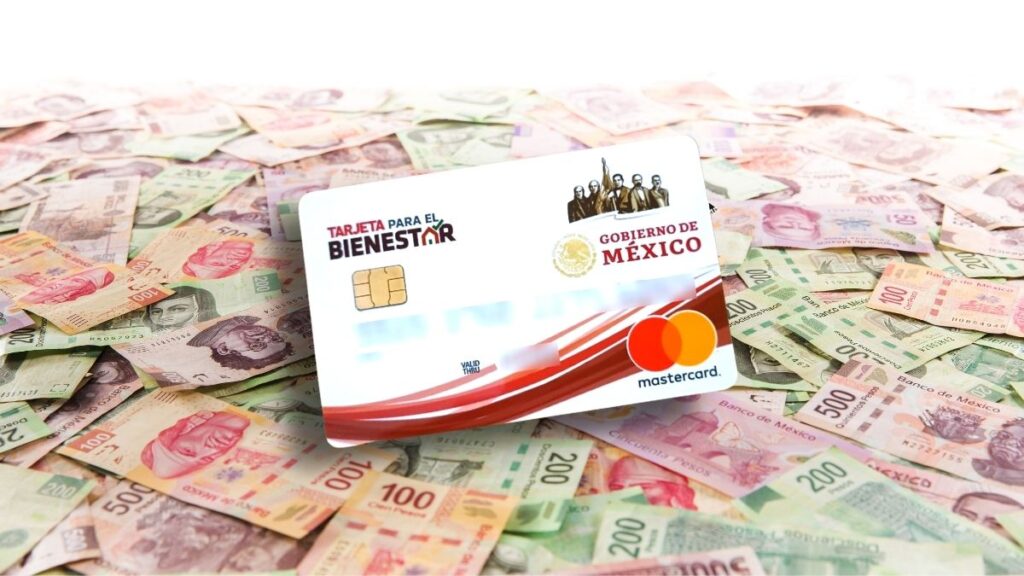
We raise our heads every time we look outside, forgetting that the real urgency is at home. Why don’t we show the same solidarity with Chiapas? Who is helping Guerrero? What will we do with all those who, when the cost of living rises, discover that welfare state pensions are neither adequate nor sufficient? Are we a country of subsidies or a country of development? That is the central question. We define ourselves more by what we deny than by what we are. We are not “chairos,” we say. We do not steal… or at least that is what we hope when the ongoing investigations are completed. But in the meantime, we remain in a no man’s land: without the economic growth that would allow us to belong to the developed world, nor do we have the political conviction to declare ourselves part of another.
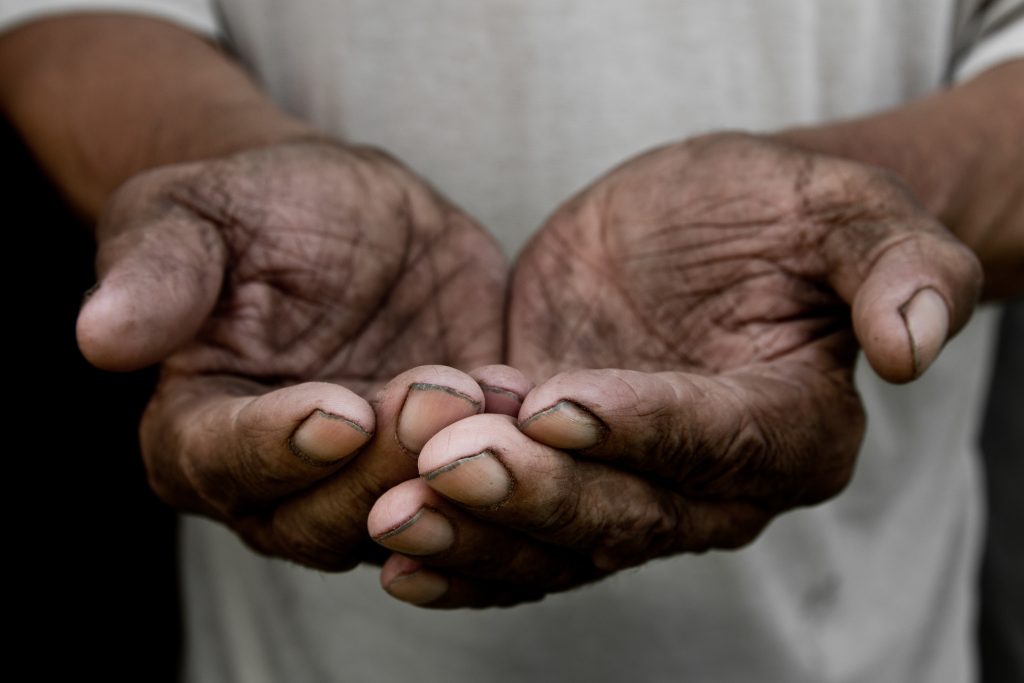
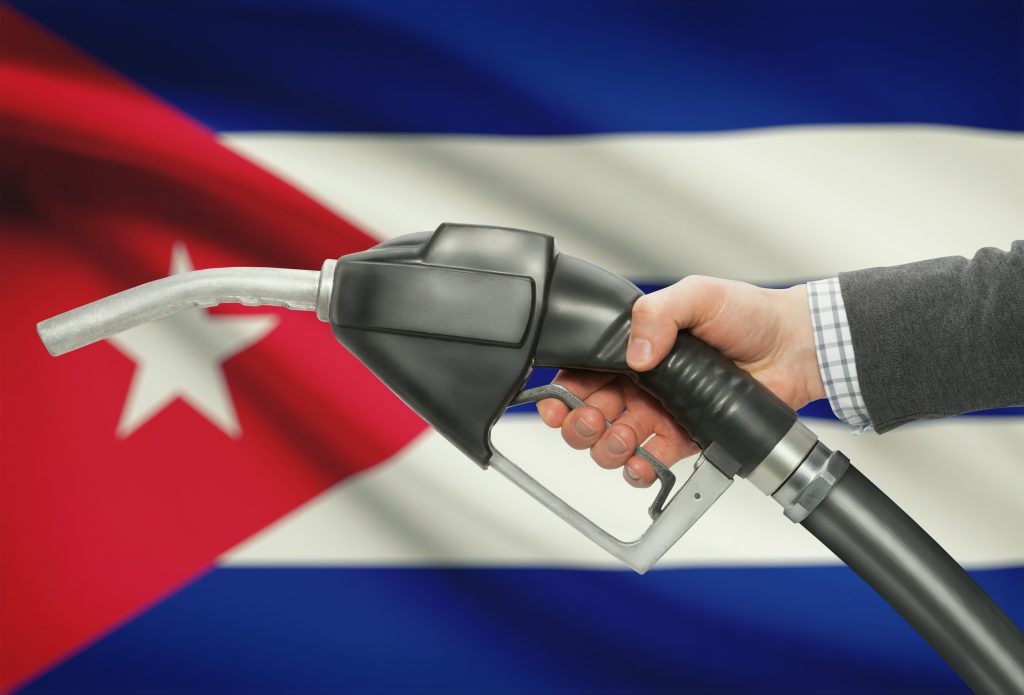
Our leaders have a right to their sympathies, even their alliances. What they do not have the right to do is to drag the country toward failed models. The future they propose cannot be that of Managua—which survives thanks to aid from China and Russia—nor that of Havana, where darkness is both literal and symbolic. We do not want a destiny for our cities that depends on deprivation.
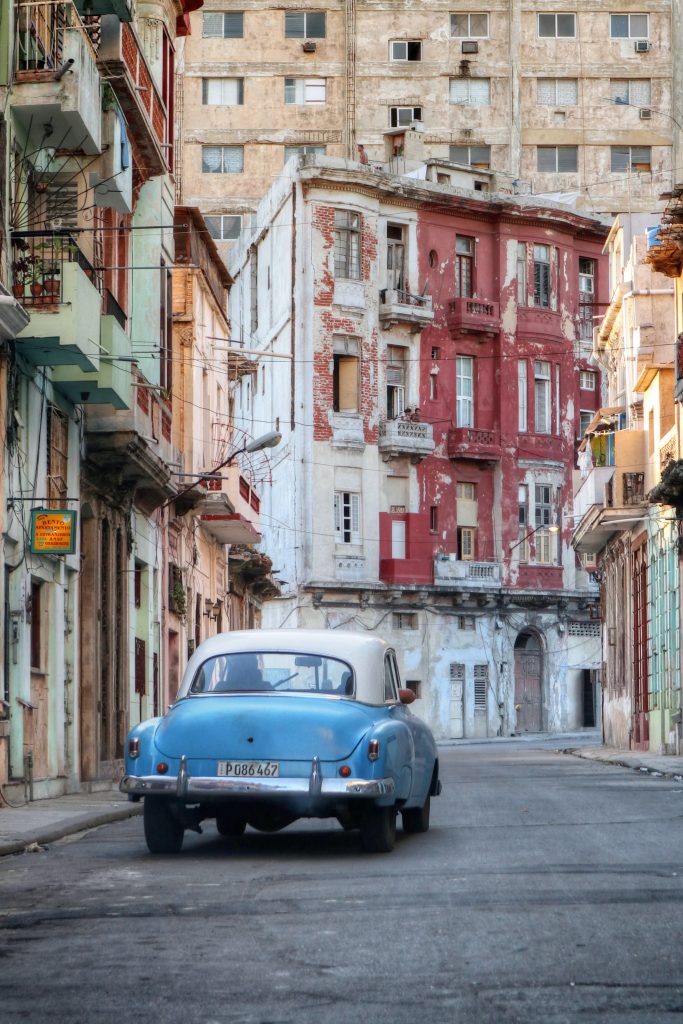
Mexico cannot aspire to reproduce misery disguised as sovereignty. It cannot become a country where despair becomes an industry, as it was in the days of Fidel Castro, when he exported soldiers and human flesh to the wars in Angola and Mozambique. What the country needs is not a closed ideology or dependence disguised as dignity, but the real possibility of building development, well-being, and freedom. A nation at peace that is not divided by hatred or resentment, that does not live on subsidies but on opportunities.
In any case, the question that runs through all of human history remains the same: who are we and where are we going? It is not a philosophical question: it is a practical necessity. The answer determines how we organize our lives, how we build our destiny, and how we decide whether what we have is truly ours or just an expensive and fragile loan from time and history.

Further Reading: