
Antonio Navalón
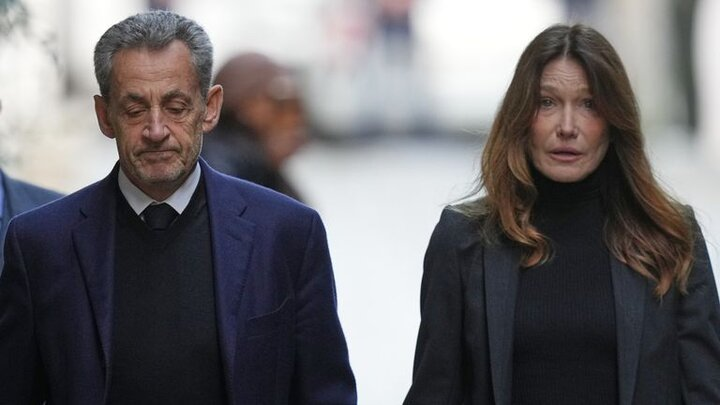
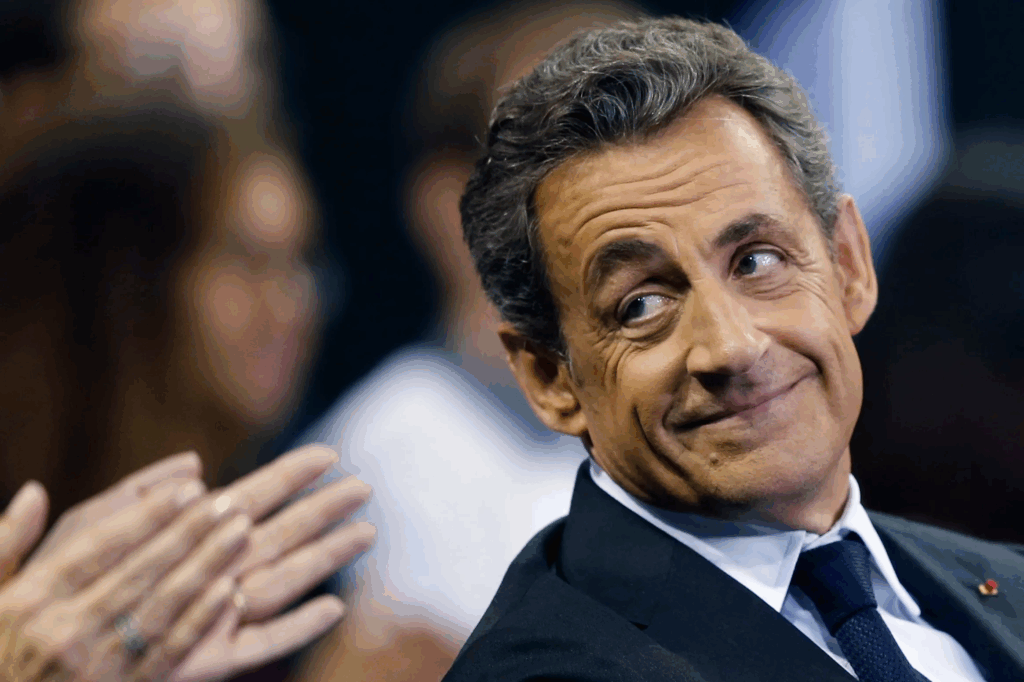
In these times of global reconfiguration, in which relations between peoples and governments oscillate between governance and confrontation, the world seems to be bidding farewell to the last century and a half of its political, social, and economic history. Amidst this change, which confronts the disappearance of the institutions and models of the past, I must admit that being awakened by La Marseillaise at 5:30 in the morning is an image that, like the French, I will find difficult to forget. This was Nicolas Sarkozy’s morning on October 21 as he prepared to enter prison.
This was even though he still had one appeal left, and that French law establishes that people over the age of 70, even if convicted, have the option of serving their sentence on parole. Even so, there he was, a former French president under arrest, a symbol of a country once again facing its own contradictions.
The Fourth Republic ended due to permanent instability and a lack of leadership. That France, fragmented by parties, clashes, and polarization after World War II, was replaced by the Fifth Republic. General Charles De Gaulle then returned as a horseman of history to impose a system that, despite the parties and the National Assembly, concentrated ultimate power in the hands of the president. France seemed to reconcile itself with its need for leadership.
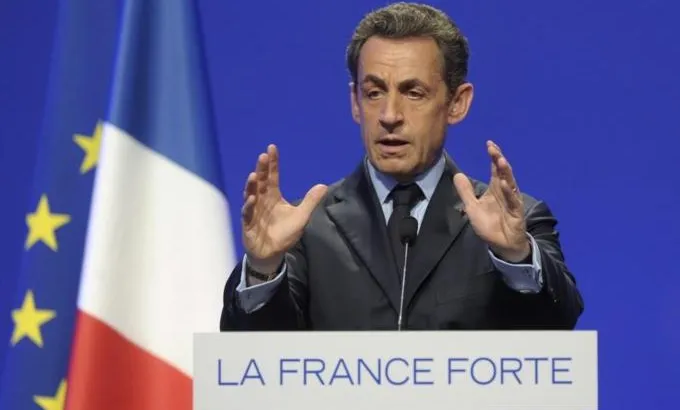
Sarkozy, who once moved from the Ministry of the Interior to the Élysée Palace, sleeps in a cell while his lawyers await the Supreme Court’s ruling. But what is relevant is not his conviction, but what it triggers. We are not witnessing the end of a political career—a brilliant one, to be sure—but the launch of a new electoral process.
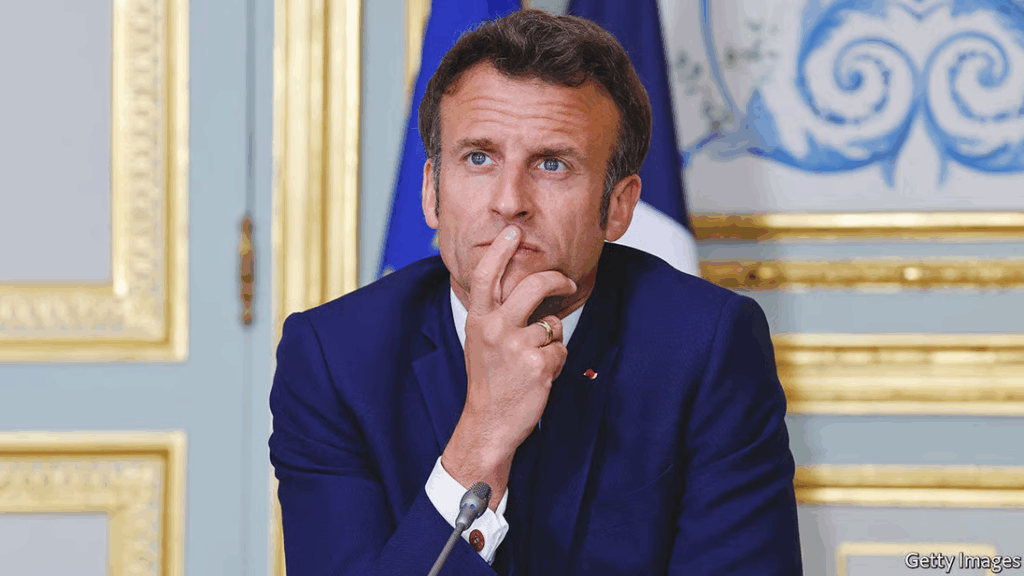
Let me explain. Emmanuel Macron, now with rock-bottom popularity, faces a country that no longer wants him. According to recent polls, the confidence rating for the current French president’s administration is below 15%. In other words, only 14% of those surveyed have confidence in Macron’s ability to meet the challenges facing his country.
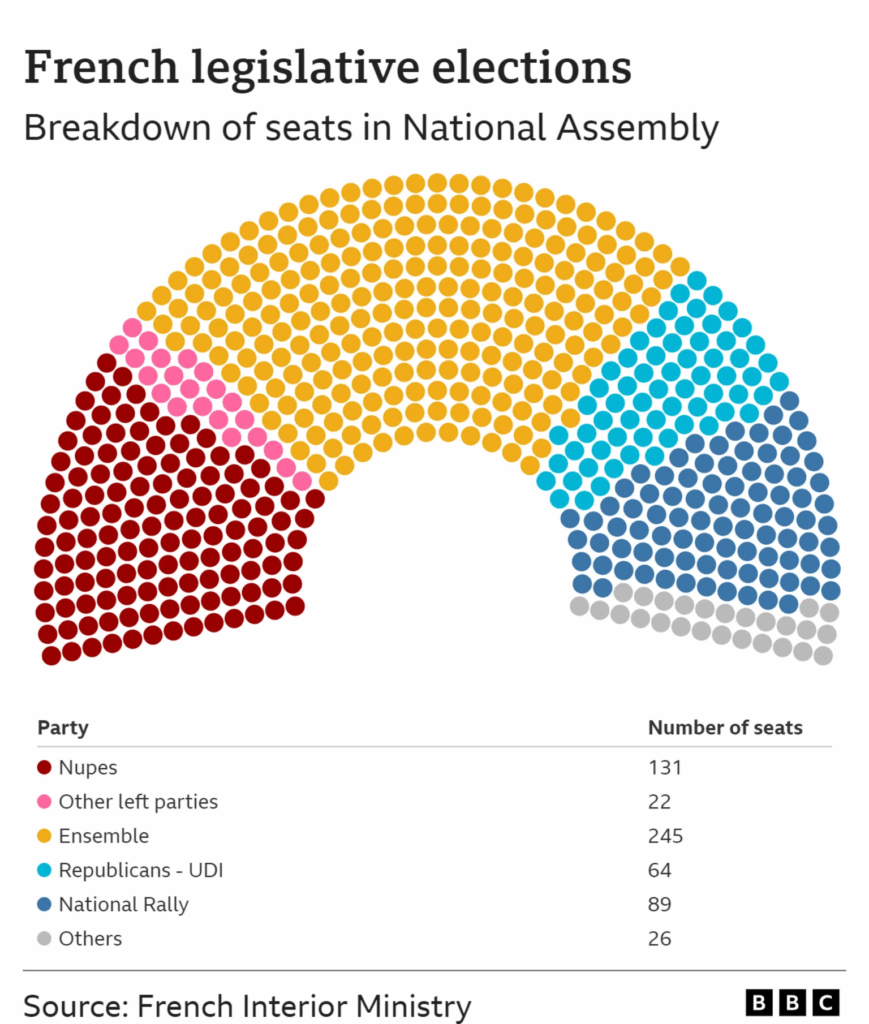
The French National Assembly is fractured by a multiplicity of blocs that prevent any political cohesion. The unity that once sustained the French project has vanished, unlike what Donald Trump is experiencing in his own country. The US president is enjoying a comfortable honeymoon with his Congress and Senate—and with a good part of his people, with just over 40% approval—even as protests against him grow. Protests that, rather than causing discomfort or encouraging change, provoke laughter and even motivate the creation of videos made by artificial intelligence on Trump. He laughs at those who protest as if they were children who still do not understand his vision of the United States.
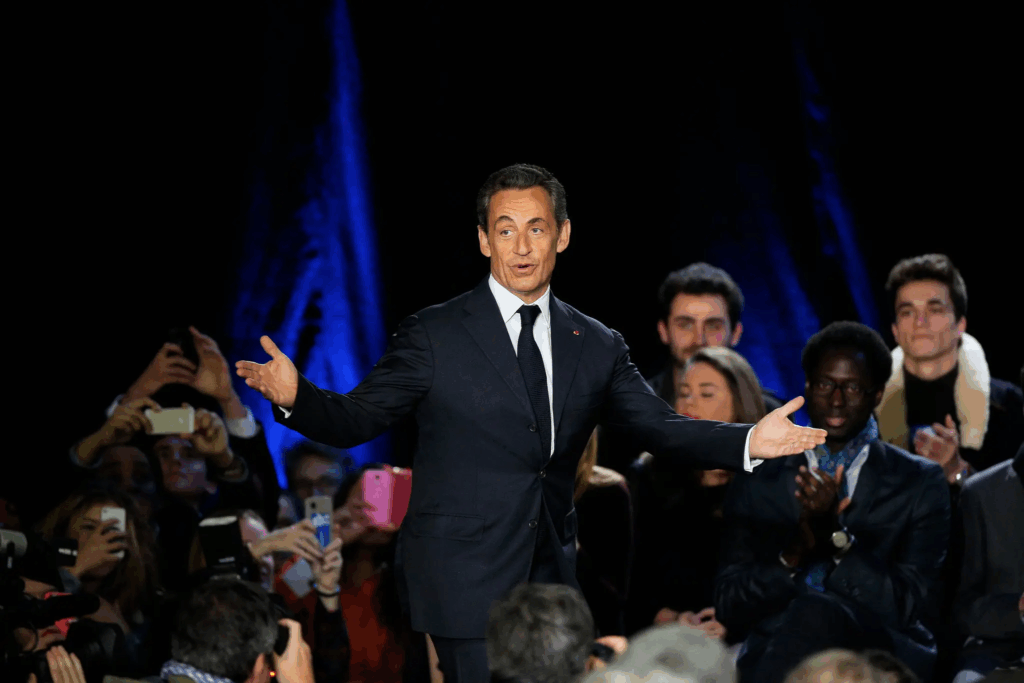
France is lost. So is Europe. France is probably the first country in the European Union where the clash between social resentment, immigration, and the Muslim majority could trigger a head-on confrontation. The possibility of Marine Le Pen becoming president is no longer an extreme hypothesis, but a possibility. And, more excitingly, under these new developments, the legal proceedings against Sarkozy will likely mark the start of a campaign to return him to the French presidency.
The history of France has always been marked by greatness and drama, by glory and injustice. Judicial errors have also forged its political identity. We must not forget that Edmond Dantès, Le Comte de Monte-Cristo, is the embodiment of a victim of an unjust court ruling and a key figure in the country’s modern history. Nor should we forget that Jean Valjean, the protagonist of Les Misérables, was persecuted by an excessive sentence that only divine intervention or death could free him from. And how can we forget that cry of conscience that shook France, Émile Zola’s famous speech “J’accuse…!” —“I accuse,” in English— in defense of Captain Dreyfus against the abuse of the State.
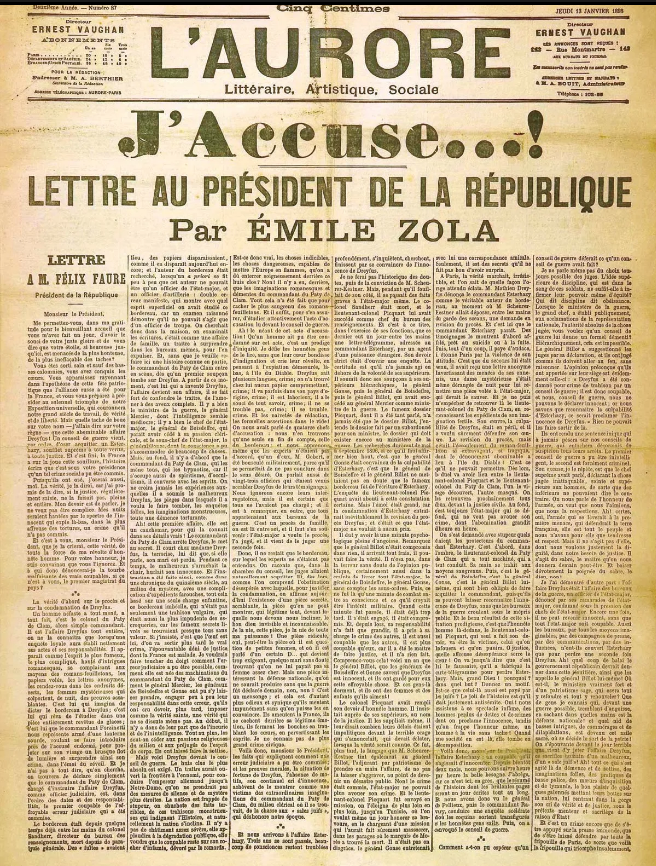
French politics has too often been written in the courts for us not to think that what we saw the other day has a background we could not imagine. What we saw last Tuesday morning was not a man beginning his sentence, but a politician starting his comeback. Sarkozy was not walking to prison: he was taking his first step, once again, toward the Élysée Palace.
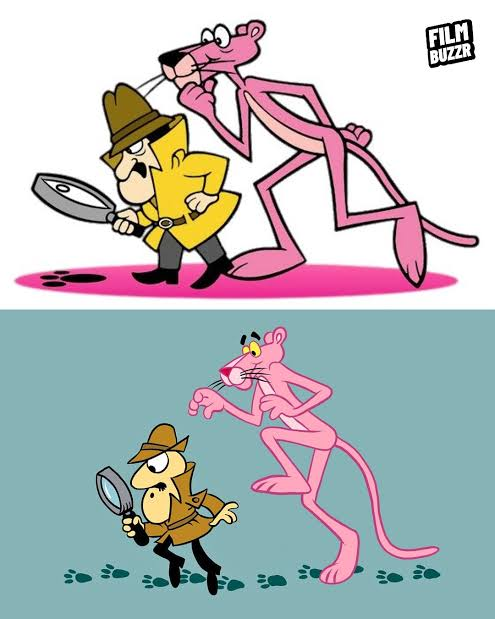
In any case, looking at the current situation in France and reviewing the images circulating the world attesting to the grand theft of Napoleonic jewels from the Louvre museum, one might think that a possible solution for a state so overwhelmed and in such crisis would be to call in Inspector Clouseau and the Pink Panther to discover and unmask the thieves.
Further Reading: