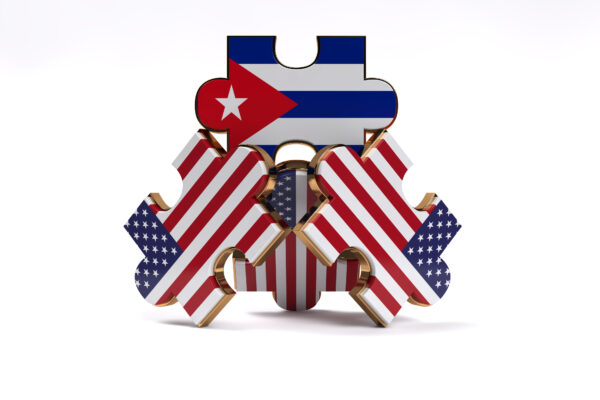
Cuban Resilience Amid U.S. Political Pressures

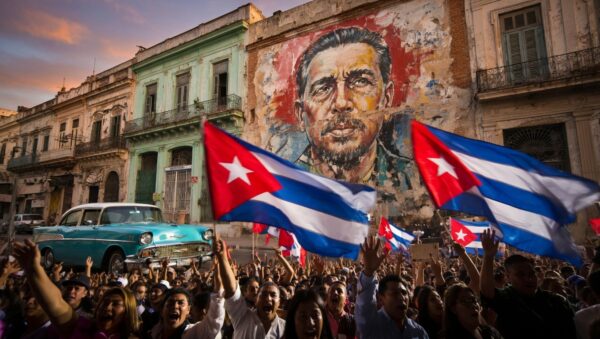
In 2016, Raúl and Alejandro Castro negotiated an agreement with Obama for a market economy in Cuba while retaining the Communist Party’s power, akin to the Vietnamese model. Fidel Castro rejected this idea, exposing Cuba’s long history of dependency on foreign support. Presently, the island faces severe economic challenges and resistance to U.S. demands, with the potential for humanitarian crises looming.

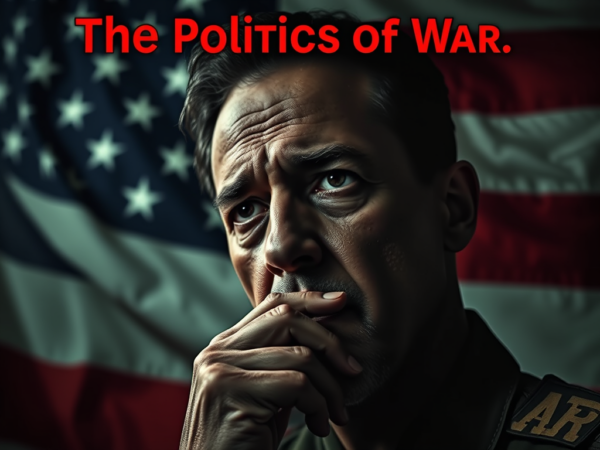
The Politics of War: What Do Citizens Gain?

The piece examines the complex motivations behind wars involving the United States, emphasizing the importance of understanding objectives and potential gains. It discusses historical context, the role of public perception, and the influence of the military-industrial complex, especially in democratic societies where clarity of purpose is crucial for sustaining support.

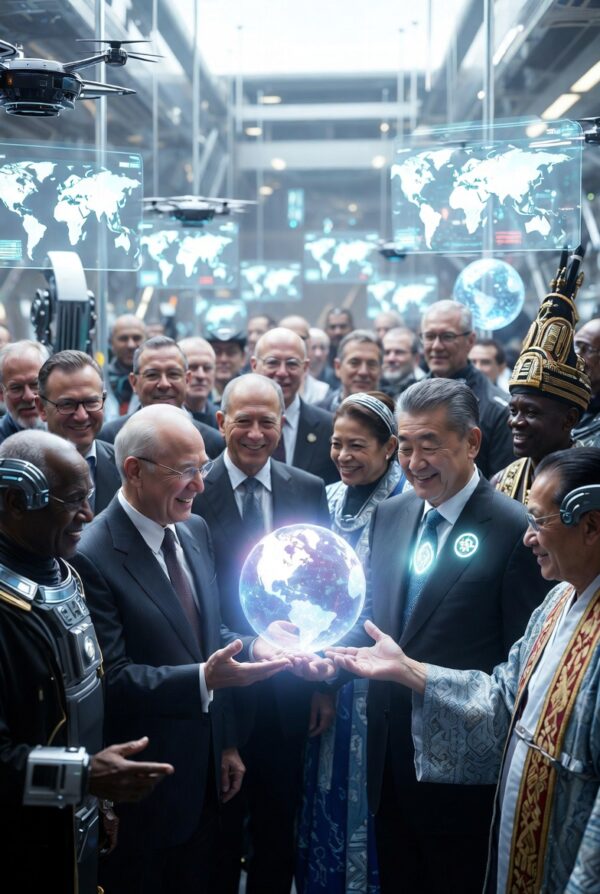
The Future of International Cooperation Post-Trump.

Following Nicolás Maduro’s arrest, international conflicts have risen, signaling the potential end of the post-WWII cooperation framework. The Trump administration’s withdrawal from numerous organizations raises concerns about future global cooperation and institutional credibility. Critics highlight inefficiencies and corruption in organizations like USAID, emphasizing a need for reevaluation of international assistance approaches.

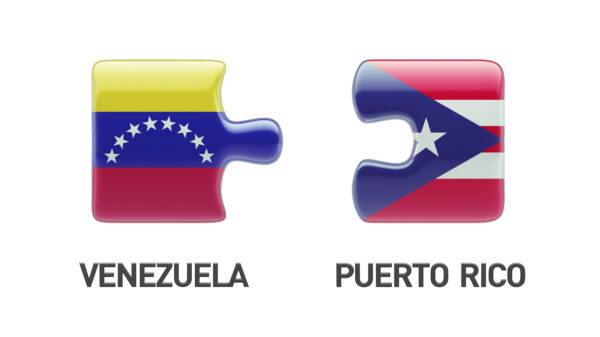
The New Free Associated State of Venezuela.

The January 3 event signifies a shift in global warfare, emphasizing non-traditional methods of control over direct military intervention. The U.S. approach to Venezuela illustrates this “invasion without invaders” model, where geopolitical influence is exerted through advanced technology and manipulation of financial flows, rather than conventional occupation or conflict.

The Complexity of the U.S.-Cuba Relationship.

Fidel Castro made a surprising confession to me, given that he was a dictator: he admitted he had made a serious mistake in his negotiations with President Clinton. He explained that he had had a conversation with the US president in which he promised not to shoot down the planes flown by Cuban exiles organized in the group Brothers to the Rescue. The planes flew over Havana, especially

Breaking the Silence: Our Role in Democracy.

Modern democracy is hindered by indifference, as many view politics as the realm of others, leading to a harmful mindset that absolves personal responsibility. The silence and disengagement of citizens allow anti-democratic narratives to flourish. Engaging politically is essential; passivity invites those with less scruple to fill the power vacuum.

My Readings in 2025.

In times of upheaval, many books emerge addressing significant geopolitical and historical themes. Noteworthy titles include Hal Brands’ exploration of Eurasian geopolitics and Claudio Lomnitz’s analysis of Mexico’s dual realities. Robert Kaplan’s pessimistic insights mirror the Weimar Republic, highlighting the fragility of democracy, while Timothy W. Ryback details Hitler’s rise without popular support.

Honduras Elections: Trump vs. Sheinbaum Confrontation Explained.

Honduras’ presidential elections have turned into a proxy battle between Claudia Sheinbaum and Donald Trump, reminiscent of Cold War dynamics. Xiomara Castro’s swift visit to Mexico before the elections highlighted ideological ties within a socialist bloc, while Trump pressured voters to reject Castro’s party, emphasizing economic issues and immigration policies.

Luis Maizel’s Monthly Letter: What Have We Done To Deserve This Government?

Societal discontent is rising globally, with a notable survey indicating no respondents feel better off than a decade ago. In the U.S., a government shutdown disrupts services, and political conflicts hinder citizens’ needs. Various economic conditions unfold worldwide, with mixed reports on growth, investment, and public confidence amid rising debt and challenges in multiple countries.

The Impact of Trump’s Leadership on World Order.

Edward Luce critiques Trump’s tumultuous presidency, suggesting he has unleashed uncontrollable global forces. His actions have eroded U.S. prestige and damaged relationships, especially in Europe and Canada. While tensions existed prior, Trump’s erratic approach risks a new world order. The long-term consequences remain uncertain, highlighting the need for renewed strength.

Shares