
Antonio Navalón
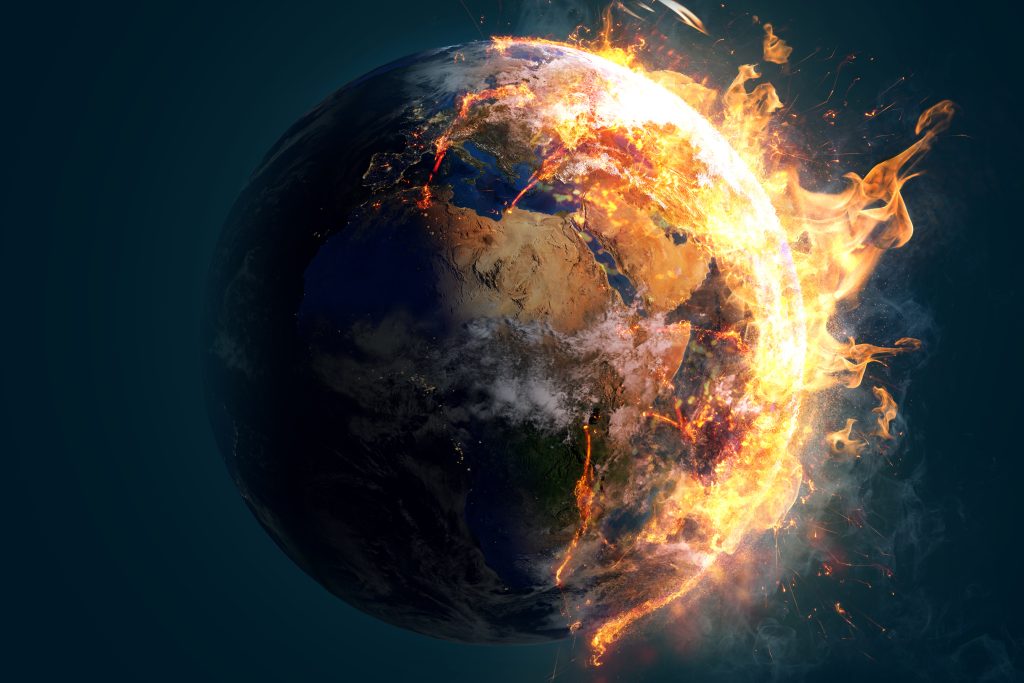
The Earth is burning. Forests are disappearing. Flora and fauna are endangered. The oceans are warming and rising. The world is fading away, and we’ve been talking about it for more than fifty years. Fifty years without doing enough. For decades, there was no worthy cause, no rich person, no poor person, and no one who wanted to be considered civilized, developed, attractive, and educated who did not incorporate into their vocabulary a seemingly basic obligation: to care for the Earth or combat climate change—even though many did not even know exactly what that meant.
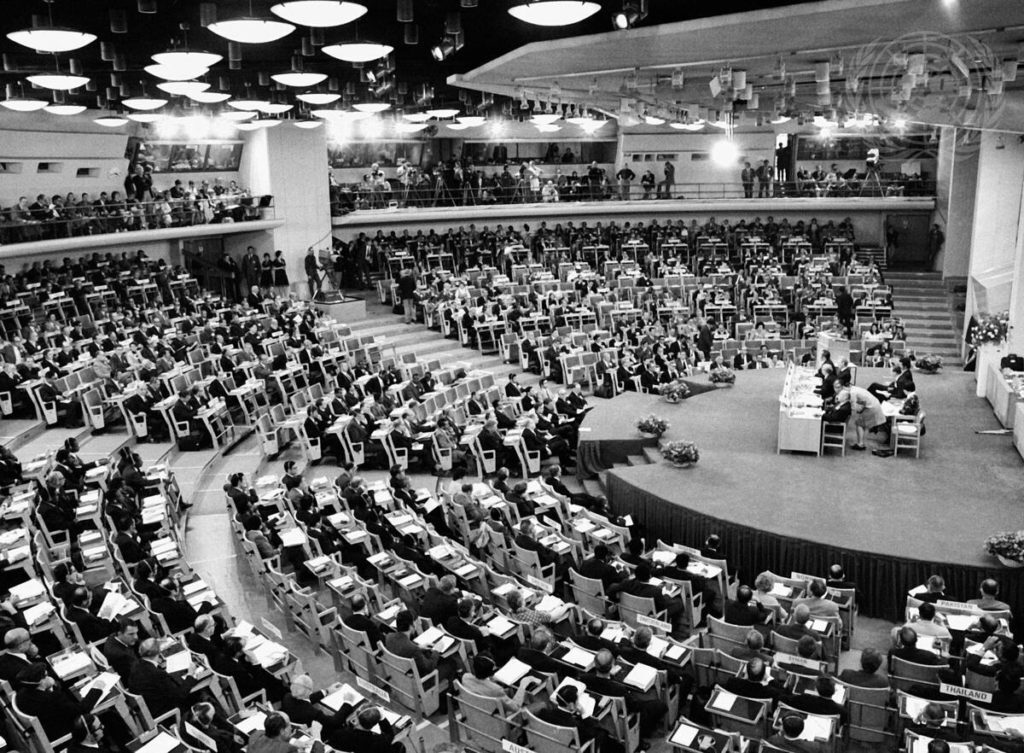
From the 1972 Stockholm Conference—the first major global conference to place the environment at the center of the international agenda—to the 2015 Paris Agreement, we’ve devoted ourselves to discussing how to save the planet without ever fully taking seriously where we come from and where we will all inevitably return: to the earth, whether in the form of ashes or transformed into matter that nourishes it once more.
Even today, we continue to take steps backward. A prime example is Donald Trump, who, upon beginning his second term as President of the United States, once again ordered his country’s withdrawal from the Paris Agreement. But that is just one decision among many. Yet another example of our extraordinary ability to recognize the problem and, at the same time, keep putting off its solutions.

Now we are truly in danger. We’ve spent so much time theorizing, scaring ourselves, and fretting over the possibility that a nuclear war might wipe us out—and, wouldn’t you know it, we’ve found another way to put ourselves on the ropes: doing it to ourselves, slowly, by degrading the conditions that sustain our very existence.
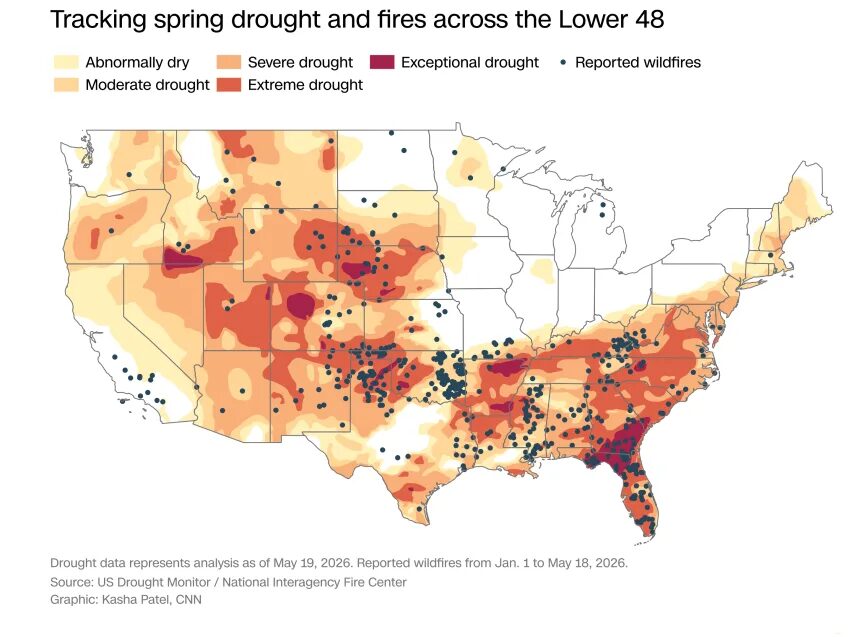
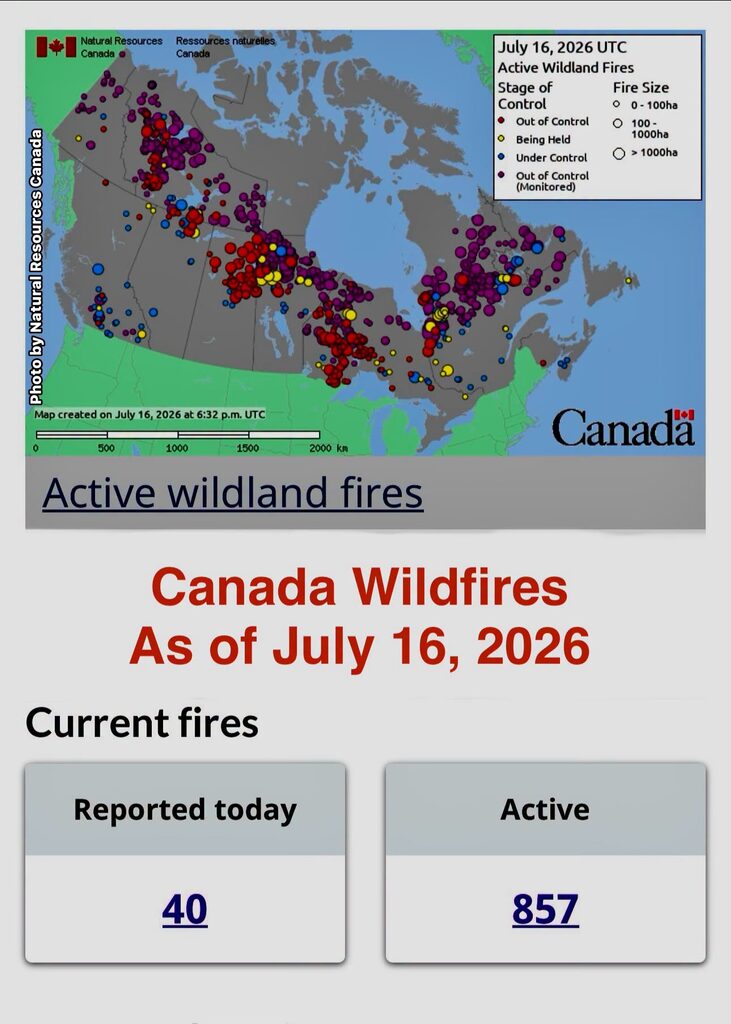
The crisis is already palpable and visible. Just look at this year’s wildfires. The United States has recorded more than 51,000 wildfires and nearly 7.93 million acres burned—approximately 3.2 million hectares. The area devastated is equivalent to 164% of the average for this time of year over the past ten years. Canada, for its part, has seen more than 4.43 million hectares burned, and the European Union another 632,000. Across these three regions, fires have already consumed more than 8.27 million hectares in 2026.
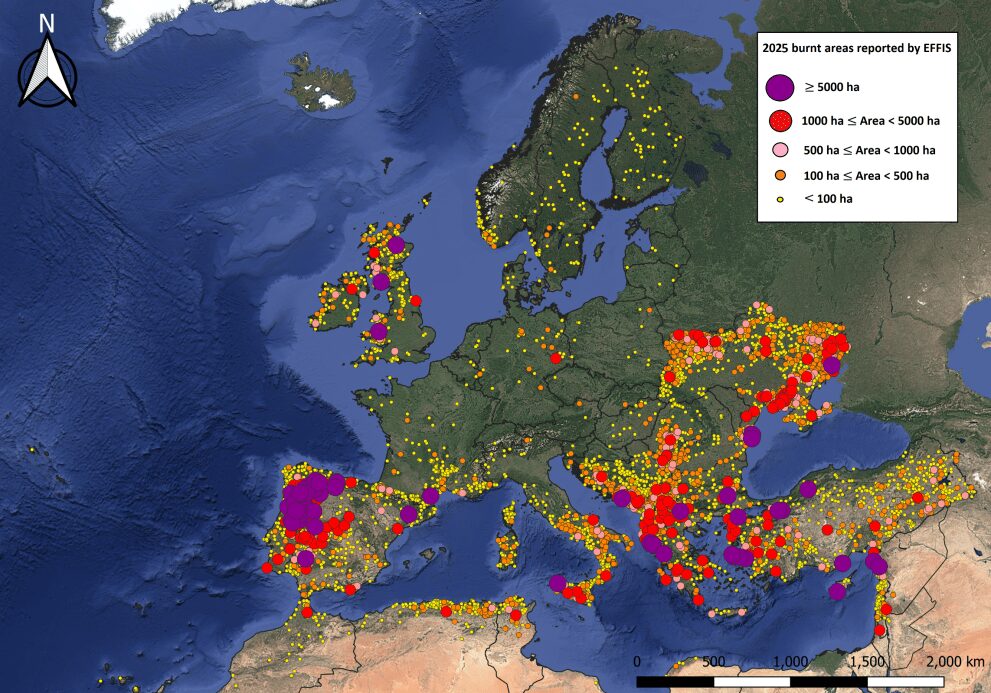
Europe, moreover, is coming off its worst season since comparable records began. In 2025, approximately 1.08 million hectares burned within the European Union. This year’s burned area is smaller, but that is no cause for comfort: the 632,000 hectares burned as of August 26 represent more than double the average for the past twenty years at this time of year. Scorched land, destroyed ecosystems, and millions of trees reduced to ashes. It is enough to make the clouds weep.
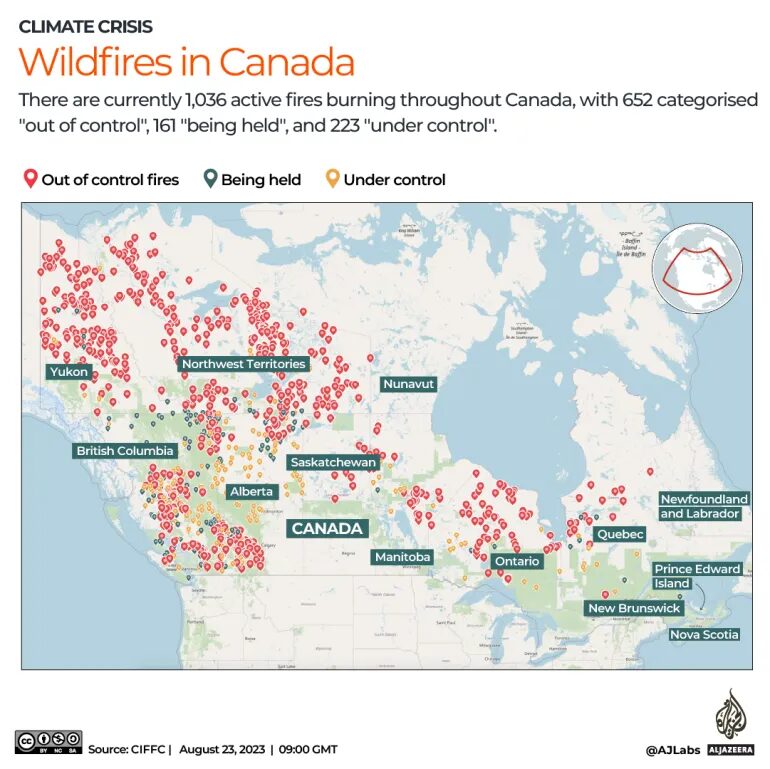
The causes also vary from place to place. In Canada, lightning strikes cause about 45% of wildfires, but those fires account for nearly 81% of the total area burned—largely because they tend to start in remote areas and burn for longer periods. In the United States, the situation is practically the opposite: about 85% of wildfires are caused by humans.
One thing, however, is who strikes the first spark; another is the conditions that allow the fire to find everything ready to be swept away: persistent heat, lack of moisture, dry soil, and vegetation turned into fuel.
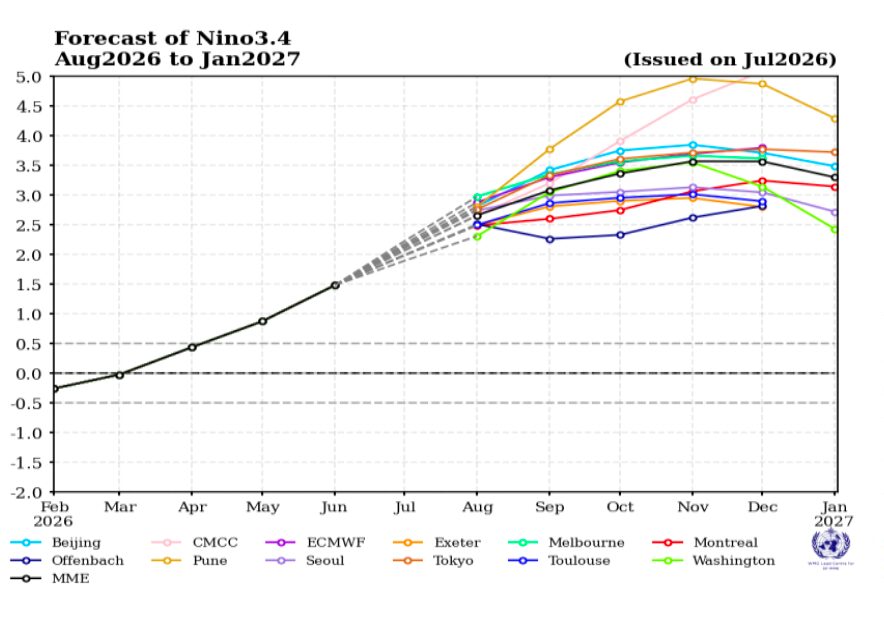
It is no longer enough to simply say it was El Niño, La Niña, or whatever cycle was happening. These are natural phenomena that have always existed, but they now affect a warmer planet. The World Meteorological Organization warns that a strong El Niño event continues to intensify and will dominate much of the global weather patterns between August and October of this year. Its models project anomalies of nearly 2.9 degrees Celsius in key areas of the equatorial Pacific. El Niño did not cause global warming; it merely compounds it.
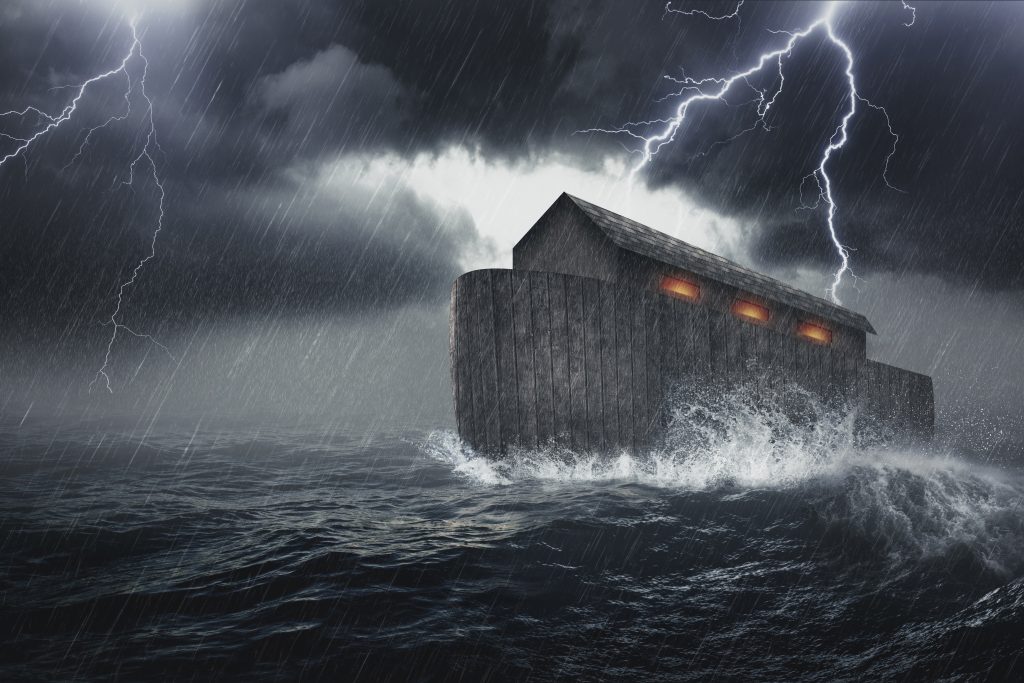
Wherever you look, there are reasons to tremble. First, persistent heat and a lack of rain, which dry out the soil and vegetation and increase the risk of wildfires. Then, in other places and at other times, torrential rains, storms, and floods capable of destroying in a matter of hours what took decades to build.
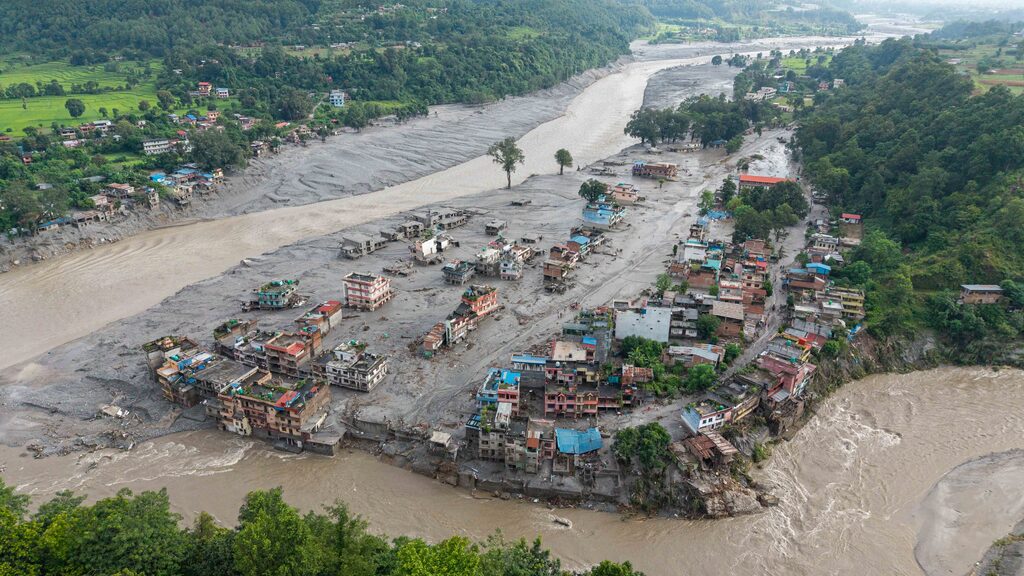
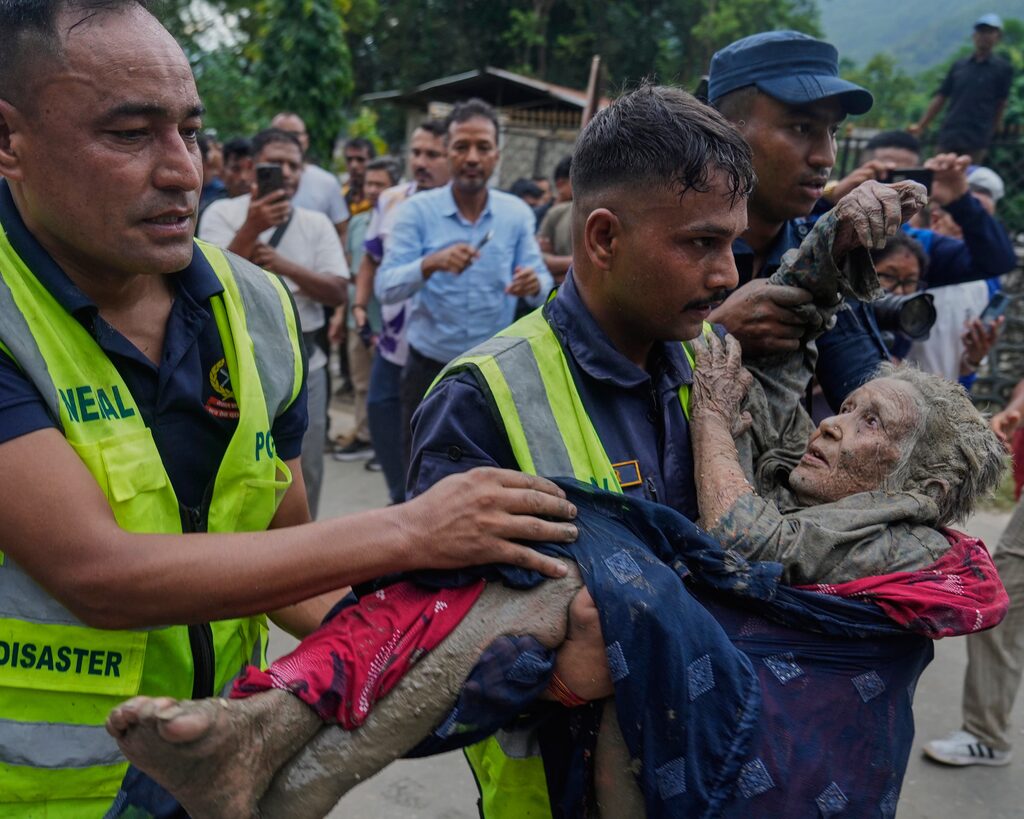
And as I write these lines, Nepal has just reminded us of this in the most brutal way. On the morning of August 26, a flash flood from the Bhote Koshi River struck the districts of Rasuwa, Nuwakot, and Dhading particularly hard and also affected other parts of the country. As of August 27, UNICEF estimated at least 332 deaths—including 14 children—and hundreds of people remained missing. More than 17,000 children need urgent humanitarian assistance. Roads and bridges collapsed; communities were cut off, and homes, schools, medical facilities, and water, energy, and telecommunications networks were damaged. The Nepalese government is continuing search, rescue, and relief operations while it assesses the full extent of the disaster.
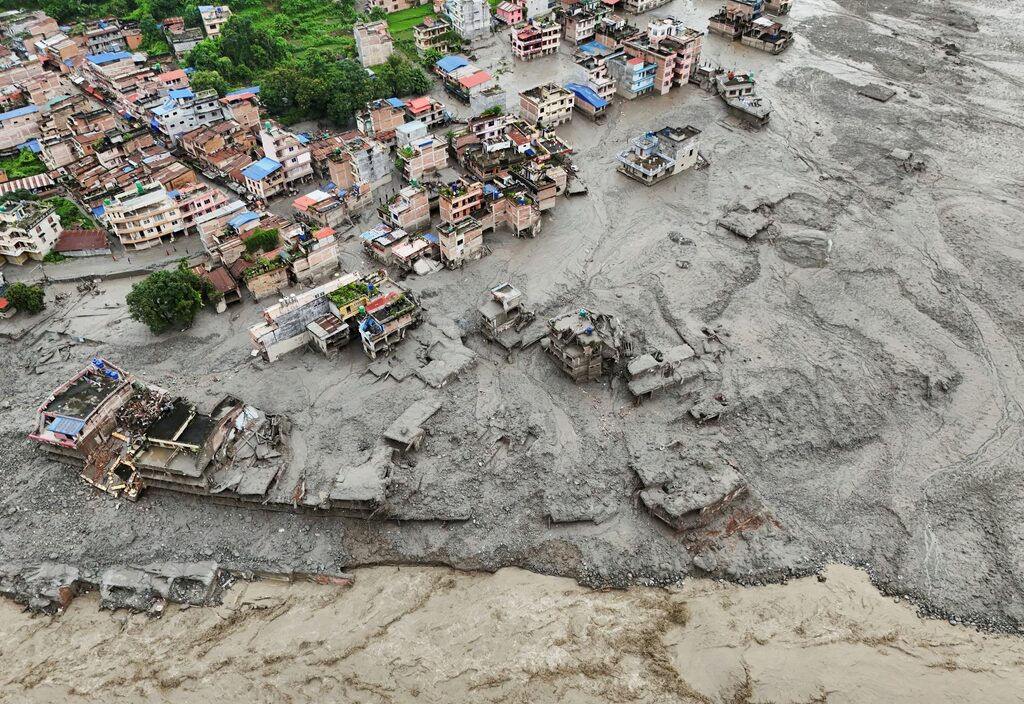
There’s no need to turn every catastrophe into a slogan or automatically attribute it to climate change, which is still under investigation. Just look at the vulnerability. In a matter of hours, water can sweep away roads, homes, hospitals, and lives. That, too, is part of the world we are building.
The Earth—the one of eclipses, sunsets, and sunrises—is beginning to strike fear into our hearts because we’ve managed to harm her truly. And she, of course, does not seek revenge. Nature does not need revenge. It simply responds to the conditions we have helped to alter.
We’ve turned well-being into a sort of recipe book: don’t stress out, get eight hours of sleep a day, exercise, eat healthy, and, on top of that, don’t pollute. As if caring for the planet were just another tip for living better and not a prerequisite for continuing to live on it.
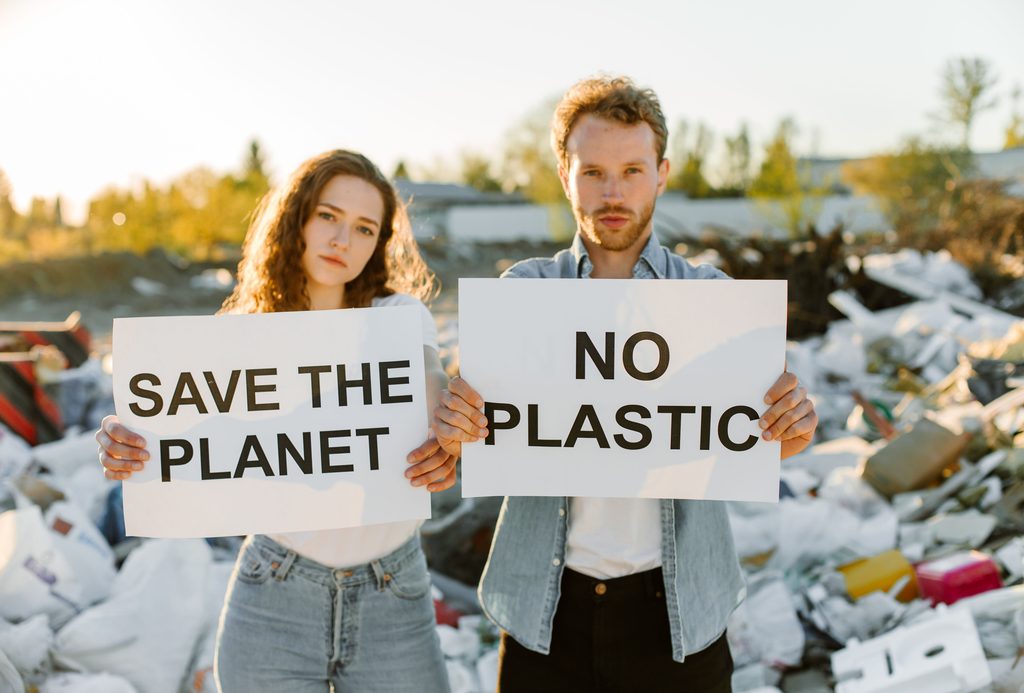
Every time a tree is burned, a part of you and me is burned. Every time we kill a tree, we kill a hope for life—for ourselves and for those who come after us.
Look at what’s happening in Bordeaux. Change has already reached the wine industry. Rising temperatures are altering grape ripening cycles and forcing producers to change practices that, for generations, seemed set in stone. Bordeaux has moved up harvest dates, modified cultivation methods, and authorized new grape varieties better adapted to different climatic conditions.
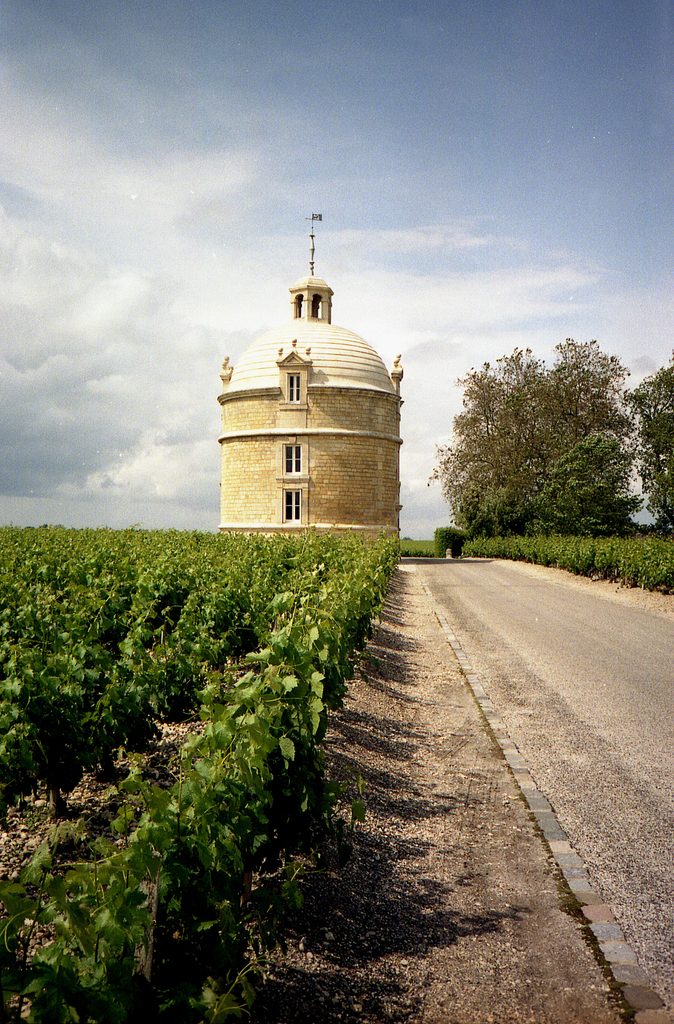
It may seem like a small thing. It isn’t. When the grape changes, the wine changes. And when Bordeaux wine changes, it changes an industry, a tradition, and a way of understanding a land that for centuries was believed to be perfectly well known.
Petrus Pomerol

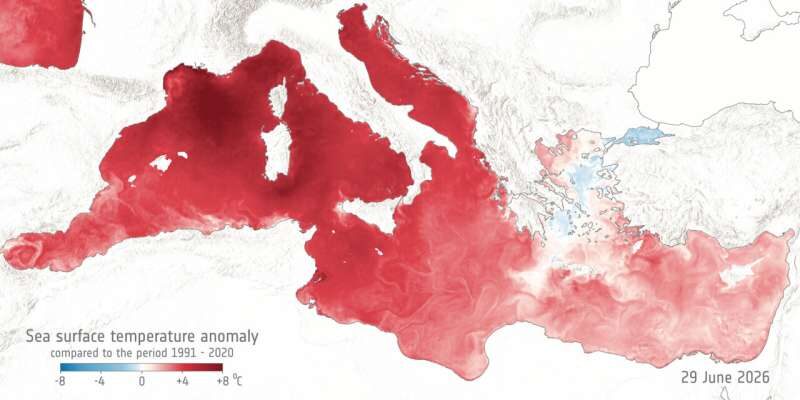
And the seas—why even look at them? The Mediterranean is warming faster than the average for the world’s oceans. Its surface temperature rose by approximately 0.41 degrees Celsius per decade between 1982 and 2024. In 2025, it experienced its second-warmest year on record, with an average surface temperature 1.03 degrees above average. During each of the last three years, the entire Mediterranean experienced at least one period of severe marine heatwave conditions.
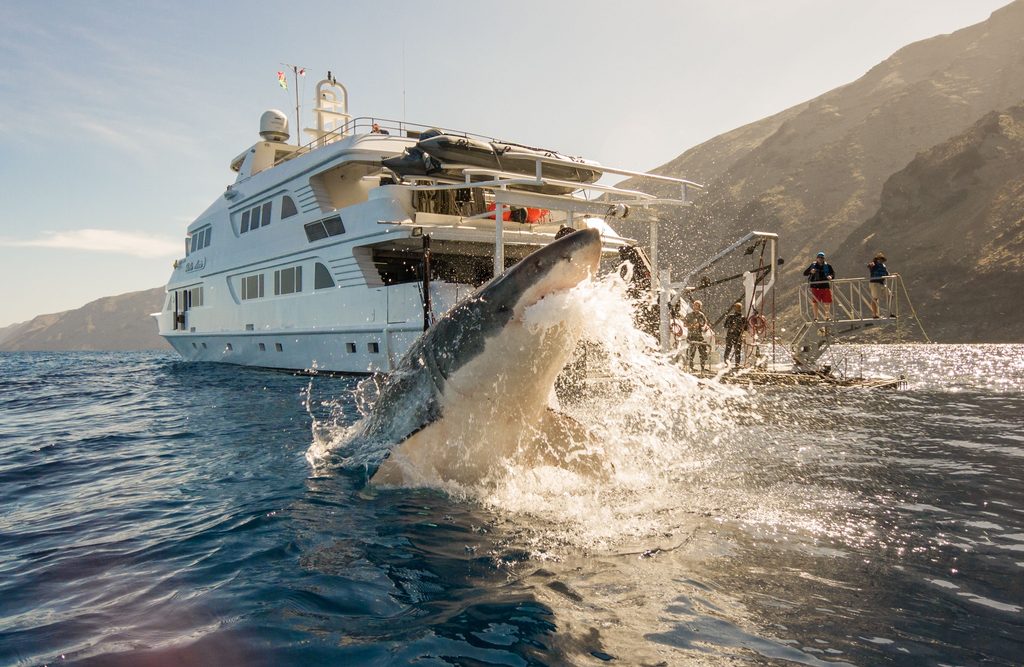
This temperature shift—this collective suicide to which we have been contributing for decades—is even changing the distribution maps of animals we thought we knew. The great white shark is one example. In the northeastern Pacific, researchers documented how a major marine heatwave shifted the range of juvenile great white sharks northward. Warming is also changing where species live and migrate.
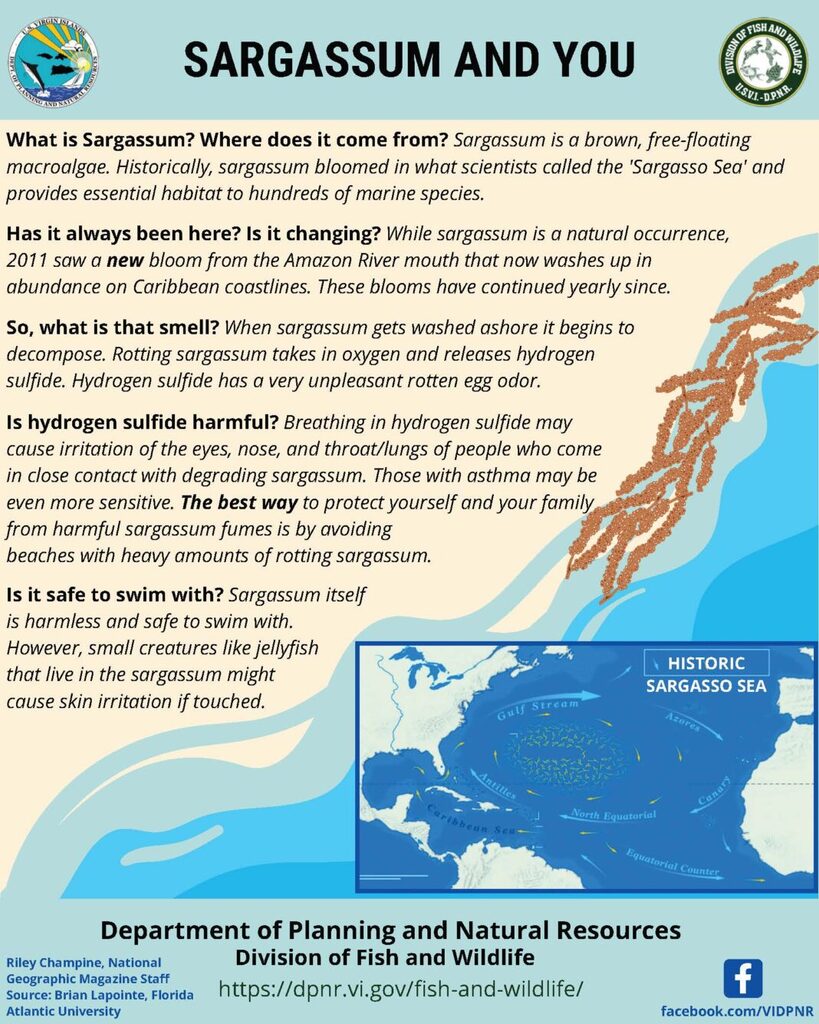
And then there’s the Caribbean. Sargassum has always existed. What’s new is the scale. In June 2026, the Atlantic Great Sargassum Belt reached near-record levels, making this year the second-highest in sargassum abundance in the entire satellite record, just behind 2025. In the eastern Caribbean, the amount was estimated at nine million metric tons; in the western Caribbean, 3.6 million; and in the Gulf of Mexico, five million—nearly double its previous record.
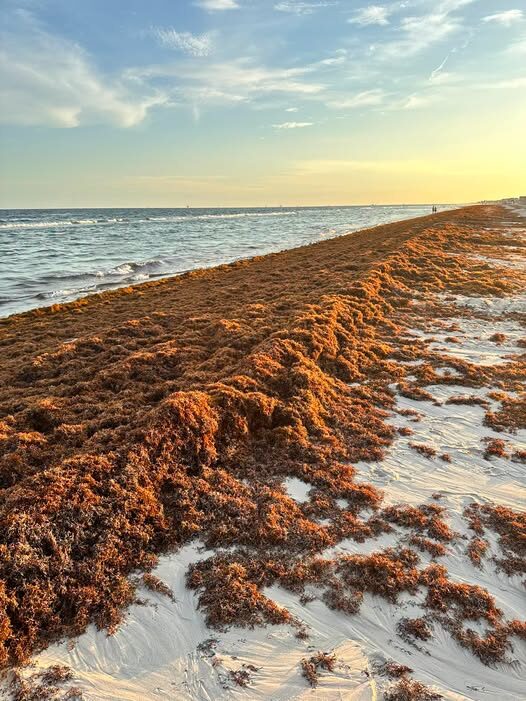
When such a massive amount washes up on beaches, the explanation is no longer purely scientific. Sargassum affects ecosystems, can suffocate corals and seagrass, causes foul odors, hurts tourist destinations, and forces enormous resources to be spent to remove it. The Caribbean’s “goose that lays the golden eggs” is not invulnerable either.
We had a chance to set things right. We could have understood that ending the conditions that make the planet habitable means, sooner or later, ending our way of life as well. But we got caught up in a jumble of theories. The heartless insist time and again that there have always been poor people—as Jesus Christ said—and that there have also always been droughts, floods, storms, and fires. And they’re right about one thing: they’ve always existed. What has changed is the world in which they occur: their intensity in certain places, their frequency, and, above all, the warmer planet on which they now unfold.
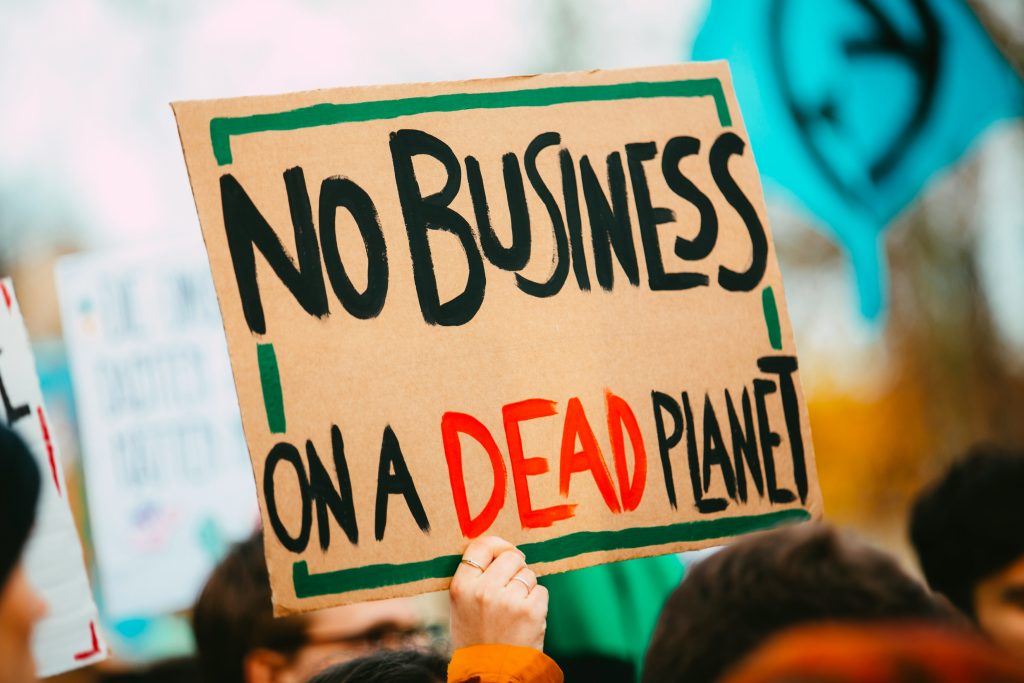
Too many conservationists also got bogged down in aesthetics—in how we could be prettier, greener, and more politically correct. On how we’d look better. But without actually rolling up our sleeves and getting to work, and without bearing the political, economic, and personal costs involved in changing behaviors and priorities. Because saving the planet sounds great in a speech, the hard part begins when we have to change the way we live.
Now, today, take note. Be careful where you go and how you get there. Climate change even affects something as routine as flying. Severe storms, lightning, hail, strong winds, and turbulence are real risks for aviation and force us to reroute flights, delay operations, or avoid certain areas. When you travel at an altitude of five, seven, or ten thousand meters—from one dream to another, from one continent to another, from one love to another—the atmosphere doesn’t disappear just because you close the window. We have better airplanes, better radar, and extraordinarily advanced forecasting systems. Flying remains extraordinarily safe. But no technology allows us to act as if the climate will remain the same while everything else changes.
How far are we from understanding this?
Don’t take comfort in thinking that it’s all the fault of El Niño—whether the “big” one, the “small” one, or La Niña. Nor should you assume that another cycle will come along and everything will go back to the way it was before. The ecological devastation—this ecocide of the planet that we’ve all been contributing to—cannot be completely reversed in the short term. Some of the changes we’ve already set in motion will continue for generations.
That doesn’t mean that taking action today is pointless. It means exactly the opposite: the longer we let the problem progress, the more difficult, costly, and painful it will be to limit its consequences.
Perhaps, if we really start working on this today, our grandchildren might still have a chance. In the meantime, get ready to face the reproaches of your children—just as I must face those of mine because they’ll be absolutely right when they ask us how we could have been so irresponsible.

Further Reading: