
Antonio Navalón
I don’t know what’s more surprising: the inability to listen, even when it’s repeated over and over again, or the conviction that, by denying reality, it will simply disappear.

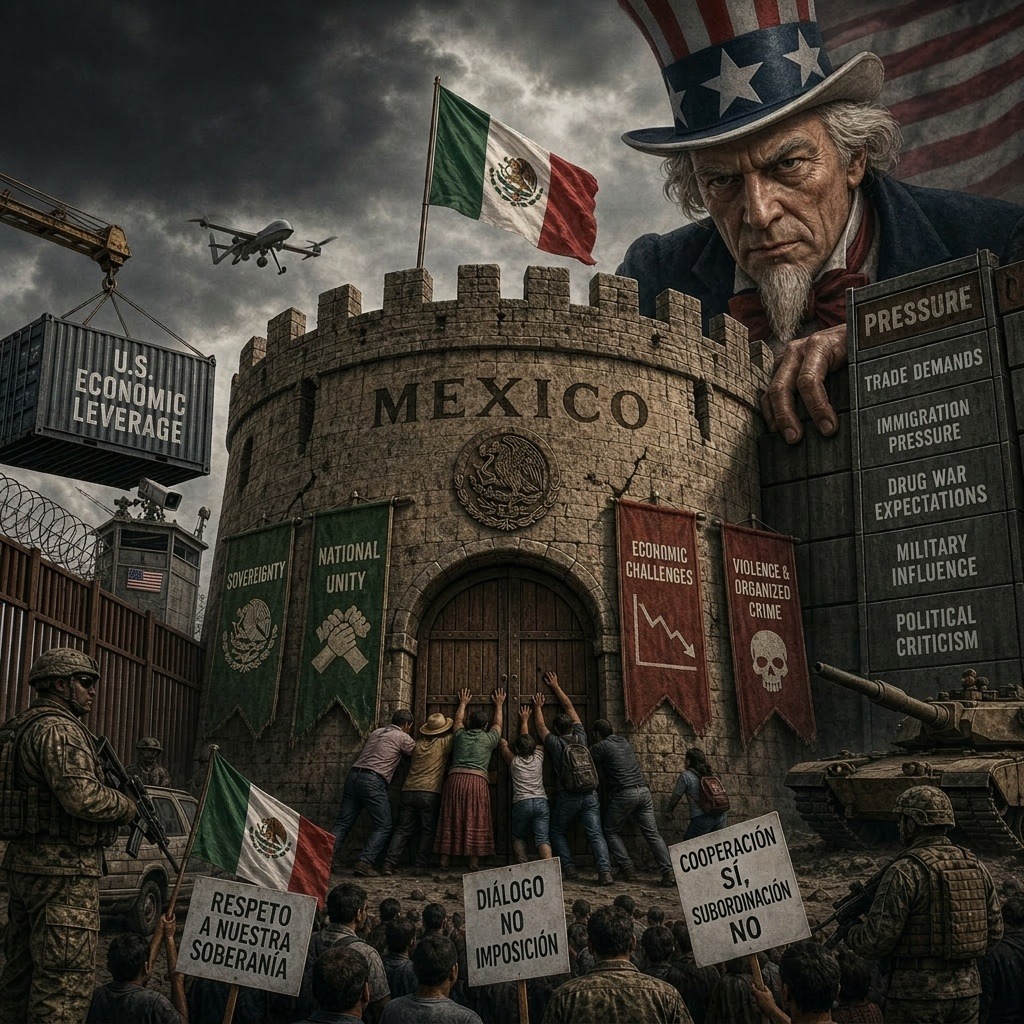
The Mexican government is under siege. The one besieging it, cornering it, creating problems for it—the one that seems to have a perfectly clear understanding of the timing of how, when, and where to strike—is the United States government. We have no escape—geographically, economically, or politically.
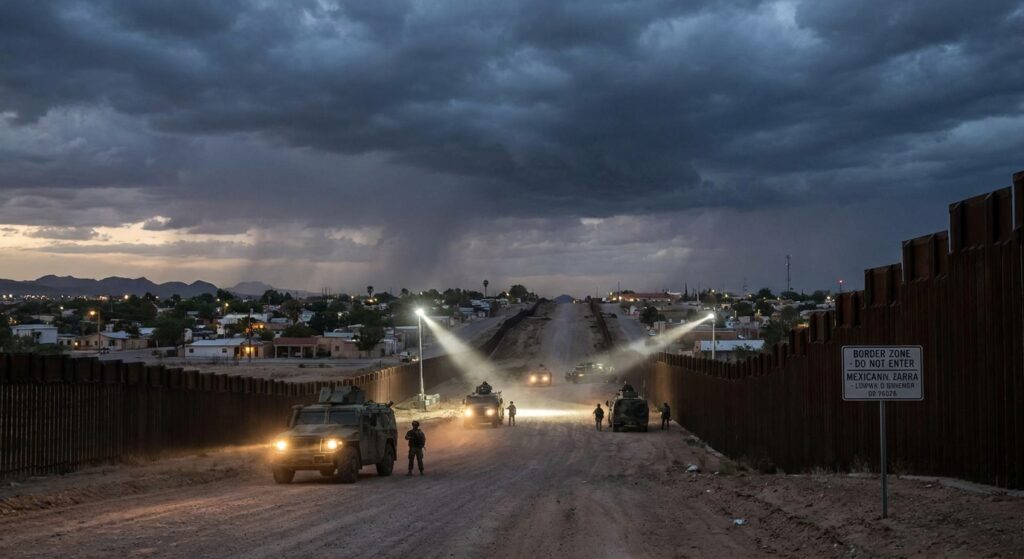
There are 3,145 kilometers of shared border; nearly 40 million people of Mexican origin living in the United States; a Latino vote that already carries decisive weight in American politics; and an economic interdependence that makes it impossible not to understand very carefully where and how the bilateral relationship is sustained.
Today, that relationship is sustained under the constant siege of what one side has discovered about the other, of what one side believes it knows about the other, and of the explicit or latent threats that permeate the entire political, social, economic, and judicial landscape of the relationship between Mexico and the United States.
It is almost touchingly naive to keep demanding evidence, evidence, evidence, and more evidence, as if the legal requirement alone could halt a perfectly orchestrated political offensive.
Demanding evidence is essential in a state governed by the rule of law. But to believe that this demand alone is enough to counter a strategy of pressure, accusations, sanctions, leaks, and threats from Washington is, more than cynicism, a dangerous naivety. Especially when, behind, above, and below you, there is no legal or institutional structure strong enough to support you, defend you, and respond with anything more than a statement at the morning press conference.
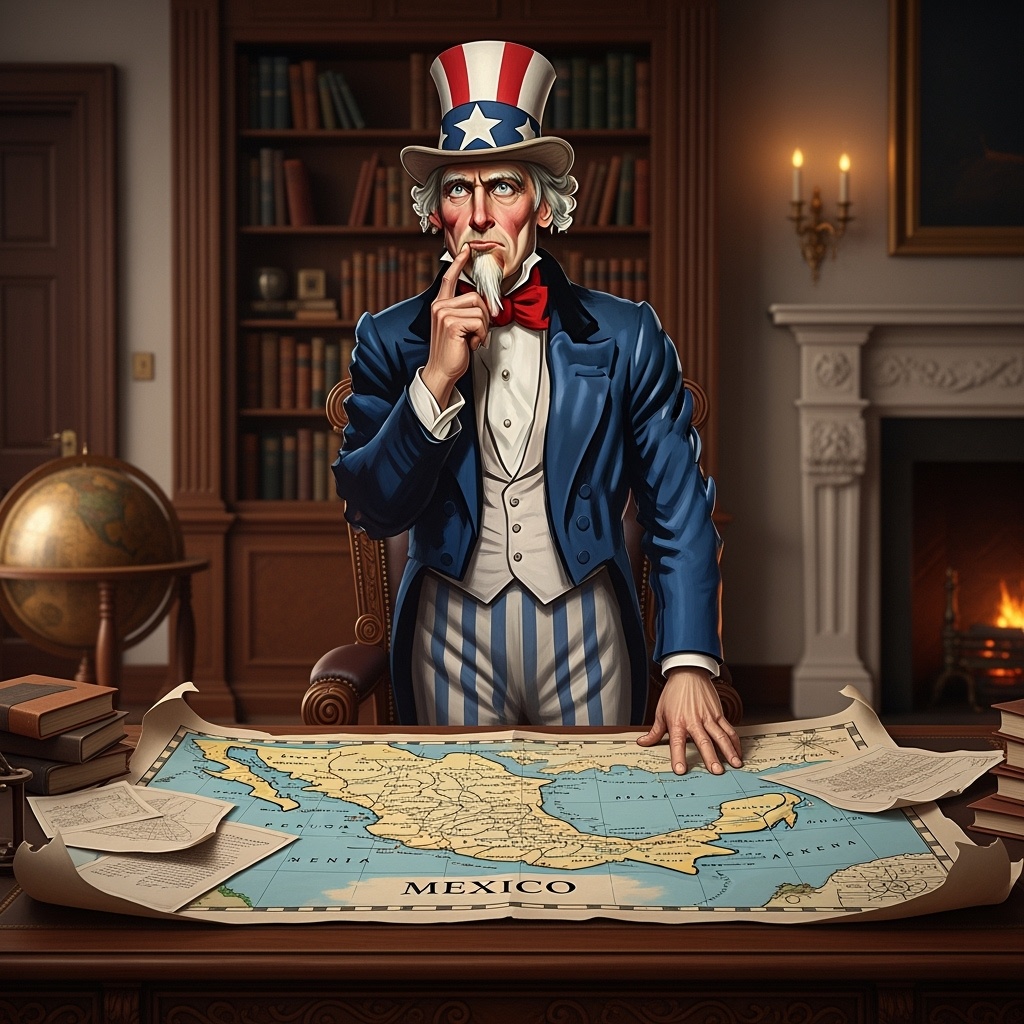
The siege exists because there is a well-established timeline, repeated threats, and recurring statements from the U.S. president down to various officials in his administration. Meanwhile, we continue to stare into the void, convinced that—since it’s impossible to find a better trading partner, and since, at the end of the day, the curse of being so far from God and so close to the United States weighs heavily—that will prevent the worst from happening to us.
We’re not waiting for tragedy; the worst is already happening. They don’t need to invade with soldiers, tanks, or undetectable aircraft. They have invaded with constant suspicion. They have occupied the political arena with accusations, warnings, leaks, investigations, and lists. They have forced the Mexican administration to expend more energy on defending itself, denying allegations, containing damage, managing narrative, and trying to emerge as unscathed as possible from accusations that, in any case, are extremely serious.
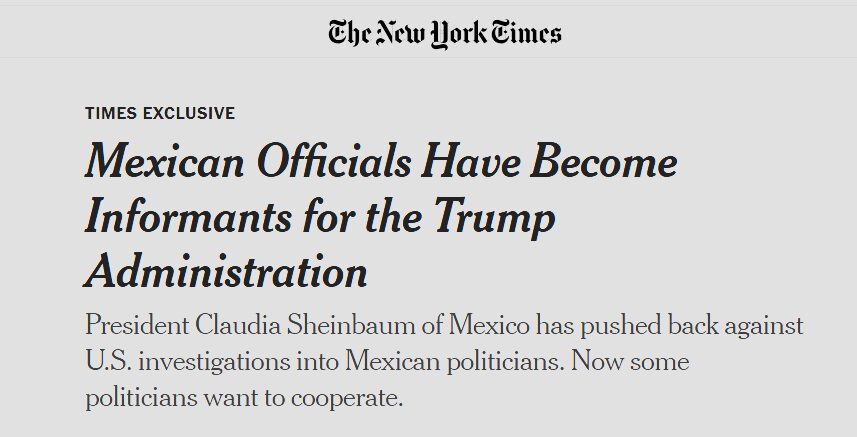
President Sheinbaum leads a country that remains one of the world’s leading economies. A country that, even amid tensions with its neighbor, is neither a player that can be forcibly replaced nor a territory that can be administered from an office in Washington.
We’re playing with fire when we reduce the problem to the idea that “requests are often made” and use the three financial institutions singled out by the Treasury Department (Vector, CI Banco, and Intercam) as an example. If what the president says is true—and those institutions were damaged both reputationally and operationally without Mexico having been provided sufficient evidence—then the issue is far more serious than it appears.
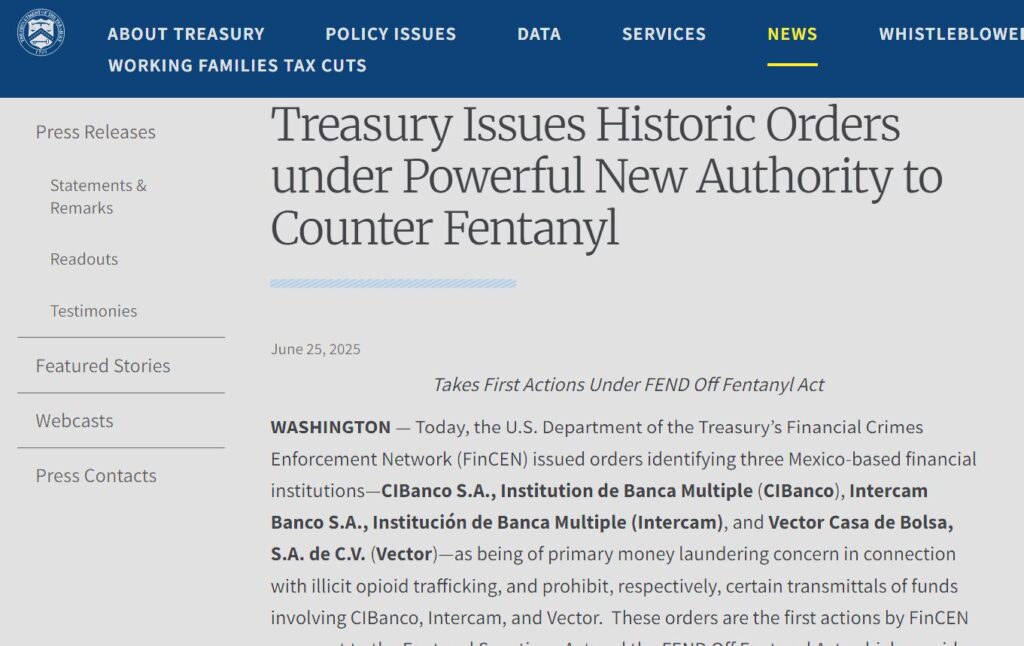
If it is true that Mexico received insufficient documentation from the Treasury Department to justify the blow against those three financial institutions, the inevitable question is: What did the Mexican government do in the face of that accusation? How did it respond institutionally? What legal and diplomatic tools did it use to defend the country’s interests? But above all, how will it act from here on out?

That is difficult to answer because, whether you like it or not, whether you know it or not, whether you accept it or not, Mexico is a completely defenseless country when it comes to the legal defense of its interests.
We have an Attorney General’s Office that may, perhaps, serve to put you or me in jail, but which has certainly not proven capable of defending the State or of proactively prosecuting the crimes committed against all of us when the country’s institutional integrity is at stake.
It is incredible that, in the face of accusations of collaboration with narco-terrorism, allegations of corruption, suspicions of vote-buying, and accusations made time and again by the U.S. government, there is not even a single apparent mechanism capable of defending Mexico and Mexicans from what other governments say about us.

When an office of the Department of Justice dares to request, for the purpose of extradition, the detention of a sitting governor—who is currently on leave—and, according to the Mexican Foreign Ministry itself, does not accompany the request with sufficient evidence, the problem ceases to be merely legal. It becomes political, diplomatic, and institutional.
The government must be aware of this. We must all be aware of this: we are the country of the judicial massacre.
We must realize that, in the event of a serious jurisdictional conflict with the United States, we will have little chance of defending ourselves with authority if our own judicial system is weakened, questioned, and tainted by a judicial selection process that began amid suspicions, low voter turnout, public confusion, and the relentless “accordion” (cheat sheet) method.
When judges have been selected through such a process, we lack the moral authority to defend the Mexican defense, no matter how well executed it may be or how strong the evidence we can present.

Tough times are ahead—much tougher times.
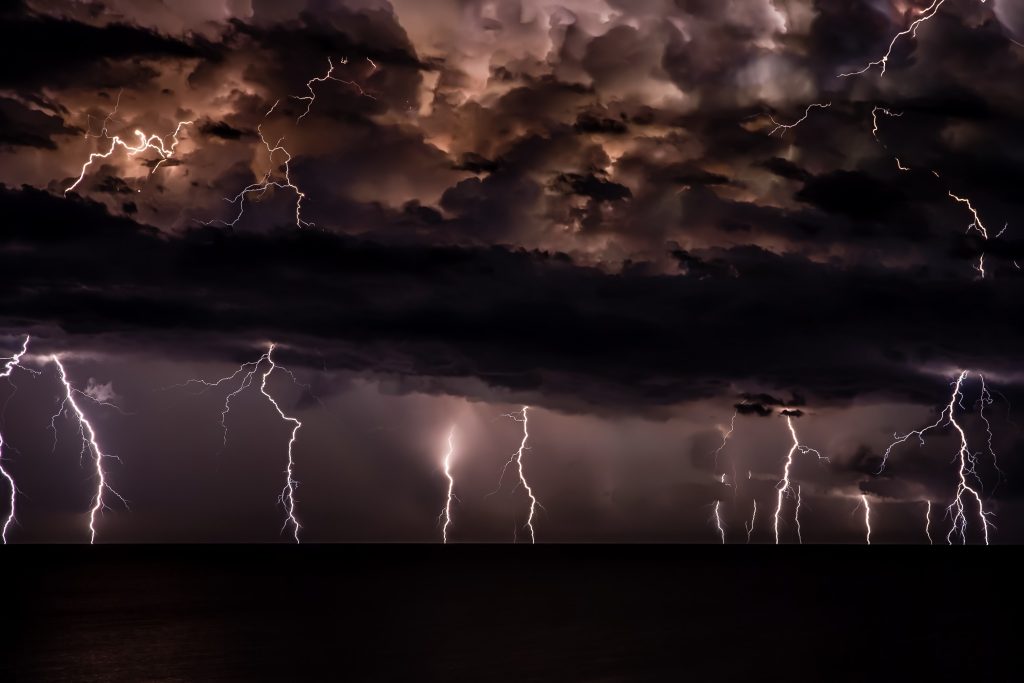
For the Trump administration, ahead of the November 2026 midterm elections, what serves its interests best is constant fear. It benefits from a narrative of threat, the border, fentanyl, immigration, corruption, cartels, and a heavy hand. And Mexico stands right at the center of that narrative.
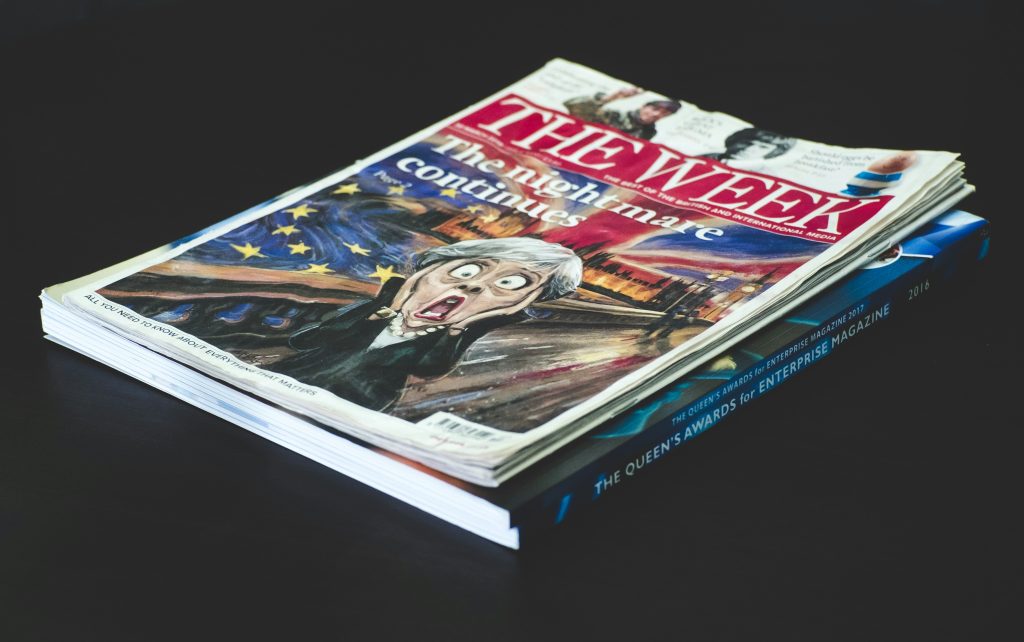
U.S. interests seem to have placed Mexico in a position where it cannot even defend itself dialectically against these attacks. The country, its administration, and a large part of its political class now live in constant fear of the lists: who appears on them, who might be singled out, who might be called to account, and who might become the next open case file from Washington.
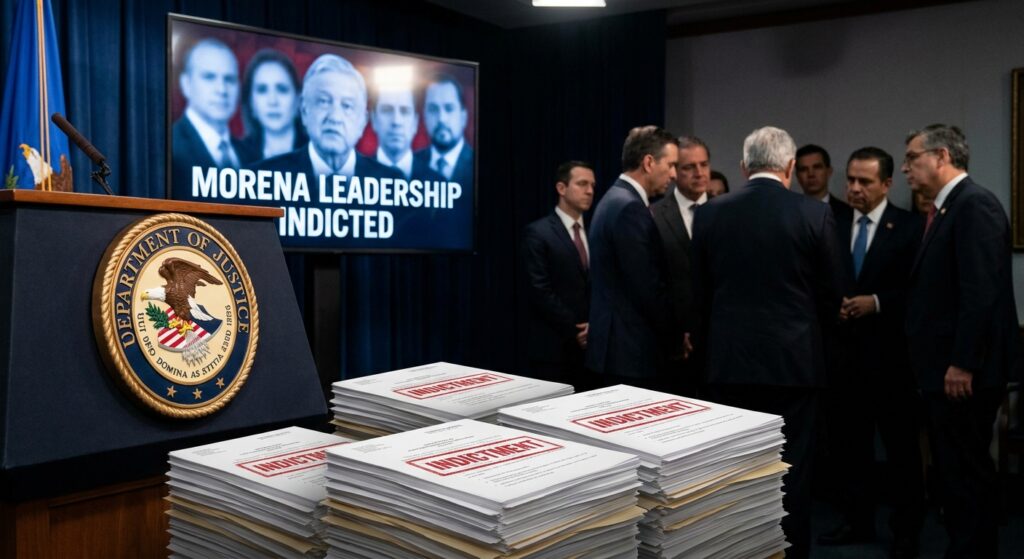
The problem is no longer just what is said publicly from Washington, but what is quietly orchestrated by its agencies, prosecutors’ offices, and security departments. And to that must be added Trump’s lists—the lists of those who at any moment may be singled out, investigated, sanctioned, exposed, called to account, or extradited. These lists serve as a constant warning to officials, businesspeople, politicians, governors, political operatives, and former allies of those in power.
Today, all it takes is for a name to appear on Washington’s radar for an entire career, fortune, or political structure to be threatened. That is the true siege: not a military invasion, but the management of fear through files, accusations, and requests that can be activated by fair means or foul, depending on the political and judicial needs of the United States.
Problems aren’t solved by ignoring them.

The problem we face is that we need authority, credibility, a legal framework, and a real capacity to defend ourselves against these accusations. If they are not true, we have a collective and individual obligation to fight them and defend ourselves. We must prevent the complete media-driven manipulation of our country’s politics from abroad from becoming the norm.

If they are true, we cannot refuse to hand over the people they ask for, provided that the claims are legally well-founded and legal procedures are respected. What we cannot do is hide behind sovereignty rhetoric when it suits us and fail to mount a serious defense when reality catches up with us. What we cannot do is continue to project and wish for the world as it should be, while remaining slaves to the world as it is.
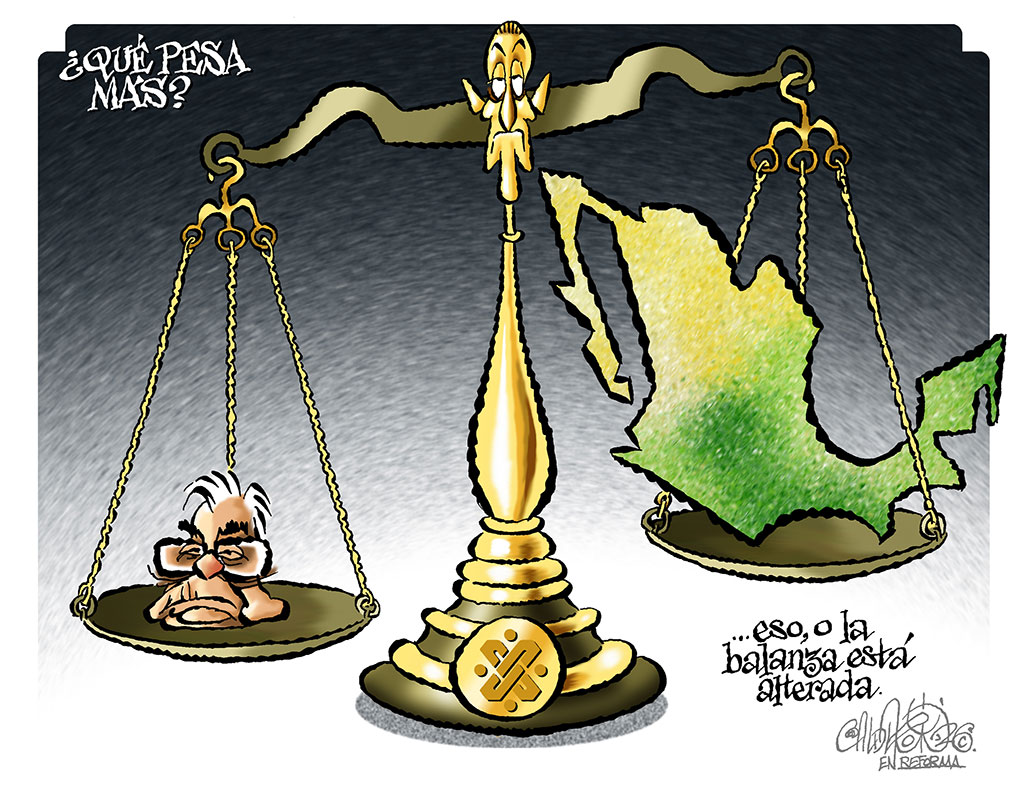
We have reached a point where we must realize that no one can govern under these conditions. It’s no surprise that many of the potential defendants are rushing to cooperate with U.S. authorities, trying to prevent their personal catastrophe from becoming even worse than it already is. In short, we can no longer ignore the fact that we are living under siege.
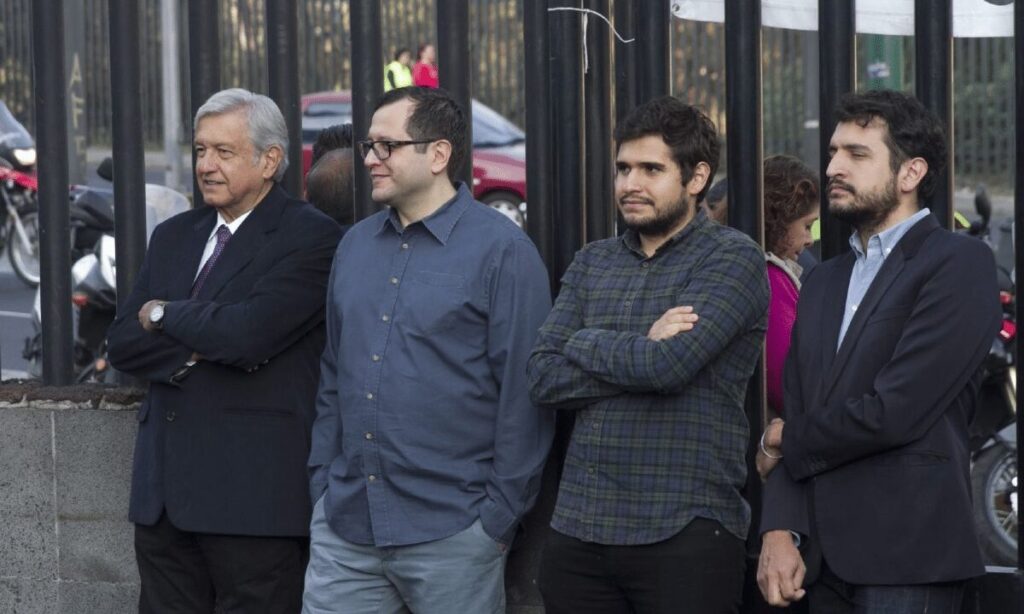
In any case, the siege to which the government—and President Sheinbaum in particular—is being subjected sends a very clear signal. If she truly wants to protect the López Obrador family and preserve the political foundations of what remains of the Fourth Transformation—both at the grassroots and at the leadership level—she has very little room to maneuver.
She seems to have no choice but to begin handing over those demanded by the very people who are currently keeping her under siege.

Further Reading: