

Luis Rubio
There are people whose influence is measured not by the offices they held or the books they published, but by the ideas they left behind. David Konzevik was one of them.

He never became a household name, yet for decades he offered one of the clearest ways to understand the political challenges of our time. Long before social media, before smartphones, before governments everywhere struggled to keep pace with public expectations, Konzevik grasped a simple truth: in modern democracies, reality matters—but expectations matter even more.

He arrived in Mexico during one of the country’s darkest periods of recurring financial crises. As an outsider, he possessed the rare advantage of seeing the country without the intellectual baggage that often blinds those who live inside it. He challenged many of our assumptions, but none more forcefully than the comforting notion that governments merely need to be “moving in the right direction.”

Direction, he insisted, is not enough. Speed matters.

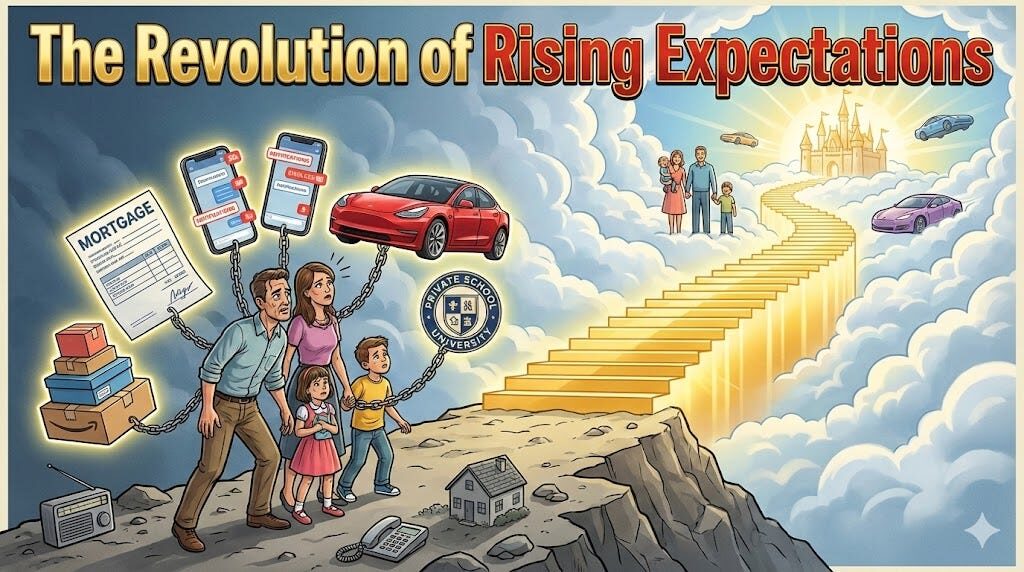
His explanation was disarmingly simple. Expectations rise by elevator; living standards climb the stairs. As information becomes universal, people compare themselves not with their own past but with everyone else’s present. Progress is no longer judged in absolute terms but in relative ones. A government may be improving people’s lives, yet still lose public confidence if others appear to be advancing faster.
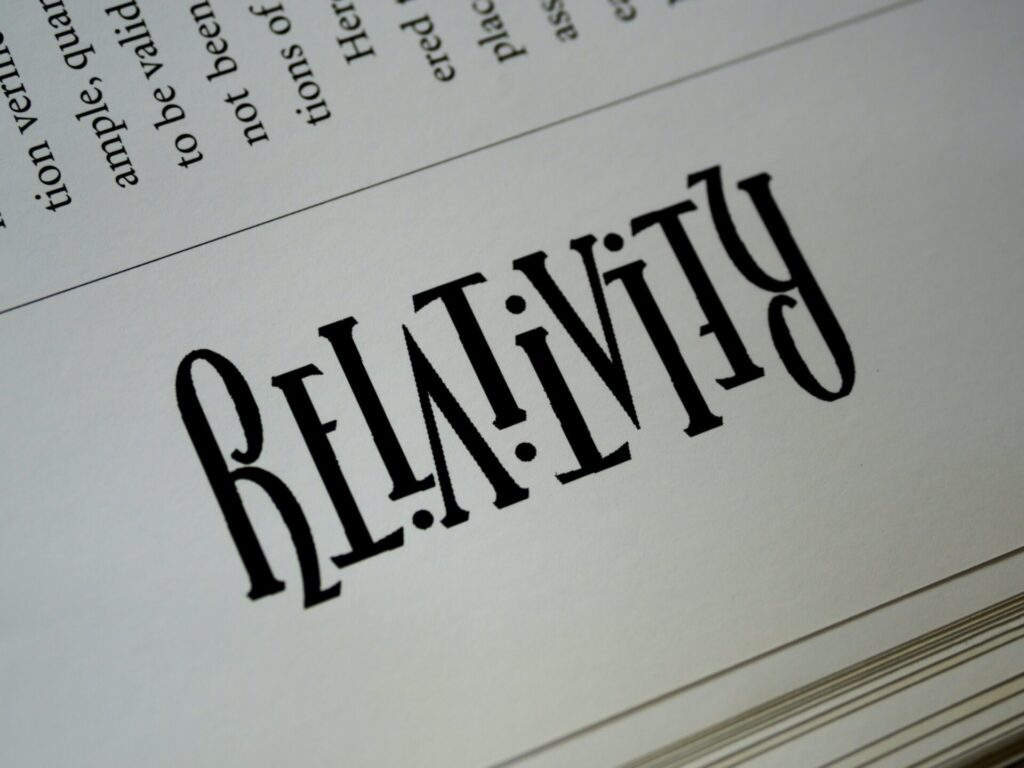
That insight has only become more relevant. The digital revolution has erased distance, collapsed time, and made comparisons instantaneous. Two thousand years ago, Ovid observed that people do not desire what they do not know exists. Today everyone knows what exists—and wants it immediately.

Konzevik called this the “revolution of expectations.” It may be the defining political force of the twenty-first century.
He also rejected the fashionable description of our era as the “knowledge society.” A more accurate label, he argued, would be the “society of ignorance.” Information has become abundant, but wisdom has not. Citizens have access to unprecedented amounts of knowledge, yet governments face growing difficulty understanding societies whose expectations evolve faster than institutions can adapt.

His warning carried practical implications. Education, he believed, should be any government’s highest priority—not merely expanding enrollment or producing more diplomas, but teaching people how to think. Universities should promise capabilities, not credentials. Countries prosper when merit matters more than titles.

He was equally uncompromising about the foundations of government. Respect for the rule of law and the elimination of everyday corruption were not optional reforms but preconditions for success. Without them, he warned, governments are “building a skyscraper on mud.”

Konzevik possessed an unusually sharp sense of humor, particularly about his native Argentina. Once I told him that Domingo Cavallo had described him as brilliant. He immediately deflated the compliment. “Remember,” he said, “you’ve been talking to an Argentine. If someone is mediocre, we call him brilliant. If he’s good, we call him exceptional. If he’s brilliant, we call him a genius. And if he’s a genius, we call him a colleague.”

The joke reflected the man: intellectually ambitious but personally modest, serious without taking himself too seriously.
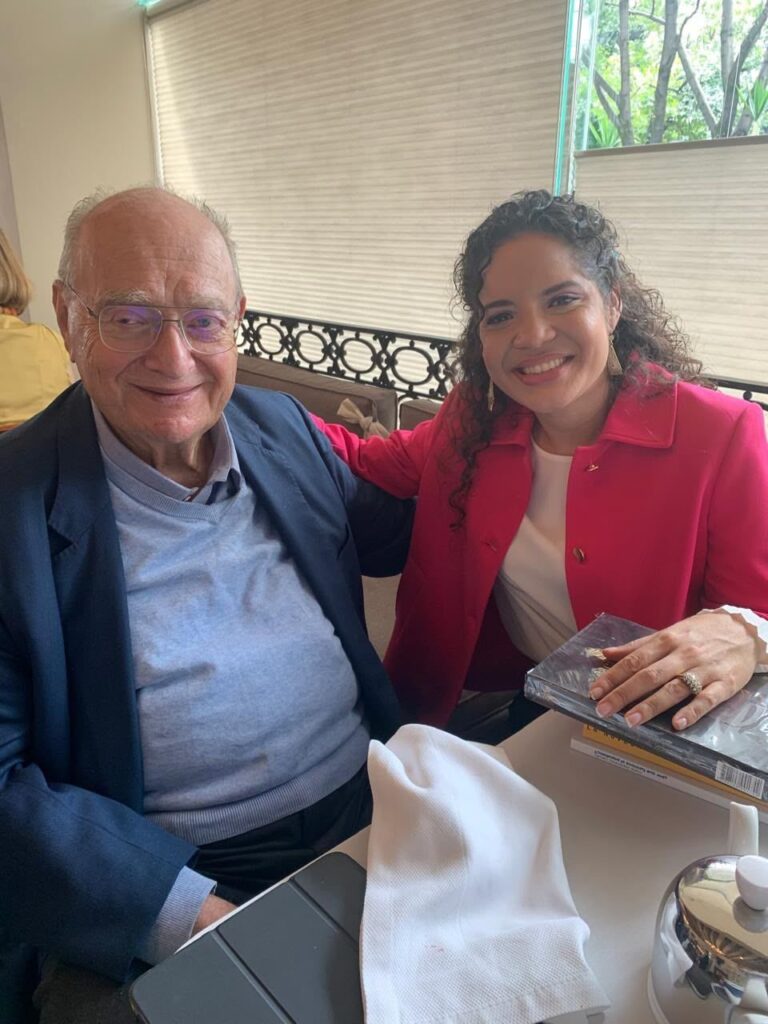
Above all, Konzevik believed that every political era demands new ways of thinking. “We must rethink what has already been thought,” he liked to say, “and think what has not yet been thought.”

Perhaps his most enduring lesson was this: governing under dictatorship is the art of managing fear. Governing in a democracy is the art of managing expectations.

At a moment when so many governments promise to recreate an idealized past, Konzevik never stopped insisting that politics is ultimately about preparing societies for the future.

That is why his ideas deserve to outlive him.
Governing is the art of managing the gap between citizen expectations and day-to-day realities.
David Konzevik
@lrubiof
The original Spanish version of this article can be found at www.luisrubio.mx
Further Reading: