
Luis Rubio
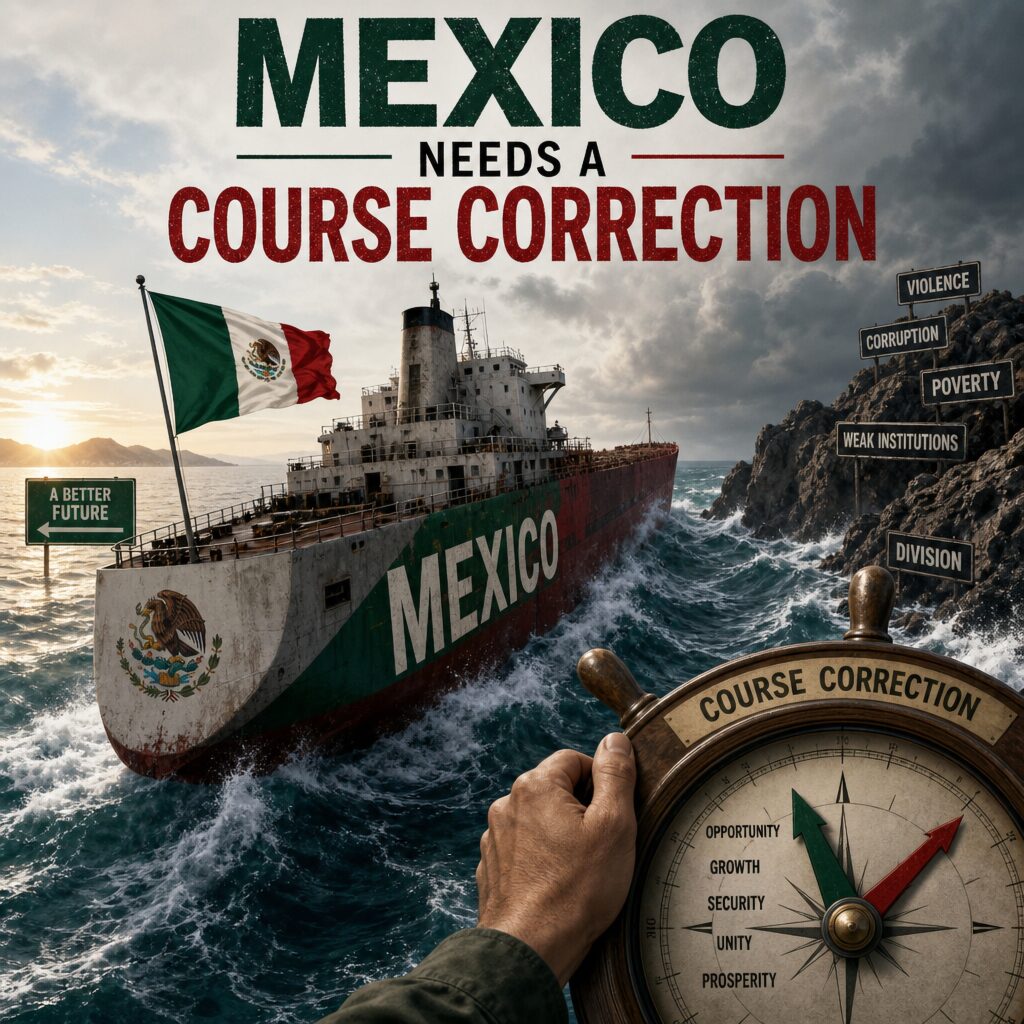
Einstein famously observed that doing more of what isn’t working will not improve the outcome. Yet that is precisely the trap Mexico’s government appears to be caught in. After more than a year and a half in office, President Claudia Sheinbaum has tried multiple approaches to address the country’s mounting challenges, but none have delivered meaningful results. The question is becoming unavoidable: isn’t it time to change course?
The administration has largely followed the blueprint left by its predecessor. It has sought to spur economic growth, tackle the insecurity affecting millions of Mexicans, and navigate an increasingly fraught relationship with the United States. It has also created unnecessary diplomatic friction while avoiding opportunities to project leadership on the international stage. The outcomes, so far, have been disappointing across the board.

The government is now reaping what it has sown: polarization, weak investment, mounting fiscal pressures, growing external scrutiny, and declining public support. Mexico increasingly feels less like a country at the beginning of a new administration and more like one approaching exhaustion. The sense of drift is hard to ignore.

Part of the problem lies in the administration’s insistence on presenting itself as a continuation of the previous government. That strategy may reinforce loyalty among core supporters, but it also ties the current president to every mistake, controversy, and unresolved problem inherited from the past six years.

What Mexico needs now is reinvention. As Miguel de Unamuno once argued, nations should strive to be “the parents of their future rather than the children of their past.” That begins with recognizing reality. Mexico is not enjoying a period of stability and prosperity; it is facing a gathering storm that can still be addressed if leaders act decisively.
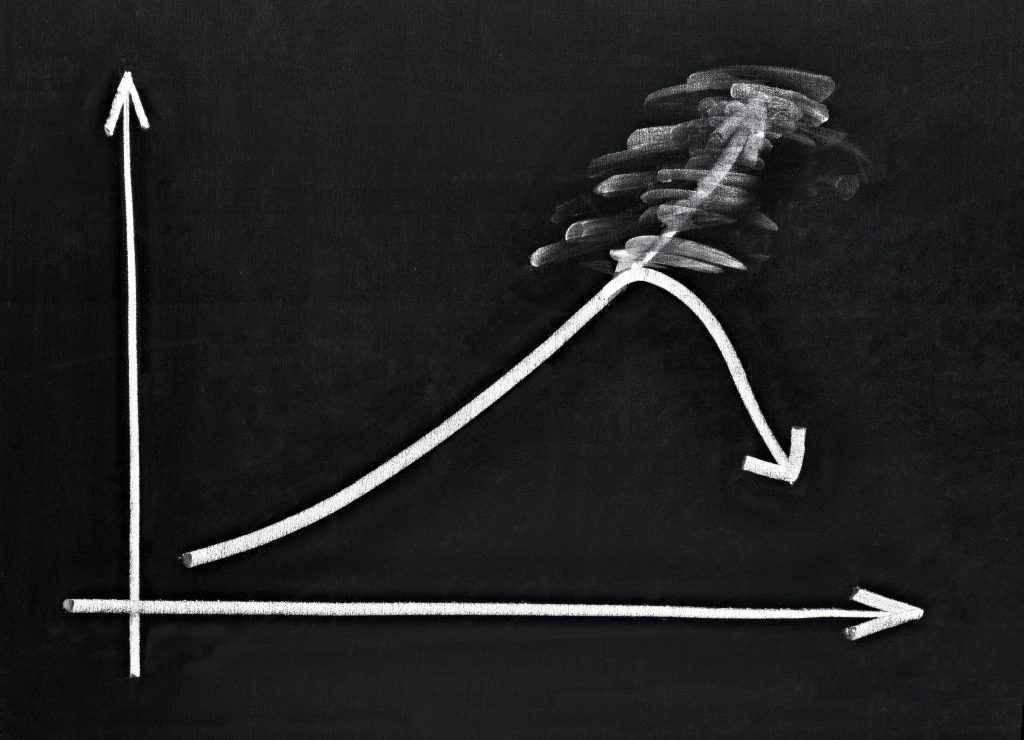
Polarization offers no path forward. Neither does it need needless confrontation with the United States. The country would be far better served by pursuing unity rather than division, rebuilding institutions rather than weakening them, and strengthening ties with North America instead of putting them at risk. The current strategy has reached the limits of what it can achieve. Continuing down the same road promises only diminishing returns.
History offers useful lessons. In France, François Mitterrand entered office determined to implement a sweeping socialist agenda, only to discover that changing economic realities made many of his policies unsustainable. He adapted. In Mexico, Miguel de la Madrid initially promised austerity without structural change but soon recognized that deeper reforms were necessary. Both leaders understood a fundamental truth: governing successfully requires adjusting to circumstances, not clinging to outdated assumptions.

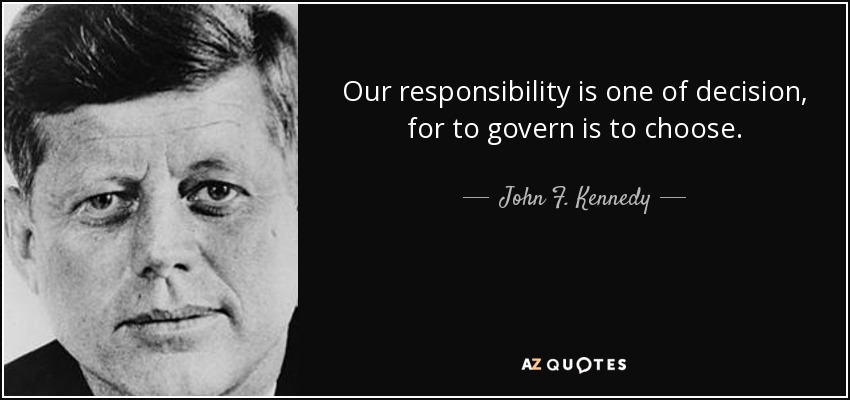
As President Kennedy reportedly observed, governing is about choosing, but governing well is about adapting. That lesson is especially relevant today.
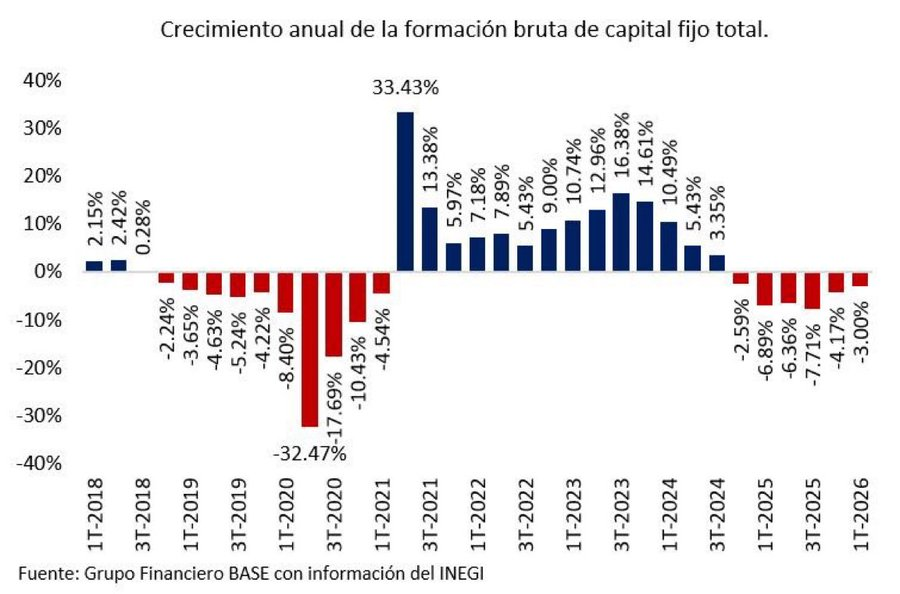
Two economic challenges demand urgent attention. The first is the country’s fiscal position, which is becoming increasingly difficult to sustain and could eventually threaten Mexico’s investment-grade standing. The second is the stagnation of investment. Fiscal pressures constrain public investment, while private investment has been chilled by policy decisions that have weakened institutional checks and undermined confidence in the rule of law. Neither challenge has an easy solution, but neither can be addressed without acknowledging the problem and bringing together the key actors needed to solve it.
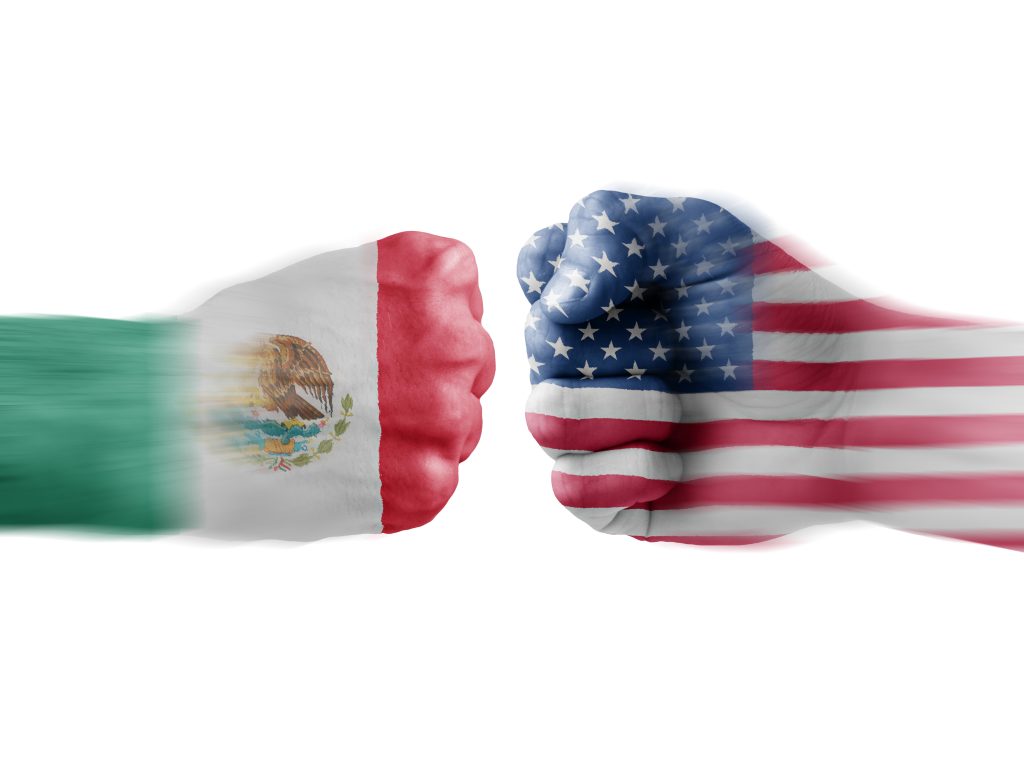
The relationship with the United States also requires a reset. Geography makes cooperation unavoidable. The two countries are deeply interconnected, and Washington increasingly views Mexico’s security challenges through the lens of its own national security interests. Yet instead of addressing those concerns directly, official rhetoric has often reinforced perceptions of corruption, criminality, and impunity. That is a damaging outcome for both countries.
Time remains to change direction. But both at home and abroad, the government must recognize that persistence is not the same thing as leadership. When a strategy has reached a dead end, the wisest course is not to press forward—it is to find a new road.

@lrubiof
The original Spanish version of this article can be found at www.luisrubio.mx
Further Reading: