
Luis Rubio
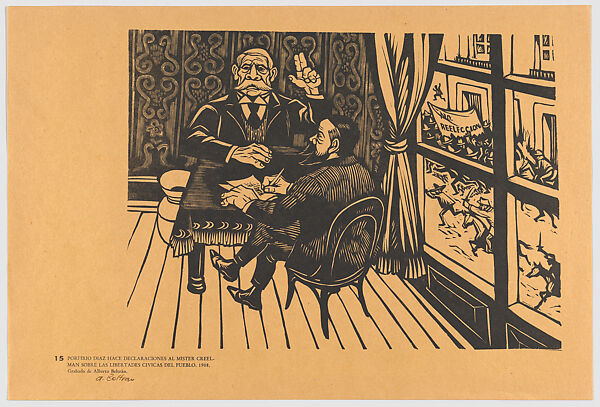
In 1908, journalist James Creelman asked President Porfirio Díaz a simple question: Was Mexico ready for democracy? More than a century later, the question still lingers.
Writers and observers have long wrestled with the puzzle. Alan Riding’s Distant Neighbors examined the cultural distance between Mexico and the United States. Octavio Paz explored the deep contradictions within Mexican identity and the challenge of entering the modern globalized world. Beneath these reflections lies a common concern: whether Mexico can build a political system capable of delivering both stability and prosperity.

This is not just an academic question. The answer has shaped Mexico’s economic strategy for decades. In the 1990s, recognizing the fragility and unpredictability of its political institutions, Mexico sought a way to shield the economy from domestic political volatility. The solution was the North American Free Trade Agreement. In practice, NAFTA allowed Mexico to “borrow” institutional credibility from the United States by embedding trade and investment in a framework of rules and dispute-resolution mechanisms that investors trusted.
Thirty years later, that framework remains the backbone of Mexico’s economy. Exports drive growth and spread economic activity throughout much of the country. Anyone who visits states such as Querétaro, Aguascalientes, or Nuevo León can see the transformation firsthand. Where clear rules and certainty exist, development follows.

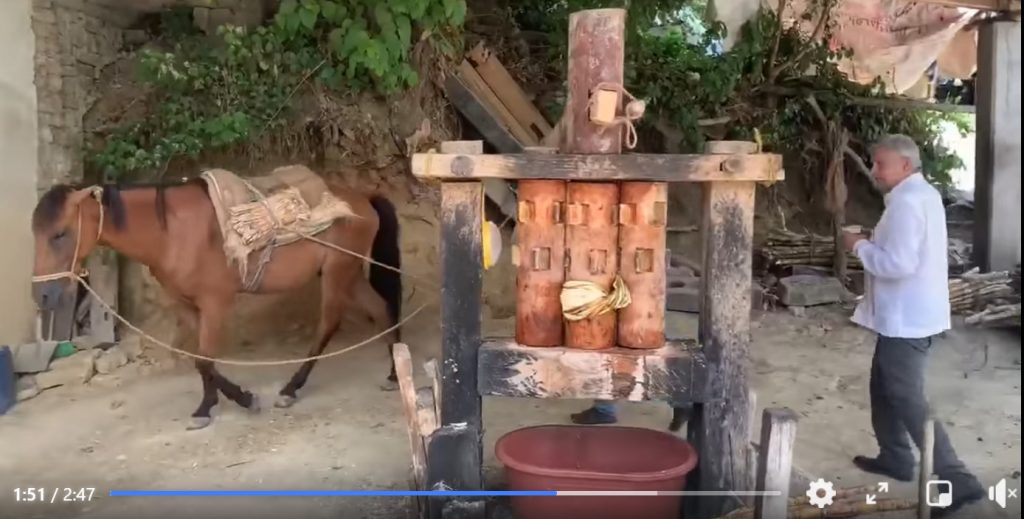
But the contrast within Mexico is stark. Large parts of the south remain trapped in poverty and stagnation, whether because of political neglect or cultural resistance to modernization. Even more troubling, the previous administration, which rose to power denouncing inequality, devoted little effort to addressing these structural gaps. Uncertainty, in the end, always carries a price.
A deeper question lies behind these disparities: what has happened to Mexico’s own political institutions during the decades in which economic certainty was effectively outsourced? Has the country developed internal sources of credibility capable of replacing the institutional guarantees embedded in NAFTA?
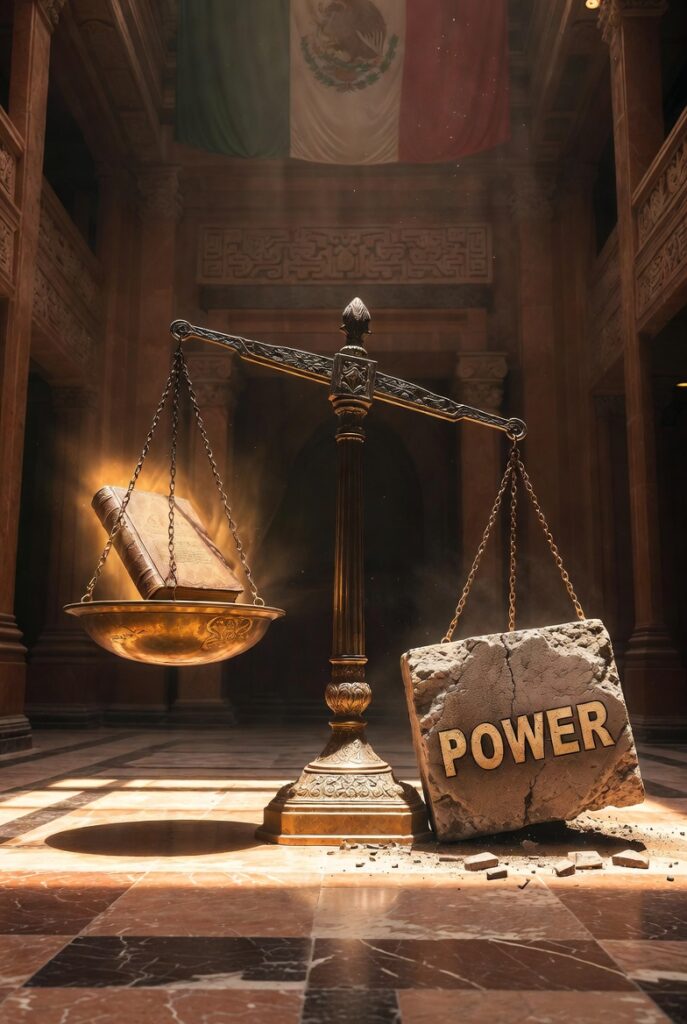
History offers little reassurance. Mexico’s twentieth-century political system formally respected the law, but only so long as the law served presidential interests. When it did not, the law itself was changed. The result was a façade of legality without genuine rule of law—a system in which the judiciary lacked independence and legal certainty was always provisional. Recent legal and constitutional changes have strengthened this tradition, further eroding the country’s long-term viability.
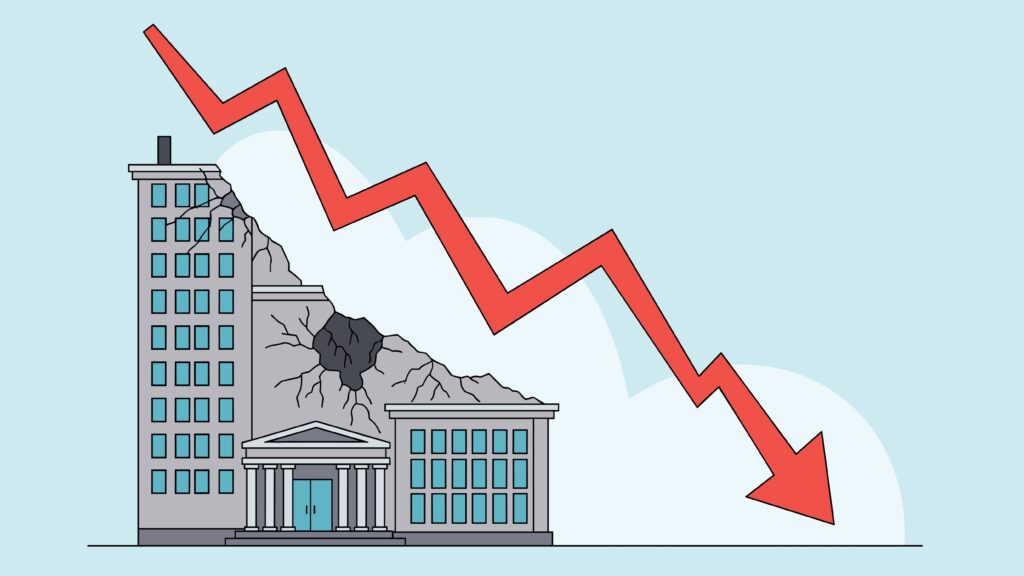
The hope after NAFTA was that Mexico would gradually build its own institutional foundations. For a time, it appeared to work. Yet we now know that from the 1990s until 2018 the system functioned largely because presidents chose to respect institutional limits—not because those limits were truly entrenched. The speed with which many of those institutions have since been dismantled has made that painfully clear.

What Mexico needs today is not merely democracy but something more basic: effective institutional checks and balances that provide certainty—first to citizens and then to economic and political actors. The old idea that a leader’s personal virtue can guarantee stability belongs to another era, when Mexico was more isolated, and information was scarce.
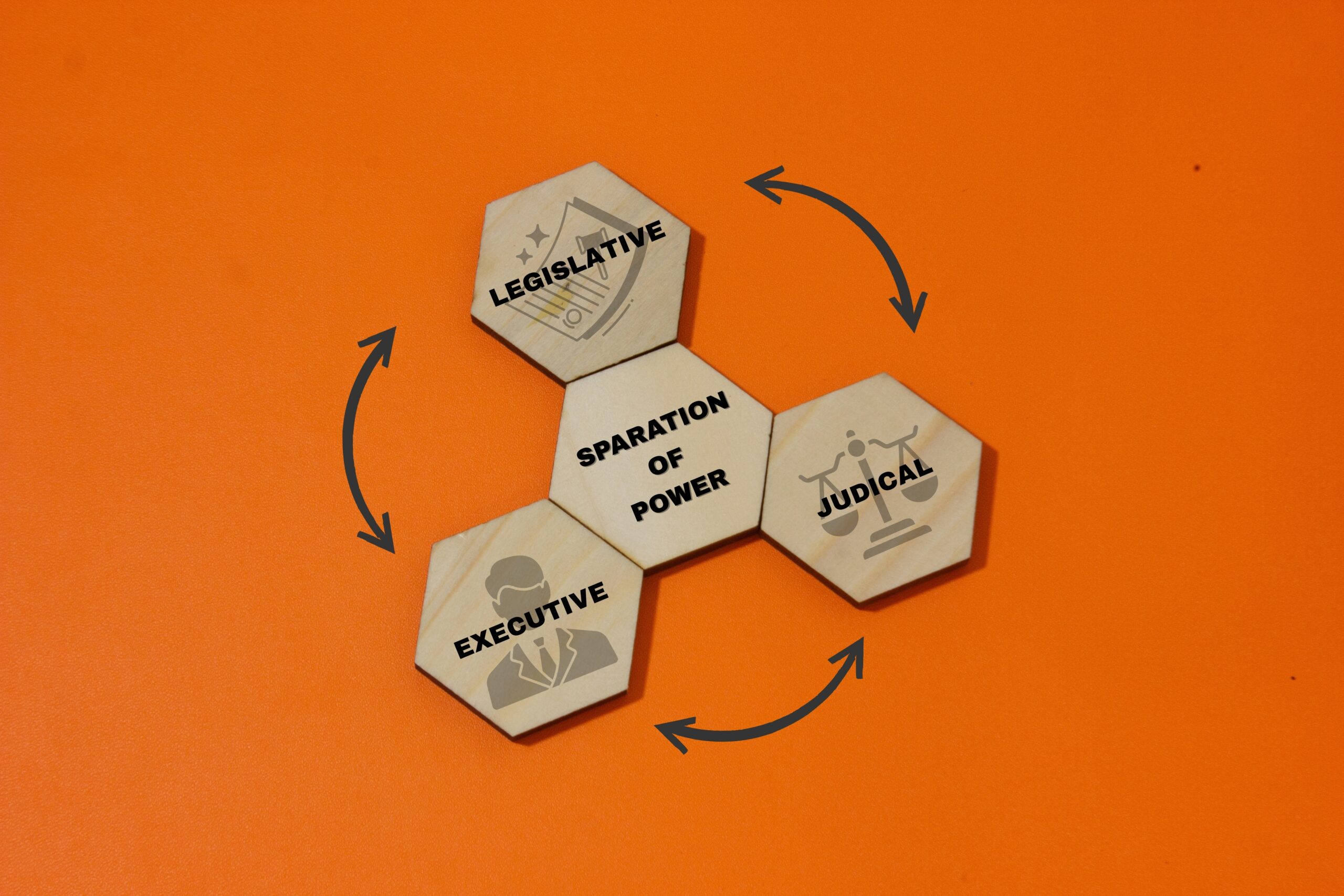
Modern economies require something simpler and far more demanding: clear rules, predictable institutions, and laws that are actually enforced.

Mexico has none of these today.

If the current concentration of power is to have any redeeming value, it should be used to rebuild the country’s institutional foundations. Otherwise, the consequences will be profound—and not only for those who hold power today.

@lrubiof
A quick translation of this article can be found at www.luisrubio.mx
Further Reading: