

Luis Rubio
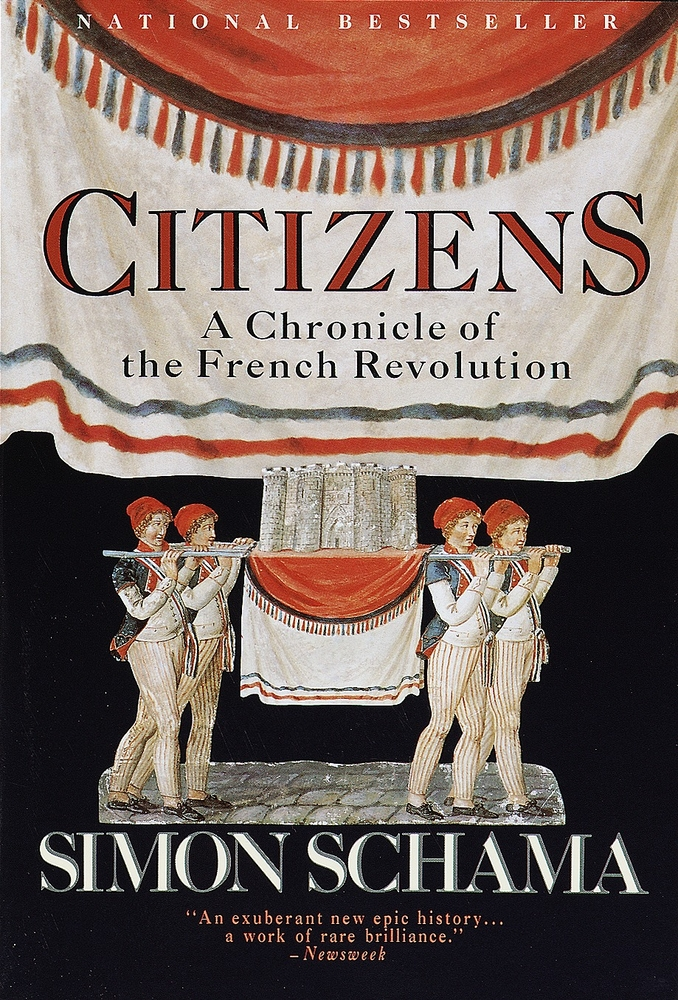
Revolutions, Simon Schama reminds us in Citizens, can unfold with or without bloodshed. England’s was gradual and restrained; France’s was violent—and “violence is what made it revolutionary.” Mexico’s electoral reforms since 1958 were not revolutions in the classic sense, but they did profoundly reshape the political system and disrupt the old order. Like the French Revolution, they left behind weak institutions and unresolved tensions. Today, as Mexico confronts its first true electoral counter-reform, those unfinished legacies are coming back into view.
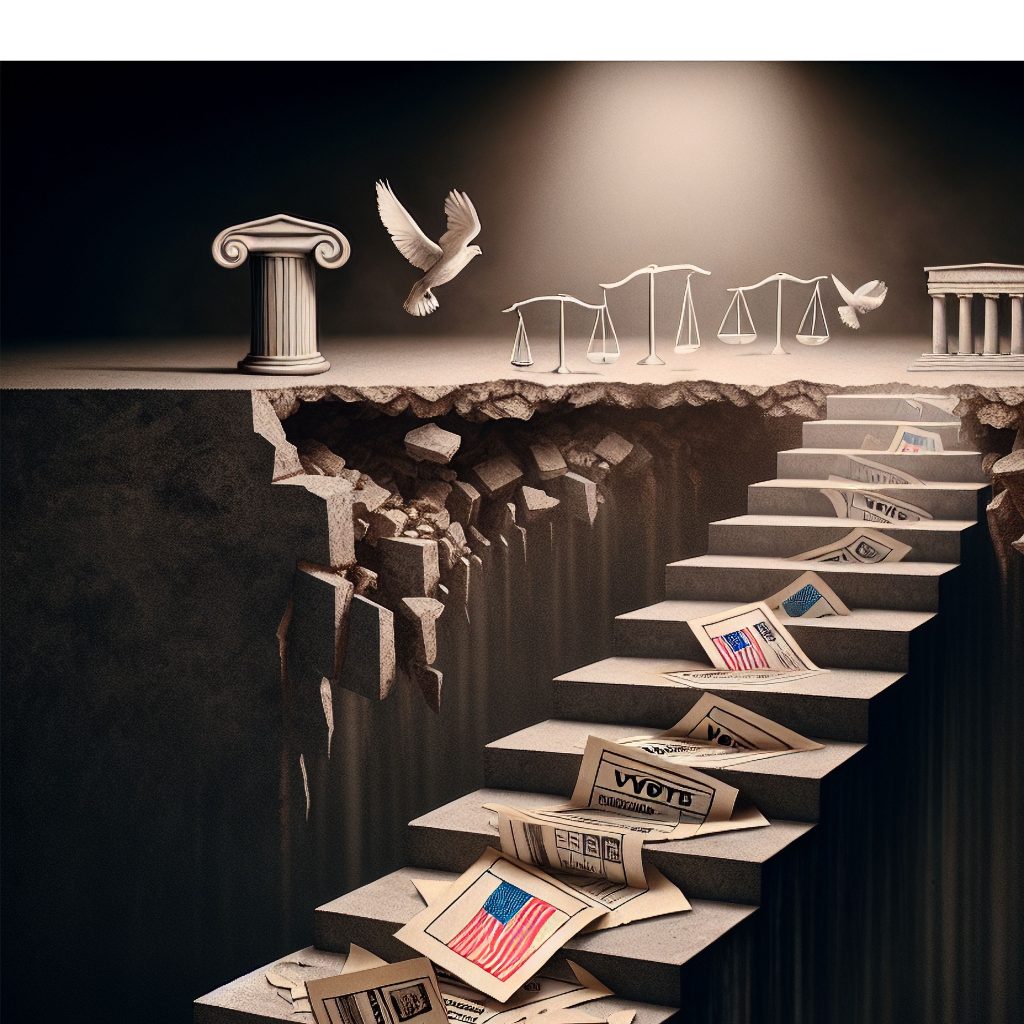
Mexico’s electoral reforms were born of adaptation. Beginning with the creation of opposition-party representatives, each change sought to accommodate shifting political realities. Liberalization was slow, often reluctant, but unmistakably cumulative. Key shocks—the 1968 student movement, the 1985 earthquake—forced openings that the system would have otherwise resisted. Some reforms were designed to appease the left, others the right. Over time, however, these piecemeal changes produced institutional loopholes that Morena now seeks to exploit to present itself as the only legitimate political force.

Mexicans like to assume that the country is firmly democratic and republican. The evidence suggests otherwise. As historian John Hardman* notes of revolutionary France, most people in 1789 were not demanding democracy but constitutional limits on absolute power—checks, courts, and representative bodies. Morena’s claim to embody the will of the “real Mexico” echoes that logic: it portrays its electoral counter-reform not as an assault on democracy, but as a corrective rooted in popular legitimacy.

History offers a cautionary tale. Hardman concludes that the tragedy of the French Revolution was the failure to build a genuine rule of law: “The tragedy of the French Revolution is that the rule of lawyers failed to bring about the rule of law.” What emerged instead was a police state. Danton’s bitter observation —“no one understands the art of governing”— still resonates. Mexico today has achieved peaceful alternation in political power, but not better governance. The economy is bifurcated; insecurity dominates large swaths of the country; institutions meant to check power have weakened as authority has been centralized.

Social spending has increased purchasing power, but not long-term opportunity. Growth prospects remain fragile, and institutional decay undermines confidence in the future. Under those conditions, the temptation to entrench power becomes understandable—even predictable. Unlike the old PRI they condemn, today’s leaders govern for the short term, channeling Louis XV’s infamous dictum: “After me, the deluge.”

Mexico’s political system, for all its flaws, has historically prioritized stability over rupture. The proposed electoral counter reform breaks with that tradition. As Tocqueville warned, radical revolutions often darken everything they fail to destroy. Around the world, parties that rose to power through democratic means are now testing how far they can go without democratic constraints. Mexico appears poised to join that list.
History shows that the closest Eric Hobsbawm ever came to a revolution was being detained and expelled from Spain during the civil war. He never knew the real thing. The architects of Mexico’s impending electoral reform seem similarly distant from the realities of governance or the risks they may be forcing Mexico into. Like so many before them, they may believe they are correcting history. In fact, they may be repeating their most costly mistakes.

*The French Revolution: A Political History
@lrubiof
Further Reading: