
Ricardo Pascoe Pierce
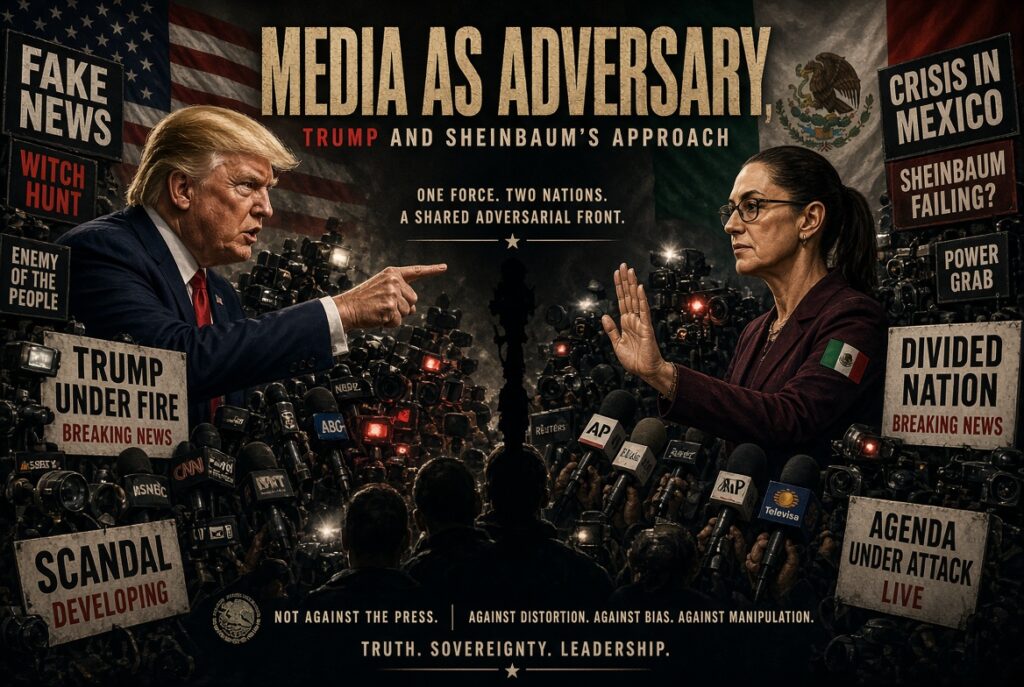
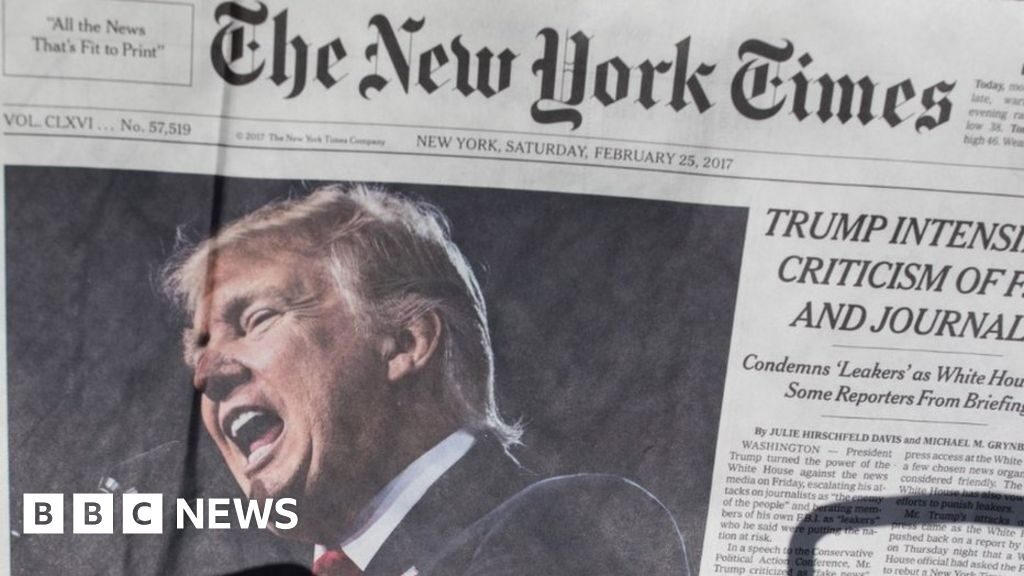
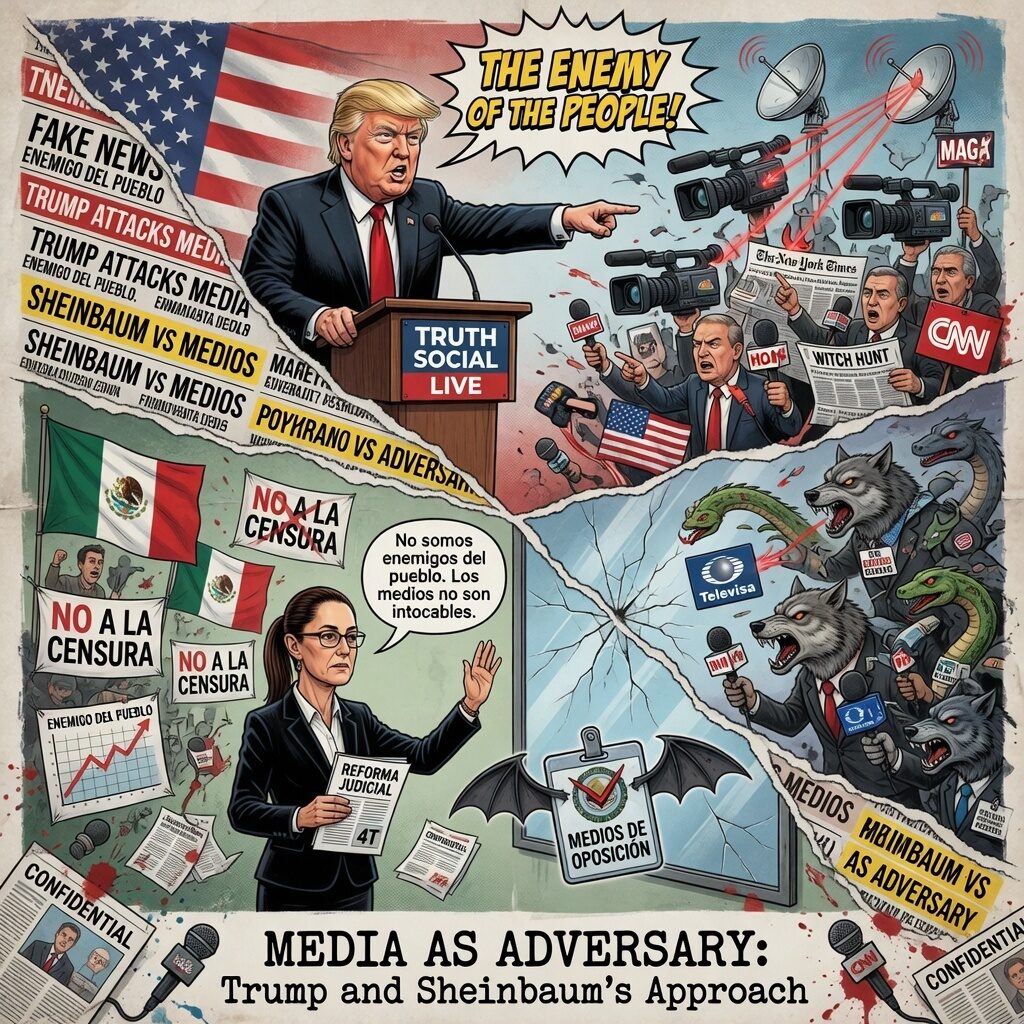
The comparison between Trump and Sheinbaum, and their relationship with the press, is not only because both attack the press, but also because of the role aggression plays within their respective political frameworks. Both administrations share a fundamental idea: the critical press is no longer viewed simply as an inconvenient actor or watchdog, but has become a blatant political adversary. From his first term, Trump turned phrases like “fake news” and “enemy of the people” into tools for political mobilization. In his second term, the confrontation has shifted from rhetoric to administrative and legal actions: disputes over journalists’ access, lawsuits against media outlets, and the use of regulatory agencies.
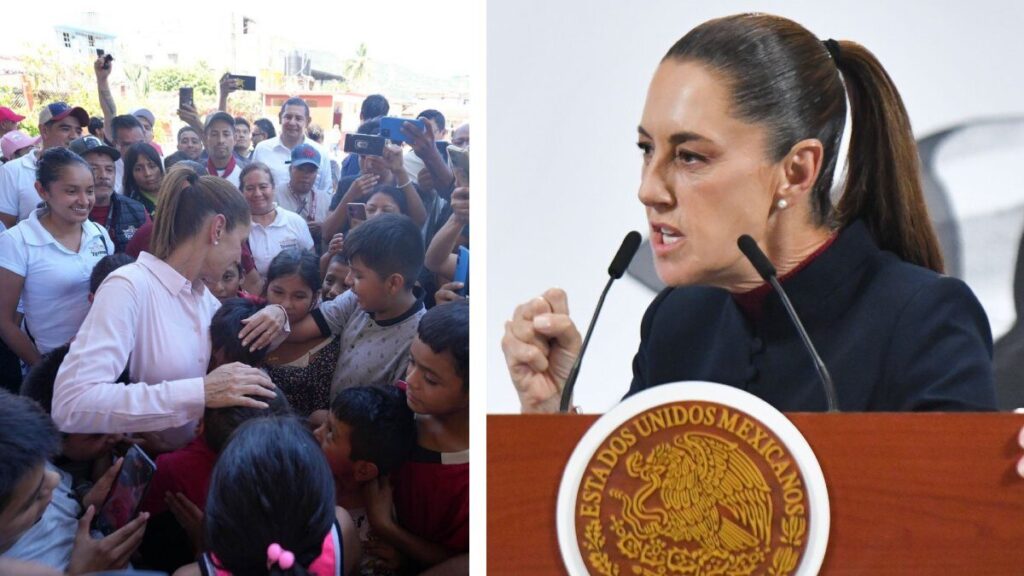
Sheinbaum follows a similar logic, albeit expressed in different language. She and her media controllers tend to categorize criticism as either legitimate information or a “smear campaign,” disinformation, corporate interests and elites, or political attacks. She announced that she will use public funds to support only those media outlets and journalists who back “the movement.” Furthermore, the intention to criminalize journalistic criticism of government actions is another example of how Sheinbaum seeks to emulate Trump’s actions.
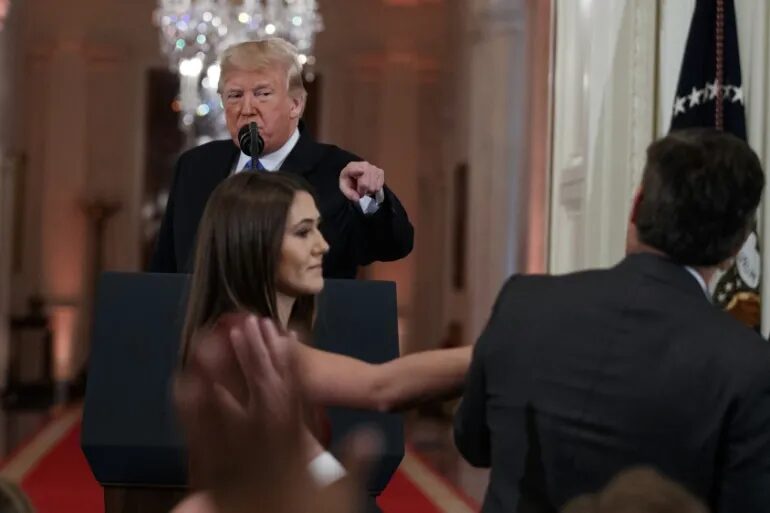
Trump views the critical press as part of a political conspiracy against him and his supporters, while Sheinbaum’s rhetoric fits into the narrative of “the 4T transformation and those who oppose it.” Both leaders personalize the conflict with the media. Instead of discussing solely what a newspaper publishes, they identify the journalist or media outlet as the aggressor, naming them and confronting them publicly. Trump turns journalists into targets of public confrontation. This has a multiplier effect: his millions of followers receive the message that this journalist is not simply someone who asked an uncomfortable question, but rather is not “one of them”.
Something similar happens in Mexico when the National Palace repeatedly identifies certain journalists or media outlets as adversaries. A report published in 2026 documented numerous public confrontations between Sheinbaum and media outlets and journalists, particularly involving figures such as Carlos Loret de Mola and outlets like Latinus, as well as Ricardo Salinas Pliego and TV Azteca. Consequently, the implicit question ceases to be “Is what the journalist says true?” and becomes “Whose side is the journalist on?” Credibility no longer revolves around the facts but begins to depend on the speaker’s political identity.
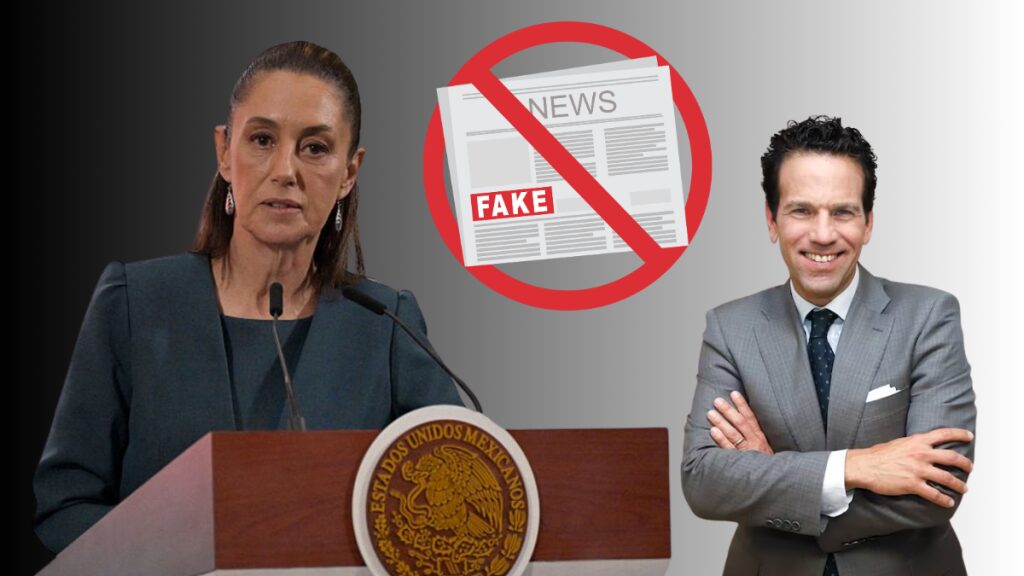
Trump has at his disposal a federal government with enormous regulatory and judicial powers to persecute journalists and their media outlets. The Mexican phenomenon has taken on different characteristics. The “mañanera” is its central instrument of control. It is not necessarily necessary to shut down a newspaper: it is enough for the president to hold a daily press conference that allows her to control the national microphone and, in this way, publicly delegitimize a journalist or a media outlet.
However, the current controversy over audience rights reveals the weakening of the “mañanera.” This failure explains the government’s intention to impose rules that affect the media ecosystem. The government now wants legal mandates—like those Trump has—to rein in its critics, including the option to imprison journalists and shut down or control their media outlets.

Trump also discovered that attacking the press strengthens his bond with his supporters. The message is simple: “They attack me because I stand up to them on your behalf.” In Mexico, there is similar rhetoric, though with different historical roots. Morena’s narrative promotes the opposition between “the people” and “the elite.” Presumably, this justifies its nationalist and sovereignist rhetoric. Both leaders reinterpret journalistic criticism as resistance from communists (Trump) or privileged elites (Sheinbaum) against the “advance of their historic transformations.”
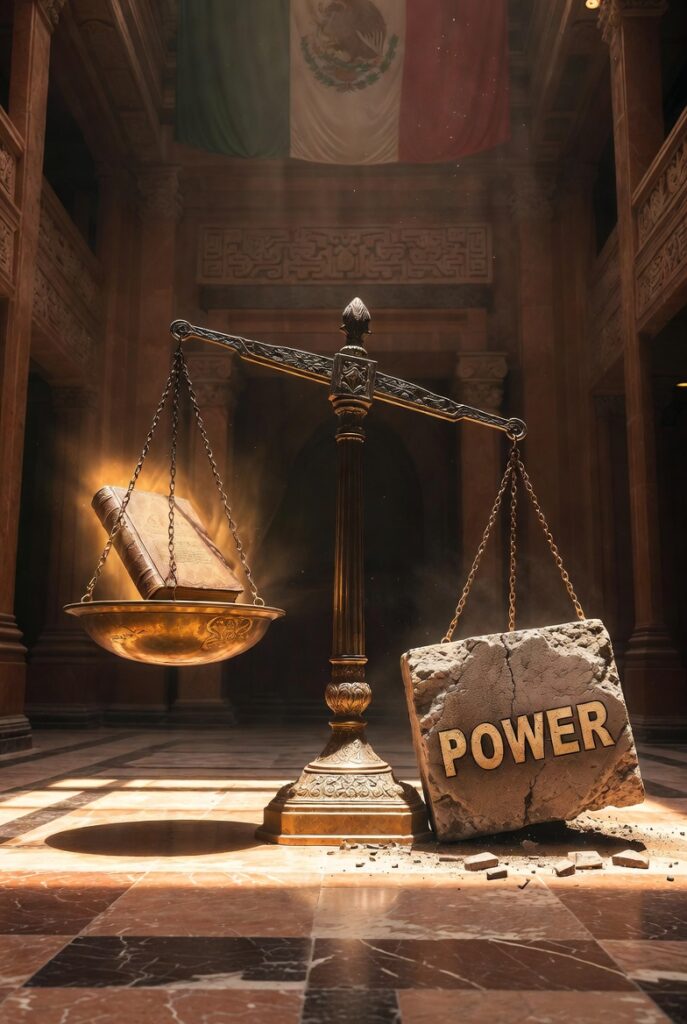
In the United States, checks and balances continue to possess enormous resilience. There have been clashes between judges and oversight bodies and the Trump administration. In Mexico, tragically, the problem is different: the concentration of political and judicial power within Morena since 2018 has created an alarming imbalance in the relationship between the government and the press, one that is unfavorable to the latter.
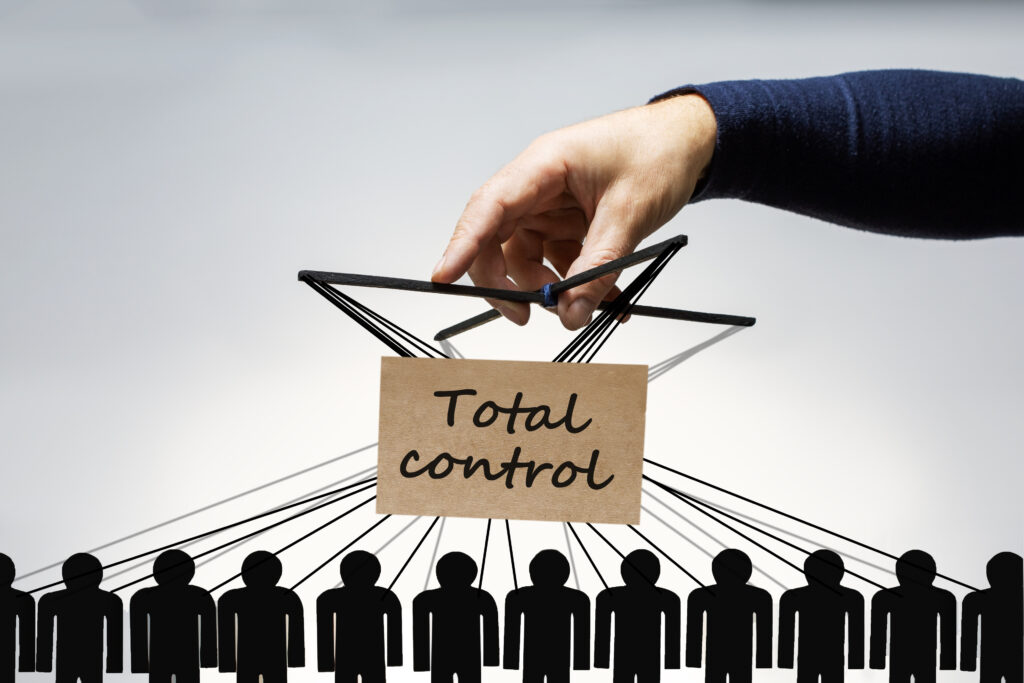
Both leaders know that controlling the public discourse is essential to controlling government decisions. Trump and Sheinbaum employ the same strategy to exert power over the public agenda. That their ideologies differ is irrelevant. They are kindred spirits.
@enelfilo_mx
Further Reading: