

Federico Reyes Heroles
There are so many problems to solve, but the government seems determined to create even more polarization. Now the Telecommunications Regulatory Commission has decided to submit “General Guidelines for the Protection of Audience Rights” for public consultation. All of this is taking place within the framework of the Agency for Digital Transformation and Telecommunications. Who requested these “Guidelines”? In Article 1, they state that the “…objective is to establish the foundations for policies regarding telecommunications, broadcasting, and satellite services; to regulate telecommunications and broadcasting services of general interest; and to protect the rights of users and audiences.” The Agency was created to promote media development by regulating companies. But users and audiences are not subject to regulation. The official narrative argues that it seeks to protect audiences, as if audiences were unable to protect themselves. More competition means more protection for audiences. It’s as simple as changing the channel or frequency and freely choosing the one that best suits us.
More confusion: the “Guidelines”—it’s impossible not to overlook the first two syllables, “line”—the agreement refers to Article 6, Section B, Subsection IV, which “prohibits the broadcast of advertising and propaganda presented as journalistic or news content.” In other words, exactly what the government does every day. The current article was established with the Political Reform of 1977; its objective: to ensure that citizens had access to official information. A citizen’s right that expanded in the second half of the last century, but which has ancient origins—for example, in the Swedish Constitution of 1776. It took 23 years for President Vicente Fox to address that demand and enact the secondary law establishing the IFAI, later the INAI, and the local institutes. The term “transparency” ceased to refer to a fishbowl or the Caribbean Sea and instead came to focus on the use of public funds. But the 4T dismantled the framework that had emerged from a citizen’s right. The INAI cost approximately 1,000 million pesos annually; Pemex lost 2,136 million pesos daily in 2024.

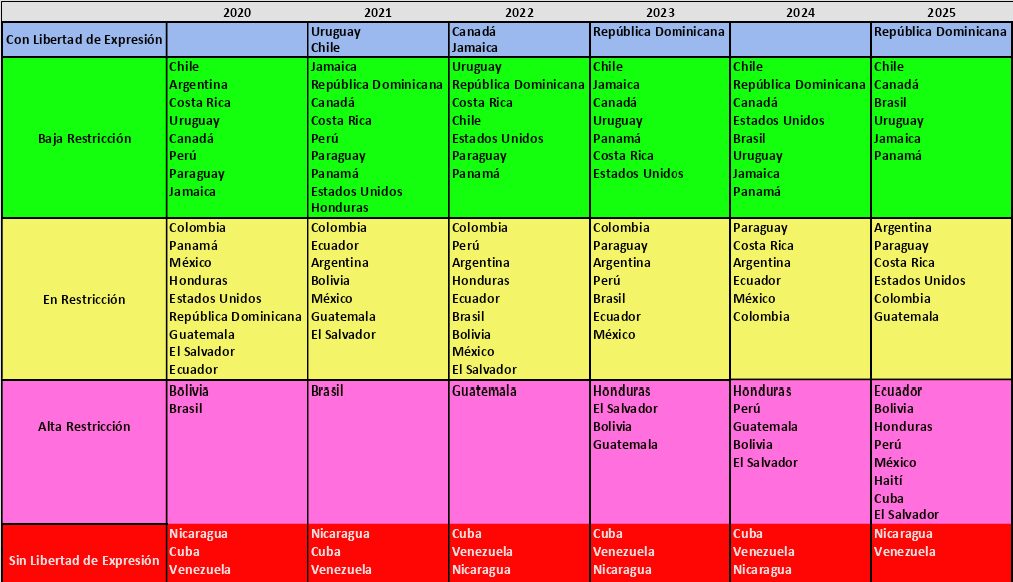
The Inter-American Press Association (IAPA) ranked Mexico 16th on the so-called Chapultepec Index of Freedom of Expression, just above Haiti, Cuba, El Salvador, Nicaragua, and Venezuela, and with a record number of journalists murdered in a wide range of states—half the country—whose leaders speak of “blacklists,” are now plunging into this madness in which five citizens appointed by the President will be able to impose fines or revoke licenses. The intimidating effect on the country’s small and medium-sized media outlets is brutal. Suddenly, they are seeking a rigid division between news and opinion. The morning press conference is an example of opinions intertwined with information taken out of context. Pedro Aspe and Guillermo Ortiz, in separate papers on the state of the Mexican economy, have highlighted the enormous inconsistencies. The confusion is immense, because the construction of credible truths—the definitive truth being an epistemological fiction—arises from open debate over certain facts, which are often uncovered through investigative journalism; recall the case of the government’s fuel theft scandal.
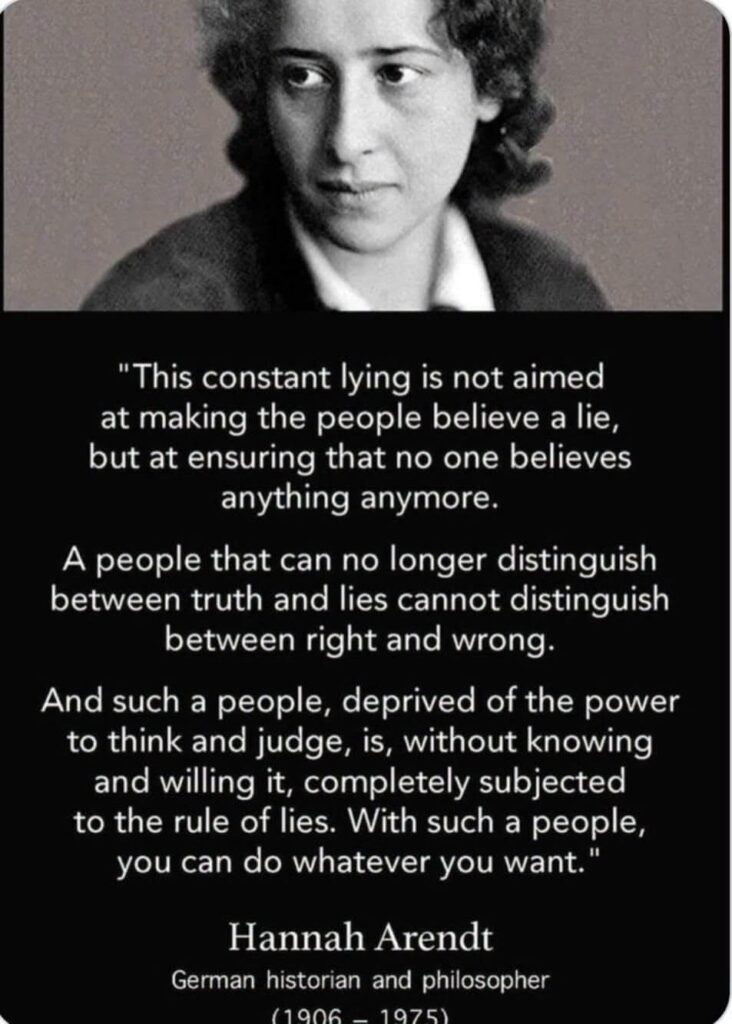
For decades, advertising and propaganda have been clearly defined concepts. There is government information—such as a vaccination campaign—that must be disseminated through major media outlets to achieve widespread reach. Propaganda is different, as it carries a political slant. For the President to openly admit that three highly influential media outlets are being given nothing is brazen. That decision violates their right to access funds allocated for matters of State.

The IAPA itself assigns Mexico a score of 6.93 out of a maximum of 40 for the ‘State’s response to violence and impunity against journalists and media outlets,’ many of whom are attacked from the morning pulpit.
Such cynicism!

Further Reading: