
Federico Reyes Heroles
Globalization is nothing new. Other levels of analysis are often overlooked. Humanity has experienced a ebb and flow of universalizing movements, which always come into conflict with local cultures, customs, and prejudices, but which have slowly managed to establish standards to which every human being must have access. These struggles have liberated humanity, allowing a universal spirit to flourish.

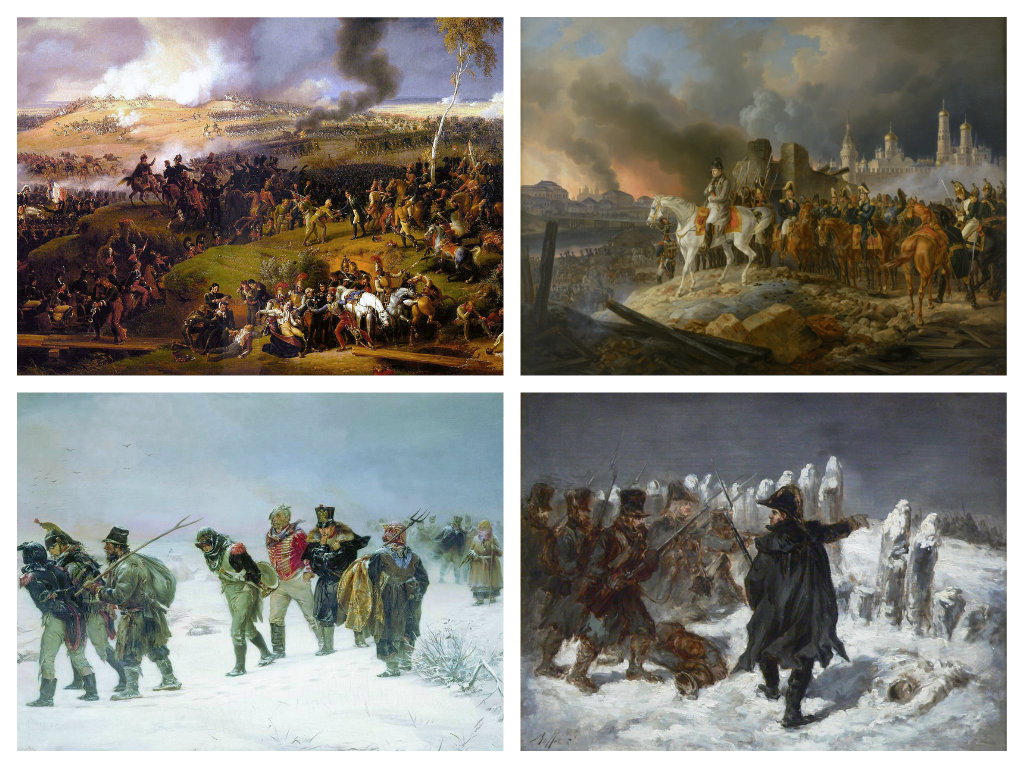
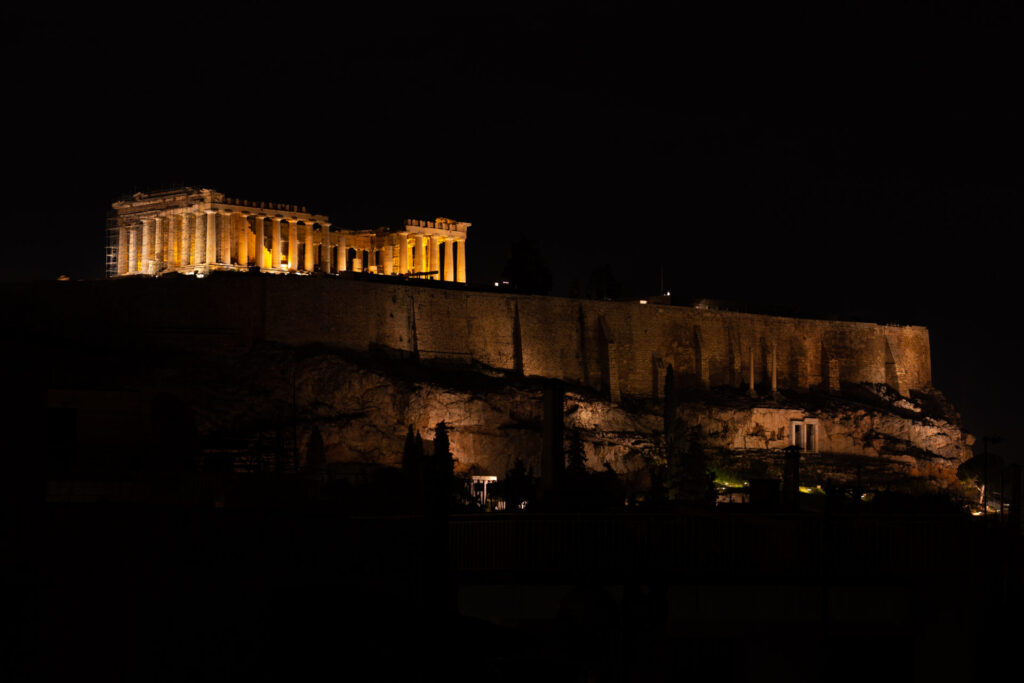
Several of the great thinkers of ancient Greece believed that slavery was legitimate. But it was also Socrates, Plato, and Aristotle, at the forefront, who succeeded in forging universal values such as freedom of thought, political balance, and the republic. There were “good and bad” emperors, as history records. Progress has been uneven, but it is undeniable that humanitarianism—the quality of how human beings treat one another—has advanced in principle, with norms serving as its cornerstone. There have been setbacks, and very serious ones at that: the Middle Ages or the tragic decline of the French Revolution. When Hegel saw Napoleon riding through Jena, he was horrified by his destructive intent toward any form of national individuality. Hence the reaction of certain Romantic movements of the nineteenth century. But there have also been periods of brilliance and progress, such as the Renaissance or the emergence of the first democracies—those of England and the United States—driven by liberal thought.
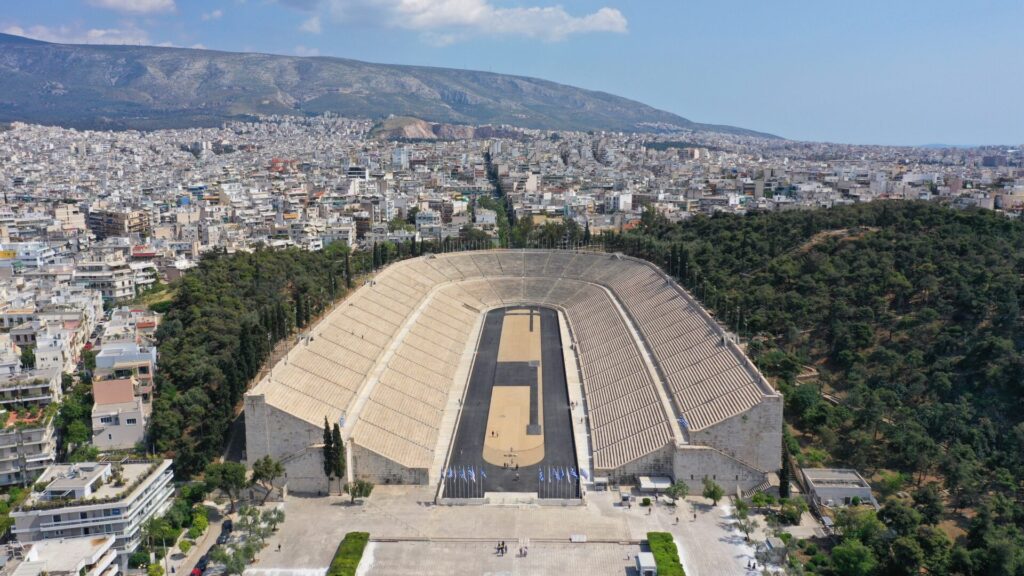
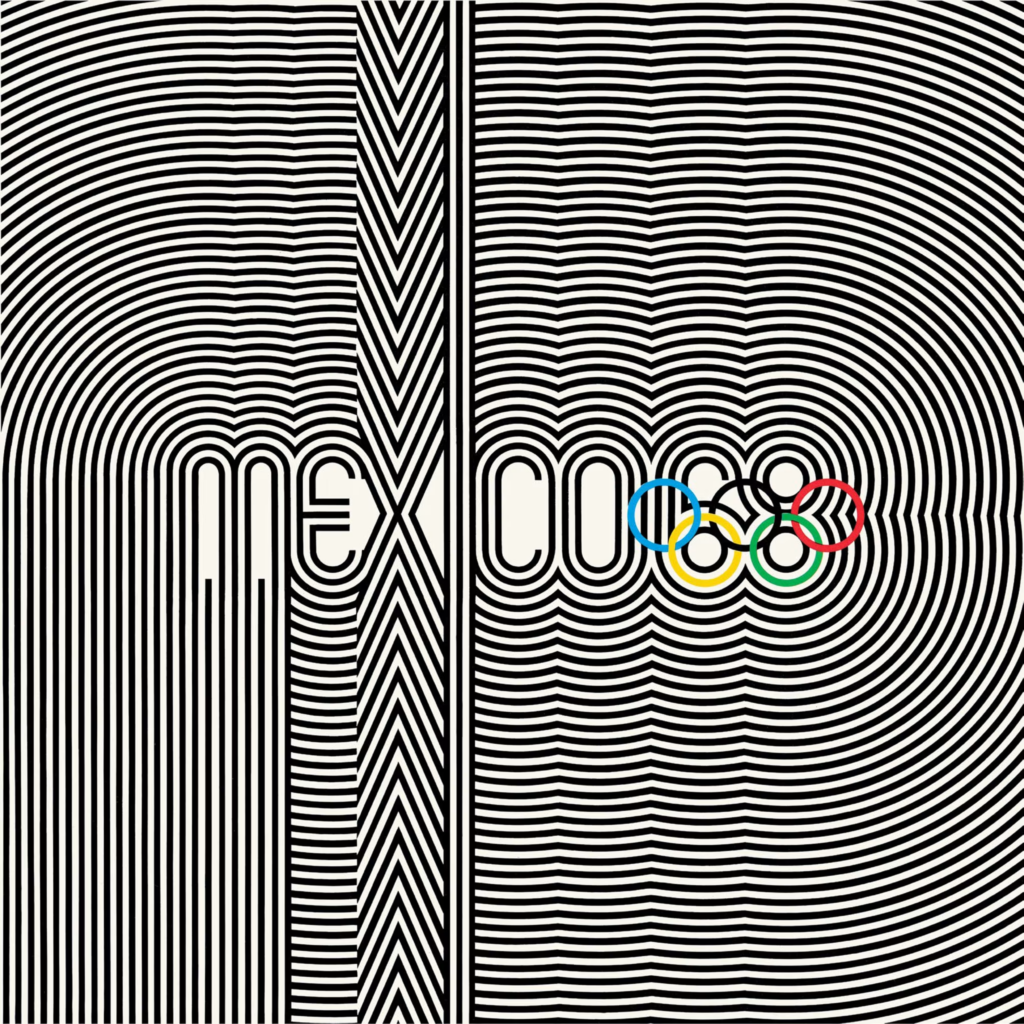
In this endless back-and-forth between universalization and the defense of uniqueness—Trump, in the 21st century, defending a supposed superiority based on origin—great modernizing ideals have emerged. The Olympic Games were born nearly eight centuries before our era. Their purpose: to foster physical and mental excellence and thus pay homage to their gods. Mind you, it wasn’t just one. As they became systematic, a truce was declared at each celebration between City-States in conflict or at war. First things first: the ethical mandate. Those ancient Games inspired the modern ones, born in the 19th century under the impetus of Baron de Coubertin, who founded the International Olympic Committee and thereby gave life to the Olympic Charter. From City-States, we moved on to competition among nations—the central goal: the pursuit of excellence. Only the World Wars and the COVID-19 pandemic have interrupted the Games. This global competition has expanded its horizons to include the Paralympic Games—for athletes with disabilities—the Youth Olympic Games, and the Winter Olympic Games. The universal, civilizing spirit remains the guiding principle: competition, with clear rules. Despite the many problems, threats, media boycotts, the looming specter of ruthless commercialization, and missteps by national delegations, a certain ethic continues to serve as the compass. The World Cup is something else entirely.
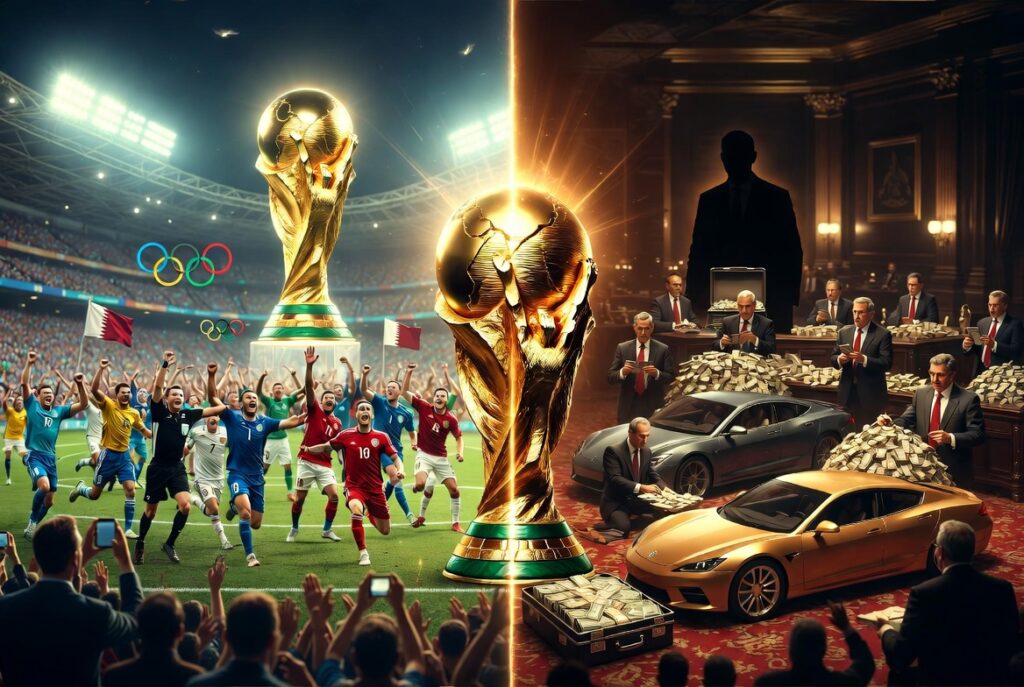
A devastating video is circulating on YouTube: “The World’s Most Profitable Business?: FIFA,” which exposes brutal corruption among FIFA executives over at least the last six decades, with local governments and companies profiting from the entertainment and nationalist fervor of billions of people. Multimillion-dollar deals are generated through the allocation of host cities, brands, and sponsors—a great deal of money that ends up in secret accounts. The media and fans, for the most part, maintain an uncritical view; they don’t want to see that the “party” involves collective degradation. And what can be said about Trump’s insulting intervention to boost his team through cheating? It’s disgusting. Let’s be blunt: they’re a mafia.
The World Cup can be a force for civilization, as long as fans raise their ethical standards and we return to inclusion and the pursuit of excellence. Fans’ widespread tolerance for misconduct is part of the problem—but also part of the solution.
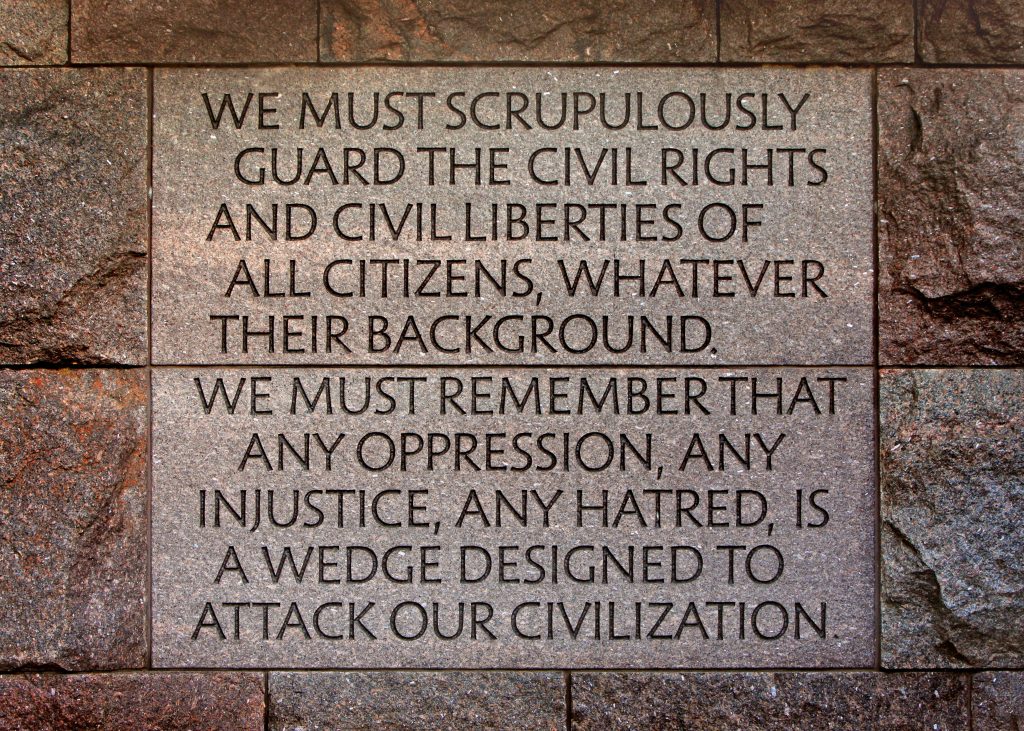
Principles, transparency, respect for the rules, excellence. Silence = complicity.
Back to the origins.
Further Reading: