
Ricardo Pascoe Pierce
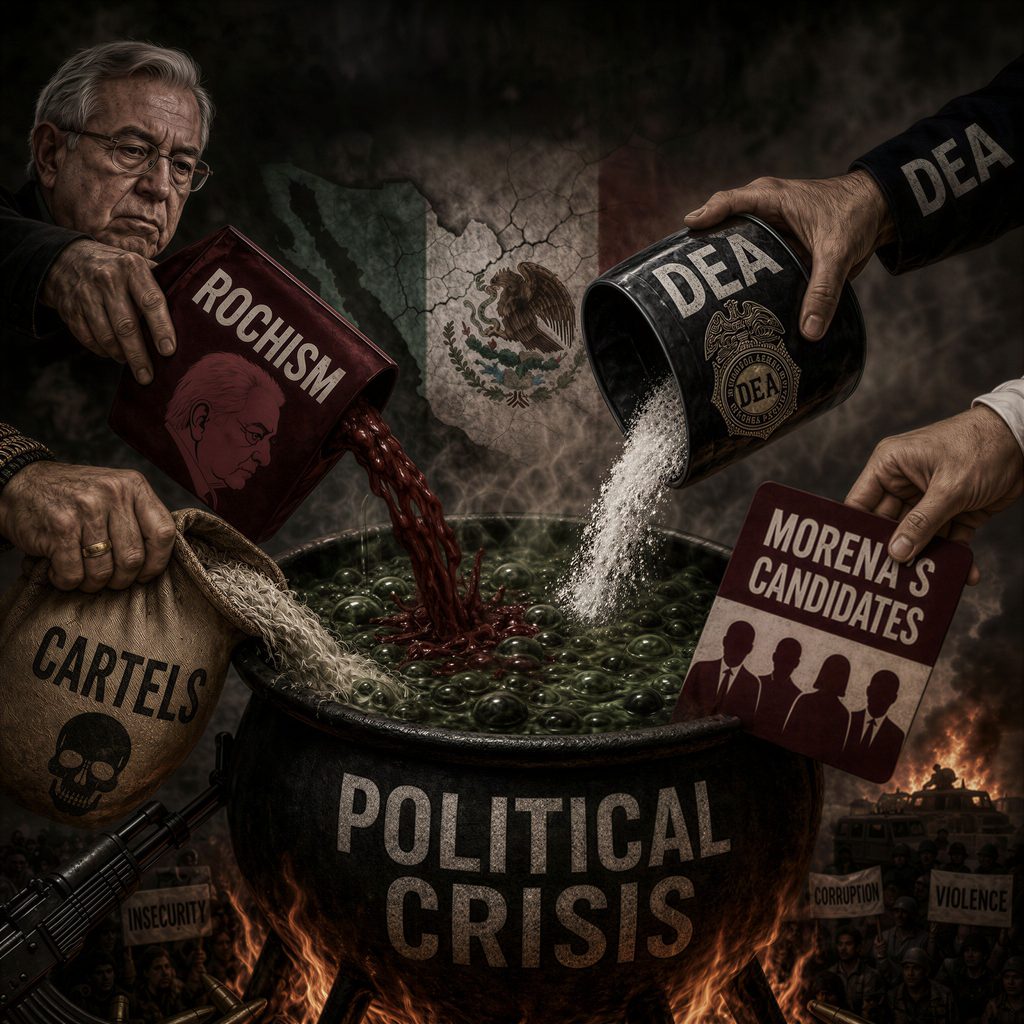
Rocha is gone, but “Rochism” lives on. Proof of this is that the federal government—starting with President Sheinbaum—demanded that he resign as governor of Sinaloa, but it won’t prosecute him. He will not be prosecuted for the crimes committed during his tenure as the state’s highest authority. His deal with the Chapitos to win the 2021 election has been forgotten. Also forgotten are his and his family’s business dealings and personal enrichment, not to mention the murder of Melesio Cuen, which occurred under his watch and apparently in his presence.
The DEA knows this and has it on record.
The Morenista movement specializes in the art of finding “someone else to blame.” There are Ernesto Ruffo and Ángel Aguirre, both pulled from some old trunk of memories to be dusted off and turned into the new scapegoats for crimes that, curiously, serve to divert attention elsewhere.
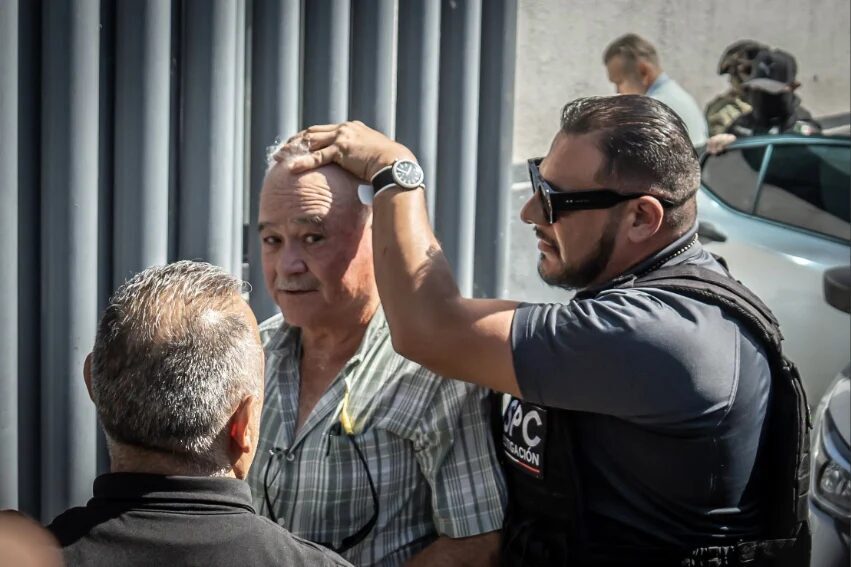
No one is talking about the subservient, Morena-affiliated governor of Baja California, who recently offered to inform the FBI on Mexico. Meanwhile, the parents of the 43 students from Ayotzinapa have been divided and fragmented by a political operation orchestrated by the federal government, whose underlying strategy is not to resolve the case but to dilute the movement through weariness and internal strife.
To further stoke the sensationalism, the federal government “appointed” an interim governor and a candidate for the 2027 elections to quickly shift the public conversation. Both have been political operatives for former Governor Rocha and people he fully trusted. Now they claim they barely knew him. Such is “Rochism” without Rocha.
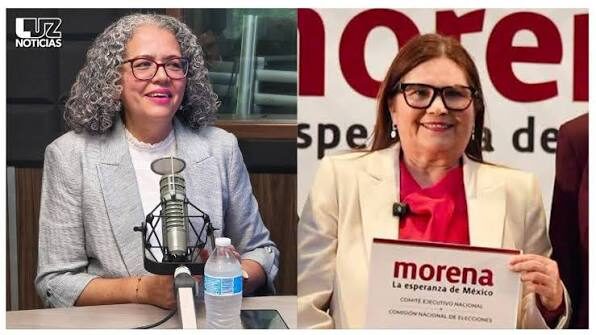
Despite the public condemnation he faced, Rubén Rocha will not be handed over to U.S. authorities, nor will Senator Inzunza, even though he has resigned from the Morena parliamentary group in the Senate. The latter pulled off a brilliant maneuver with his resignation. On the one hand, it “relieves” U.S. pressure on Morena senators. Still, it also turns his vote into highly valuable political capital, given the precarious nature of Morena’s qualified majority in the Senate. Every time a difficult vote comes up, Morena will have to rely on his willingness to cooperate to secure the votes needed to defeat the opposition.
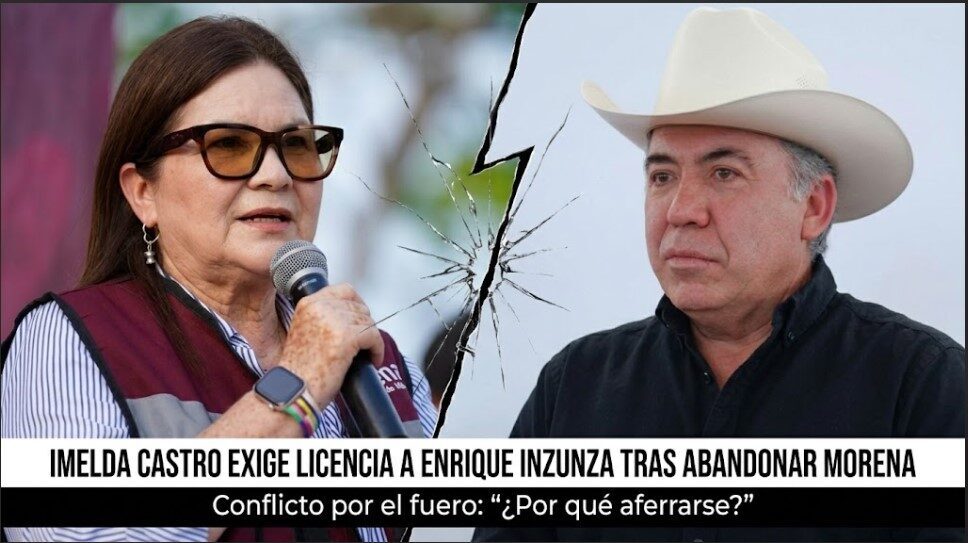
The DEA is fully aware of all this.
Sinaloa is a preview of what’s to come regarding Morena’s selection of candidates in Baja California, Baja California Sur, Sonora, Nayarit, Zacatecas, Michoacán, Guerrero, and Quintana Roo. All of these states were strongly influenced by drug cartels when the candidates were selected in 2021. Obviously, that influence was also felt in Colima.
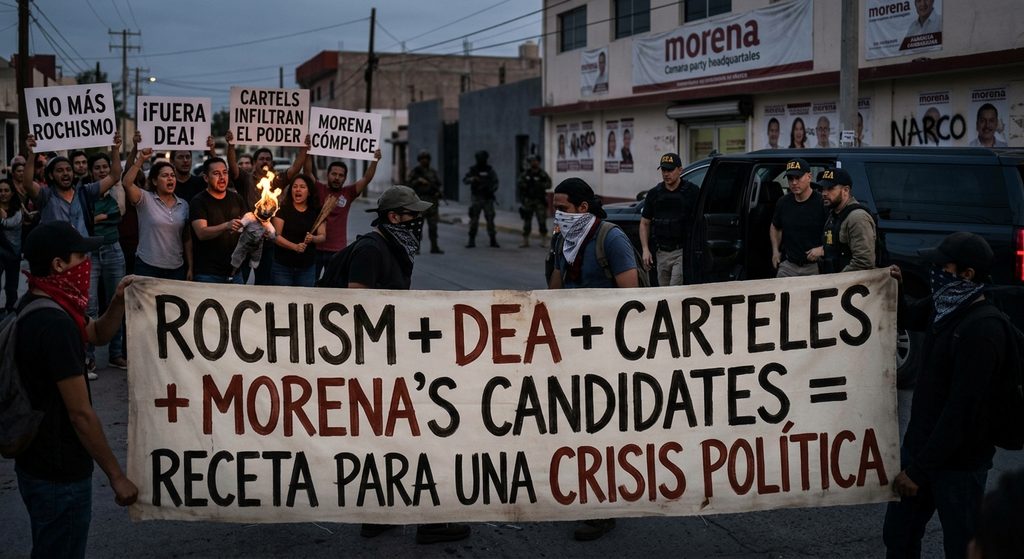
The DEA has already taken note.
And what happened was that President López Obrador endorsed the negotiation of “coalition” governments between Morena and drug cartels in those states.
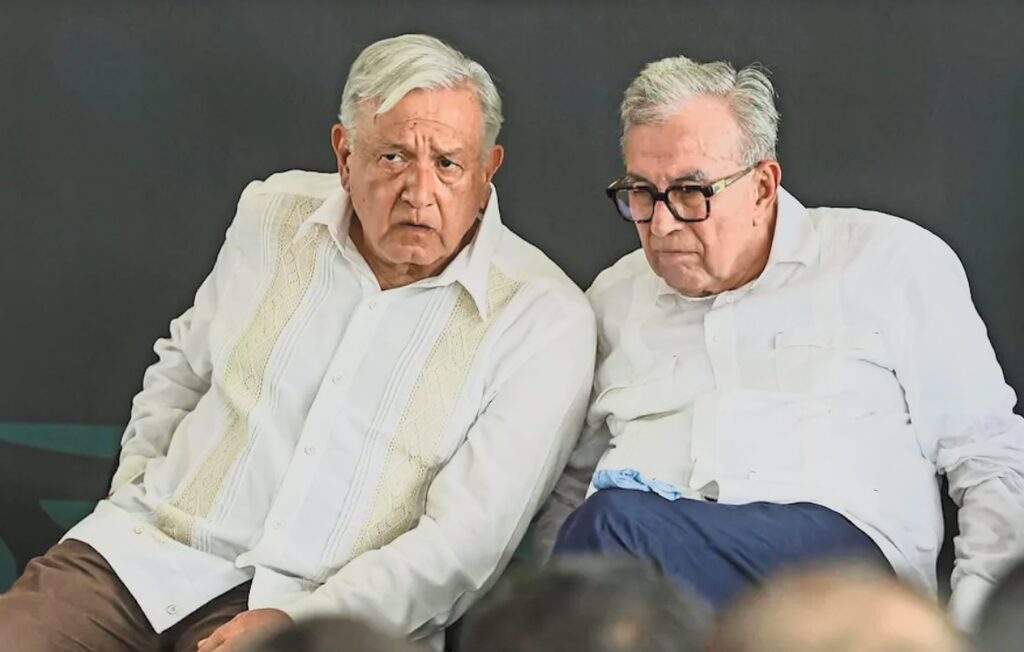
That agreement complicates Morena’s internal negotiations. Outgoing governors will want to keep their own people in office, while “the central leadership” will want to select candidates based on its own interests. The conflict is that they want to nominate candidates the DEA could veto. And the Mexican political system will enter a crisis, as happened with Rocha when his U.S. indictment came to light.
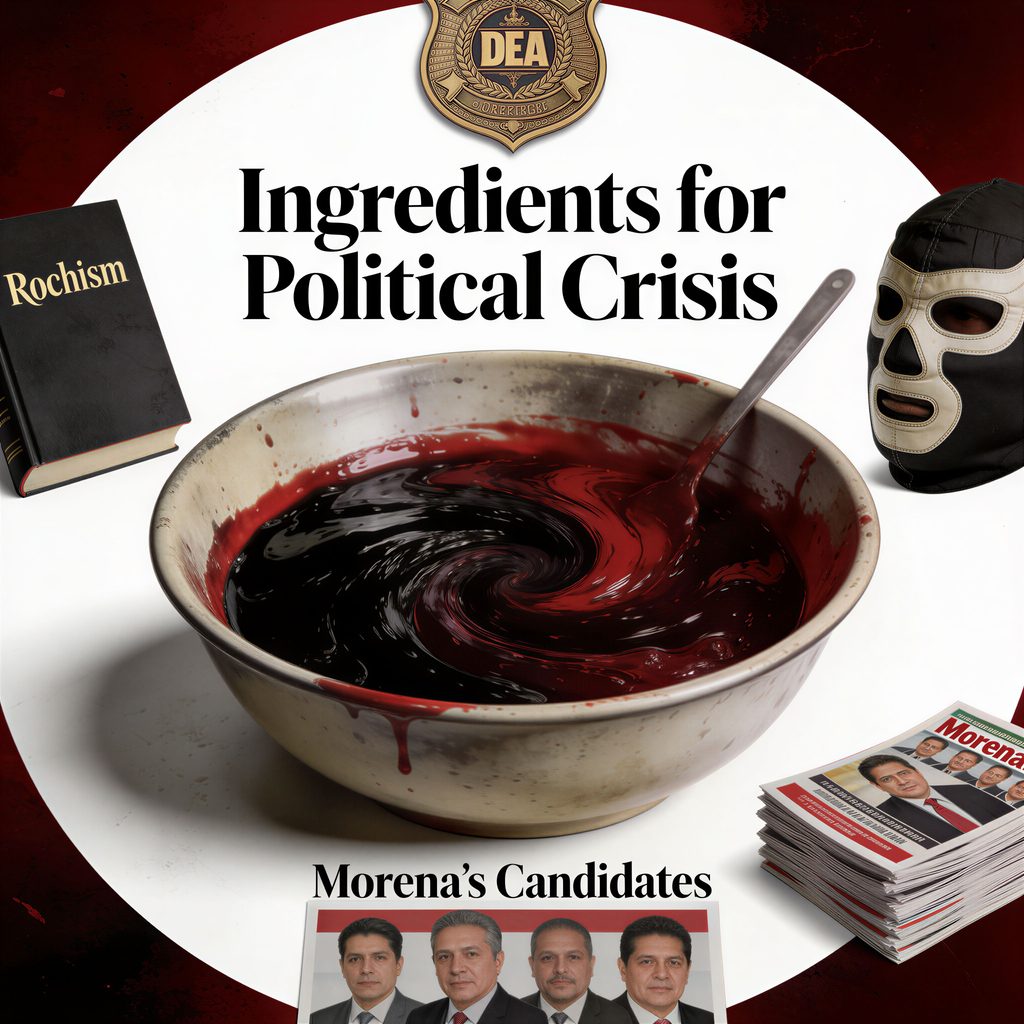
Who has the actual list of those indicted by the DEA? Sheinbaum and, most likely, Harfuch. The government has been pressuring cartel leaders to reduce violence. The figures showing a reduction in intentional homicides are real, but artificial. They result from an agreement negotiated with the federal government to reduce U.S. pressure on Mexico, right in the middle of the season for selecting Morena’s candidates. Once the candidates are finalized, violence could resurge at any time.
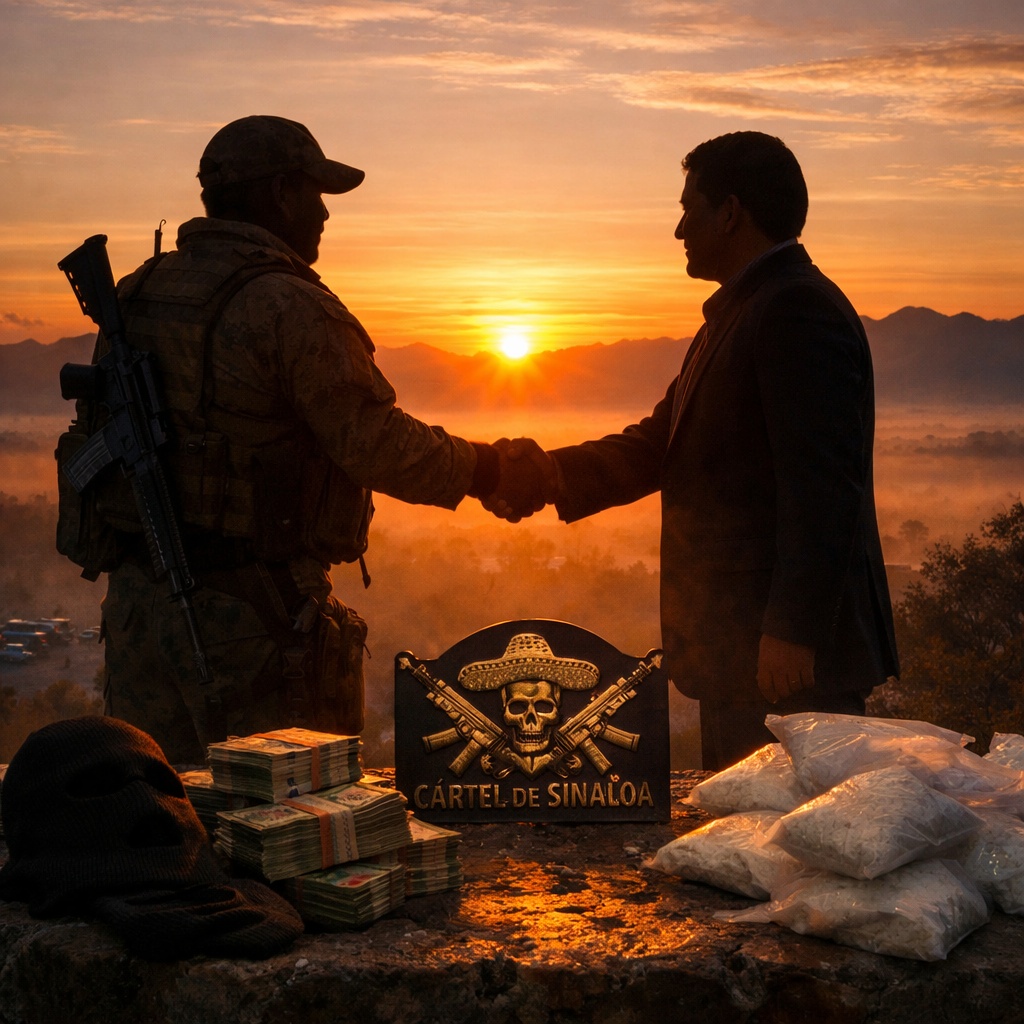
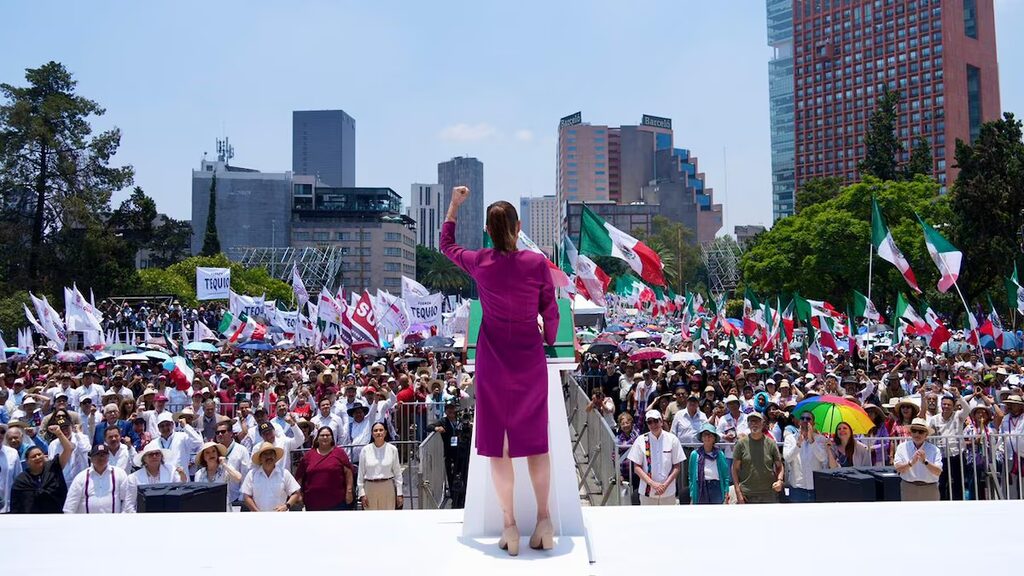
Morena’s fear about nominating its candidates centers on the DEA. In her speech at the Monument to the Revolution, Sheinbaum denounced U.S. interventionism, stating that the U.S. will eventually try to dictate our elections. No sooner said than done.
@rpascoep
Further Reading: