

Ricardo Pascoe Pierce
In politics, there is an unwritten principle: whoever controls the public’s attention controls, to a large extent, the arena where power is exercised. This principle explains the existence of the “mañanera” as the central instrument for exercising power created by Morena. Without the “mañanera,” Sheinbaum could not dominate her party, much less govern Mexico.
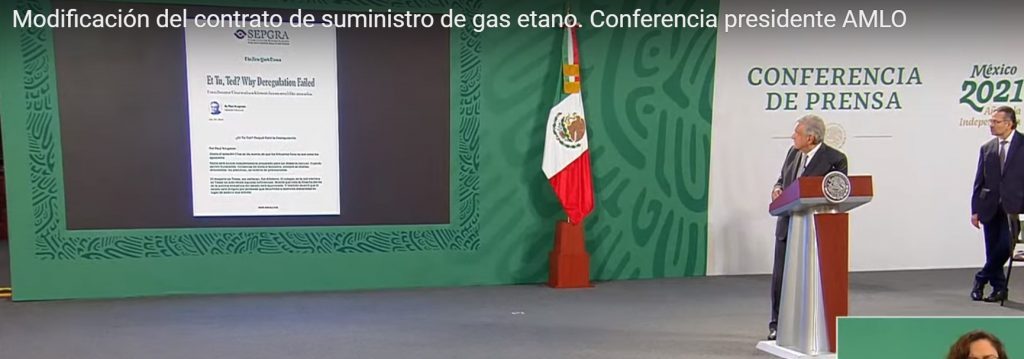
She and her party know that the public’s attention is a limited resource. One of their most frequently used strategies for political control is deliberately shifting public attention toward a secondary conflict, a scandal, or a controversy intense enough to allow their true strategic objective to advance with minimal resistance or surreptitiously.

This week, Sheinbaum demonstrated an example of this attempt to steer the nation’s attention toward a secondary conflict or controversy intense enough to prevent her true concern—protecting the governor of Baja California and Rocha Moya—from continuing to take a toll on Morena in the upcoming elections. Acting accordingly, the president ordered the arrest of the former PAN governor of Baja California, Ernesto Ruffo Appel, accusing him of being part of a criminal network involved in organized crime and large-scale fuel smuggling. This action by the government’s judicial apparatus comes just as her administration and party are mired in a deep crisis because they have been accused of the very same crimes, in addition to maintaining ties to drug trafficking.

The internal crisis she faces is so profound that it threatens to tear her government apart and divide the movement that supports her. It is a crisis that cannot be resolved with a morning press conference. The government’s unease is monumental. Enter the usefulness of a high-profile opposition figure accused of the same crimes—complete with photographs of him in handcuffs and imprisoned in Almoloya—long before an “accordion” judge reviews his case.
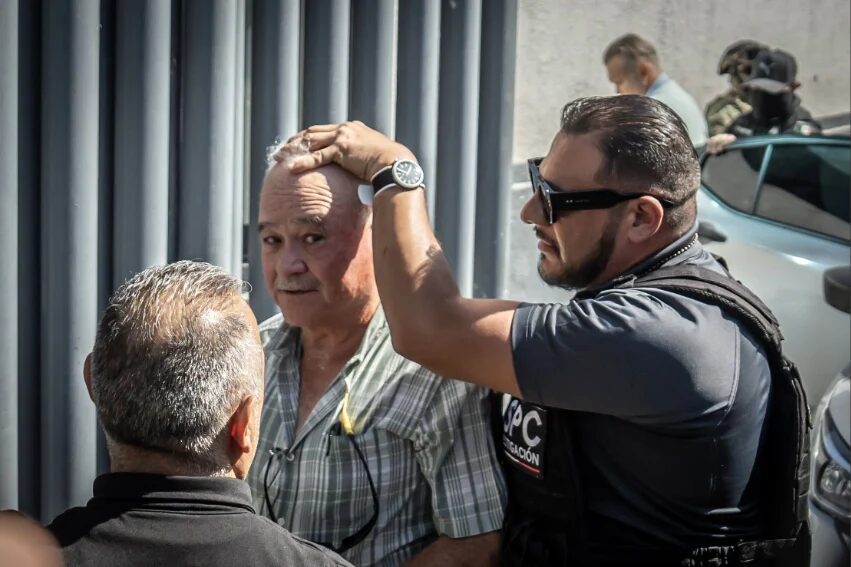
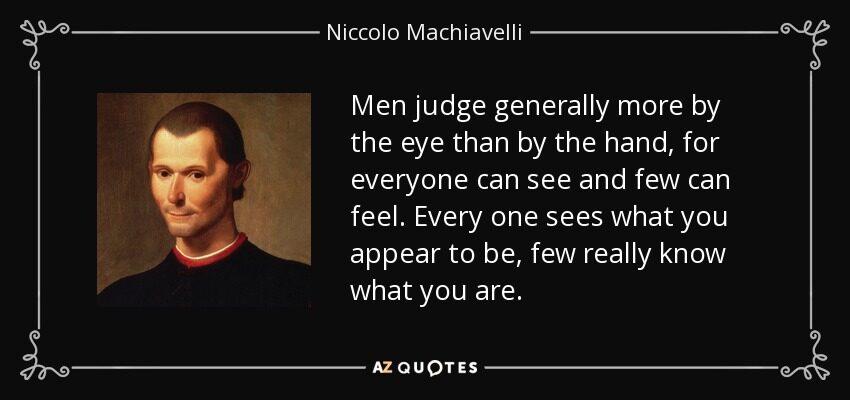
It is not necessarily about building a legally sound case. It is enough to fuel a controversy that can monopolize the headlines. While millions of people debate the case of a “famous PAN member” who has been detained, decisions of greater significance can be carried out almost entirely outside the public eye. Niccolò Machiavelli said, “Men generally judge more by their eyes than by their hands, because everyone can see, but few can touch.” This observation remains extraordinarily relevant. Politics is, to a large extent, a contest to define what people see.
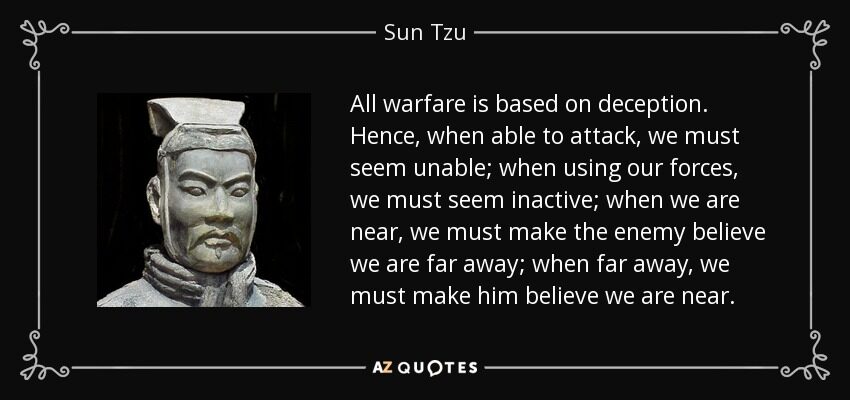
Sun Tzu developed the same principle from the perspective of military strategy. In The Art of War, he wrote that “all warfare is based on deception.” His purpose was to explain that victory depends on inducing the adversary (society, in this case) to misinterpret reality.
Today, the political battle plays out on television screens, digital platforms, and social media. There, a relentless competition is waged to dominate the public conversation. Ruffo’s arrest is intended to be constantly magnified to capture the nation’s media attention for days on end. It induces social blindness.
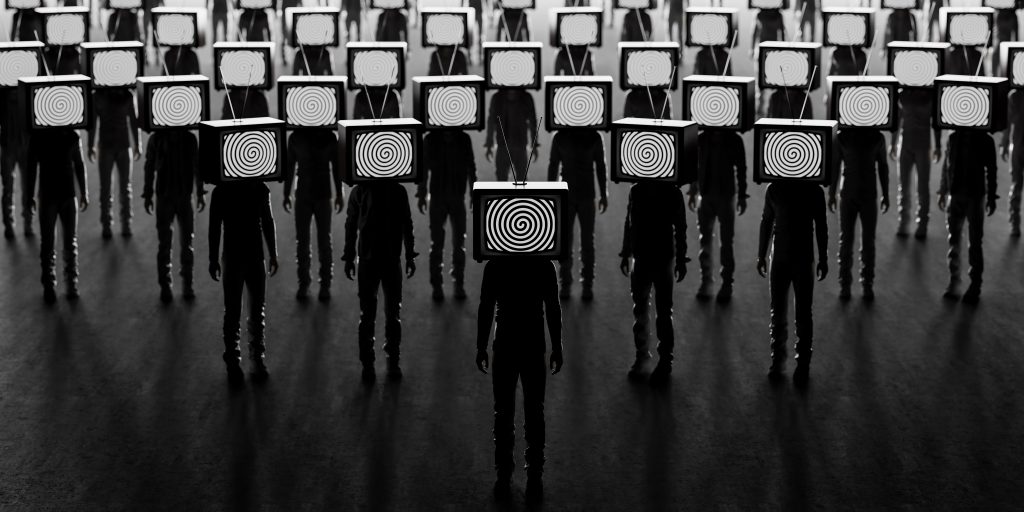
While this is happening, the government’s plan to cover up for and protect Rocha, the governor of Baja California, and other narco-politicians moves forward without public scrutiny. Trump’s invitation for Sheinbaum to attend the World Cup final fits her like a glove. There will be no boos there, and it serves as a “disguise of normality” to cover up her political project of gradually moving toward authoritarian control over the entire country.

Whoever manages to set the agenda inevitably shapes the public debate. Hence, the overwhelming effectiveness of the morning press conferences. The influence of social media has intensified this phenomenon. The relevant question is not whether a scandal exists, but rather what is happening behind the scenes. In contrast, a secondary scandal dominates the public conversation, diverting attention from the subversive actions of those in power.
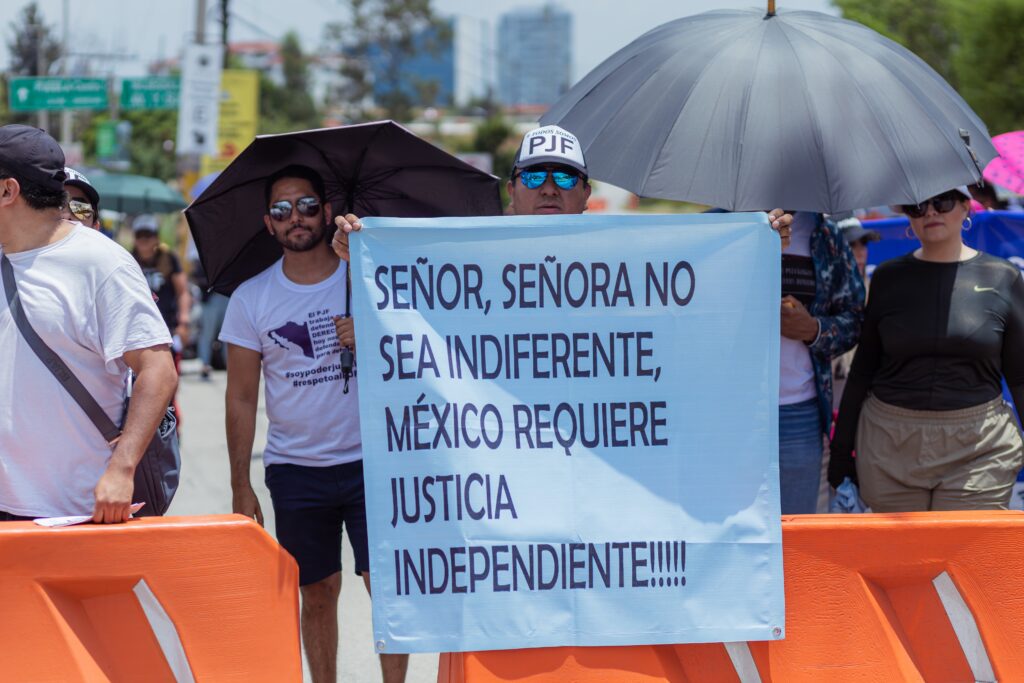
The art of distraction is not an isolated manipulation technique, but a manifestation of the exercise of power. Machiavelli understood the importance of appearances; Sun Tzu taught that strategic deception could decide a war before combat. Whoever controls the focus of the collective gaze holds a decisive advantage.

It is up to Mexican society, in its pursuit of democracy, to cultivate its critical capacity in the face of intensifying public scandals with hidden agendas. How should it resist when those in power seek to impose their narratives on society, concealing their true plans for control? The Ruffo case is clear: he serves as a distraction so that those in power can shield their leaders—who are openly narco-politicians—by protecting them and ensuring their safety from forces that could, directly or indirectly, destroy their movement. Those in power sense that their downfall is looming.

@rpascoep
Further Reading: