
Ricardo Pascoe Pierce
Another title for this article could be “The President Must Decide.” The issue at hand is the crossroads Mexico faces regarding its immediate future. The president has a momentous decision to make. The United States’ request to initiate extradition proceedings against former governor Rubén Rocha Moya places the president at the heart of the central dilemma of her term: to govern for Morena or to govern for Mexico?

Andrés Manuel López Obrador governed exclusively for Morena, not for Mexico. Proof of this is that he prioritized a strategy of confrontation and the social and political polarization of Mexican society. He fostered hatred as his preferred means of consolidating power and justifying the destruction of Mexico’s republican institutional framework. He governed the country by fostering division.
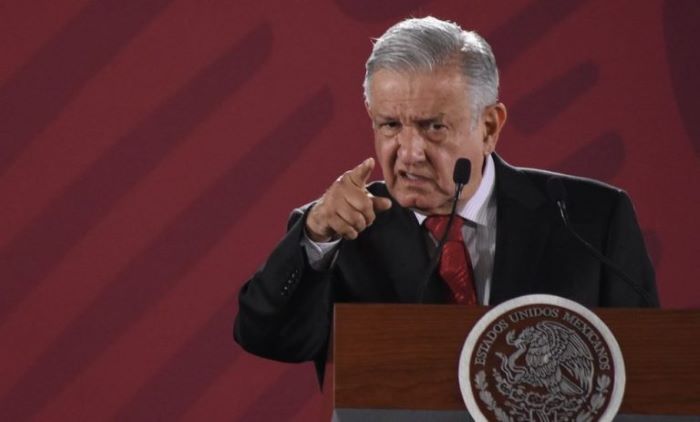
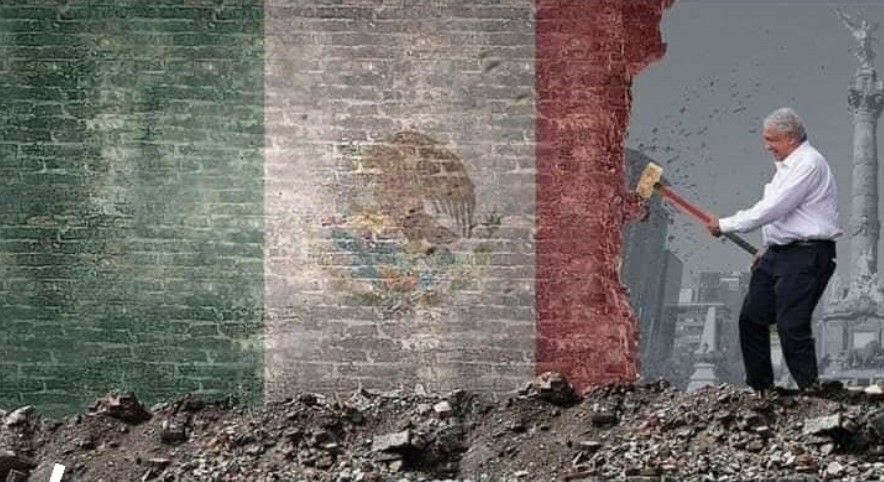
He built a power structure parallel to the Mexican state, with military might and economic strength, to advance the consolidation of a political project outside the constitutional order. Deals with drug cartels were a fundamental part of that new “constitutional order.” AMLO proposed the destruction of the foundations of Mexico’s republican way of life. But he had to do it on the sly: being essentially a perverse individual, such behavior came naturally to him.
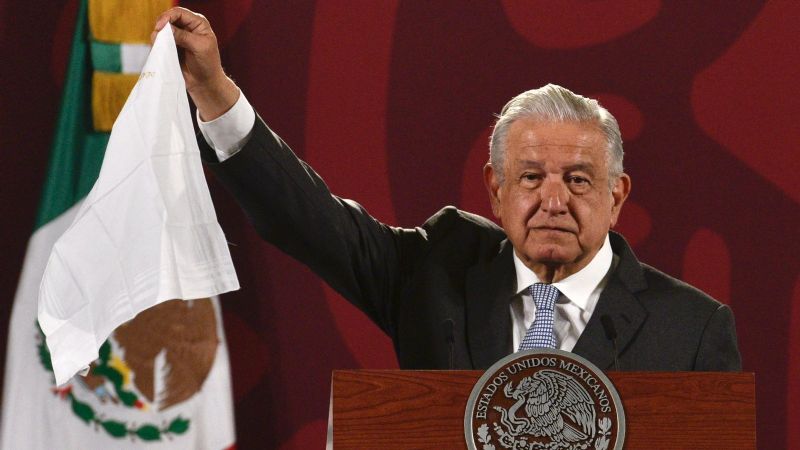
The plan he devised at the end of his six-year term defined Sheinbaum’s government program. He proposed taking over the Judiciary, infiltrating the National Electoral Institute (INE) and the Federal Electoral Tribunal (TEPJF), completing the dismantling of autonomous bodies, maintaining his priority projects—such as the Maya Train, the Dos Bocas refinery, and the AIFA—and consolidating the international alliance with the adversaries of the United States.
The president has strictly followed the program left to her by López Obrador. Even on security matters, Sheinbaum, in her partnership with García Harfuch, has focused on combating territorial crime rather than political or white-collar crime. Local leaders are taken down, but she takes care not to affect politicians and major businesspeople linked to criminal activities. She applies the “hugs, not bullets” policy with convenient nuances.
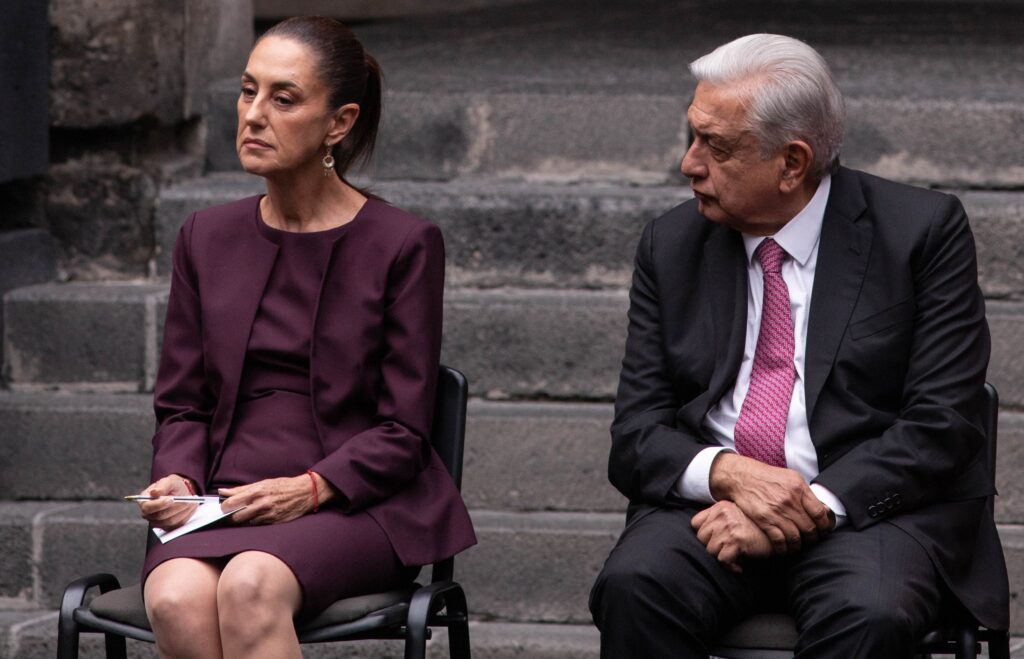
What stands out about her administration is that Sheinbaum relies on AMLO’s political power to govern. She has no political power of her own. She has borrowed bureaucratic power, having won an election that now, with recent revelations, appears to have been a victory tainted by the influence of organized crime.

So Sheinbaum reigns with borrowed political power and a predefined agenda. The points of López Obrador’s “Plan C” are the agenda that Sheinbaum is implementing. For that “agenda” to succeed, Sheinbaum is also compelled to govern as AMLO did: for Morena, not for Mexico.
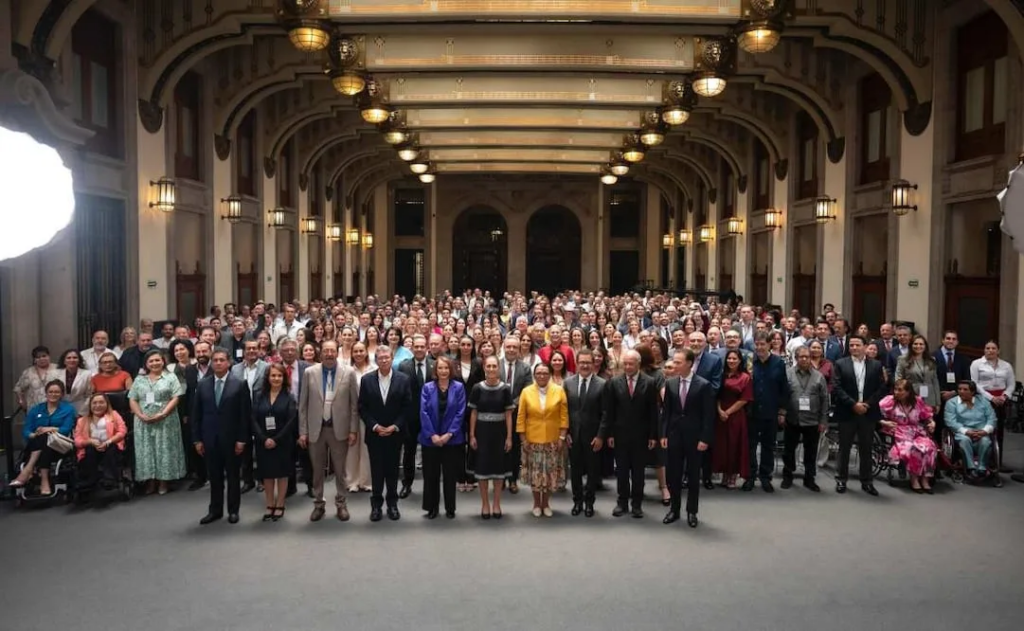
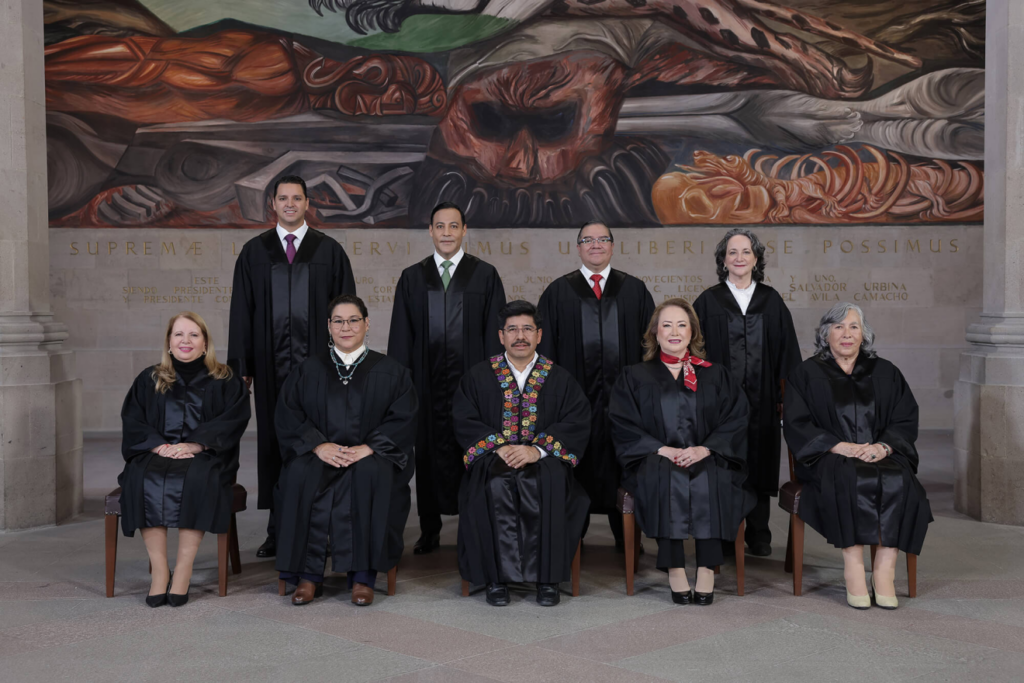
And that is what Sheinbaum has done so far. She has been faithful to the original mandate. She used the cheat sheets to gain absolute control over the election of the Supreme Court of Justice of the Nation. All its members are loyal to a single party: Morena. Not even the Political Constitution of the United Mexican States. They are loyal to the party and the voice that commands: what is not known for certain is whether that voice belongs to the National Palace or to Palenque.
She colonized the INE, with supporters distributed among the various factions, and placed one of her own as president.
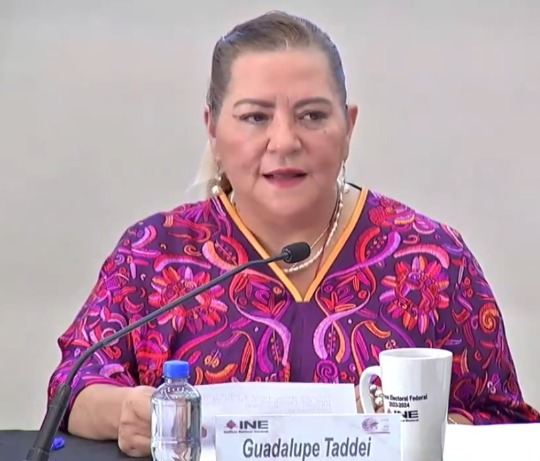
The other two answer to other voices and mandates. The president’s representative is a bad joke, but he defends the National Palace’s colors. She ended up eliminating any hint of independent oversight and accountability. She integrated the functions of autonomous bodies into official offices that are administratively subordinate to higher-ups who ultimately answer to the president. The flow of information leaving public offices in response to citizen requests has been reduced by 80%.
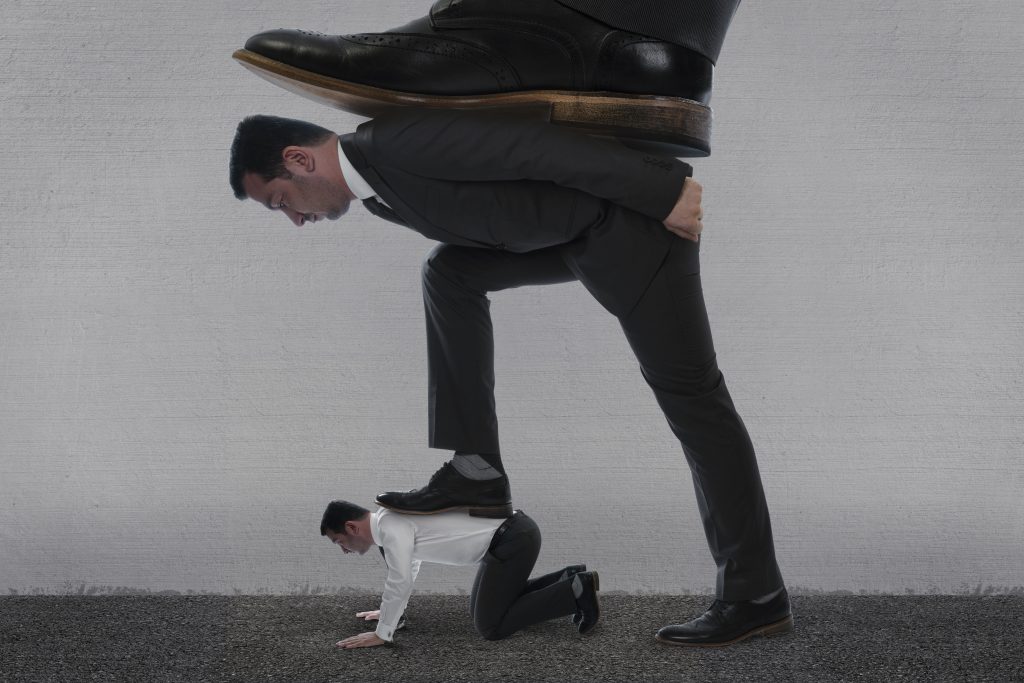
In the political arena and in foreign policy, she has fully embraced the policy of allying with Washington’s adversaries, except for one significant situation. She has refused to meet with Trump at the White House. AMLO met with him and urged Mexican-Americans to vote for him in the presidential election.
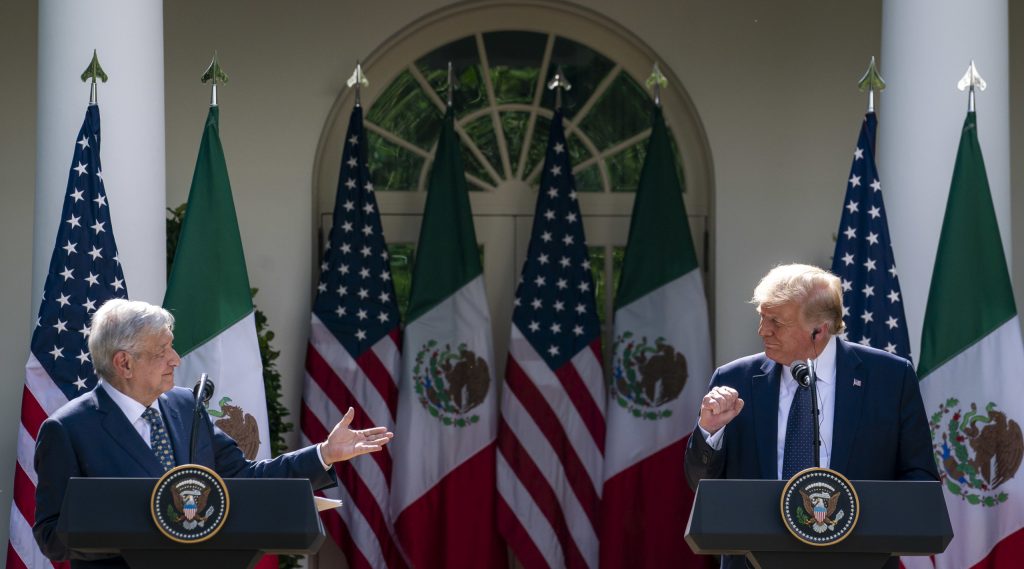
Since Sheinbaum has refused to meet with him, Trump says she is afraid, although he qualifies his comment by saying that Sheinbaum is afraid of drug trafficking. But it is more likely that Sheinbaum faces several phobias that cause her fear: Trump, AMLO, Morena, the opposition, and drug trafficking.
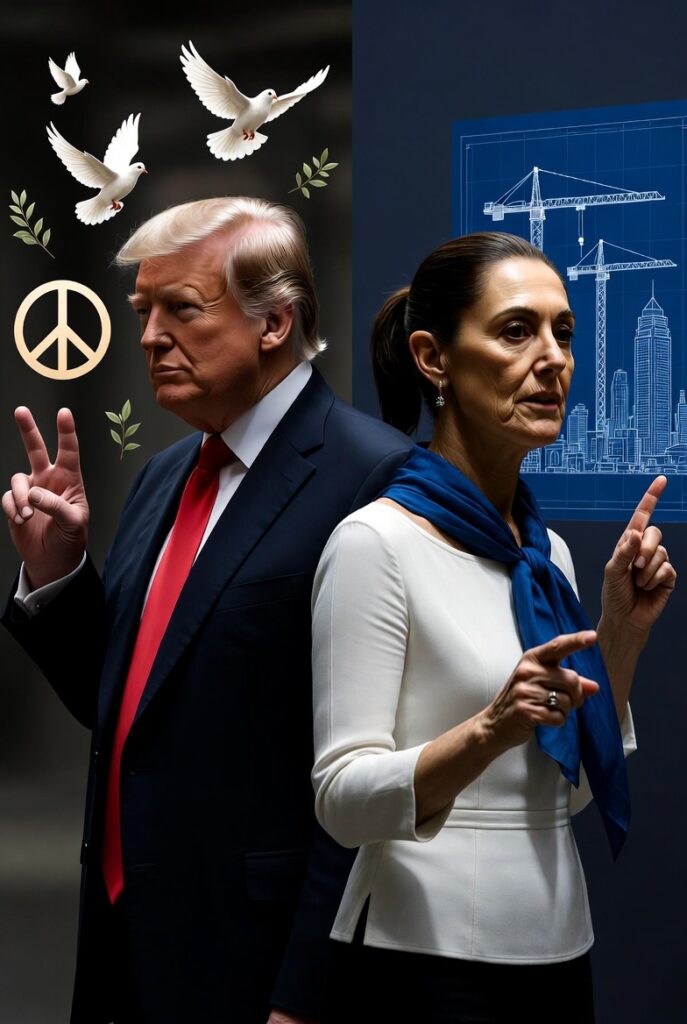
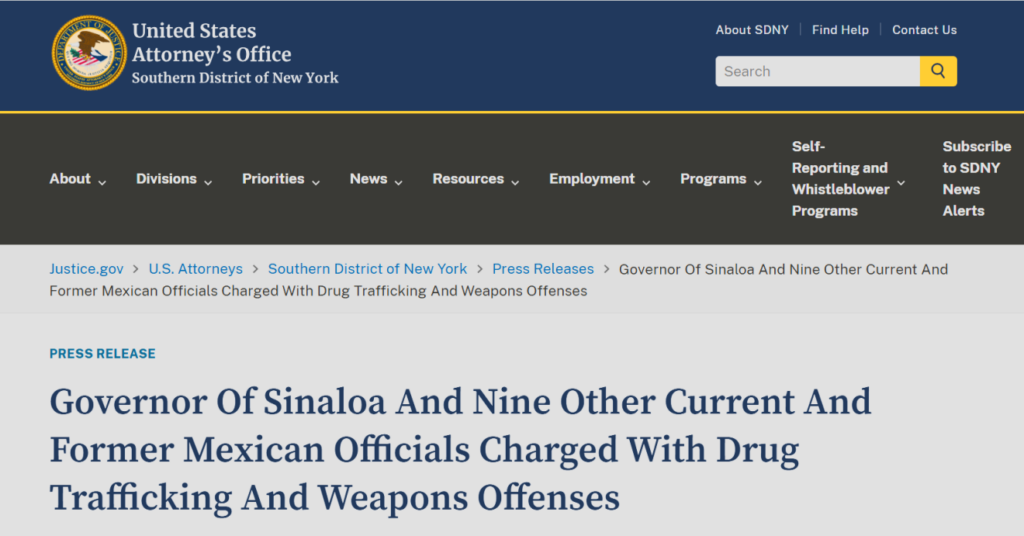
All of the above took place before the indictments against Governor Rocha and his partners in crime. Now everything has changed. Sheinbaum’s administration and the Morena party are on a legal path to being defined as “narco-terrorists,” according to the categorization unilaterally made by the U.S. justice system. Sheinbaum’s refusal to proceed with Rocha’s extradition under the bilateral extradition treaty between Mexico and the United States has put the two governments on a collision course. She refuses to detain Rocha and his associates to assess the feasibility of their extradition, citing legalistic and nationalist arguments that do not fit the current historical moment in the relationship. Invoking “sovereignty” given the high levels of economic, social, and cultural integration seems nonsensical. It highlights the strained relationship between two leaders who no longer communicate effectively.
Given the current tension and level of conflict, the appropriate course of action would be for Sheinbaum to travel immediately to Washington to resolve the situation through dialogue and by offering viable options to address the severe disconnect. But she won’t do it because she doesn’t want to commit to anything with Trump.
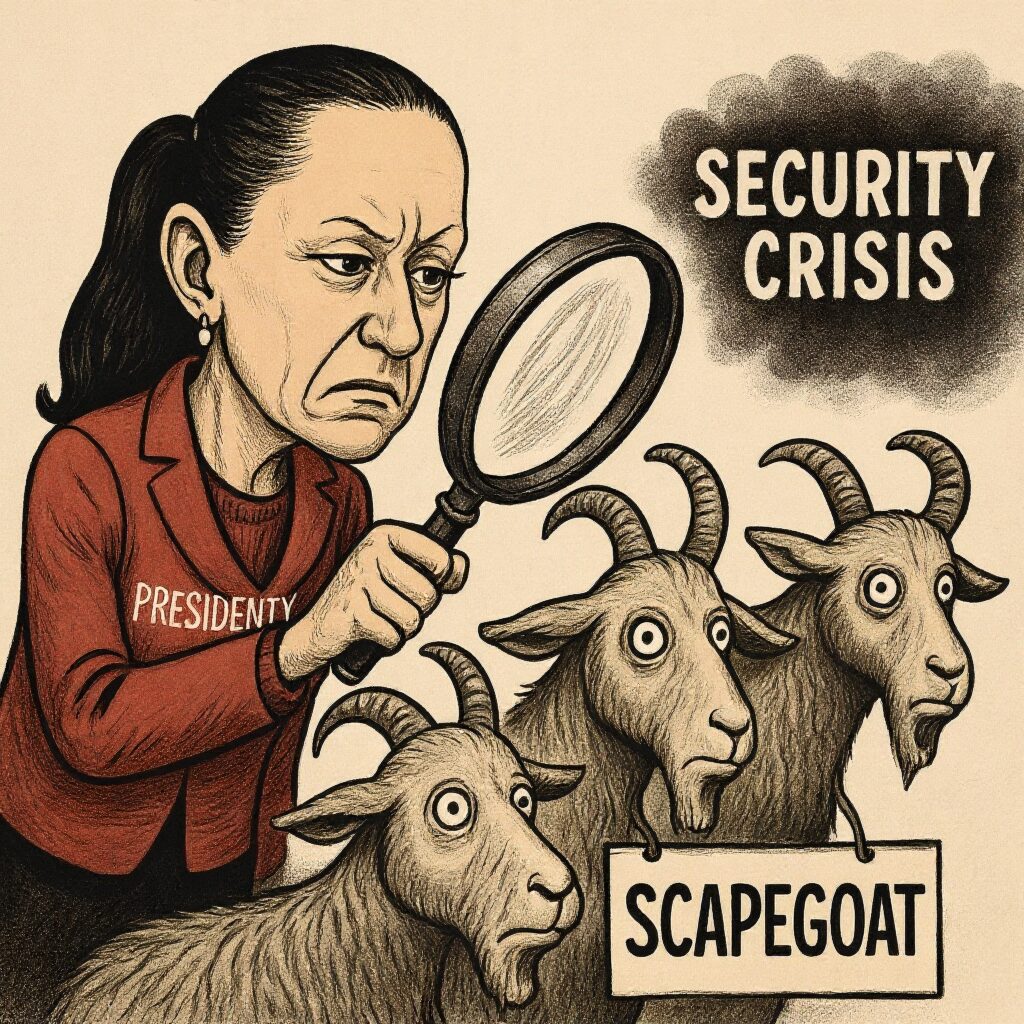
The president appears increasingly unhinged and out of control in her public conduct. It is reported that her private behavior is even more striking in its unhinged nature. What she has done is adopt AMLO’s most ruthless tactics in her dealings with different sectors of Mexicans. She personally criticizes journalists with mockery, sarcasm, and the disclosure of their personal information.
She launches a ministerial investigation by the Attorney General’s Office (FGR) against an opposition governor, while treating her governor on leave from Sinaloa with kid gloves. She announces an international conspiracy against her government and responds with a law to annul elections when they are unfavorable to her. And she considers anyone who dares to criticize her government a traitor to the nation and, consequently, legally punishable. Basically, she is trying to criminalize anti-government criticism.
The legislative measures have a single purpose: to intimidate society so it does not act against her.

Underlying the president’s radicalization and her rhetoric is the fear that Morena could suffer a significant setback in the upcoming elections. The U.S. legal action against Rocha has deeply affected the national mood. It has reinforced the public perception that, indeed, the Morena government is in a collusive relationship with drug trafficking and either does not want to do anything, or cannot do anything, to disassociate itself from that conspiracy. The cries of “narco-president” or “narco-government” are striking the movement deeply, like an arrow to the heart.
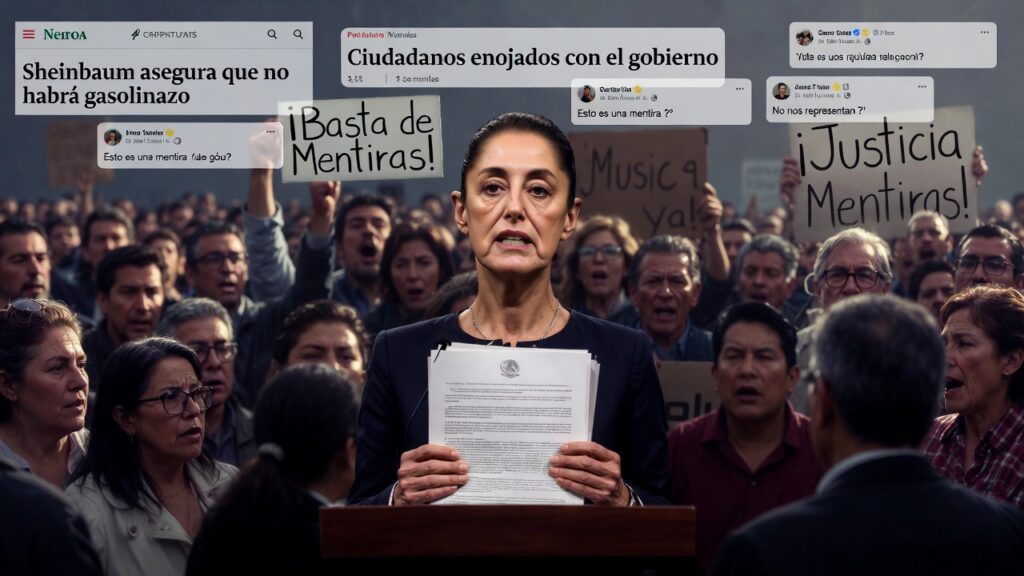
In the polls, the president is in free fall, and Morena is faring even worse. They deny it officially, but they know the truth. Hence, their desperation to create conditions to legally annul elections if necessary. Morena is beginning to glimpse the possibility of a severe punitive vote from the public.
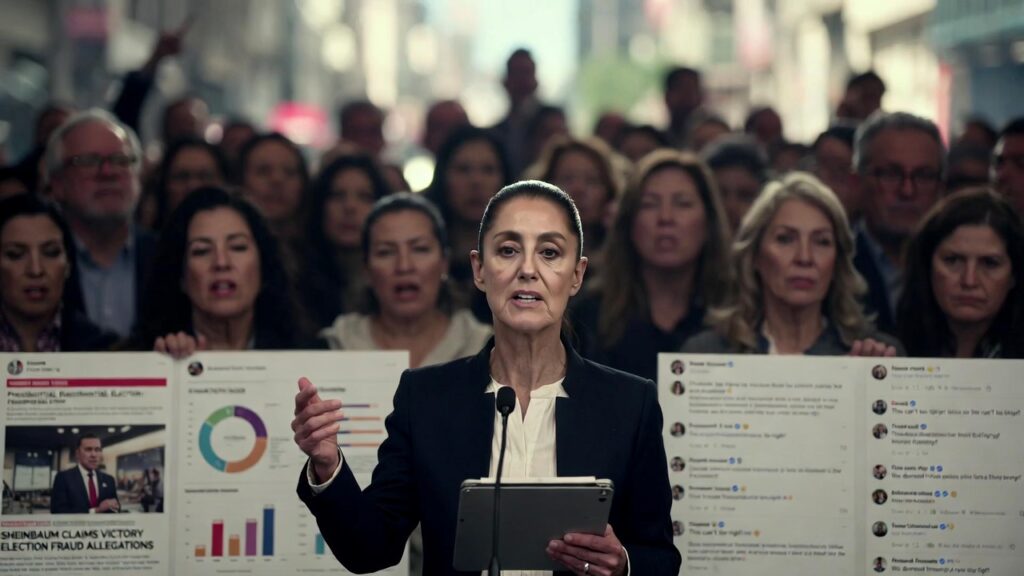
Faced with the specter of more indictments against Morena leaders and officials, their fear is well-founded, especially given the fact that hurts but is true. A majority of Mexicans believe that when there is an indictment from the United States, it is because the accusation has a high probability of being true. That certainty stems from the fact that the Mexican government itself constantly extradites criminals to the United States, as was the case with the latest batch of 37 prisoners expelled en masse to the United States, bringing the total to 92 extradited so far during this six-year term. Why, people wonder, should Rocha’s case be any different? Especially when two of the defendants have already turned themselves in to U.S. authorities. The government has fallen into its own trap.
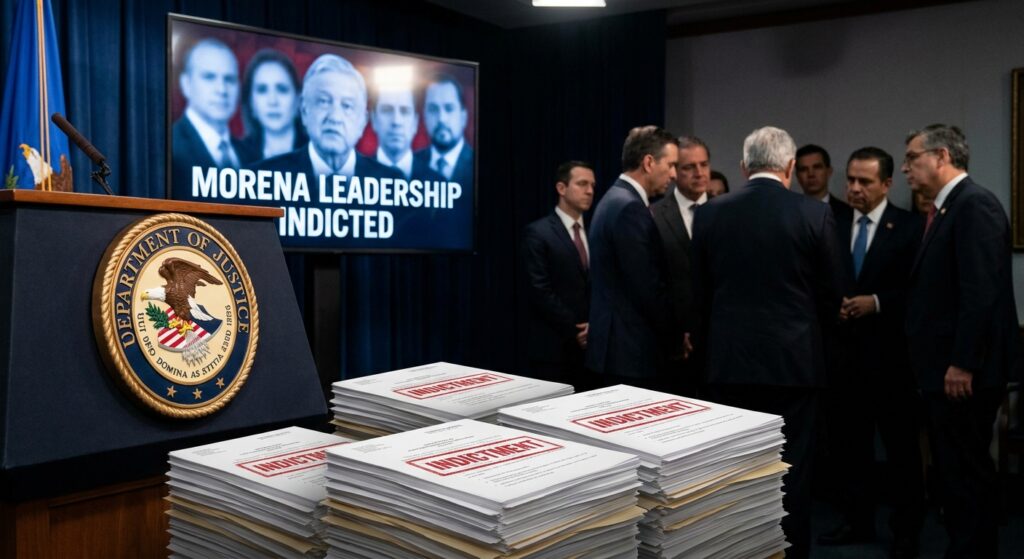
The president refuses to hand Rocha over to the United States. How long can she withstand the pressure from both the outside and the inside? From within, the pressure is social, coming from a society that judges Rocha to be guilty, while from outside it comes from a government that claims to have evidence of his guilt.
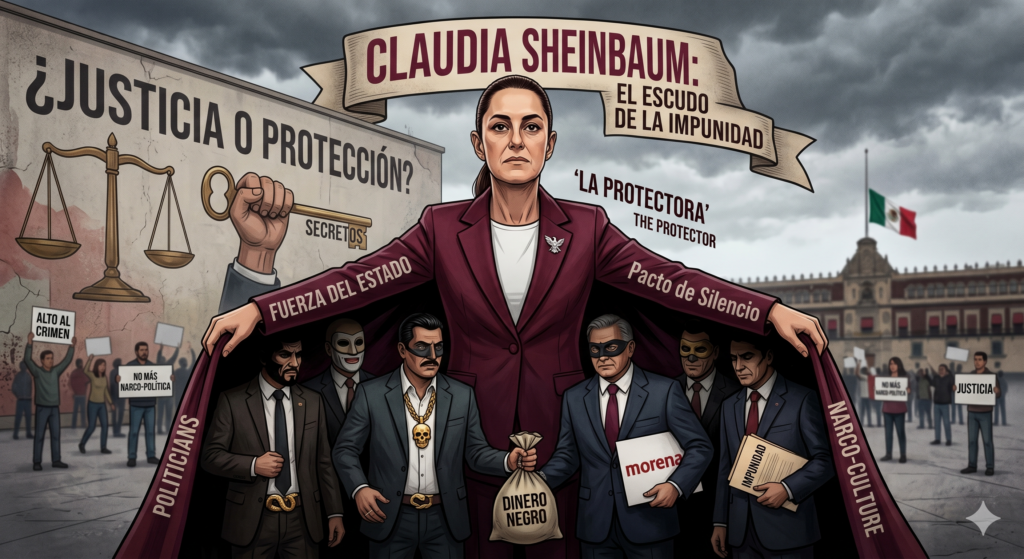
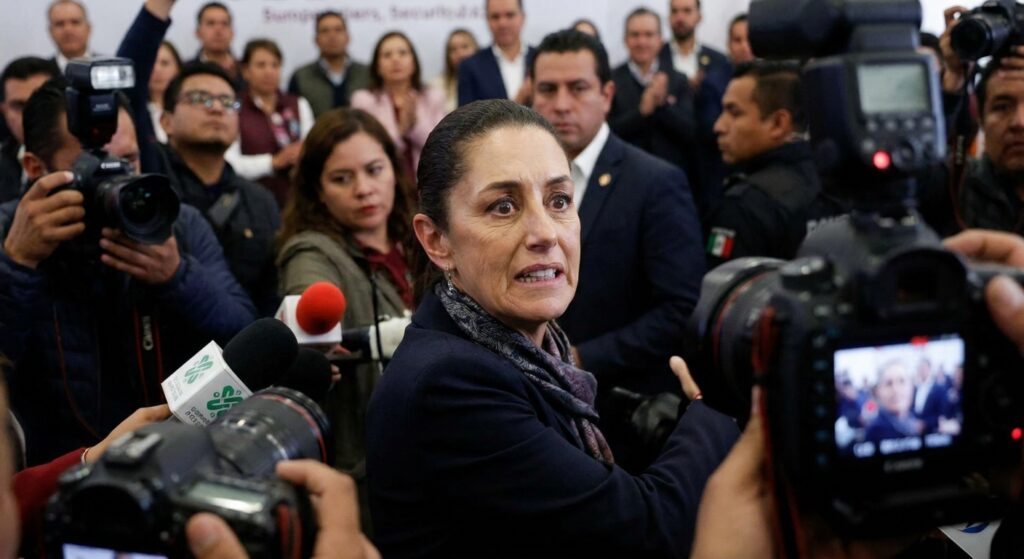
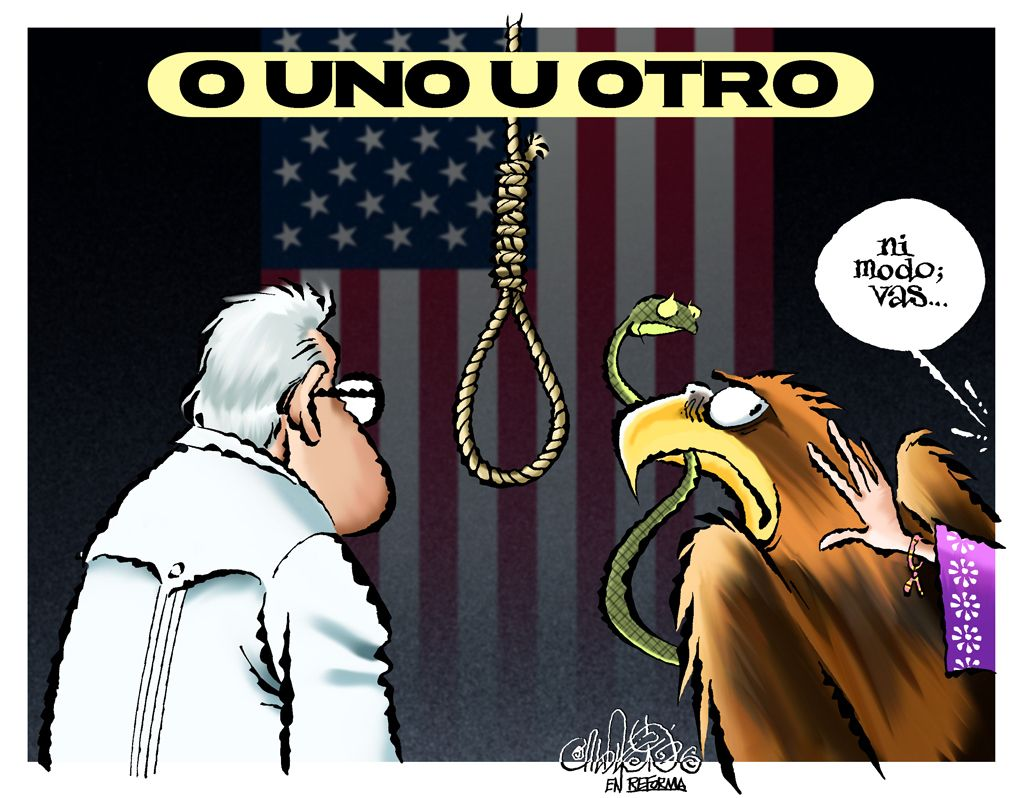
The president’s dilemma lies at this crossroads. Defending Rocha means protecting AMLO and his deals with organized crime. Extraditing Rocha to U.S. courts is a way to show Mexican society that she is committed to rooting out organized crime from national life. But breaking with AMLO means dividing the movement. The look of terror on her face during her morning press conference is because she cannot decide whose side she is on: AMLO’s or Mexican society’s?
@rpascoep
Further Reading: