

Ricardo Pascoe Pierce
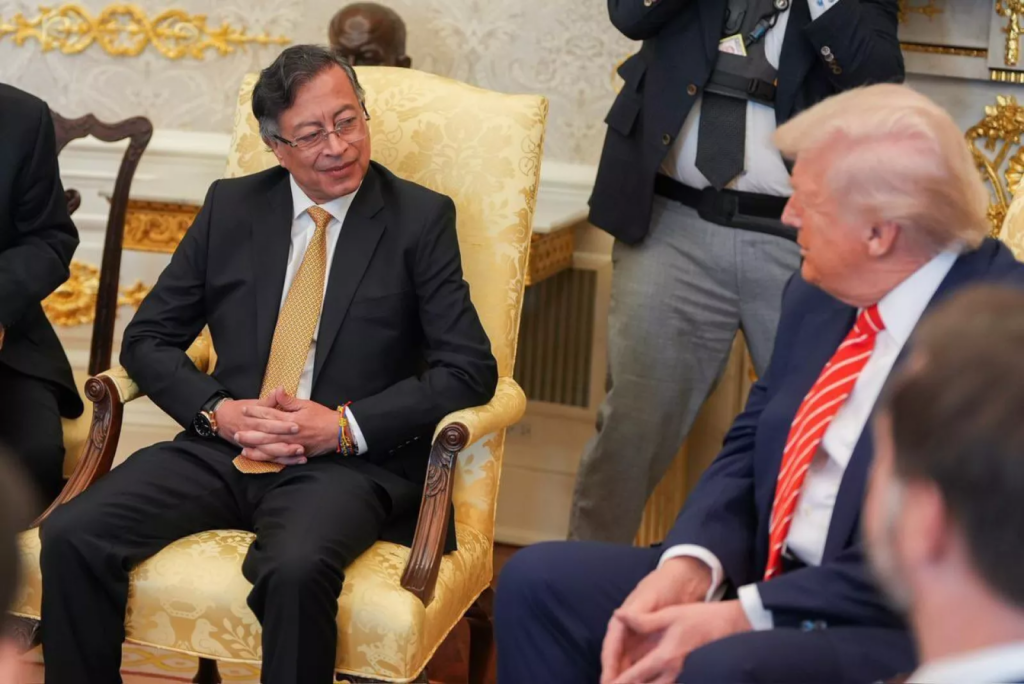
Trump accused Gustavo Petro, the president of Colombia, of protecting drug traffickers. Petro flatly denied it and went to Washington to speak with the president of the United States. They looked each other in the eye and said what needed to be said. According to Petro, they had a very good conversation.
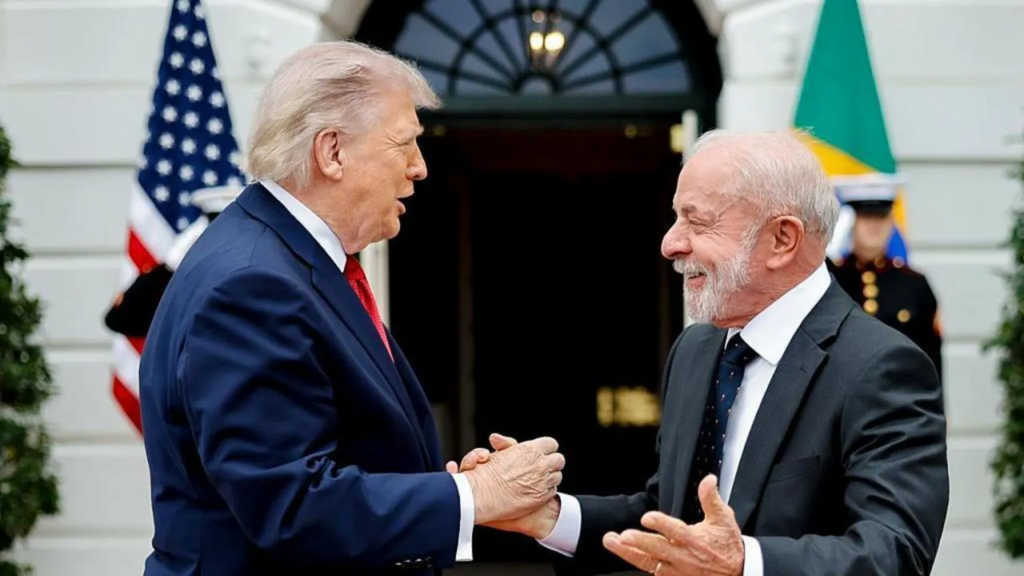
Lula, the president of Brazil, has traveled to Washington twice, both times amid accusations from Trump. The second visit was this week, following threats from the United States questioning Brazil’s policies. There is no substitute for direct engagement: leaders look each other in the eye and say what needs to be said.
Neither Colombia nor Brazil has faced the number of threats or direct actions on their territory that Mexico has faced from the Trump administration. Not even close. But President Claudia Sheinbaum has not gone to Washington. She has not taken that decisive step: looking Trump in the eye and asserting what needs to be defended, explained, and reasoned.
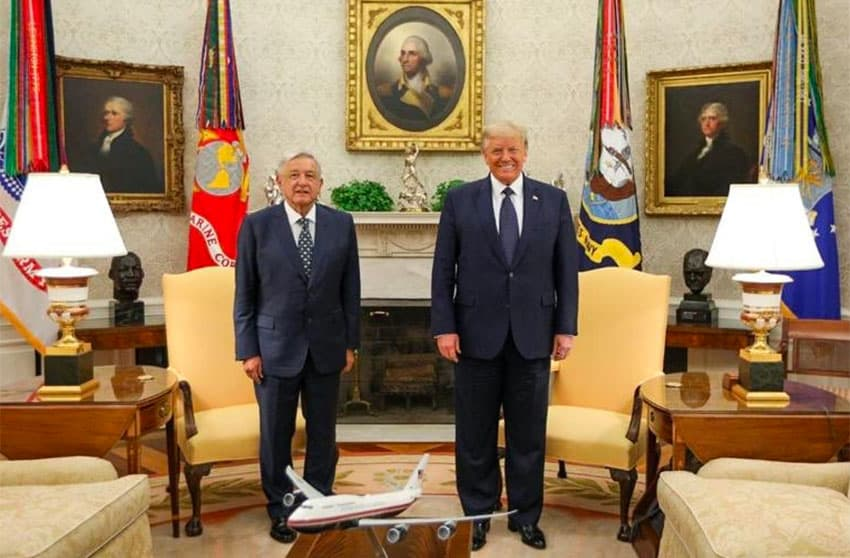
The last six Mexican presidents, including López Obrador, have traveled to Washington, usually at the start of their respective terms, to establish something absolutely crucial in diplomacy: personal rapport, understanding the other’s thoughts, ideas, and proposals firsthand. It is not a social visit. It is a political outreach to know who is on the other end of the line, so that the other party understands Mexico’s thinking and proposals. It is looking each other in the eye to confirm trust, even in conflict.
Typically, Mexico’s president-elect or incumbent first visits countries in the Latin American region—and, depending on specific political circumstances, the most important ones: Argentina, Brazil, Chile, Colombia, and perhaps the Dominican Republic in the Caribbean—then travels to the United States. That order of priority holds particular importance for Mexico. It reinforces the notion that we were the hinge between two worlds.
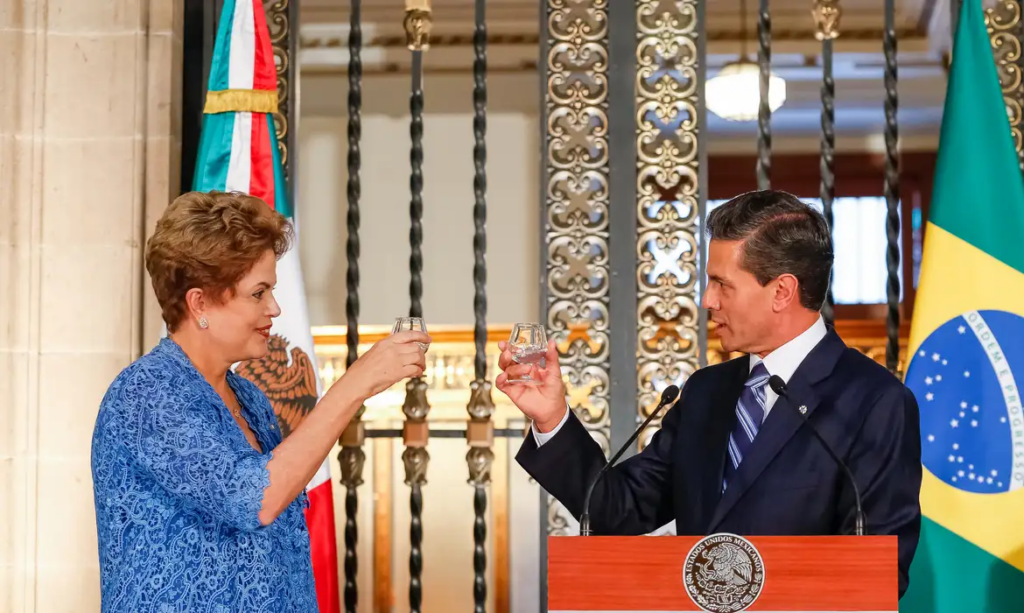
That role as an intermediary was strengthened as Mexico made institutional progress toward becoming a functional democracy, confident that state institutions, along with autonomous bodies and a powerful electoral oversight body, were its best calling card.
Everything changed when Morena came to power. The president’s recent meeting with legislators from her coalition is the very symbol of what Mexico is today under the so-called 4T. It’s good that she meets with her legislators. The problem with Mexico governed by that coalition is that it has never met with the opposition. Never. Neither she nor her predecessor, López Obrador. As a system of government, it does not speak with those who think differently. Moreover, they have come to consider that thinking differently is “treason.” For Morena, opponents are not rivals, but enemies who must be eliminated.

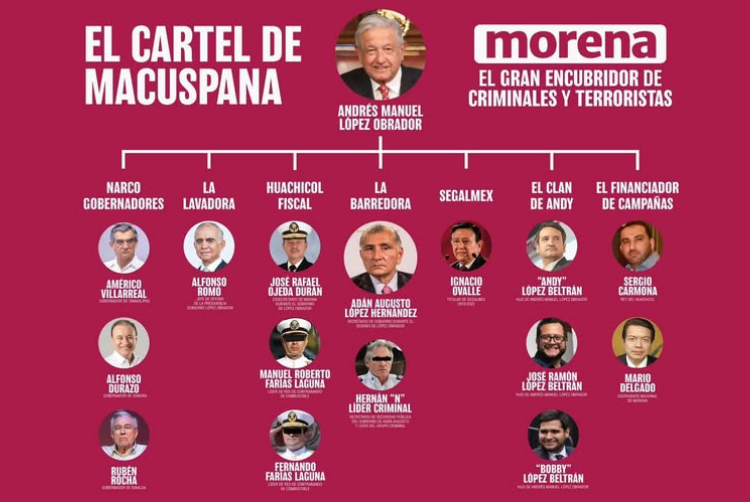
Morena and its leaders do not speak with anyone who is not on their side or in their interest. They speak with businesspeople who do not criticize them harshly because they want their money. They speak with other countries because they want their investors to come. And they speak with drug trafficking leaders because they have common interests: Morena wants them as “vote promoters,” and the drug cartels want Morena in government to secure their business routes. They end up sharing the actual exercise of power.

The strategy of speaking with Trump by phone to appease his pressure is seen as a necessary political task. Sheinbaum believes that speaking with him by phone whenever necessary will allow her to control, modulate, and even eventually steer the pressure coming from the North.
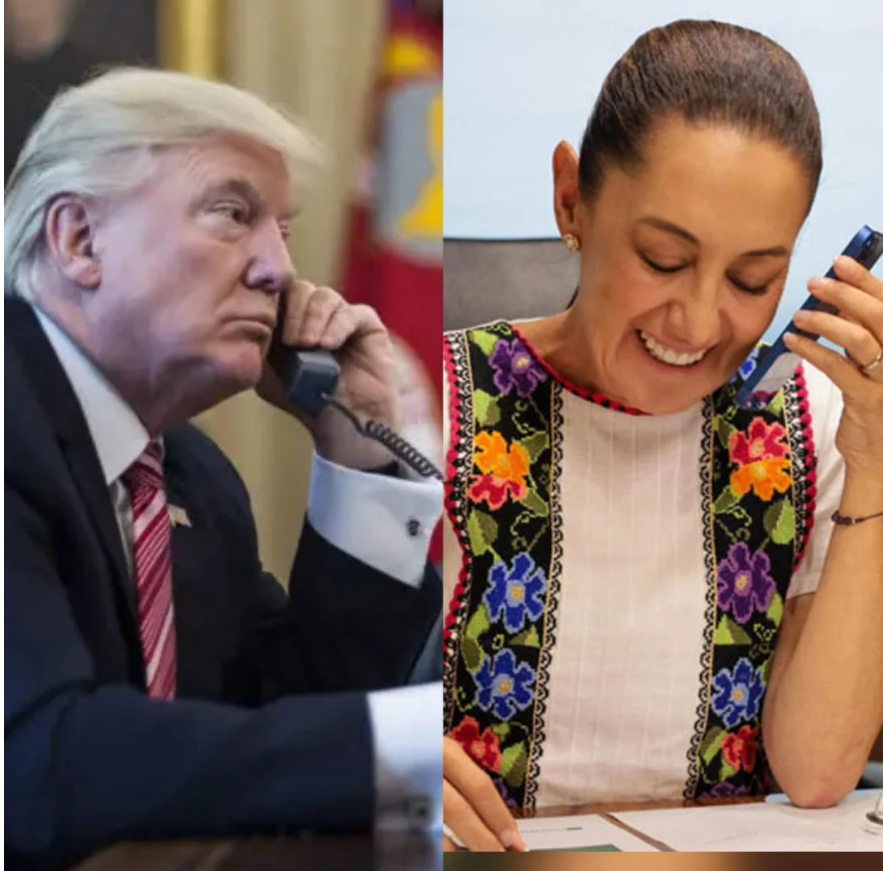
What is the red line she cannot cross? Given the situation created after the indictment against Rocha Moya and nine other officials, Sheinbaum is not in a political position to hand over the movement’s leaders to U.S. justice. If she had traveled before the indictment, she could still have looked Trump in the eye. Today, she can no longer do so.
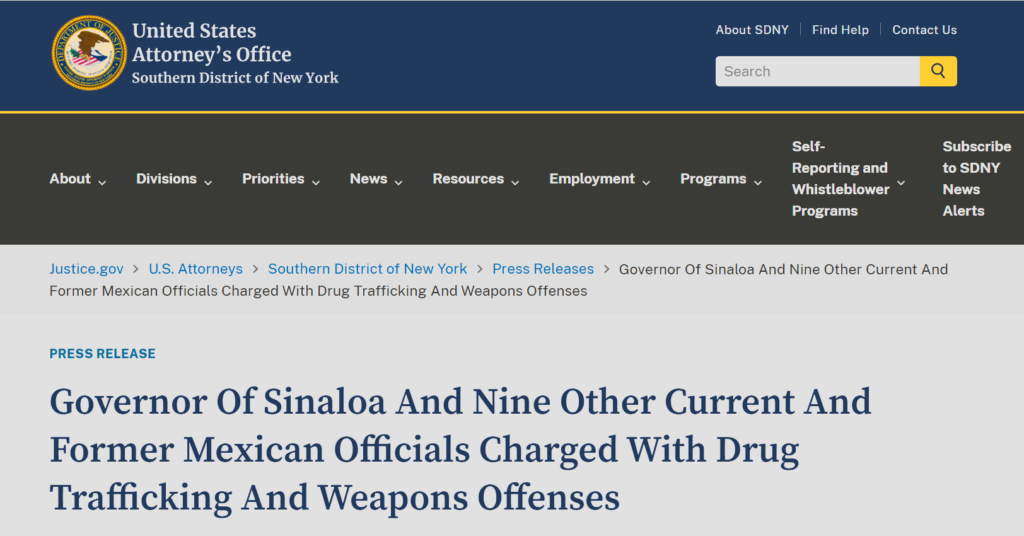
To resist the present and future effects of this indictment and others to come, Sheinbaum has promoted the radicalization of the debate within Mexico and, consequently, polarization. The attacks on Isabel Díaz Ayuso’s presence in Mexico, the president of the Community of Madrid, are the stuff of a laboratory study of the fanaticism provoked by the president’s anti-foreigner rhetoric. The words sovereignty, homeland, treason, capitulation, conservative right, and hateful now echo every day during the morning press conference. The decision was made to radicalize the debate and discussion for the benefit and agitation of his increasingly dwindling congregation of followers. This was AMLO’s instruction to Sheinbaum during their non-meeting in Palenque.
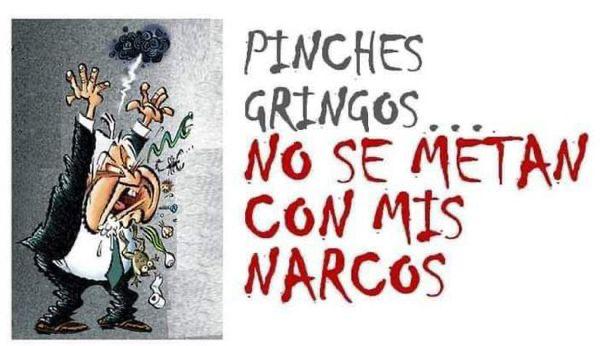
It frames the debate in terms of defending national sovereignty. It poses the supposed dilemma between sovereignty and subservience. But she fails to explain why defending drug traffickers within Morena is also defending the nation’s sovereignty. She doesn’t explain it, since her fundamental line of defense lies in upholding what allowed them to come to power. What is at stake for Morena is its continued hold on power.
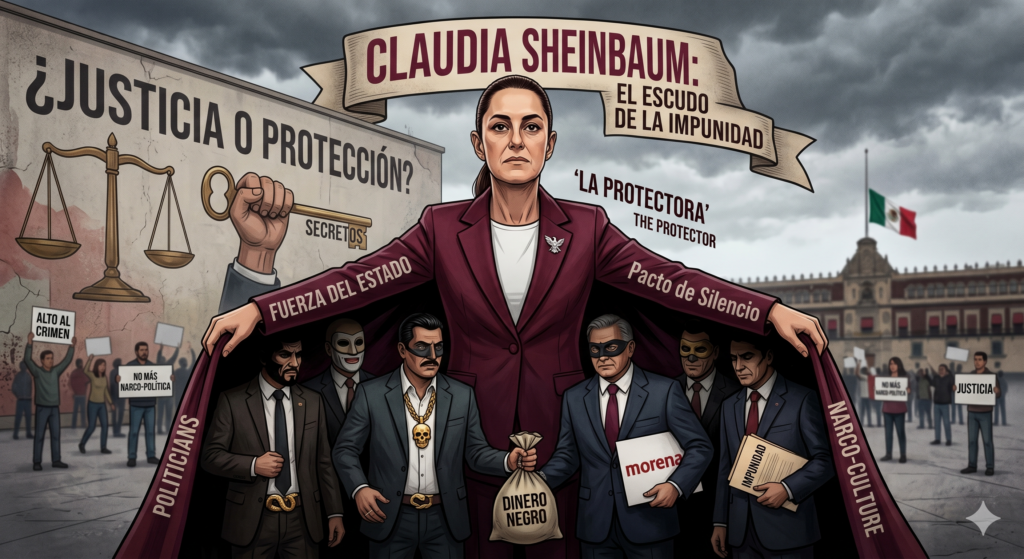
The recent Reforma poll found that 57% of Mexicans believe Rocha should be extradited. 63% believe he has ties to drug trafficking. 55% believe the Mexican government is incapable of conducting an impartial investigation. And to top it off (because, according to Morena, this means Mexico is full of traitors), 50% trust the U.S. justice system more than the Mexican one, which has only 33% support.
While the president and her party are becoming more radical, the country obviously thinks differently. The erosion and discredit resulting from Morena’s corruption, coupled with its impressive armor of hypocrisy, are eroding its political armor. Every day, there is less conviction in the cause that gave rise to Morena.

But their sectarianism has infected the country. And it helps explain why Sheinbaum has not traveled to Washington because radicalism infects their own social base of support, which rejects any hint of “conciliatory” gestures toward Washington.

Perhaps at first she did not travel because she did not want to appear “eager.” She likely reasoned it out politically. Later, it seemed that the 16+ phone calls were sufficient “while” the situation stabilizes. Did she not reflect, when she learned of Lula and Pedro’s trips, that perhaps there were more fundamental reasons that would justify a trip to Washington? There may have been a veto against her traveling to Washington.

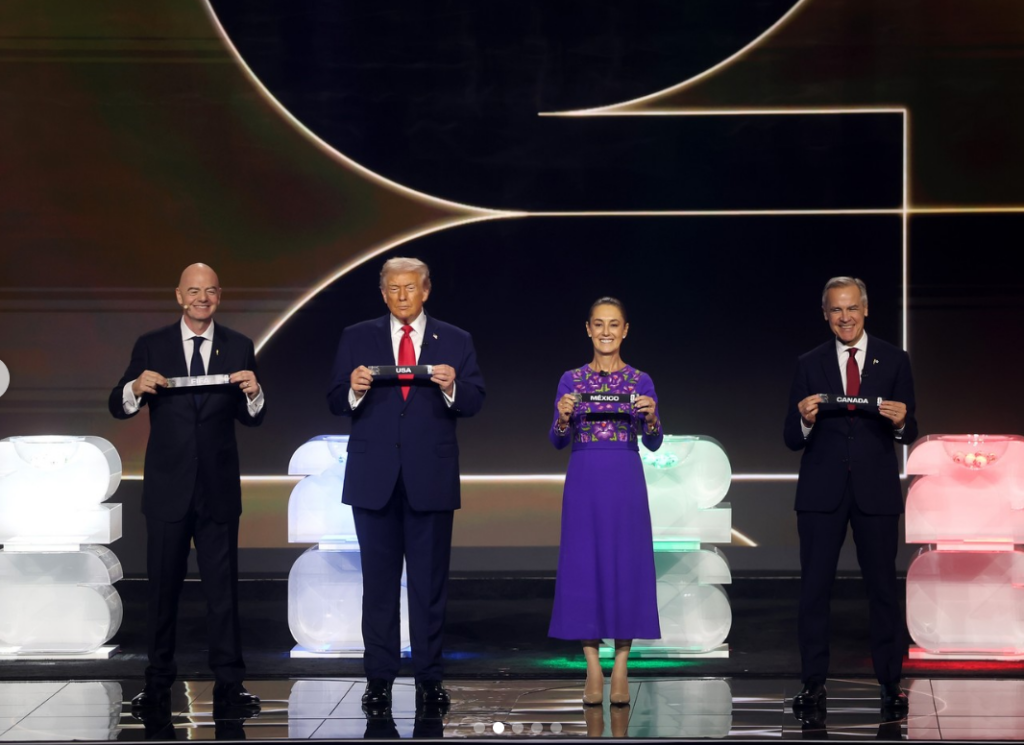
But given her reluctance to meet with Trump in person, and even her evasiveness during the brief three-way meeting with FIFA in Washington, the U.S. government began sending increasingly strident messages.
It is difficult to imagine the amount of information the United States possesses regarding the links between Morena leaders and drug trafficking following its interrogations of the Chapitos and Mayo Zambada. In any case, enough to put half of Morena in jail—but in the United States.
The president has intensified her own rhetoric on interventionism, sovereignty, and the existence of traitors in Mexico who are eager for foreign intervention. Following the persecution and attacks on Maru Campos, governor of Chihuahua, for having accepted CIA support in her fight against organized crime and the death of two of her officers—and without receiving even the slightest sign of empathy from the Mexican president—it is impossible to imagine a fruitful meeting in the Oval Office between Sheinbaum and Trump. What would Sheinbaum discuss with Trump, following Rocha’s indictment and her refusal to hand him over to U.S. justice? Will she defend the Cuban dictatorship?

Petro said he resolved his differences with Trump. Lula said they even discussed Cuba, and Trump confirmed he has no plans to invade the island. If the conditions and fortitude are there, dialogue is possible. Without fortitude and with an addiction to radicalism, it’s better not to even go near Washington. When a dialogue promises to destroy more than it builds, it obviously makes no sense to hold it. It is terrible what this reveals about the reality of the Mexico-U.S. relationship. The next step is the precipice.

Morena would now see a meeting between Sheinbaum and Trump as a betrayal of the homeland. To go to Washington, she would have to renounce her rhetoric and repudiate the wild and feverish verbal barrages from Morena’s “president,” Ariadna Montiel, against anything that smacks of “betrayal and U.S. intervention in Mexico.”

Mexico has lost its traditional calm, restraint, and objectivity. Today, it is no longer a useful factor in resolving regional conflicts. Mexico is, in itself, yet another conflict. So much so that its President does not dare to go to Washington.
@rpascoep
Further Reading: