Ricardo Pascoe Pierce
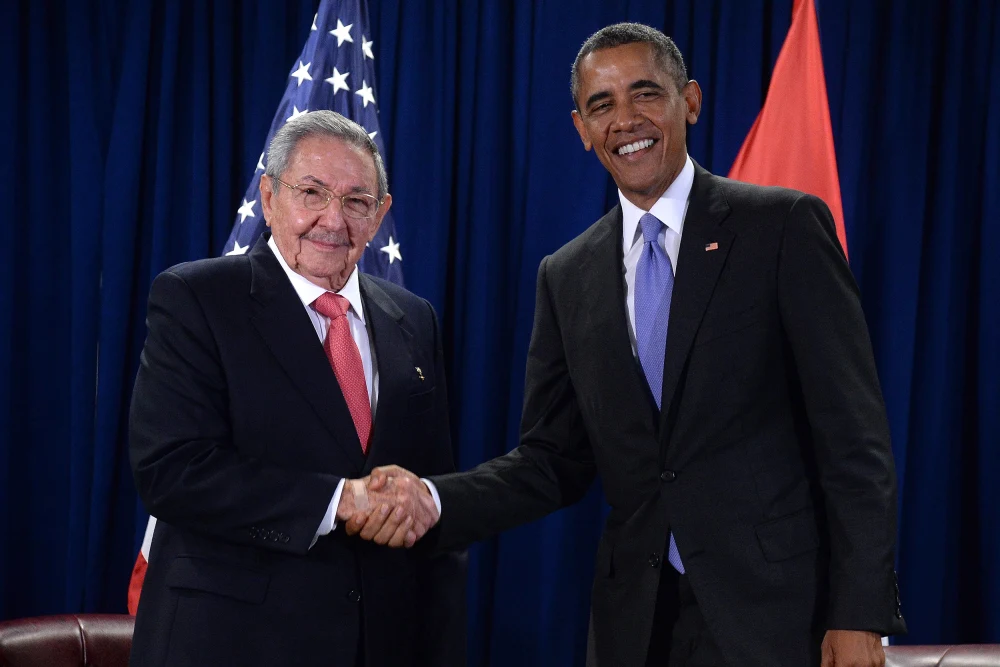
Ten years ago, in 2016, Raúl and Alejandro Castro quietly reached a favorable agreement with President Obama. Essentially, the agreement called for adopting the “Vietnamese model,” but this time in Cuba. It involved a market economy alongside the continuation of the single-party political system: the Communist Party. The leadership of the Communist Party of Vietnam endorsed the agreement between the United States and Cuba. It even proposed that Cuba join the Trans-Pacific Partnership that Obama had promoted and of which Vietnam was a part.
Fidel rejected the agreement, stating that Cuba “did not need anyone’s help.” Of course, Fidel’s statement was a lie: revolutionary Cuba has always depended on foreign powers to survive. First, Cuba relied on the USSR for money, technical, and military support from 1960 to 1991 (31 years). After the most difficult moments of the Special Period, Cuba received money and oil from Venezuela from 1999 to 2026 (27 years).
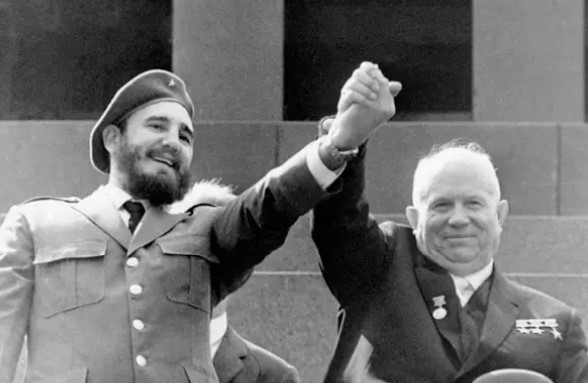
Cuba has always depended on foreign patronage of one kind or another, having lived for centuries as a Spanish colony and later as a constitutional protectorate of the United States, from its independence until the Revolution.
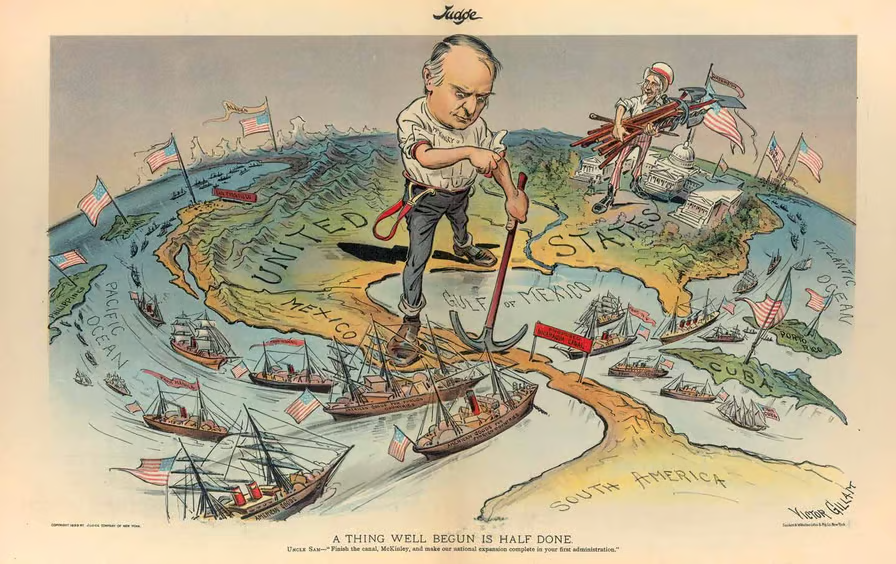
One could say that the only period of “absolute freedom” has been from the fall of Maduro until today: just a few months. Today, no one exercises patronage over Cuba. And the reason is plain to see: it is an insolvent country incapable of the self-sustainability that Fidel had touted. Cuba is on the brink of collapse, regardless of the current U.S. energy blockade. Cuba’s economic problems are age-old. When resources were available, they never improved the island’s electricity system, much less created their own industries and economic capabilities. It was easier to live off foreign patronage than to strive to create large-scale industries of their own to compete in the global market and to be truly self-sufficient.
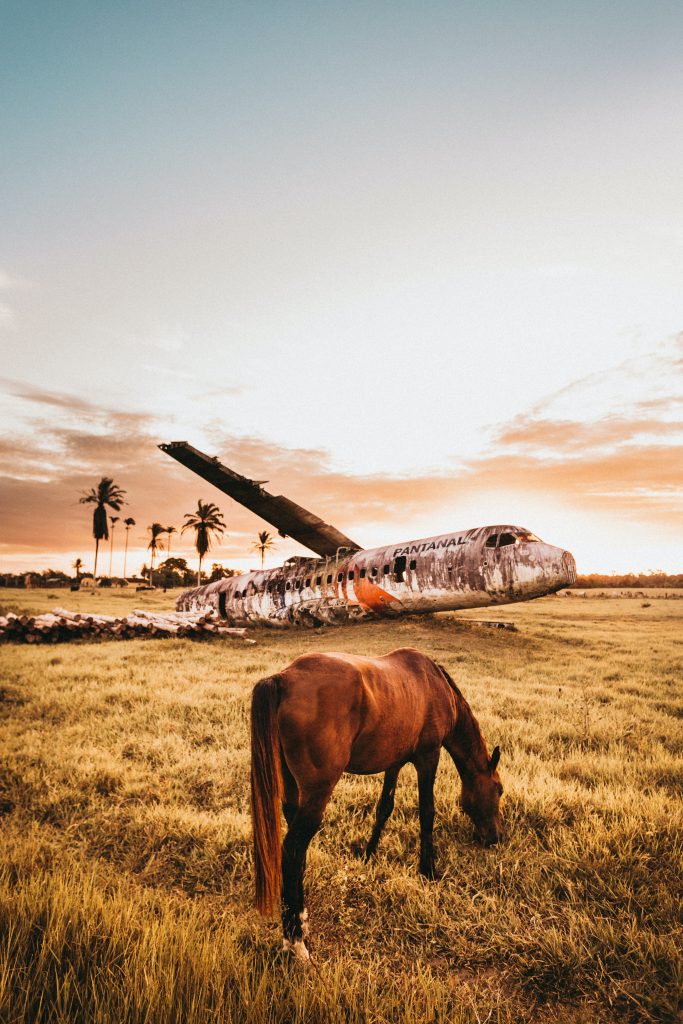
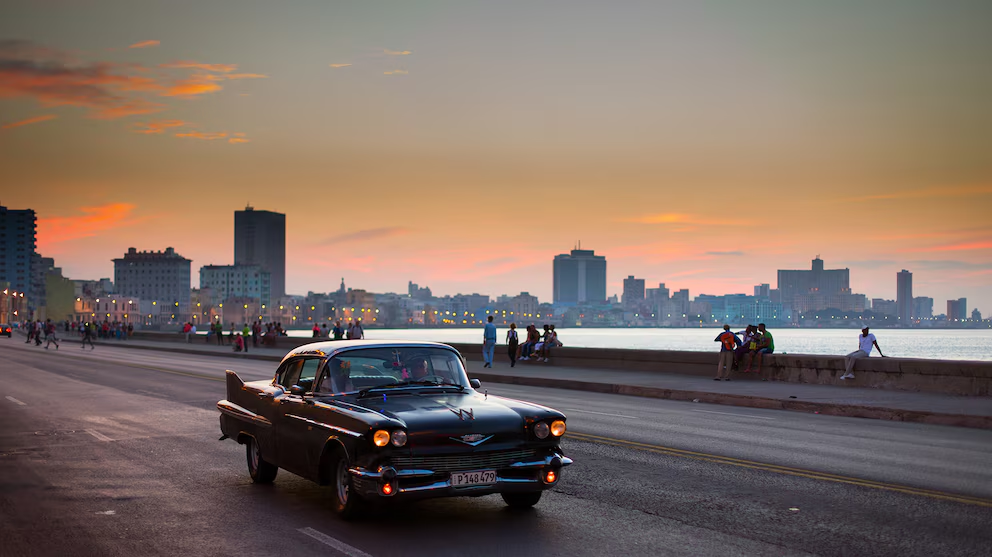
The Cuban leadership has a mindset and worldview similar to that of North Korean leaders, rather than that of the Russians, Chinese, or Vietnamese. It is isolationist by nature (could it be because Cuba is an island?), steeped in an aura of self-sufficiency and arrogance—that of someone who does not wish to discuss matters with anyone nor accept the arguments of others—and yet spends its time imagining what the world is like from the vantage point of Havana’s Malecón.
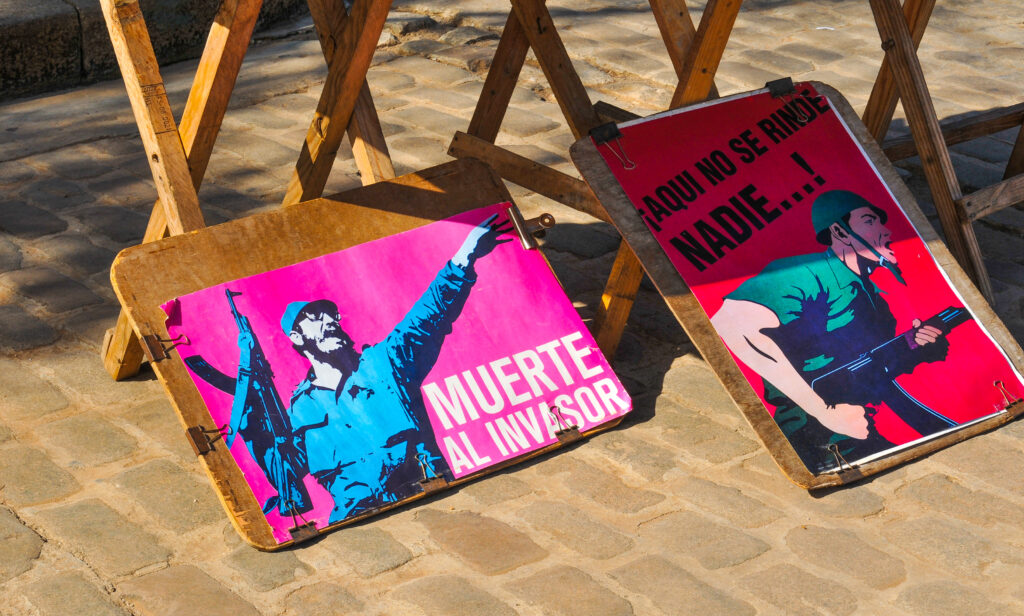
Today, it faces something more violent and threatening than Obama ever was. Trump is irascible and demanding, but he has shown the limits of his capacity, patience, and determination. It is possible to gauge Trump’s potential future actions. For example, he is definitely not going to invade the island with U.S. troops because he has his war in Iran. Since Cuban leaders know this, they promote the propaganda idea that “the invasion is coming” so they can later demonstrate the intimidating strength of the Revolution, since the Yankees did not dare to invade the island.
Cuban resistance stems from the perception that Trump lacks the strength to impose a government of his choosing in Cuba. What Trump does have is the power to demand certain concessions—previously unthinkable for the Cuban leadership—on economic matters and, possibly, some political issues, including the resignation of President Díaz-Canel, as a condition for lifting the oil embargo.
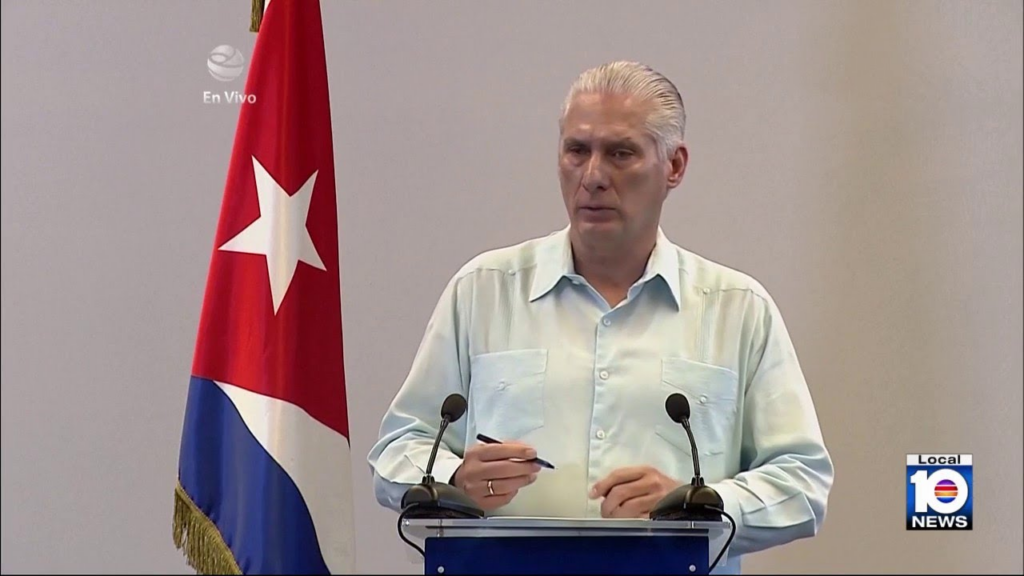
The Cuban diaspora in Miami is another problem for Trump and Rubio, not for the Cuban leaders. It is the radical social movement demanding sweeping political reform in Cuba before agreeing to invest in the island. Any minor agreement would undermine their electoral support for Trump and Rubio in the upcoming November elections.
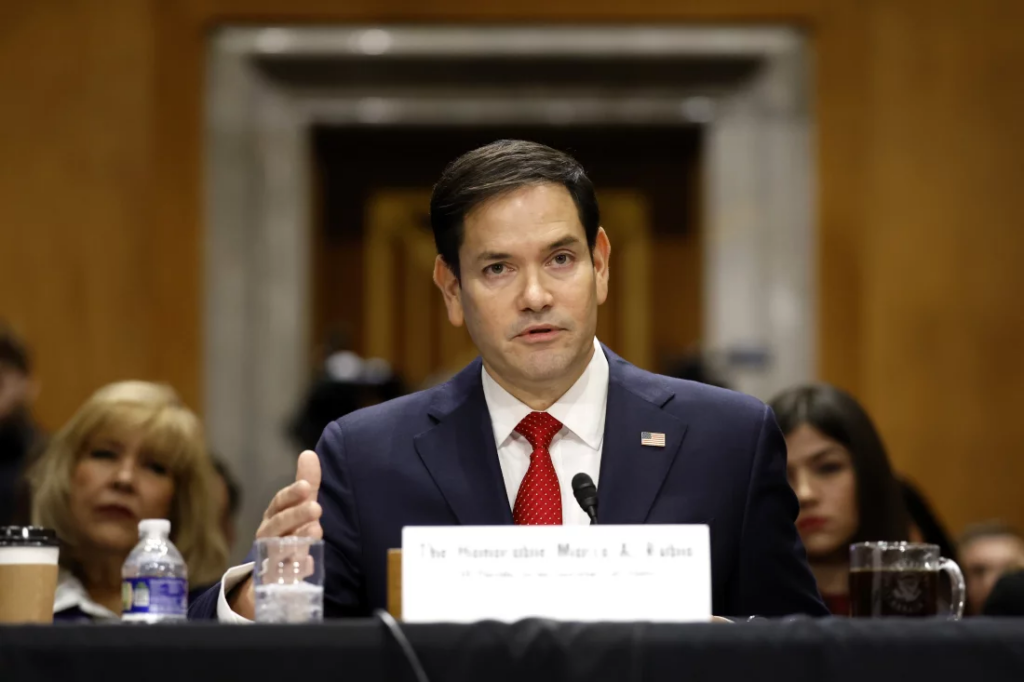
The British magazine The Economist argued that Trump should accept what it calls “a dirty deal” with Cuba, to avert a humanitarian crisis 90 miles off its coast. This agreement consists of accepting the continuation of the Castro government in Cuba in exchange for economic opening. Incidentally, this is what Raúl Castro agreed to with President Obama exactly 10 years ago—and what was rejected by Fidel and a majority of the Cuban Communist Party.
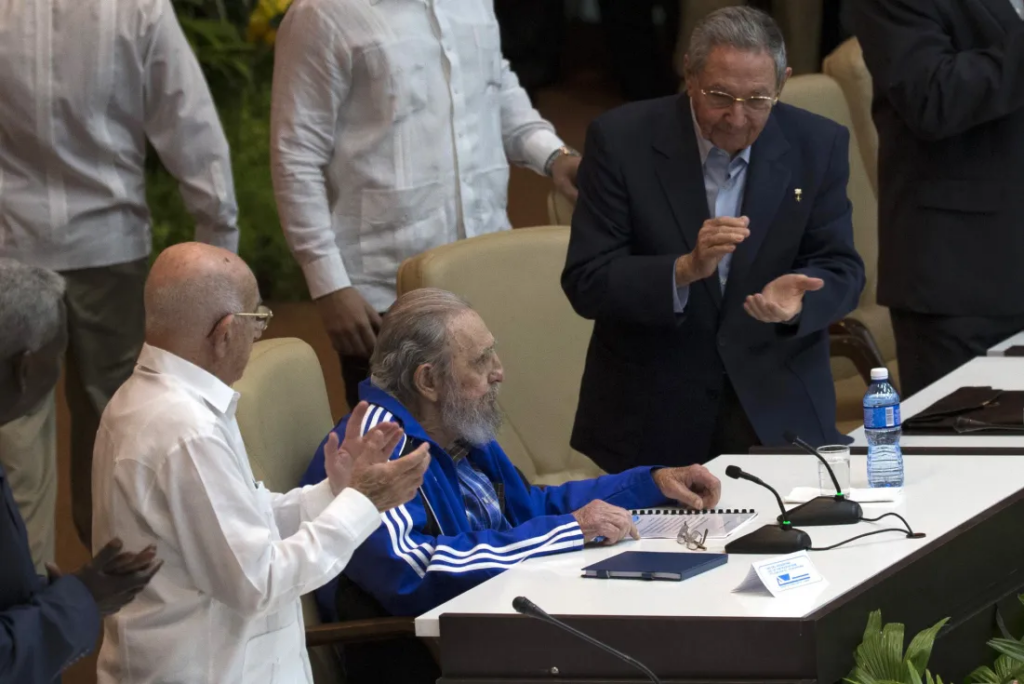
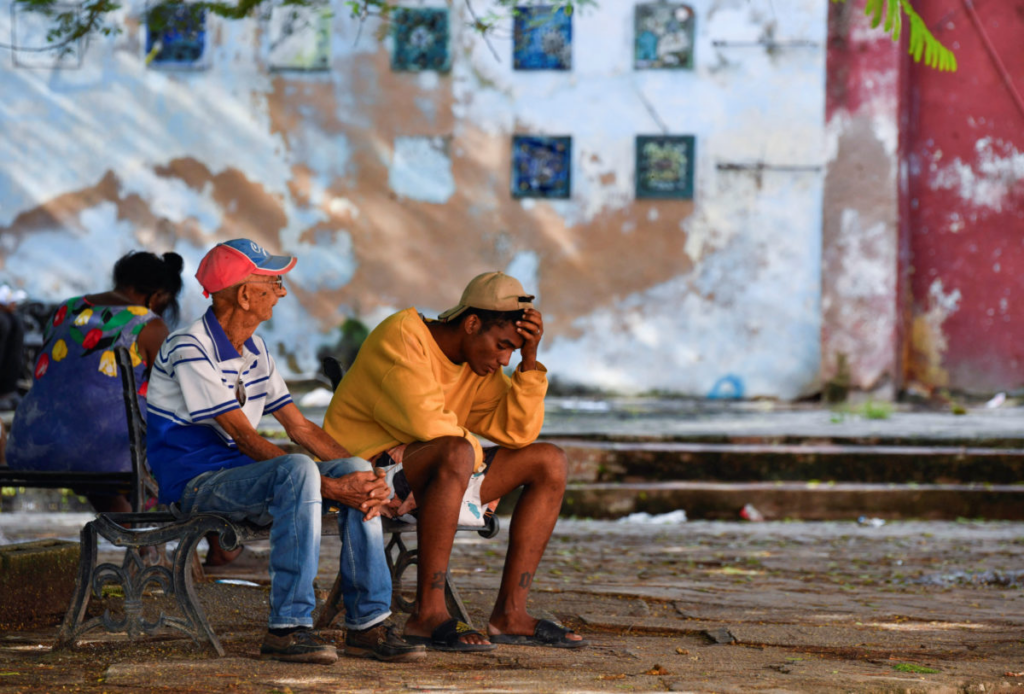
While Trump pressures Cuba to make concessions, Cuba resists, knowing it will have to give in on something. Meanwhile, the clock is ticking, and the suffering of the Cuban people grows by the hour. There is little time left for responsible decision-making.
@rpascoep
Further Reading: