
Ricardo Pascoe Pierce
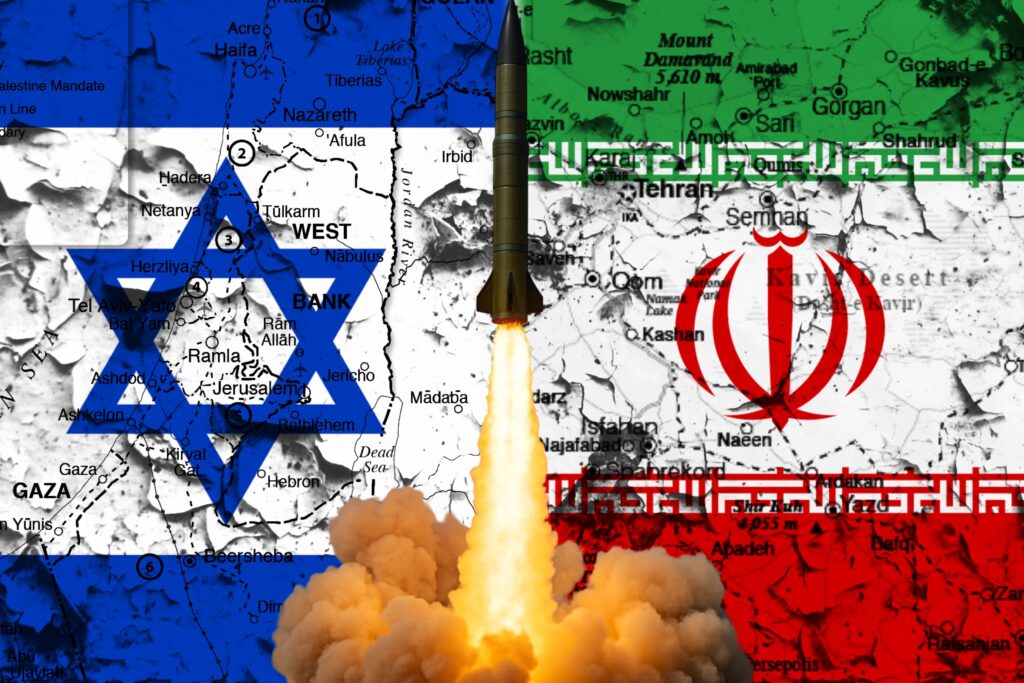
As the hours pass, the war waged by Israel and the United States against Iran threatens to become a protracted conflict, much like the war in Ukraine. Political problems become military issues, and the military exacerbates political problems. The mix of politics and war is proverbial: we know who starts the war and when, but we never know when it will end or under what conditions, especially when the root of the conflict is hatred and confrontation between two theocratic states, such as Israel and Iran.
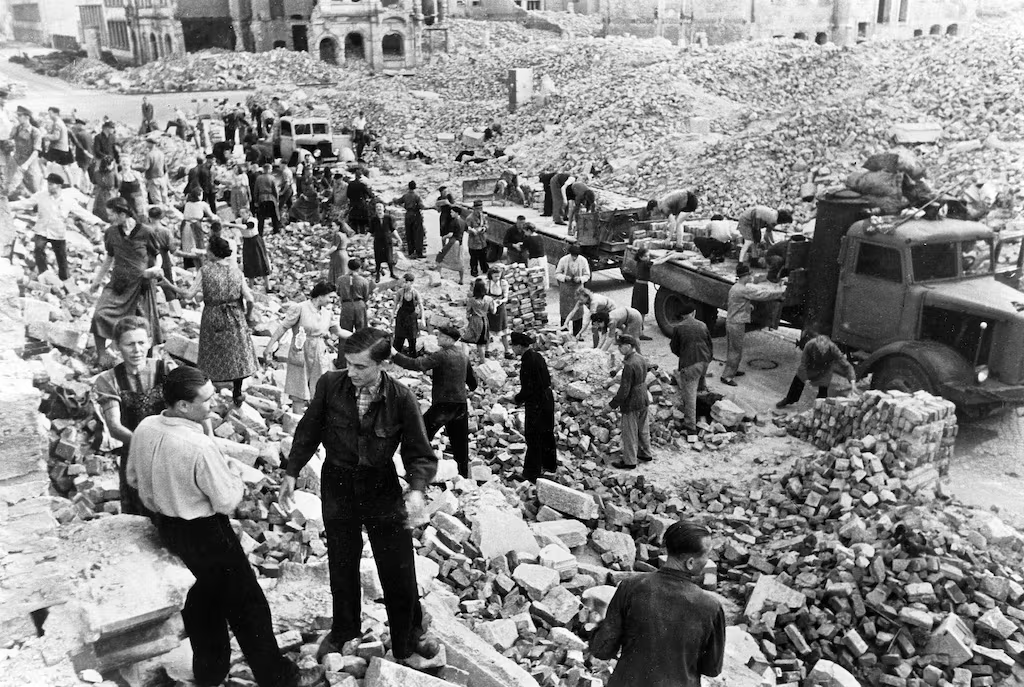
The United States allowed itself to be dragged into a military conflict in the Middle East between millennia-old cultures. It thought it was simply a matter of reducing Iran to rubble so that it would give up being what it is. It is a replica of the political thinking of the Allies that led them to the bombing of the German city of Dresden during World War II. Reduced to rubble, Dresden broke German resistance to the advance of Allied troops. The same goes for the U.S. atomic bombs dropped on Nagasaki and Hiroshima in Japan.
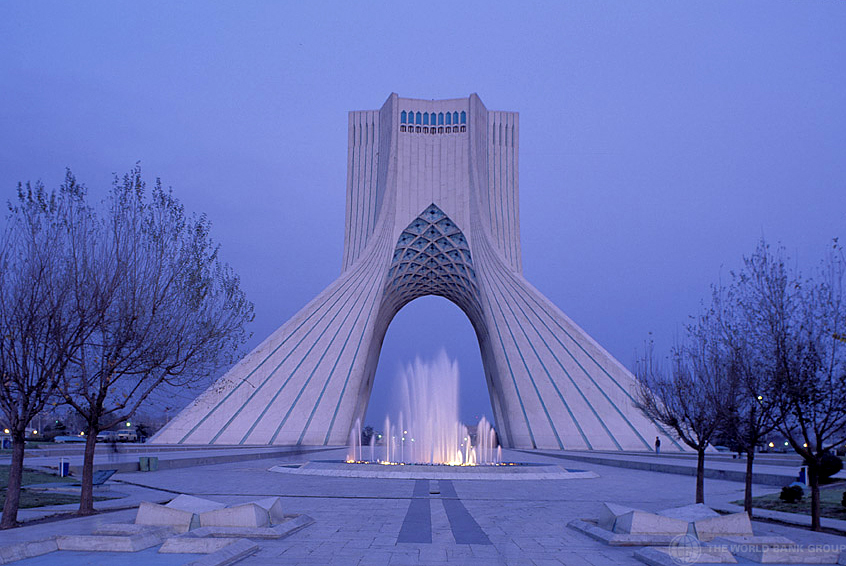
But Washington is discovering something Israel knew all along: from the rubble will emerge the vestiges of the ancient Persian culture, and it will be reborn, perhaps more fierce and defiant than before. That is why there is a strategic difference between Israel and the United States in this war. Israel wants to eradicate Persian culture, along with its religion, forever, while Washington wants to negotiate with Tehran, but on its own terms.
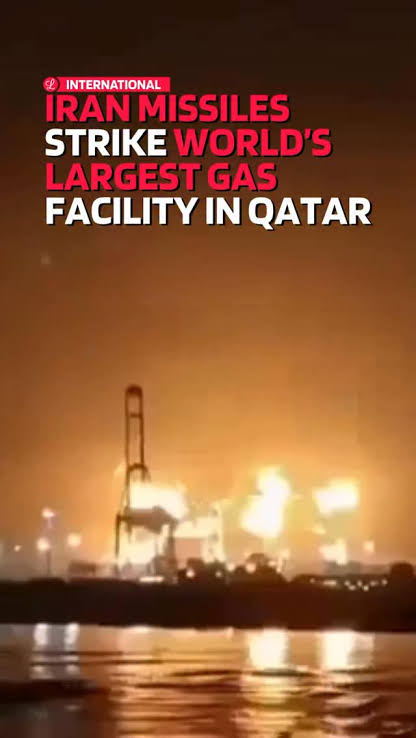
When Israel bombed the crucial Iranian South Pars oil field, it provoked an Iranian response: the bombing of the world’s largest natural gas plant in Qatar. Energy prices skyrocketed in reaction to what the markets viewed as the radicalization of the conflict. That Israeli action ran directly counter to the political interests the United States promotes in the region, as it seeks to allay global fears about the danger of a worldwide energy shortage. The U.S. obsession with proving that it is “100% achieving its objectives” with the attack on Iran and that the “adventure in the Middle East will end soon” is in stark contradiction with reality.
To ensure traffic through the Strait of Hormuz, the United States pleaded with European countries to contribute warships to achieve that goal. They refused because they disagreed with the reasons Trump has given for launching his “excursion” in the region. Now the United States cannot extricate itself from the conflict because it has failed to force the Tehran government to capitulate, nor can it ensure the flow of oil to global markets because it lacks military control of the Strait. Therefore, Washington is trapped by its own ambition: to claim victory in the war credibly, it must decapitate Tehran and control the Strait of Hormuz. To do so, it now realizes it will have to deploy troops to the Strait area, perhaps by conquering the Iranian island of Kharg, which implies extending the U.S. military presence in a war zone for years. Trump is trapped in the Iranian war, where, so far, the only winners are Israel and Russia, due to the rising price of their oil.
Speaking of Russia, its war in Ukraine—which Trump promised to resolve in 24 hours—marked its fourth anniversary on February 24. There are no conditions for a diplomatic resolution to that conflict. Trump’s vacillations and Obama’s indecision when Putin seized Crimea have been key not only in preventing the necessary conditions for resolving the conflict but rather in prolonging it. With the right weaponry, Ukraine could have adequately defended itself against Russian aggression. U.S. ambiguity has always been a factor in the confrontation between hegemonic powers.
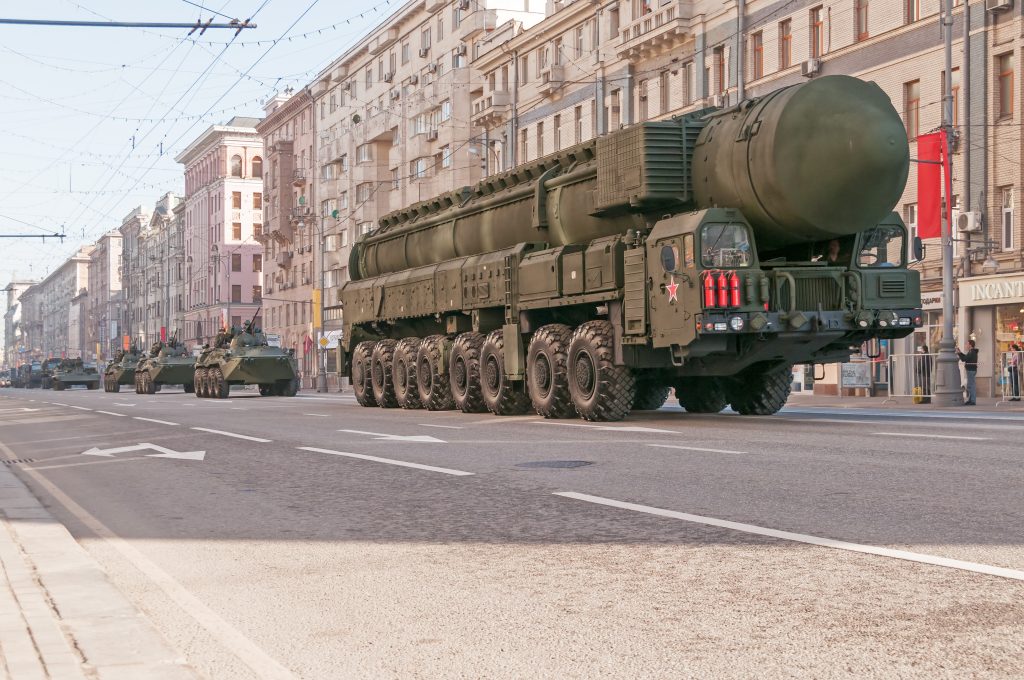
Why does the United States fear Russia? Because of its nuclear weapons. Not because of its economic strength, which diminishes with each day of war, but because Putin has devoted enormous resources to developing his capacity to strike the West, including the use of the Arctic as a new gateway to access European countries rapidly and the United States in the event of a surprise attack with state-of-the-art submarines. Furthermore, Russia has launched an asymmetric war against the United States and Europe in the form of cyberattacks, disinformation campaigns on social media, and strategically targeted assassinations.
Amid the conflict in Iran, Trump seized the moment to lift U.S. sanctions on Russian oil exports, allowing Russia to increase its exports and thus capitalize on high prices to continue its war against Ukraine. Trump’s action caused consternation in Ukraine and among European countries, which view Russia’s aggression against Ukraine as a precursor to an attack on the territorial integrity of the European Union. When Europe witnessed Trump’s conduct toward Russia, they were even less inclined to support the U.S. “excursion” against Iran.
For now, the war in Ukraine continues, despite Trump’s attempts to secure at least a ceasefire. His failure has been total. Meanwhile, the war in Ukraine is impacting the war in Iran. The Russians are providing intelligence to the Iranians on how to locate U.S. and Israeli targets, and Ukraine is offering advice to the Persian Gulf countries on how to combat and shoot down the Iranian drones attacking their oil facilities.
Russia attempted to supply Cuba with oil. The attempt was thwarted by the U.S. Navy, which forced the ship Sea Horse to change course and head to Trinidad and Tobago instead of Cuba. While there are humanitarian efforts to support Cuba by governments—including Mexico’s—and civil society organizations, the critical issue is the oil supply. This March, the island’s oil reserves will run out, including those supplied by CUPET, the Cuban oil company. A massive humanitarian crisis of apocalyptic proportions is unfolding in Cuba.
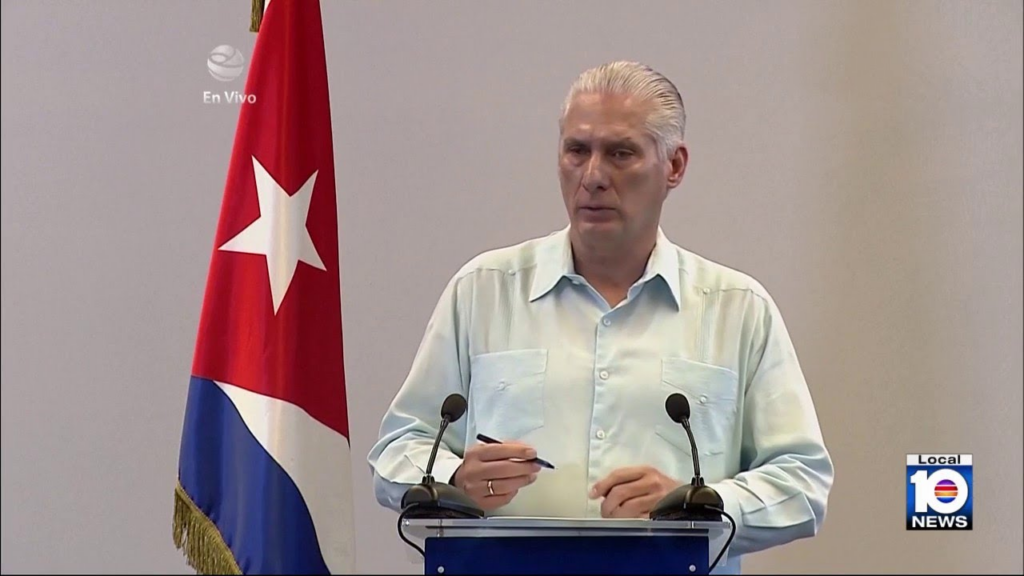
Unofficial and official reports indicate that talks are underway between Washington and Havana. Exactly what is being discussed in these talks is unclear. Trump has said he will take over the island peacefully. The Cuban leadership is preparing to resist such an eventuality, despite the humanitarian crisis closing in on Cuba. While rumors suggest that Washington is demanding the resignation of President Díaz-Canel, Cuba is offering to open its economy to investment from the Cuban diaspora, mainly based in Miami.
And that diaspora rejects any agreement that does not include the democratization of Cuba’s political system. It rejects a “Delcy Rodríguez”-style solution in Cuba where the Castros remain in power. The British magazine The Economist suggests that Washington should accept a “dirty” deal: that is, leaving the Castros in power in exchange for economic opening, with the sole purpose of avoiding a humanitarian catastrophe. This is more or less what Obama offered Raúl Castro exactly 10 years ago, in 2016, and which Fidel Castro indignantly rejected: “We don’t need anyone,” he said, smugly.
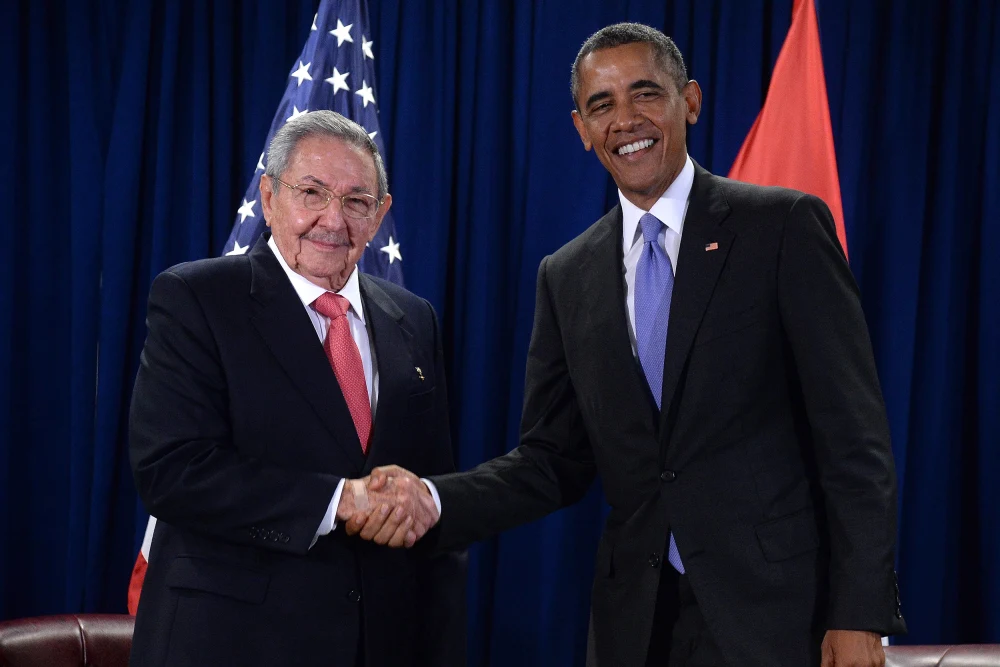
But the reality is that Cuba, and the Cuban revolution, are dying. The most viable option is to let the revolution die so that Cuba can live. And let that be the decision of the Cubans, not Washington’s. Let them carry out their own Caribbean “perestroika” and “glasnost,” but let them decide now, rejecting that false and ridiculous pride of Silvio Rodríguez. Trump has no reason to push forward with his claim to take credit as the “liberator of Cuba,” which is what he intends to do. In his case, for strictly electoral reasons.

Iran, Ukraine, Venezuela, and Cuba are central parts of a comprehensive global geopolitical process. Each has its own specificities. But viewed as a whole, they are processes in which one plays off against the other and reflects the other as part of a whole. Time works in favor of some and against others. What is clear is that these conflicts have long-standing histories, and the solution to each will not come about in the short term. The wars in Ukraine and Iran promise to be protracted due to their origins and nature. At the same time, the conflicts in the Western Hemisphere are primarily tied to a new alignment of ideological and political forces unfolding in real time.
Ukraine is a geopolitical conflict between Russia’s imperial ambitions and the European democracies supporting Ukraine. In the Middle East, the war is between two gods. It is a situation that will never be resolved ecumenically. And the Americas are torn between left and right. Between the liberal and the illiberal. Between democratic institutions and populism from both the right and the left.

Trump, who has meddled in every conflict, will likely end up empty-handed, claiming victories that are not his own and that never come to fruition.
@rpascoep
Further Reading: