Ricardo Pacoe Pierce
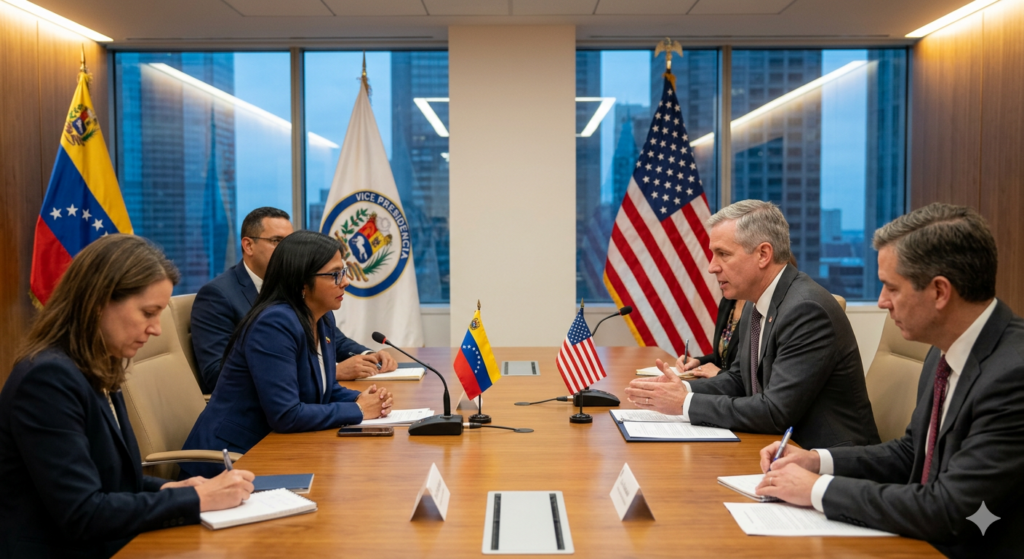
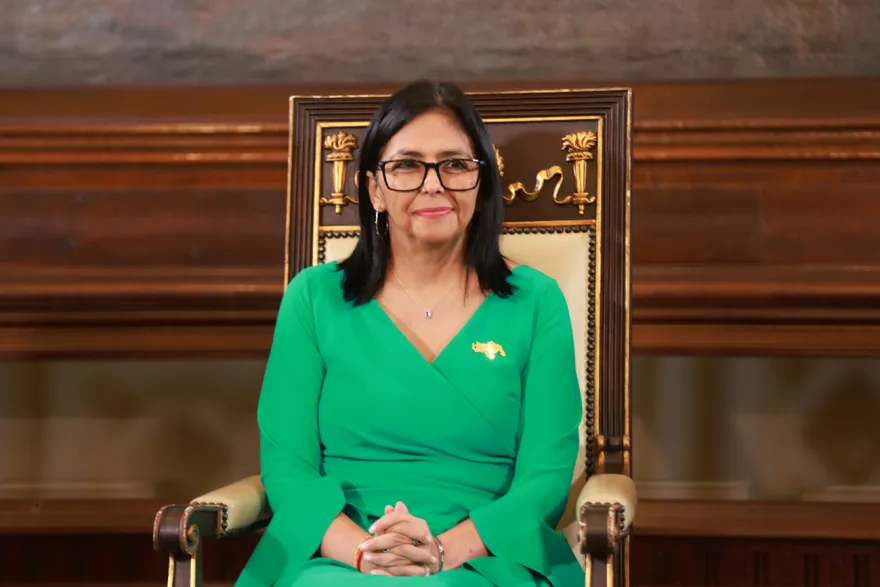
Faced with the removal of Nicolás Maduro and his wife from their stronghold in Caracas, and their subsequent imprisonment in the United States, the Trump administration agreed on a government plan with Venezuela’s vice president, Delcy Rodríguez. That plan consisted of her governing Venezuela until a new constitutional order could be established, setting new presidential elections and guaranteeing democratic freedoms for all Venezuelans.
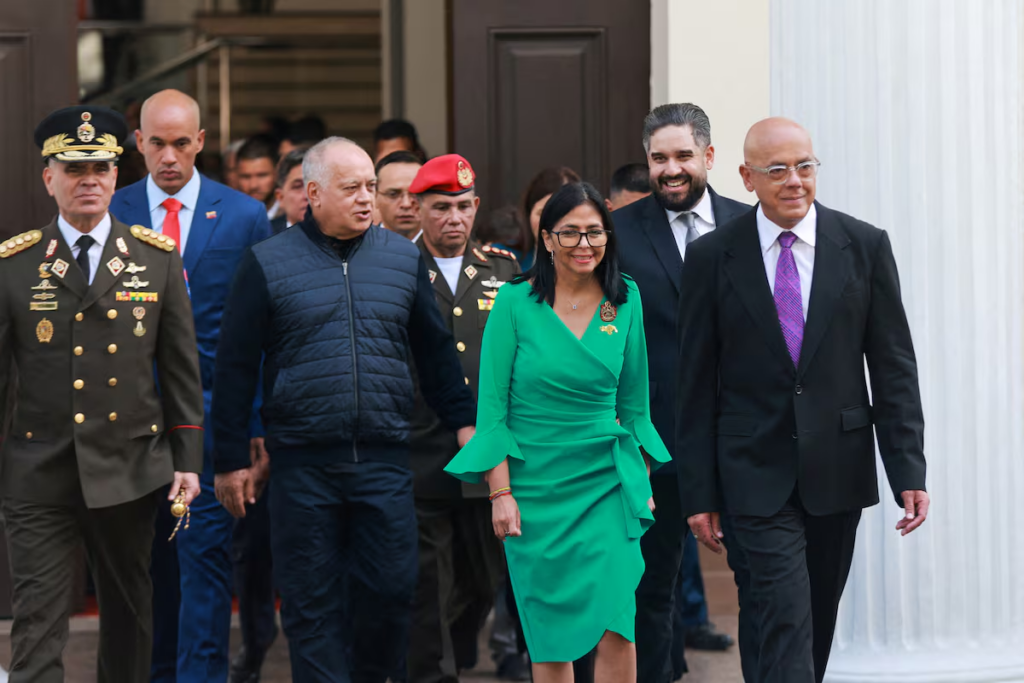
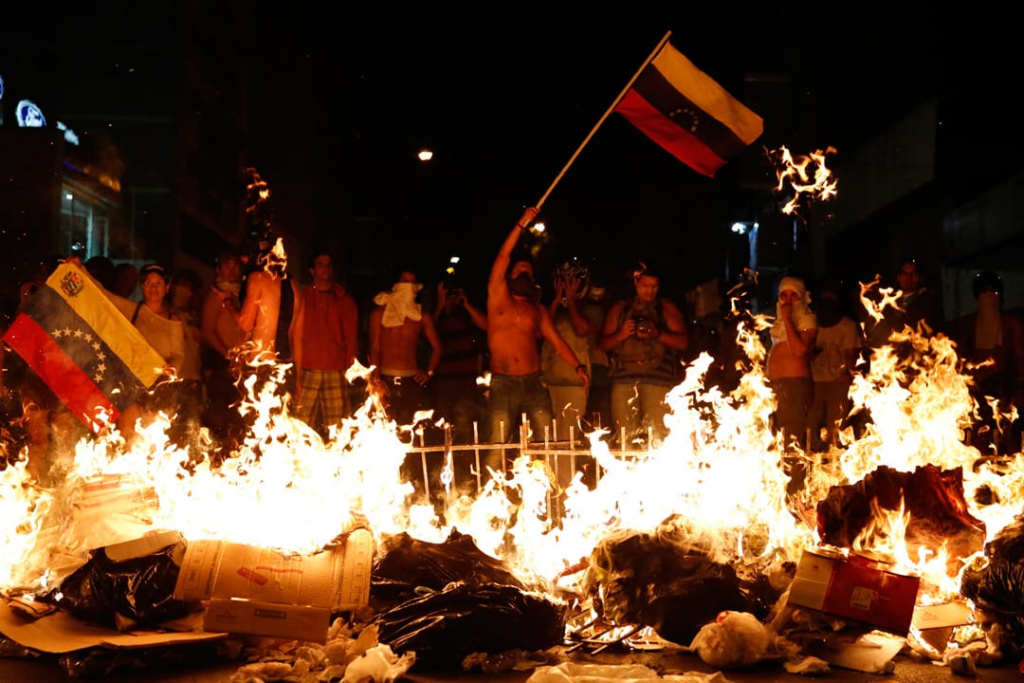
The intention of such a transitional model, by keeping the main leaders of the “deposed” government in power, would be to prevent Venezuela from falling into internal chaos, with consequences such as civil war, economic chaos, a humanitarian crisis, and the total breakdown of the fundamental institutions of the state. The reality is that Venezuela has armed groups with great military capacity that, if they clash, could wage a bloody civil war for a long time, financed with funds from drug trafficking.
The success of Trump’s plan depends on two conditions. The first condition is that the United States controls the Venezuelan oil industry and, more importantly, its revenues. Without that revenue, the government cannot operate, pay wages or salaries, plan government programs, or even defend itself. U.S. control over oil revenues means control over the government itself. And the second condition is that the United States will not send its troops into Venezuelan territory as guarantors of the political process. Thus, Washington guarantees to maintain total control over Delcy Rodríguez as its hostage.
This model of “political transition,” in which the main leaders of the old regime act or govern under the tutelage of their former arch-enemy, Washington, has surprised the world. And yet it confirms something important about the way Donald Trump acts and makes decisions. Everything is subject to agreement… or disagreement, depending on the case. It is the transactional style of governing that guides the U.S. government.

Trump moved the Venezuelan oil pieces from two other territories. One is China, which used to buy all its oil from Maduro’s government. That oil supply to China is over. The other has been the oil supply to Cuba, which Washington has already banned. Washington’s strangulation of Cuba is a result of Maduro’s downfall.
Trump has said several times that Marco Rubio is talking to “senior Cuban leaders” to agree on a change on the island. Rumors say that characters close to Raúl Castro are negotiating the conditions for some kind of regime “change” in Cuba.
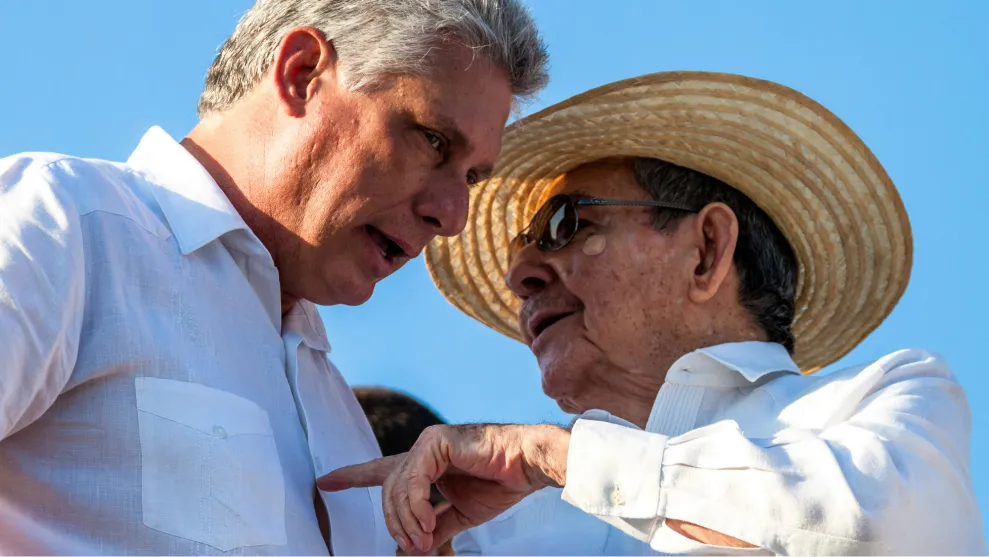
The US ambassador to Cuba responded to a specific question, saying, “Yes, we have identified Cuba’s ‘Delcy Rodríguez, ‘with whom we could work to form a new government.” Trump later spoke of a “friendly takeover” of Cuba by the United States. In these conversations, whether real or fictitious, the idea of a transitional process in Cuba through the “Delcy Rodríguez” model persists. U.S. military intervention on the island is also ruled out.
In the conflict between the United States, Israel, and Iran, Trump has raised the need for “regime change.” Western journalists openly speculate about the option of a “Delcy Rodríguez” in Iran as a way out of the war in that part of the Middle East. The spokesman for Iran’s Islamic government has categorically rejected the “Delcy Rodríguez” option. For the Iranian government, speculating in these terms is to assume the possibility of internal betrayal, which it rules out.
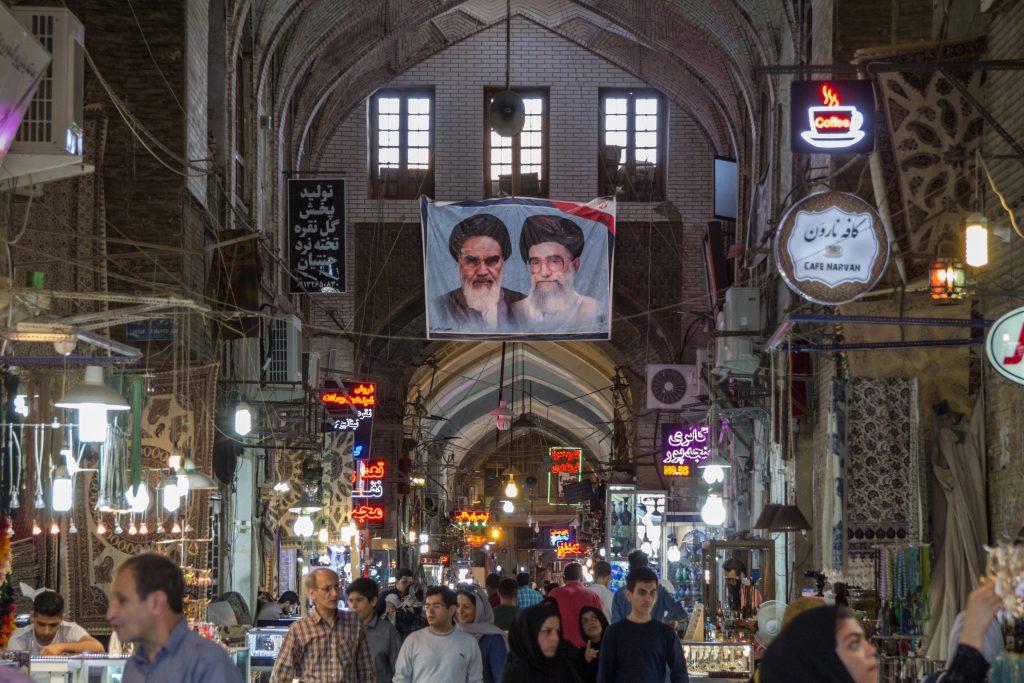
Western and pro-Iranian analysts practically rule out regime change in Iran as a result of American and Israeli bombing alone, without putting troops directly into that country. But Trump has said that elements of the Iranian government are seeking negotiations with Washington, while the bombing continues. A “Delcy Rodríguez” may emerge in Iran. Only time and the conditions of war will tell whether this option is viable.

For now, the “Delcy Rodríguez” option is already part of the conversation amid possible transitions in today’s world.
@rpascoep
Further Reading: