
Juan Villoro
Few phrases have been repeated as often as this one by cultural critic Fredric Jameson: “It is easier to imagine the end of the world than the end of capitalism.” Even the apocalypse is a business. Ever since someone told the first scary story by the light of a campfire, human beings have taken pleasure in the terror they can overcome. New Age prophets, science fiction, and Hollywood never cease to imagine spectacular ways to bring about the end of the world.

In December 2012, Mexico was the scene of the “Mayan apocalypse.” A bas-relief at the archaeological site of Tortuguero, Tabasco, seemed to herald the end of time. The bad news captivated many people. Early that year, I went to Chichén Itzá to film an episode of the series Stones That Speak, and I learned that every hotel room had already been booked so people could witness the December cataclysm. The logic of tourism seemed to be this: “If everything is going to end, you might as well have a front-row seat.”

As far as we know, reality still exists, but everything indicates that it will soon change—not because of an alignment of the planets, but because of artificial intelligence.

We are facing a tool that is here to stay and offers undeniable benefits. A few days ago, it made manuscripts charred in the eruption of Vesuvius in the year 79 legible again. Human contact would have destroyed such fragile material.

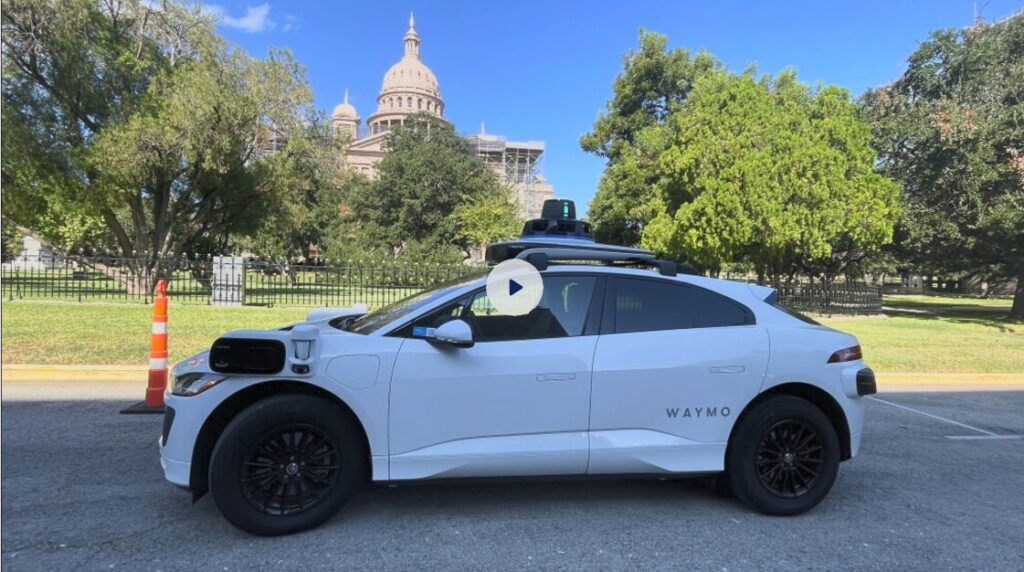
But the advantages of artificial intelligence come with side effects. I was recently in Austin; every taxi I saw was on autopilot. What happened to the drivers? Machines are replacing numerous professions.
The advocates of this new technology claim that new jobs will emerge, but they don’t specify what those will be. Yuval Noah Harari has put it clearly: the atomic bomb is such an obvious danger that protocols were created to control it; since 1945, there has been a clear awareness of its lethal capacity. In contrast, AI and ecocide are among the risks we can put off addressing: the planet won’t come to an end with the next “like” or the next plastic bottle. The problem, Harari insists, is that the insidious accumulation of this damage isn’t presented for what it is: an urgent matter.
According to AI itself, the U.S. Stargate project will receive an investment of $500 billion. Its only competitor is China. We are facing a new horizon. The United States has tried to reaffirm its power through an erratic policy of war, the most humiliating outcome of which was its defeat in Iran. Meanwhile, China has expanded its markets and strengthened its alliances with Japan and South Korea. Without fanfare, the nation of Confucius dominates global fluvial traffic, accounts for 80 percent of solar energy, 85 percent of battery production, and 70 percent of high-speed trains. And what about robots? Fifty-four percent of the world’s cyber population receives commands in the language of Lao-Tzu.
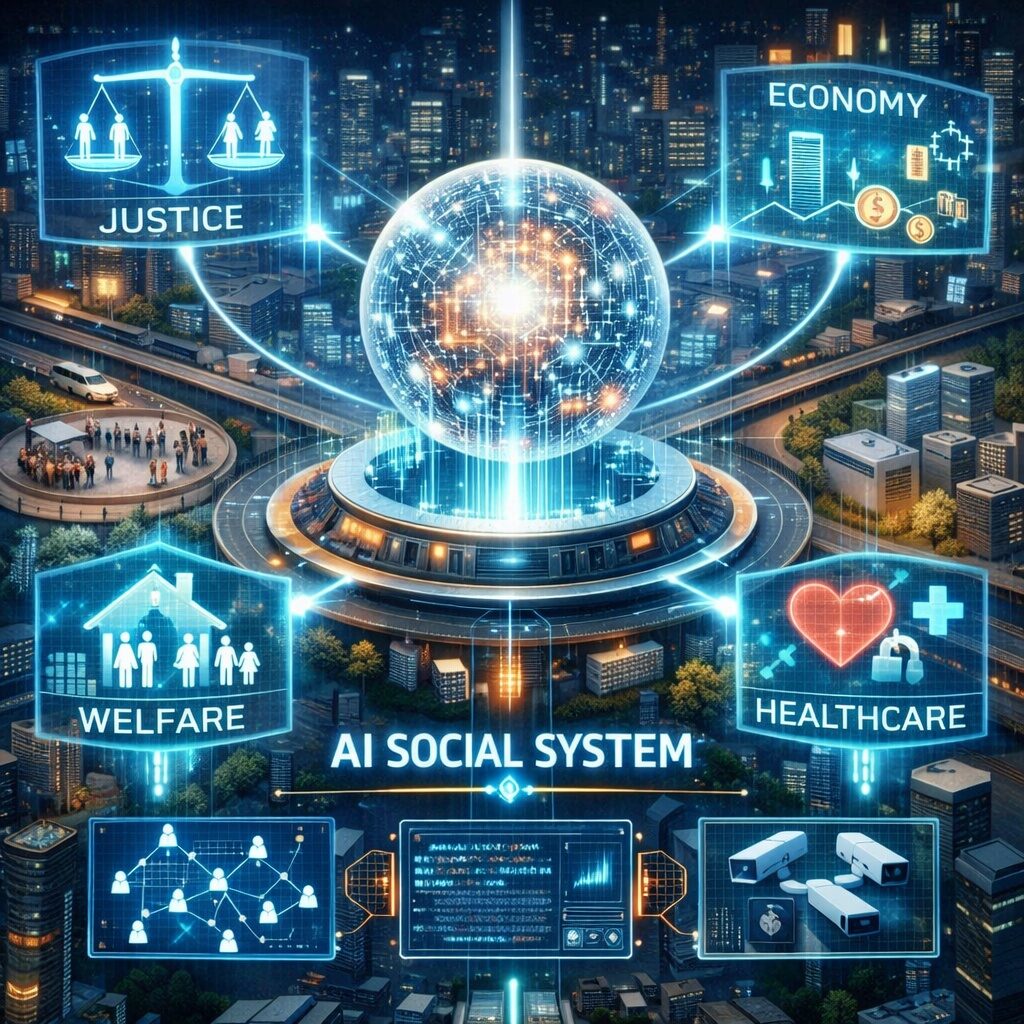
Crucially, China not only drives the creation of software code but also anticipates the social impacts it will have. In 2025, the Chinese Communist Party launched the “AI+” initiative, which places technology at the center of public policy. In keeping with the futuristic bureaucracy of socialism, it presented a five-year plan to foster innovation and redesign society as a whole.
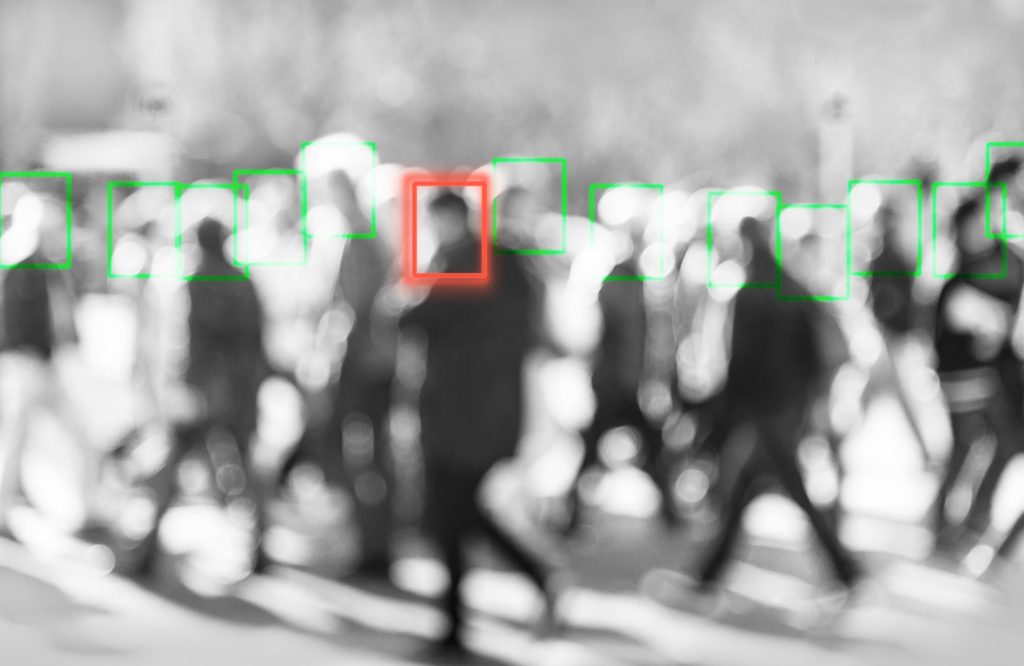
Unlike in the West, China is anticipating how unemployment will be addressed and how it will deal with the psychological impacts of an environment where bosses, doctors, journalists, translators, and perhaps even romantic partners will be artificial. The plan pays special attention to citizens’ emotional reactions and aims to detect them using government-operated algorithms. Obviously, the design of this cyber-nation has an authoritarian component. The population will be effectively integrated into the new social fabric, but it will be even more tightly controlled. As early as 2020, the Chinese Communist Party had established that digital data is a public resource and not a commodity.
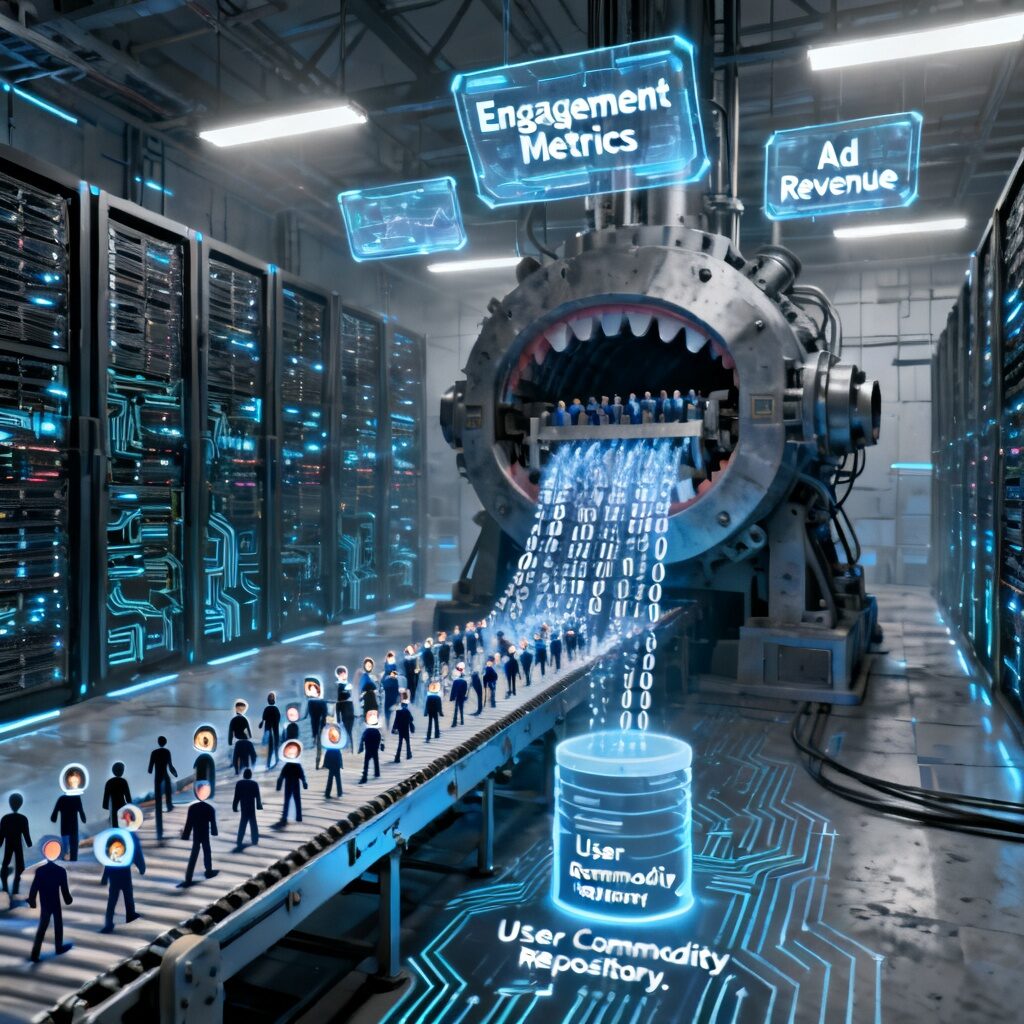
Jameson’s phrase might cease to make sense. Free-market communism will bring about an unprecedented society. Meanwhile, in the West, users are becoming commodities: fodder for the machines.
Further Reading: