Ricardo Pascoe Pierce
There are situations in politics that you can see coming from a mile away. Today, one of them is the brutal nature of the confrontation looming in the 2027 election cycle. These elections will be anything but normal. It is clear that the president and Morena view this as a fight to the death, rather than an electoral contest between the candidates’ contrasting positions. Morena argues that the PRI, PAN, and Somos are not rivals but adversaries who must be treated as enemies.
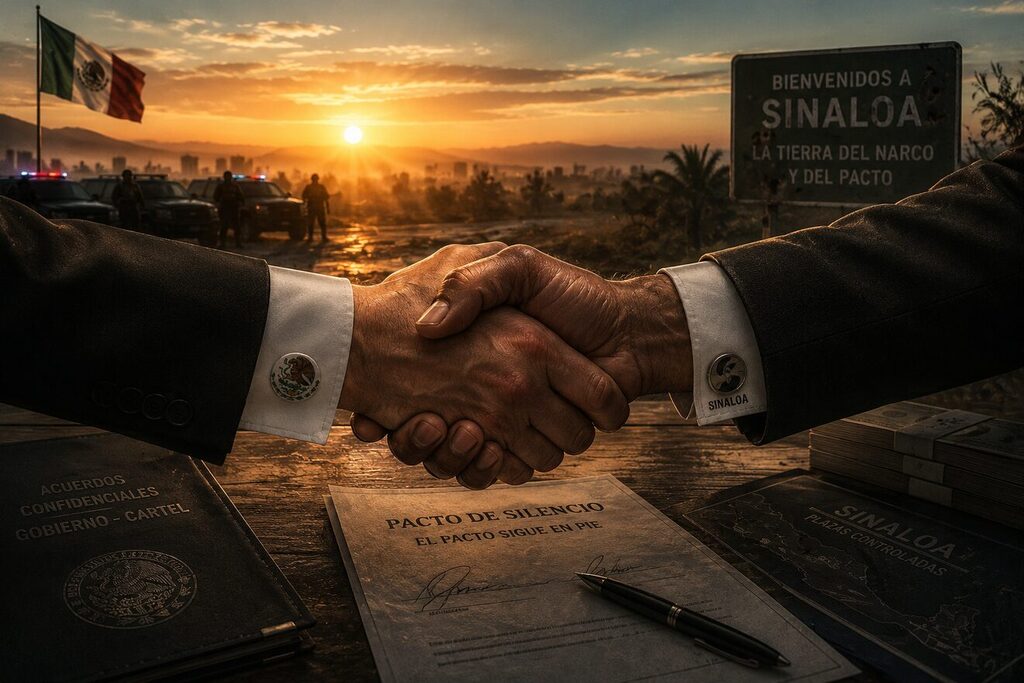
The Morena government’s analysis concludes that an electoral defeat could lead to its disappearance as a political force. It may sound exaggerated, but the movement is not designed to lose power. Losing would mean its dismemberment and probable dissolution because of the secrets it harbors. Within its successful and surprising rise to power lies the seed of its self-destruction. We now know that its success largely rests on its alliance with organized crime. And for that organizational secret to bear fruit, Morena had to internalize its criminal alliance. Thus, the drug cartel pact became the organization’s protective cloak.
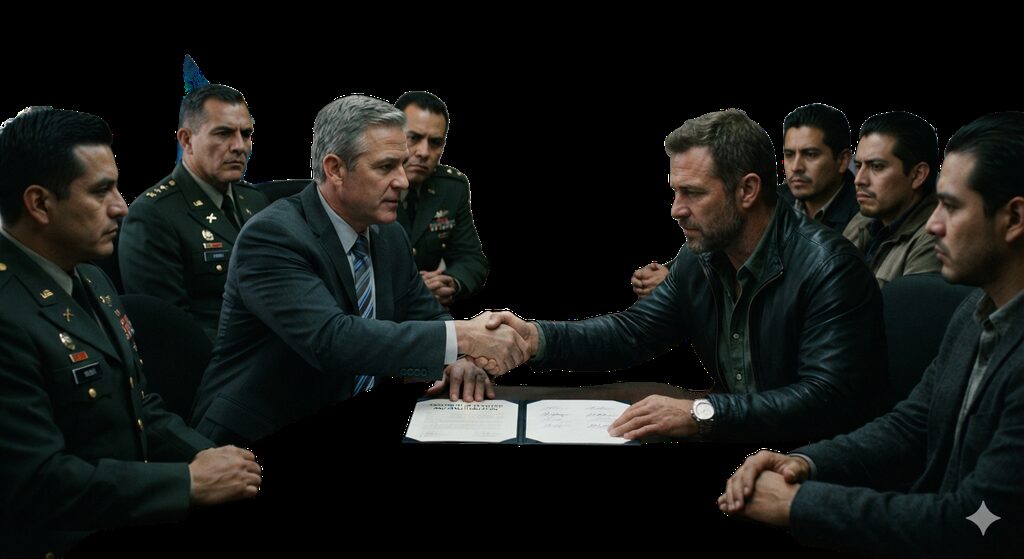
The fate of a political organization built around cartel principles is to either control power completely or perish. “When we hand one over, they’ll come for us all,” Ms. Sheinbaum has prophetically stated, perfectly revealing the nature of her mafia-like organization.
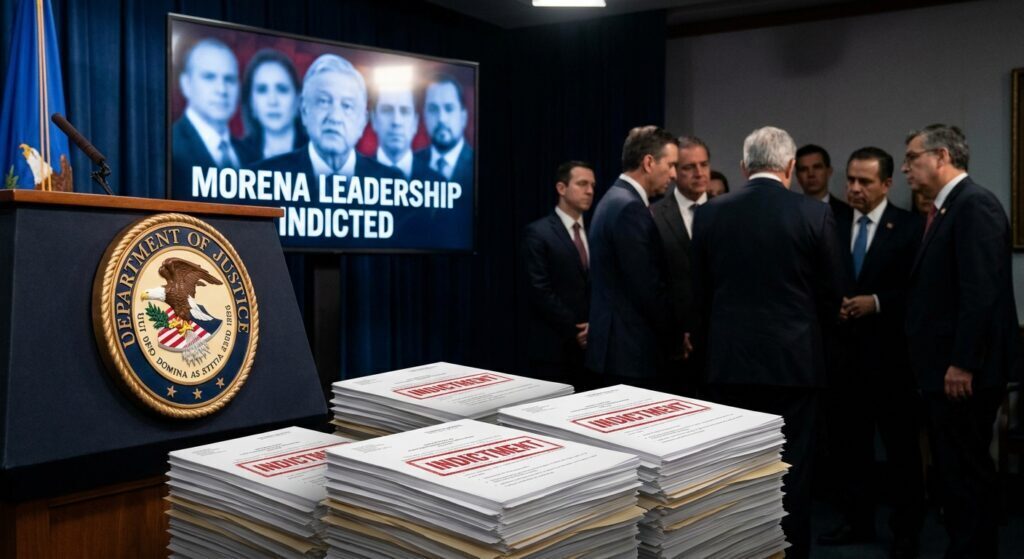
Morena is guided by an unwritten rule that applies to its entire operational and political structure: “the law of silence.” Omertà is a code of honor that prohibits betraying any member of the organization or cooperating with the authorities. It is a tradition that historically stems from the Italian mafia. Only in this way can one understand the staunch defense of Rocha Moya, Inzunza, and other leaders complicit in the secrets of the narco-party’s pact.
However, more and more Morena members are coming forward to cooperate with U.S. authorities. Every Morena member who pleads guilty before U.S. authorities effectively betrays other party members in higher positions than their own.
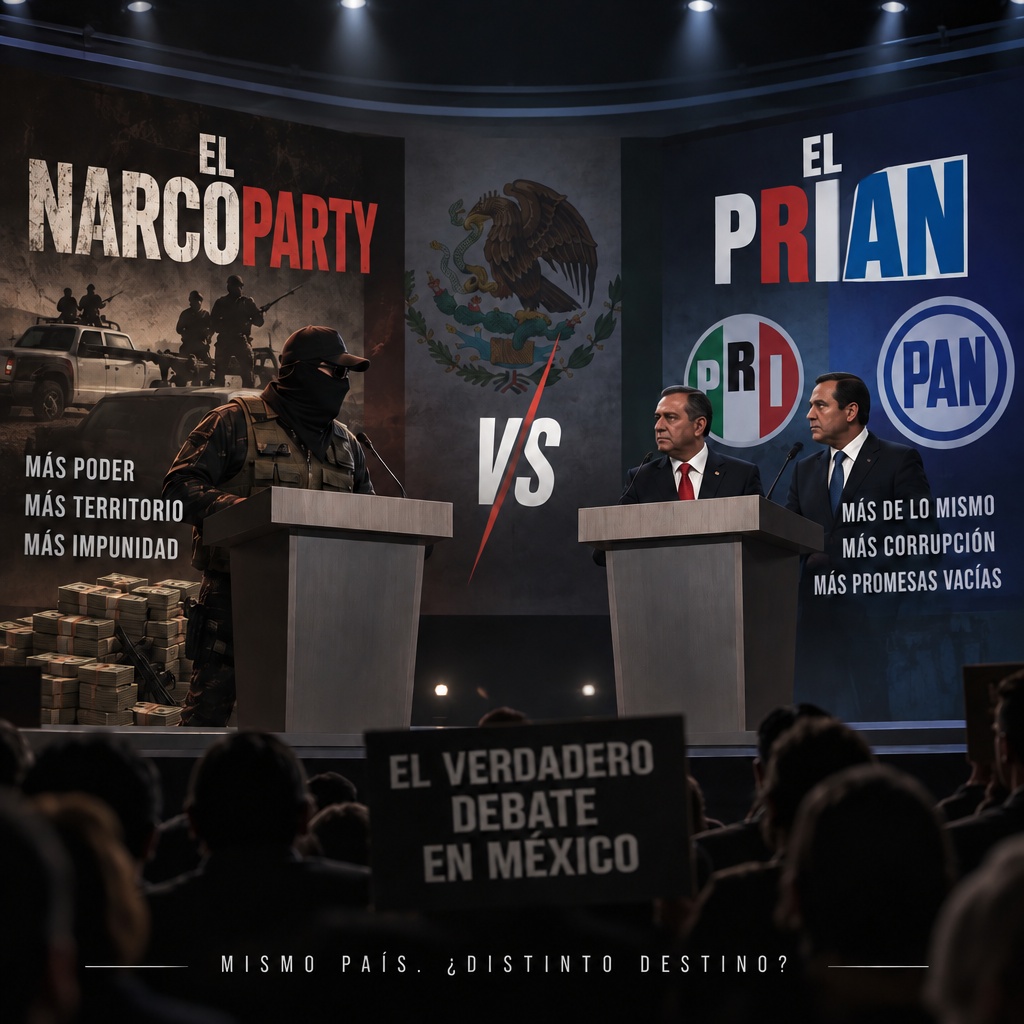
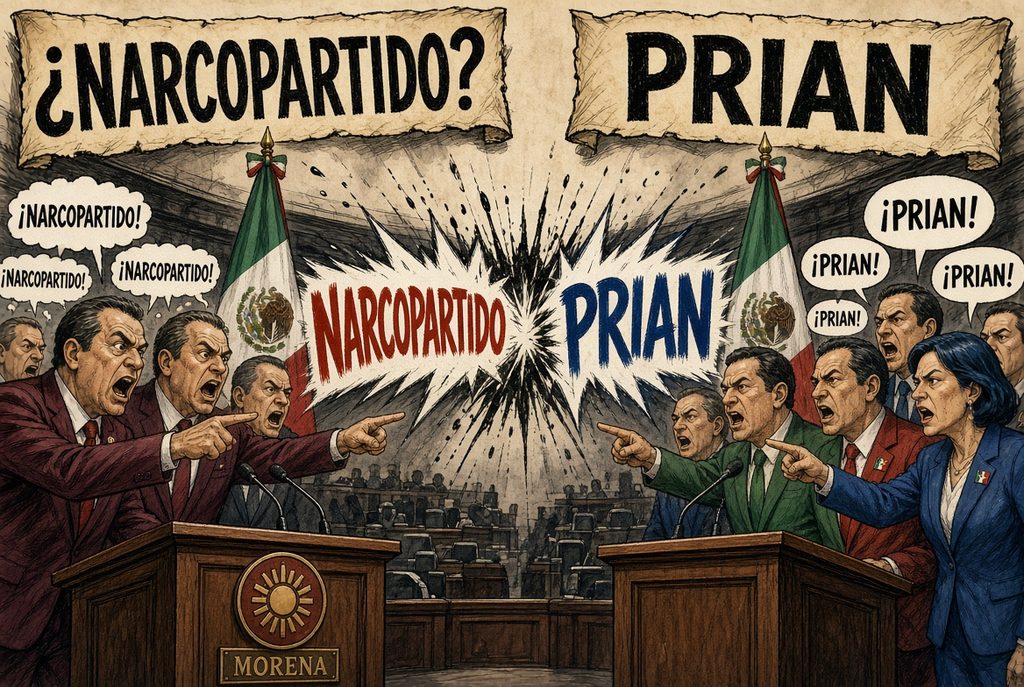
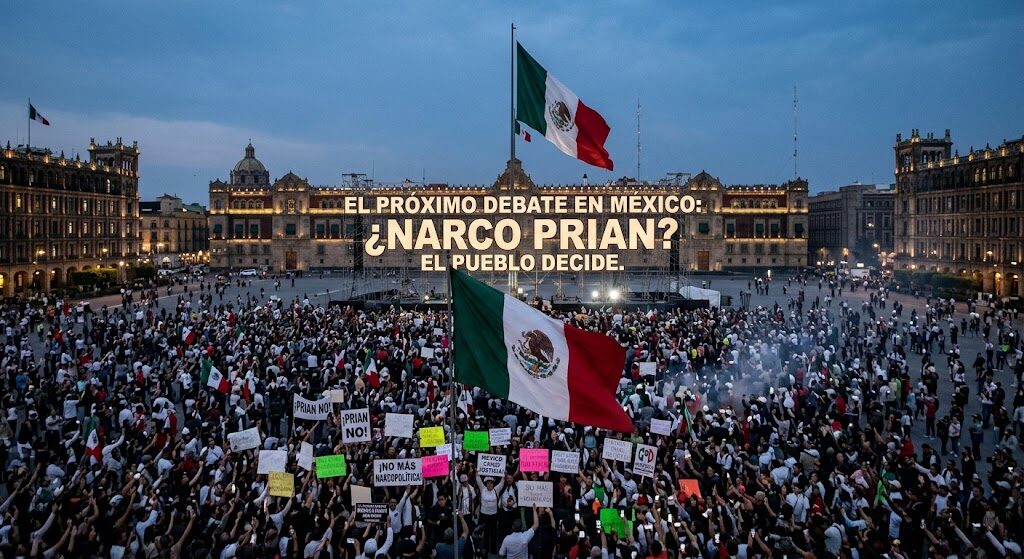
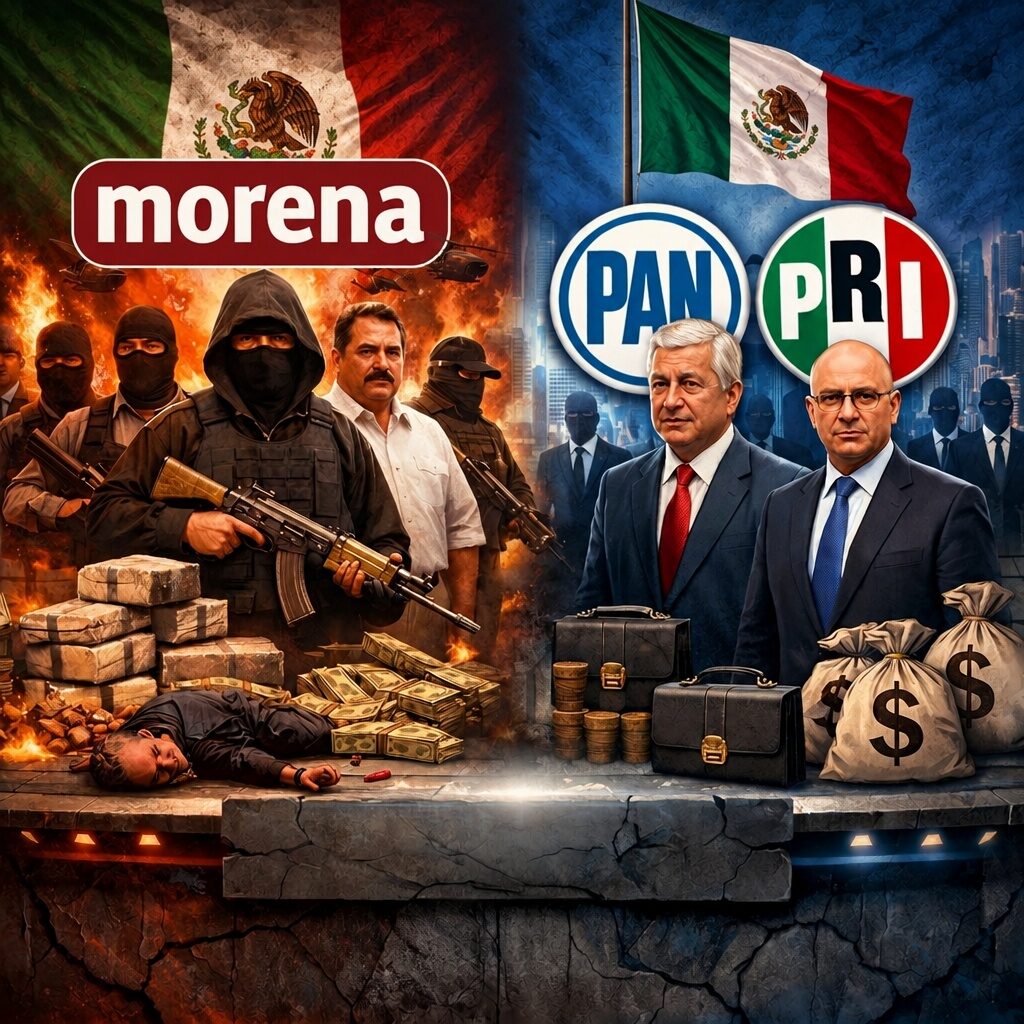
In this broader context, the debate that will dominate Mexico will pit the Morena government against the political bloc formed by agreements between the PAN and the PRI. Polarization between these two blocs will be the crucial arena in which Mexican society must define itself. Morena will refer to the PAN-PRI bloc as the “PRIAN” and accuse it of representing the neoliberal past, which is responsible for the current disastrous situation. In turn, the PAN-PRI bloc will accuse Morena of being a “narco-party” due to its pact with drug cartels to remain in power—a pact that has created a present marked by violence and destruction.
It will therefore be advisable for the leaders of the PRI, PAN, and Somos to focus on the reality ahead. A confrontation is coming in which the government and its party will take no prisoners: they will seek to prevent their own demise by eliminating their adversaries, dealing a fatal blow to the PRI and the PAN, and wiping out Somos.
The 2027 election will be the first since 1994 in which the opposition will face a ruling party that dominates the judicial and legislative branches, the federal government and its economic resources, and the electoral authorities. The imbalance in this contest could hardly be greater. This situation demands that the leaderships of the PRI, PAN, and Somos demonstrate greater sagacity, cunning, and tactical skill to achieve their objectives.
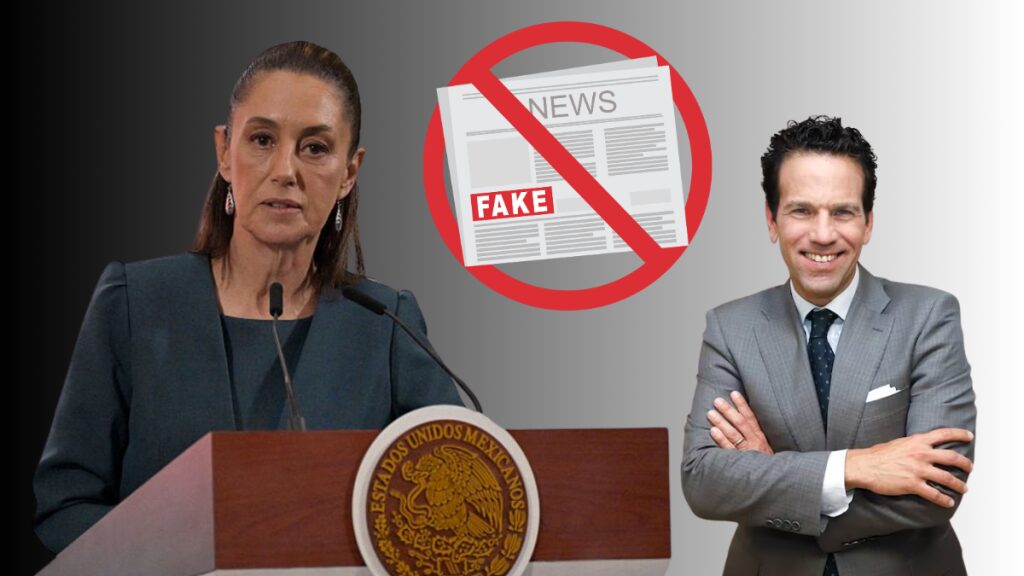
The accusation that Morena is a “narco-party” has hit it hard. Its approval ratings have dropped significantly. In this context, President Sheinbaum declared war on the opposition during a press conference at the National Palace. Not a single morning press conference goes by without her seizing the opportunity to attack, criticize, offend, or insult the opposition parties—whether for what they do, say, or fail to do. She also has personal targets of hatred: Loret, Ricardo Salinas Pliego, Alito, among others.
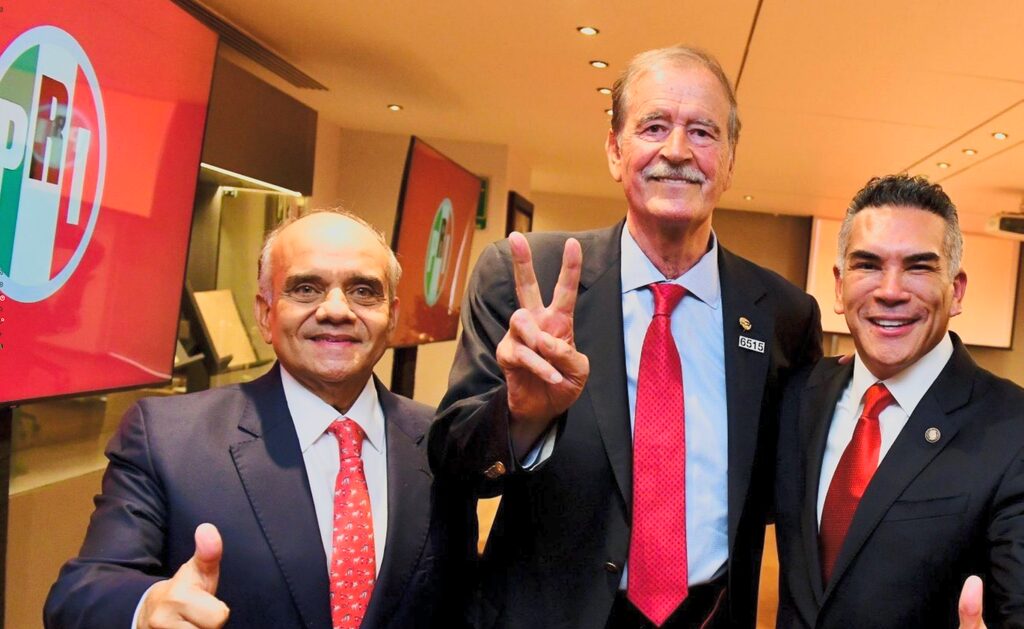
She was particularly “cheerful”—in her very particular and rather unempathetic style—about the meeting between former President Fox and the PRI’s national leadership. She said, “Supposedly they were different parties, but they always helped each other. Yesterday Fox met with the PRI—just imagine. Well, that’s reminiscing about the past, isn’t it? They want to go back to the past of corruption and privileges—are we in agreement? Look, let’s recall a few things from that era.” And she went on to recall events from “that era” when Andrés Manuel López Obrador, Manuel Bartlett, Ricardo Monreal, and Alfonso Durazo—along with many other Morena members—were loyal soldiers of the PRI.
In an attempt to bury the “narco-party” narrative, Morena is pushing the theory that the PRIAN has tarnished sovereignty. The Morena candidate for governor of Sinaloa recently expressed this when she accused the PRIAN and the “neoliberal era” of being responsible for all the problems in that troubled state. She says this in a state where citizens know that the war and destruction are the result of an agreement between Morena (the candidate’s party) and the Sinaloa Cartel. That’s how crude and absurd Morena’s new “sovereignty” narrative really is.
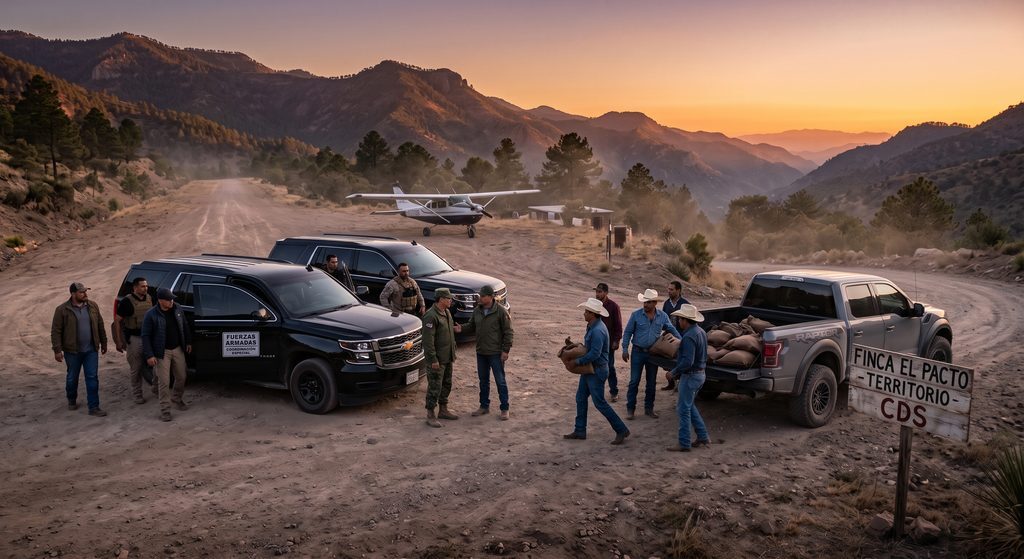
Electoral bodies—both the INE and the Electoral Tribunal—are mobilizing to control, fine, punish, and subordinate opposition parties. At the official kickoff ceremony for the electoral process, held on the INE esplanade in Mexico City, the Secretary of the Interior’s prominent presence drew attention at an event traditionally meant to underscore the institutional and political independence of the country’s highest electoral body. Her presence was intended to serve as a subliminal reminder that “Andrés Manuel López Obrador is present here. Consider yourselves warned.”
The government has also allocated the budget to serve its own interests and undermine the opposition. It has devoted countless resources to buying votes, plunging the country into debt because it lacks its own funds. In 2027, just as it did in 2024, the federal government will resort to public debt to ensure sufficient resources for the ruling party and its allies to win the election “by hook or by crook.” The U.S. will surely oversee the electoral process to prevent organized crime from infiltrating it with money and votes in Morena’s favor.
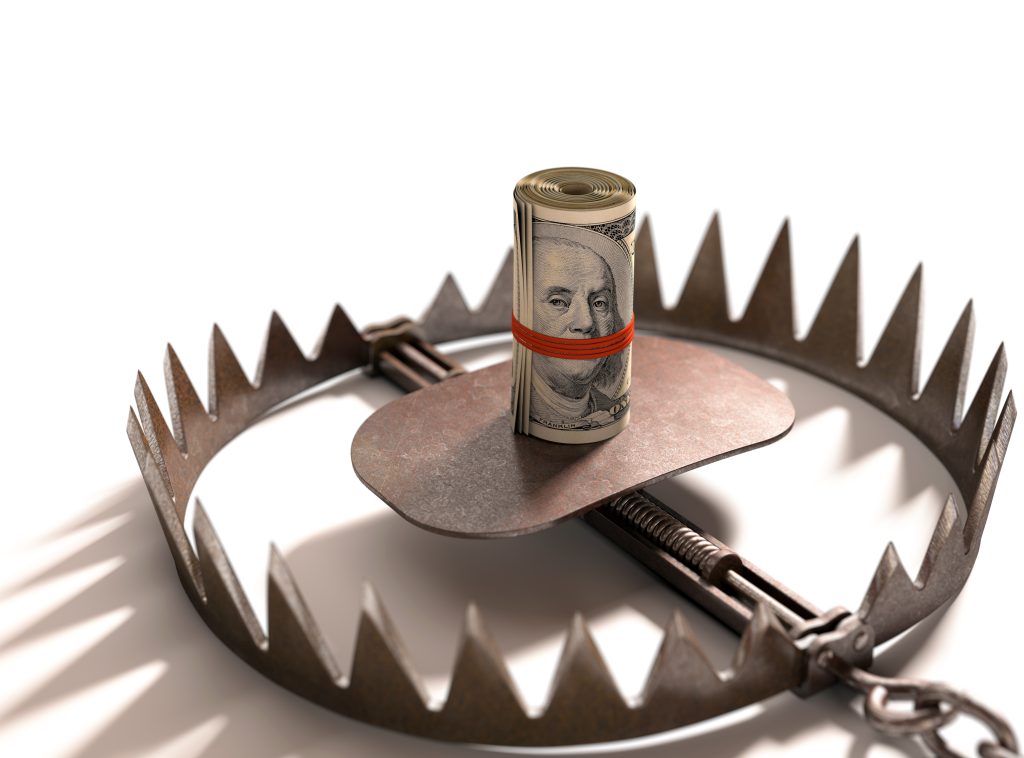
The clash between the two narratives will dominate the electoral debate. The social mood and the decision society will have to make: continue supporting Morena’s “narco-party,” or vote for change by backing the joint PRI and PAN candidates.
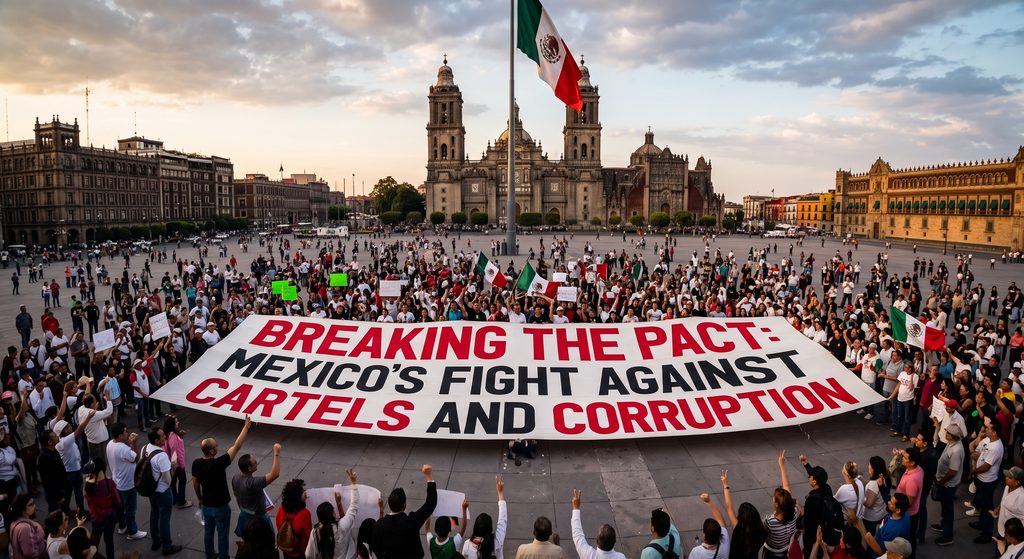
“Narco-party” or PRIAN—that will be the choice.
@rpascoep
Further Reading: