
Ricardo Pascoe Pierce
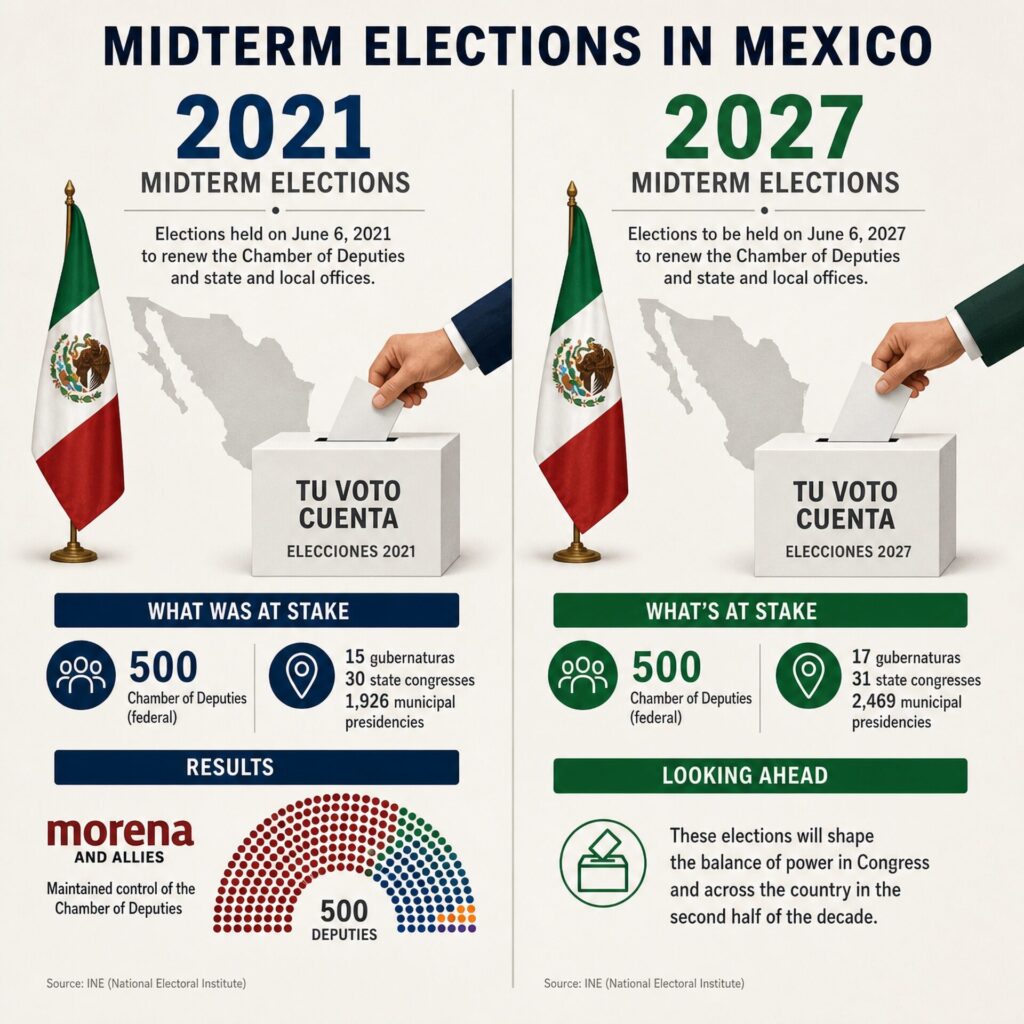
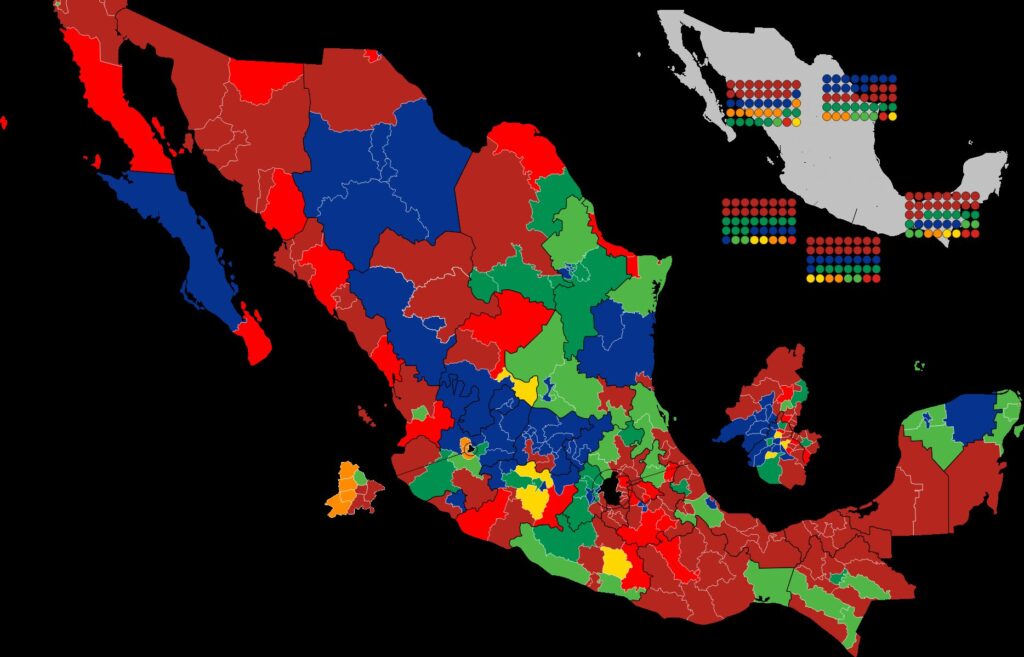
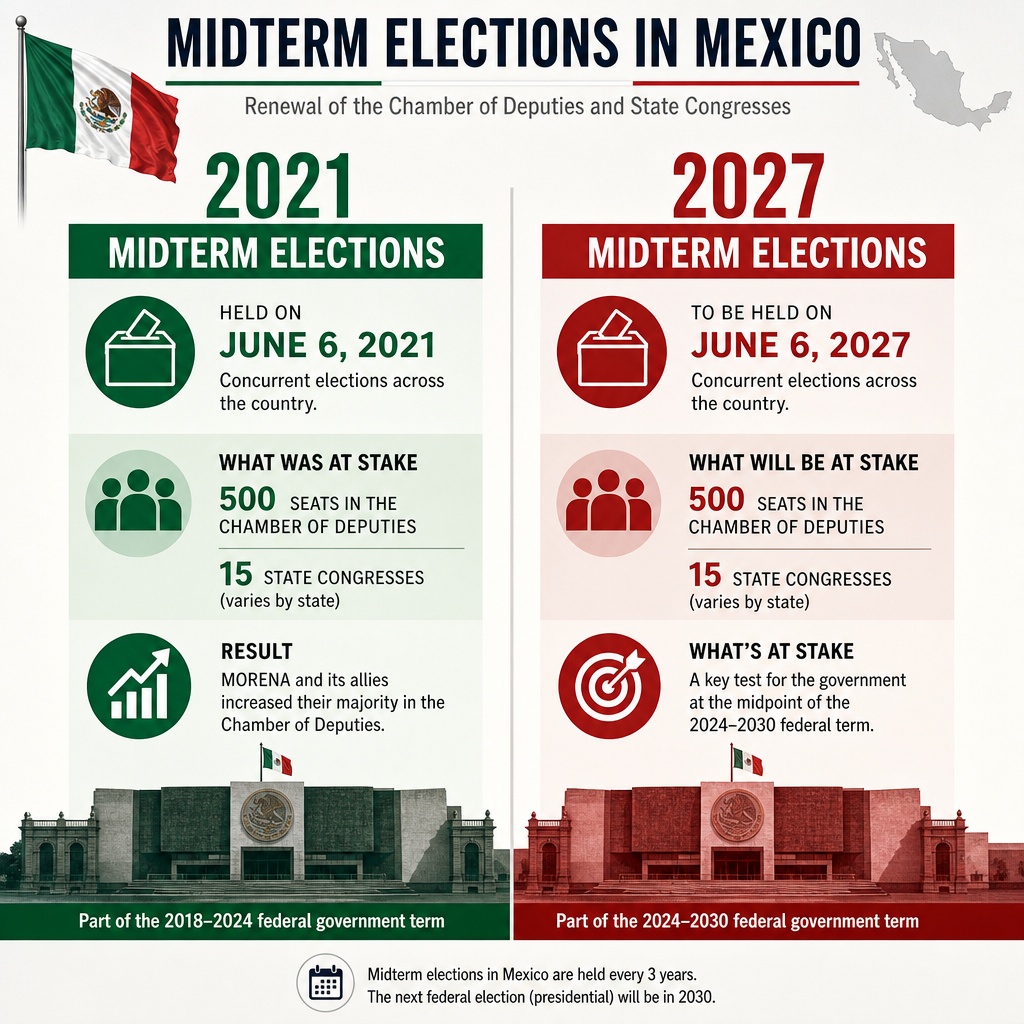
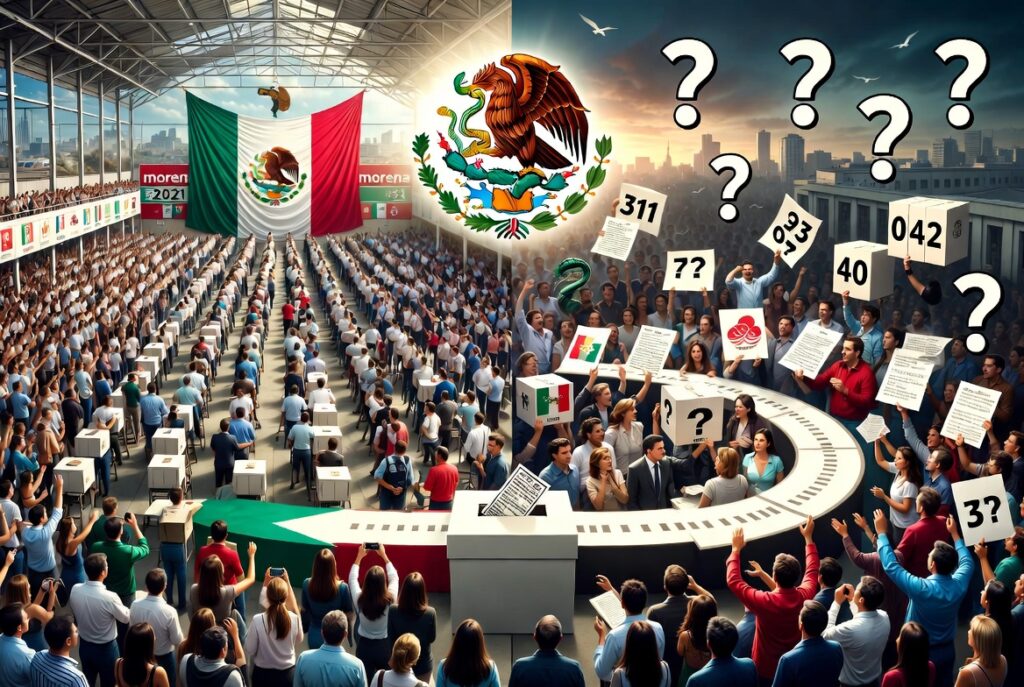
The 2021 elections shifted the balance of power in the country. The 2027 midterm elections appear poised to achieve the same result. The 2021 elections marked the first time that López Obrador, as president, authorized the strategic alliance that would define his entire term in office. Believing it would secure Morena’s political hegemony for three, four, or more six-year terms, he agreed to share power with the drug cartels to sweep the elections. However, he miscalculated. He focused the pact with organized crime on the effort to win the 17 state governorships, assuming that Morena was capable, on its own, of retaining—or expanding—the number of its seats in the Chamber of Deputies.
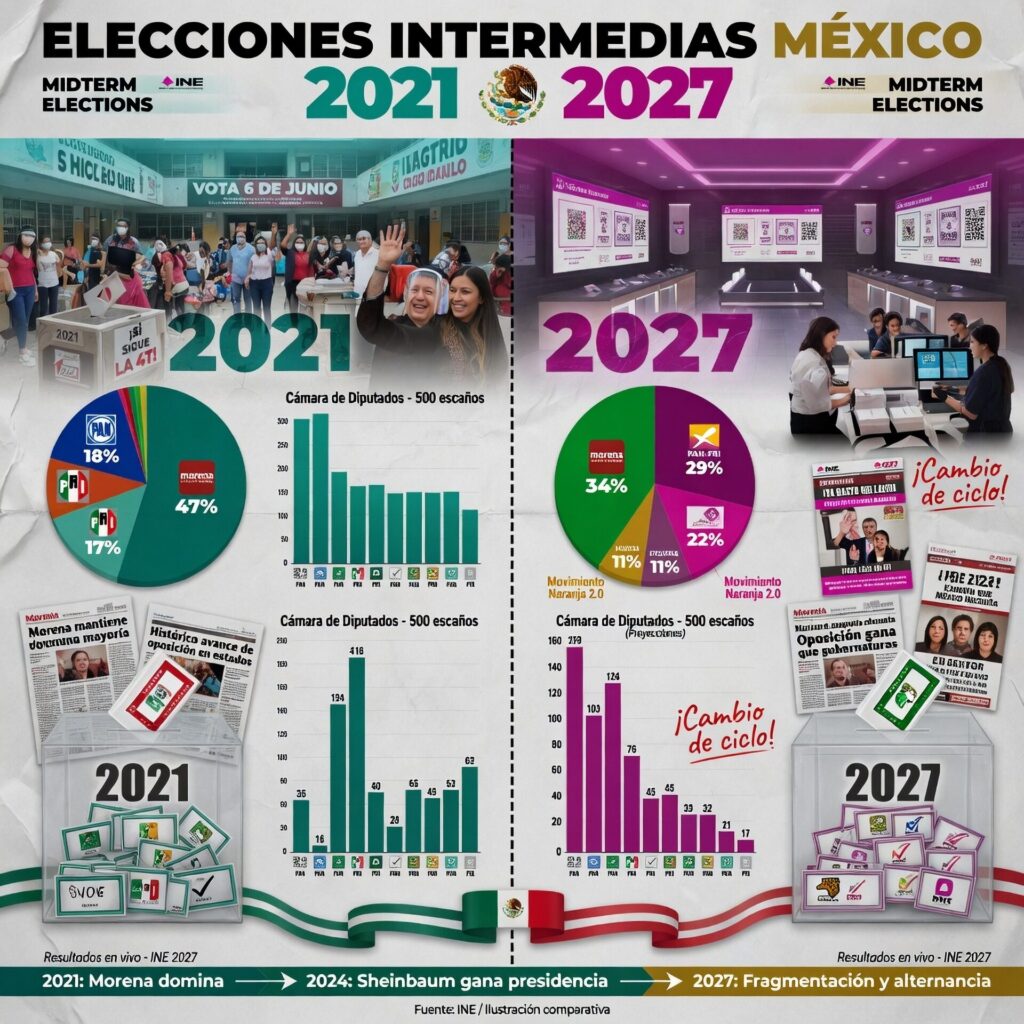
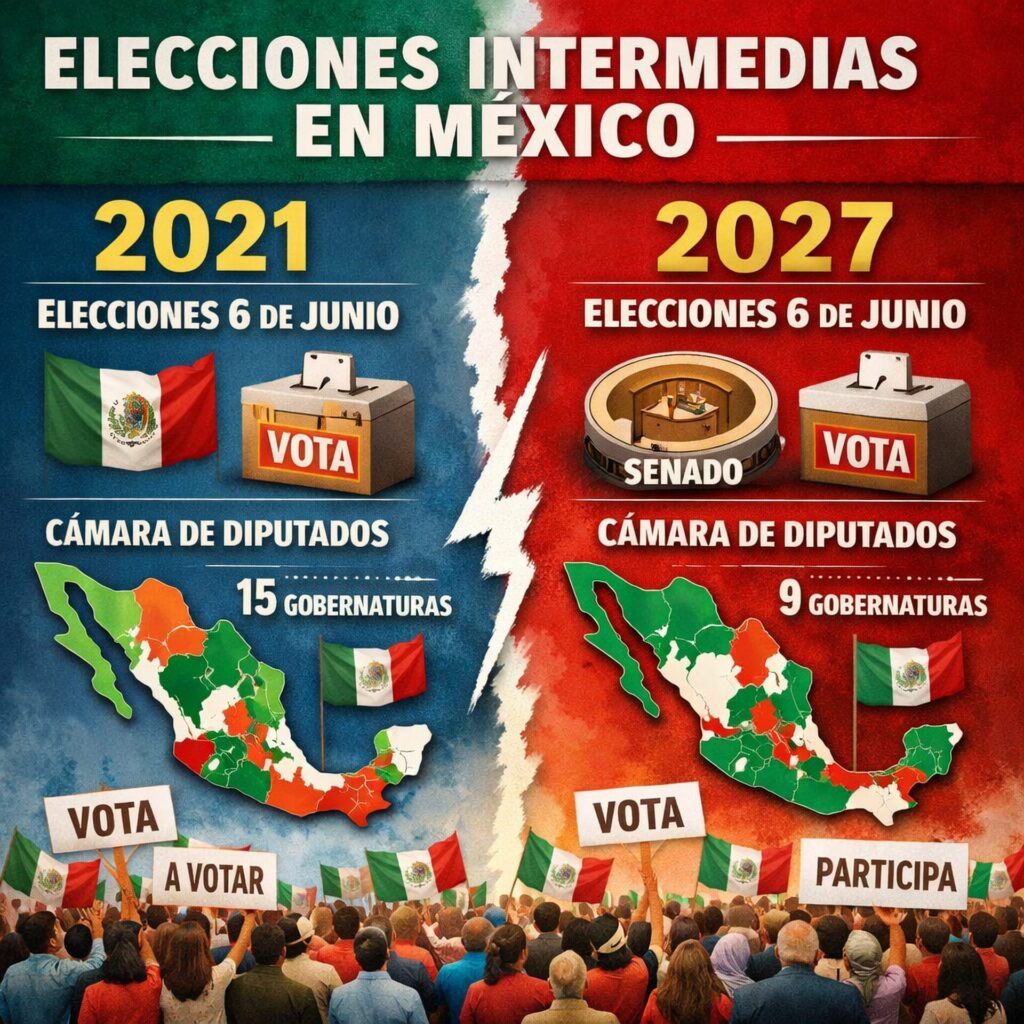
From 2018 to 2021, Morena held a qualified majority in the Congress of the Union. AMLO assumed that this majority would continue after 2021. He was wrong. In the 2021 elections, Morena lost its qualified majority in the Chamber of Deputies due to a combination of negligence and arrogance. But it did sweep the gubernatorial races, thanks to its alliance with drug cartels. It won 13 of the 17 contested seats.
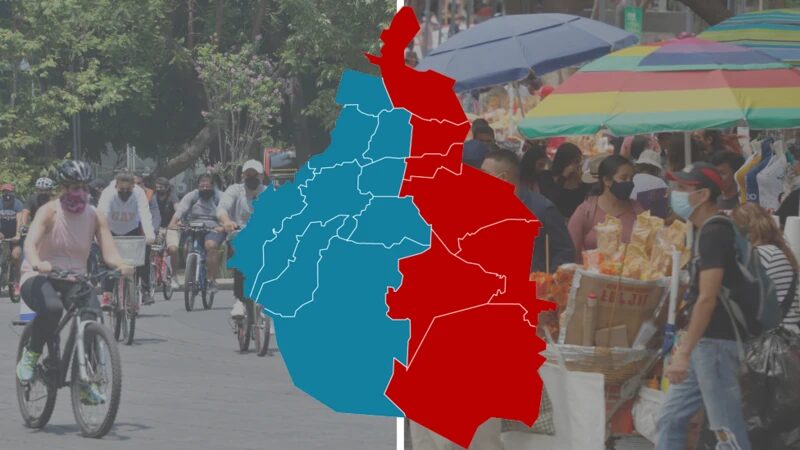
The 2021 elections for deputies and mayors yielded important lessons about what Morena is like internally and how it functions in electoral processes. Mexico City is emblematic of its strengths and weaknesses. As the cradle of the national Morena movement, it had shown strength since 1997. In 2021, it suffered its first major electoral defeat, with Sheinbaum serving as head of government. It lost most of the mayoral seats that year. How can this be explained? Several factors contributed to that defeat. First, Sheinbaum’s glaring lack of party leadership and political acumen. Second, internal Morena factions did not consider her their leader and, as a result, pursued their own agendas without consulting her or even working outright against her. And third, corruption among Morena officials had become an everyday news story. The combination of these factors contributed to a wave of votes against Morena in the city. It wasn’t even due to the opposition’s brilliance. It was mainly due to Morena’s mistakes.
For Morena, the outcome of those elections was bittersweet. It won state governorships it had never held before, but lost its qualified majority in the Chamber of Deputies. It could no longer move forward with the constitutional reforms it had long sought.
AMLO learned his lesson. He prepared to prevent the same thing from happening in 2024. In addition to expanding social programs to justify handing out cash to millions more people, he deliberately promoted national economic precariousness to increase and justify the dependence of broad social sectors on federal aid. And it worked. Because he was able to create the impression among broad sectors that the difference between survival and death hinged on this government’s support, furthermore, he plunged the federal government into debt to secure ample resources for high-profile initiatives aimed at consolidating his voter base. Finally, he expanded the scope of Morena’s alliance with the cartels, this time ensuring they would contribute votes and money not only to the presidential and gubernatorial campaigns but also to those for senators and deputies. He corrected the mistake he had made three years earlier.
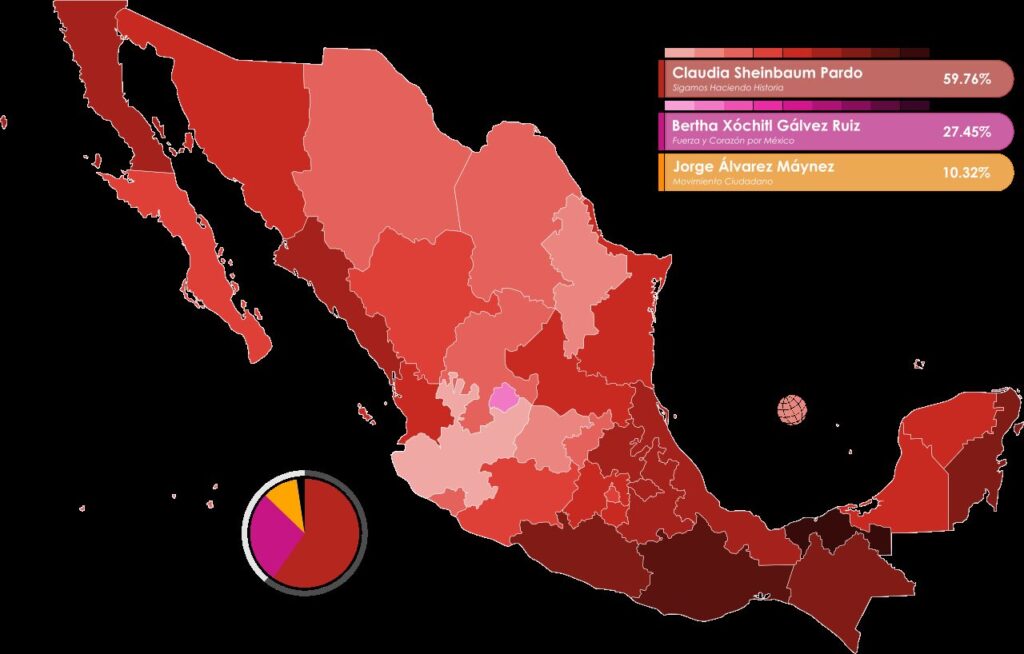
Along with their votes, he added the buying off of National Electoral Institute (INE) council members and Federal Electoral Tribunal (TEPJF) justices. He closed the circle for a perfect imposition of his will. Morena’s overrepresentation in Congress was simply a consequence of all of the above.
The 2027 midterm election presents a new opportunity to significantly shift the national balance of power in favor of pluralism. The country has entered a phase of widespread and deep political and economic crisis over the past six years, beginning in 2021. AMLO is no longer president and is going through his darkest years. His room to maneuver has been significantly reduced, though he still commands the attention and ear of his successor. Sheinbaum is the president whose approval ratings are in decline.
Her lack of empathy is her defining trait, and her political weakness within Morena’s ranks is glaringly obvious. One need only look at the internal strife that erupts whenever she mentions candidate nominations to confirm that there is no central body to coordinate and oversee the selection process. Sheinbaum is a president with bureaucratic clout but without the political power required to govern effectively. In Mexico City, Morena is ignoring her. It is in open defiance.
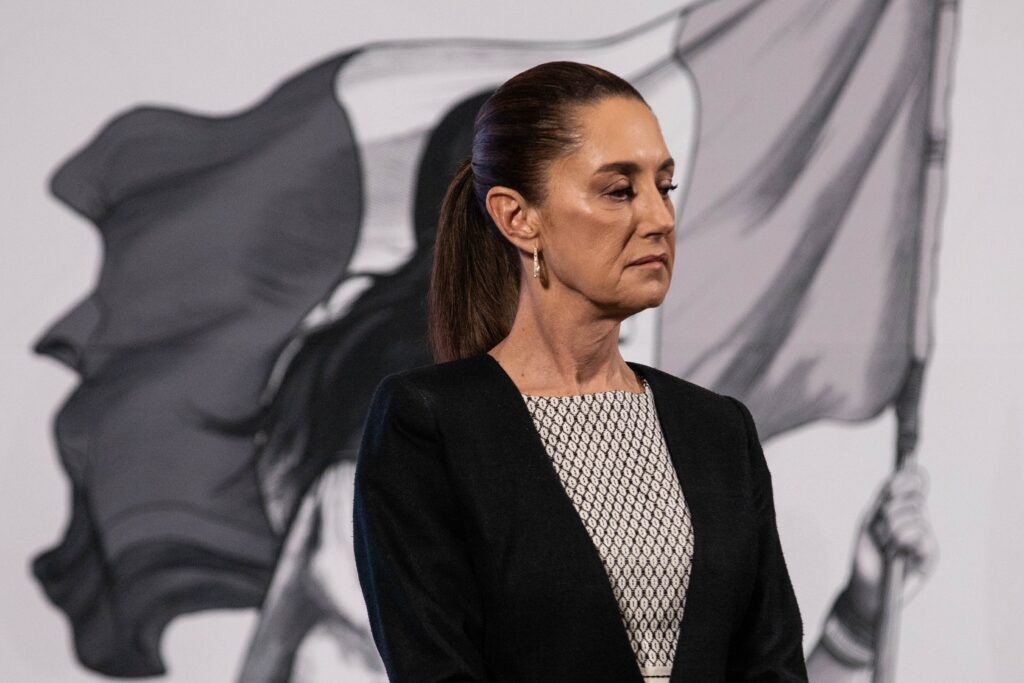
The conflict with the United States is the central existential problem facing Sheinbaum’s administration. It encompasses every aspect of the relationship between two disgruntled neighbors. Immigration, the economy and trade, security, diplomacy, and international relations are the issues in constant conflict. The United States is actively undermining Sheinbaum’s ability to successfully govern Mexico by placing the alliance with drug cartels—inherited from AMLO’s presidency—at the center of the debate. That reality shapes the entire relationship.
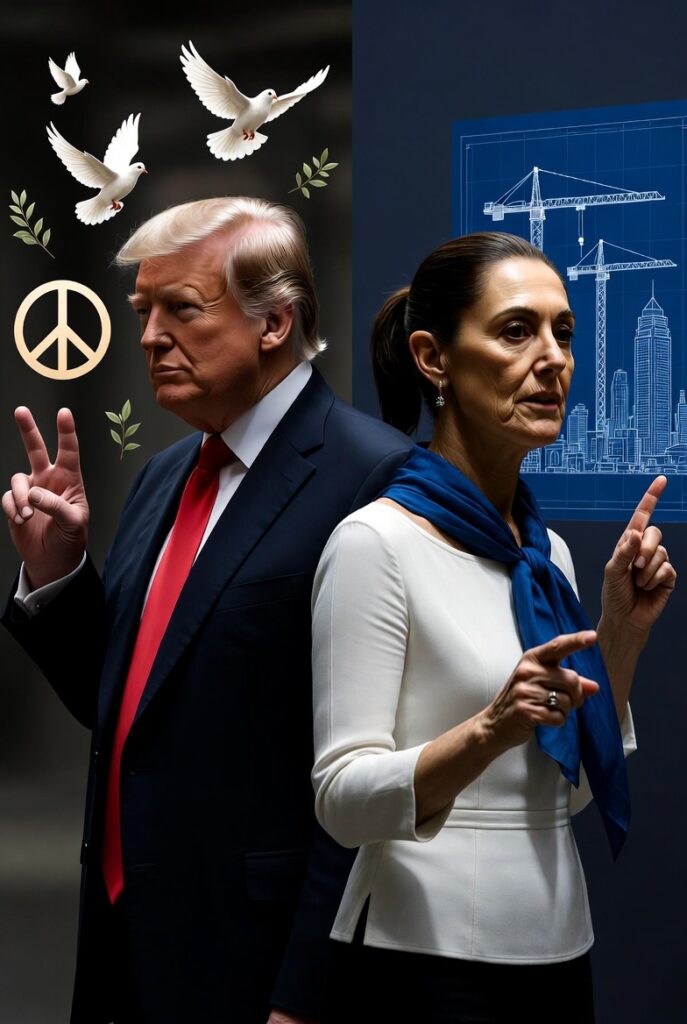
The economy is stagnant, even if it is not in a recession. But this stagnation points to a country that lacks a clear future or a path out of the economic precariousness that AMLO deliberately fostered. Sheinbaum holds constant meetings with business leaders, who also see no clear future; that is why they say they will invest but do not follow through. Their reluctance is also due to the lack of legal certainty and the rampant corruption among Morena officials. Every time there’s talk of an “accordion judge,” the country takes a step backward. The debt, incurred by AMLO to win the 2024 election, is an anchor around the country’s neck, tightening more and more each day. Social programs expand as Morena’s fear of suffering an electoral defeat in 2027 grows—and they cause further financial and fiscal strain. And finally, there’s the white elephant in the room: PEMEX, which destroys everything it touches. PEMEX undermines the country’s viability and prevents the nation from pursuing rational, viable solutions. Morena implicitly suggests that if PEMEX’s collapse leads to the country’s failure, then sovereignty is well worth it!
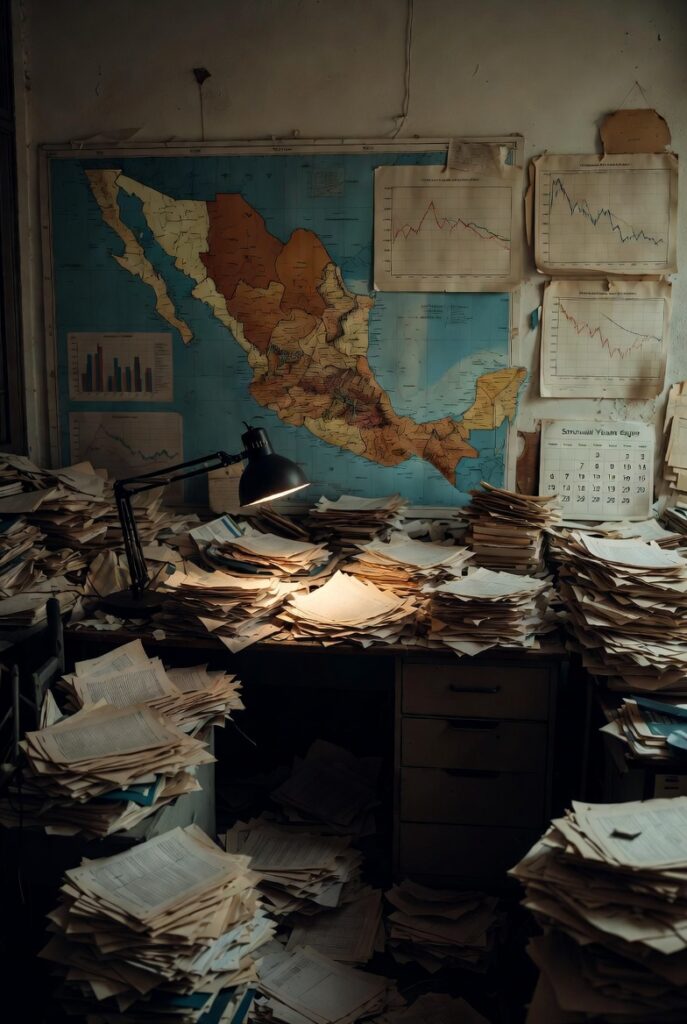
In 2027, the country will have a weakened president, at war with her own party, at odds with the United States over the alliance with the cartels, and an economy offering no future for the country, while corruption permeates as the central activity of Morena’s leaders.
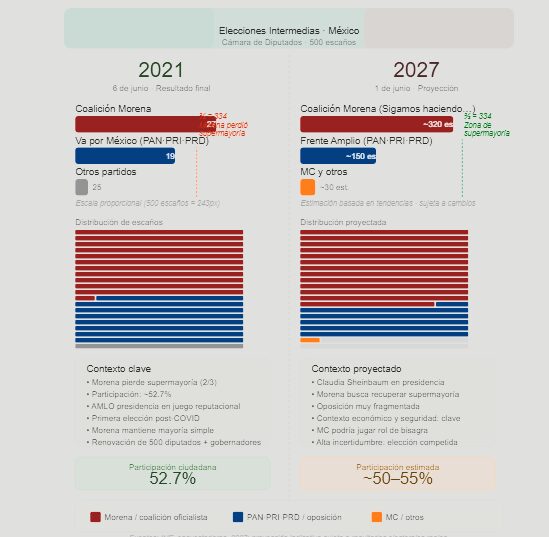
How the landscape has changed between 2021 and 2027! This allows us to affirm that the conditions exist for creating a new balance of power in the country, marked by a new pluralism. It is an opportunity for those with the vision to appreciate the situation on the horizon—and to take advantage of it. The key lies in coordinating political and social forces to build a new governing bloc capable of charting a roadmap to escape a situation that threatens to destroy the Republic. And to offer a democratic solution that settles accounts with the past and moves forward with governing a new era for the country, while respecting its valuable intelligence and diversity.
@rpascoep
Further Reading: