
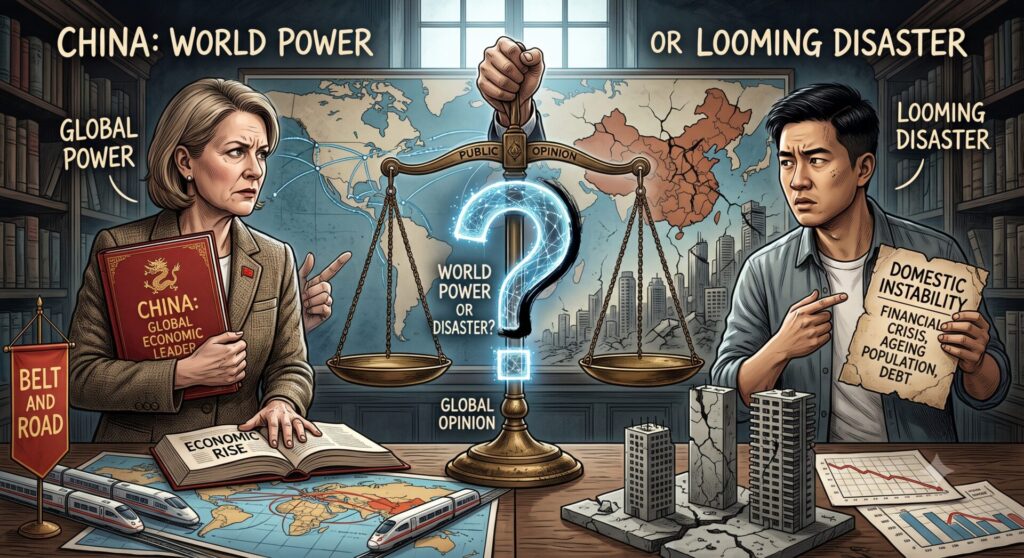
This month, I’ll start with a brief analysis of China. We’ve all seen the videos of the engineering marvels they’ve achieved, of their humanoids acting not like robots but like real humans, and of the speed with which they build houses and buildings. Their advances in AI—at much lower costs than in the United States—and their development of semiconductors never cease to amaze us. For many years, the widespread perception was of a country with a massive population working for pennies and manufacturing low-quality products, whose only advantage was that they were very cheap. Today, China is an industrial and technological powerhouse, where wages are 30% higher than in Mexico and where, in many fields, it already competes on equal footing with the U.S. and Europe.
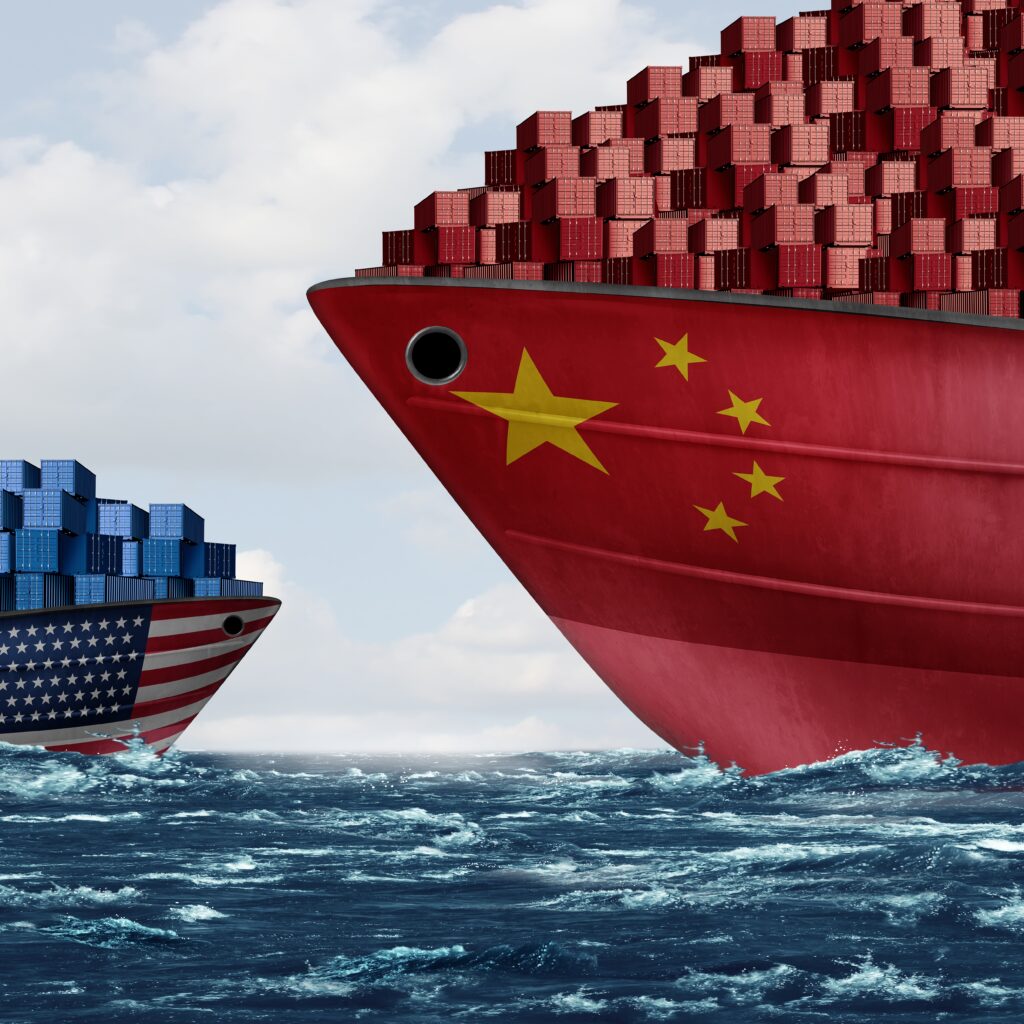
On the other hand, its economy is growing at the slowest pace of the century, except during the pandemic years. GDP is projected at 4.3% this year, and production and consumption indices have been falling for a couple of months now. The banking sector, which is almost entirely government-owned, is practically bankrupt, and its bad debt already exceeds the government’s total reserves—more than $6 trillion. The country has taken advantage of the fact that it is a dictatorship where Xi Jinping has already been designated president for life, where the main opponents—both civilian and military—have been dismissed or have mysteriously disappeared, where the theft of intellectual property is an accepted practice, and where public spending proceeds regardless of whether the government has the funds or simply runs up larger deficits. Its investments in the developing world have been disastrous, and its loans and infrastructure investments in Africa and Latin America remain half-finished, failing to generate the cash flow needed to repay these massive investments. There is no doubt that China will be a formidable competitor for many years to come, but its strength is not well-founded, and at some point it will face serious problems.

Turning to the United States, the economy remains reasonably solid, with 57,000 jobs created last month, an unemployment rate of 4.3%, and a 0.3% increase in labor costs—consistent with an inflation rate of just 1.5% for the month, though up 3.8% year-over-year. The impact of oil prices remains very strong, and July saw a drop in crude oil prices, although they rebounded toward the end of the month. There is no doubt that today’s markets and consumer sentiment revolve around the political decisions made in Washington. With so many shifting narratives regarding Iran, the result is significant uncertainty and high volatility in the stock markets, commodity markets, and others.

The surge of far-left candidates in the Democratic Party—who sound like the communists of Cuba or Venezuela and draw inspiration from Mamdani, Bernie Sanders, or Alexandria Ocasio-Cortez—is extremely concerning. It’s very easy to promise that everything will be free, that the wealthy will pay new taxes that will make income distribution more equitable, and so on. Still, I feel that, by failing to fulfill their false promises, they will end up splitting the party into two factions—the extremist and the moderate—and may even allow the Republicans to retain control of Congress and the Senate in the upcoming November elections, despite Trump’s declining popularity and discontent over how long the conflict in Iran has dragged on.

The American people vote with their wallets and are angry about the $1.00-per-gallon increase in the average price of gasoline, the rise in mortgage rates to 6.75%—the highest in many years—and inflation across all consumer goods, which is officially reported at 3.8% annually, but feels even more severe in day-to-day spending, especially when they don’t fully understand why the United States attacked Iran to eliminate the threat of a nuclear bomb. The war has cost American families $672 each, but it has not dampened consumers’ desire to continue spending (+3.2%) or their optimism about a better future (index at 55.2). The government’s oil reserve of 770 million barrels has dropped by 352 million and is at its lowest level since the 1970s.

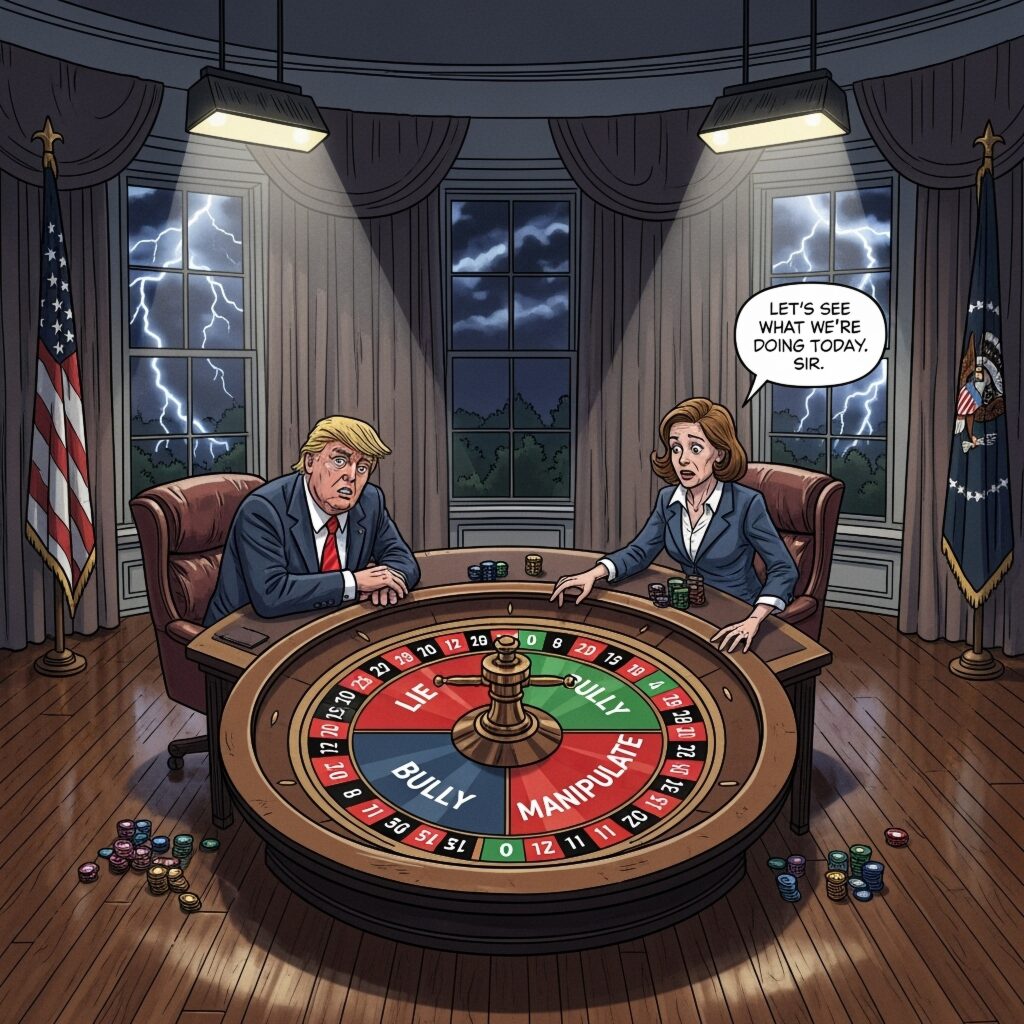
Fortunately, the proposal to create a fund to compensate those detained during the Capitol riot ($1,776 million) has already been scrapped. That initiative by Trump left a very bad taste in people’s mouths, to the point that many lawmakers from his own party voted against some proposals coming out of the White House. For two months, almost none of the nominations for vacant public offices were confirmed. In fact, despite holding a majority in both chambers, this year’s approved budget—which requires only a simple majority to pass—was significantly smaller due to opposition from several Republicans. President Trump’s approval rating stands at 37%, the lowest of his two terms in office—a figure driven by discontent over the war, persistent inflation, and reports that in 2025 he earned nearly $2 billion from his real estate businesses and his ventures into the world of cryptocurrencies.

Another problem is that Trump fails to follow through on the initiatives he launches—such as the TikTok issue, tariffs, Iran, disregarding the 2020 election results, or closing the Epstein case. Another difficult-to-accept situation is the agreement to support Saudi Arabia’s nuclear development, since, given their oil reserves, they do not need to build nuclear power plants for electricity generation, and adding another country to the nuclear club could strain long-term relations. The Supreme Court dealt a major blow to Trump by declaring most of the tariffs unconstitutional, and the government had to refund $166 billion to importers. On the other hand, the government has already imported $13 billion worth of oil from Venezuela, and the country has stabilized following Maduro’s downfall.
The new chair of the Federal Reserve (Fed) appears to be a bit more cautious than expected. He said that statistics do not necessarily reflect economic reality and wants to hold fewer public meetings and report less frequently on inflation and growth data. He left interest rates unchanged at the last meeting, although three of the 12 board members voted in favor of raising the Fed’s benchmark rate.
I was struck by the decline in patriotism among young people under 30 in a New York Times survey, which showed the lowest level since the survey began in 1968. U.S. economic growth is moderate at 1.5%, with manufacturing holding steady at 7-year highs and unemployment insurance claims at their lowest level since 1987. Home sales are slightly slower, although building permits for new construction are trending upward. There is no doubt that if mortgage rates continue to rise, rental prices will fall, since Americans are less concerned with the price of the home than with how much their monthly payment will be. In the longer term, the concern is that the increase in productivity (0.1%) is much lower than the increase in the cost per hour worked, which translates into sustained inflation.

Global refining capacity is at 90%, with 8.4 million in excess capacity, indicating that countries are finding oil despite the conflict in Iran. OpenTable reported that in the second quarter, there was a 9.4% increase in “diner counts” at restaurants, once again indicating consumer resilience. In other U.S. economic data, the trade deficit rose in June to $72 billion; annual healthcare spending totals $5.7 trillion; passive buyers of Treasury bonds have dropped from 75% to 52%; and hedge funds now account for 8.5% of new issuances. Speaking specifically about companies, the 10 largest firms in the S&P 500—the index of the country’s 500 most important companies—account for 39.2% of total market capitalization, while on the NASDAQ, among the 100 largest technology companies, the top 10% account for 47.5% of the index.
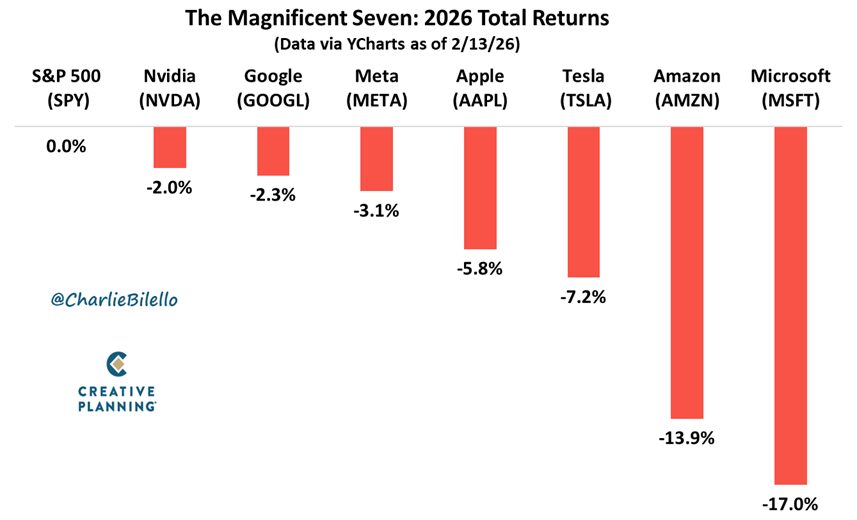
Today, the “Magnificent Seven”—all vying for leadership in AI—have announced investments totaling more than $1 trillion. Although they were once massive cash generators in their traditional businesses, they are now issuing debt and posting negative cash flows. It’s curious how chip manufacturers are now investing trillions of dollars in their customers to ensure they have the resources to buy those chips. On July 24 alone—a very bad day on the stock markets—the Magnificent 7 lost $890 trillion in market value. Of the companies that have reported their second-quarter results, 75% exceeded analysts’ revenue projections, and 90% exceeded expected earnings. Microsoft gained $500 billion in market value thanks to a very strong earnings report, and the major oil companies have reached $500 billion in revenue so far this year due to rising crude oil prices. Walmart reported global sales equivalent to 2.2% of U.S. GDP and one-third of Mexico’s GDP! Finally, as a fun fact, 11% of Americans are currently using GLP-1 medications from Lilly and Novo Nordisk to combat obesity.
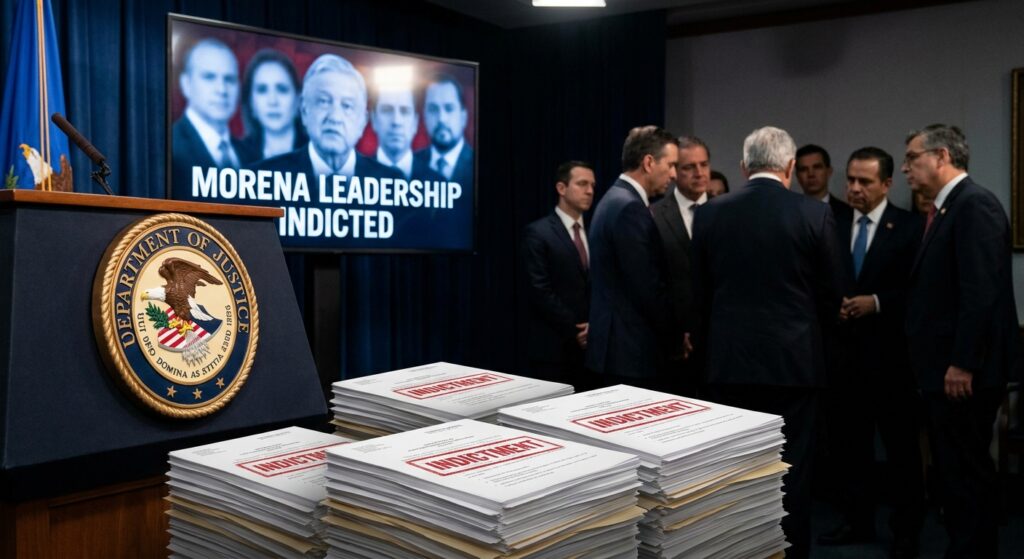
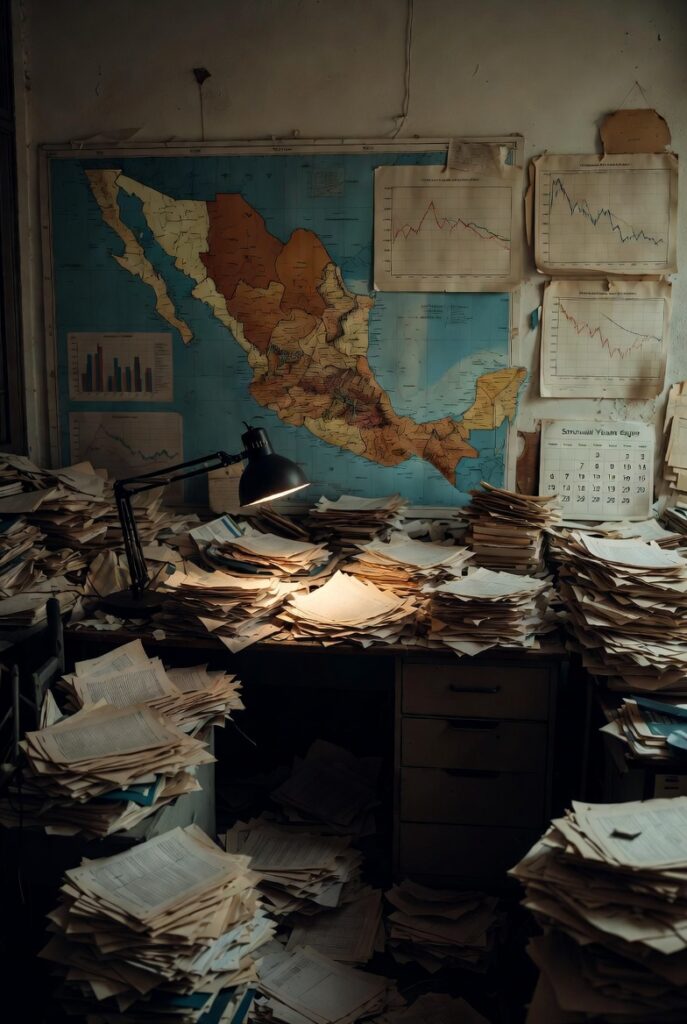
Mexico remains in a complicated situation, with its relationship with the United States deteriorating due to the “narco-politicians” whom the Americans are demanding be extradited. At the same time, the Mexican government is reluctant to do so until there is more compelling evidence—to the extent that the Attorney General’s Office (FGR) has exonerated Rocha Moya of any wrongdoing and accused the U.S. government of making baseless allegations. This friction has already manifested in the non-renewal of the USMCA and the revocation of visas for many Mexican politicians.
Economic growth of just over 1% is not enough to improve living standards, and young people are already growing restless due to the lack of opportunities.
The outlook for 2027 is for a slow and fragile economy facing both internal and external risks.
· The main problem is the lack of both public and private investment.
· Consumption is not growing, and remittances have risen by only 2.7%.
· Public debt already stands at 54.7% of GDP—not particularly high compared to other countries, but a key factor in maintaining investment-grade status.
· Sustaining social assistance programs leaves the government without the resources to promote economic growth, which is projected to be between 0.7% and 1.9% for 2027.
As I do every month, I’m compiling a list of the positives and negatives reported over the past month.
Positives:
· Q2 GDP grew by 1.5%, or 6.2% on an annualized basis—excellent, but not sustainable.
· Gross investment in April—the most recent month reported—grew by 4%, the highest in five years.
· Formal employment had its best June in five years.
· Reported inflation was 3.37%, the best in five years, and the annualized rate was 3.95%, within Banxico’s target band of + 1% around 3%.
· The U.S. opened its market to 1.15 million metric tons of sugar from Mexico.
· Nissan decided to keep manufacturing its most affordable model line in Mexico.
· Car thefts reached their lowest level in 15 years, at 50,847—16,000 fewer than the previous year.
· Reserves remained stable at $255,322 million.
· The SAT collected 0.4% more revenue than the previous year, although as a percentage it remains the lowest among OECD countries, including 5,967 million pesos from tax adjustments.
· Pemex earned $1 billion in T-2 due to oil prices; its debt stands at $77.5 billion, and production is at 1.66 million barrels per day.
· CFE reported higher profits, although its revenue declined.
· Exports reached their highest level since 2021.
Negatives:
· Public debt now stands at nearly 55% of GDP, compared to 45% at the start of López Obrador’s administration.
· The IMF has cut its 2026 growth forecast to 1.2%. The IMEF estimates 1%.
· Industrial activity saw its sharpest decline in seven years.
· The Dos Bocas refinery, with a capacity of 340,000 barrels per day, is producing 144,000 barrels.
· The World Cup had a negative impact on airports, airlines, etc., and even OLLAMANI, owner of Estadio Banorte (formerly Azteca), reported a loss of 557 million pesos.
· The United States designated two cartels as terrorist groups, opening the possibility of military action against them.
· Honda will stop producing its electric cars in Mexico.
· Former Governor Ruffo was arrested for fuel theft.
· ANTAD reports the worst retail sales in 17 years.
· PEMEX’s mixed contracts have not attracted the expected foreign investment.
· Inbursa’s profits fell 29.3% in the second quarter.
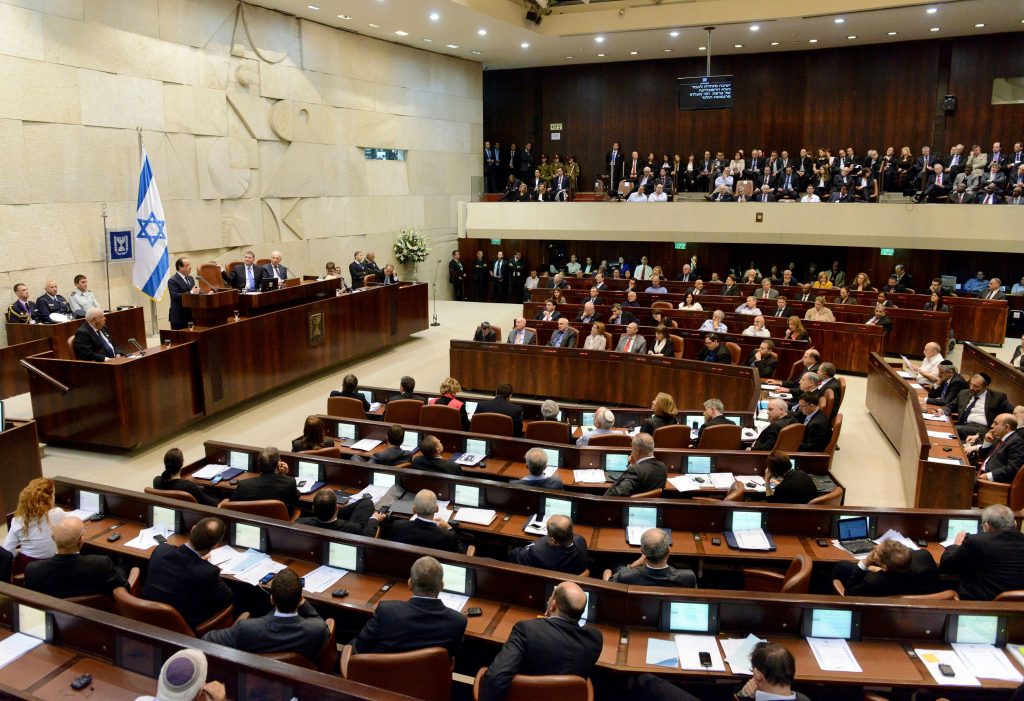
Israel’s economy in July 2026 continues to show strength despite headwinds from the conflict in Iran, the war in Lebanon, and the formal collapse of the government following the breakup of Netanyahu’s coalition and its loss of the 61 Knesset seats needed to govern. The IMF revised its 2026 growth forecast from 4.8% to 3.5%, the Central Bank lowered the interest rate to 3.25%, and exports reached a record volume of $164 billion. Growth in 2027 is expected to be 5.6%, and inflation is projected to fall from the current 2.3% to 2.1% next year.
Elsewhere in the world, we are seeing the problems of globalization—which was so heavily promoted in previous years—and which today leaves countries without vital inputs due to political issues, as is the case with rare earth metals, certain semiconductors, and medicines.

China has banned the export of rare earths to 14 European companies, which is halting significant production in those countries. Incidentally, China’s exports—$412 billion in June—are masking an economy weakened by problems of excess housing and infrastructure, leading the country to two consecutive months of GDP decline and deflation. Interestingly, the Chinese are taking revenge against the Panamanians for having taken away their concession for the Canal ports by increasing inspections of Panamanian-flagged ships and prolonging the paperwork process by many days. China issued a 10-year bond with a coupon rate of 1.724%, and the $7.5 billion offering was oversubscribed by 7.23 times.

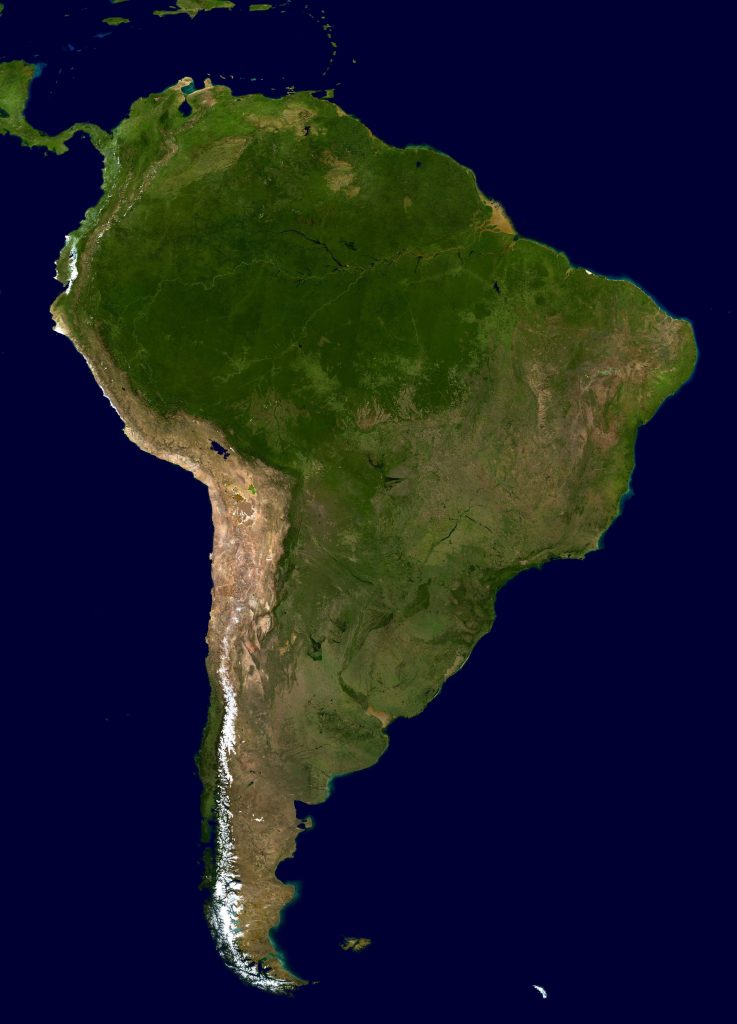
France has banned children under 15 from accessing social media, becoming the first country to take such action, although many had proposed it. Argentina projects annual inflation of 30% for 2026, down from 30% monthly when Milei took office. There is some concern that its GDP has now contracted for two consecutive months, and elections are approaching, with the opposition gaining strength. Incidentally, Argentina did pay $4 billion in maturing debt. Panama has yet to decide on the reopening of First Quantum’s copper mine due to protests over environmental impacts. Still, production accounts for 2% of GDP, and the closure has already cost $6.3 billion. The impact of the weather phenomenon known as El Niño is expected to reduce the number of ships crossing the Panama Canal by up to 50%, from an average of 36 per day to just 16–18.

In Brazil, inflation rose from 4.5% to 5.1% despite having the highest interest rates on the continent, and it was confirmed that the election will be between Bolsonaro’s son and President Lula. Petrobras reached a production level of 3.33 million barrels per day, exporting 40% of that, primarily to China. The transition process in Colombia is complicated, as talks between Petro and the newly elected president, Cepeda, have broken down. El Salvador’s GDP grew by 4.8%, driven primarily by increases in tourism and electricity exports. Bukele announced that he is running for another term as president—his third—even though the law did not allow for reelection.
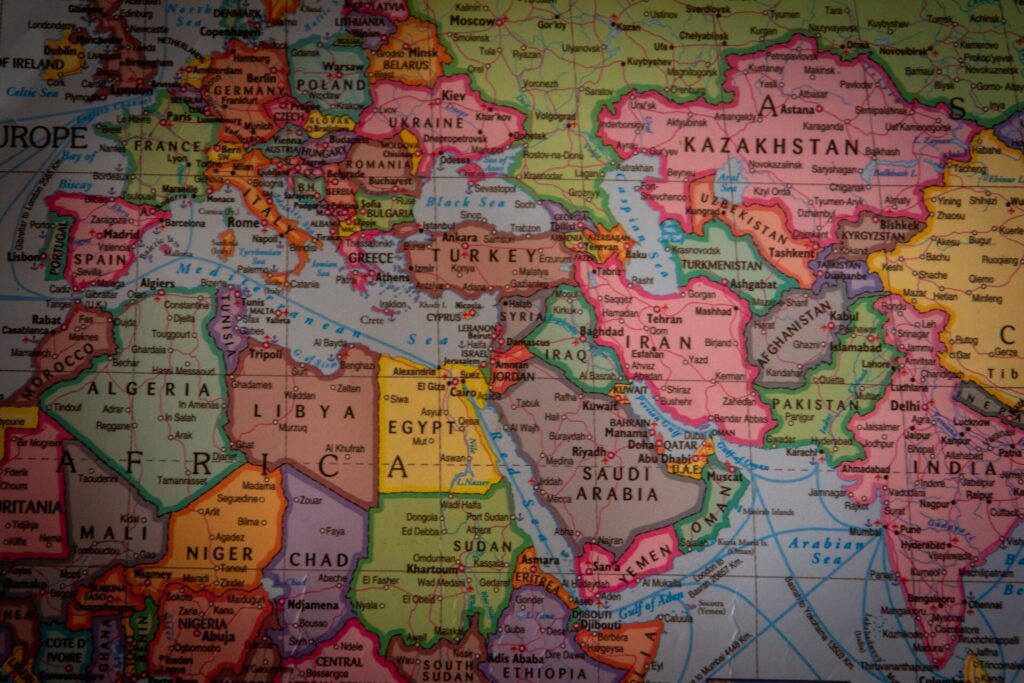
In the Middle East, the UAE increased its oil production by 80% since leaving OPEC, and Saudi Arabia reported a 5% drop in its GDP due to difficulties exporting its oil through the Strait of Hormuz. Sovereign wealth funds in wealthy countries reached an all-time high of $15.1 trillion, and the value of global mergers and acquisitions totaled $1.7 trillion in the first half of the year.
In the financial markets, stock exchanges experienced a highly volatile month with a slight decline in stock indices. Bonds also had a very poor month, with the 10-year bond yield reaching 4.75% and the 30-year yield reaching 6.75%—an increase of nearly three-quarters of a point for both so far this year. Currencies remained stable month-over-month but saw significant daily fluctuations in both directions; gold was down slightly, hovering just above $4,000/oz, and bitcoin stood at $62,500.

Further Reading: