

The outbreak of hostilities in Iran—a crucial step to prevent a fundamentalist and fanatical country from becoming a nuclear threat to the entire world—transformed all global efforts to combat inflation and halted the progress made in recent months toward lower interest rates. Oil prices immediately skyrocketed from $62 to over $100 per barrel, affecting many other industries, including aluminum, helium, naphtha, the entire petrochemical sector, and even cotton due to changes in the cost of synthetic fibers. The partial closure of oil transit through the Strait of Hormuz primarily affects China and other Far Eastern countries, which consume 87% of Iran’s production. Europe has also been affected, though to a lesser extent.

The United States is much less dependent on Iranian oil, but it could not sit idly by, as advances in Iranian long-range missiles posed a threat to the entire world. This was confirmed when Iran launched a missile at Diego Garcia Island, which is 5,200 km from Tehran, putting many Western capitals within range of a missile from Iran. Before the war began, a half-point cut in the U.S. interest rate was projected. Now, at most, a quarter-point cut is expected, and some are already talking about an increase in borrowing costs.
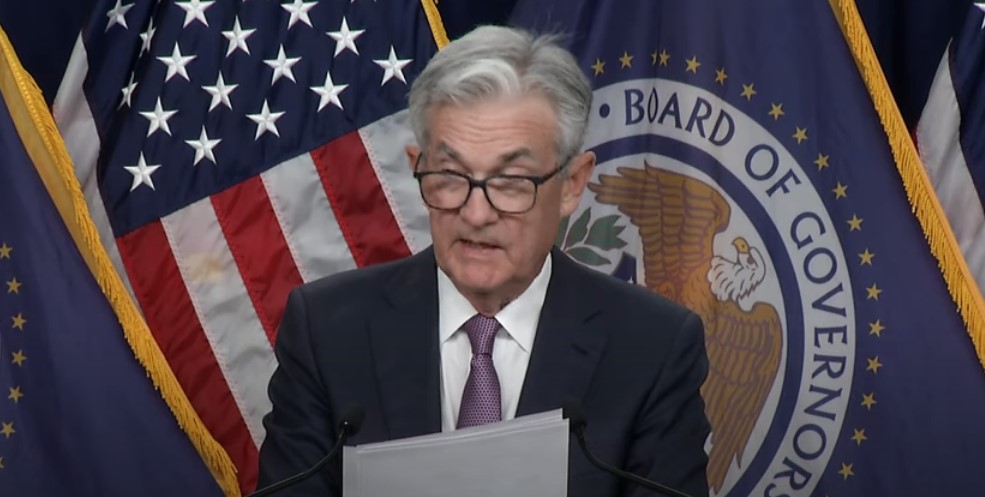
In the United States, the following conflicting forces listed below make it impossible to determine the future or the real impact of rising energy prices. Thanks to tax cuts for the middle class resulting from the new law known as the “Big Beautiful Bill,” the economic stimulus starting in April will be approximately $90 billion, boosting consumption and economic activity. In May, there will be a change in the Fed chair. Although the Senate has not yet confirmed Kevin Warsh, it is almost certain that he will replace Powell, who is definitely leaving office amid a heated dispute with Trump. I am certain that one of the conditions for appointing Warsh was that he would do everything possible to lower interest rates, which is what Trump seeks. Although 12 votes are needed to set the Fed’s course, the Fed chair’s influence is significant.
Overall, the economy is stable with no major growth, and the 2% growth forecast for this year is based on major investments in artificial intelligence. This requires massive infrastructure in both chips and electricity supply. Companies in general aren’t laying off many people, but they aren’t hiring either, taking a wait-and-see approach regarding demand. Job vacancy statistics are trending downward, indicating not only a lack of appetite for growth but also a reluctance to change jobs for fear of not finding something better than what they already have. Unemployment remains at 4.4%, a rate that was once considered “full employment.” Capacity utilization stands at 76.3%, about 3 percentage points below the historical average.
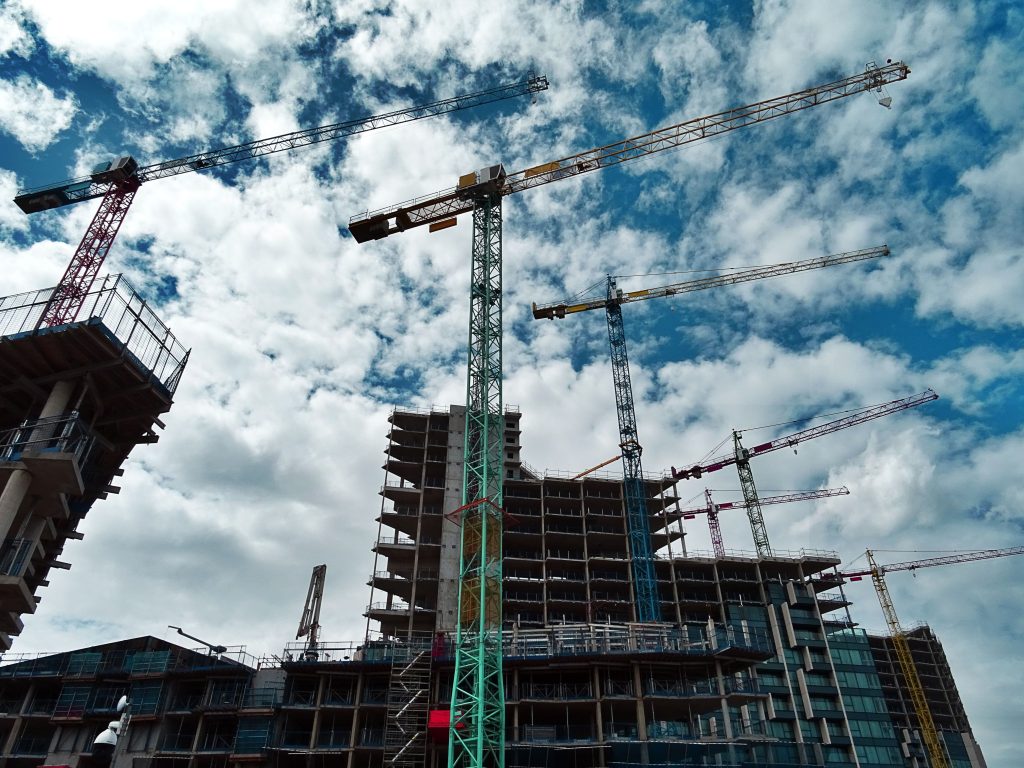
Analysts track several surveys, particularly the University of Michigan survey, which showed a slight decline in consumer confidence and lower expectations for long-term inflation. Workers’ incomes rose by 1.7%, slightly less than inflation (2.6%), but not alarmingly so, especially now that tax refunds are on the way. The country’s main industry is construction, and several important developments occurred in March. The Senate almost unanimously approved a new law that prohibits large financial firms from buying homes to rent them out, promotes the development of housing for the middle and lower classes, and eases restrictions on building on federal land. This law was necessary, as mortgage applications fell by 11%, and although home sales are stable, building permits dropped by nearly 8%.
Car sales fell 3.1% in February, another example of cautious consumer behavior and a reflection of rising car prices. Incidentally, sales of new electric cars have dropped 23% over the past 12 months, following the expiration of the $7,500 government subsidy, but this trend could reverse if rising gasoline prices persist. The United States currently has a reserve of 415 million barrels of oil, below its 714 million barrel capacity, and is considering using part of it if fuel becomes scarce. It is worth noting that the United States produces 13 million barrels of crude oil per day, Russia and Saudi Arabia 10 million per day, and Iran 3 million.
A study indicates that for every $10.00 increase in oil prices, inflation rises by 0.3%, which would be very serious if the current conflict drags on. It also creates a financial crisis in non-oil-producing Third World countries. A statement by Saudi Arabia’s oil minister indicated that they believed oil would reach $180 per barrel if the Strait of Hormuz remained closed for more than 90 days. As I do every month, I’m adding some data here that I find interesting about the United States. Online commerce has already surpassed 20% of total sales. Of these, 15.8% are returned to the supplier. The average number of jobs created over the last 12 months is 13,000, compared to 99,000 in the previous 12 months. Migration from high-tax states to lower-tax states has increased significantly; for example, California has lost nearly 90,000 people, including births and migrants. Despite high taxes, the state had a $11.9 billion deficit last year.
JP Morgan Chase reached $4.4 trillion in assets, making it the largest bank in the country; its assets exceed the combined total of the next three: Citicorp, Bank of America, and Wells Fargo. For the first time in history, the retail space leased in shopping centers to service-based businesses such as spas, gyms, and food establishments surpassed that occupied by product retailers. In a lawsuit against Facebook and YouTube, the jury found them liable for harming a teenager’s mental health due to the persistence of their communications and imposed a $6 million fine. This may lead to more lawsuits, but we’ll see what happens when the companies appeal that decision. According to the latest U.S. economic census, there are 430,000 people with more than $30 million in assets and 47,000 with more than $100 million in assets.
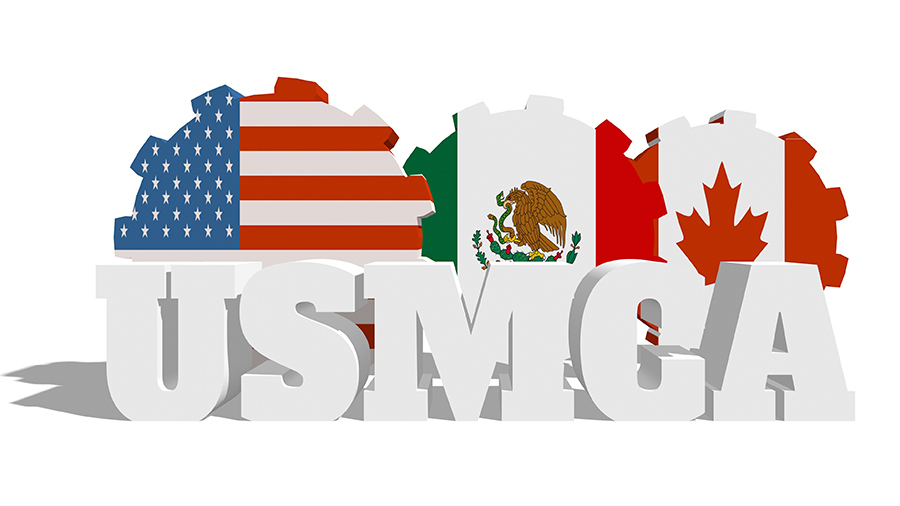
In Mexico, things remain very complicated due to issues stemming from the influence of organized crime, the virtual disappearance of the judicial process for protecting citizens, and the failed amendment to the electoral law, whose Phases A and B were defeated in Congress because the parties allied with Morena did not support Mayor Sheinbaum’s initiatives. These reforms aimed to reduce the number of senators to 96, eliminate multi-member districts, allocate two seats to the party with the most votes in each state and one to the runner-up, and combine the recall vote with the 2027 midterm elections. On March 16, the USMCA review process began. I hope only a few rough edges are smoothed out, and that there are no major changes, or worse yet, that the agreement is not renewed. The entire border industry and “nearshoring” have come to a standstill, awaiting the outcome of the negotiations. The peso also depends heavily on the successful conclusion of the treaty renewal process.
The relationship between Trump and Sheinbaum has been deteriorating despite the U.S. president consistently speaking of her in positive terms. The U.S. intervention in the capture of the Canadian citizen Wedding and the capture of Mayo Zambada are examples of the violation of sovereignty that Sheinbaum so strongly defends. The famous anti-drug summit of Latin American presidents held at Mar-a-Lago—to which Mexico was not invited—is another example of the growing rift between the two countries. Just a few days ago, Mexico announced that it will sue ICE, the U.S. agency responsible for deporting undocumented immigrants, for the mistreatment of many Mexicans and even the deaths of some in detention centers. The Bank of Mexico surprised analysts by cutting the interest rate to 6.75%, despite inflation exceeding the institution’s target range, in an effort to revive the economy, even at the cost of a drop in the peso.

As we do every month, we separate the positive indicators from the negative ones.
Positives
· CFE will increase the electricity supply by 37,000 kW.
· Government revenue increased by 10.2% due to income tax (ISR) and excise taxes (IEPS).
· An agreement was reached between the federal government and PEMEX to transport oil across the Isthmus.
· Volaris reached an all-time high in the number of passengers carried on international routes.
· Barclays raised its 2025 GDP estimate from 1.2% to 1.5%, and BBVA projects 1.8% for 2026. The IMEF forecasts 1.4% for 2026 and 2027, projecting the peso at 18.35 and 19.05 by the end of those years.
· Many new mining permits were issued to capitalize on the rising value of metals and minerals.
· At the opening of USMCA negotiations, U.S. Ambassador Johnson expressed optimism and a friendly tone.
· The primary banking system is committed to increasing credit to 55% of GDP.
· The first two months of the year showed a 1.6% increase in retail sales.
· PEMEX’s loss in Q4 of ’25 was only $100 million pesos.
· February was the month with the highest-ever levels of imports and exports.
· Mexico accounted for 43.74% of all U.S. automobile imports in ’25, up from 29.82% in ’07.
Negatives
· Reserves fell for four consecutive weeks to $254.02 trillion. Much of the decline was due to the revaluation of international bonds, which fell in price as U.S. interest rates rose.
· GAP saw its largest traffic drop in 18 months.
· Remittances posted their first annual decline in 11 years.
· Industrial production was reported to have increased by 1.3%, while analysts had expected 1.6%.
· Faced with the failure of the Maya Train, the operating company now wants to sell leather goods, jewelry, and banking services.
· Inflation shot up to 4.63%, well above the upper limit set by Banxico.
· The Chinese said that the tariffs imposed by Mexico are trade barriers and will retaliate.
· The PMI, the national production index, improved slightly but remains negative, indicating contraction.
· The government unveiled the OLINIA, a very inexpensive electric car made in Mexico. The investment was minimal, but it will likely follow the pattern of other government-backed companies: incurring heavy losses and becoming a white elephant. The automotive industry requires massive investments and very high sales volumes to become profitable.

Here I want to analyze the peso’s movement. The exchange rate depends heavily on four factors: dollar inflows, the country’s stability, the interest rate differential, and macroeconomic forces. In March, all these factors conspired against the peso, as remittances declined; foreign investors are awaiting a positive resolution to the USMCA negotiations; the country remains shaken by the arrest of El Mencho, and there was a perceived weakness in the executive branch regarding electoral reform; the unexpected reduction in Banxico’s interest rate; and the war in Iran, which will undoubtedly drive global inflation due to rising oil prices.
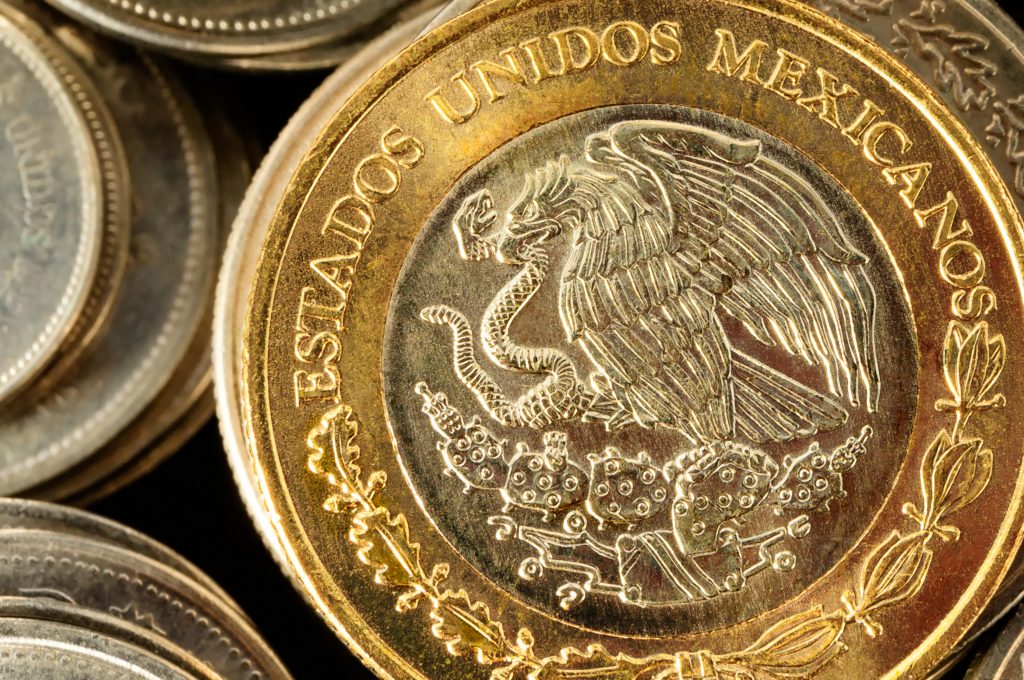
When we mention the interest rate spread, one of the most profitable financial strategies in recent years has been to borrow in countries with very low interest rates, such as Switzerland—where money can be obtained at 0.75%—convert it to pesos, and invest it in CETES at 10% three years ago, or at 7% a month ago, earning the difference while taking on the risk of a devaluation that hasn’t occurred in a long time. As that spread narrows, the strategy becomes riskier and less attractive, and with a move like the one we saw in March, a whole year’s profit is lost.
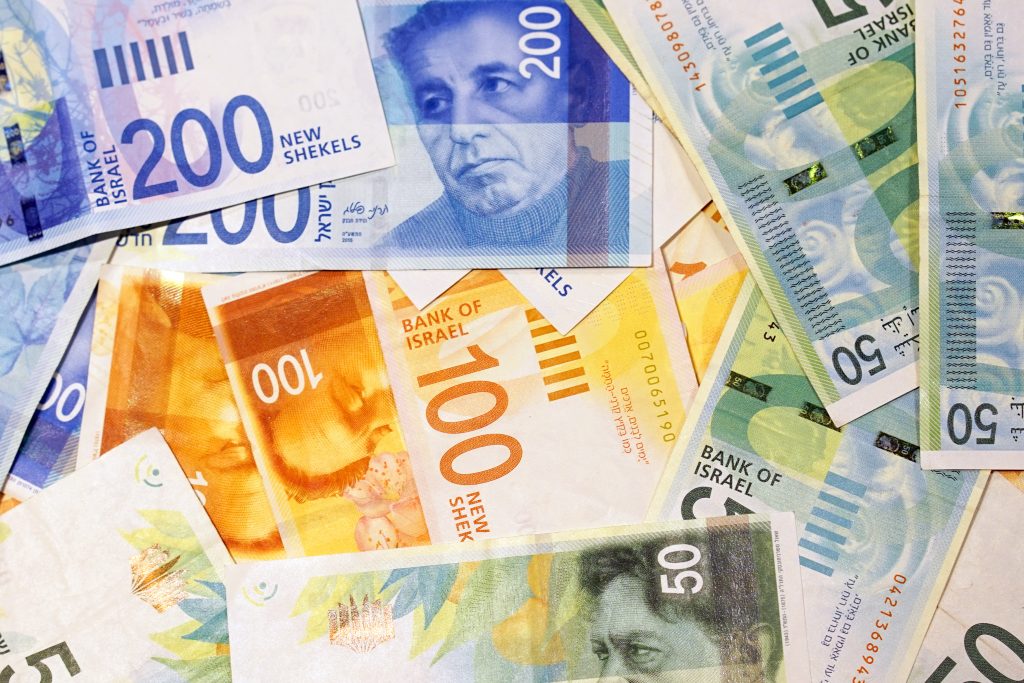
In Israel, the central bank kept rates at 4% until it could assess the impact of the war in Iran, and growth is projected for 2026 to be between 3.3% and 3.8%, depending on the duration of the conflict. Inflation has risen by nearly 1% and moved outside the central bank’s target range, and debt has reached 67.64% of GDP. Before hostilities began, the growth projection was 5.2%, largely due to technological developments in AI and cybersecurity, but much of this has been put on hold until the war ends. The shekel remains strong, at around 3.17 per dollar, affecting exports of manufactured goods, although it has not impacted sales of advanced technology. Israel has recognized Somaliland as an independent country and will establish a military base in that African nation to facilitate its defense against the Houthis in Yemen.
Elsewhere in the world, we see that China continues to face serious economic problems that may affect its expansionary policy in emerging markets known as the “Belt and Road” initiative, launched in 2013–2015. The growth forecast for this year is 4–5%, the lowest in a decade, and its share of global GDP has fallen from 19% to 17% over the past five years. Apparently, the banking sector, almost entirely government-owned, has bad debt on the same scale as the country’s reserves, and the two main drivers of development—housing construction and infrastructure—are saturated and facing serious challenges in recouping investments. Reports of increased profits from the sale of manufactured goods show a nearly 10% rise, but sales volumes are 4% below the previous year.
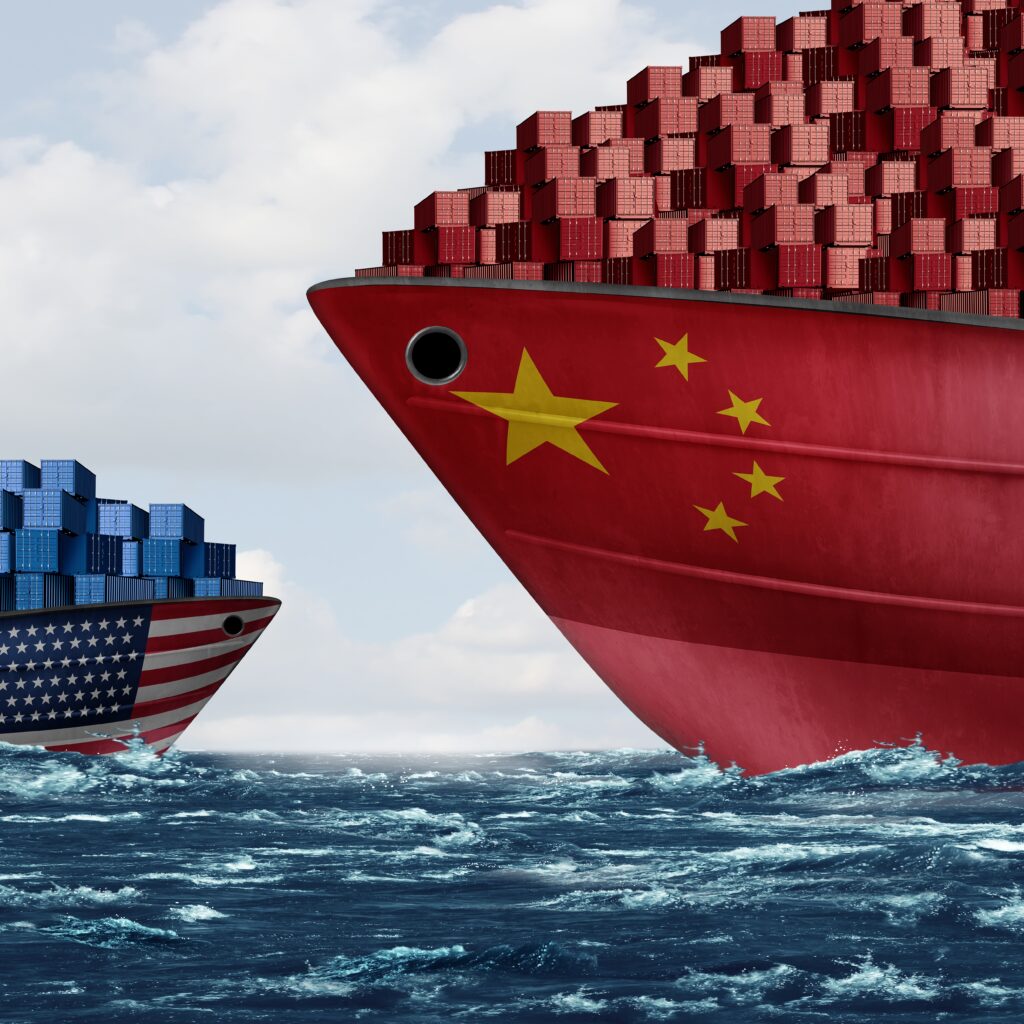
It is interesting to see what is happening at the Panama Canal, where the government revoked the concession of the Chinese company that managed the ports on both sides of the canal. The Chinese government-owned shipping company COSCO has already eliminated the stop in Colón. The canal is operating at its maximum capacity of 38 ships per day. The United States lifted the restriction on India‘s purchase of 30 million barrels of oil from Russia, without imposing punitive tariffs, as long as the Strait of Hormuz remains a problem. The strait remains partially closed at the Iranians’ discretion, with only ships carrying their oil allowed to pass freely.

In Argentina, GDP growth in 2025 was 3.4%, and the projection for this year is 4.4%, proving that Milei’s policies are working. Peace has been maintained with the unions, although monthly inflation remains at 2.9%—much better than the 20% madness of 2023, but unsustainable at annual levels of 33%. In the polls for Brazil‘s presidential election in October, there is a virtual tie between President Lula, who is seeking reelection, and Flavio Bolsonaro, son of the former president whose administration ended quite poorly. Inflation in Europe stands at 2.5%, manufacturing indices are stable, and unemployment is below 5%, allowing the Old Continent to maintain adequate stability without significant growth.
In March, stock markets had a terrible month, with the NASDAQ falling 13.1% before recovering slightly on the last day of the month, and the Dow Jones dropping 10%, triggering the stock market term “correction” before the rebound on the last day of the month. Today, markets are driven more by President Trump’s statements than by corporate earnings. Bonds also had a bad month due to rising oil prices and inflation concerns, although the decline was 2%, much smaller than that of stocks. Gold, which historically serves as a hedge against crises and rises with inflation, reacted in the opposite direction, falling to $4,430/oz, though it closed the month at $4,648, $1,000 below its highest price of the year. Bitcoin also fell to levels around $65,000, though it closed at $67,800. The dollar strengthened against nearly all currencies, with an average appreciation of 3.3%.

Further Reading: