

As I mentioned in the title of this letter, the most powerful country in the world is currently in a state of uncertainty, where every situation has two completely opposing sides—whether in politics, the economy, or even society. This polarization extends to the international arena, where blocs of countries are formed purely on economic grounds rather than on ideology or friendship.

In the United States, there are no longer centrist politicians; a moderate Democrat like Clinton could attract Republican voters, or a Republican like Reagan could also draw Democratic votes. Today, far-left figures like Sanders, Ocasio-Cortez, and Mamdani want to destroy the principles of capitalism that made the country great. At the same time, on the other side, Trump or Vance seek to eliminate immigration—which was the foundation of this economy’s growth—and aim to eliminate all preferential treatment for minorities. Biden’s open-border policy, aimed at securing future votes, is now being countered with mass deportations, and something as obvious as requiring official identification to vote has created a fierce standoff in Congress.
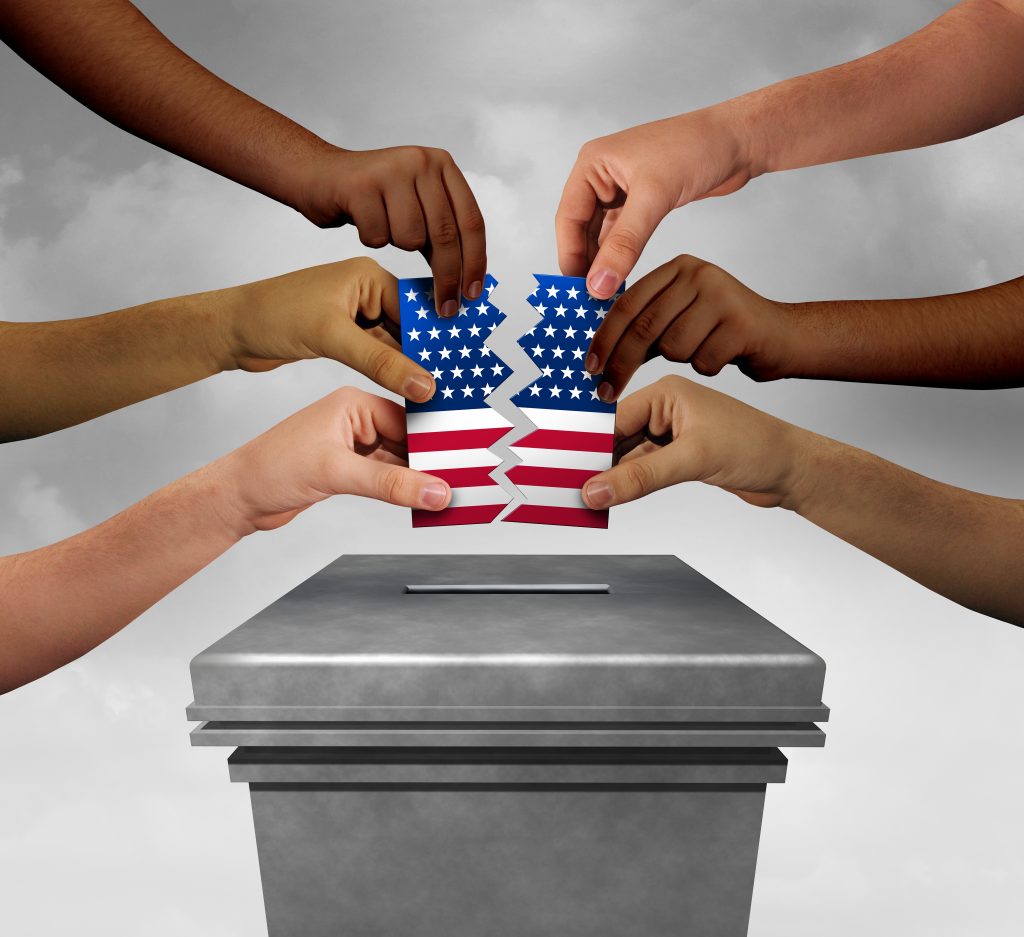
The redistricting to secure more representatives strikes me as appalling, and the “blue” or Democratic states have become even more Democratic, while the red states will become even more Republican. There is no longer that unity to strive for a better country, but rather a power struggle between two enemies. States governed by Democrats are in a worse economic situation and are now seeking to improve their finances through additional taxes selectively applied to the wealthiest. For example, a 5% tax on the total wealth of California’s billionaires, which has triggered an exodus to friendlier states, or an additional tax on those earning over $5 million in New York.

In the economy, we also see conflicting data that makes it impossible to predict the future. Unemployment remains very low at 4.3%, with relatively few new hires but also few layoffs. Unemployment benefit claims are at a 20-year low, a figure that includes both new layoffs and those who have been unable to find work for months. The labor force participation rate stands at 61.1%, the lowest in 20 years (except during the COVID-19 pandemic), and includes 400,000 people who have stopped looking for work after six months of fruitless searching.
Inflation has risen slightly due to higher oil prices stemming from the conflict in Iran, but it remains at 3%, above the Fed’s target (2%), and is not significantly affecting daily life. Regulators’ preferred inflation index (PCE) rose 0.7% last month, although the figure—which excludes energy and food—rose by the projected 0.3%. Apparently, the markets are viewing the price increase as temporary, lasting only as long as the conflict in Iran, and expect prices to return to normal soon. Reports of growth in manufacturing contrast with those for services, which have contracted modestly, and investment is growing primarily in artificial intelligence, both in data centers and in power generation, as the energy consumption required to run AI is enormous.

There are several surveys on consumer optimism, and they generally report very different figures. Over the past month, all showed an increase in optimism among respondents despite the war in Iran and the government shutdown that has been ongoing for several months—a shutdown caused by Democrats’ refusal to fund the Department of Homeland Security (DHS) and, above all, ICE due to mass deportations. On this last point, I want to note that it is unacceptable not to provide the necessary resources to the government agencies dedicated to protecting citizens and officials, such as FEMA, the agency responsible for assisting in natural disasters; airport security screeners (TSA); the Secret Service; and the Immigration and Customs Enforcement (ICE) agency.
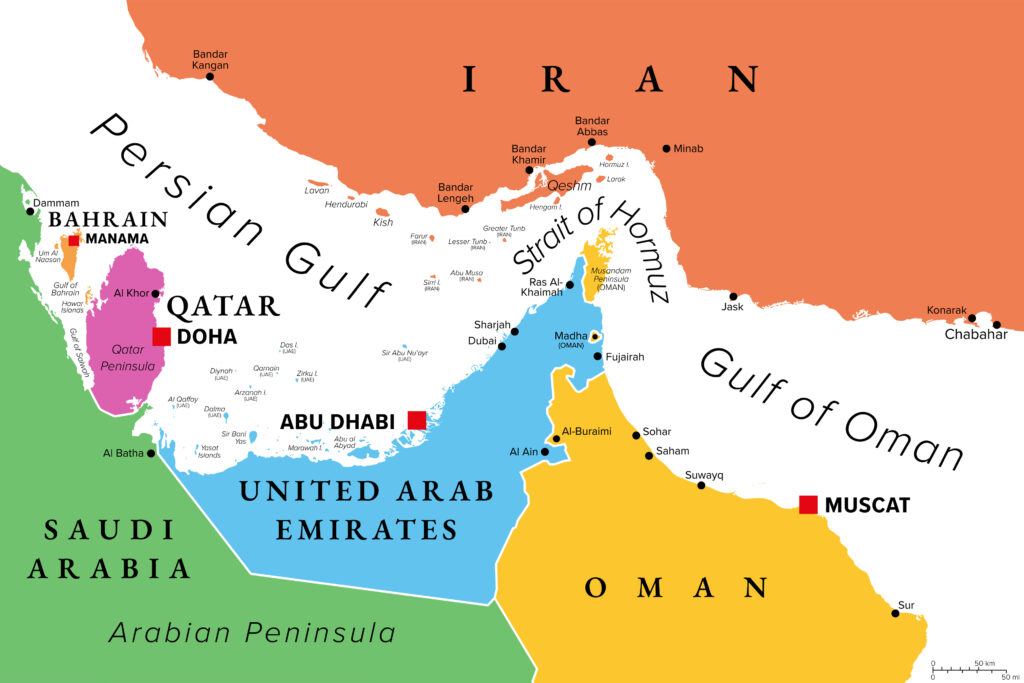
The conflict in Iran will apparently be a long-term one, as that country’s proposals to end the war are unacceptable to President Trump. They do not include the elimination of the nuclear program or the return of the 480 kg of enriched uranium they already possess, and simply opening the Strait of Hormuz is not enough to secure the withdrawal of American forces. This closure of a maritime passage through which 30% of the world’s oil passes is affecting the entire world, especially Asian countries, and driving up global prices. Unfortunately, Iran, whose production is barely 3 million barrels per day (3% of the global total), realized the damage it could cause to the world economy by closing the Strait.
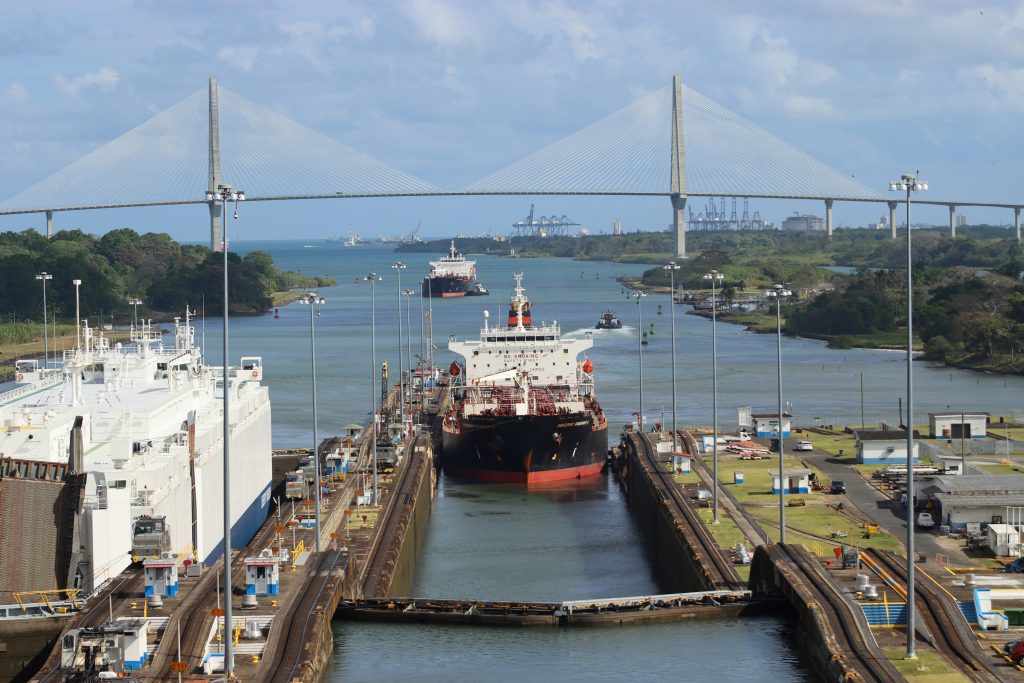
Today, the oil industry is seeking alternative routes. It is worth noting that Panama is auctioning off the right to cross the canal on a priority basis, charging up to $4 million per crossing—compared to $1 million before the conflict—and those who cannot or will not pay these prices have seen their wait times increase from 1½ to 8 days on average.
Last week, there was a new incident involving an attempt on the lives of Trump and other officials. Fortunately, the situation did not escalate thanks to the security forces protecting the president. Still, it makes us think that the use of violence stemming from the very political polarization we mentioned at the beginning of this letter has become far too frequent. I don’t know what the solution is, but differences must be resolved through words, not rifles.

Trump’s cabinet has changed significantly in recent months, and, interestingly, the three most prominent departures have been women: NOEM from Homeland Security, BONDI from the Office of the Attorney General, and CHAVEZ from Labor. Several more changes are expected before the November elections.

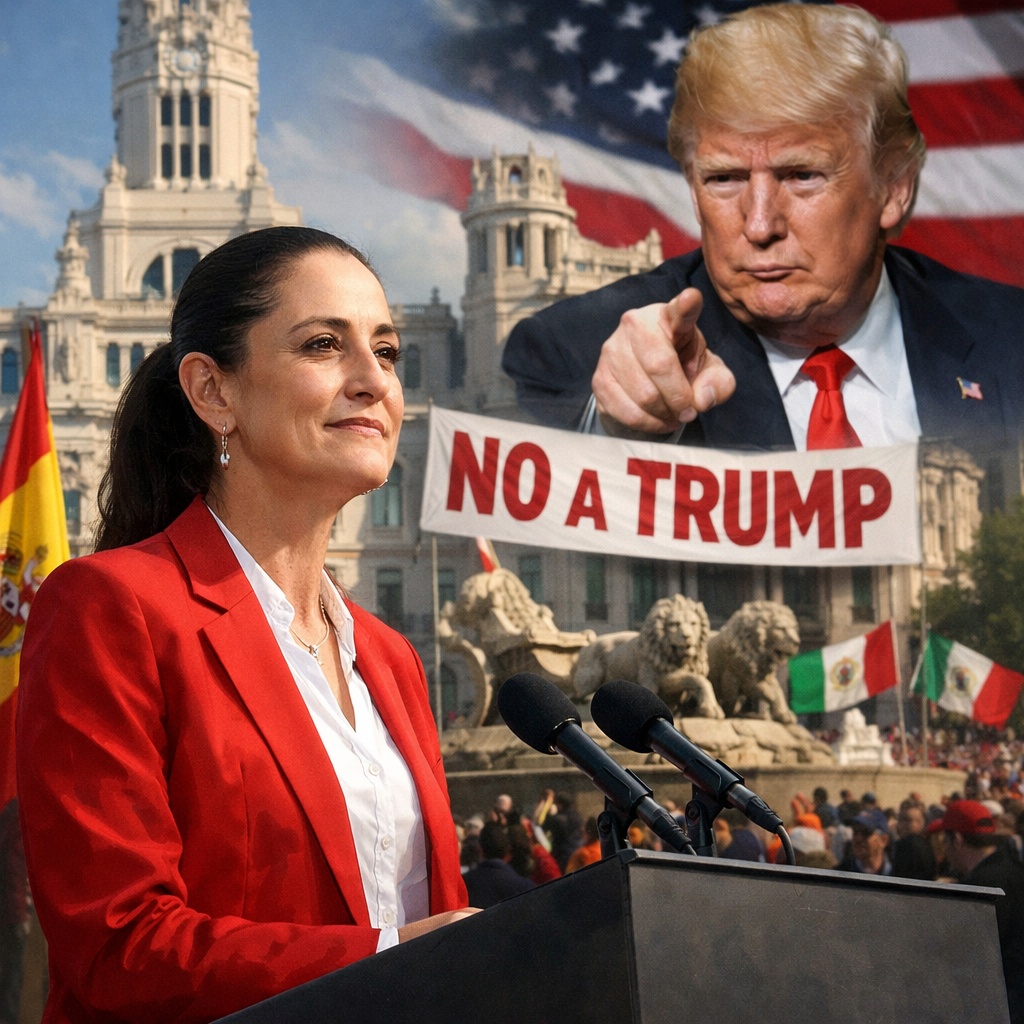
I am concerned about the escalation of Trump’s confrontation with Claudia Sheinbaum, since on the one hand, he says she is a good woman with a nice voice, and on the other, he holds an anti-drug meeting with 12 Latin American countries to which he does not invite Mexico, and in which he mimics Claudia. The formal indictment against a sitting governor—filed by the U.S. Attorney for the Southern District of New York against Rocha of Sinaloa—goes beyond previous threats, especially as talks have just begun on the renewal of the USMCA, which is vital for Mexico and which Trump could use to push his anti-drug agenda.
In the latest report, $184.5 billion from foreign investors entered the U.S. economy, contrary to rumors that they were seeking alternatives elsewhere. 51.1% of all global trade is conducted in dollars, although the yuan has already become the second most widely used currency. There is no doubt that American consumers are cutting back on their purchases. Home sales have dropped by nearly 8%, and car sales have fallen by 4.3%. Manufacturers are threatening to stop making affordable cars because they lose money on every sale due to tariffs, as well as because 32% of used car owners owe more than their car is worth, meaning they cannot afford to buy a new one.
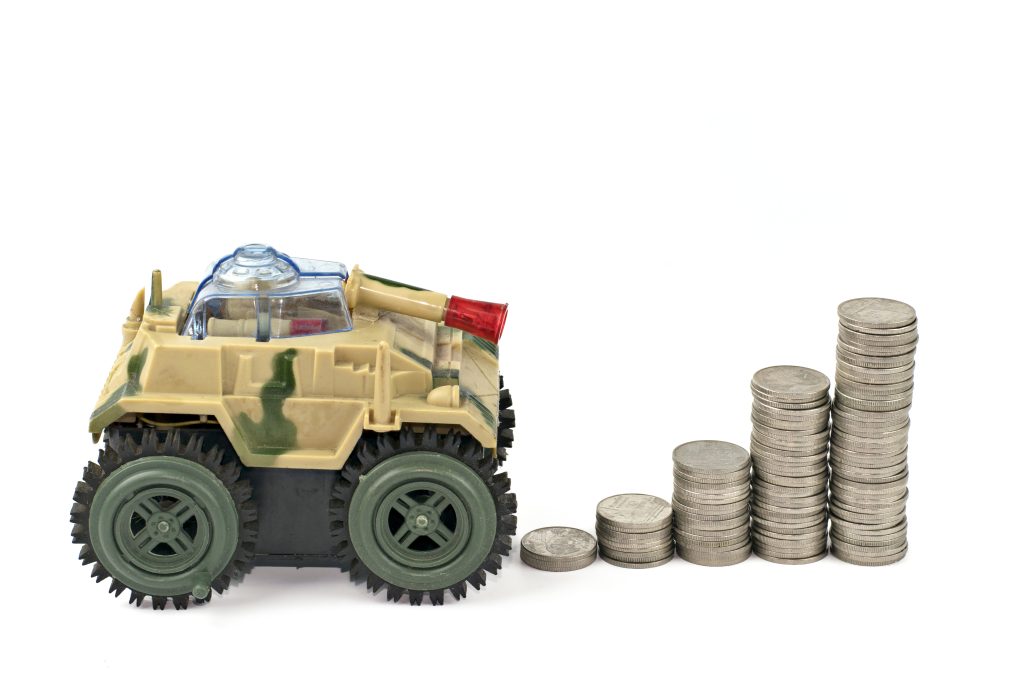
The only truly expanding sector is investment in capital goods related to the explosive growth of artificial intelligence. However, some states, such as Maine, have banned the installation of data centers due to the potential increase in electricity rates. Speaking of AI, productivity has grown; despite the loss of 110,000 manufacturing jobs, production has increased by 2.3%. In conclusion regarding the U.S. economy, GDP growth of 2.4% is still projected for 2026, provided the war ends relatively soon; debt will reach 103% of GDP, and debt service will exceed $1.1 trillion, which would have been higher than defense spending, but Trump asked Congress to increase it to $1.5 trillion.
As usual, I’ll conclude this section with some interesting facts that aren’t directly related to politics or the economy.
· A Harvard survey found that 12% of the population doesn’t have a single “good friend,” and the number of people with 10 or more friends has dropped by 35% since the survey began in 2017.
· Yale changed its admissions policy to focus on merit rather than the children of alumni and raised the family income threshold to $200,000, below which students pay nothing.
· Due to the oil crisis, the Emirates asked the United States for economic aid, primarily to secure dollars for trade.
· Capacity utilization is at its lowest point in history, excluding the COVID-19 pandemic.
· The number of bureaucrats from Trump’s first term to his second fell by 12%.
· The world’s largest sailboat belongs to Amazon’s Jeff Bezos and is 130 meters long.
· The birth rate for women aged 15 to 34 is 53.1 per thousand, the lowest in history.
· The Wall Street Journal published a list of the 25 most important inventions in U.S. history, which I’m sharing with you. However, I don’t necessarily agree with all of them: Internet, light bulb, integrated circuits, personal computer, airplane, AC/DC electricity, telephone, smartphone, refrigerator, nuclear energy, polio vaccine, Ford Model T, GPS, television, artificial intelligence, fiber optics, assembly line, email, air conditioning, interchangeable parts, laser, chemotherapy, MRI, steamship, and birth control pills.
Turning to Mexico, politics and the economy have become much more complicated, as the country remains in a low-liquidity situation due to increased social subsidies and a lack of revenue from taxes or oil. Although public debt stands at only 50.4% of GDP—a very reasonable level compared to other countries—debt service creates a significant deficit in the public balance of payments. It cannot be increased significantly if the country intends to maintain the investment-grade rating of its external debt.
Economic development plans, particularly those for infrastructure—which are vital for the country—have not been supported by Plan Mexico, and private-sector investment has fallen behind the projected schedule. This has left the government bearing the burden of funding the proposed projects. Tax collection efforts have been very aggressive, reaching levels that some call “fiscal terrorism.” Even the U.S. Chamber of Commerce has protested to tax authorities that its members are subjected to constant audits despite being fully compliant with the law.

I found it strange that President Sheinbaum attended the meeting in Barcelona of “progressive” or left-wing countries and saw her in the company of the presidents of Brazil, Spain, and Colombia in an open defiance of the United States. This was inconsistent with maintaining the good relations necessary while negotiating the revision of a treaty as important to Mexico as the USMCA.
I am concerned that Vice Admiral Farias Laguna, accused of fuel theft and other criminal activities in association with public officials and relatives of President López Obrador, will be returned to Mexico. His statements could open a Pandora’s box from which many improper things might emerge.

Below, I list the positives and negatives of April.
Positives:
· Record car sales in the first quarter, with 381,632 units sold, led by Nissan with 17.6% of the market.
· The Senate approved a law to promote private investment.
· The president approved the use of fracking to extract more oil and natural gas, especially since 75% of the gas used in the country is currently imported.
· The Dos Bocas refinery reached 98.5% of its operating capacity, producing 335,000 barrels per day.
· Fitch affirmed Mexico’s investment-grade debt rating.
· Starlink partners with Televisa to create a national internet network.
· The International Monetary Fund raises its growth forecast for Mexico from 1.5% to 1.6% for 2026 and from 2.1% to 2.2% for 2027.
· General Motors announces a joint venture with a Chinese company to manufacture electric cars in Mexico.
· PEMEX creates an Oil Advisory Commission with prominent figures from the private sector to advise the state-owned company.
· Inflation improved slightly, standing at 4.27%.
· The national insecurity survey improved from 63.8% to 61.5% when asking people if they feel “in danger” going out after 7 p.m.
Negatives:
· First-quarter GDP declined by 0.8%.
· Reserves fell slightly to $256.543 billion.
· Despite the debt restructuring, PEMEX still owes $2.5 billion to foreign suppliers.
· PEMEX saw its export revenues decline and posted a loss of $2.3 billion in the first quarter.
· The government reported revenues of 2.224 trillion pesos and expenditures of $2.431 trillion in the first quarter.
· Gross fixed investment fell 2.2%, marking seven consecutive months of decline.
· Consumption of both goods and services contracted by 0.9% in the quarter.
· The fuel subsidy, in response to price increases due to the war in Iran, stands at 5 billion pesos per week.
· A Universal Health Service for all was proposed, but there was no increase in hospitals, doctors, or medicines.
· Real estate investment trusts (Fibras) are buying back their shares instead of investing in properties.
· Viva Aerobús saw its first drop in traffic since the pandemic.
· It took Pemex 69 days to acknowledge that the oil spill in Tabasco was its fault.
· The IOAE (timely indicator of economic activity) is stagnant due to low investment and falling consumption.
· Month-over-month retail sales contracted by -0.9% and 3.1% year-over-year, less than inflation.
· Morena takes control of the National Electoral Institute with the inclusion of three new party delegates.
· “Official” unemployment rose to a 19-month high.
Turning to the rest of the world, Israel has shown impressive resilience; despite the conflict in Iran and ongoing clashes with Hamas and Hezbollah, GDP growth for this year is projected to be between 3.3% and 3.8%, with unemployment at 3.2% and a very strong shekel at 2.94 per dollar. The projection for 2027 is 5.5% growth.
The budget projects a 4.9% of GDP deficit, as it must fund defense spending of nearly $50 billion. Inflation stands at 1.6%, primarily due to falling import prices caused by currency appreciation, and 30% of global investment in cybersecurity goes to Israeli companies. There will be elections this year, and it is unclear who will win, but there is already significant pressure to have a new prime minister.
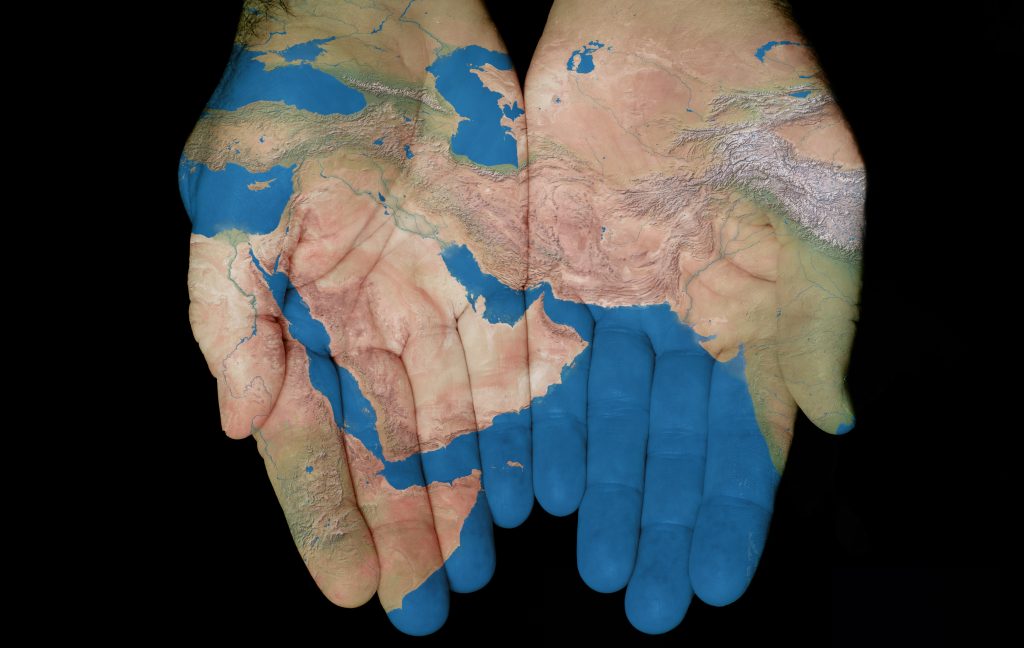
In China, GDP growth is projected at 5%, which is very low by its standards, and the country continues to face serious problems with its infrastructure investments in emerging nations under the Belt and Road Initiative. The Chinese receive 11% of their oil from Iran and 37% from Arab countries, putting them at a crossroads amid a serious conflict between their suppliers. Chinese investment in the Middle East totals $279 billion, so it has not come out in support of Iran in its war with the U.S. It’s interesting that they blocked Meta’s planned acquisition of the AI company MANUS, further escalating the battle for supremacy in new technologies. It’s worth mentioning that the automotive company CATL launched a battery that charges from 10% to 98% in 6 minutes—roughly the same time it takes to fill a gas tank. An interesting fact is that 16.9% of Chinese youth aged 25 and under are unemployed.
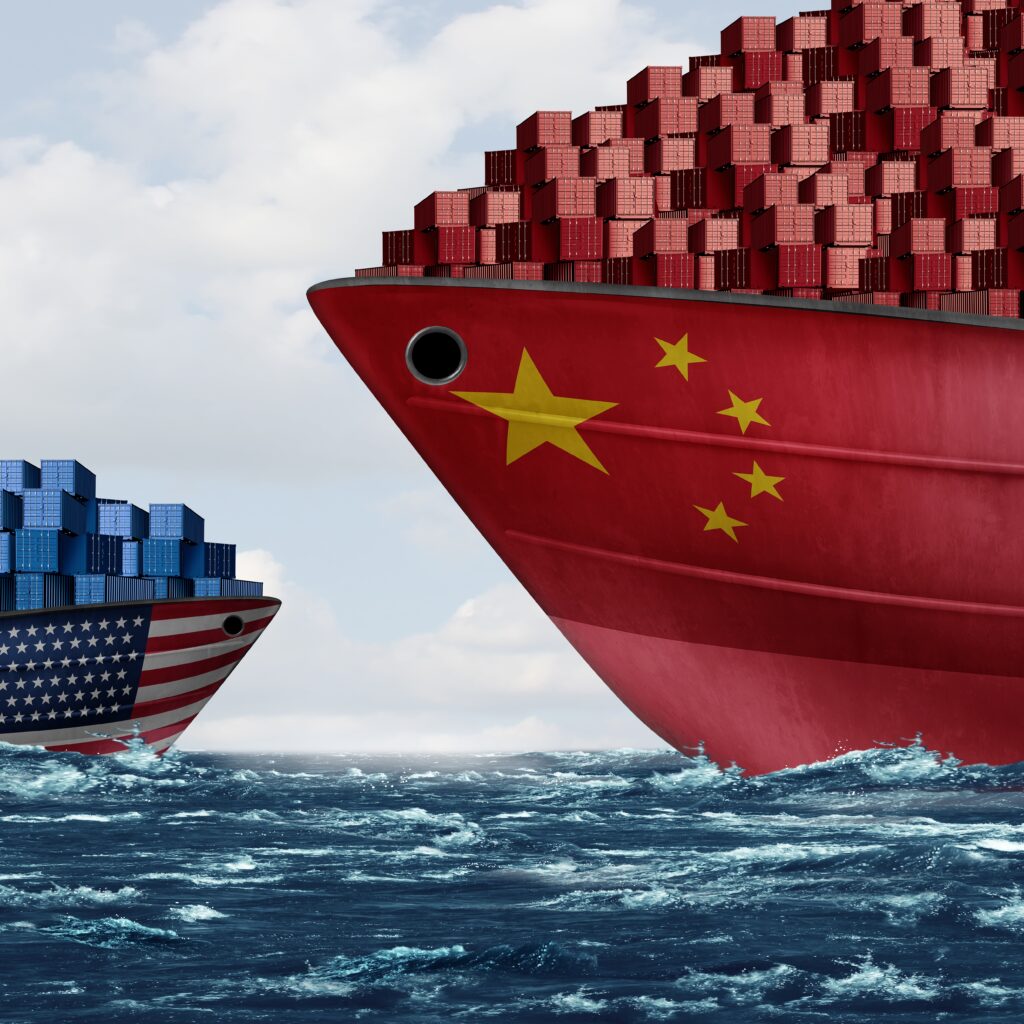
India will continue to buy oil from Russia, as the Americans have postponed the boycott for the duration of the conflict with Iran. Car sales in India reached 26.7 million last year, the highest level on record.
Ukraine received $100 billion in aid from the European Union to sustain the war with Russia, which leads me to believe there will be no resolution to the conflict in the short term.

It is estimated that if the Iran crisis lasts more than two months, oil prices will rise to $146 per barrel, and the cost of rebuilding Iran could reach $270 billion.

Saudi Arabia has canceled major projects worth over $1 trillion due to economic pressures, and the closure of the Strait of Hormuz will make its situation even more precarious.

In Latin America, Colombia transferred all private-sector pensions to the government—a nationalization similar to Argentina’s 10 years ago. Chile proposed lowering corporate taxes to promote investment and growth, a smart move and a shift to the right. Peru is holding elections again amid sky-high inflation. Candidate Fujimori leads the polls—incredible, given that she has already lost three presidential elections and that her father, the former president, was imprisoned for corruption. Brazil continues to face inflation above its target, preventing it from lowering interest rates, which currently stand at 15%. Argentina has significantly improved its finances and is on the verge of signing an agreement with the International Monetary Fund that will provide fresh capital and support to grow its economy. El Salvador has become an alternative for “nearshoring,” and tourism has surpassed 4.2 million visitors. There is no doubt that Bukele’s policies have been positive despite his violation of the constitution by seeking reelection.
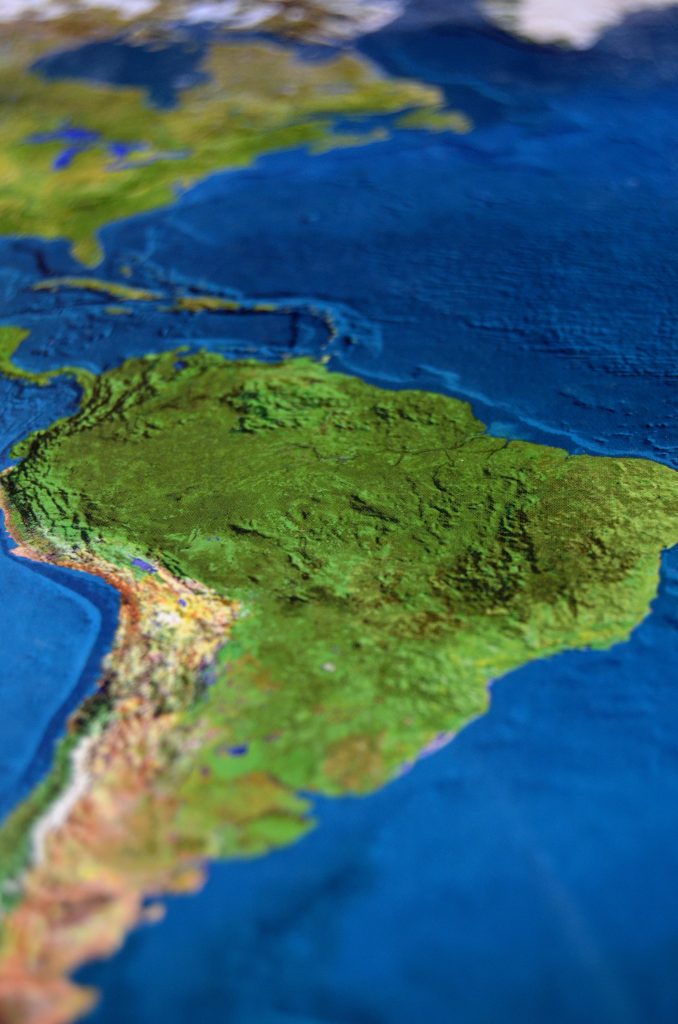
In conclusion, we are seeing that much of South America is shifting to the right. Global GDP growth will depend heavily on developments in Iran and how high oil prices rise, as the IMF currently projects a meager 3.3% global growth rate and expects this figure to drop by 0.4% for every month the conflict continues. Financial markets have not been significantly affected by the war, with U.S. stock markets hitting record highs and bond yields slightly lower, at 4.38% for the 10-year Treasury. Metals have seen little change; the dollar remains steady, with a slight downward trend against the currencies of industrialized nations; and Bitcoin has recovered about 12% of its value this month.

Further Reading: