
Luis Rubio
Great powers face a simple but brutal constraint: ambitions are boundless, their capacities are not. As historian John Lewis Gaddis puts it, the challenge is to align “potentially infinite aspirations with necessarily limited capabilities.” Nowhere is that tension more visible than in the United States—a country of unmatched strengths and, at times, baffling weaknesses.

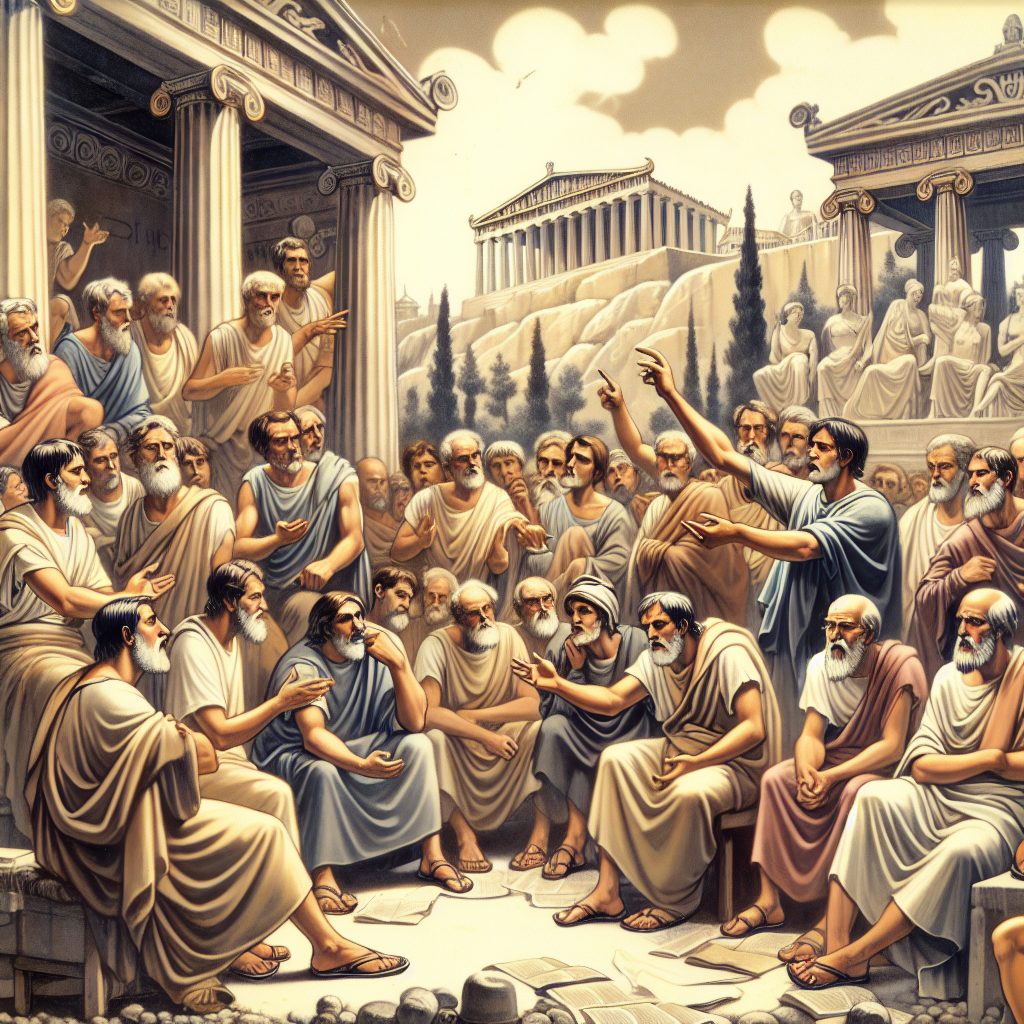
America’s advantages are obvious. Its institutional architecture—rooted in the lessons the Founders drew from Greece and Rome—was designed to check human excess and prevent the abuse of power. It is not a flawless system, but it remains the bedrock of the country’s resilience and adaptability.
Yet those very strengths coexist with glaring vulnerabilities. Chronic fiscal indiscipline poses long-term risks. Demographic challenges go largely unaddressed, reduced instead to ideological trench warfare. The same paralysis afflicts the response to technological disruption and globalization, particularly in older industrial regions left behind by change.

The political system itself compounds the problem. Fragmentation and polarization make even the most reasonable and logical solutions elusive. Immigration is a case in point. The U.S. economy demands workers at both ends of the skills spectrum: highly trained professionals through H-1B visas, and lower-skilled labor in agriculture, construction, and services. Yet Congress has failed to act. Under Donald Trump, high-skilled visas became prohibitively costly, while the absence of legal pathways for lower-skilled workers has sustained decades of illegal migration.
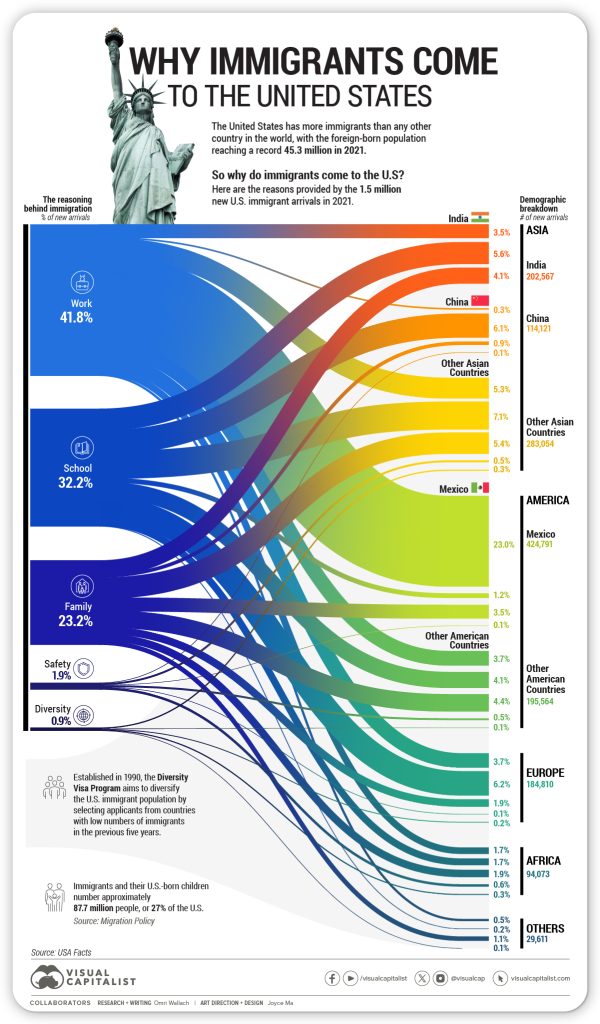
The result is a paradox. In the absence of policy, markets step in—quietly determining who enters and who does not. Practical necessity overrides ideology, even as the political debate grows more extreme. What should be a manageable policy issue becomes an endless ideological battlefield.

This tension—between what the United States can do and what its politics allows it to do—is the core of its paradox. It explains how a country so strong can also appear so constrained.

The recent confrontation with Iran underscores this duality. Despite being a party to the conflict, the U.S. saw its currency strengthen—a testament to the underlying power of its economy, its energy independence, and its institutional credibility. These strengths cushion the costs of overreach. But they also raise an uncomfortable question: how much stronger could the United States be if it addressed its internal weaknesses?

For Mexico, this paradox is more than an academic observation. Dealing with a decentralized, often unpredictable United States is inherently complex. Yet the strength of the U.S. economy has long been a powerful engine of opportunity for Mexico.
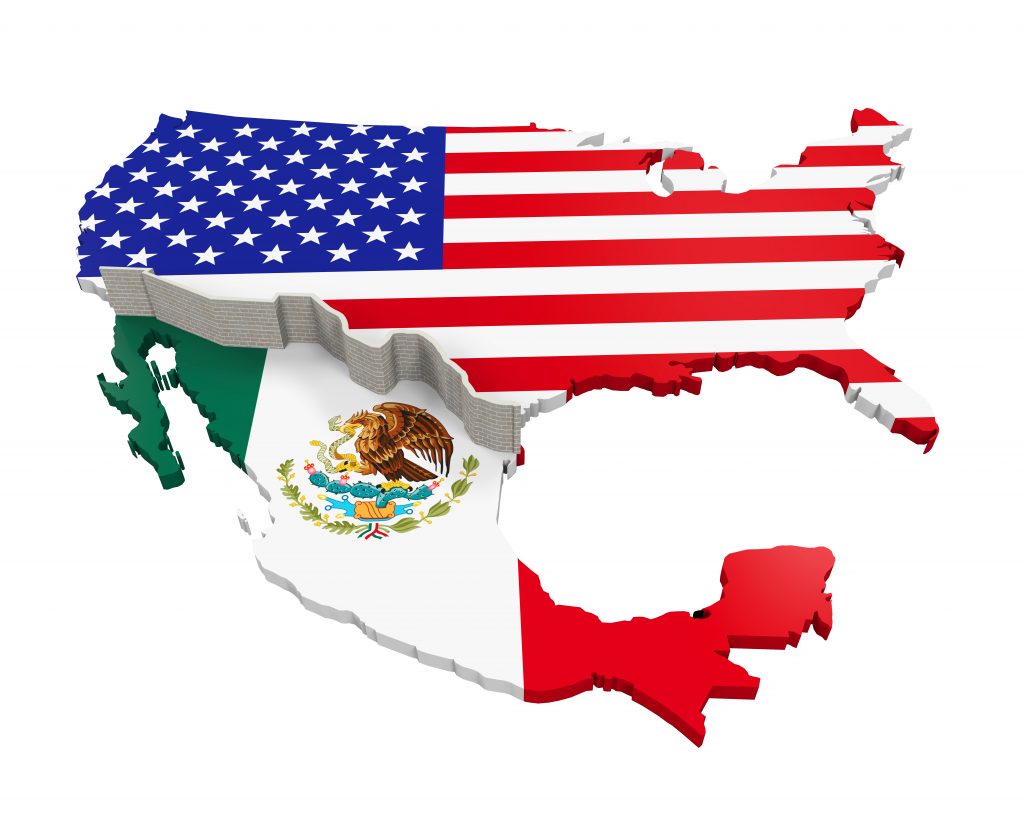
And here lies our own paradox. Mexico’s political system is, in theory, more capable of decisive action. Yet we have repeatedly failed to tackle our own self-imposed constraints. The result is that we underperform relative to the opportunities the bilateral relationship offers. In the end, both countries are constrained less by what they lack than by what they fail to fix.
@lrubiof
The original Spanish version of this article can be found at www.luisrubio.mx
Further Reading: