

Luis Rubio
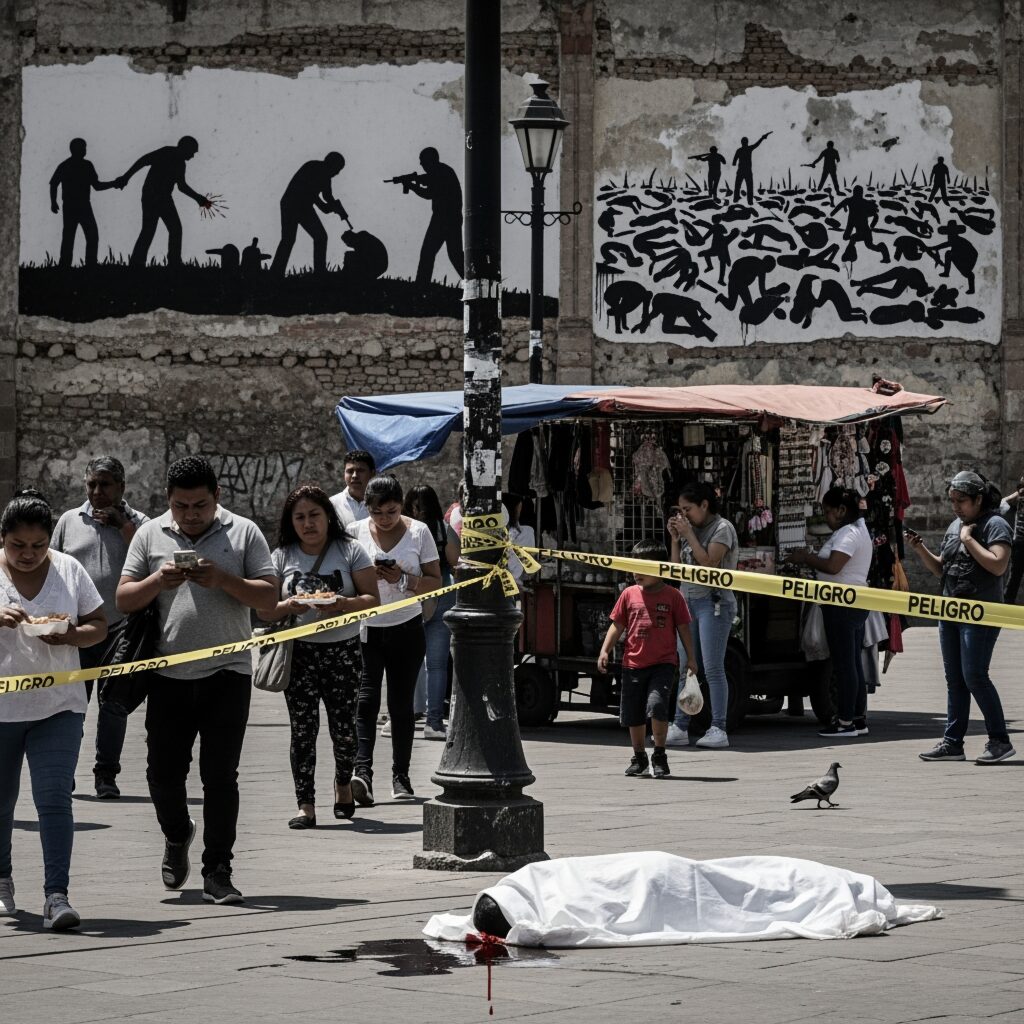
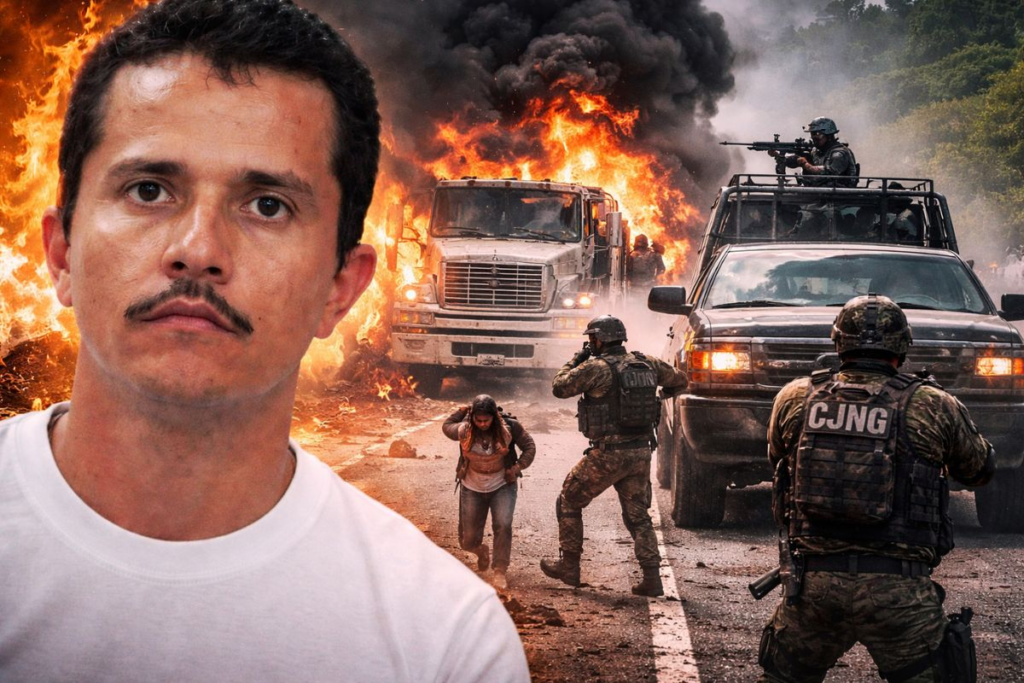
Last weekend’s violence shattered any lingering illusion about security in Mexico. Organized crime demonstrated not only its capacity to paralyze entire regions, but also the bankruptcy of the idea that public safety is somehow not the government’s core responsibility. It also buried the notion that criminals can be “embraced” into submission as a governing strategy. Criminal groups are no longer just a threat to citizens; they are a direct challenge to the State itself.
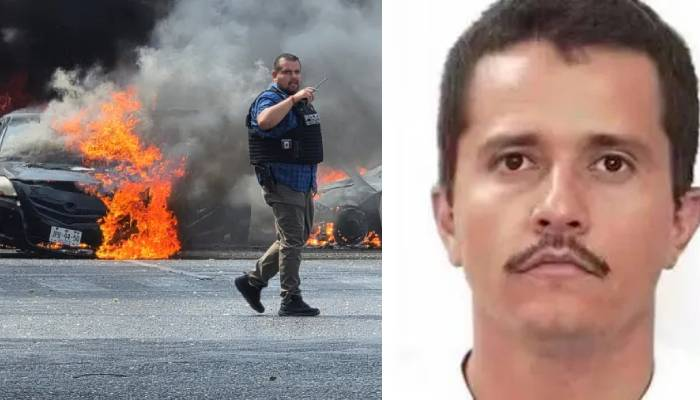
Reality has a way of dismantling theories. For years, two paradigms shaped security policy thinking. The first—once effective—assumed the government could negotiate with drug traffickers. But that approach depended on conditions that no longer exist: a powerful central government dealing with foreign cartels whose primary goal was access to the U.S. market. Today’s criminal organizations are homegrown, diversified, and deeply embedded in extortion, human trafficking, cargo theft, and countless other rackets. A weak State cannot bargain from a position of strength, and pretending otherwise is a fantasy.
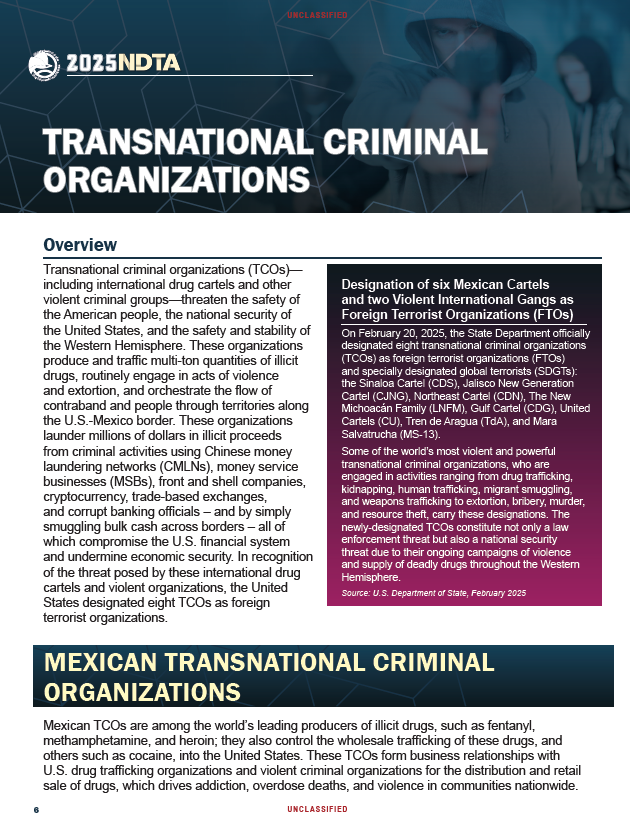
The second paradigm, born in the last administration, holds that crime stems mainly from poverty. The proposed solution: social subsidies and a conciliatory posture toward criminal actors. Yet programs for the young conditioned on not studying or working can perversely incentivize the very recruitment they aim to prevent. Organized crime interpreted the “hugs, not bullets” approach not as compassion, but as opportunity—space to expand, consolidate territory, and prey on communities abandoned by those charged with protecting them.
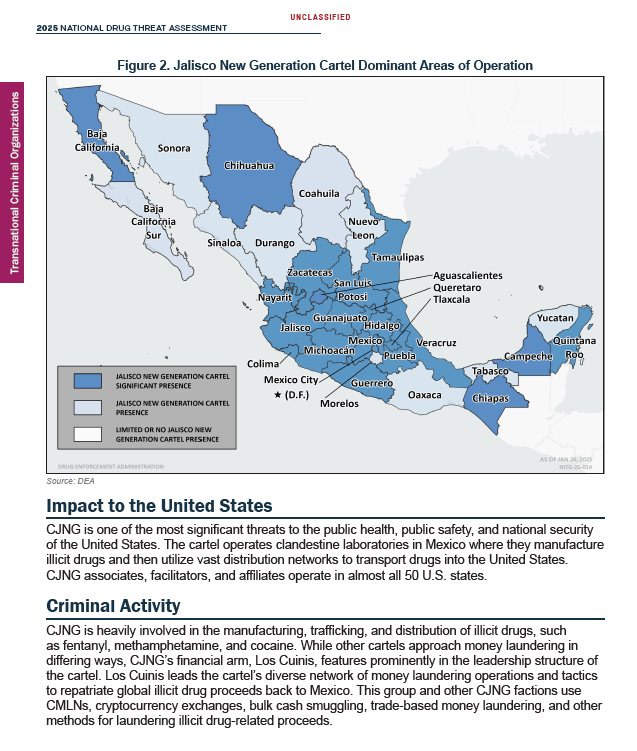
The government now faces a genuine dilemma. Confronting extortionists who terrorize businesses and citizens is necessary and commendable. But taking down a cartel leader often unleashes internal succession battles, producing waves of violence. The question is not whether to act, but how to reduce the predictable collateral damage.
Serious countries resolve this dilemma through institutional capacity. Robust police forces, effective prosecutors, and functioning courts prioritize prevention and targeted dismantling of criminal networks. That kind of capability allows authorities to neutralize entire organizations without triggering violent power struggles. Mexico has repeatedly relied on military force instead, with predictable consequences.

Last week’s events underscored another reality: criminal retaliation was highly targeted, aimed largely at businesses that refused to pay extortion. In principle, government and the private sector share the same interest—peace, stability, and the ability to serve citizens and customers. Treating public security as separate from economic vitality is a profound policy error.
Mexico has endured organized crime violence for decades, but today’s crisis is different in scale and character. While U.S. drug demand remains a factor, criminality is increasingly domestic and diversified beyond narcotics. That reality eliminates convenient external scapegoats and places responsibility squarely on the Mexican State.

The classic definition of the State is its monopoly on legitimate violence. When criminal groups exercise that power instead, sovereignty itself comes into question. Success, ultimately, should be measured by a simple standard: when citizens can live without fear of intimidation from organized crime.

@lrubiof
Further Reading:
1 thought on “The Illusion of Security in Mexico.”
Comments are closed.