Luis Rubio
No one can doubt that we are living through an exceptional moment in the history of humanity—not only in Mexico, but throughout the entire world. A new type of ruler has emerged, technology is transforming the environment in which we live, and armed conflicts that once seemed eradicated have reappeared.

“It is books—and films too, fine, but above all books,” says Arturo Pérez Reverte, “that give us… added value. That dimension. Going anywhere in the world, or in life, with prior readings about what one is going to encounter allows us to face everything with greater intelligence, with more pleasure and benefit.” In this text, I summarize some of my recent readings, which I have undertaken in an effort to understand the change that is gripping the world.

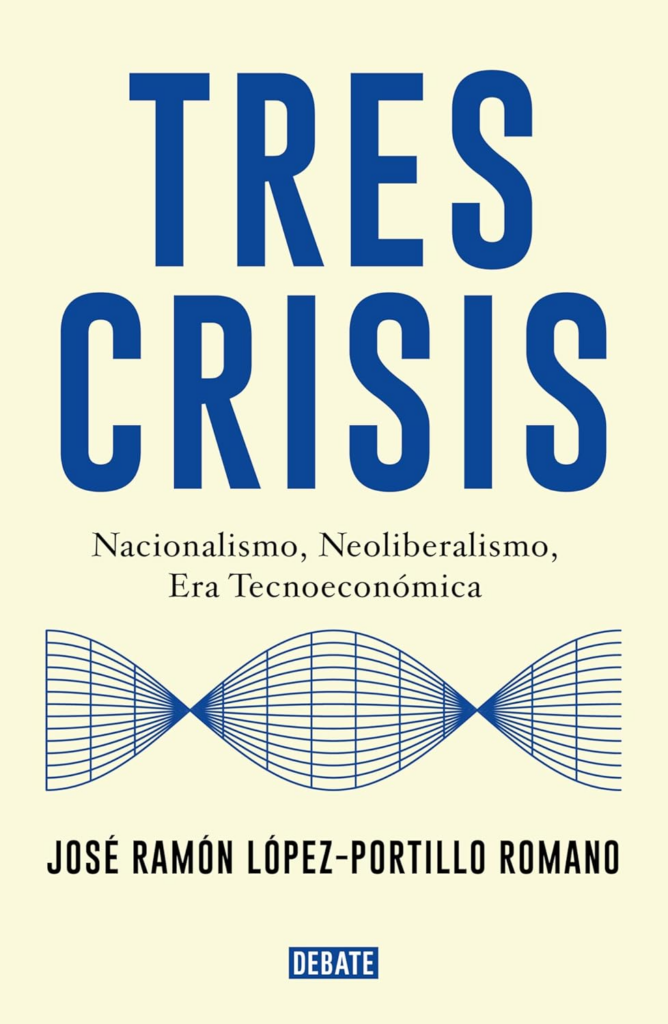
In Tres crisis, José Ramón López Portillo describes with great clarity the context created by the extraordinary pace of technological change that has overtaken the world and that constitutes the environment within which Mexico finds itself and within which its government must make decisions—making it evident that the capacity to understand this new circumstance does not exist. The implicit argument is that opportunities do exist, but seizing them would require understanding the context and building the conditions necessary to succeed in them. One does not have to agree with the public policy proposals it contains to recognize the enormous value of the analysis of what is coming at tremendous speed, and for which it is essential to be prepared.
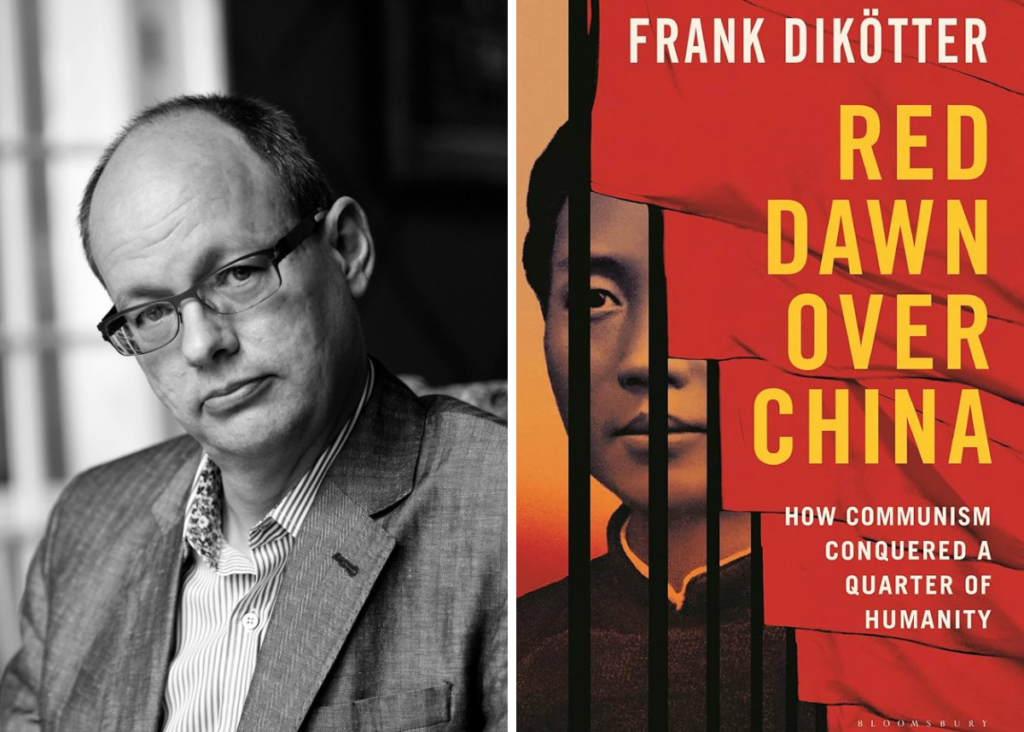
Frank Dikötter, a Dutch scholar specializing in China, where he has lived for several decades, recently published another volume in his already extensive body of work analyzing the Chinese revolution, its leaders, and their methods. His most recent work, entitled The Red Dawn Over China, argues that communism was never popular in that nation; rather, it was imposed on the population at gunpoint, and that behind Mao’s success stood the Soviet Union, without whose support the triumph of the revolution would have been impossible. The book describes the transformation of the guerrilla government into a heavily armed army and explains the enormous complexity of the governmental system, which makes it very difficult to determine what of what is published—beginning with official statistics—is credible and what is not. The book leaves no doubt that the future of that nation will not be linear, as no nation’s future is.
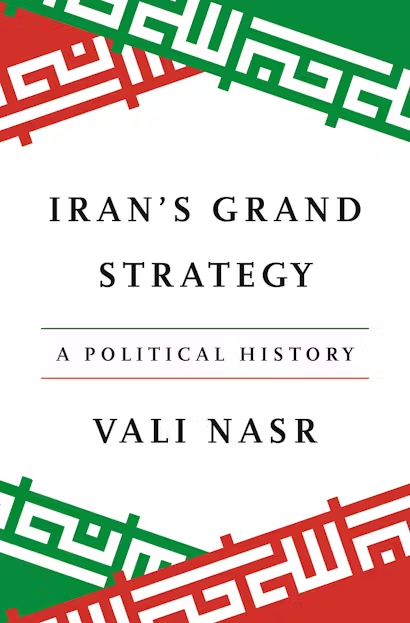
Two recent books on Iran offer a framework for contemplating the war that is gripping that nation. Vali Nasr writes that Western understanding of Iran’s political dynamics is superficial and essentially anchored in the 1979 revolution that overthrew the Shah and elevated the Islamic regime that replaced him. The description offered in Iran’s Grand Strategy places that nation at the heart of a complicated geopolitical web in which internal agendas (both Islamization and the creation of conditions for scientific progress) intersect with external ones, where the nation built and financed an entire network of quasi-terrorist organizations (such as Hezbollah, Houthis and Hamas) in order to advance its interests in its region and in the world more broadly. It is a book that allows one to understand the changes and the rationality that the nation has experienced over the past four decades.
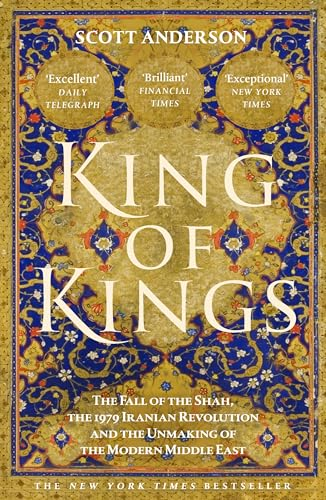
Scott Anderson takes another perspective. In King of Kings, the author analyzes the relationship between the United States and Iran, beginning with the Western-backed coup in 1953 that installed the Shah as ruler, introducing a factor of instability that culminated in Khomeini’s revolution in 1979. What is extraordinary about the book is its analysis of the dynamics of that relationship and the way Americans conducted themselves when the Islamic movement that toppled the Shah erupted. Particularly striking is the incomprehension of what was taking place and the ignorance about the motivations and relative power of the central actors, both in Washington and in Tehran. In the end, it becomes evident that the errors and bad decisions that accumulated over time are eventually paid for, and the cost is often enormous.
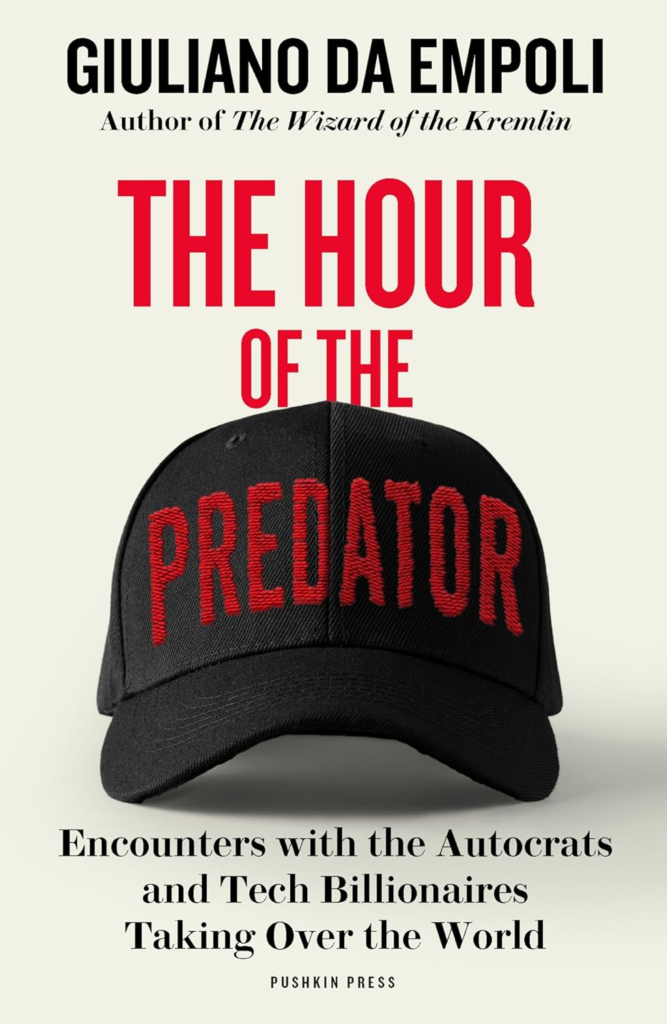
A gem of a book that recently fell into my hands is entitled The Hour of the Predator, by Giuliano da Empoli. It is a small but powerful volume that explains much about the change in the structure of power that the world is experiencing: presidents who transform themselves into “strongmen” or monarchs, ignoring laws and institutions; the new technologists attempting to reshape power relations throughout the world; and the emergence of “new Borgias” dedicated to constructing a new world in their own image and likeness. The author, formerly a political adviser, uses a variety of examples—from Moctezuma to MBS, the de facto ruler of Saudi Arabia—to analyze and explain the transformation the world is undergoing, where dictators, predators, and tyrants stand out. The book offers another perspective for understanding the new autocracy that has emerged around the world and that preys upon the interests and rights of ordinary citizens.
Wherever one may be, what these books show is that we are facing a process of political, technological, and geopolitical change of enormous scale and significance—one that will affect us all, and especially those who remain lost in their nostalgias.

@lrubiof