
Ricardo Pascoe Pierce
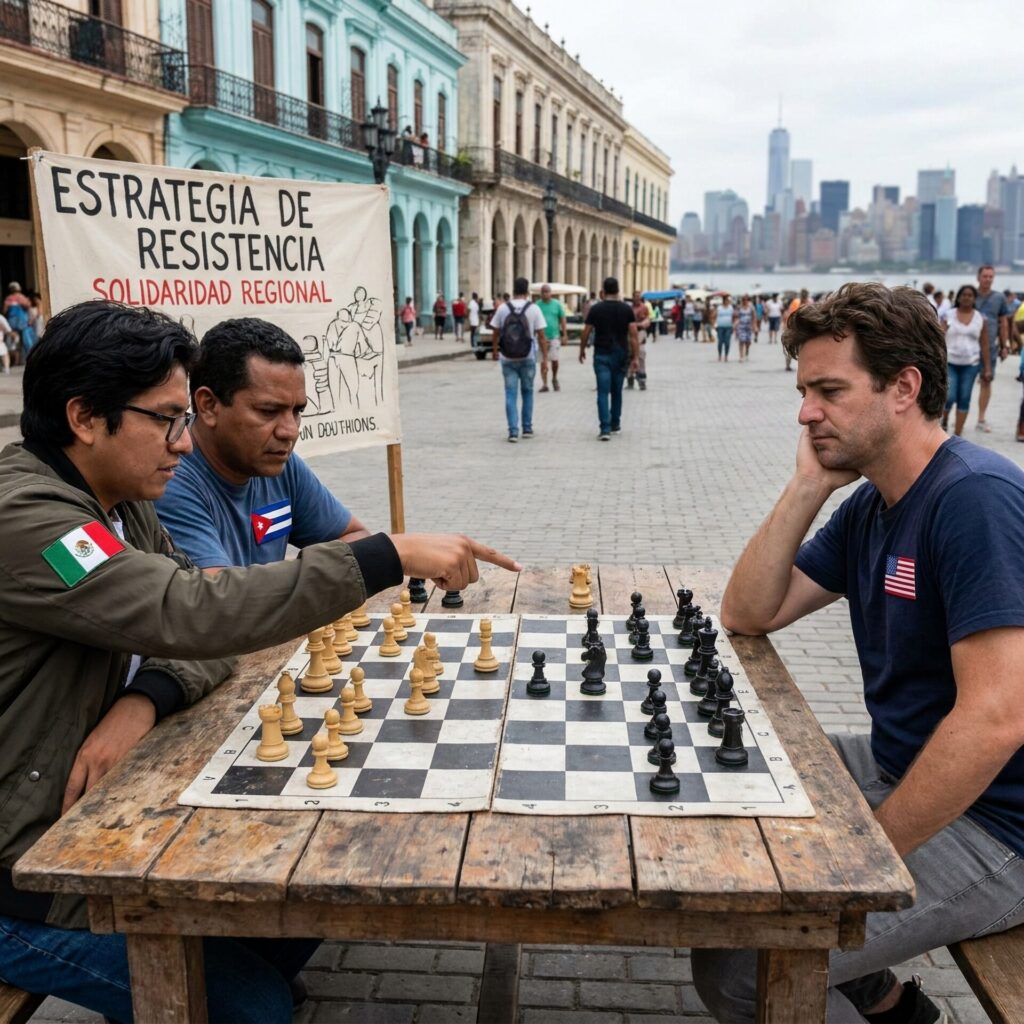
The governments of Mexico and Cuba agree on many things. Ideological identity is paramount. Cuba’s communism—spoken openly—and Mexico’s Morena-led socialism—spoken obliquely and in whispers—both fight against imperialism and, more specifically, against the United States. They are allies of the United States’ adversaries, China and Russia. However, Cuba is openly so, and Mexico is as well—albeit in a shameful manner and without explicitly stating its position publicly.
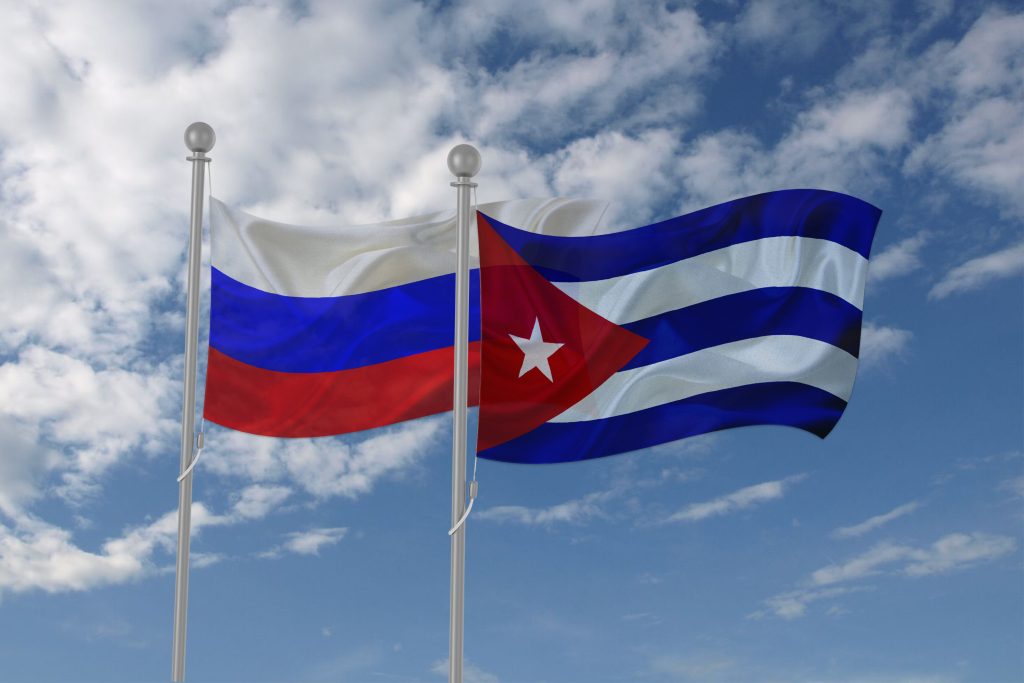
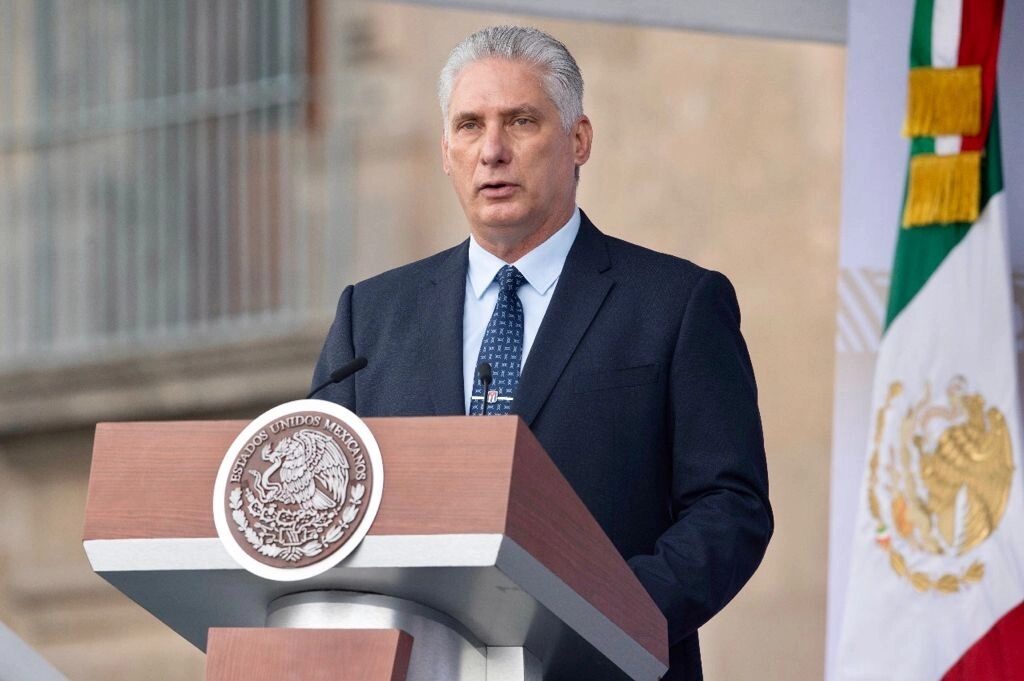
Both countries have taken a defiant stance against the Trump administration. On this point, both countries do so openly, in their presidents’ public speeches. And both nations are engaged in political and diplomatic conflicts—and eventually shootouts—with the United States. Each nation has its own specific circumstances, but generally speaking, its strategies toward the United States appear to be coordinated.
Aside from their specific domestic circumstances, both Cuba and Mexico seem to have identified two major milestones they must confront and overcome to achieve their goals. Both governments view the November midterm elections as the first milestone toward advancing new strategic directions relevant to the future. The final milestone is the 2028 presidential election, when Trump will be replaced by either a Republican or a Democrat. At that juncture, they assume there will be new policy directions coming from Washington.
In light of these two dates, the leaderships of both countries are placing exaggerated hopes on “solutions yet to come.” These exaggerated hopes stem from the intensity of the internal pressures that both Mexicans and Cubans are facing.

In Cuba’s case, the economic situation is one of total collapse. The Cuban regime never invested in improving the country’s power grid. When Cuba was subsidized by the USSR from 1961 to 1991, the leaders thought it would last forever and did not invest in the power grid, but rather in wars in Africa. When the USSR collapsed, there was no more money. Then, with Venezuela, oil began to flow, and they thought it would last forever—until it ran out. Today, their pockets are empty, and their power grid is useless. Their vulnerability and unsustainability as a nation are absolute. At best, they may hold out for a few months. But they do not have years ahead of them.

In Mexico’s case, the pressure comes from security concerns and the presence of cartels both within and outside the government’s decision-making structures. The United States considers the Mexican government to be complicit in organized crime. This creates a situation of constant conflict, where everything is under strain. The recent freeze on the USMCA is a direct result of the Mexican government defending and shielding politicians linked to drug trafficking.
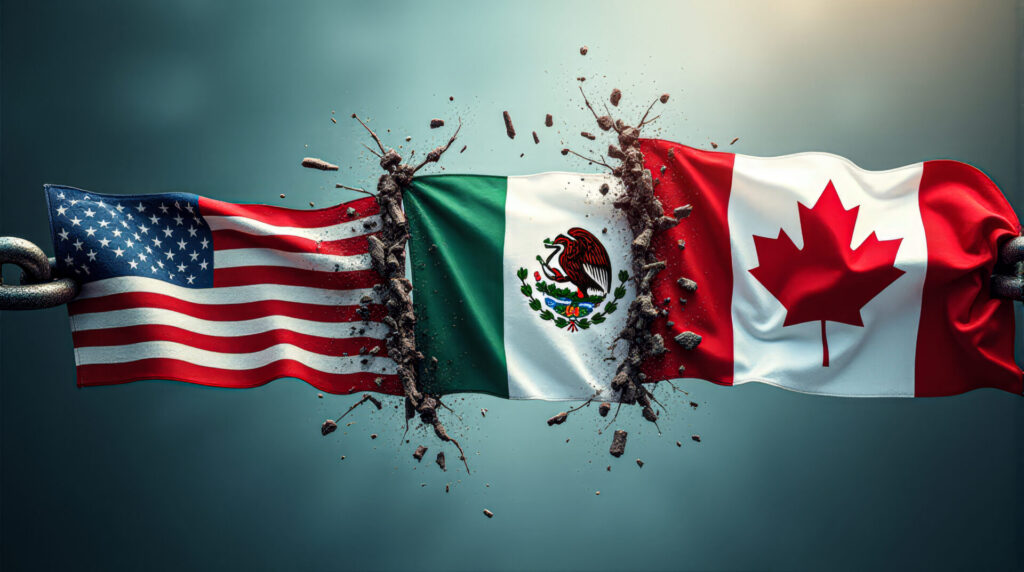
Cuba views the midterm elections as a decisive moment for Trump to suffer a major electoral setback and, consequently, for his pressure on Cuba to weaken. Cuba believes that this weakening will allow it to hold out until 2028, when it anticipates that the Democrats will return to the White House, creating new conditions for negotiating a new relationship between the United States and Cuba.

Washington, for its part, has its own timeline for Cuba. It sets July 26 of this year as the deadline for Cuba to accept negotiations to change its economic and political model. If Cuba does not accept, the military option is not ruled out—well before November.
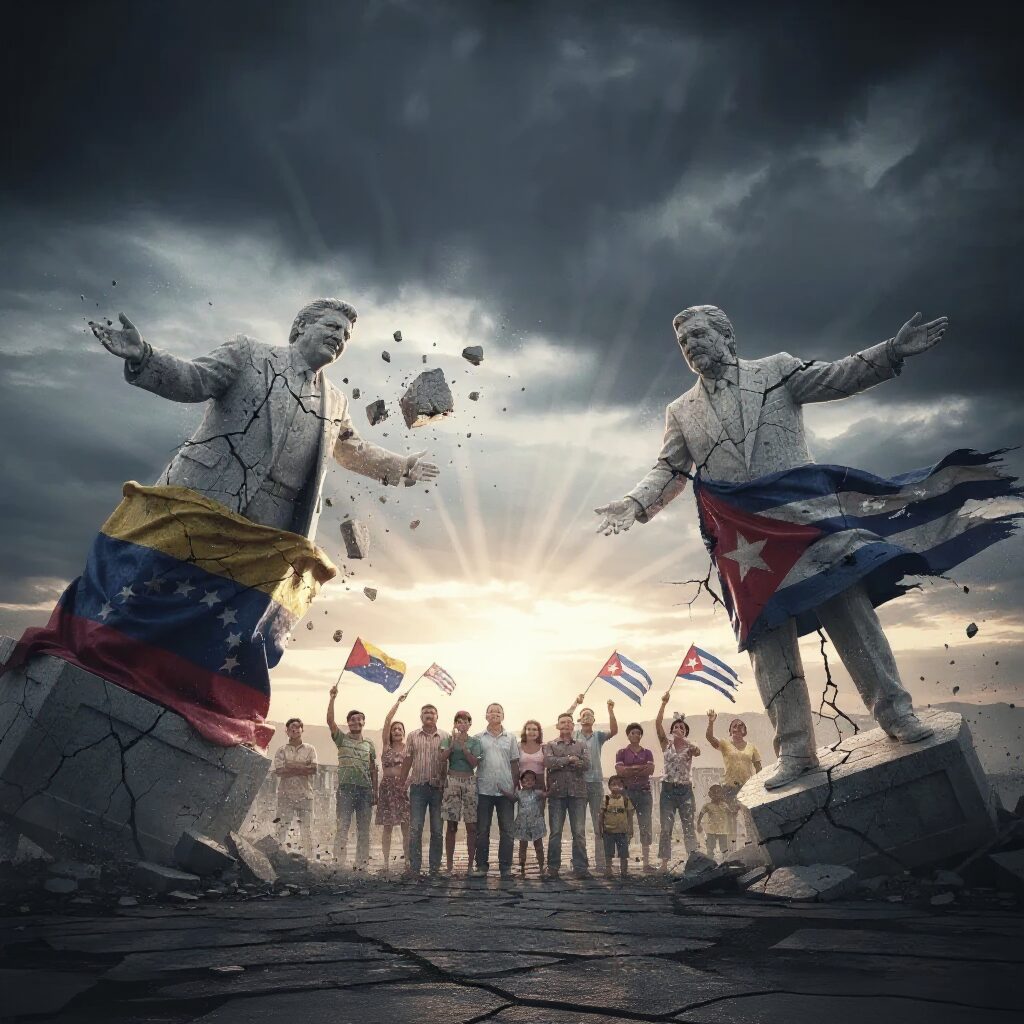
Mexico sees things the same way as Cuba: the midterms will weaken Trump, and whoever enters the White House in 2028 will have to renegotiate the USMCA on new, more favorable terms. And Mexico believes that the new administration will not press the issue of “narco-politicians,” as Trump has done. They assume that the concept of national security will change. Therefore, the National Palace’s strategy is to hold out until then.

But Washington also has its own timeline for Mexico. If Sheinbaum does not cooperate in handing over the narco-politicians in her party—whose names she already knows—from August through October of this year, there will be legal pressure to disclose all their names and the charges against them in U.S. courts. Among those names is a former president. Consequently, the conditions for the 2027 Mexican midterm elections will change drastically against the ruling party, opening a gaping hole in the political system and creating a terminal political crisis.
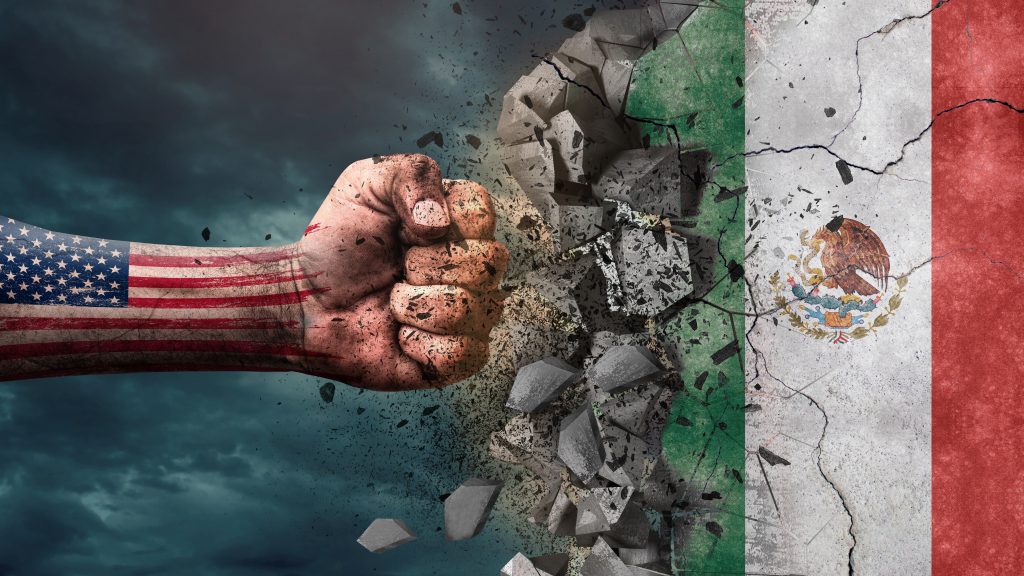
Mexican and Cuban resistance to Washington’s upcoming attacks may sound romantic, but it will be ineffective. In fact, it is the shortest path to defeat.

@rpascoep
Further Reading: