
Ricardo Pascoe Pierce
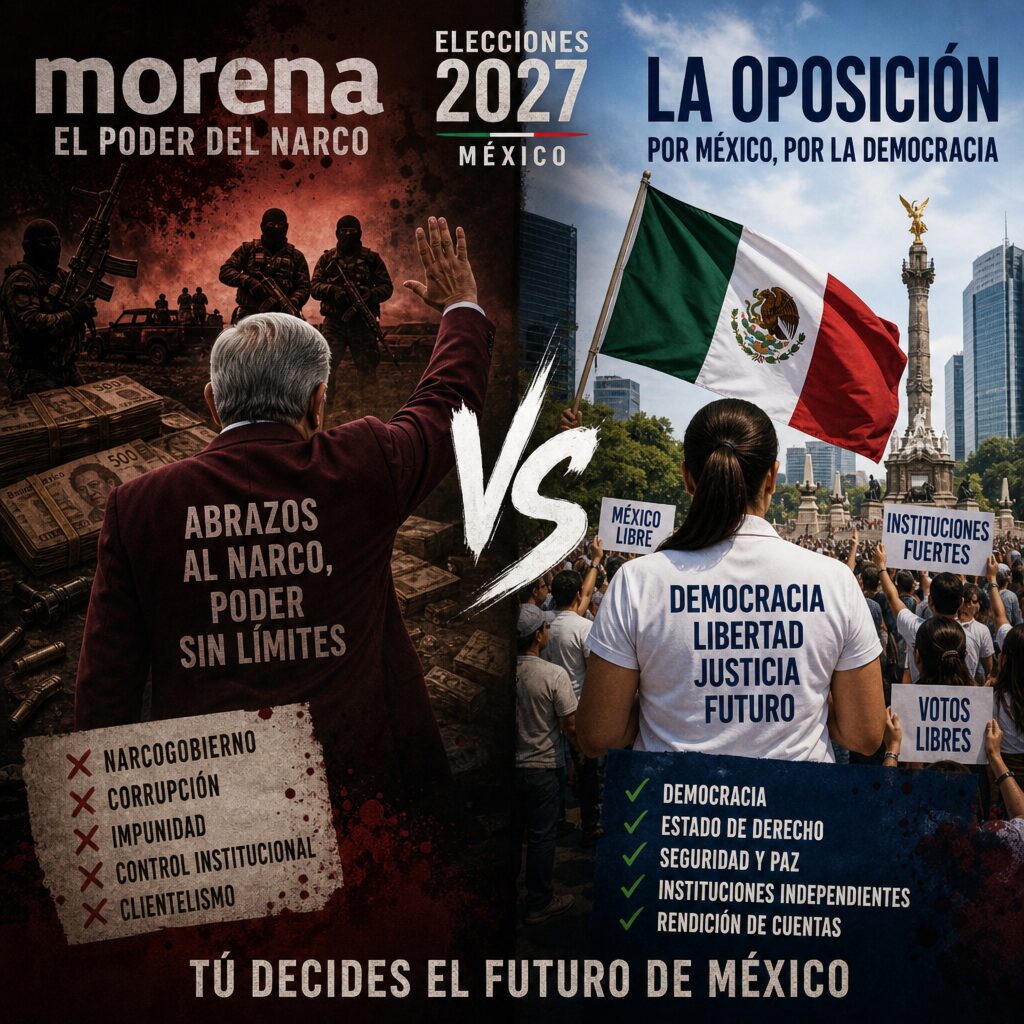
The narrative threads of the 2027 election are beginning to emerge in the political lexicon. History does not record another electoral contest with such aggressive traits and such profound differences. Adversaries—not competitors—are facing off, even though this is an electoral contest. An election is taking shape in which two visions of Mexico’s future clash in an irreconcilable conflict. Those in power have decided to eliminate their opponent. And the opposition is determined to set the nation back on course.
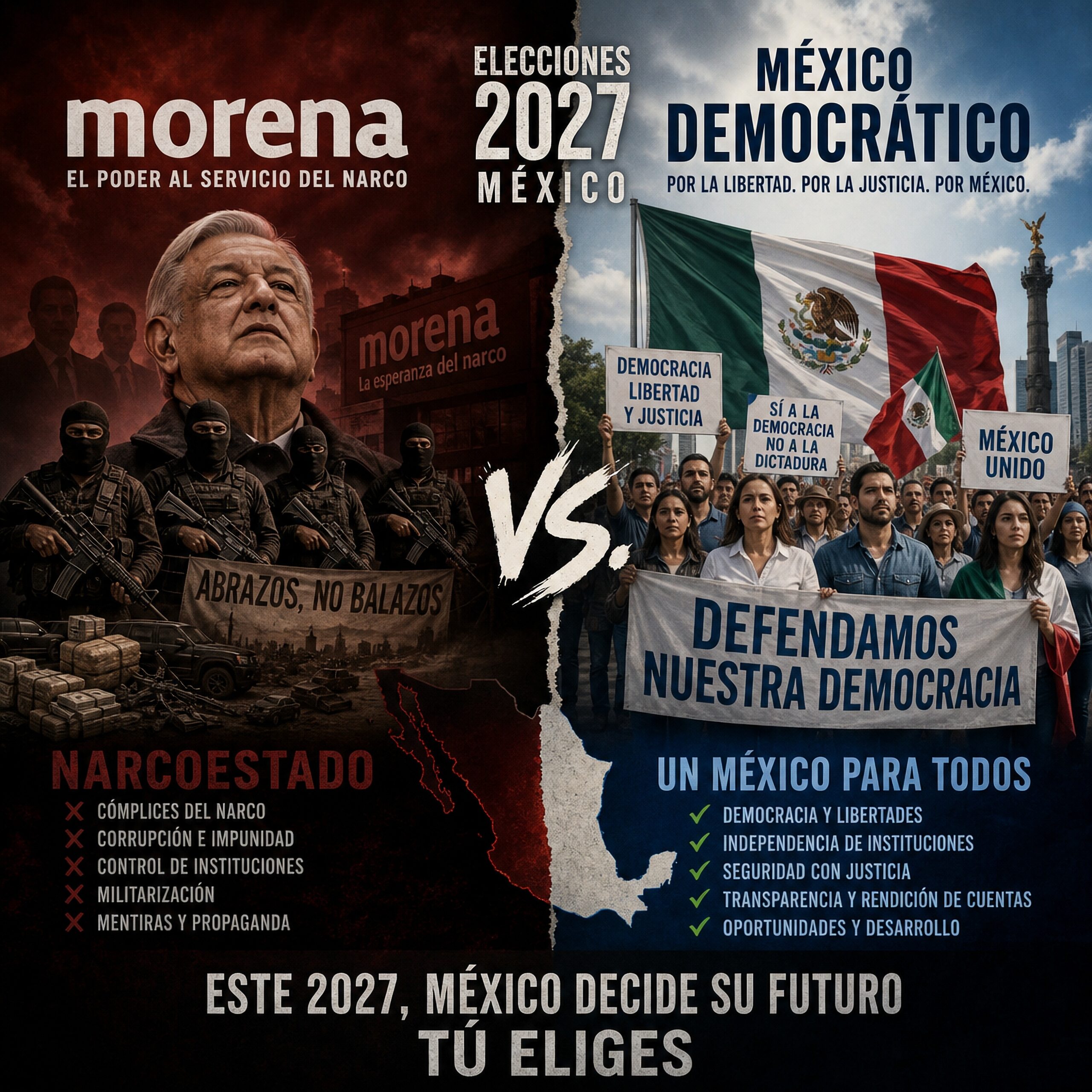
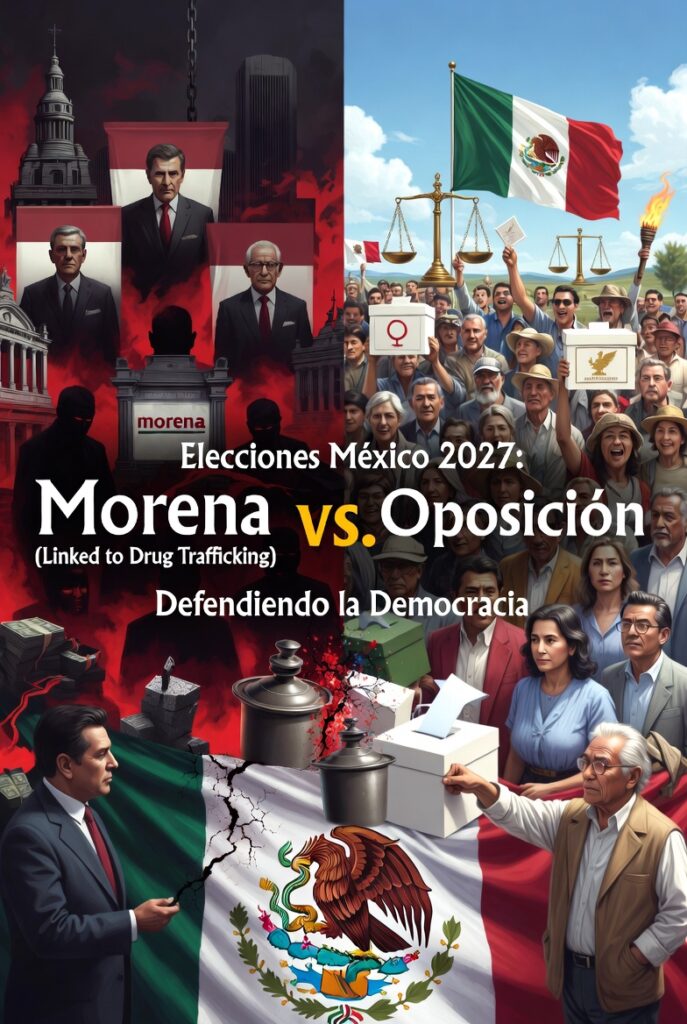
Opposition groups in Mexico argue that voting for Morena and its allies means accepting that Mexico will be governed by an open partnership between the State and drug cartels, in a fully integrated relationship. For the opposition, this complicity means that Mexico will lose its sovereignty as a democratic republic. The opposition argues that, by surrendering to organized crime, an authoritarian political regime is established—one whose very nature is to deny the alternation of power and favor totalitarian control from within the government. Their narrative is that Morena is a drug-trafficking party entrenched in power.
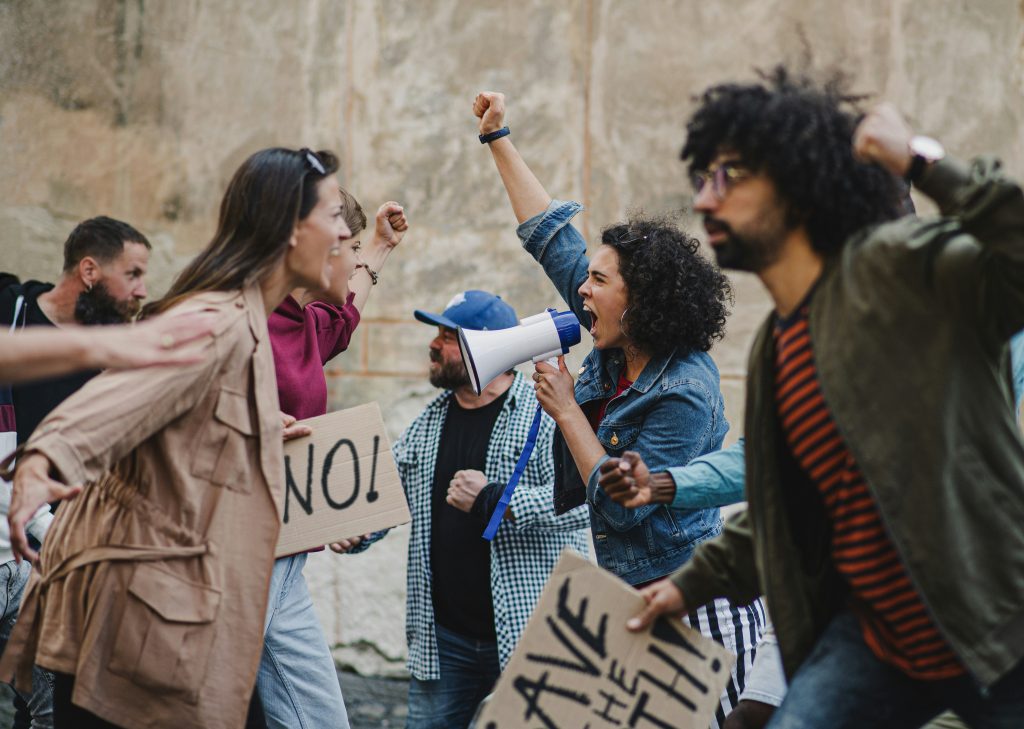
Morena and its allies accuse the opposition (primarily the PAN and PRI, and possibly the new Somos MX party) of being far-right political factions and allies of similar movements internationally. Morena argues that national sovereignty is lost when voters support parties that favor alliances with forces advocating the neoliberal economic model and promote it in Mexico. Morena emphasizes that its agenda is to consolidate national-popular power and rejects external impositions.
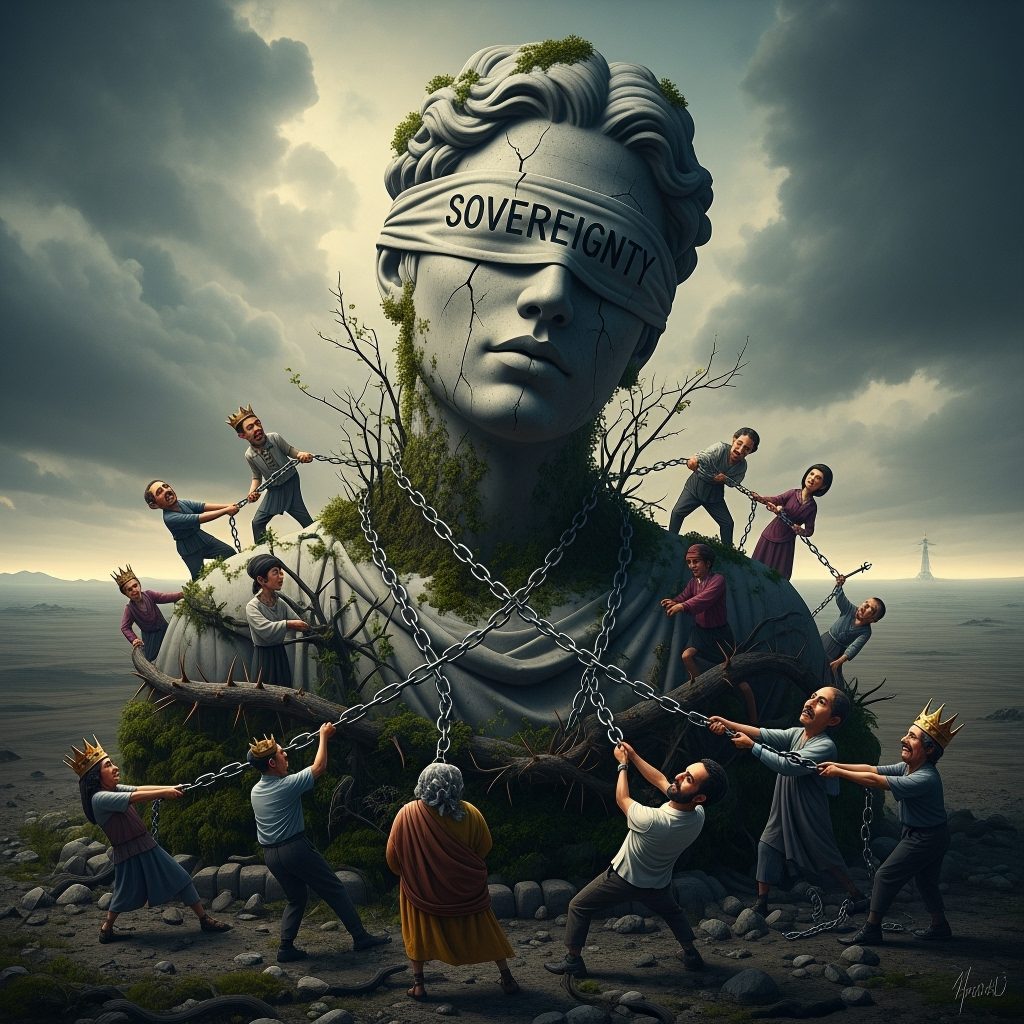
These are, broadly speaking, the lines of debate and contention already emerging as the cornerstones of an existential confrontation set to unfold in the 2027 midterm elections. For this reason, the contest will be the most momentous in the country’s recent history. It will not be a “normal” election, nor will it take place in “normal times.” It will be a struggle for the country’s future.
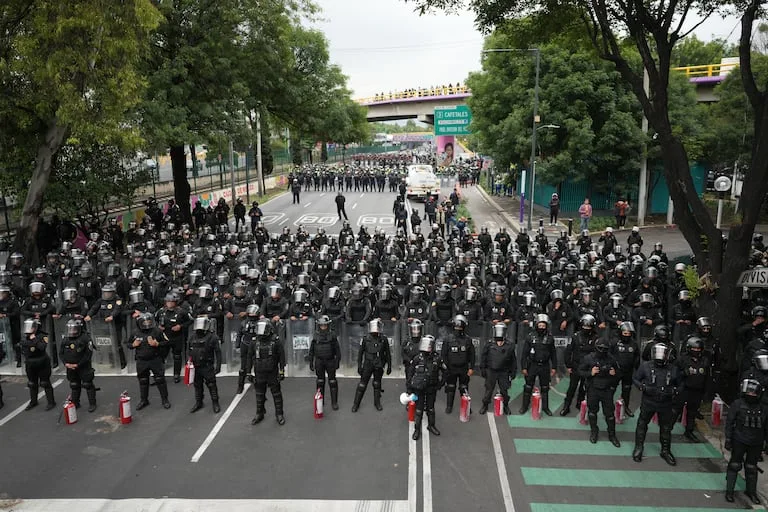
The week leading up to the World Cup opening ceremony accelerated the political alignments between the ruling forces and the opposition. The tension created by the presence of CNTE teachers, the mothers of the disappeared, protests by transport workers, farmers, and pensioners—as well as the relatives of the 43 disappeared from Ayotzinapa and members of the Black Bloc (likely drawn from the ranks of the capital’s police force)—caused the rhetoric emanating from the federal government to reach levels of hysteria. And that hysteria caused the government to drop its masks and take a clear political stance.
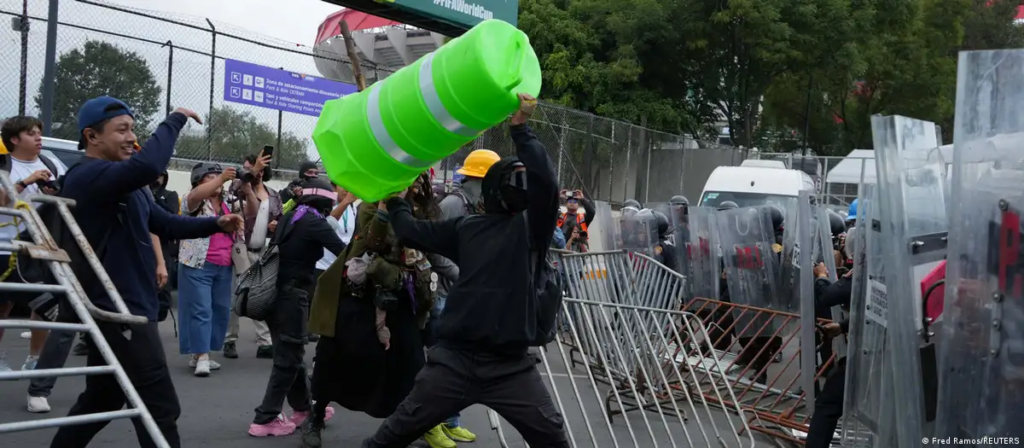
It then hurled an epithet to define those protesting in the streets of Mexico City. It accused them all of being “far-right extremists with a political agenda aimed at defeating—or overthrowing—the government in the 2027 elections.” And because various media outlets—notably TV Azteca—reported on the diverse causes being protested in the city’s streets, the president added the owner of that outlet, Ricardo Salinas Pliego, to the list of leaders of the newly discovered “Mexican far right.”
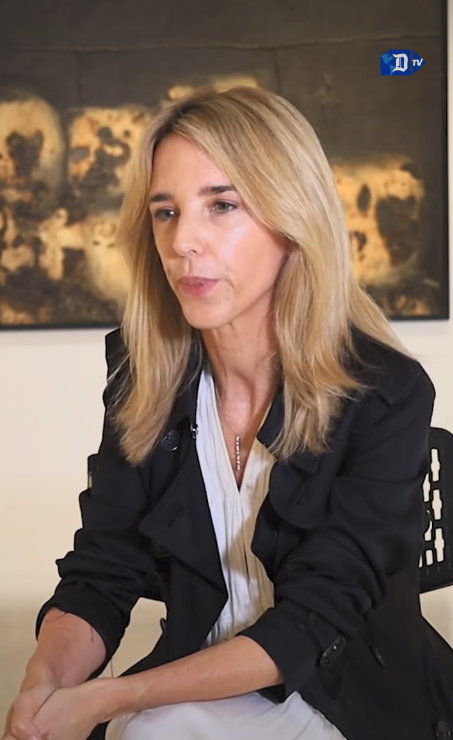
The government added two Spanish women to its chorus of accusations against the members of this new, distorted object of hatred: Isabel Díaz Ayuso, president of the Community of Madrid, and Spanish Congresswoman Cayetana Álvarez de Toledo.
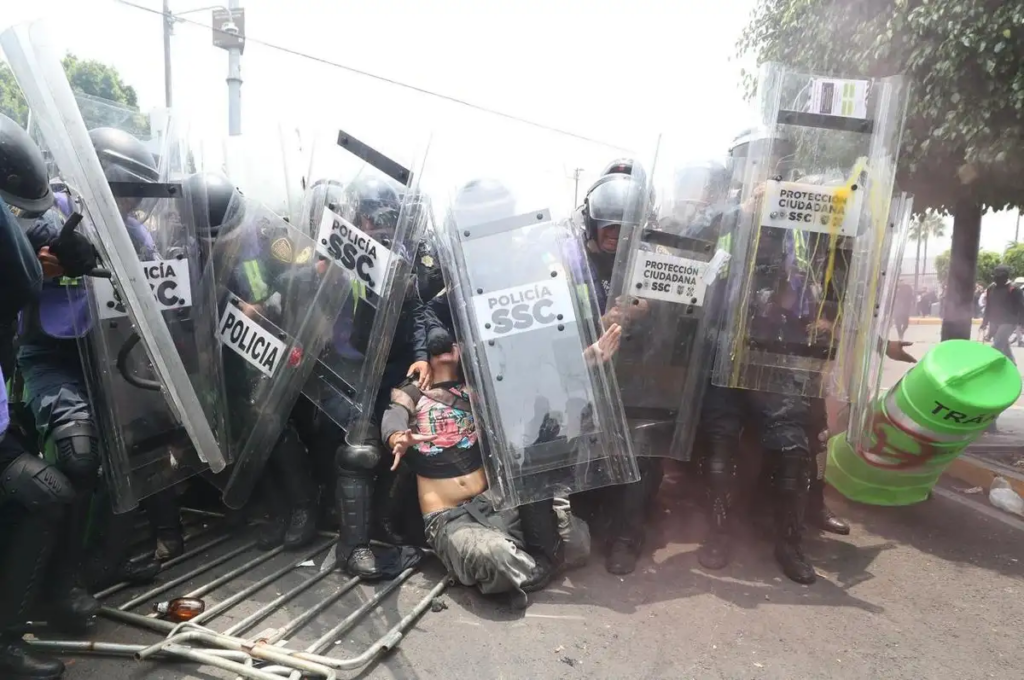
Faced with this confederation of diverse groups, they succeeded in throwing Mexico City into chaos during the week leading up to the sporting event and, to some extent, on the opening day of the event itself. The president and the head of government, frightened, took refuge in the sports complex of a friendly mayor’s office, which they later spun as an effort to “be with the people.” But their government, weakened and lacking the political resources to bring the negotiations to a successful conclusion, opted for phased repression. It deployed thousands of riot police and civilian officials against the protests. They achieved their goal: they largely quelled the protests. But the government revealed its true face of political incompetence and blatant intolerance.
Since then, the Mexican president has clung to her newly discovered slogan. Whenever there is any analysis or criticism of Morena, the Fourth Transformation, or her “Second Floor,” she assumes it stems from an international conspiracy, in league with specific national political actors—because they are all those who oppose her project.
To capitalize on the moment, the president reiterated, in the wake of the national team’s victory, that those who won are “those of us who believe in Mexico, and those who want Mexico to fail are the ones who lost.” Instead of uniting the nation, the president used the moment to deepen national polarization. She later clarified that she did not go to the stadium because “she does not want to be with people who can afford tickets to the event.” She disparaged everyone who attended the event at the stadium, suggesting that they are also “ultra-conservatives.”
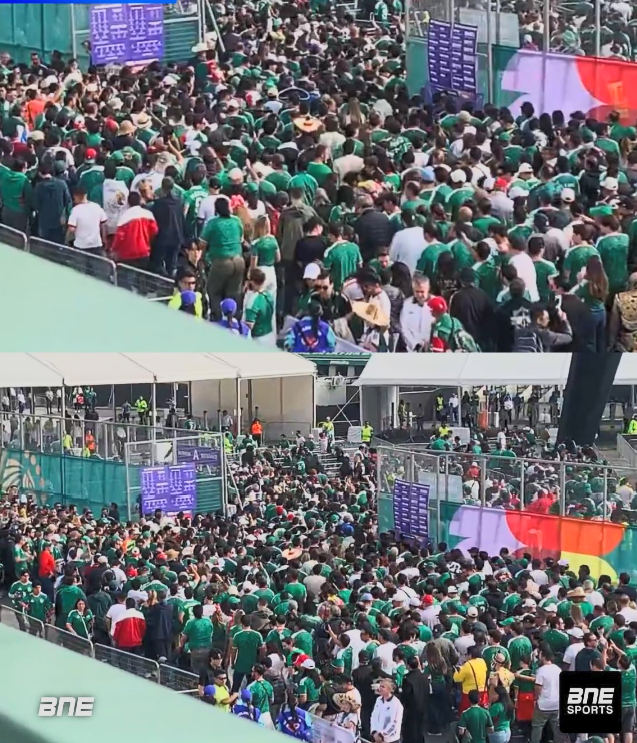
Morena leader Ariadna Montiel ordered that no one belonging to her party should attend games at the stadium, because “that is not being with the people.” Being with the people means rejecting the bourgeois siren song of going to the stadium. Montiel also disparages and condemns the people who went to the stadium. In her fanatical view, they must all be members of the newly discovered and unmasked “Mexican far right.”
The president went even further. After disparaging those who went to the stadium for “being able to afford those tickets,” she attended an utterly elitist dinner at Chapultepec Castle with the cream of the crop of FIFA and its international and national guests. Feeling guilty about having attended such a celebration, she later denounced it during her morning press conference and justified her presence “for just a little while” at that banquet. She disclosed the cost of renting the hall for the event. She has likely incited some members of the National Institute of Anthropology and History (INAH) to demand punishment for whoever collected the one million pesos in rent.
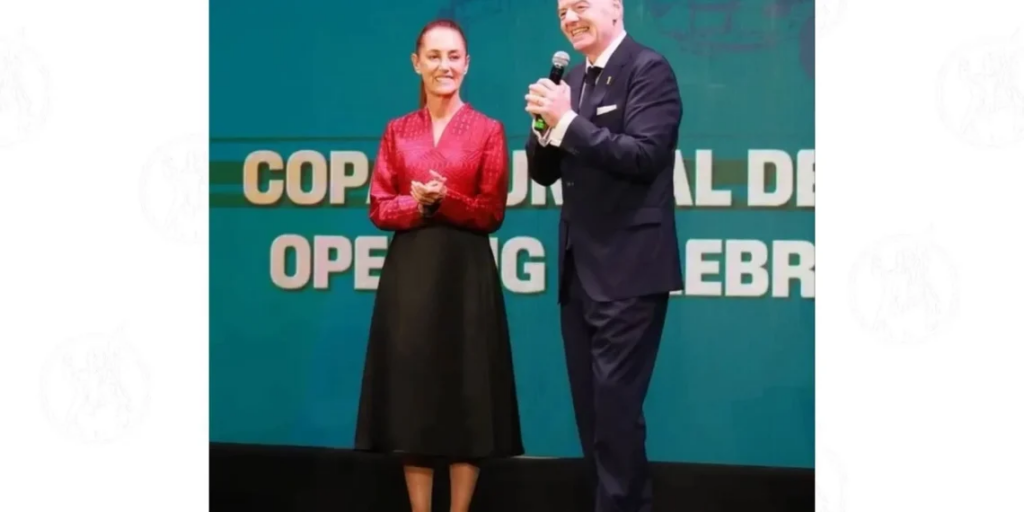
These examples, however childish they may seem, paint a complete picture of Morena’s attempt to distance itself from anything resembling the “far right,” while positioning itself as the party of the people. It’s far-right to go to the stadium; it’s also far-right to pay for a dinner; and it’s far-right to criticize Morena. Of course, the hypocrisy speaks for itself.
The opposition, on the other hand, rejects the label of “far-right” due to the diversity of its members and insists that the real national debate centers on the characterization of Morena as a “narco-party”—and, therefore, on the criminal nature of its government. And it goes further: it asserts that the international designation of drug trafficking activities as terrorism brings Morena closer to being legally declared a “narco-party.” The opposition’s criticism is based on the premise that the change in course proposes severing all ties between politics and drug trafficking. The opposition proposes a head-on fight against organized crime.

The perception among the public that Morena is the party associated with drug trafficking has grown rapidly. The proof is that it defends figures notoriously linked to drug cartels, such as Governor Rubén Rocha Moya (on leave) and Senator Insunza. Both have been judged as “narco-politicians” in the popular court of national public opinion. This is in response to the indictment filed in the United States. The fact that the president is capable of lying and denying a reality that the people see clearly—that Morena won the election as a result of its alliance with drug trafficking—has taken deep root in the popular imagination.
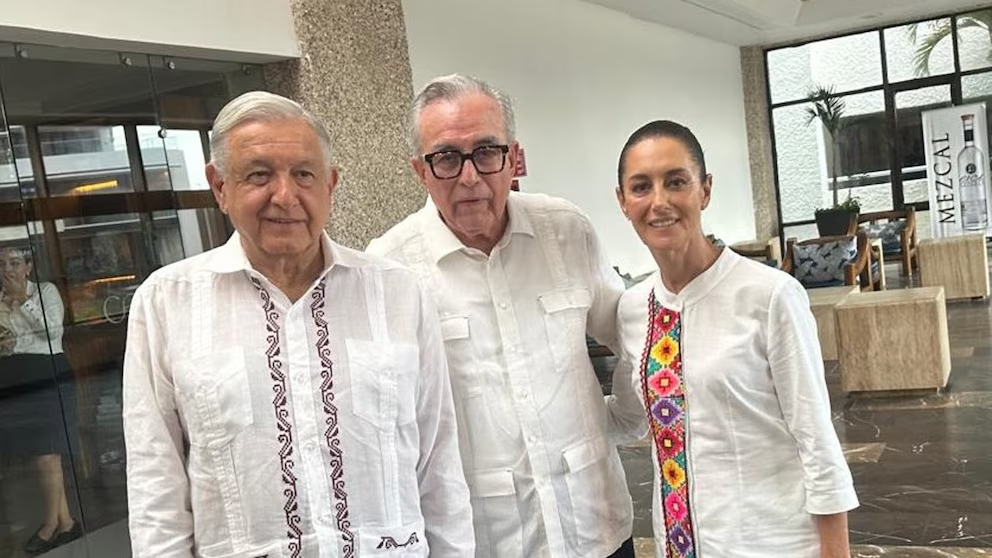
While the president and Morena intensify their attacks on broad segments of Mexican society that they consider “far-right,” the opposition emphasizes that Mexico’s dilemma lies in rejecting drug trafficking as a strategic ally of Morena.
While Morena seeks to convince the electorate that its criticism of what it calls the “far right” stems from a desire for a change of course, the opposition insists on something more concrete: the Morena government’s association with drug cartels is a form of governance that leads to more deaths, more disappearances, and more repression and authoritarianism. It leads to the annihilation of democracy in Mexico.
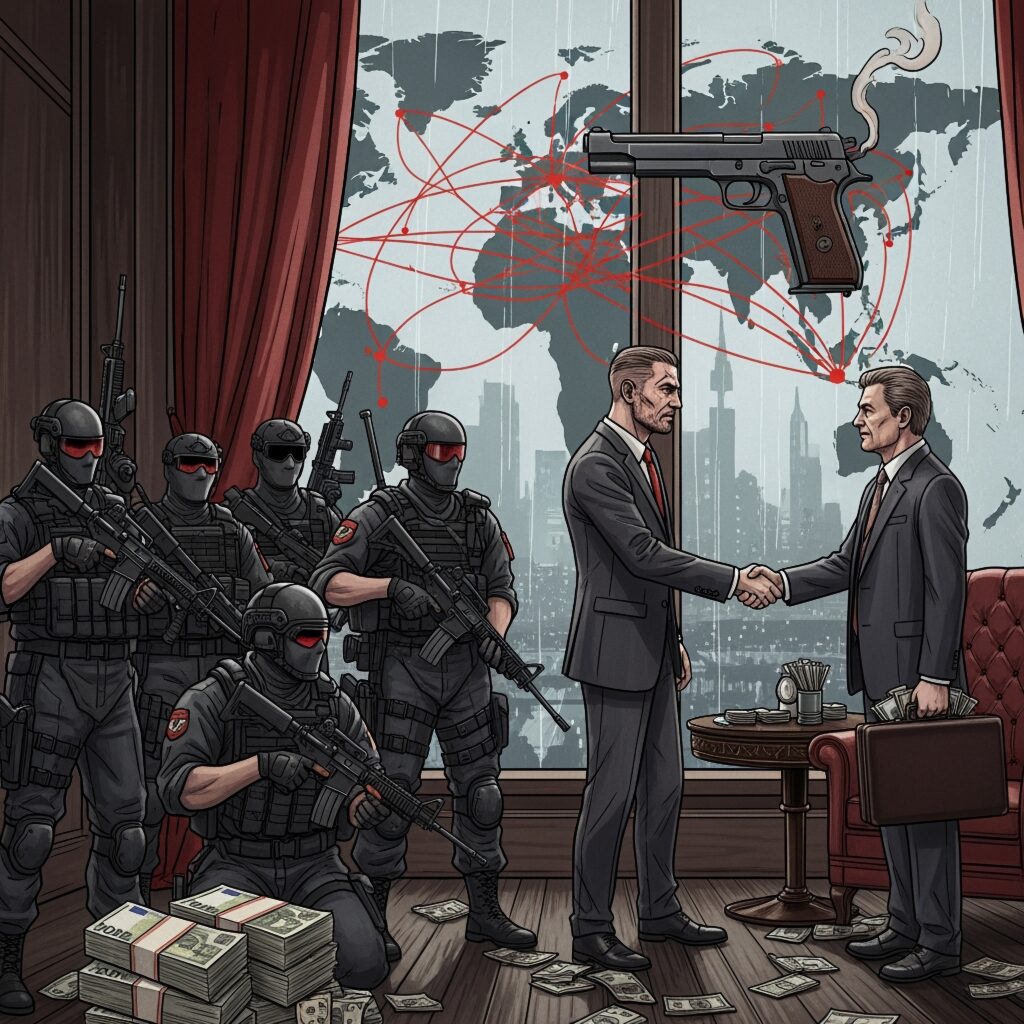
The 2027 elections will have to define Mexico’s future path: leaning toward the so-called “far right,” as Morena accuses, or breaking the narco-terrorist alliance between the Morena government and the cartels, as the opposition accuses.
@rpascoep
Further Reading: