
Ricardo Pascoe Pierce
“It’s election season,” some might say. “It’s political season,” others might say. “It’s all of these seasons rolled into one,” the wise might say. The fact is that the June 2027 elections will be a major challenge for Morena. It is obligated to retain its qualified majority in Congress, by hook or by crook. Failing to do so will mean a political defeat for the president, even if she retains a simple majority in Congress. That would end Morena’s streak of unconsulted constitutional reforms.
The political landscape is also undergoing a process of reshaping. It seems the era of “cool heads” has ended, and will be replaced by the harsh face of the most rigid, uncompromising ideological stances. To what can this shift in political strategy be attributed, along with the president’s consequent adoption of confrontational stances? Possibly to the realization that Trump’s “imperial presidency” is running out of time because this November’s elections will be unfavorable to him. He must be calculating that he will lose control of, at least, the House of Representatives, and possibly the Senate as well.
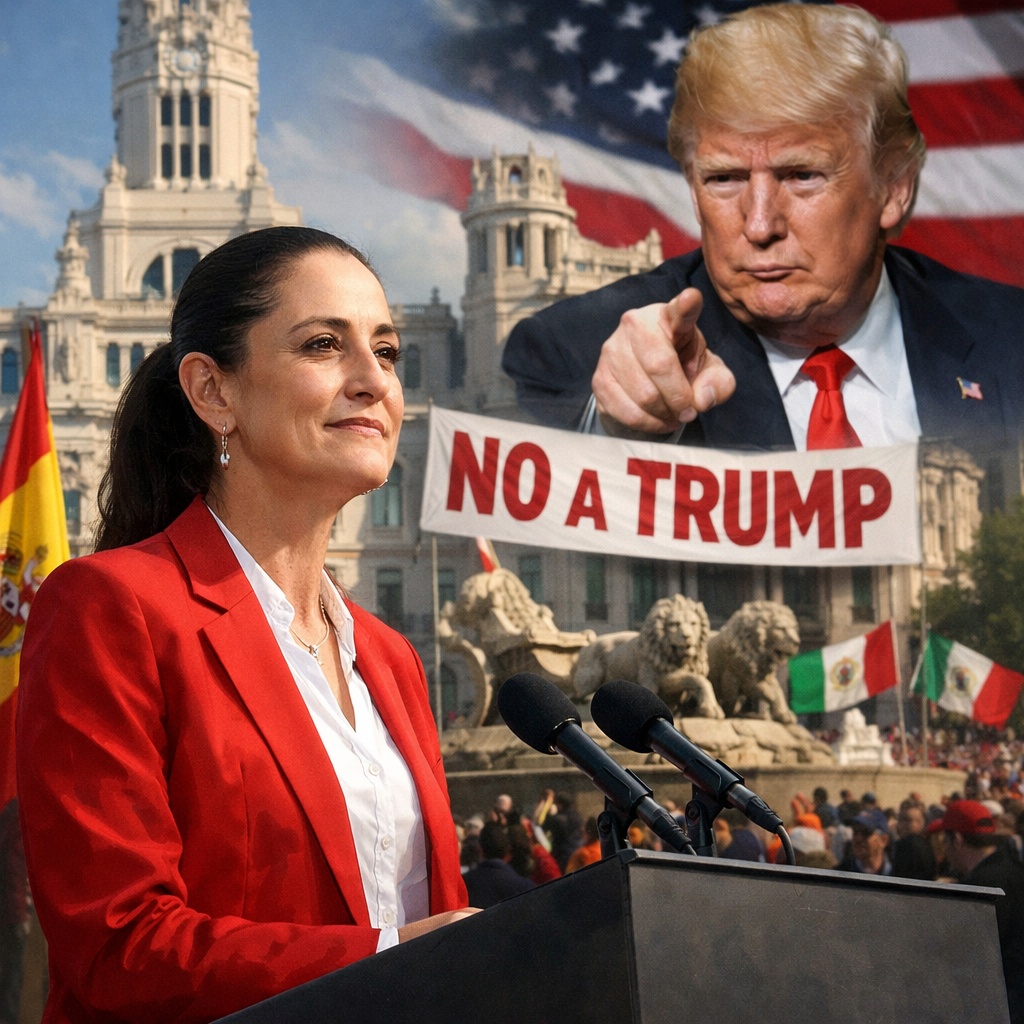
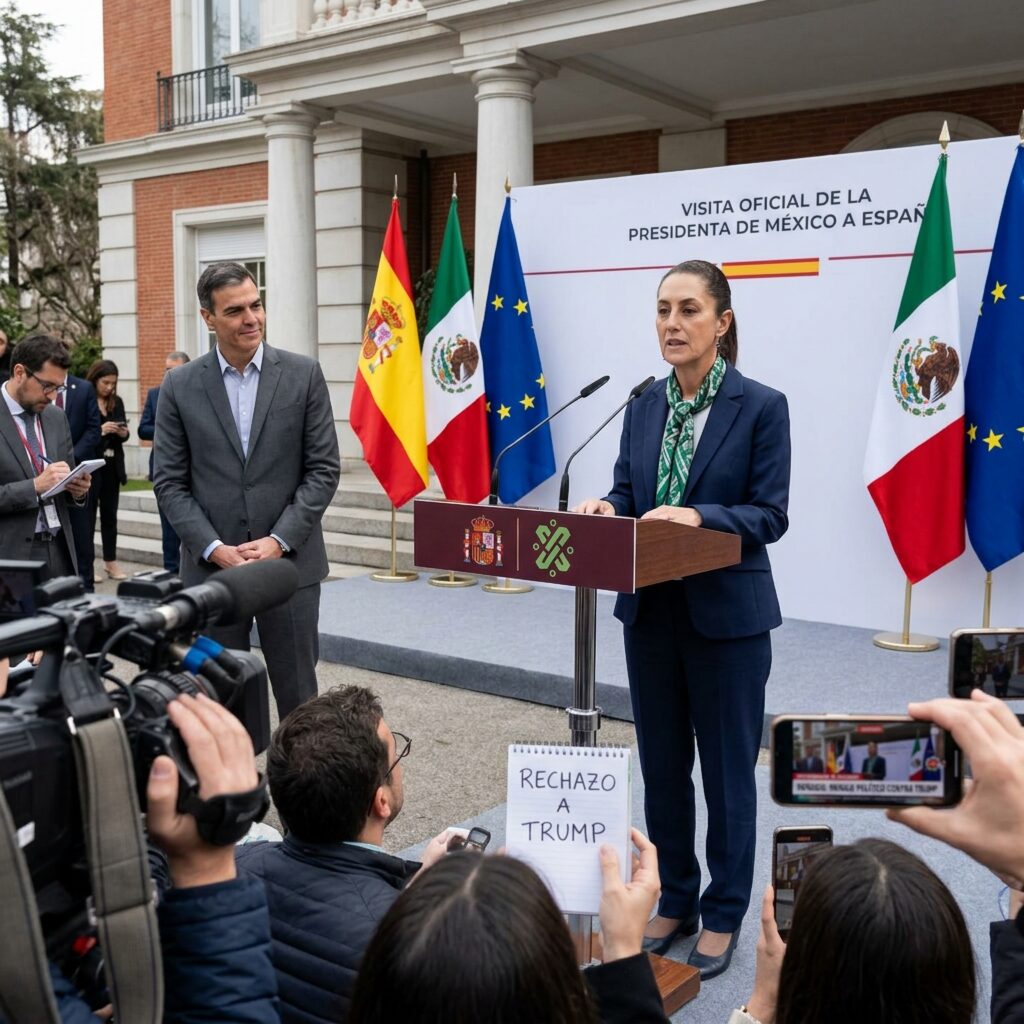
Sheinbaum’s presence in Barcelona marked a turning point in the president’s attitude toward the United States. Her first words upon returning to Mexico were: “The right wing is hate.” With those four words, she summed up what she had learned in Barcelona.
The truth is that her stance at the forum on the defense of democracy was intended to defend Cuba, a country governed by a civil-military elite that is anything but democratic. And then came the familiar, almost archaeological exposition on Huitzilopochtli and other deities for the audience’s historical enlightenment. The Mexican representative’s presentation was truly delusional.
She forgot to mention, by the way, that she was politically maneuvering to complete the colonization of Mexico’s highest electoral body to secure that qualified majority she so desperately craves in the next National Congress. Much less did she mention Morena’s takeover of the Supreme Court of Justice of the Nation, nor did she acknowledge the disappearance of the autonomous bodies for transparency, accountability, and the provision of information to citizens in the country she governs. Instead, she boasted that Mexico—according to her, the most democratic country in the world—is so because “The People” already control the three branches of government. She could have said “I control” the three branches of government, and that would have been a more honest comment. But no, she preferred to say “The People” (in capital letters, just as Trump writes it) so that the politicians present could mock her, knowing perfectly well what she meant. That self-designation as the representative of the people carries a clear fascist whiff, emulating Mussolini.

Incidentally, the forum’s attendees did not endorse her stance on Cuba, which should reassure several people at that gathering who know perfectly well what is happening on the island, precisely because they are not wearing the ideological glasses of Mexican Morenism.
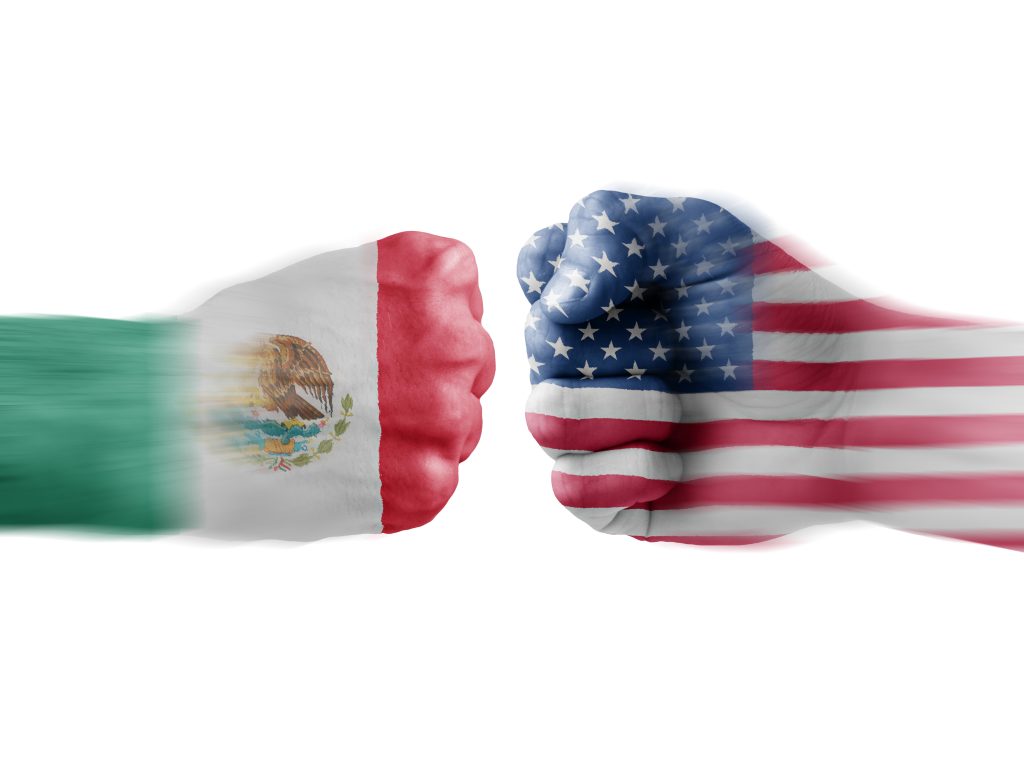
But apparently, the president returned from Barcelona burdened with the mission to leave “cool-headedness” behind and enter directly into confrontation with Trump. She believes that the electoral climate also demands it. It is time to return to the movement’s ideological and political roots: to the authentic left, the anti-imperialist, anti-Yankee left, and to champion the people’s causes. The campaign, she assumes, will be a clash between the humanist left and the hateful right.
Hence her phrase: “The right is hate.”
What does that phrase foreshadow? A campaign of polarization within Mexican society. Morena will seek to divide Mexico as López Obrador did, believing that polarization wins elections.
The president sets the tone for the party and confronts Trump and the ambassador. To Trump, who asked for empathy regarding the death of two members of his administration in Chihuahua, the president responded by demanding an investigation into the apparently illegal presence of those individuals on national territory. Her first reaction to the revelation of CIA agents in a joint operation with Chihuahua government authorities was to think in electoral terms. How could she make the PAN governor pay the price for the incident to benefit Morena in next year’s gubernatorial election? First, she considered demanding her appearance in the federal Congress and at the National Palace. The possibility of her removal as governor was mentioned. Morena was sharpening its knives. But something put the brakes on that course of action. She did not go to Congress, nor did she meet with the president. She met with García Harfuch. Silence ensued. The governor agreed to create a commission to investigate the case.
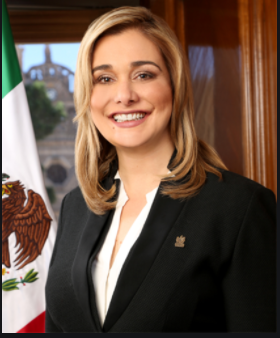
Obviously, there is more information that they do not want to disclose publicly. More unreported operations, more Mexican agencies relying on information and support from U.S. agencies, the Secretary of National Defense remaining silent and offering no opinion, including on the unresolved case of the operation that culminated in El Mencho’s death. What was the true role of the United States and its agents in that operation? The events in Chihuahua open dangerous doors to other information that the president may not be aware of. Suddenly, silence.

On the electoral front, a radicalized Morena will argue with epic fury that sovereignty is off-limits, especially during election season. If part of next year’s campaign is precisely that Morena will raise the issue of national sovereignty as a banner. All the more so if Trump fares poorly in this November’s midterm elections.
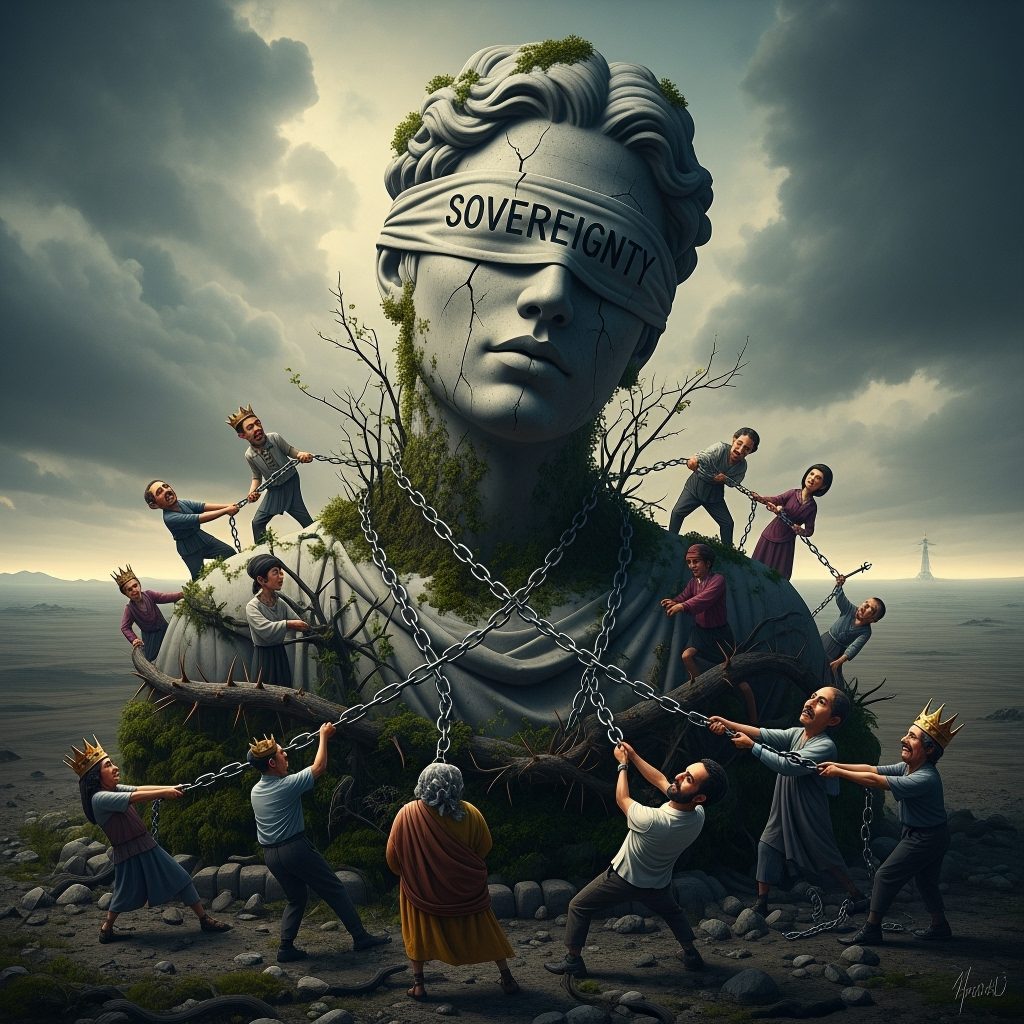
The U.S. ambassador spoke forcefully at the inauguration of a U.S. company in Sinaloa. He said that corruption impedes foreign investment in Mexico. The president immediately retorted, “There is corruption in your country as well”. This is the first time we have heard the president, in a bad mood and irate, respond to the U.S. ambassador so quickly, emphatically, and harshly. It is one thing for the Secretary of Foreign Affairs to demand an explanation from the ambassador by summoning him to his office, and quite another for the president to expose herself in this way—in a direct, public dispute—to refute the ambassador’s statements. At its core, this is either a political misstep by the president or a deliberate declaration of war.

The president appears to be fully in campaign mode, which is not good for the country. There must be a distinction—and a separation—between the role of the executive branch, and especially of the person who heads that branch, and the role and responsibility of leading a political party, particularly when preparing for an election.
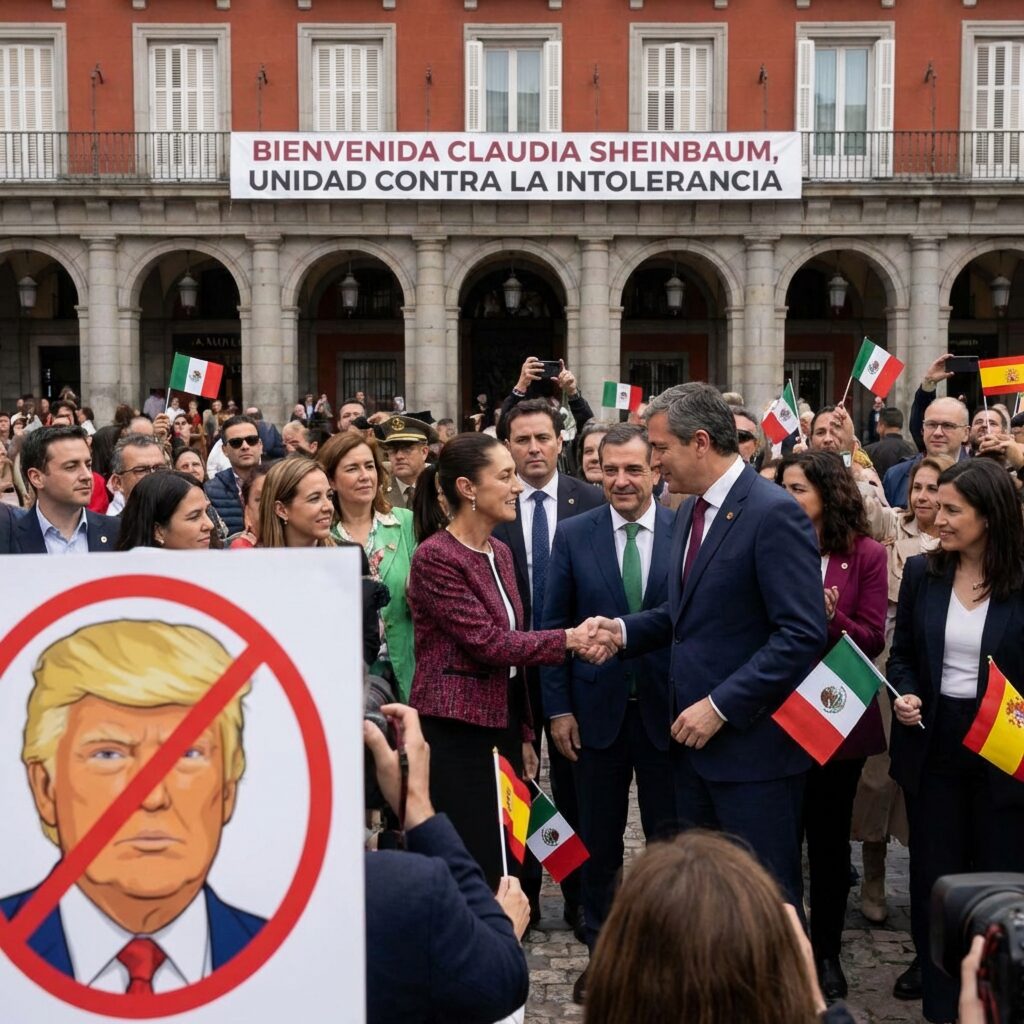
These factors lead to the conclusion that the president is unable to separate the two roles. And that is bad for Mexico and will be bad for the upcoming electoral process. First, because matters of State and government should not be confused with the slogans and rivalries of an electoral campaign. Second, because it hinders the most important negotiation for the country: the USMCA. And third, because it risks interfering with the electoral process and its results.
The radicalization of the president’s rhetoric and behavior stems from her desire to control her party. To that end, she believes she must be more radical than the party’s own programmatic principles. This will inevitably lead Mexico to collide with its reality in the international arena and its political-diplomatic relations. The president’s inability to separate these two spheres will harm Mexico. It will also end up delegitimizing the electoral process. And that interference in the electoral process is the surest path to creating a national political crisis.
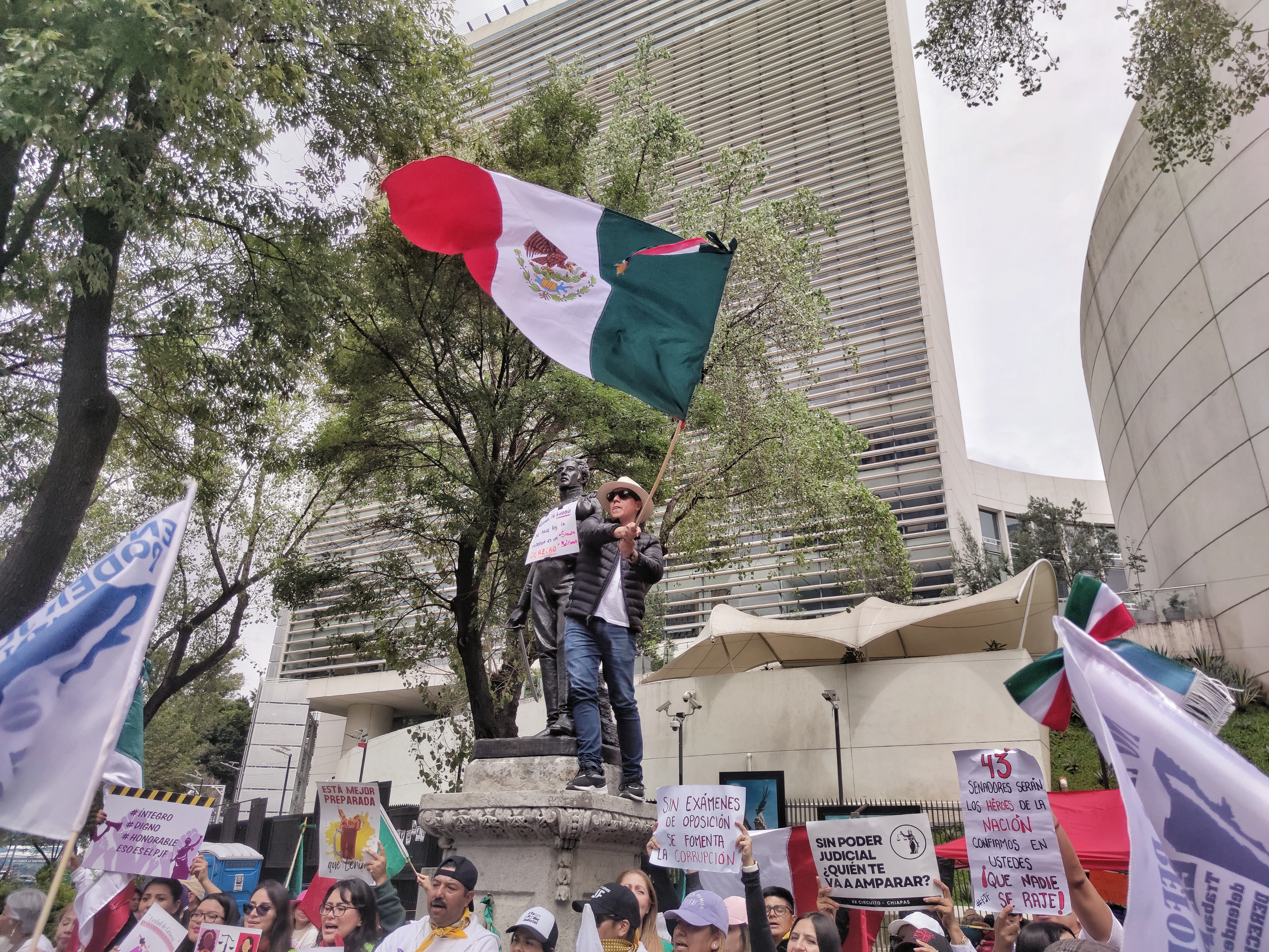
And all of this is a result of Sheimbaum’s radicalization.

@rpascoep
Further Reading: