Ricardo Pascoe Pierce
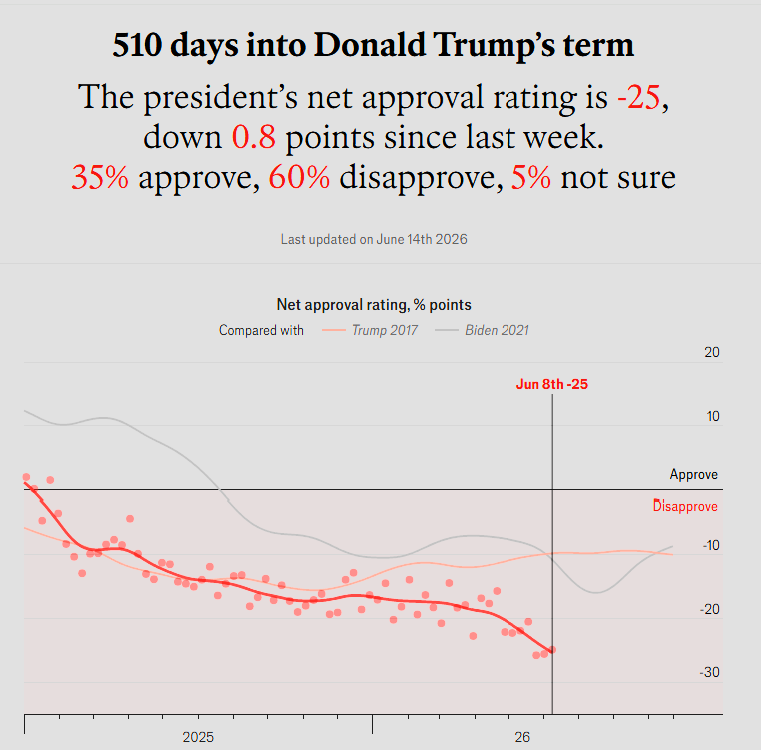
The highly anticipated midterm elections in the United States will take place on November 3. It is international news that President Trump has plummeted in the polls. According to The Economist, the British magazine, the president’s approval rating stands at 35%, with a disapproval rating of 60%, and a meager 5% undecided.
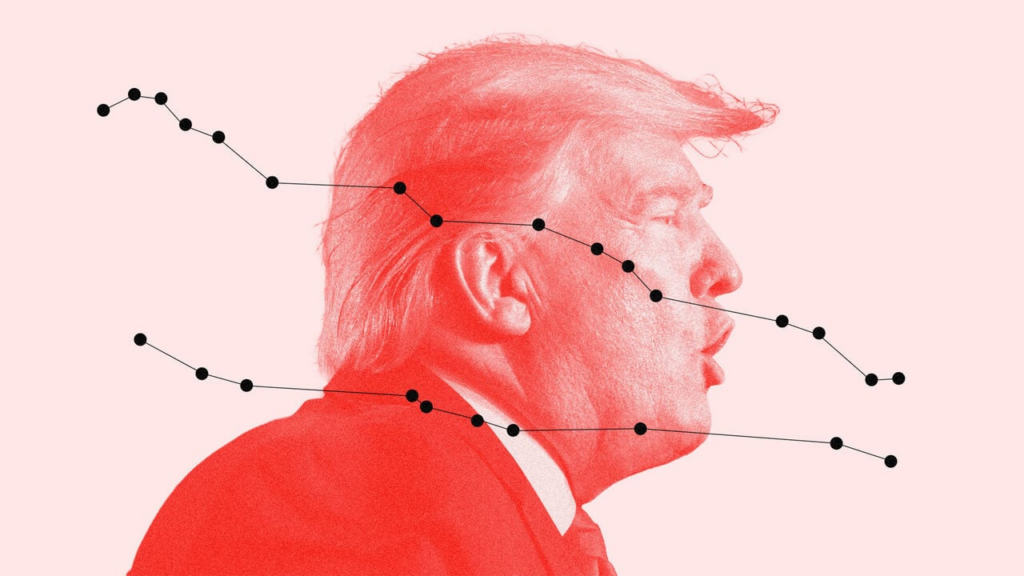
The decision to go to war in Iran was a mistake, according to the majority of Americans. Seventy-five percent disapprove of his handling of the economy, and 57% believe it “will get worse.” Gas prices are at a historic high. Even with a “resolution” to the war in Iran and the reopening of the Strait of Hormuz, it will take until the end of the year, or longer, to normalize the flow of hydrocarbons to the global economy. In other words, the economic repercussions of the war in Iran will continue to impact the world’s economic and political cycles for many months, even years, to come.
Political-military conflicts around the world are awaiting the verdict of the U.S. electorate in November. It appears that many believe an adverse—or very adverse—outcome for Trump’s Republicans will force some sort of reevaluation by the White House.
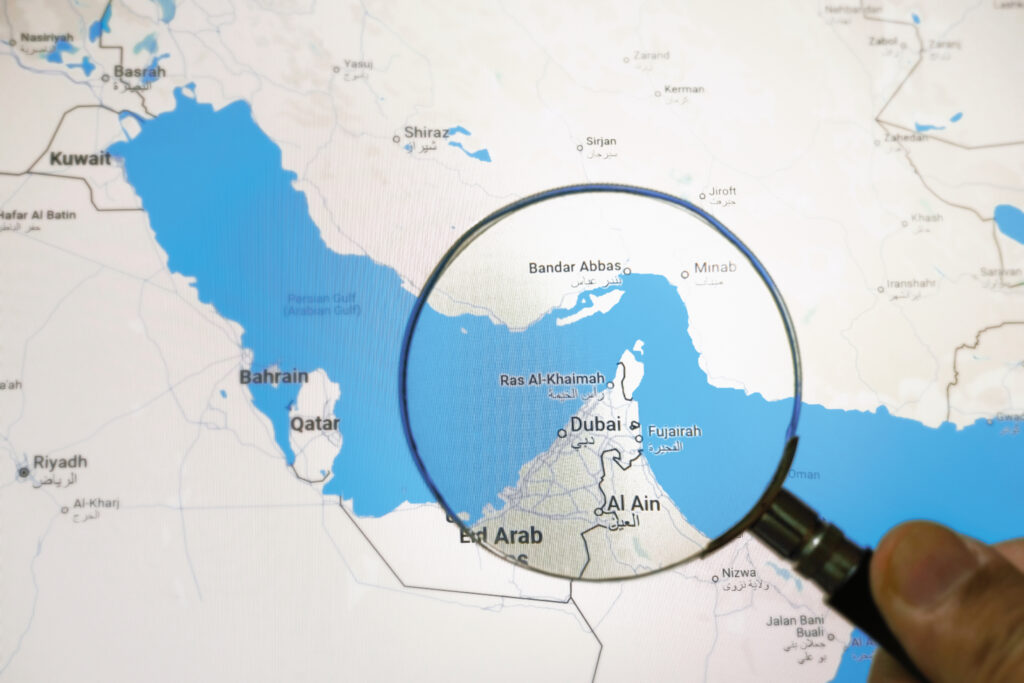
Notably, the leadership in Tehran believed it was in a comfortable position to wait for the election tensions to catch up with Trump. With the Strait of Hormuz closed, putting pressure on the global economy, and a majority of Americans opposed to Trump’s war, Iran knew it only had to withstand Trump’s final, desperate pressures to bring him to his knees. The specter of an electoral defeat in November is consuming the president. Ultimately, the agreement between Iran and the United States will likely represent an awkward return to the way things were before the war began. The agreement is simply an extension of the ceasefire. Very little, if anything, of the underlying issues in that conflict will be resolved.
In the case of the war in Ukraine, President Zelensky knows that the election results—should the Republicans lose control of the House of Representatives and possibly the Senate—could force a shift in Trump’s clearly pro-Putin stance. Strong statements from the U.S. Congress in support of Ukraine and against Russian aggression could powerfully contribute to hastening the end of the war, with a favorable outcome for Ukraine.
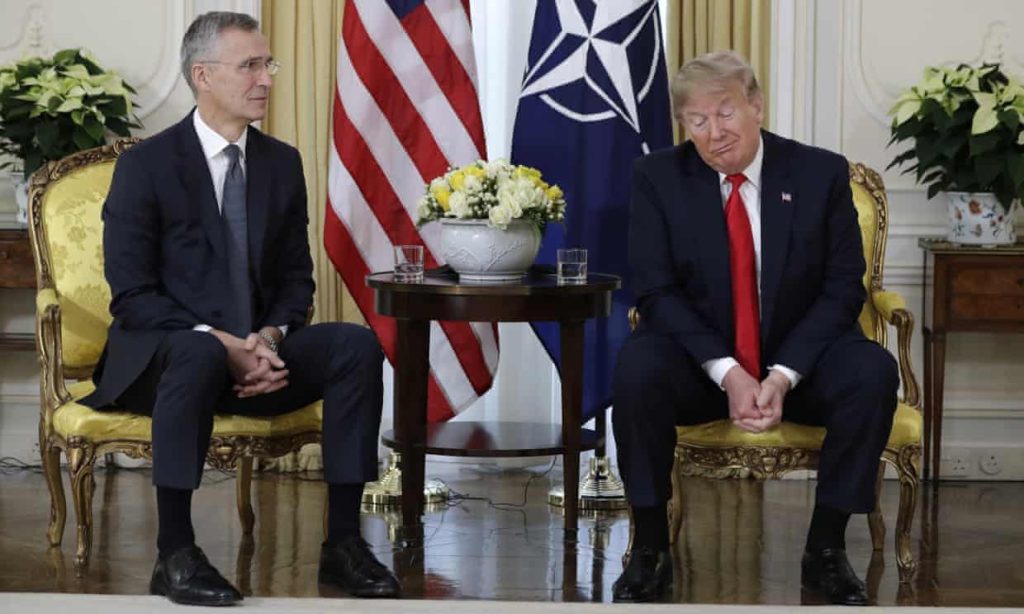
The European Union likely calculates, correctly, that the anti-European sentiment in the White House will not change much. American isolationism is inherent to a deeply rooted cultural tradition in that country. As a country, it resisted entering both World Wars until it was impossible to avoid involvement. But the tone from Washington will have to moderate, as resolving the conflicts in Central Europe and the Middle East will require the collaboration of Europe and Great Britain. Thus, a reduction in U.S. verbal hostility toward its NATO and EU allies is foreseeable.
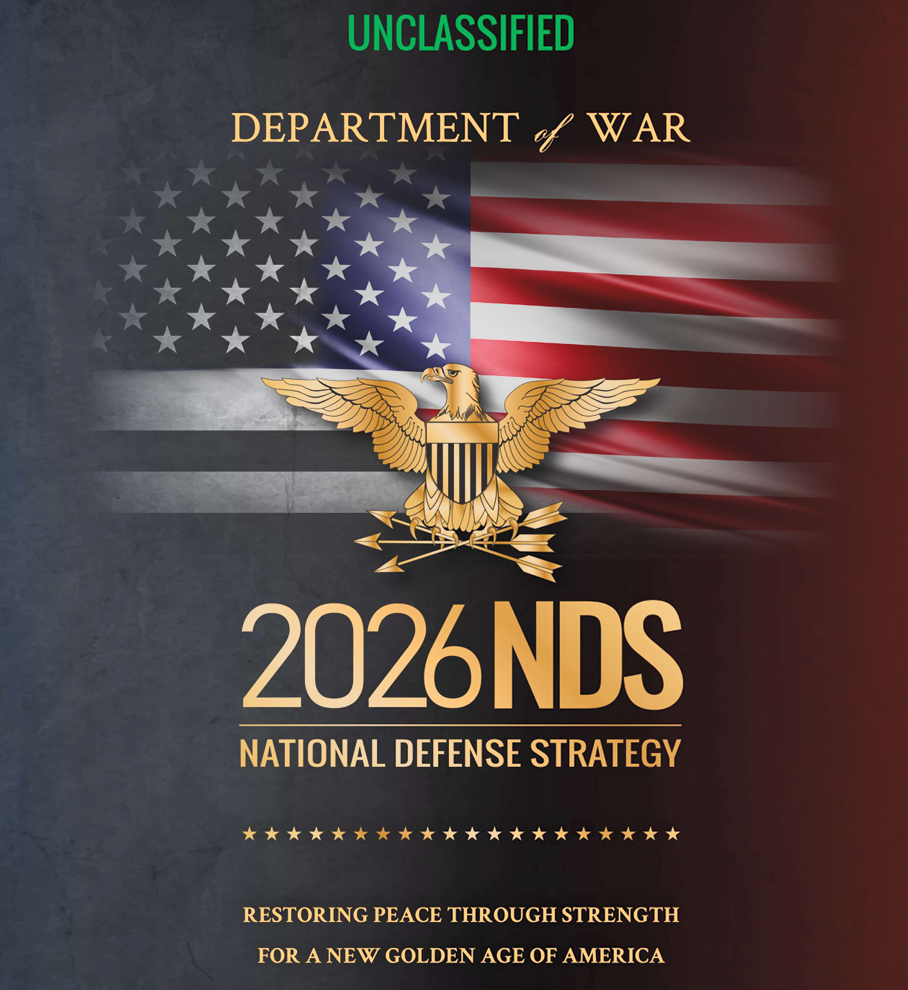
In Latin America, a different tone from Washington is possible. If Mexico and Havana believe that a period of détente will follow November, the opposite is very likely to occur. If the United States is seen to be retreating or rethinking its approach in the Middle East and Ukraine/Europe, it is foreseeable that Washington’s stance toward the region will harden in Latin America. The U.S. National Defense Strategy views the region as part of its “strategic rear,” stretching from Antarctica to the Arctic, including Greenland and Canada. A wounded global power, such as the United States, will reinforce its security perimeter. Within that zone, it considers two serious security risks: Mexico and Cuba.
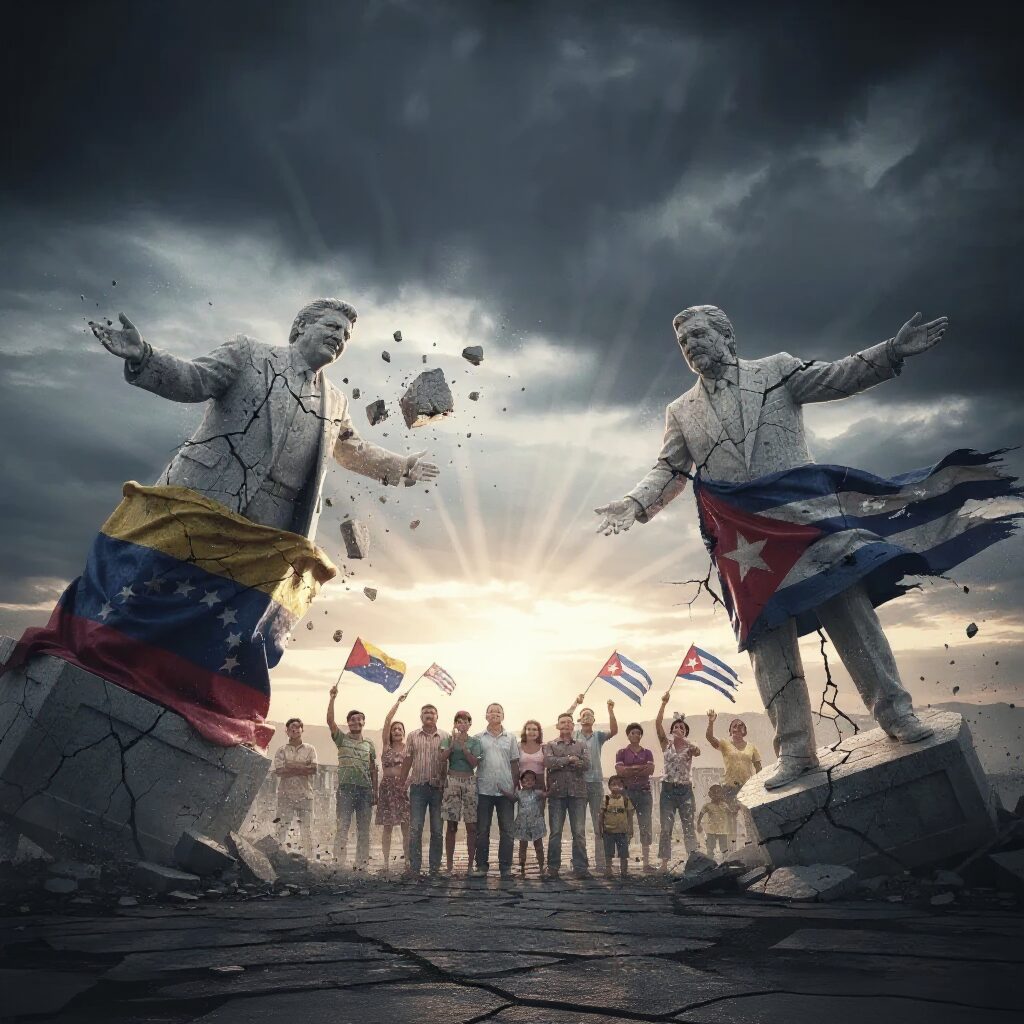
Washington will exert heavy pressure on Cuba to bring about the regime’s downfall. It won’t be like in Venezuela, where things were half-hearted. Cuba will face more sanctions and pressure until the regime falls. The future of that country is highly uncertain, and the Cuban people will suffer even more than they already have.
Mexico deserves special mention. November will not change Washington’s perception of our country. We must remember that it was President Biden, a Democrat, who authorized the operation to extract “El Mayo” Zambada. The prevailing view—and one that Sheinbaum’s conduct has greatly reinforced—is that the Mexican government defends “its own,” that is, politicians involved in drug trafficking. The rhetoric that indiscriminately conflates “national sovereignty” with “the defense of Morena members accused of drug trafficking” is seen as irrefutable proof that Mexico is a direct threat to U.S. national security.
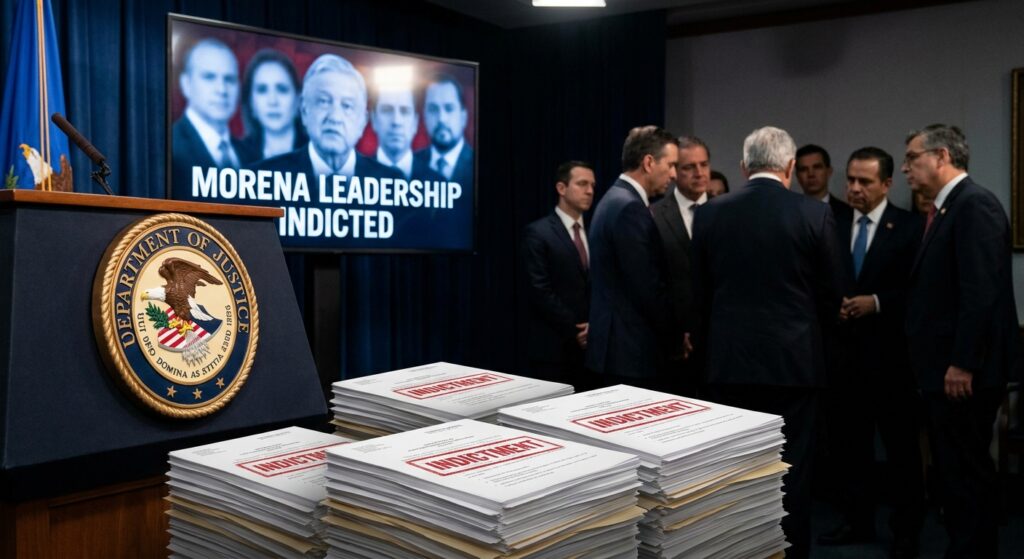
And the outcome of the November midterm elections, whatever it may be, will not change that perception of Mexico, not even with a Democratic majority in Congress.

@rpascoep
Further Reading: