

Juan Villoro
When I first faced the prospect of buying a used car, I learned a crucial phrase: “It’s been a one-owner car,”—a guarantee that the car was the unmistakable reflection of a single person and hadn’t been subjected to a series of temperamental owners.
Fifty years later, I’m trying to sell a car, and I realize how much the transaction has changed from what used to be simple (if you reached an agreement, the owner would lean on the trunk and sign the bill). Scams and robberies are so common that the government provides spaces for the sale to take place in the presence of police officers.
For thirteen years, my car has had a single owner. This, once an irrefutable virtue, is different in an era when advances in psychology offer increasingly precise and diverse diagnoses. Indeed, my car had only one owner, but the question is: what kind of owner?
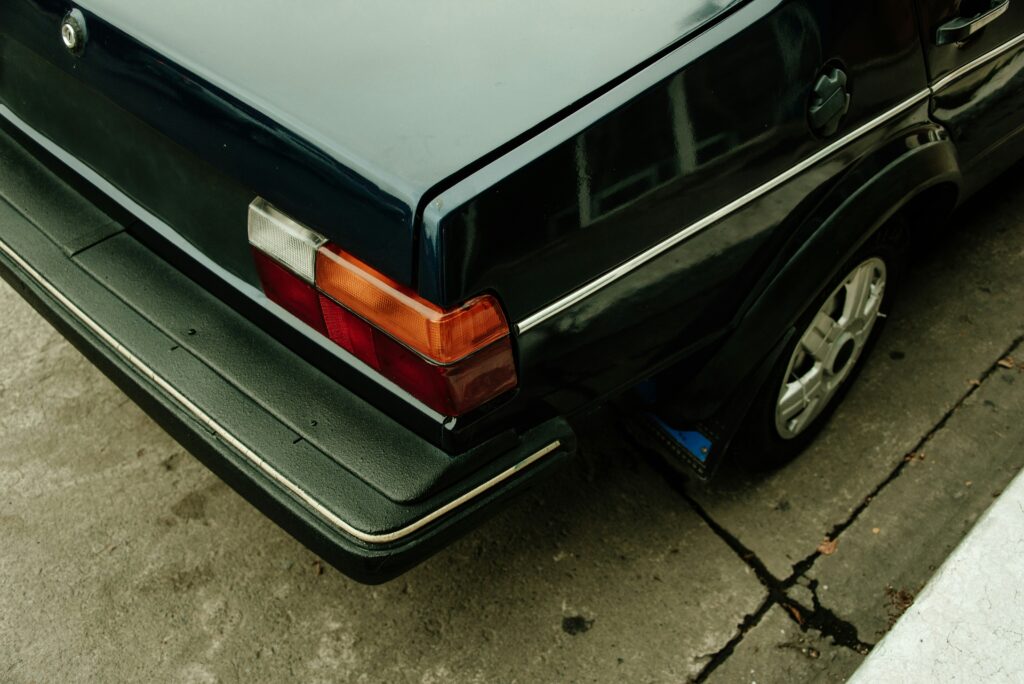
An acquaintance took an interest in the car, appreciated the low mileage and the engine condition, but upon inspecting the bodywork, he said, “Manuel has to take a look at it.” I thought he was referring to a trusted body shop owner, but with that remark, I found myself drawn into a surprising turn of events.
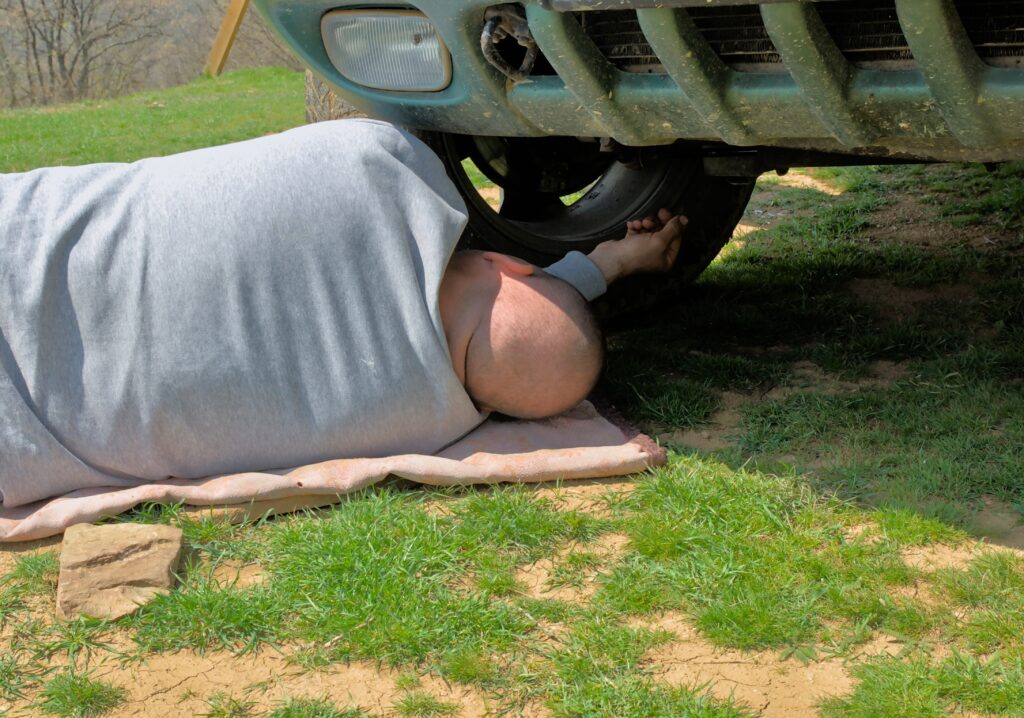
Manuel didn’t have a repair shop; he asked us to meet him at Parque de los Venados, where he goes running in the mornings. His athletic attire and the fluidity of his movements made him look like a trainer. He inspected the car in awkward positions; he spent long minutes crouching, pulled a yoga mat out of his backpack, and lay down on the ground to check the chassis.
Before he gave his opinion on the car’s condition, I asked him about his background. It had nothing to do with the automotive industry. He had studied psychology and earned a master’s degree in semiotics in Paris, where he wrote a thesis on Jean Baudrillard’s *The System of Objects*. I felt proud that someone so well-educated was inspecting my car.
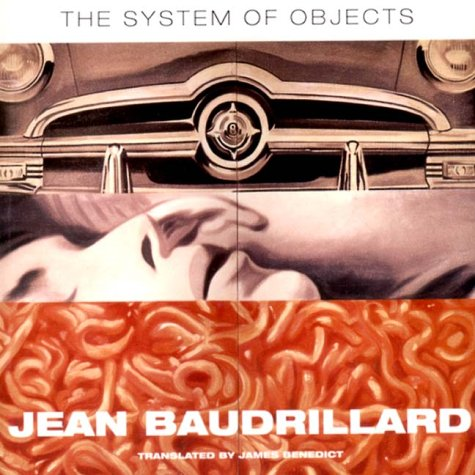
Upon returning to Mexico, Manuel used his knowledge of signs to create successful advertising campaigns, but he grew tired of promoting products with attributes that weren’t always true. “This is different,” he remarked as he ran his hand over the hood.

I asked him what he meant. He took a thermos out of his backpack and took a couple of sips that seemed to comfort him. “Ginkgo Biloba,” he said, looking me in the eye to add, “I study personalities based on the use of objects. I got sick of advertising because I had to invent virtues for things: now I analyze real people.”

That last sentence worried me a little because the “real people” were me. Defensively, I suspected he might not be very trustworthy. The world is full of New Age activities. I remembered someone who practices veterinary telepathy: if you give him a photo of your cat, he promises to heal it from his home. Manuel’s profession could be just as uncertain.

“Do you have flowerpots in the garage?” he asked suddenly. He pointed to a mark that, indeed, came from the flowerpot I’d broken when rushing out. “The car shows signs of outbursts; do you get frustrated often?” I didn’t answer, and he took that as an admission.

“There are no signs of major collisions,” he continued, “but you clearly get careless easily: just look,” he pointed to a scratch: “judging by the height, you must have grazed a motorcycle: you change lanes impulsively!” After a thoughtful pause, he continued: “You don’t always speed; the biggest problem is the carelessness with which you treat the car; the chassis has rust, as if you’d driven through a river, but someone with so few miles on the odometer doesn’t drive through rivers: you forgot to clean the leaves that fell on the bodywork, and the drains got clogged. You don’t like using the car, you don’t think much about it, but when you do drive it, you get frustrated easily. “Is your garage door brown?” I didn’t have to answer before he said, “There are three marks of the same color: small bumps against a recurring obstacle; judging by the location and angle, I’d say you hit the door when entering your house, not when leaving: you’re too eager to free yourself from what’s happening on the street. Here’s some advice: you shouldn’t be driving.”

“That’s why I’m selling the car,” was all I said.

The psychological analysis ruled me out as an owner; although the damage to the bodywork was minor, it amounted to an encyclopedia of neurosis.

I thought that faced with that diagnosis, the buyer would lower his offer.
He preferred to look for another car.
Further Reading: