
Juan Villoro
Numerous species are at risk of extinction; others are at risk of being “humanized.” Here are a few examples.
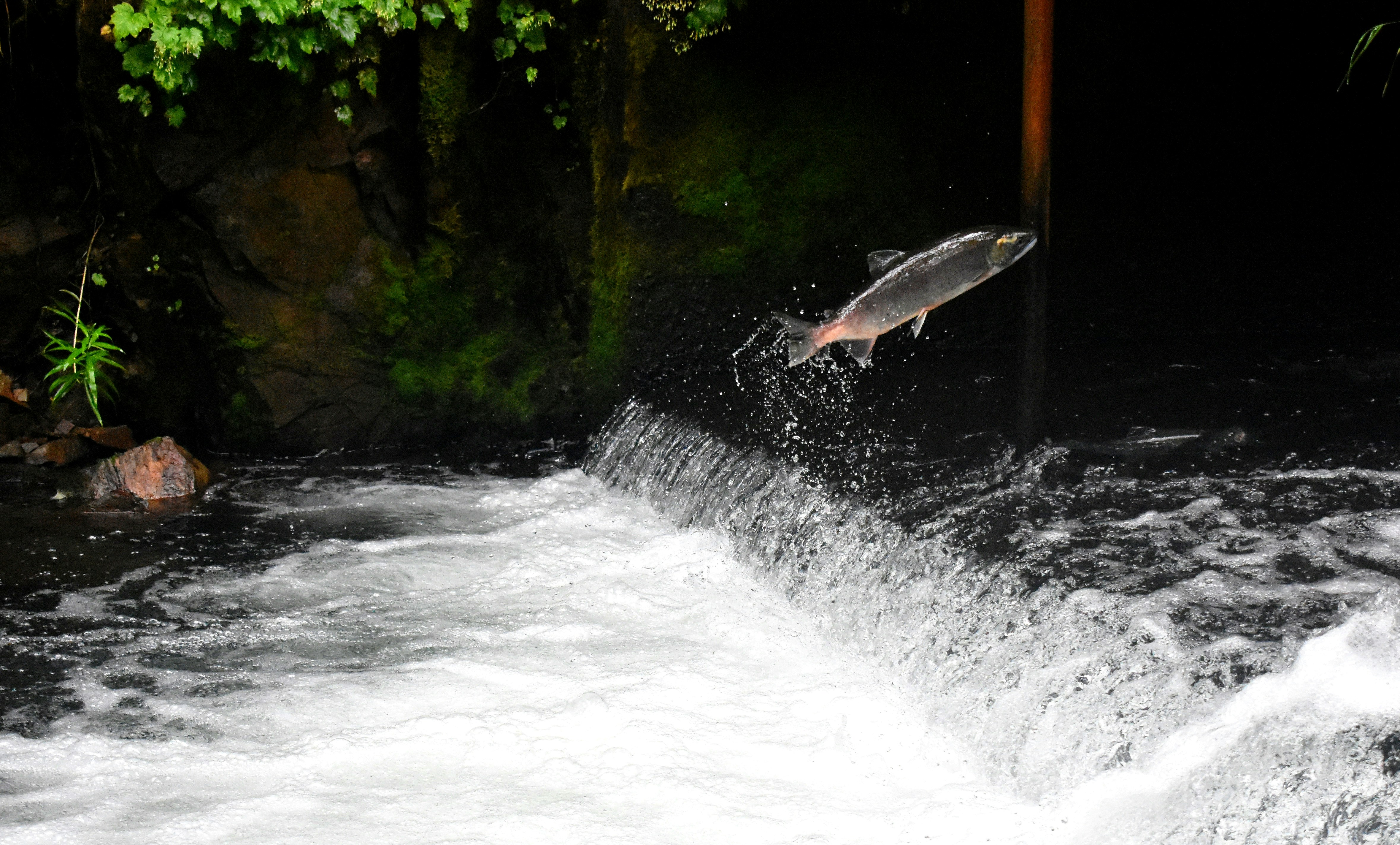
The drugged salmon. Jack Brand, of the Swedish Academy of Agricultural Sciences, was surprised by the swimming speed and new routes of wild salmon. He analyzed the fish with Olympic-level scrutiny, and they failed the drug test—they were laced with cocaine.

Salmon that get bored on farms are less flavorful than those from rivers, whose flesh becomes firmer from swimming upstream. Since human vices know no bounds, it’s possible that, instead of limiting river pollution, eating drugged salmon might become fashionable.
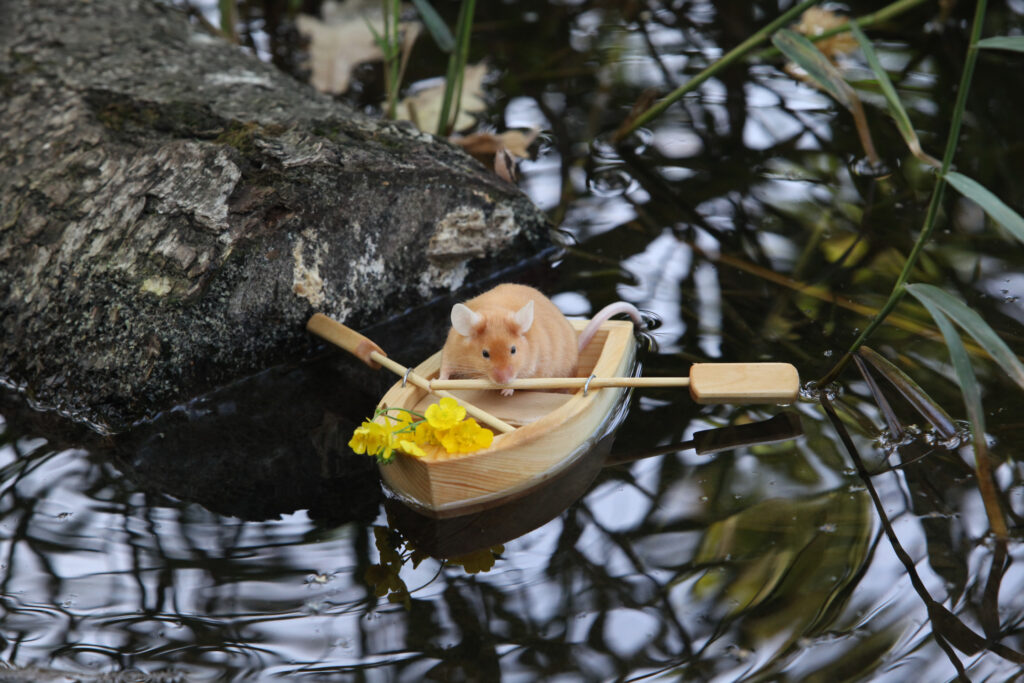
The jazz-loving rat. We know that plants grow better when they listen to Mozart than to Led Zeppelin. In 2011, the Albany Medical College conducted a similar experiment with rats exposed to two types of music: Beethoven’s “Für Elise” and Miles Davis’s jazz. Thirty-six animals chose classical music, and four chose jazz. But when they tried cocaine, their preferences reversed. The interesting thing is that this was a conversion because, once sober, they remained addicted to jazz. Truth be told, the experiment says little about rats and a lot about the species that changes its mind with marijuana, anti-anxiety drugs, or coffee with milk.
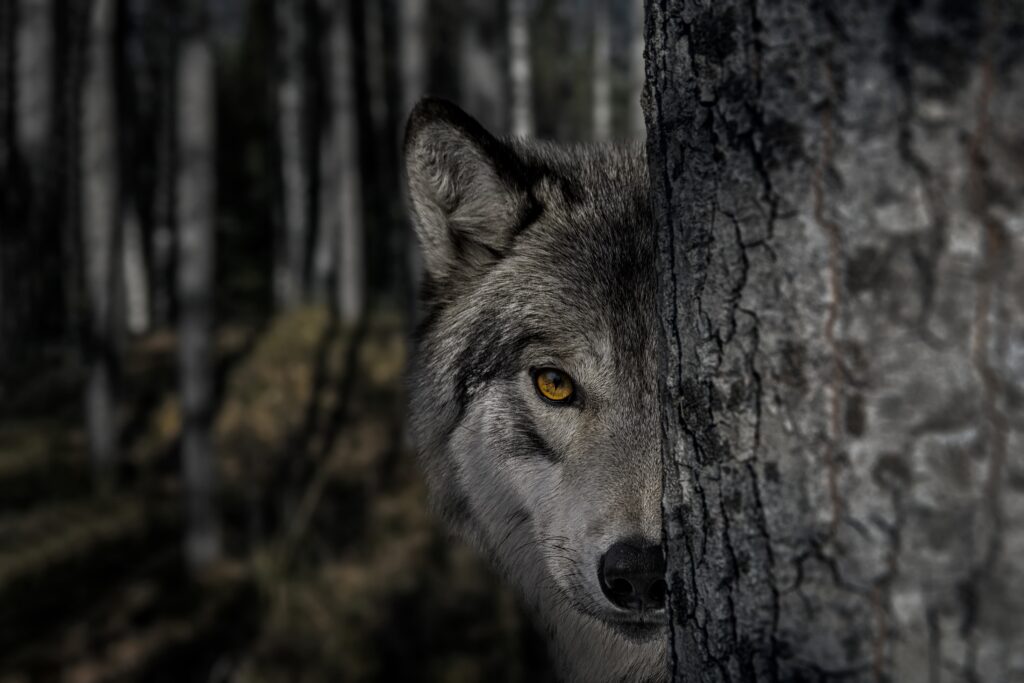
Radioactive wolves. For forty years, the area surrounding the Chornobyl nuclear plant in Ukraine has been virtually uninhabited. 4,200 square kilometers have become a radioactive Garden of Eden. The absence of people has drawn deer, bison, and gray wolves. The latter have increased sevenfold despite the radiation levels in the environment. Their genome has become resistant to cancer. The tragedy made them stronger. In a symbolic twist, they resist the contamination that threatens their predators.
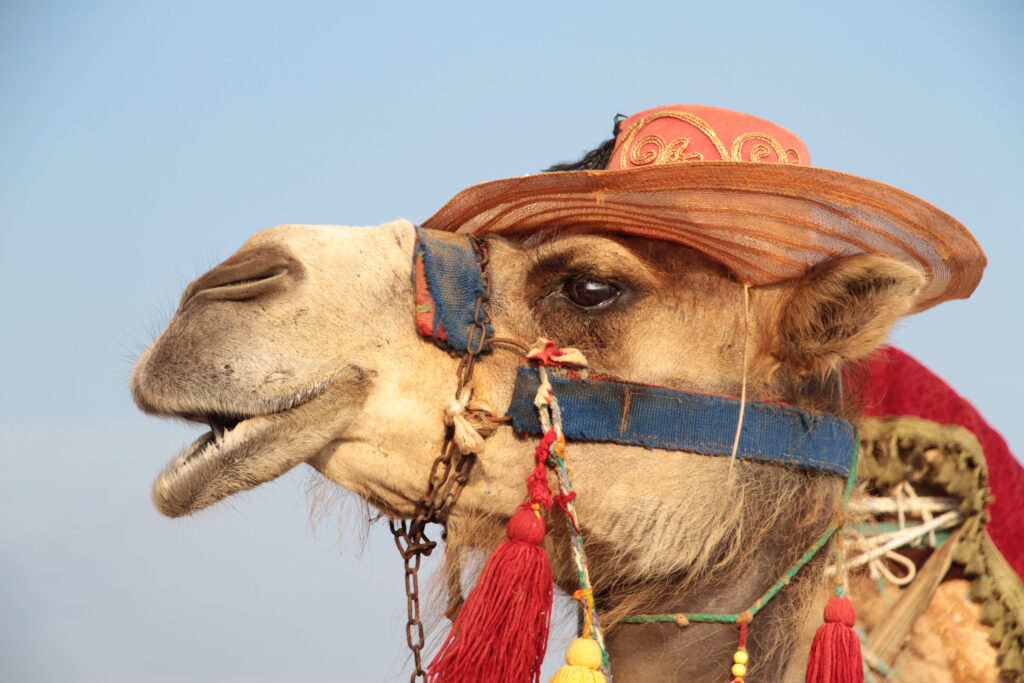
The camel with Botox. Saudi Arabia holds beauty contests in which thousands of camels participate. In the 2018 edition, the prize pool was $57 million, a fortune capable of sparking new initiatives. Since camel aesthetics depend on the shape of the lips and the size of the ears, a new profession emerged in the desert: veterinary plastic surgery. Twelve camels were disqualified for overusing Botox and the scalpel—something akin to what might happen at the Oscars.
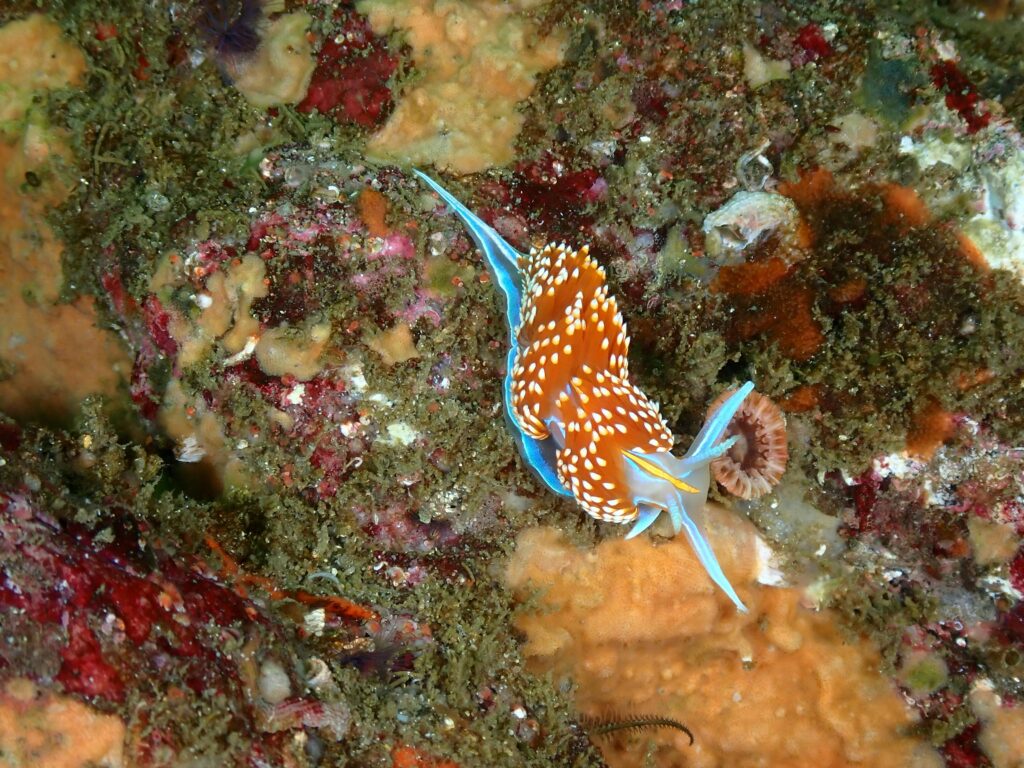
The Quitter. The state of the planet is so critical that some animals are simply checking out. The sea squirt found a drastic remedy to stop worrying. Its life begins underwater as a larva with a tail and a central nervous system, until it finds a rock to settle on; once there, it remains still, destroys its brain, and enters an inactive Nirvana. Its motto could be: “He who thinks loses.”
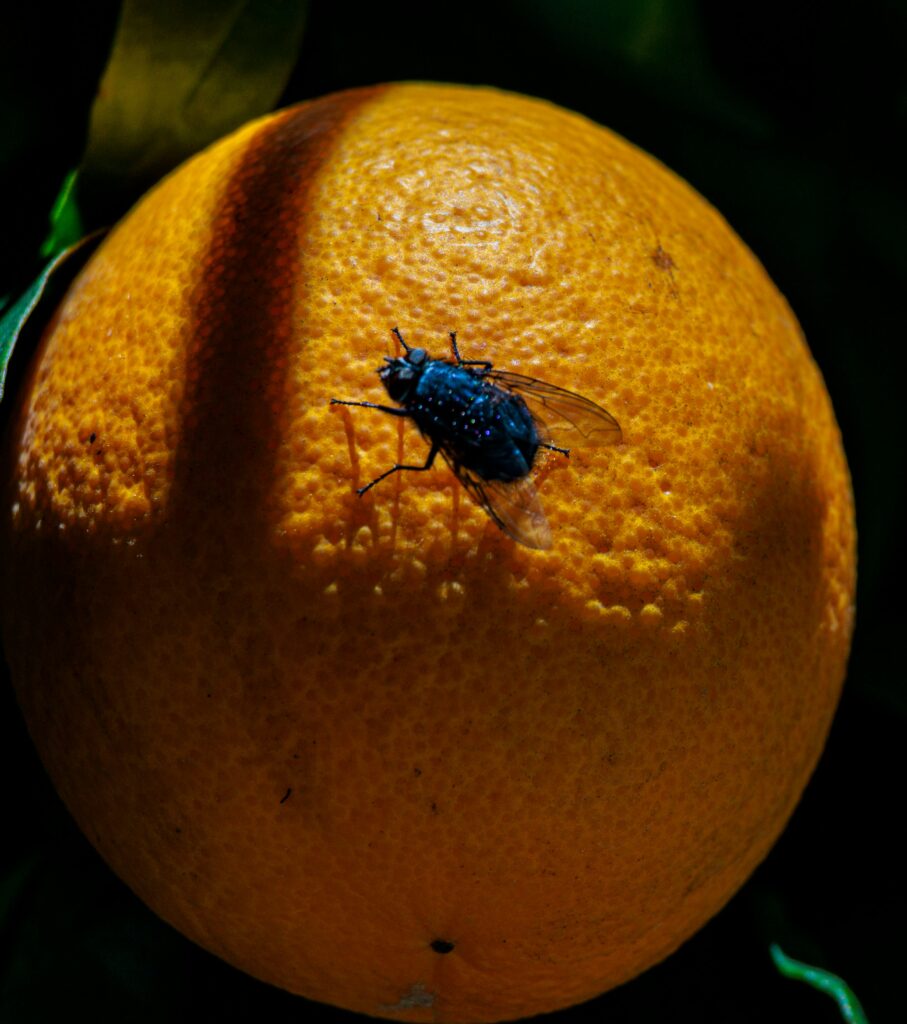
The alcoholic fly. The sea squirt’s example is too radical to be imitated. The fruit fly relieves its sorrows in a way similar to ours: males rejected by females turn to alcohol. Galit Shohat-Ophir, of the Howard Hughes Medical Institute in Virginia, argues that fermented fruit offers a neural reward similar to that of sex. In my opinion, this scientist has an overly simplistic view of flies. Alcohol does not replace lost love; it simply soothes their heartbreak. It is possible that their faint buzzing means: “Whoever knows of love, let them be silent and understand.”
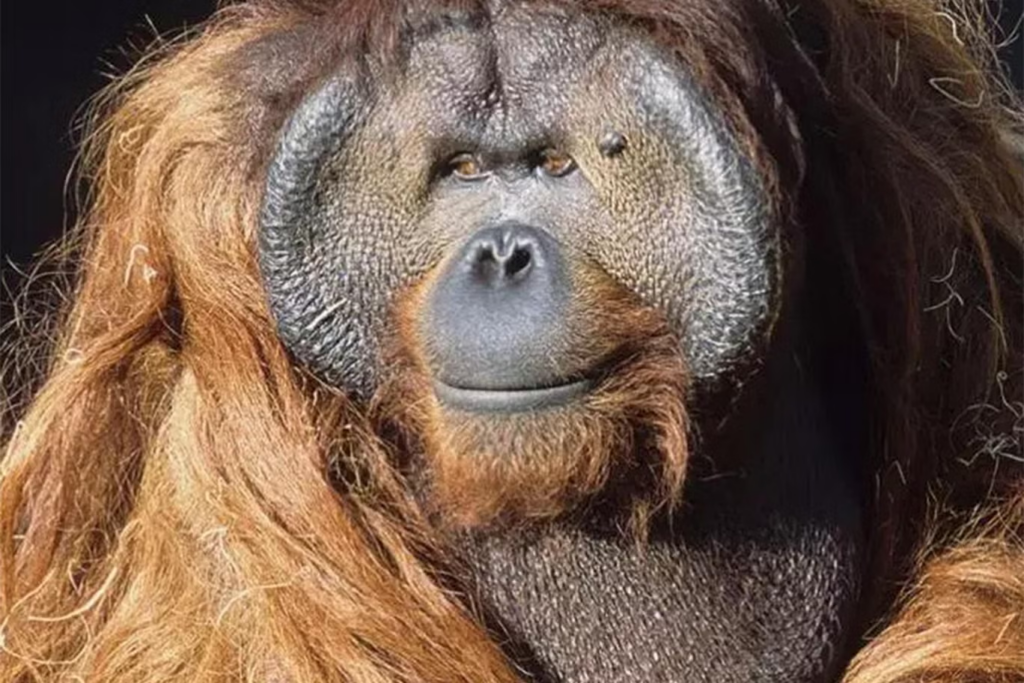
The spiteful orangutan. Humans love animals so much that they want to share all their flaws with them. But some species have beaten us to it and explained who we are. The famous orangutan Ken Allen, who lived at the San Diego Zoo from 1971 to 2000, offers a clue. He found a way to escape his cage with a single goal: to pelt Otis, his hated rival, with stones. Once his fury was spent, he would lock himself back in. Darwin was right again: primates are our mirror.
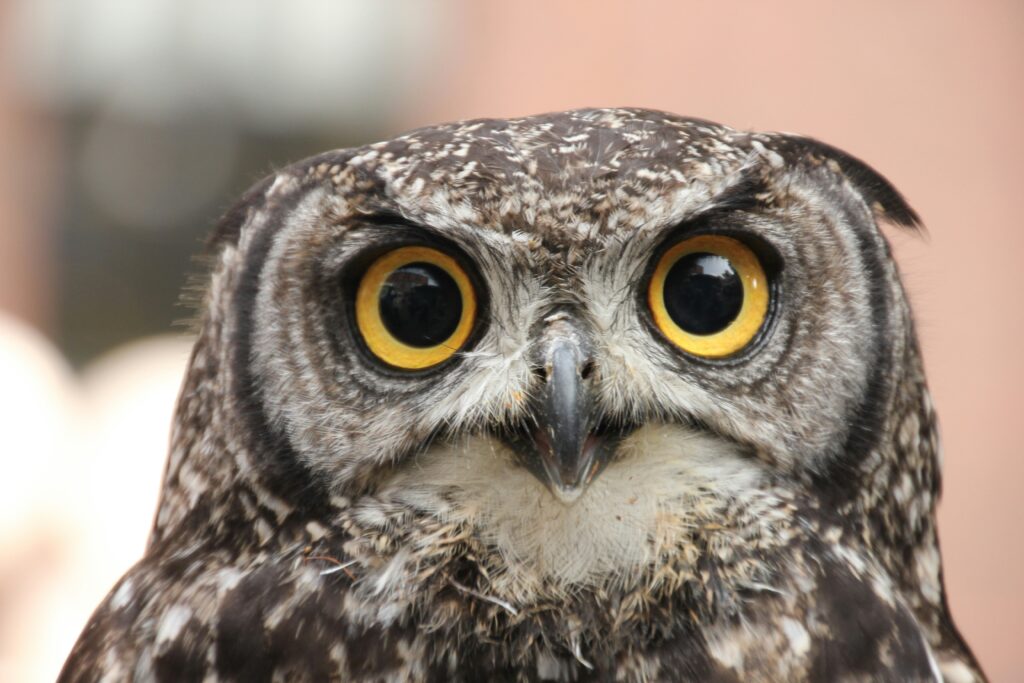
The owl friend. Do we truly understand animals? In 1997, a resident of Devon, England, tried to imitate an owl’s call with such perfection that he received a response. For many nights, he “conversed” with the symbol of wisdom until his wife discovered that the one responding was another man who, in turn, was convinced he was talking to an owl.
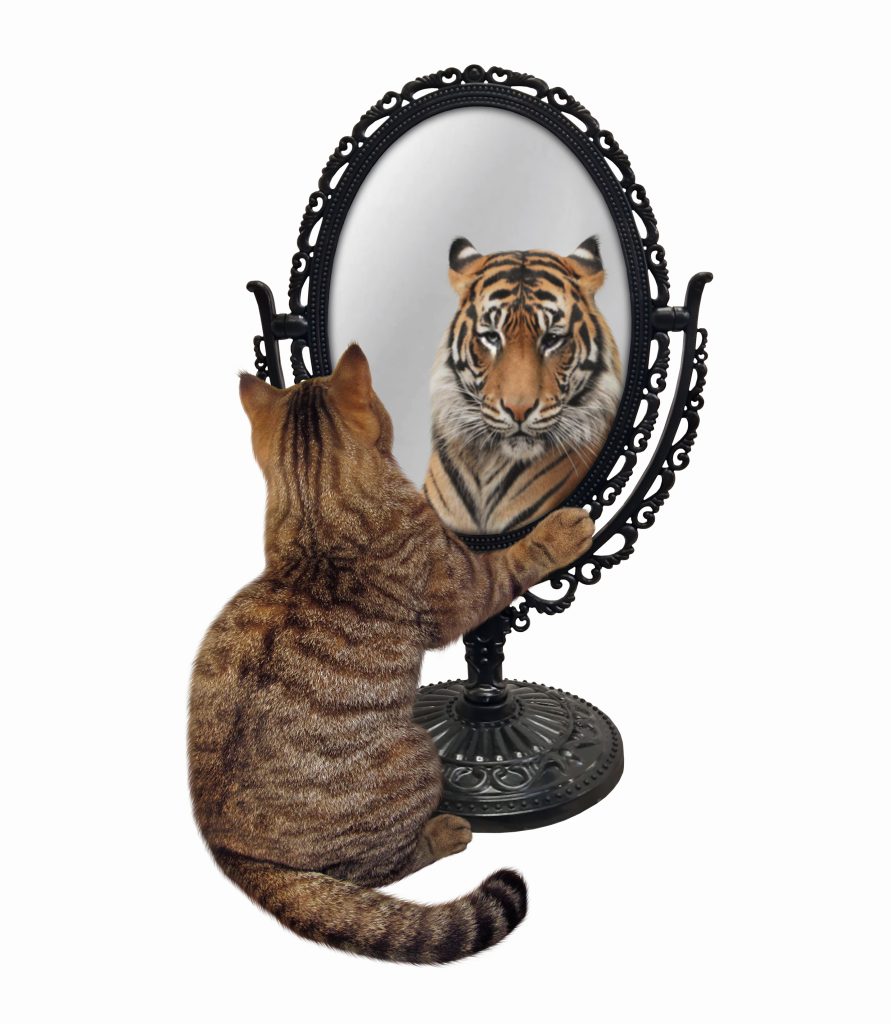
Whatever happens, in every animal we find our mirror.
Further Reading: