
Juan Villoro
There are various ways to cope with the inconvenience of having teeth.
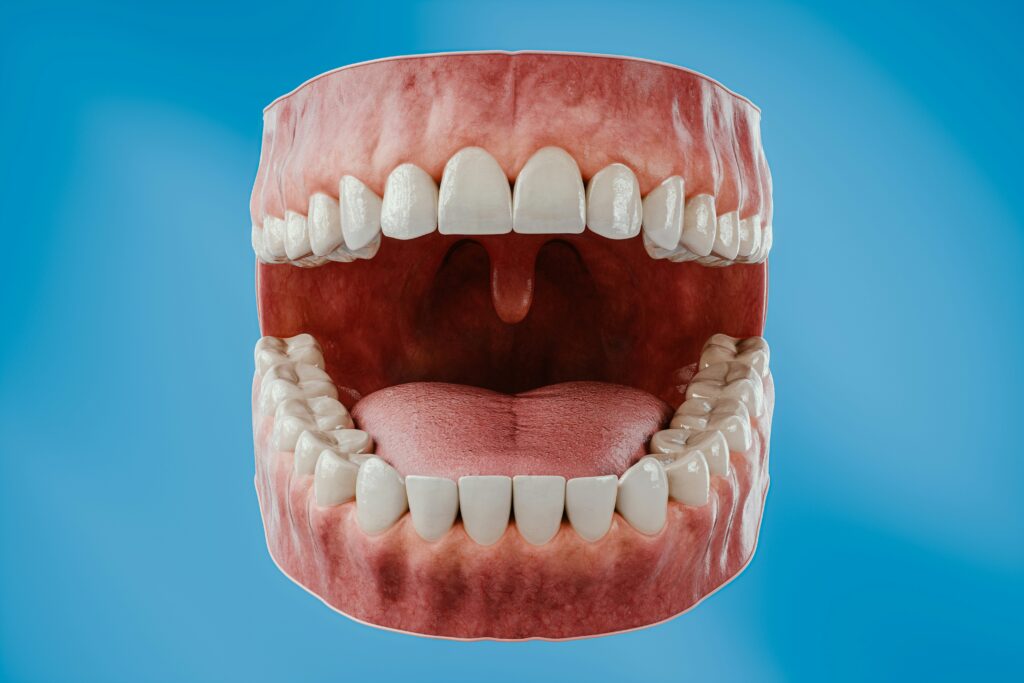
I was born in an era obsessed with penicillin: at the first sneeze, they’d give you a dose. As usual, the side effects took a while to show up. One of them was tooth decay, which meant I spent the most memorable moments of my childhood at the dentist.
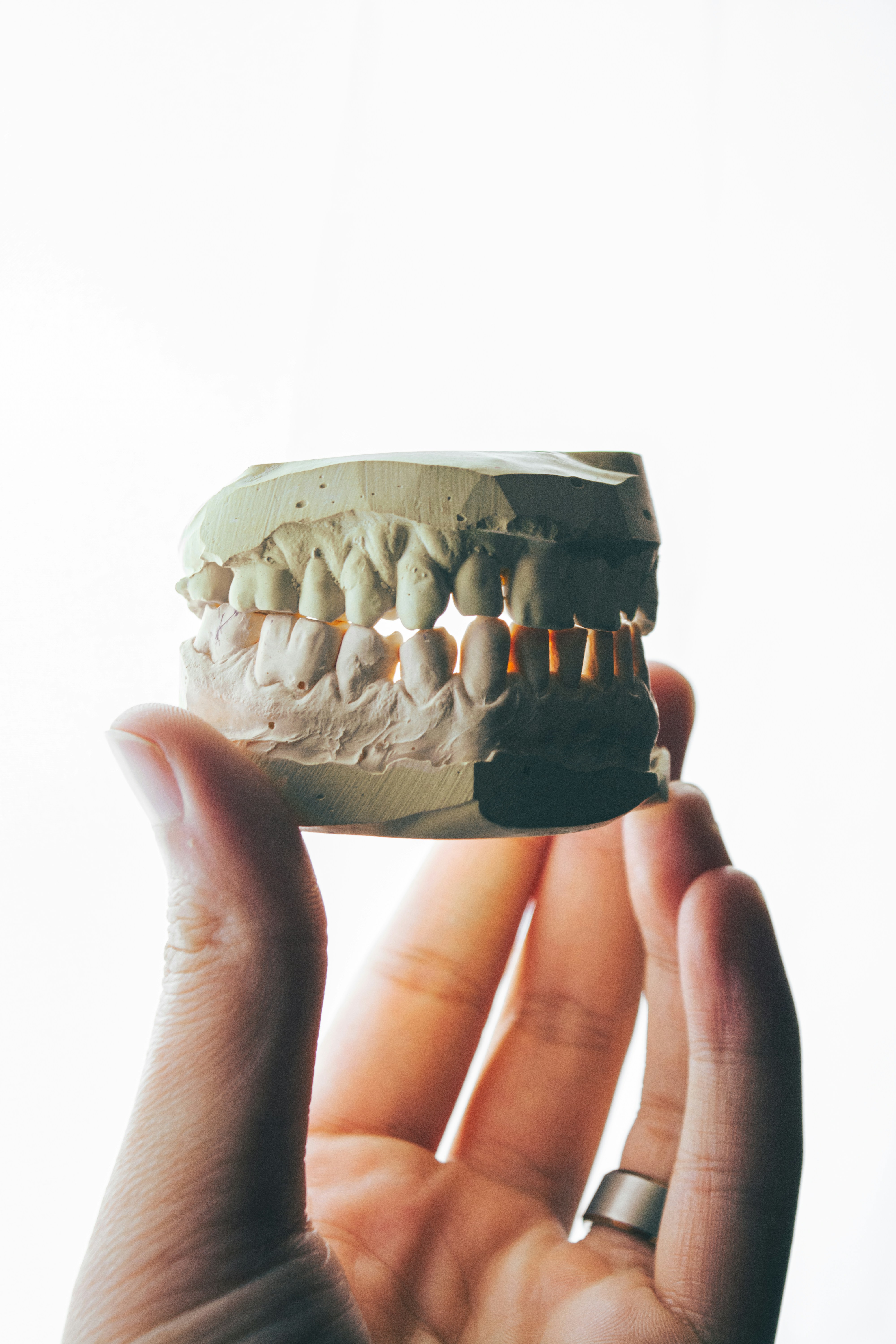
My dentist had lost a leg—a terrifying thing in itself—and had a nurse who fainted at the sight of a syringe. For that reason, he refused to use anesthesia (looking back, I think he was a sadist eager to drill with as much pain as possible).
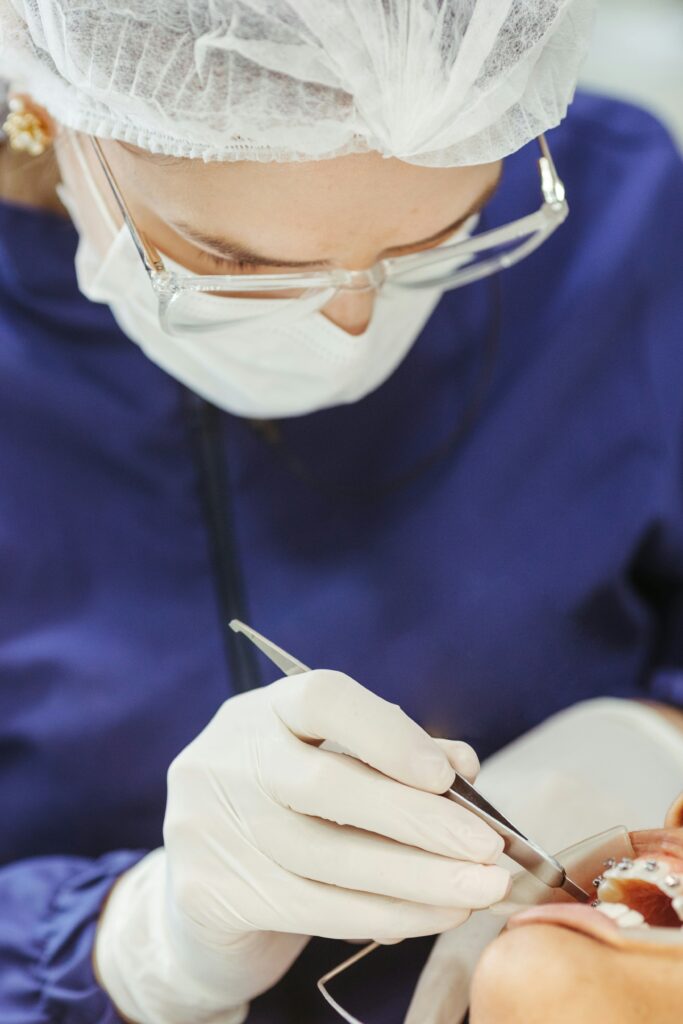
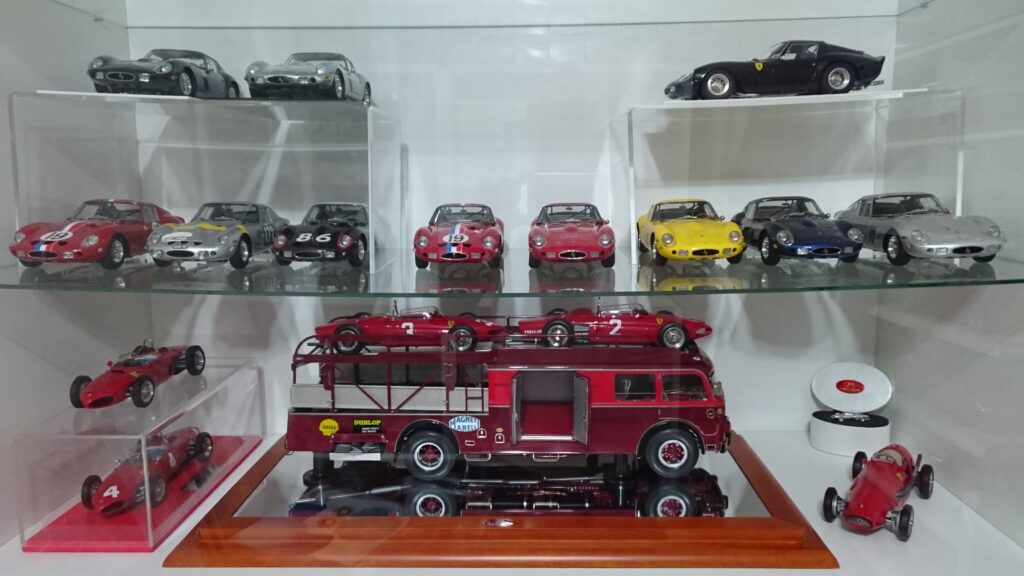
I began the torture at age six. “You clench your fists like a boxer!” my tormentor would praise me. When it was over, my mother would buy me a scale model car at Sears. I ended up with a rather impressive collection, which led me to hate car racing.
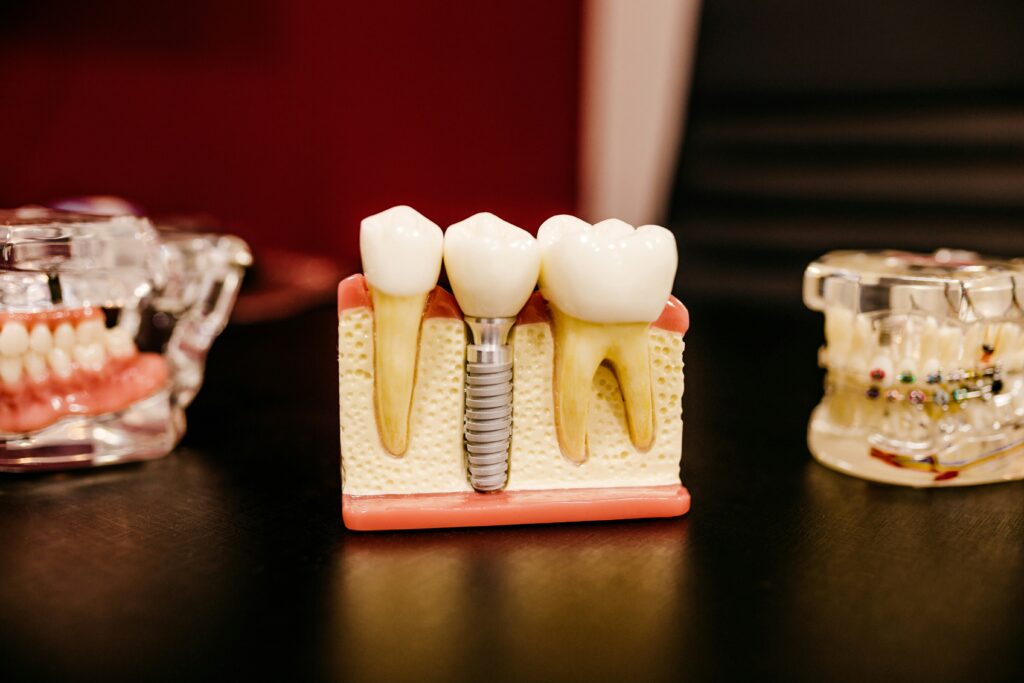
The years go by, but problems, as the first law of thermodynamics states, only transform. I don’t know if there’s a support group for people with dental implants. I ask because the subject has revealed interesting aspects of the human condition to me.
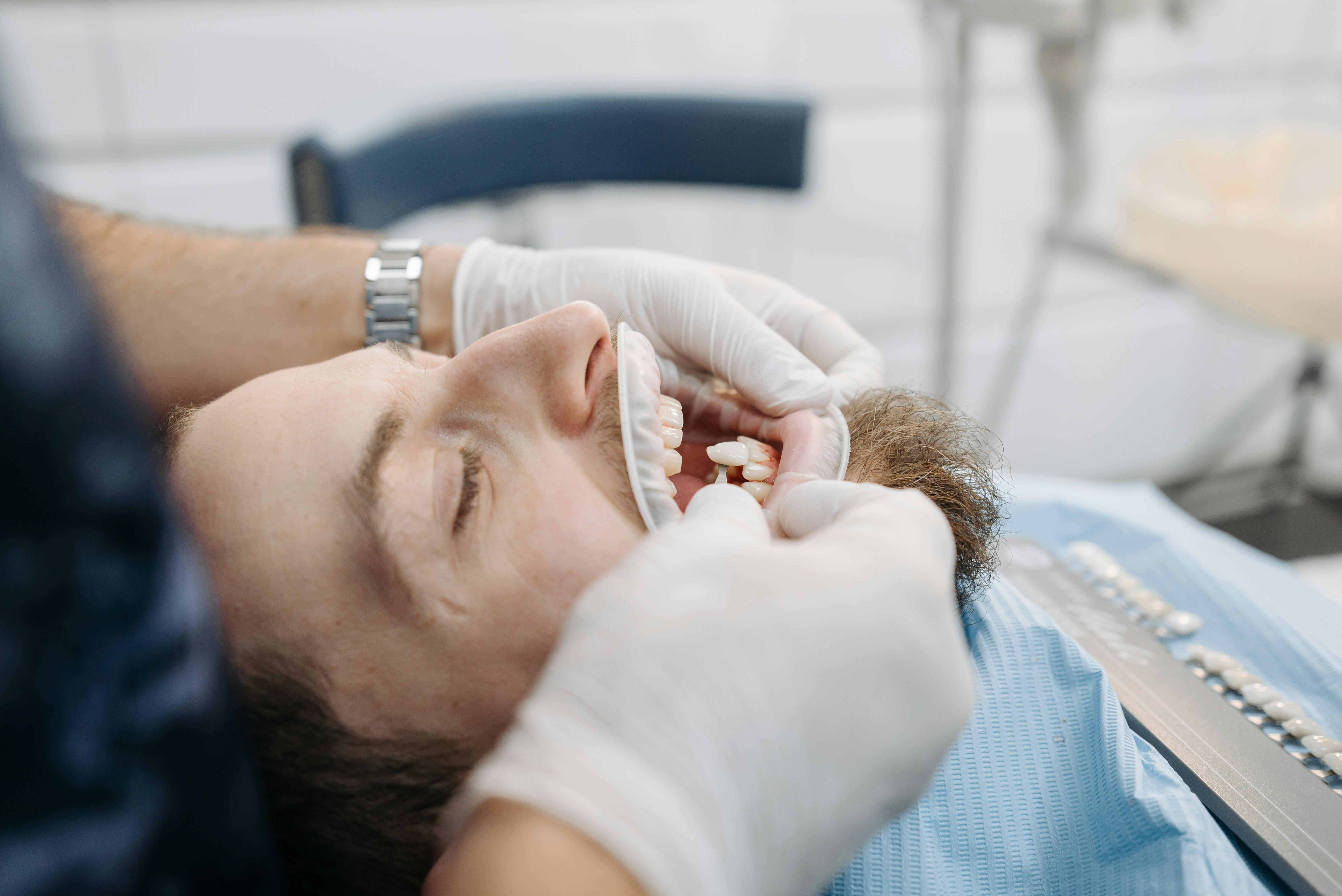
My current dentist, completely different from my first torturer, told me she had to insert a bit of bone into my gum to place an implant. The procedure seemed abstract to me until I asked where the bone came from. “There’s human and cow,” was the answer.
The possibility of having something from another animal in my body led to my favorite reaction: doubt. I asked for a few days to think it over.
True to my zodiac sign (Libra), I weighed the issue on the scales. In other words, I asked everyone what was best for me. To my surprise, the first people I asked were annoyingly practical. They wanted to know which of the two implants was cheaper and which lasted longer. I was disappointed to speak with such materialistic people. In my opinion, the dilemma was biological and ethical.

To stimulate my conversation partners, I told them what Roberto Bolaño had said to me shortly before he died. For a long time, the author of The Savage Detectives had been a candidate for a liver transplant, but he refused to sign the necessary consent form. His blood type was not very common, which worked against him, but he lived in Spain, one of the countries with the highest number of donors and the best public health system. The surgery could be performed, depending on his decision.
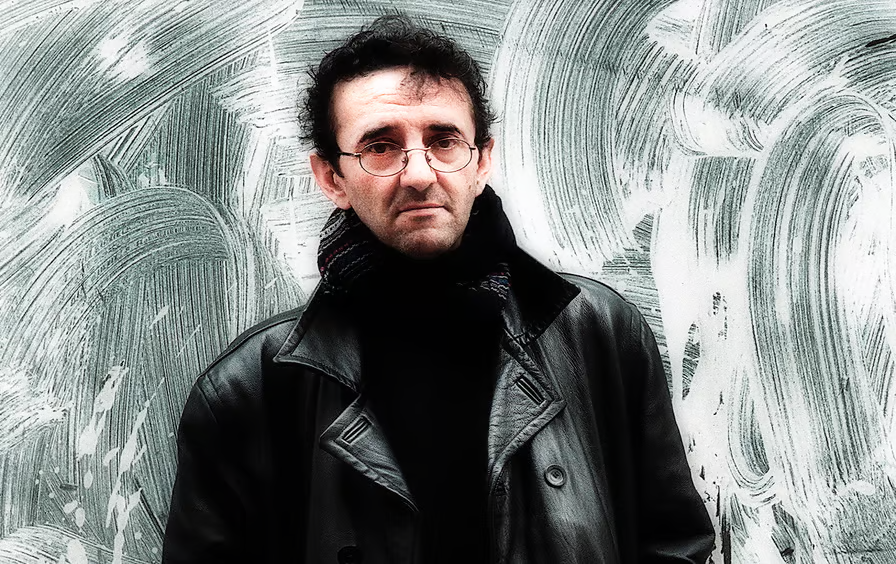
Roberto delayed the process until the early months of 2003. When he finally resigned himself to signing the request, he expressed his fear that they might give him a seminarian’s liver: “What if I turn into a good person?” he asked mischievously.
The Chilean writer had lived with remarkable singularity, proud of his rare blood type and of not resembling anyone else. He was unsettled by the idea of having a foreign organ in his body. That concern stayed with him until the Easter holidays, when another replaced it: “Someone is dying on a highway so that I can have their liver,” he told me in one of his last phone calls. The matter took on a macabre twist.

In any circumstance, Roberto saw something more. The medical issue took on an ontological (would he still be the same?) and moral (someone had to die so that he could continue living) meaning in his mind. He signed the consent form late enough that it was no longer useful.
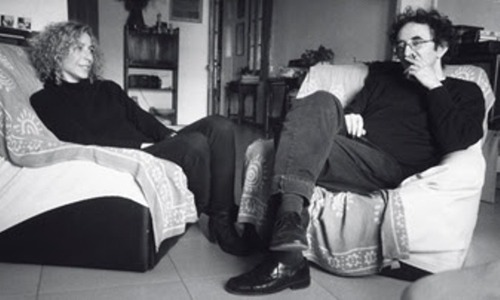
Upon hearing this, my interlocutors took me seriously. The dilemma of receiving a piece of cow or a piece of human was not merely a pragmatic matter.
But it’s clear that no one really knows their fellow human beings. Once again, the responses baffled me. The surprising thing is that I only knew what my preference was when everyone else rejected it.
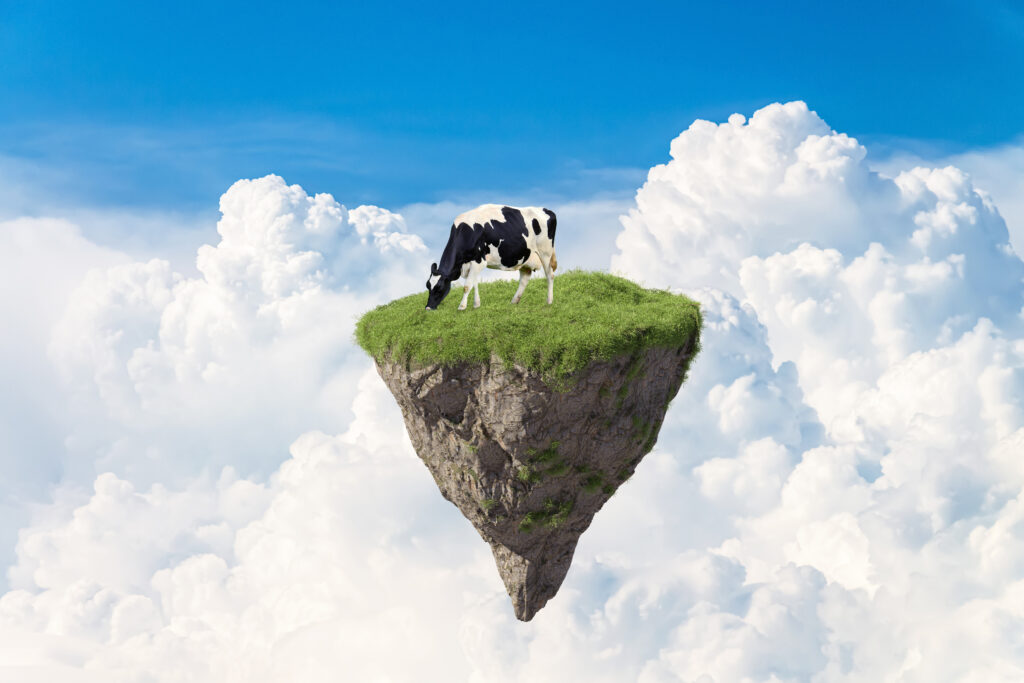
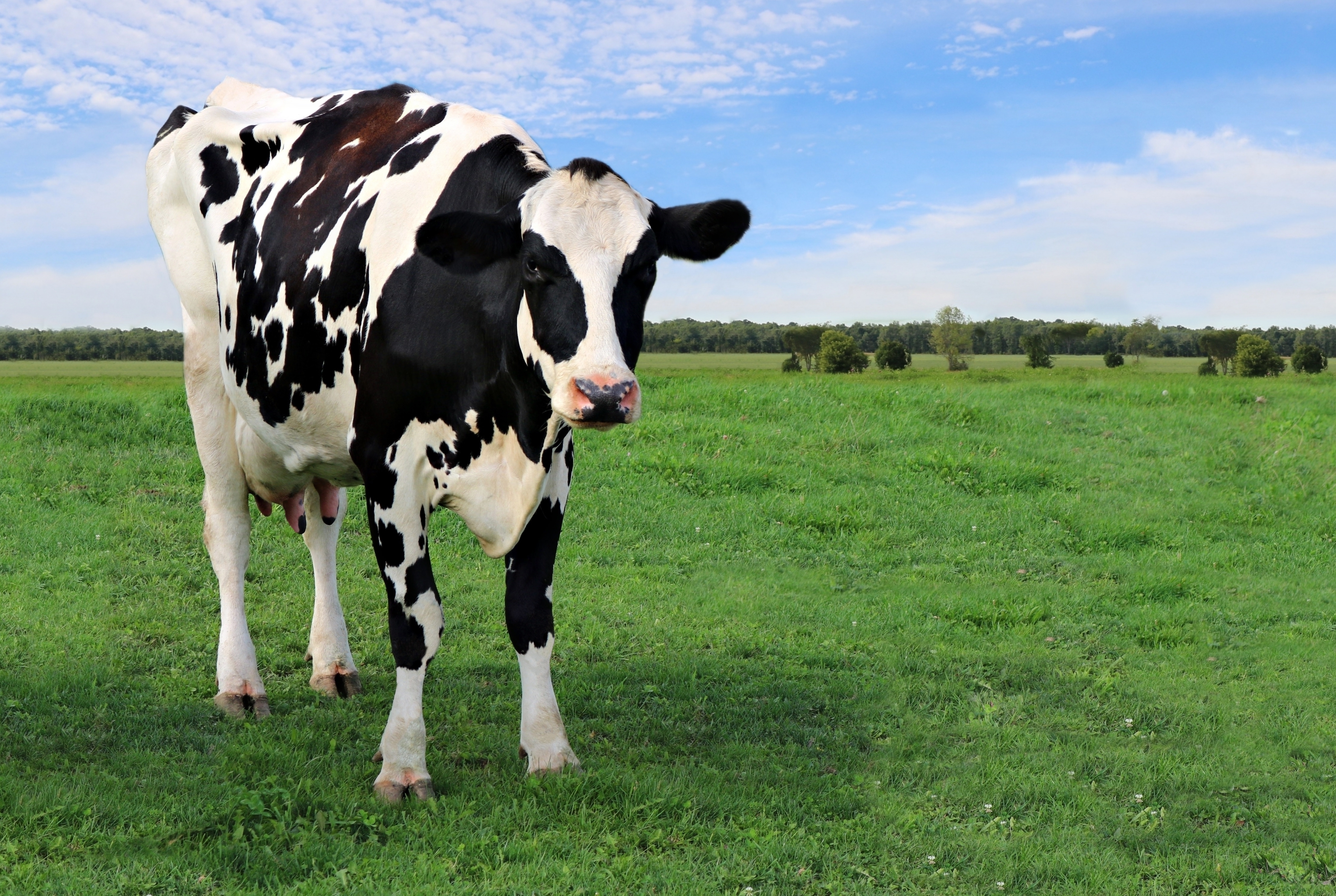
It seemed horrible to me to receive a fragment of someone whose habits and convictions might be totally opposed to my own. People commit kidnappings, murders, wars, fraud, and extortion. I wanted a cow! In the worst-case scenario, that implant would transmit to me the tedium of being in the countryside and the weariness of giving milk at all hours.
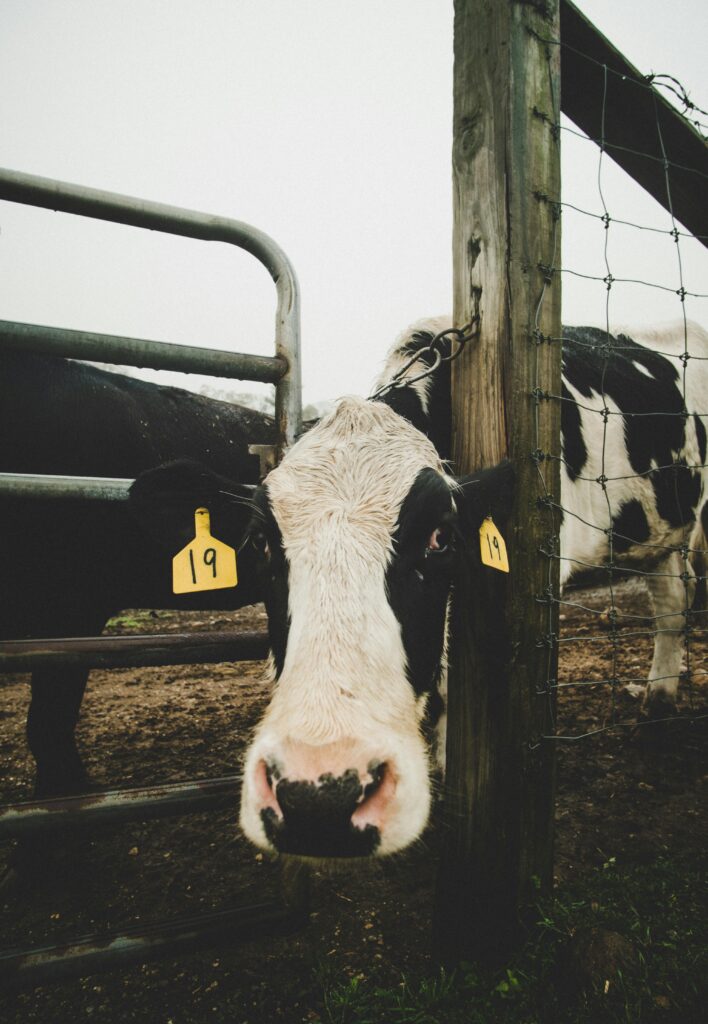
My acquaintances’ preferences perfected my misanthropy to such an extent that, if they were to donate a bone to me, I wouldn’t accept it.
Fortunately, friendship doesn’t depend on exchanging body parts. Those who know me accept my eccentricities—among them, as I’ve been told, the tendency to ruminate excessively on ideas and to have a gaze that’s starting to look bovine.
Further Reading: