
Juan Villoro
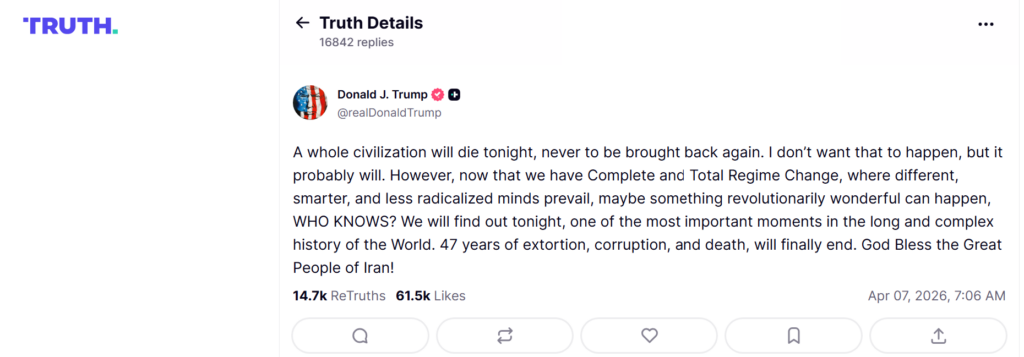
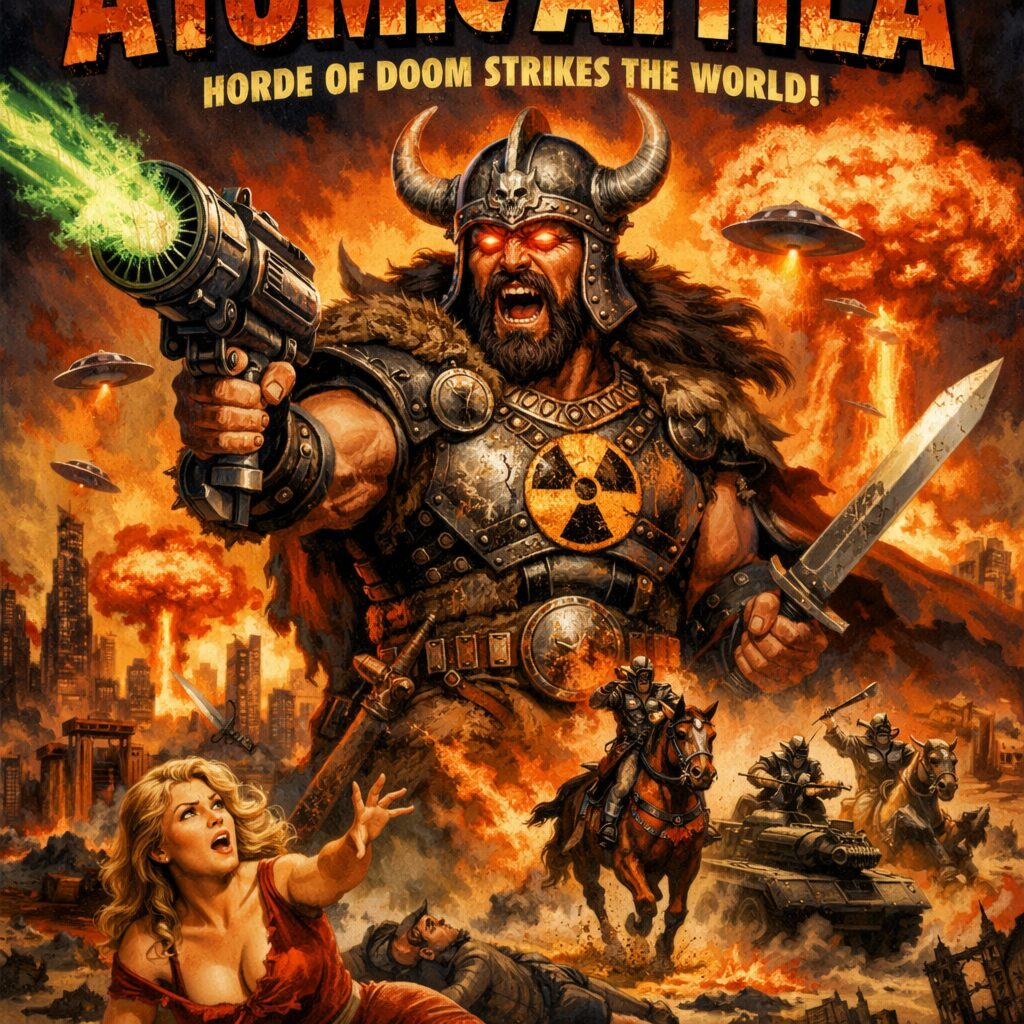
A few days ago, the world heard an announcement the likes of which hadn’t been heard since the days of Attila: “A civilization is going to die.” Worryingly, the message was signed by someone who could actually carry it out: Donald Trump. The same ferocity with which the king of the Huns fought Rome was now directed at the Persian world, which would be left without bridges or power plants. Public opinion in the United States raised the red flag: the country was on the verge of committing war crimes.
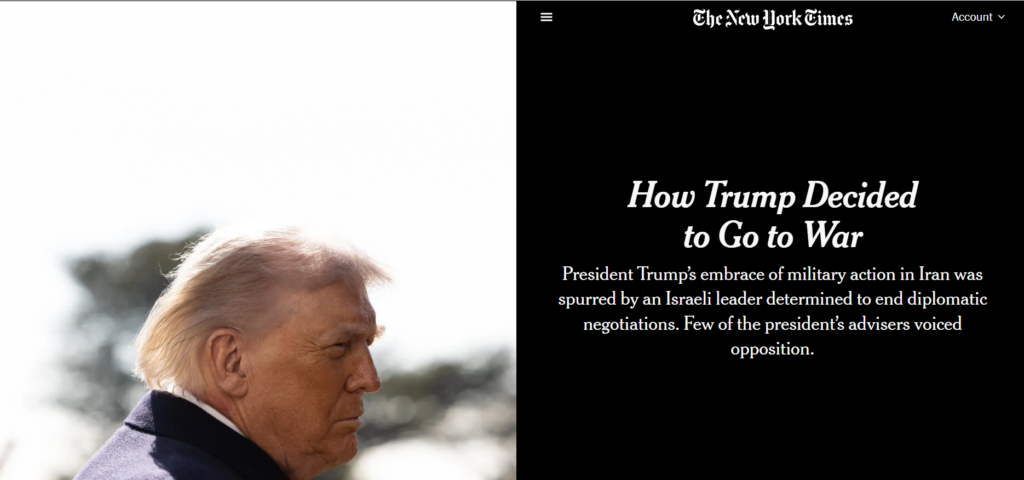
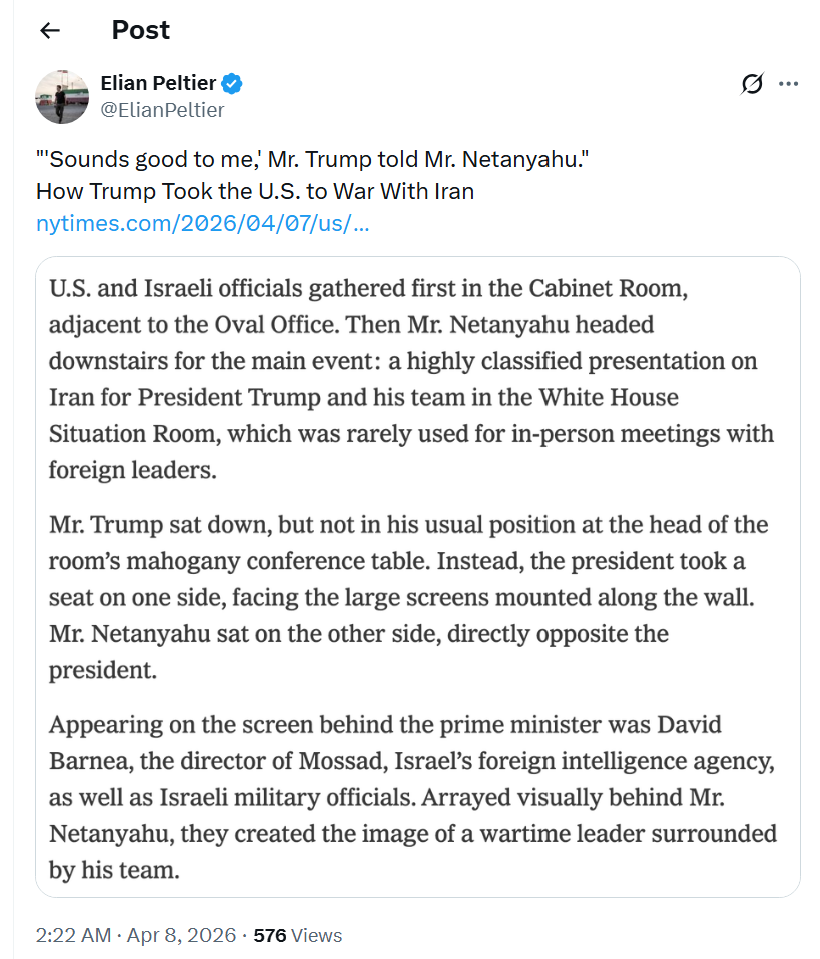
Fortunately, the attack announced for April 7 was postponed. The following day, The New York Times published a report by Jonathan Swan and Maggie Haberman, and another by Mark Mazzetti, Julian E. Barnes, Tyler Pager, Edward Wong, Eric Schmitt, and Ronen Bergman, detailing how Trump decided to go to war.
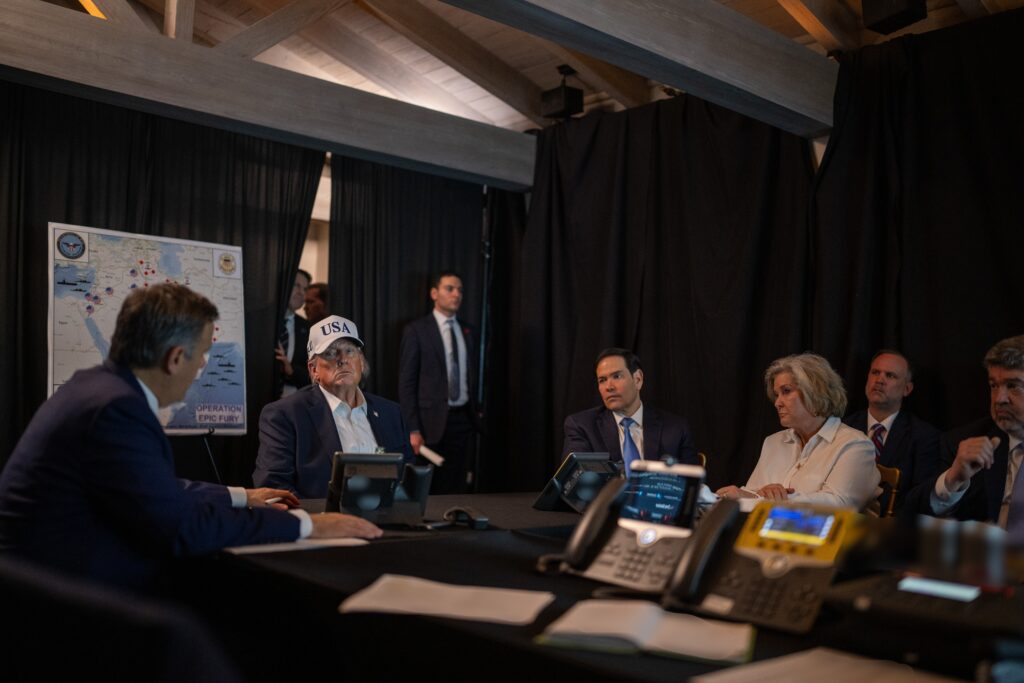
This is an exceptional case of journalistic infiltration. It would be fascinating to know how the events in the Situation Room—to which very few have access—were uncovered. The legal implications of revealing that secret are enormous, so there is no doubt that the facts were verified.
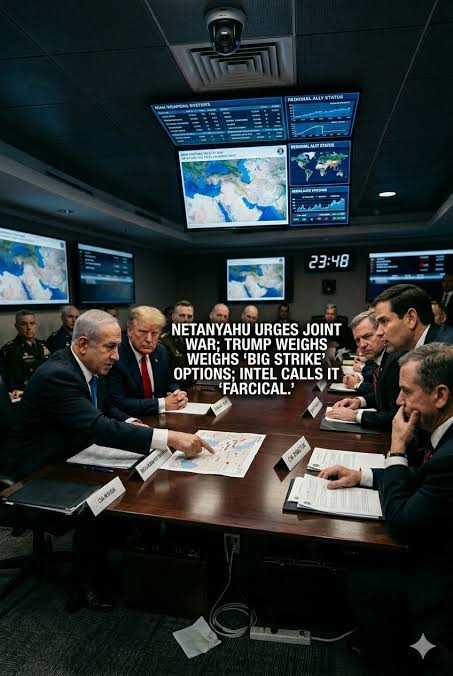
On February 11, Israeli leader Benjamin Netanyahu presented a four-point plan at the White House to overthrow Iran’s Islamic regime, which consisted of killing the Ayatollah, preventing a military response, fostering a popular uprising, and establishing a secular government. “Sounds good to me,” Trump said.
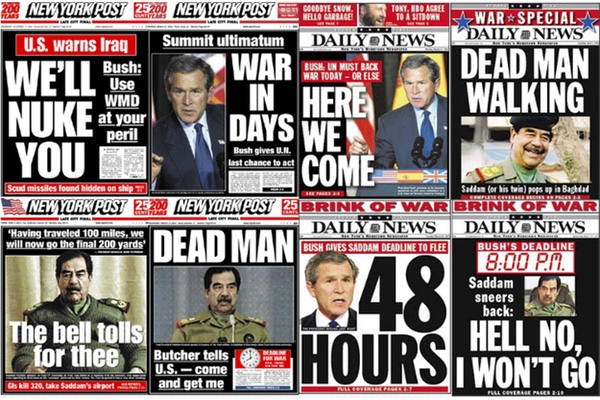
The other participants (Secretary of State Marco Rubio, CIA Director John Ratcliffe, Secretary of Defense Pete Hegseth, General Dan Caine, head of the Joint Chiefs of Staff, and White House Chief of Staff Susie Wiles) asked about the operation’s risks. Netanyahu pointed out that there was a greater risk in not acting because Iran was continuing to advance its nuclear program. This argument echoed that of the “weapons of mass destruction”—never located—that sparked the Gulf War.
The next day, the security cabinet met without Netanyahu and with J. D. Vance in attendance, fresh from Azerbaijan. What happened must be studied as an extreme case in decision-making. Rubio said Israel was exaggerating to involve the United States; the proposal struck him as “absurd.” “Bullshit,” the CIA director specified. The Secretary of Defense commented that the objectives of killing the Ayatollah and controlling the military response could be achieved, but not those of a popular uprising and regime change.
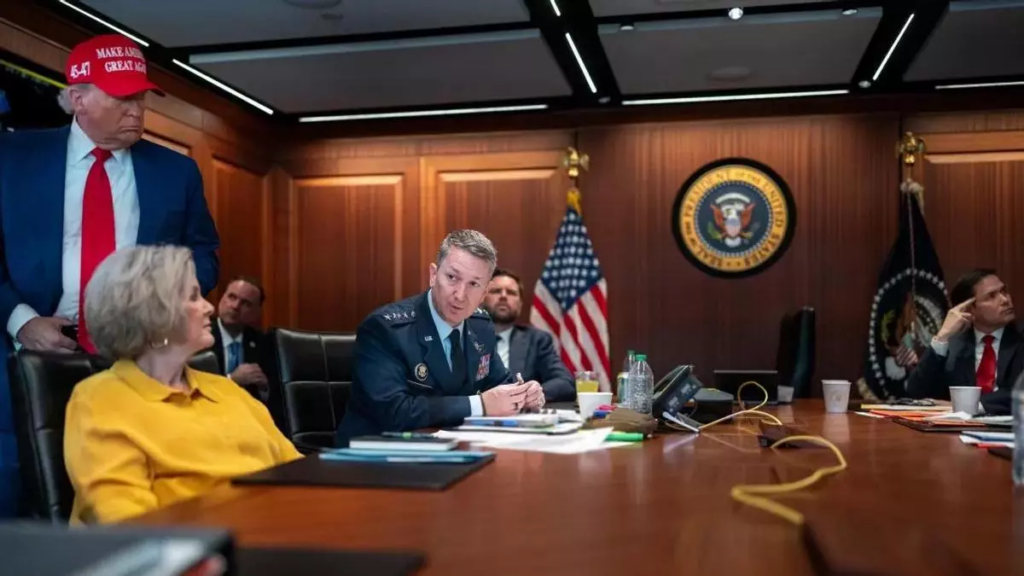
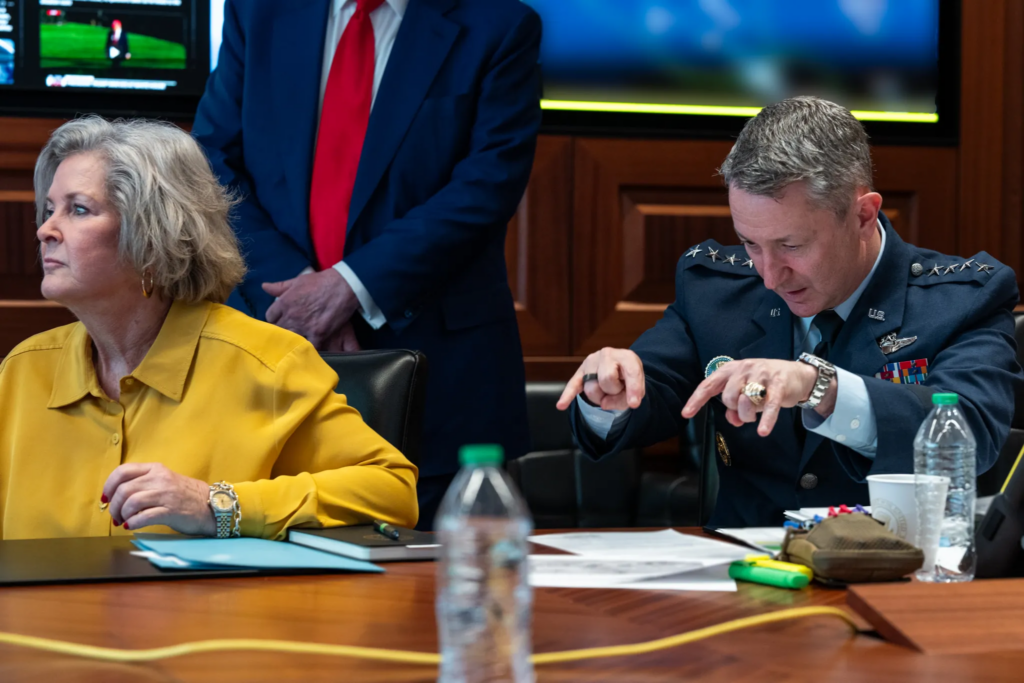
General Caine agreed that the Israelis “oversell” their initiatives; the plan would only make sense if the last two points could be achieved, but that was uncertain, and he added that the operation would come at a very high cost, divert resources needed for the war in Ukraine, and allow Iran to close the Strait of Hormuz. That said, he clarified that the decision rested solely with the President.
Trump is always in a hurry; true to form, he said the operation would be instantaneous and would not give Iran time to react.
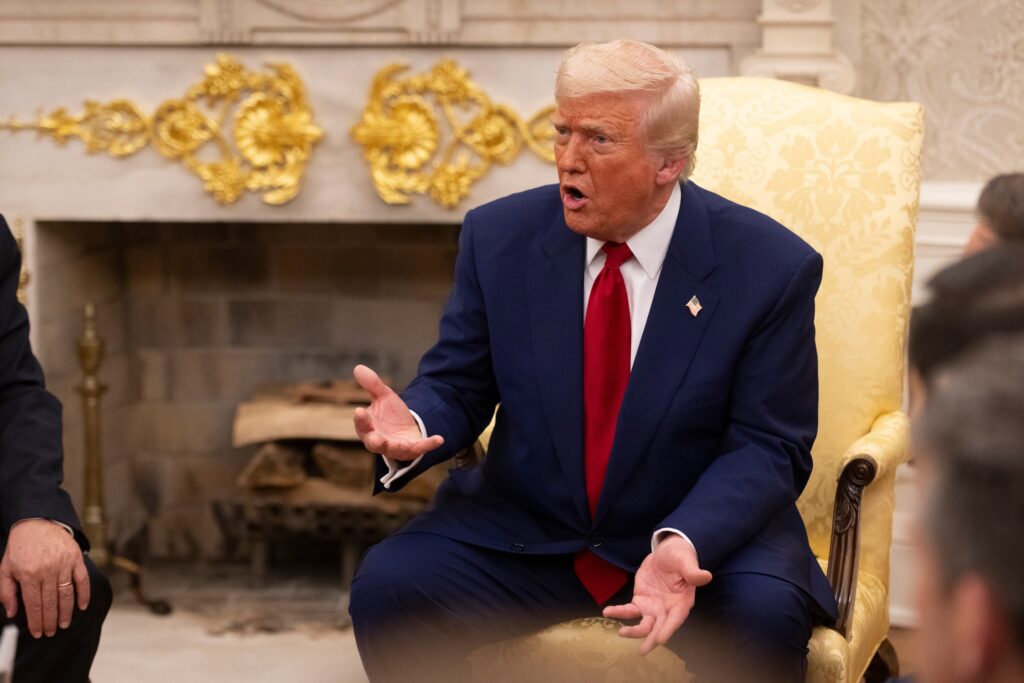
No one openly confronted the President, but everyone said the plan was flawed. And the most critical stance was missing. J.D. Vance is an unusual case. He grew up in poverty with an addicted mother (a situation described in “Hillbilly Elegy”, the bestseller that Ron Howard adapted into a film), won a scholarship to study at the demanding Yale Law School, ventured into technology development, converted to Catholicism, and married a woman of Indian descent. These background details are so distinctive that they foreshadow a very diverse range of paths.

Add to that boundless ambition, and the result is even more peculiar: Vance joined the Republican Party, served as a senator from Ohio, opposed Trump (whom he described as a “cultural heroine”), and ended up becoming his vice president. Is there anyone more chameleon-like on the world stage?
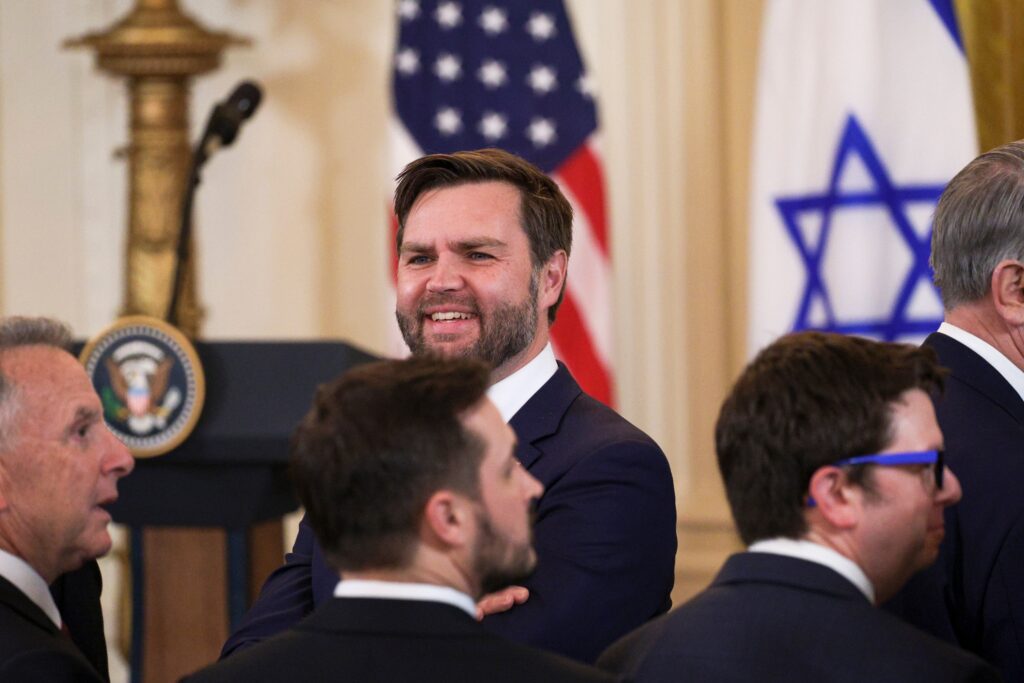
Vance warned that an attack on Iran would be a “disaster”; it would betray what Trump had proposed during his campaign, would have an enormous social and economic cost, and would impact the upcoming elections.
Shortly afterward, Trump received a call from conservative commentator Tucker Carlson, who had heard rumors of a reckless attack on Iran. The President told him everything would turn out fine. “How do you know?” Tucker asked. “It always works out that way,” was the reply.

Against the advice of his inner circle, the President informed General Caine: “Operation Epic Fury has been approved.”
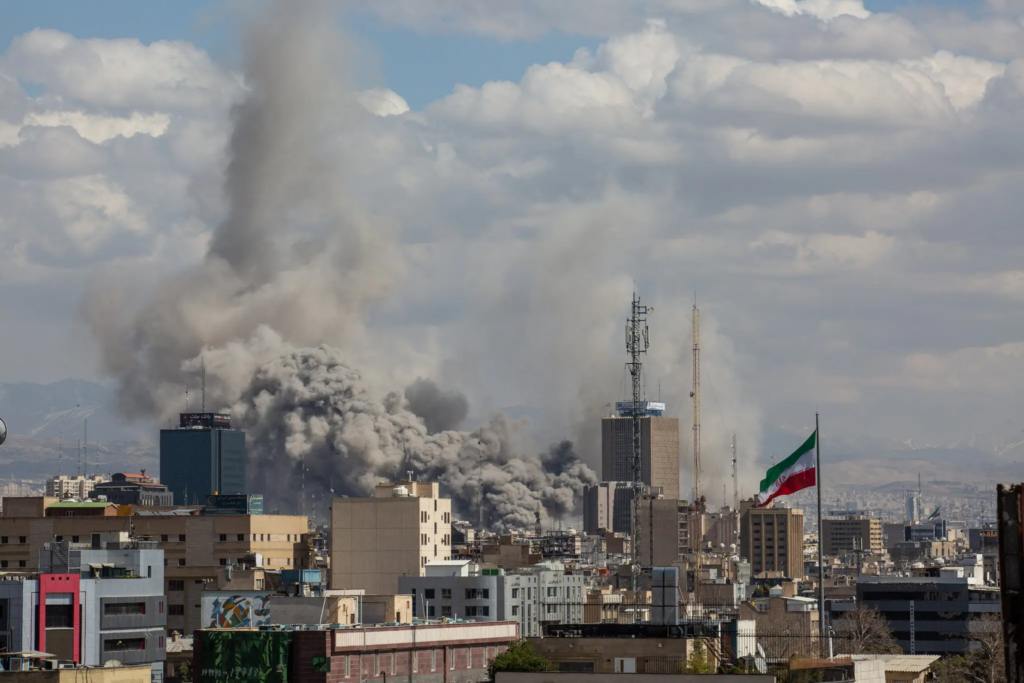
The name of the plan is a confession.
Welcome to the age of the atomic Attila!
Further Reading: