
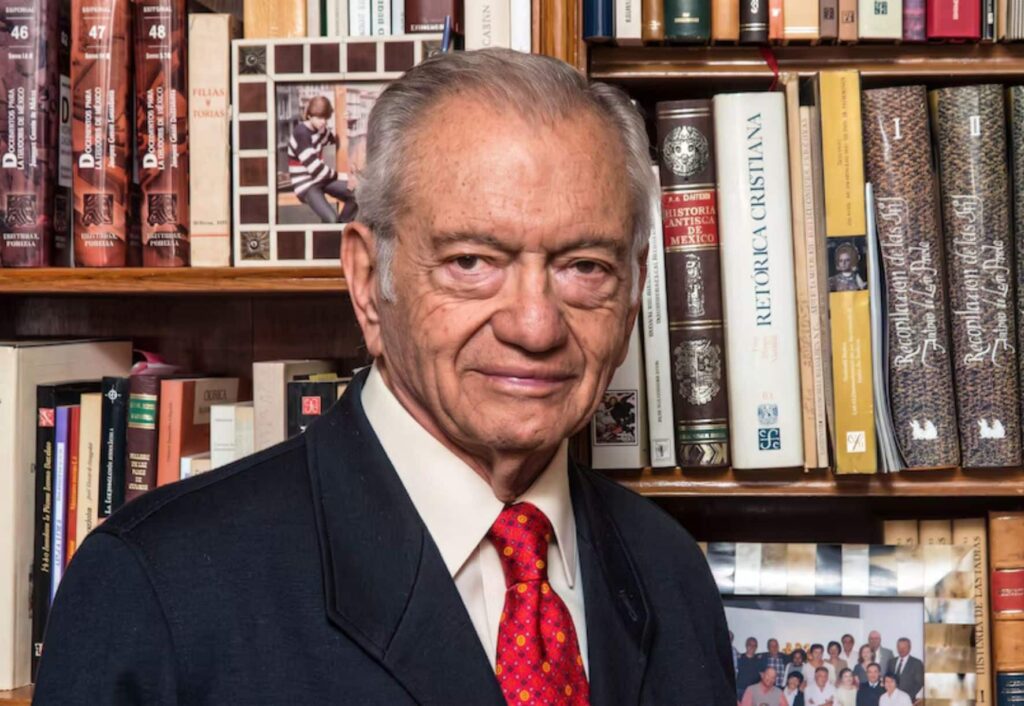
Federico Reyes Heroles
To the Mancera Corcuera family
Most Mexicans have no reason to remember him. The average age is around 30. And the great figure I’m focusing on today, Miguel Mancera Aguayo, had his first major confrontation as an outstanding economist in 1982—44 years ago. What did it involve? Faced with López Portillo’s irresponsible decision to nationalize the banking system and impose widespread exchange controls, Mancera opposed it. In that hyper-presidentialist regime, that was an affront. It cost him his position as governor of the Bank of Mexico. But his consistency prevailed, and he clearly predicted the consequences for Mexicans.
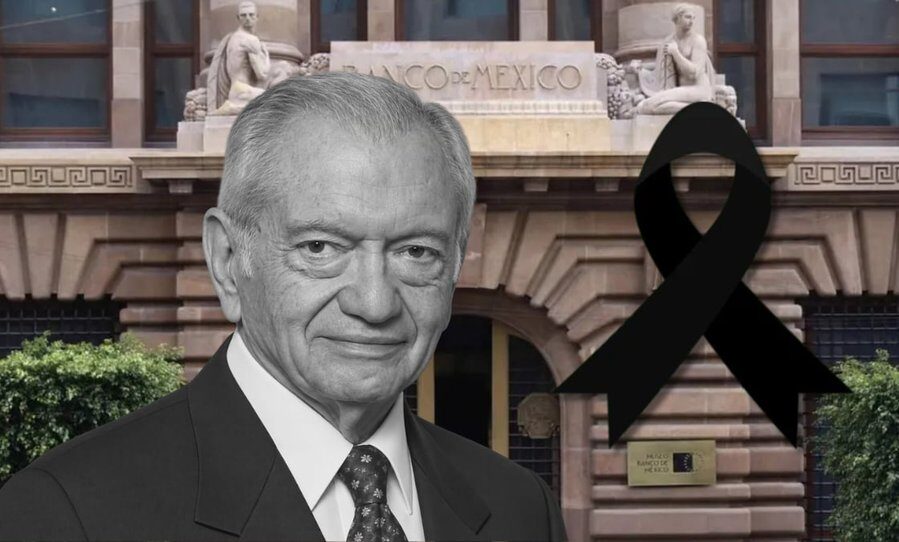
Months later, Miguel de la Madrid reinstated him as part of a strategy to rescue the country from financial and monetary chaos. Year after year, the pressure on Banxico to finance government activities had led him to the firm conviction that the top priority was to prevent the executive branch—in any of its forms—from pressuring the central bank, whose objective was to preserve the peso’s purchasing power. That condition—monetary stability—is now taken for granted, and the silent guardian—Banxico—fulfills its mission, which affects the daily lives of more than 130 million people in the country.
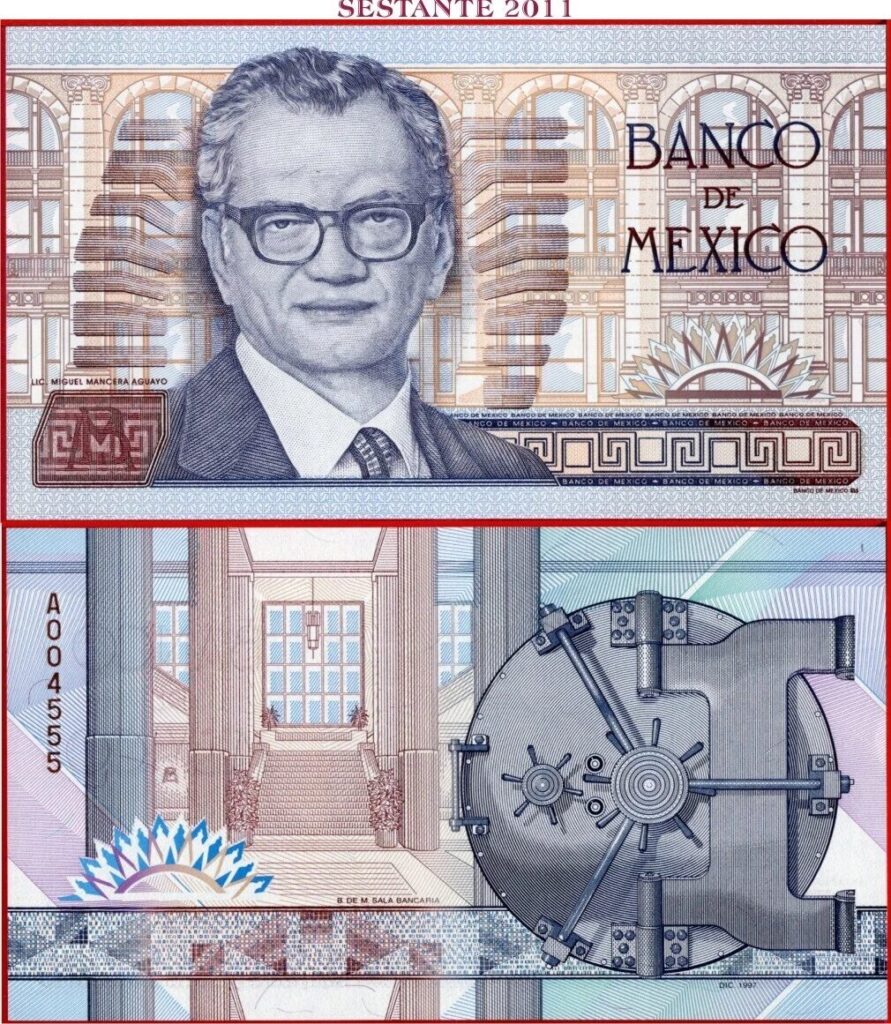
Miguel Mancera was a gentle, very cordial man with a remarkable sense of humor. Still, the firmness of his convictions—which he instilled for decades in the classroom—and his actions as head of the bank were as clear as they were non-negotiable. A highly sensitive and studious man, he spent years forging the architecture of a very solid central bank that would inspire confidence in the world amid full-blown globalization. He shunned sensationalism and superficial discourse that failed to address the core issues, and little by little, Banxico’s true autonomy took root as an unwritten code of ethics that permeated the work of many public servants. Thus was born the first governor of the central bank with full autonomy. And things changed. He said as much in 1992, upon receiving the King of Spain Prize in Economics: “The opening to foreign trade, coupled with the acceleration of the exchange rate slide, made possible a spectacular shift in the structure of merchandise exports.”
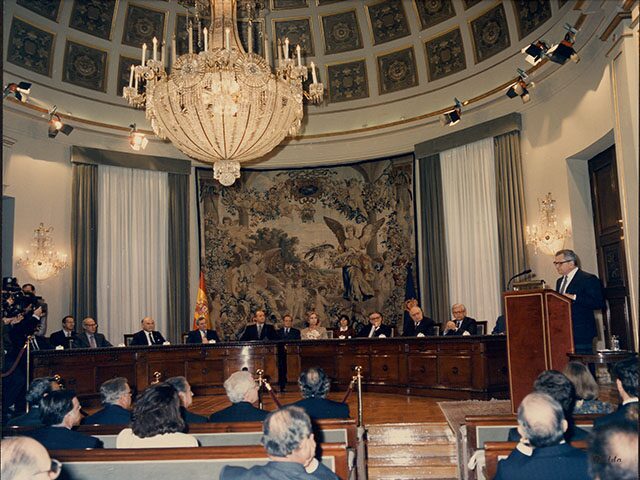
Concerned about the unfair distribution of income, Mancera reiterated that inflation control and curbing state monopolies were the weapons to combat it: “…we must not squander the scarce public resources available to the government through the inefficient management of public enterprises.”
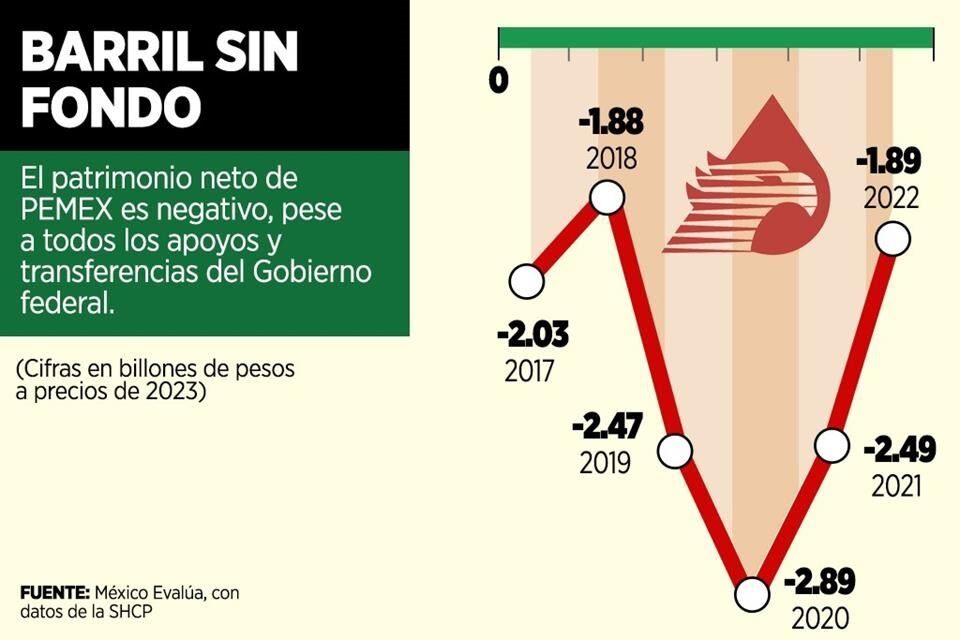
And here we are in 2026: one of the world’s most open economies, the leading exporter to the United States, with inflation slowly heading toward the set target, and a diversity in consumption that comes naturally to younger generations—a diversity that did not exist half a century ago. But I need to say something beyond his remarkable career.

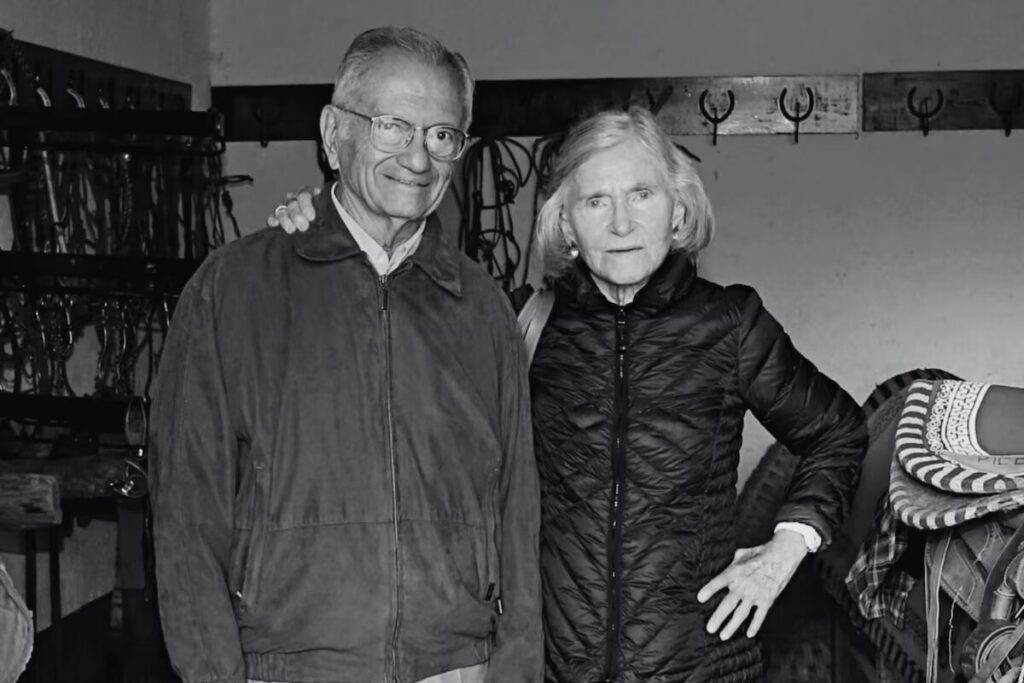
In life, we were fortunate enough to know Sonia Corcuera, a charming woman and brilliant historian, as well as Miguel, their exceptional children, and their daughters-in-law. Truly emotionally detached from power, Sonia and Miguel lived out the motto “live like everyone else, be like no one else” every day. I would often run into him at Costco—that store where you go in for lettuce and come out with a telescope—where he’d be buying fish or looking for wine at a good price. The inner serenity that both of them exuded, surrounded by one of their children or grandchildren as they fulfilled the duties of “grandparenthood,” as they say in Guatemala, reigned supreme. Long nights of conversation, during which it was a delight to hear solid arguments and well-constructed reasoning, were a joy. When asked what Governor Mancera did with his old suits, the automatic response was: wear them. That human quality led him to create a fund for low-income students and to get involved in numerous philanthropic activities.
How we miss human beings of that caliber. It was a privilege.

Farewell, dear Miguel.

Further Reading: