
Ricardo Pascoe Pierce
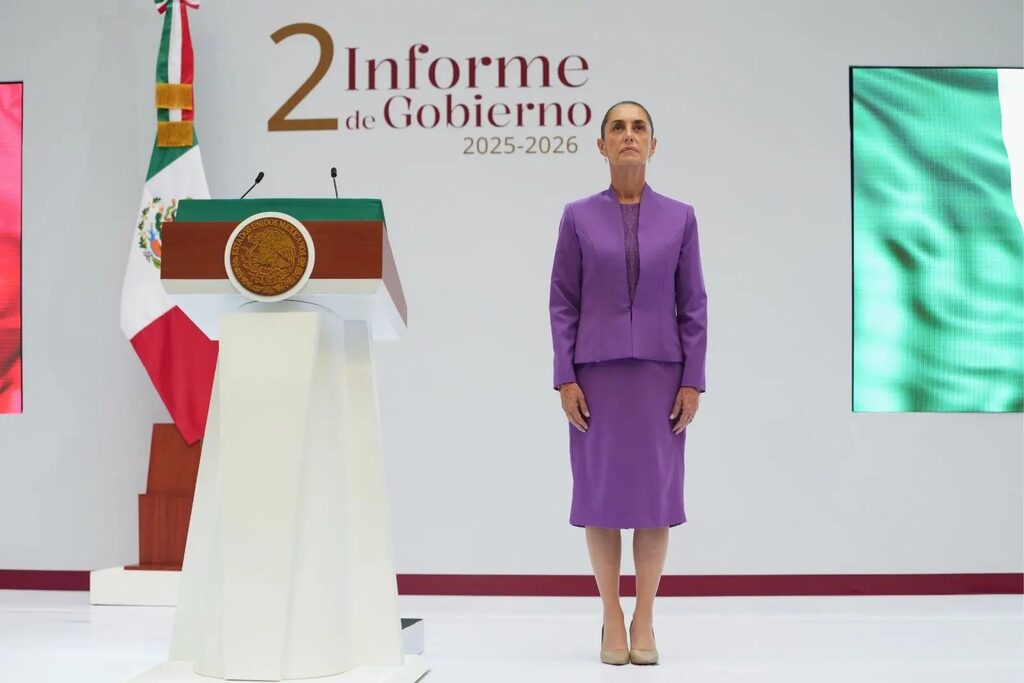
President Claudia Sheinbaum’s Second State of the Nation Address has drawn sharp criticism from the national public opinion. As expected, she reacted with a mix of anger and frustration. To be clear, what did she expect from a critical national public that does not accept her rosy view of the national situation?
As she points out in the Annual Report, foreign direct investment has grown exponentially—“like never before,” the president said. She also notes that the reduction in intentional homicides is spectacular. Corruption has been completely eliminated, and the country is more united than ever. Mexico’s most important struggle is defending its sovereignty and independence. “Austerity” makes it possible to pay for subsidies for the Maya Train (which is progressing as scheduled) and the other train, the Interoceanic, as well as subsidies for the Dos Bocas Refinery, Mexicana Airlines, and AIFA airport, and to keep Pemex afloat, averting bankruptcy. It also allows for the expansion of the nearly 43 million beneficiaries of the Welfare Cards. That’s nearly one-third of the entire national population. Blessed austerity, which pays for all of that!
The president’s description of the state of the healthcare system is overwhelming. Thousands of small medicine dispensaries will be opened nationwide to fulfill the promise of universal healthcare for all Mexicans. Education is a constitutional guarantee that the Presidential Report says is being fully upheld.
And she concluded with a message for the detractors of the 4T. She stated, with a strong partisan undertone, that “the movement” is more united than ever. There are no internal divisions or rifts, she asserted. They stand in peace, heads held high, committed to the historic mission facing the 4T. From Morena’s internal unity, the president took a quantum leap by suggesting that Morena’s internal unity is equivalent to the unity of all Mexicans in support of her government.
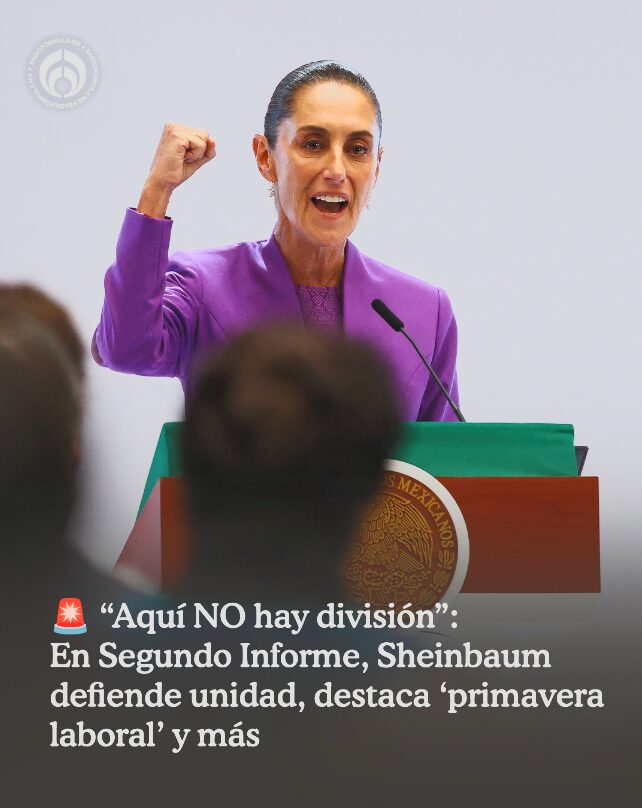
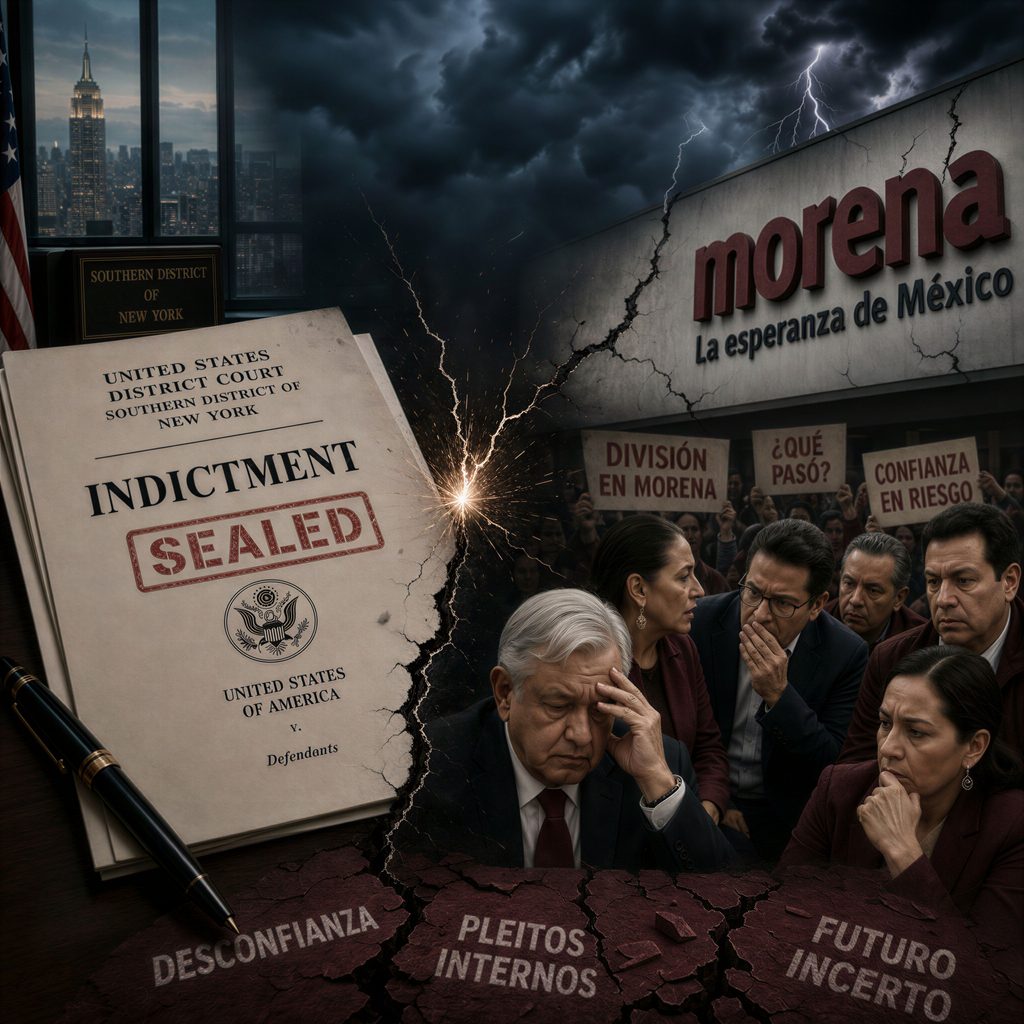
On this last topic—unity—two comments are worth noting. First, regarding the unity of her movement, both insiders and outsiders noted the absence of some of the regular attendees at these events. Notably absent were Andrés Manuel López Beltrán, Senator Adán Augusto López Hernández, Senator Enrique Inzunza Cázarez, and Governor Rubén Rocha Moya (on leave), among other national leaders widely known both within and outside the country. Given their prominence, their absences suggest a hint of division or internal fracture within Morena. Rumors also point to the same conclusion.
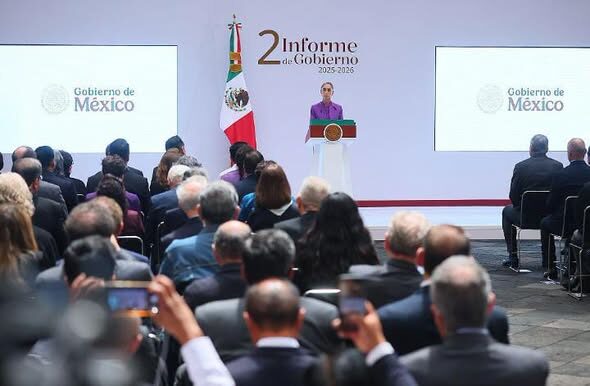
On the other hand, regarding national unity, no opposition figures were invited. Nor did the governor of Chihuahua attend. Of course, this is nothing new. Ever since López Obrador’s six-year term, the practice of holding “Mexican State” meetings has been abandoned in favor of gatherings of the federal public administration, attended by a few close friends from the legislative and judicial branches. In other words, the presidential reports (written in lowercase) have turned into get-togethers where friends congratulate one another. And with the invited business leaders, to see if they might get a slice of the budget.
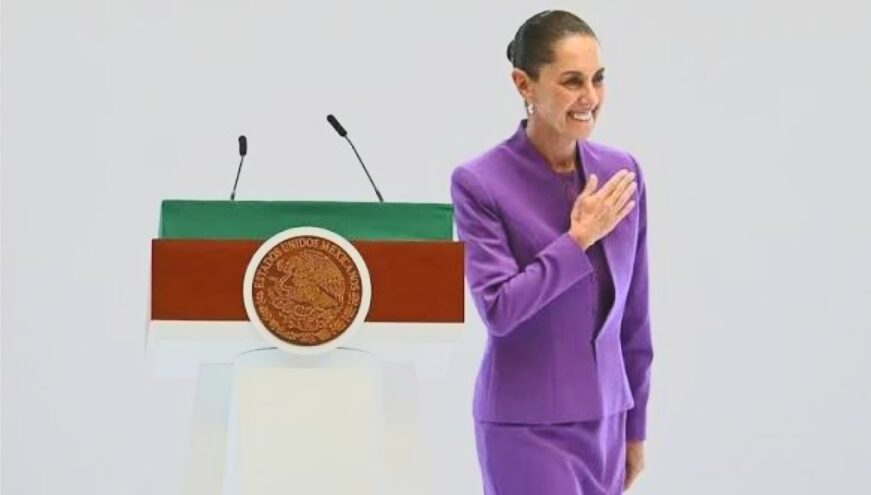
So the “unity” that the president emphasized so much in her report on the state of Morena not only failed to meet the basic requirements of a State of the Nation Address but also turned into a get-together among friends. Obviously, the entire nation witnessed all of this. It’s no secret. Therefore, the president has no reason to be bothered by the criticism voiced by a citizenry that was neither the subject nor the object of her report—much less a guest.
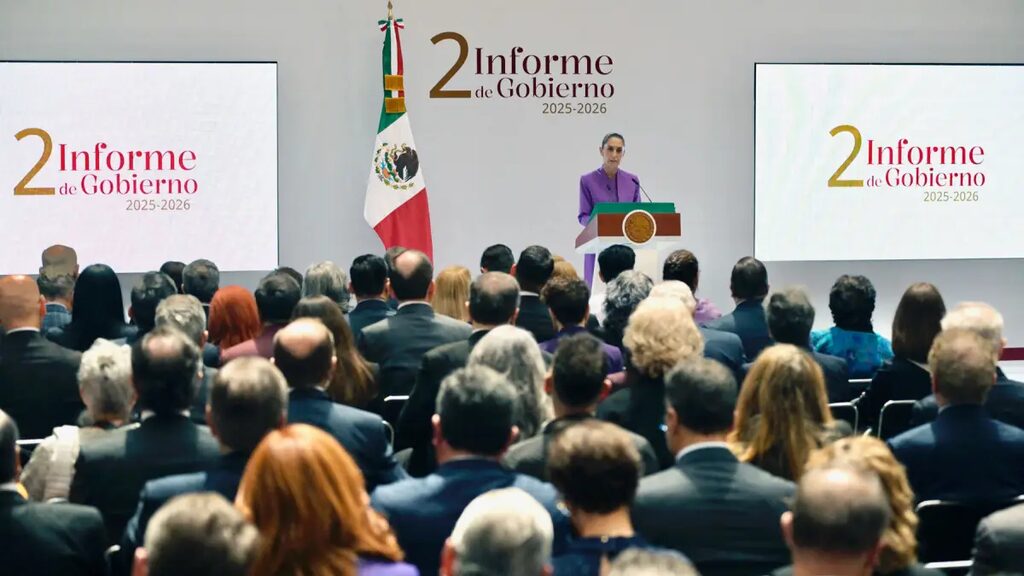
It’s worth noting that society’s reflection on the president’s remarks highlights concerns that the Morena-led celebration did not address—not even in passing—or that were deliberately ignored. The cost of living is rising rapidly, and there is no economic lifeboat in sight; in light of this, the presidential report offered no credible alternatives. Another crucial issue that severely affects society is the persistence of corruption allegations against the ruling political class. Corruption is seen today as the number one failure of the López Obrador and Claudia Sheinbaum administrations. Evidence of mutual cover-ups is splashed across the pages and posts of every media outlet in the country. The unexplained enrichment of the new Morena ruling class is plain to see and cannot be hidden. The president ignored both the corruption and the enrichment of their supporters in her speech.
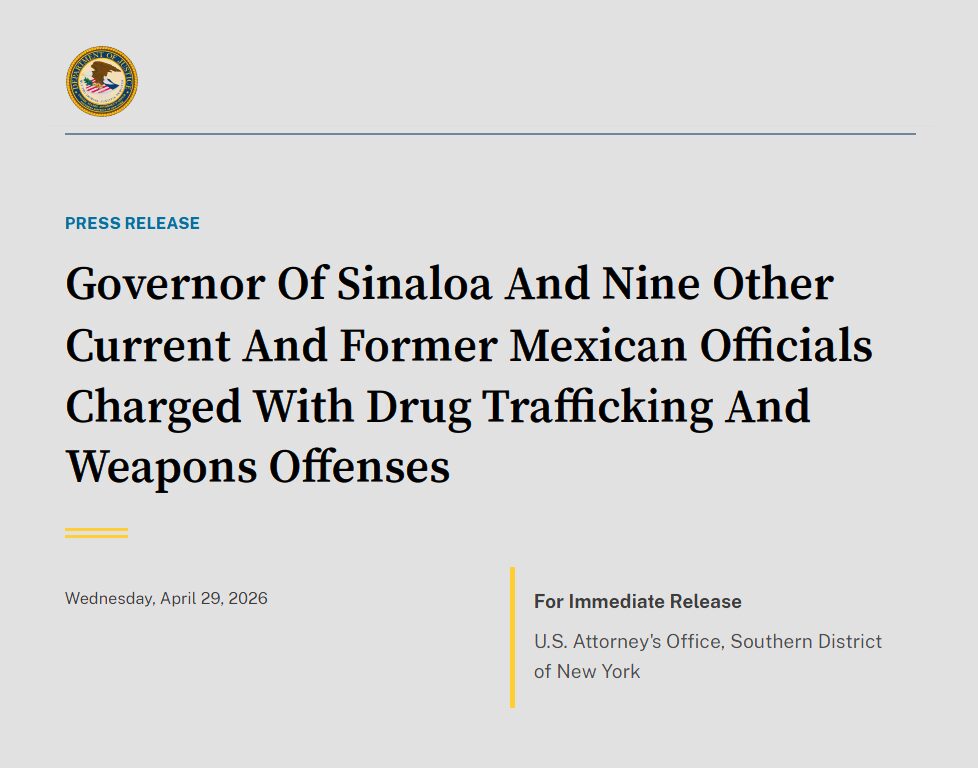
While the president expressed her joy over the apparent decline in homicides, the car bomb in Zacatecas—one of 36 bombings during her administration—disproves any claim that violence, protection rackets, and the territorial expansion of organized crime are under control. All polls highlight the demand for security—and the lack thereof—in Mexico. Organized crime, along with corruption, are the two most glaring failures that society holds the Morena government accountable for. She did not acknowledge this in her report either. What’s more, by denying it, she justified it. Corruption linked to drug trafficking is the foundation upon which the 4T’s narco-politics rests.
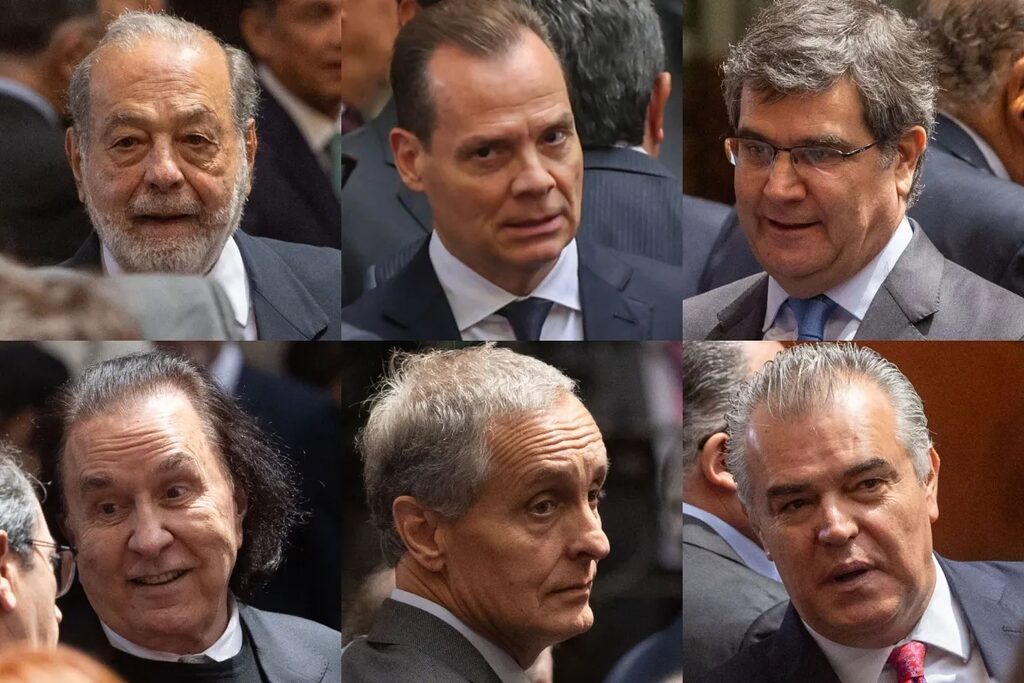
Mexico’s leading business executives attended the event, with their hands outstretched. What a regrettable sight! It was noteworthy to see Carlos Slim engaged in pleasant conversation with Justice Lenia Batres. That photograph could eventually become the poster symbolizing Mexico’s next tragedy. Mexico’s international isolation, promoted by the 4T regime, contributes to the feeling that anything could happen, and no one in the world would ever know. Mexico supports the Nicaraguan dictatorship: so what? The global community’s opinion means as much to us as the wind does to Juárez.
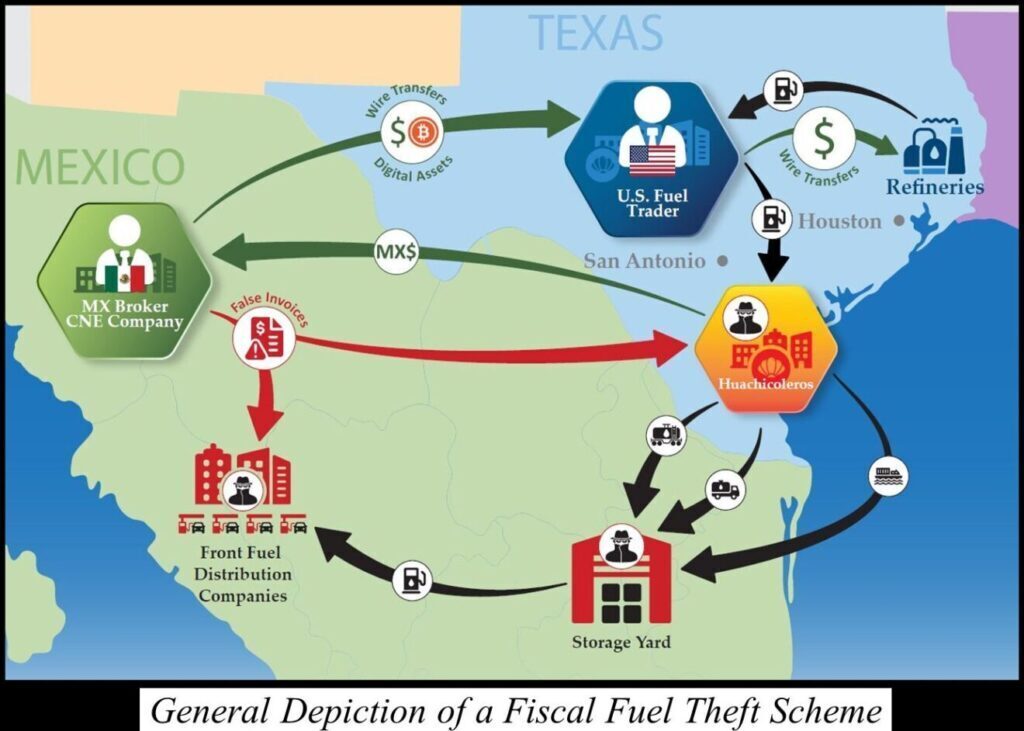
The issues the public wanted to hear about were absent. The problem of the disappeared does not exist in the president’s vocabulary. Much less economic growth—that elusive devil that never shows up when it should. The flip side of economic growth—fiscal “huachicol,” an unparalleled symbol of Mexico’s culture of corruption—was not addressed by the president either. Could she have forgotten the issue?
When speaking of national unity, the defense of sovereignty, and opposition to foreign intervention (her inevitable campaign themes), she could have seized the moment to issue a historic call to the opposition to forge a pact in the face of national threats. But no—not only did she fail to do so, but she used the moment to speak of a fictitious internal unity within Morena. With that comment, she announced with crystal-clear clarity who she is: the leader of a political sect, not a nation. And she also made it clear that her greatest ambition is to go down in history not as the president who united her country at a critical juncture, but as the leader seeking to unite the factions of her party and thus be loved by her fellow party members—though not by the citizens.

This speech historically defined the course of her six-year term because it was delivered during a moment of national crisis. She rejected dialogue with the opposition and reaffirmed the closing of ranks within the Morena camp, despite internal and external pressure. The president’s speech was a defiant stance against everything outside Morena, reaffirming the protection of her “narco-politicians” as a State policy. She intends to approach the 2027 midterm elections as a fratricidal war: either they win, or they disappear. That is her vision of Mexican political reality. For Morena and the president, the concept of alternation in power does not exist. For them, alternation means a coup d’état against them. This “end-of-the-century” mindset implies that they will do everything in their power to retain power, including staging a self-coup, disguised as a defense of sovereignty.

The president charted her course with that speech. For her and her supporters, the only path is to achieve total power, without mediation or intermediaries. She behaves like a tribe, not a political party. As a tribe, she is paranoid that her existence is threatened, believing she is surrounded by internal and external enemies whose sole interest is their extinction. Therefore, she imposes more and more rules to try to prevent her eventual defeat.
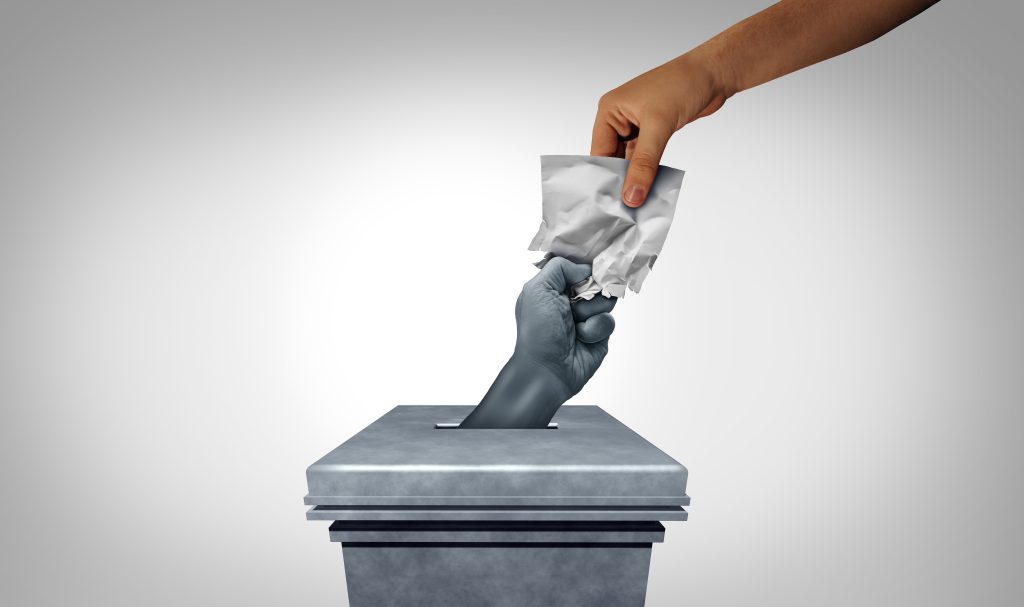
The total power that Morena and the president crave is called absolutism. They envision a country where only they can live. They govern with authoritarianism and contempt for citizens, refusing to acknowledge that their practices stem from a deep fear of the future that awaits them when the time comes to be held accountable for their disgraceful administration.
@rpascoep
Further Reading: