Ricardo Pascoe Pierce
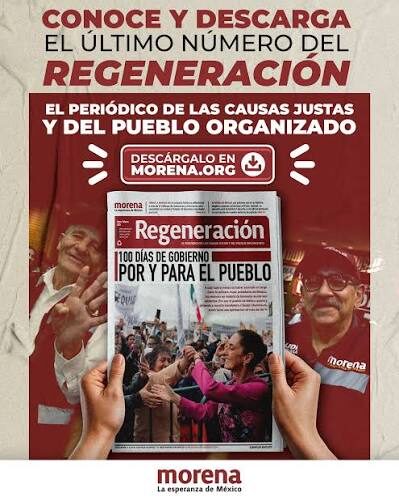
Governor Rubén Rocha Moya returned to his high office after months of being “investigated” by the Attorney General’s Office. On multiple occasions, both President Sheinbaum and Attorney General Ernestina Godoy Ramos insisted that there was no evidence against the governor, who was on leave. Morena launched a national campaign denouncing the United States for what it calls “U.S. interventionism.” Its activists, including Andrés Manuel López Beltrán, son of former President Andrés Manuel López Obrador, took to the streets, plazas, rural communities, and towns distributing their newspaper Regeneración, which denounces those who, without evidence, link the Morena party, its top leaders, and the federal government to drug trafficking.
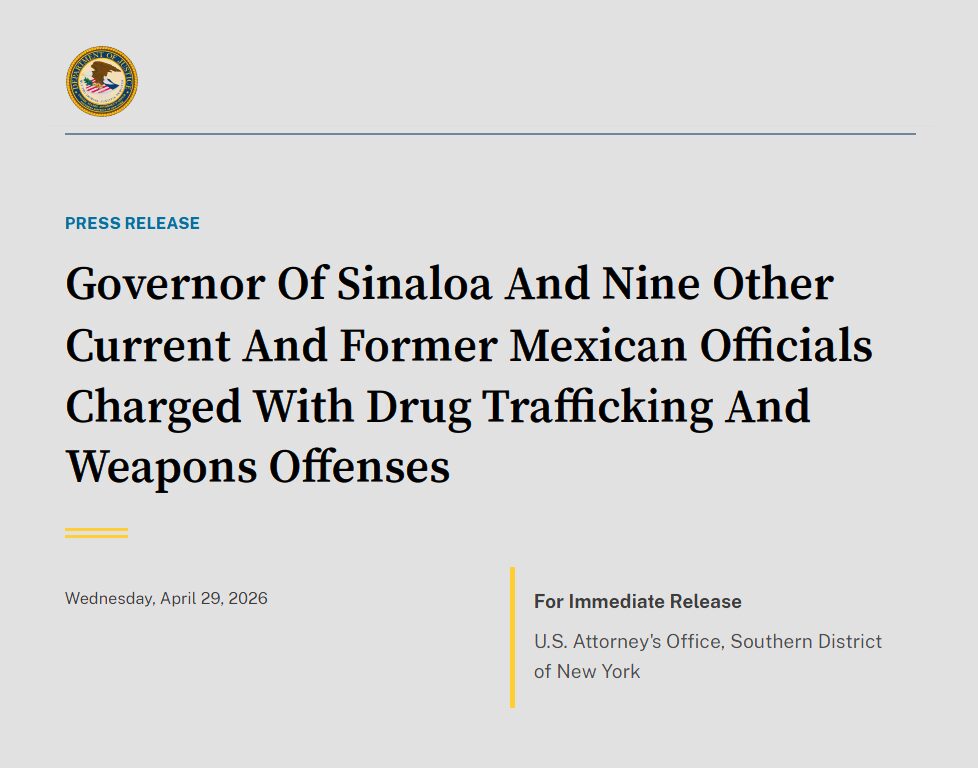
The U.S. government had accused the then-governor of Sinaloa, Rubén Rocha Moya, Senator Enrique Inzunza Cázarez, and eight other high-ranking officials of acting as operatives for the Sinaloa Cartel’s interests within the state government. For more than three months, the federal government, through the Attorney General’s Office (FGR), investigated the 10 officials. Officially, it had found “no crime to prosecute” in any of the cases. All of them remain free. Except, of course, for two of them—including retired Army General Gerardo Mérida Sánchez, who at the time was in charge of national military intelligence and served as a political operative for General Audomaro Martínez Zapata—as they viewed the situation from a different perspective. They crossed the border and turned themselves in to U.S. authorities because they did believe there was sufficient evidence to substantiate the validity of the indictment received from “an office in southern Manhattan.”
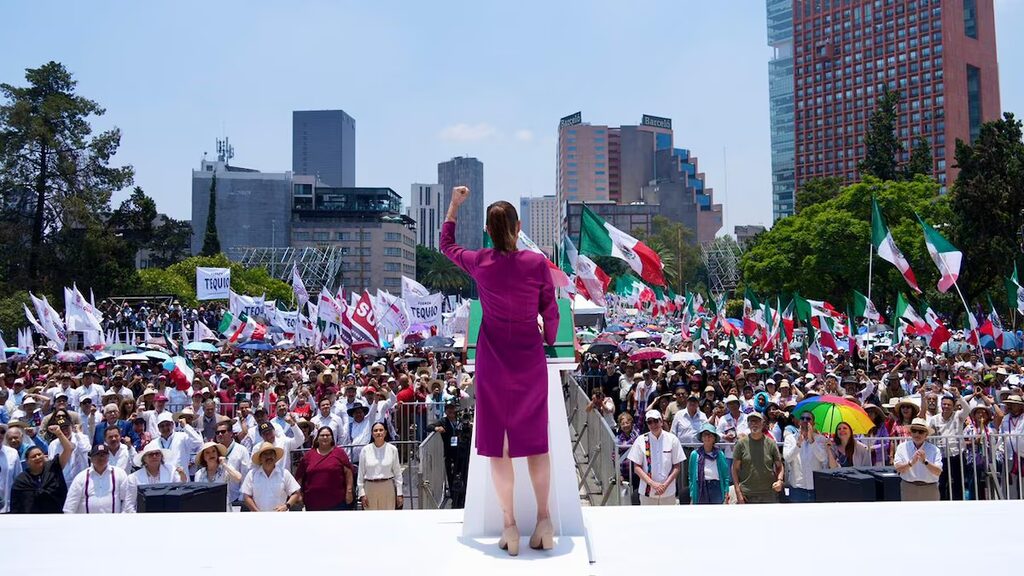
The president was unwavering in her decision: Rocha would not surrender to U.S. authorities until they provided “conclusive evidence of the guilt of Rocha, the senator, and eight others.” The entire Morena party and the federal government—including its members of Congress and Morena governors—celebrated the defense of national sovereignty. Legislators in the National Congress raised their voices, trembling with emotion, proclaiming that Mexico’s sovereignty and independence had never been defended with such strength and forcefulness as they were today. In front of the Monument to the Revolution, the president filled those in attendance with patriotic fervor. “If they take one, they’ll come for more,” she said, categorically rejecting Rocha’s extradition to U.S. judicial authorities. “The homeland must be defended,” she swore before the national flag.
Next came the revocation of the visa of former President López Obrador’s son. In context, this clearly signaled the start of criminal proceedings against López Beltrán. His indictment is just around the corner. The Morena party flew into a rage over what it considered a new affront to national dignity and sovereignty. The party immediately called for “202 assemblies throughout the country” to denounce what they considered a new act of U.S. imperialism and an affront to national sovereignty. According to Morena members, the revocation of Andrés Manuel López Beltrán’s U.S. visa was an affront to all Mexicans.
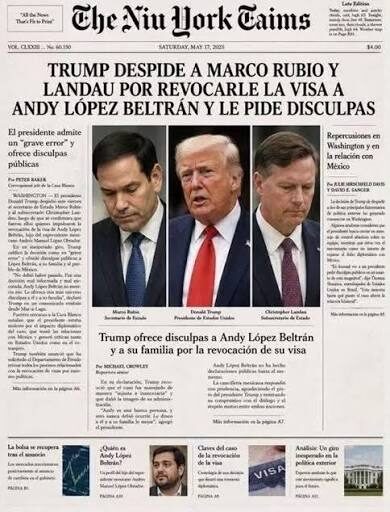
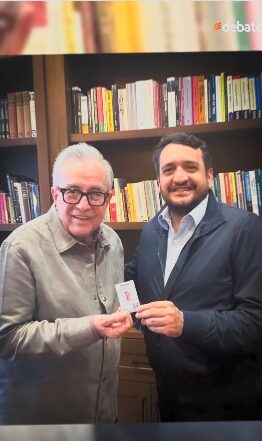
López Beltrán himself posted a message of thanks “to the people of Mexico” for the support they had shown him in the face of this obvious affront by the “far-right sectors” of President Trump’s administration. The former president’s son believed that his case resonated with all Mexicans without exception. It is difficult to explain how he could have reached that conclusion, given that he is known for nothing other than being the son of Mexico’s former president. And, as the skeptics would say, he is the corrupt son of the former president.
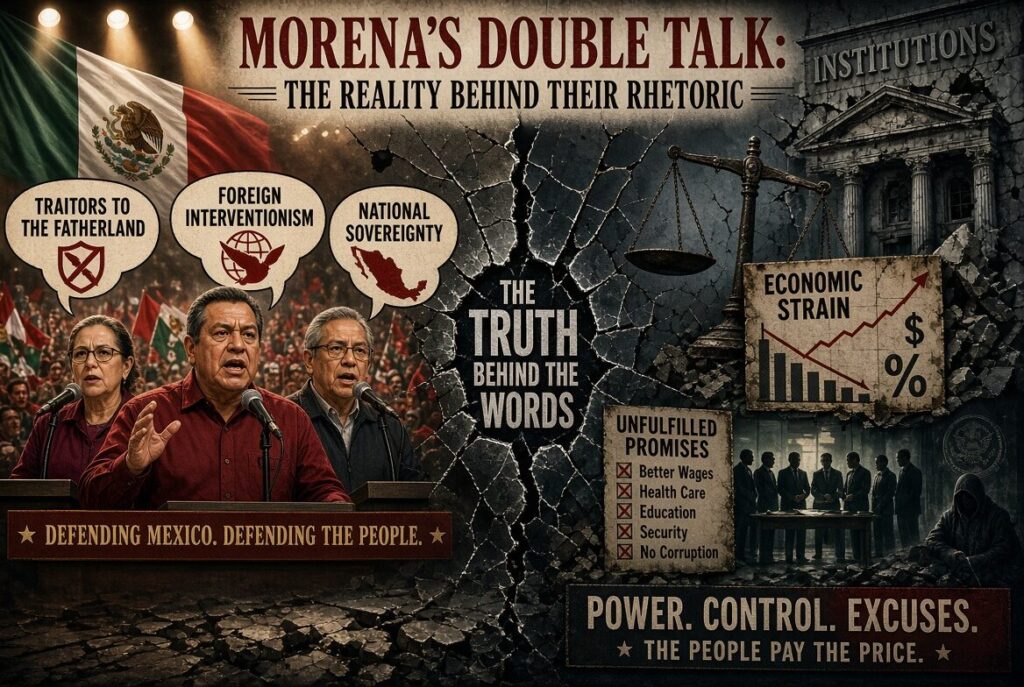
Amid the defense of Rocha Moya and López Beltrán, Morena went all out with its rhetoric. The campaign to defend both men was grounded in national independence and sovereignty. The president said as much during her daily morning partisan propaganda event. Amid all this, and despite Morena’s patriotic fervor, cracks began to appear in the official narrative. Rumors that more accusations were coming against high-ranking Morena officials and politicians for their active ties to drug trafficking dampened the rhetorical enthusiasm. And there were clear signs of unease in Morena’s upper echelons, tinged with fear and concern. What was the sign?
Arrogant and overconfident, Morena had announced that in June it would appoint its “state coordinators for the defense of the transformation” for the 17 states where gubernatorial elections will be held next year. In 2021, Morena did the same thing and won 13 of 17 governorships. But following the release of the U.S. indictment against Rocha—which revealed his collusion with the Sinaloa Cartel to win the governorship that year—Morena was forced to halt its nominations. The reason? Morena thought it could keep the secret of its electoral victories—which were due to its illegal association with the money and terror tactics of organized crime working in its favor during the elections. But with the U.S. indictment, that was no longer possible because the Morena-drug cartel deal was now public knowledge.
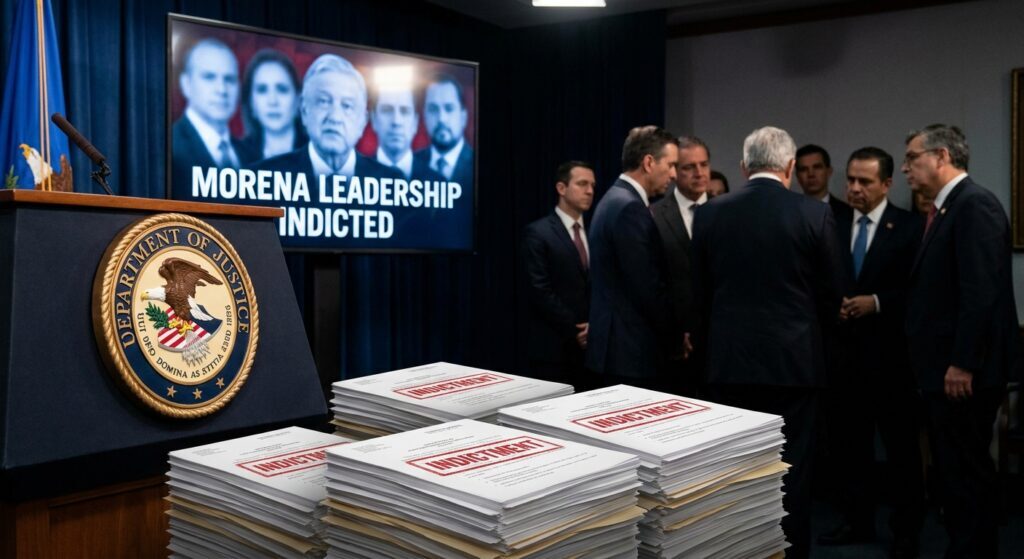
Morena could not nominate its “coordinators” because all of them have suspicious ties to drug trafficking. All of them, without exception. (For example, Senator Inzunza was slated to be Rocha’s successor in Sinaloa.) And it feared that the U.S. government might denounce the party for fielding candidates linked to drug trafficking interests. Worse still: the United States could use that fact as justification to declare Morena a narco-terrorist organization legally.
So Morena is stuck in its candidate nomination process for fear of the United States pointing a finger at any of them. With every public accusation against figures within Morena linked to organized crime, the party president swears up and down that she doesn’t know them, that they aren’t members, that nobody knows them, that everyone takes photos but doesn’t want to say anything, that she will expel them, and that the Honor and Justice Commission will act in accordance with the law. Morena even passed a law requiring parties to vet their candidates, in a desperate attempt to appease the DEA, the FBI, and the CIA.
The timeline paints a picture of a government and a party that doesn’t know which way to turn. And they are trapped in their latest inconsistency. Rocha Moya took office as governor of Sinaloa. Why not? No judicial authority in Mexico has charged him with anything. In fact, the public statements by the president and the attorney general have been to the effect that there is no evidence against him for anything, much less regarding the matters in the U.S. indictment.
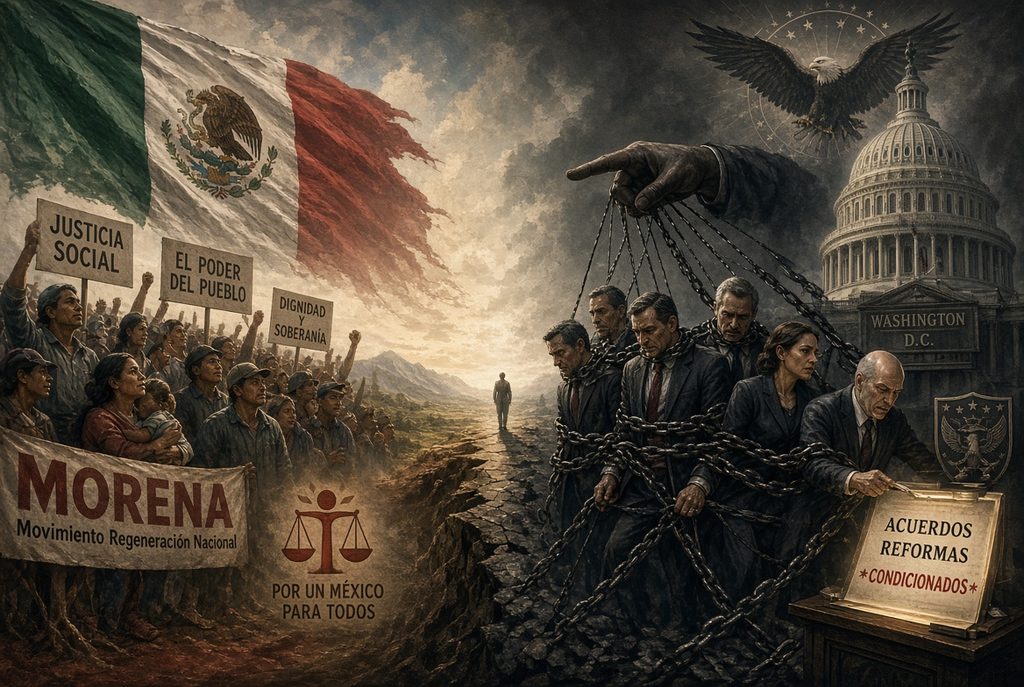
But the president, Morena, and the Morena governors—who have defended Rocha ad nauseam as a heroic symbol of sovereignty—are now asking him to renew his leave of absence once again and to act responsibly, something they themselves have never done. They are horrified by his act of defiance against the empire, though they don’t dare admit it. The president, Morena, and the governors are reacting not to Rocha’s insubordination, but out of fear of Washington’s reaction to that challenge. They know it could spell the end of Morena’s electoral dominance in the short term—and the party’s demise in the medium term.
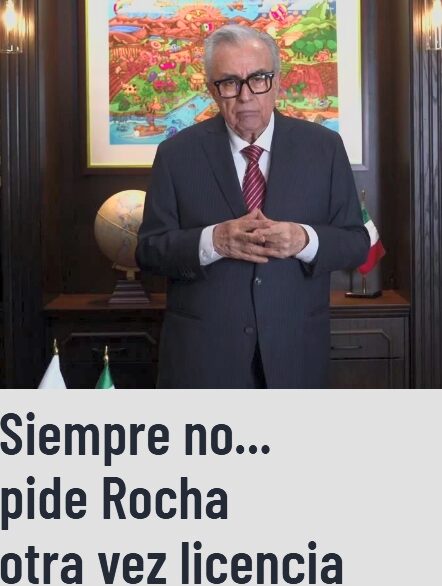
Rocha, needless to say, is guided by Andrés Manuel López Obrador. AMLO is challenging the empire, believing he can defeat it, just as he did in the Cienfuegos case. In Mexico, the big question that arises is: Who is in charge—AMLO or Sheinbaum? In the United States, the big question now is: Has the time come to declare Morena a narco-terrorist party, with all that such a decision entails?
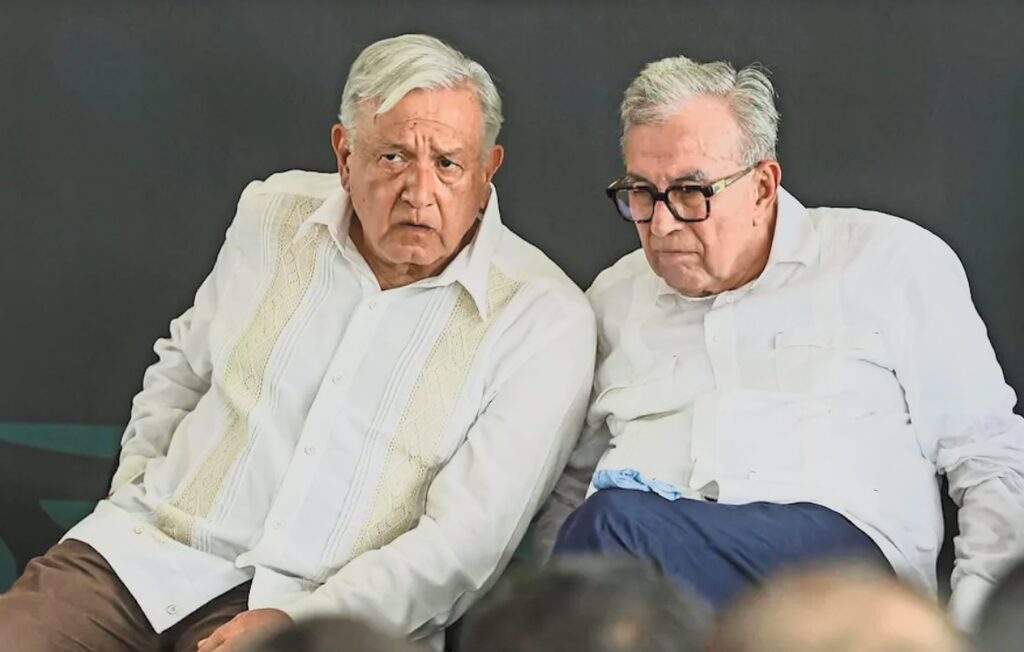
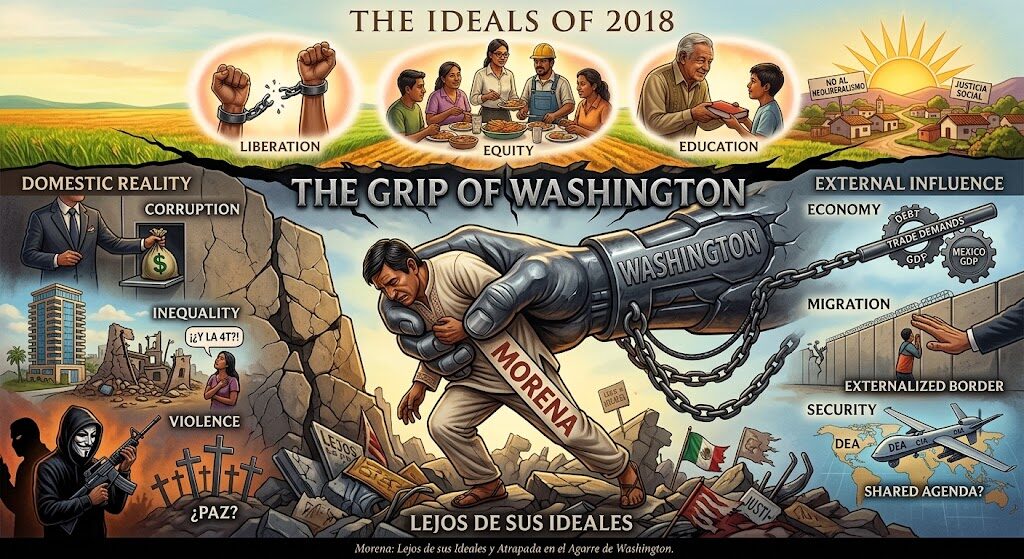
That’s Morena: so far from its founding ideals and so close to the United States.
@rpascoep
Further Reading: