
Antonio Navalón
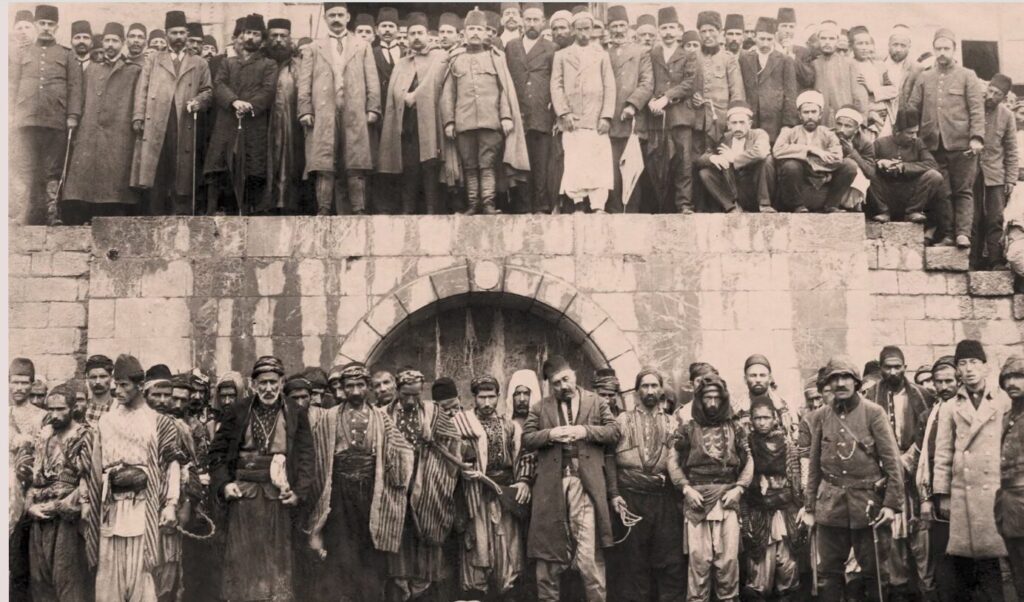
The first time the phrase that would come to define the concept of crimes against humanity was used in an international declaration was on May 24, 1915. France, Great Britain, and Russia denounced the massacres of Armenians in the Ottoman Empire as “crimes against humanity and civilization” and warned that those responsible would be held personally accountable. In 1919, after World War I had ended, that principle moved from the realm of political condemnation to that of international criminal responsibility.
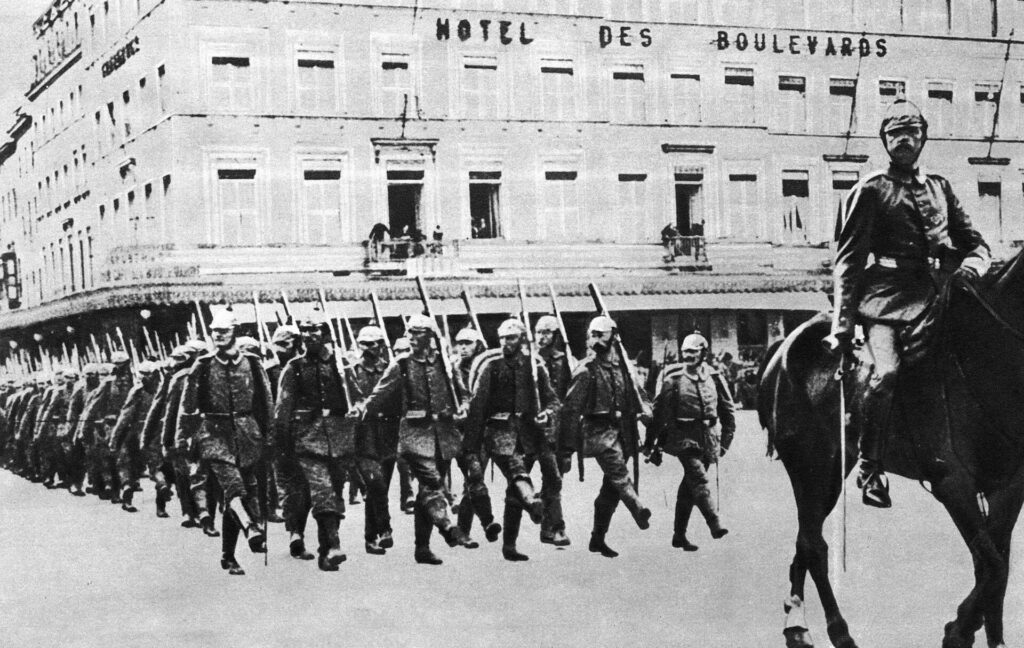
In the face of the atrocities committed by the Germans during their advance into France, the victorious powers sought to establish accountability. Germany had invaded Belgium and Luxembourg, violating their neutrality, and killed thousands of civilians. Around 6,000 Belgians died during that offensive. They would do so again—this time also crossing the Netherlands—during World War II.
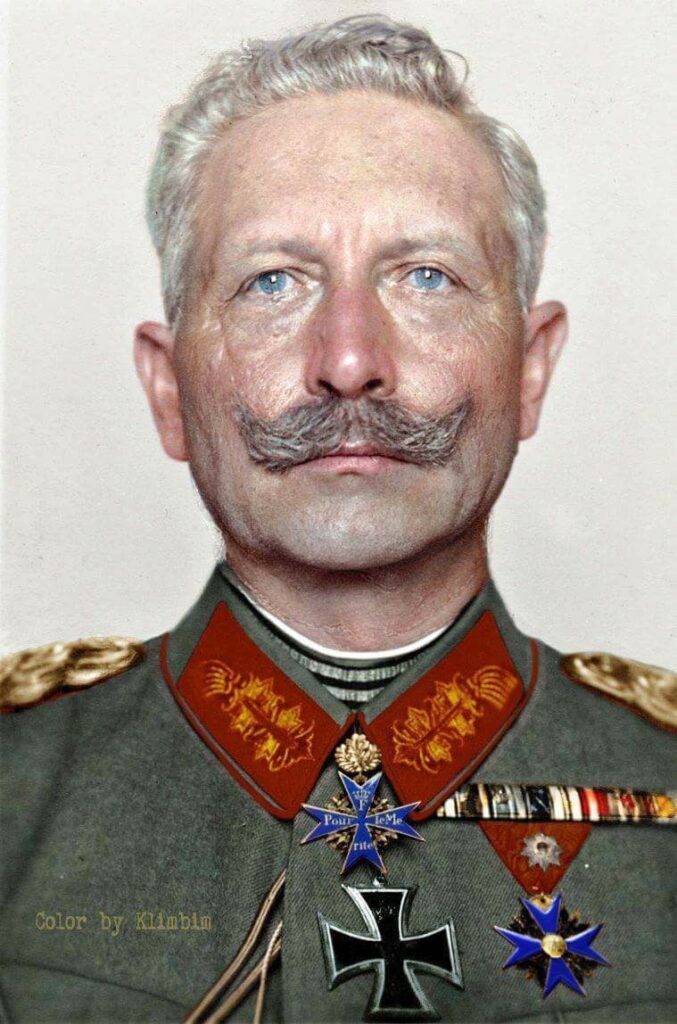
It was also the first attempt to attribute ultimate responsibility for a war to a specific individual: Kaiser Wilhelm II. Article 227 of the Treaty of Versailles accused him of a “supreme offense against international morality and the sanctity of treaties.” Although it did not yet legally employ the concept of crimes against humanity, it introduced an extraordinary principle: a Head of State could be held accountable before an international tribunal for decisions made during his reign.
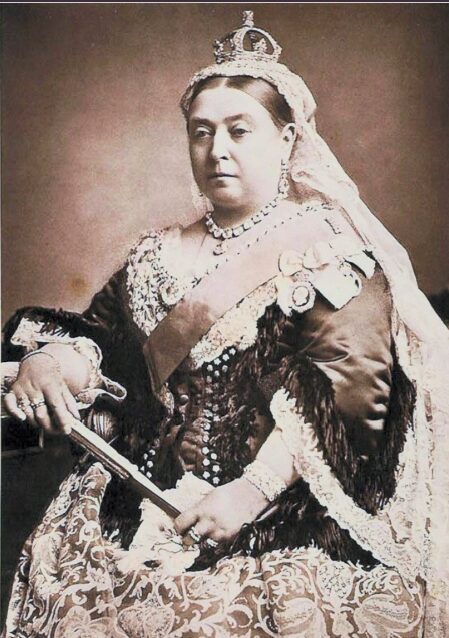
What was the context? The warring monarchies belonged, to a large extent, to the same family. Queen Victoria had been the grandmother of both Wilhelm II and King George V of Britain. Tsar Nicholas II was a first cousin of George V and related by marriage to the Kaiser. Victoria had not only been the most powerful and important relative but also the great moral authority of that European family. However, neither blood ties nor the bonds between the crowns could restrain the states, nationalisms, military interests, and imperial ambitions.
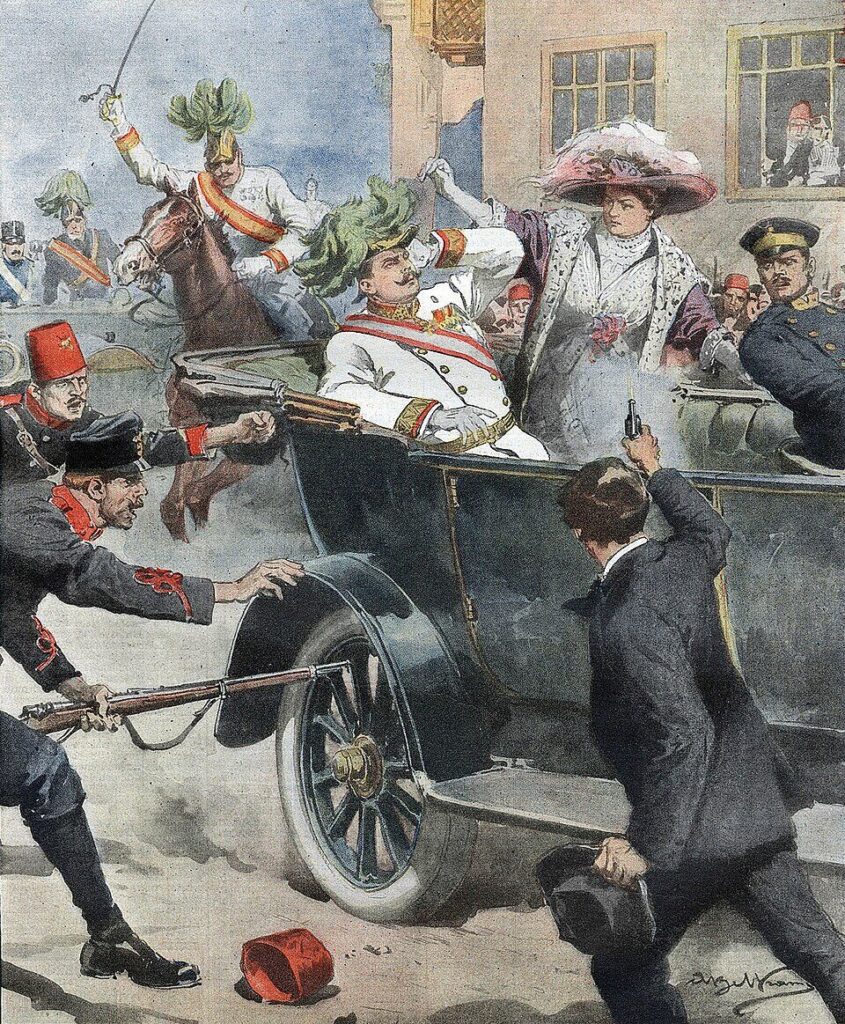
The Austro-Hungarian Empire was not willing to let go unpunished the assassination of its heir, Archduke Franz Ferdinand, which took place in Sarajevo on June 28, 1914. Austria-Hungary presented Serbia with an ultimatum so severe that it could hardly be accepted in its entirety. Although the Serbian government agreed to most of the demands, it rejected those that compromised its sovereignty. Vienna deemed the response insufficient and declared war on July 28, marking the formal start of World War I.
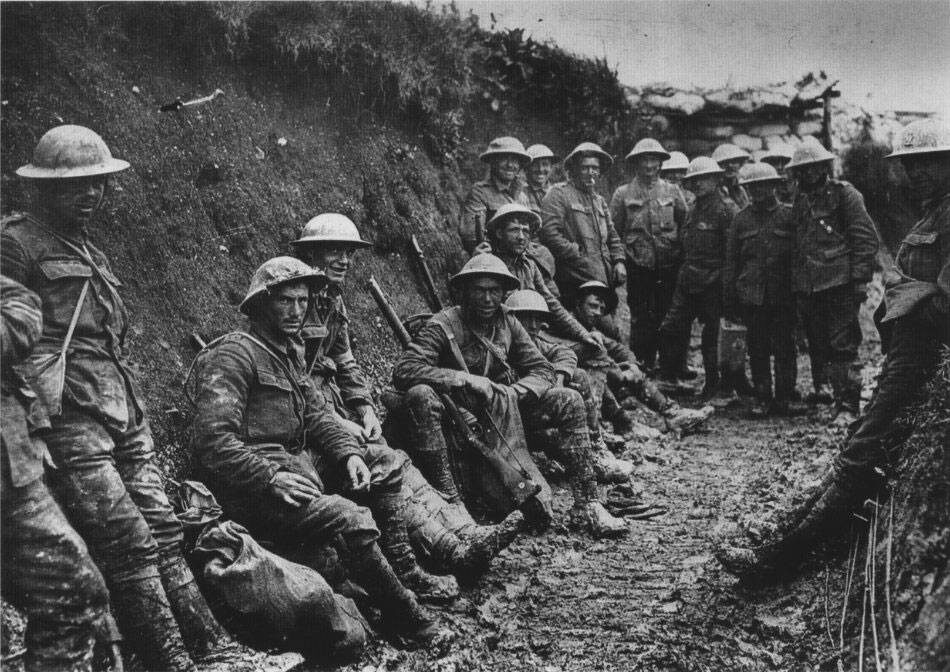
Nor did the great powers fully grasp the magnitude of what they were setting in motion. Their governments and military leaders believed they could control or exploit the conflict and that it would end quickly. Italy initially remained neutral, and Japan entered the war weeks later, but almost all of them underestimated the war’s duration and destructive power.
Kaiser Wilhelm II played a game of brinkmanship with his cousin, Tsar Nicholas II, right up to the very last moment. The Russian mobilization, which made some 4.5 million men available to the empire, provided Germany with the pretext to present itself, as always, as a nation acting in self-defense. Berlin demanded that Russia suspend its mobilization and, upon Russia’s refusal, declared war on it on August 1, 1914. Two days later, it did the same to France.
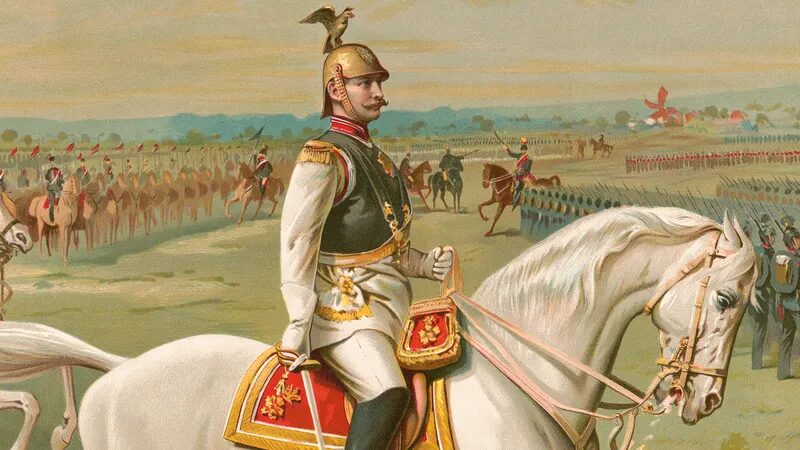
Responsibility for the war cannot be attributed solely to Wilhelm II. The conflict was the result of military alliances, nationalism, imperial rivalries, and miscalculations. However, Germany and the Kaiser played a decisive role by backing Austria-Hungary and turning a Balkan crisis into a continental war.
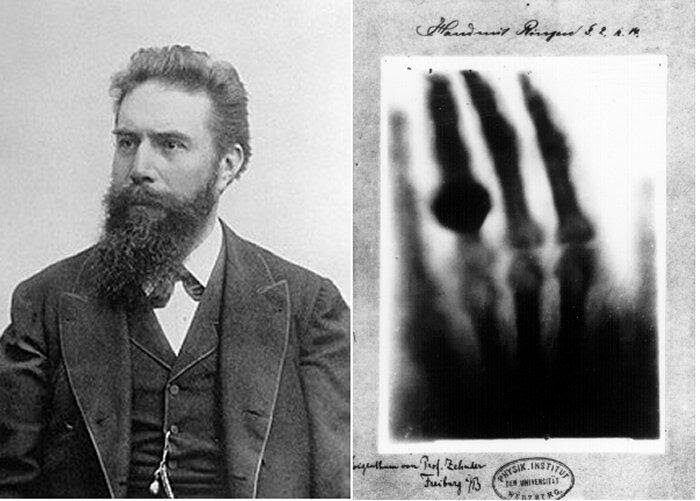
Germany had also developed extraordinary scientific, medical, and industrial capabilities. It was the country of Wilhelm Röntgen and X-rays, where research was beginning to transform medicine. But that same capability was used for destruction. The scientific power capable of diagnosing, curing, and prolonging life was mobilized to create some of the most devastating weapons known at the time.
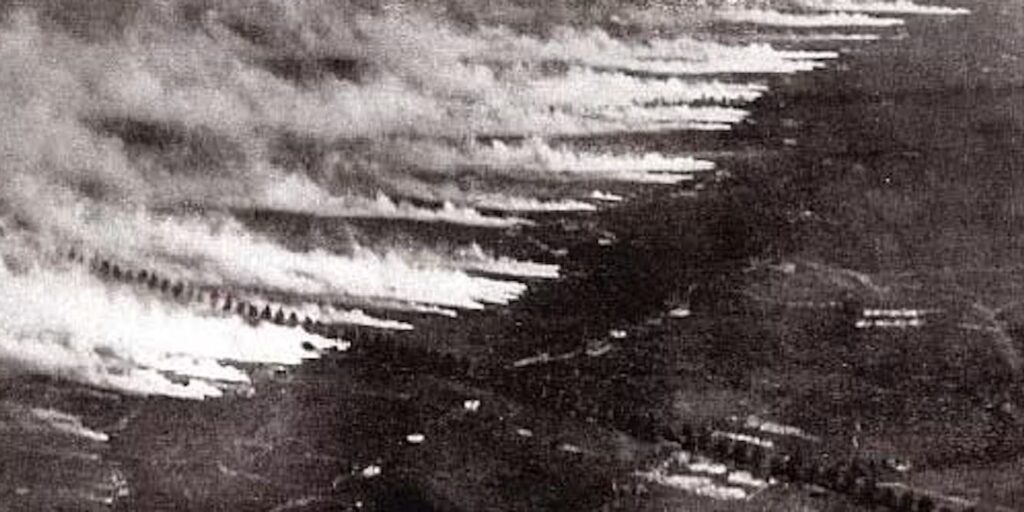
In April 1915, the German army used chlorine on a large scale at Ypres. In July 1917, it employed mustard gas for the first time—a gas capable of burning the skin, destroying the eyes, and attacking the respiratory system. The science created to serve humanity ended up being used to annihilate it.
After the war ended, Wilhelm II abdicated and took refuge in the Netherlands. The Allies demanded his extradition, and England showed particular interest in putting him on trial. However, the Dutch government refused to extradite him. He remained there until his death at Huis Doorn in 1941. The world believed that the Treaty of Versailles and the League of Nations would usher in a new international order. However, this organization—the precursor to the UN—failed to prevent another world war.
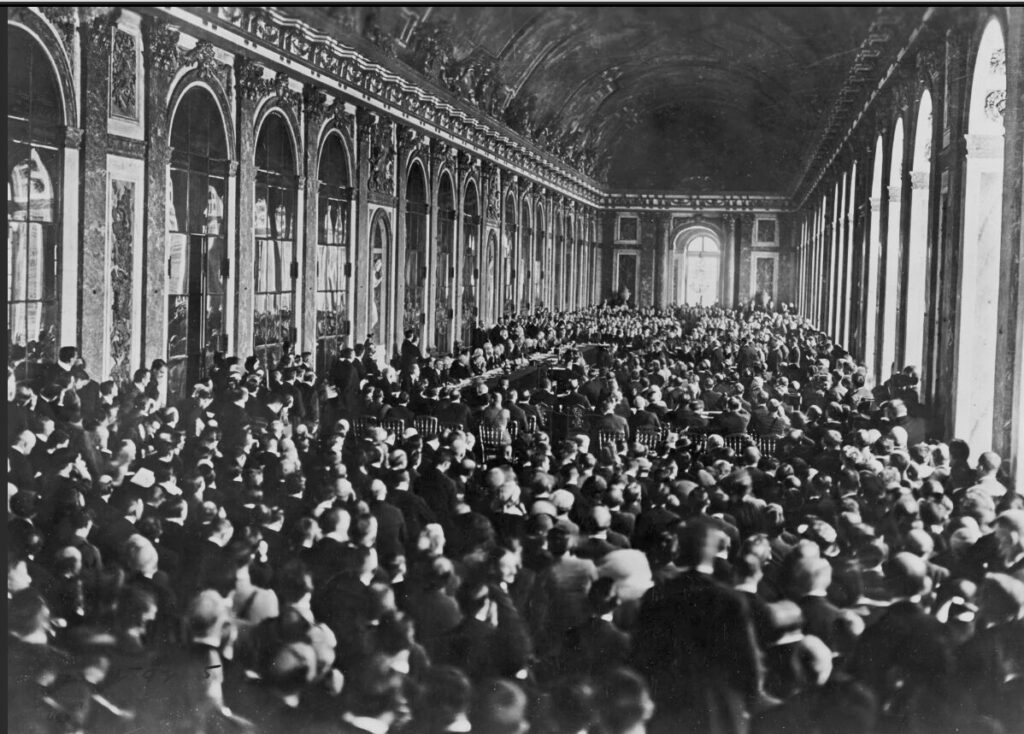
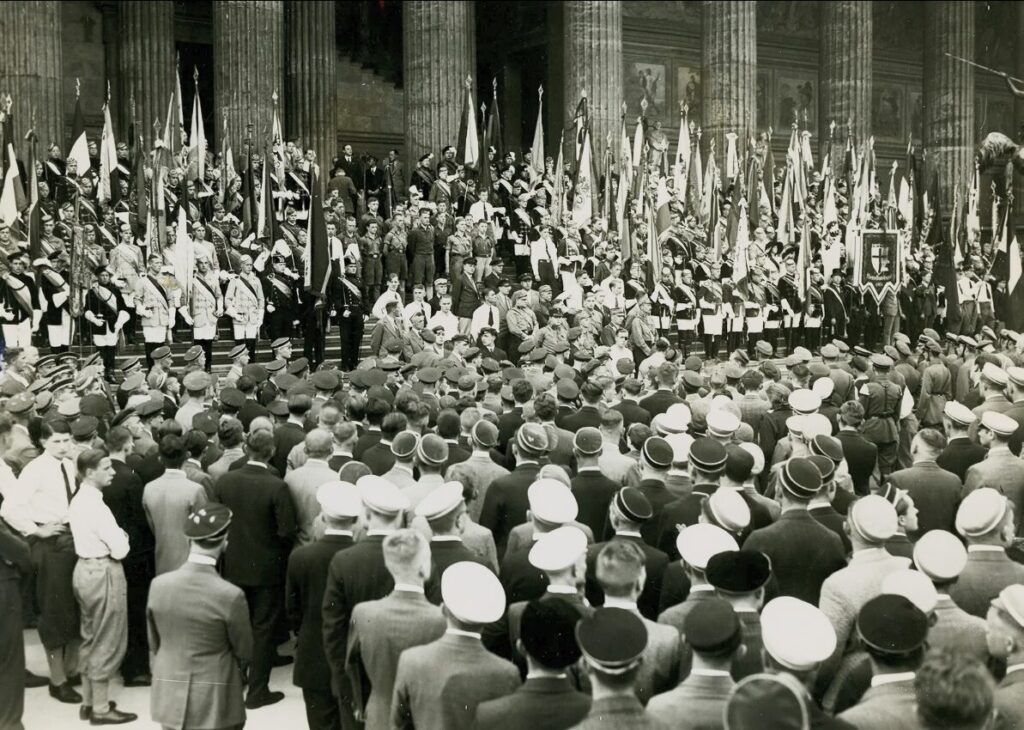
World War I resulted in the insane, unjust, punitive, and exorbitantly costly Treaty of Versailles. It was not the sole cause of Nazism, nor does it alone explain Hitler’s rise to power, but it fueled the German resentment, humiliation, and hatred that would later be exploited to build the Third Reich.
The International Criminal Court belongs to the realm of fantasy. It took tens of millions of deaths—more than 100 million if one counts wars, genocides, repressions, and man-made famines—during that terrible 20th century, which bears no resemblance to this horrific 21st century, for countries to decide to create mechanisms capable of prosecuting mass murderers. Murderers who govern from parliaments, command armies, or hide behind the sovereignty of a state. Murderers who, whether out of ideology, ambition, or sheer criminal instinct, massacre their own people and the people on the other side.
The Rome Statute was adopted in 1998 and entered into force on July 1, 2002. However, from its inception, it was never fully accepted by any of the major natural candidates for exercising unlimited power with blood on their hands. China never signed it. The United States, Israel, and Russia signed it but did not ratify it. The United States and Israel later announced that they did not intend to become States Parties, while Russia withdrew its signature in 2016. They considered it outrageous to create an international jurisdiction to prosecute, in the name of human rights, crimes committed against peoples. Or, rather, they considered it unacceptable that it could also be applied against them.
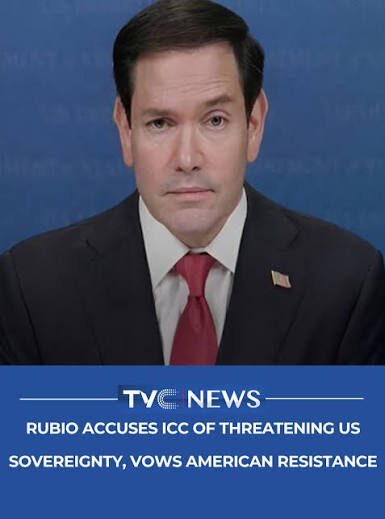
Last week’s remarks by Marco Rubio, the U.S. Secretary of State, against the International Criminal Court are nothing to be afraid of. Rubio announced a campaign to dismantle what he described as a threat to U.S. sovereignty and questioned the legitimacy of those he called “unelected globalist bureaucrats.” However, what is truly concerning did not happen last week; rather, it began in September 2001.
That was when, one day—one fateful day—on September 11, 2001, we realized that the more than 100 million deaths of the 20th century would not mean the same to the United States as the nearly 3,000 people killed in the attacks on the Twin Towers, the Pentagon, and Flight 93. That was the day the United States ceased to be untouchable. The day it realized God had not protected it across two oceans. The day it understood that anyone could attack it.
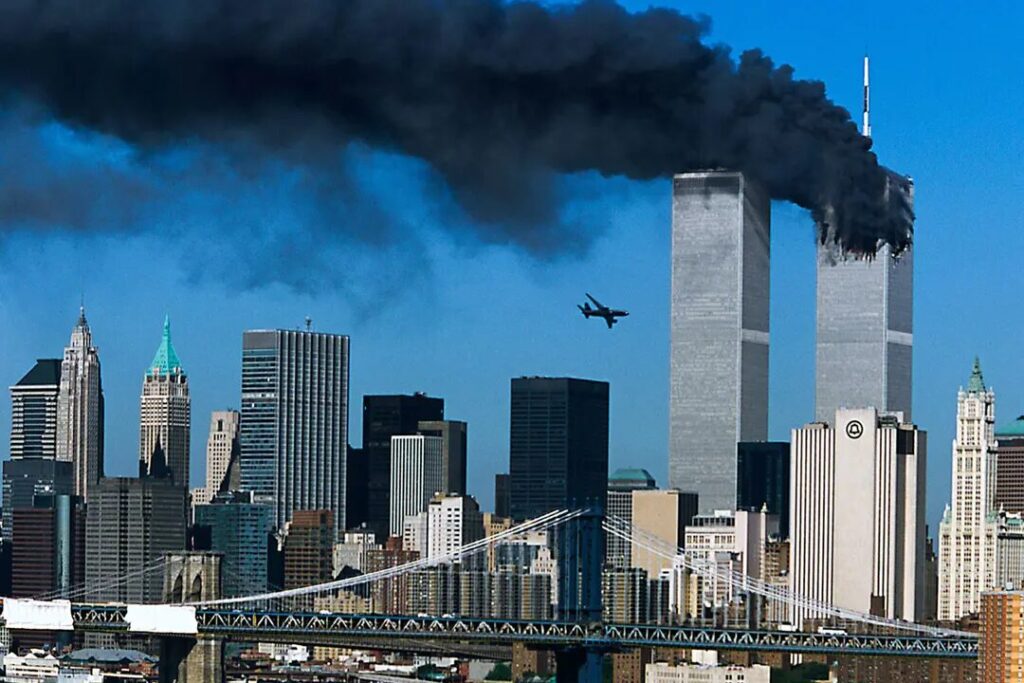
From then on, people cursed not only the billions of dollars squandered but also the magical illusion of believing that its intelligence agencies knew everything. And it’s true: I know from personal experience that they do know everything. The problem is that, far too often, they’ve known too little, too late. On that damned day, they couldn’t prevent the tower from being hit—never has a phrase been more apt—though in this case, there were two.
From that point on, it became clear that universal justice, the prosecution of crimes against humanity, and the possibility of bringing to justice the serial killers operating from government palaces or parliamentary majorities would become increasingly difficult. When a great power feels threatened, international justice ceases to seem like a guarantee and becomes an obstacle. That is why Marco Rubio rightly says that the United States never ratified the Rome Statute, never acceded to the International Criminal Court, and never formally accepted its jurisdiction. He also maintains that the United States cannot allow its leaders, military personnel, agents, or officials to be tried under rules the country did not ratify and by judges outside its judicial system. That is Washington’s position: no U.S. citizen should be subject to the Court’s jurisdiction for atrocities committed in times of peace or war.
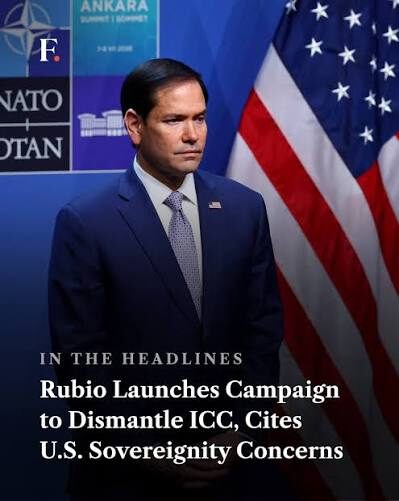
From now on, it is clear that, for the new world order, the triumph of the autocrats requires destroying the few remaining testimonies of an era when it was still possible to dream that human rights could be universal and that any ruler who committed abuses against their own people or against neighboring peoples would be prosecuted, arrested, and tried. The enthusiasm of other autocrats for the U.S. initiative knows no bounds. There was always a loose cannon. There was always the possibility that a Putin, a Trump, a Chinese general, a Russian officer, or a minister from any major power might be arrested—in a moment of confusion—pursuant to a warrant for criminal prosecution issued by the Court.
Gone forever is that breath of fresh air called universal justice, also known as universal jurisdiction. It was this principle that a group of Spanish judges, led by Baltasar Garzón, forcefully introduced into Spanish jurisdiction and case law. The 1998 arrest of dictator Augusto Pinochet in London will remain an impossible dream to repeat. Gone too are the possibilities of defending, on behalf of a few, the security and rights of the many.
The International Criminal Court is disappearing. It must be acknowledged that, from the moment the major powers—the “number ones”—refused to accept the Rome Statute fully, the Court was born limited. Before September 11, it was only a matter of time before it began to face problems. After 9/11, every major power reserved the right to measure justice according to the magnitude of its fear, its interests, or its desire for revenge—without any limits. Since then, although the end of the International Criminal Court seems to be drawing ever closer, the truth is that it has long been in the morgue of history.
Further Reading: