
Antonio Navalón
The U.S. campaign against the political, economic, and legal consequences of Latin American populism has intensified significantly in recent days. This does not appear to be a series of isolated incidents or a mere accumulation of legal cases. What is beginning to emerge is a broader offensive against a political cycle that, for decades, presented itself as revolution, resistance, or social justice. Still, today, it is increasingly associated with corruption, institutional decay, the erosion of freedoms, and the impoverishment of entire societies.

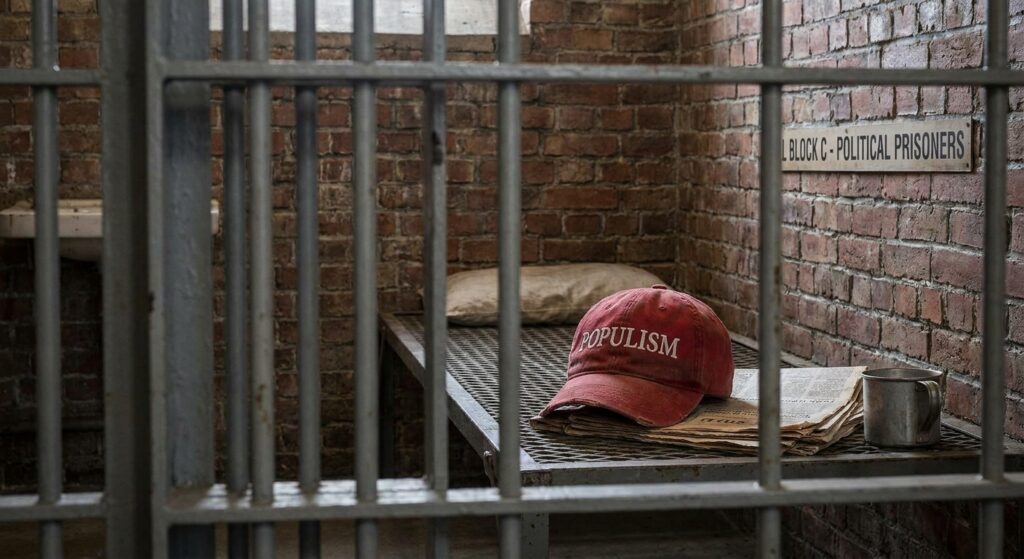
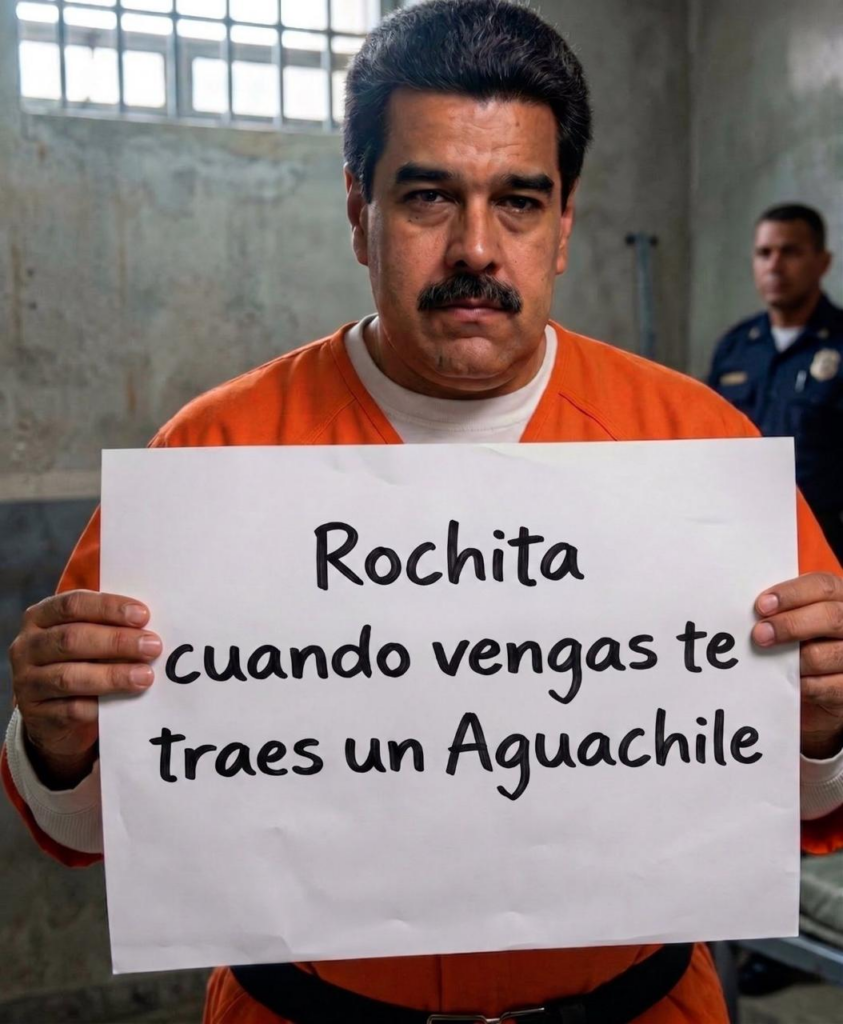
Today, populism is behind bars. Some of its leading figures face prison, convictions, indictments, investigations, or political exile. Maduro is imprisoned in Brooklyn. Rafael Correa lives outside Ecuador and has been convicted in absentia for corruption. Cristina Fernández de Kirchner is serving a sentence under house arrest in Argentina. José Luis Rodríguez Zapatero is under investigation in Spain in a case related to international operations and ties to Venezuelan interests.
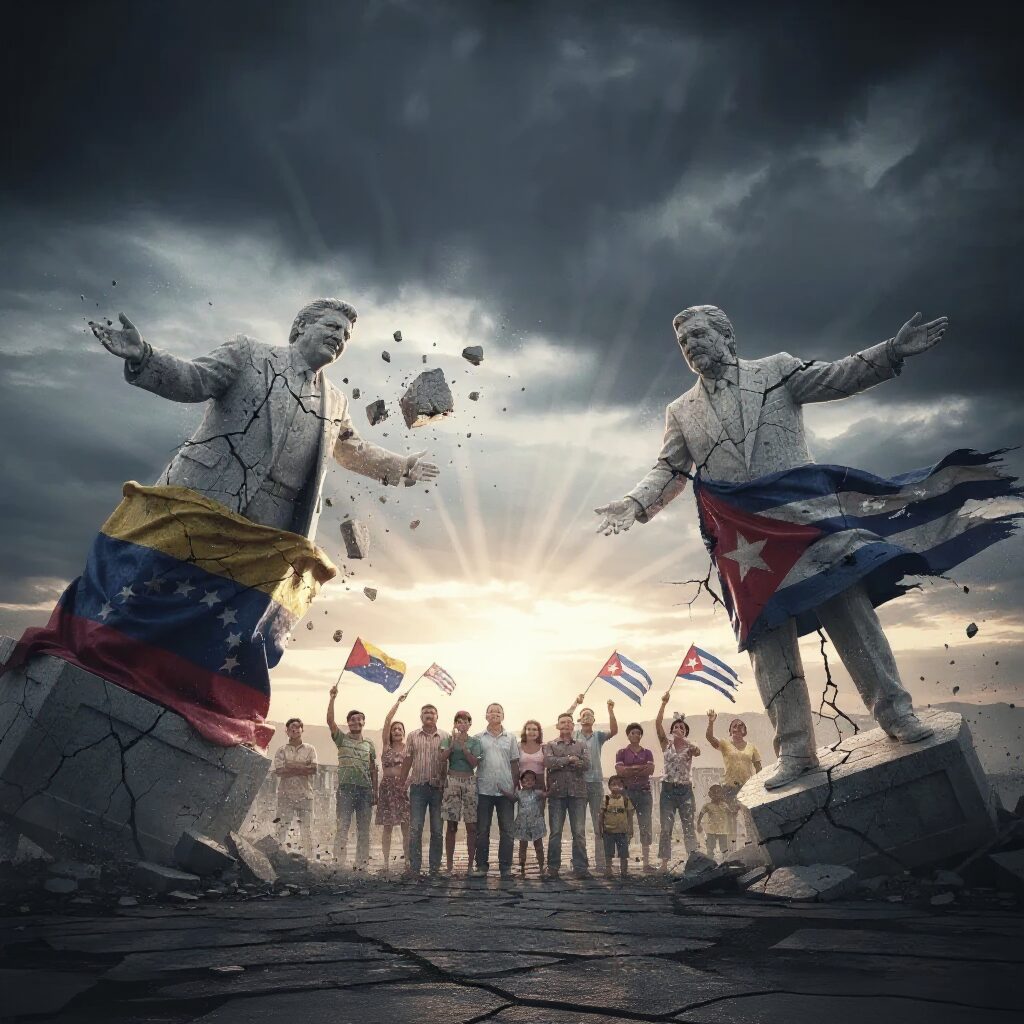
Beyond each individual case, what matters is the political significance of the moment: a generation of leaders who for years presented themselves as the saviors of the people is beginning to be ensnared by its own contradictions. Populism is not falling solely due to the strength of its adversaries. It is falling because its original promise has run its course. It promised justice and produced privilege. It promised sovereignty and ended up depending on opaque networks. It promised the people and built closed elites. It promised freedom from traditional powers and ended up concentrating power, weakening institutions, and making staying in government its true political project.

That is the central point. For years, populism managed to survive thanks to an effective narrative: dividing the world between the people and the people’s enemies; between revolution and reaction; between homeland and treason. That rhetoric allowed it to justify excesses, postpone results, persecute critics, and turn every one of its own failures into someone else’s fault.

The crisis of populism is, first and foremost, a crisis of results. Where it promised prosperity, it left weakened economies. Where it promised dignity, it left fractured societies. Where it promised to root out corruption, it built new systems of privilege. And where it promised to return power to the people, it ended up handing it over to groups that are increasingly insular, authoritarian, and focused on their own survival.

I am among those who believe that revolutions are always, first and foremost, a matter of the stomach. Nothing accelerates the fall of a regime more than the inability to eat, work, move about, or live with a modicum of normality. Politics can survive for years on slogans, symbols, and external enemies, but when daily life becomes a test of survival, the narrative begins to crumble. And that is exactly what is happening to populism today: it is no longer defeated solely by the opposition; it is defeated by reality.
Cuba and Venezuela are examples of this exhaustion, but they do not exhaust it. In Cuba, the epic of 1959 is no longer enough to justify the shortages, the lack of freedoms, and the daily deterioration. I do not believe there is any serious plan for an invasion of the island; it would be a monumental mistake, because it would give political oxygen to an exhausted regime. The Cuban problem does not need an invasion to be explained: it is explained in daily life, in the lack of food, energy, fuel, mobility, and normality.
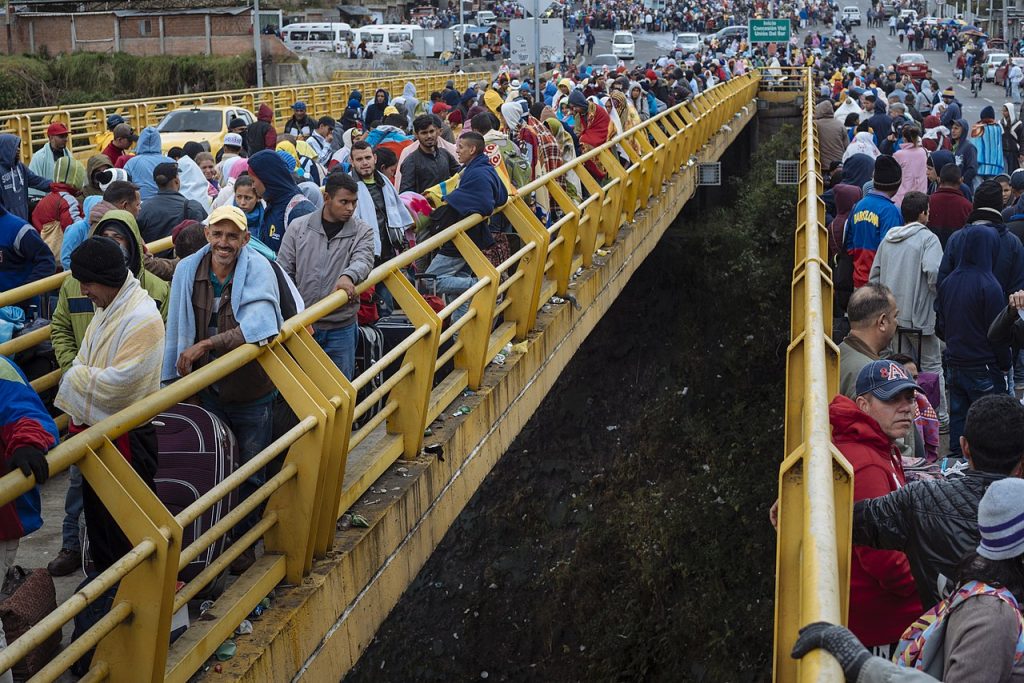
Venezuela was, and in a certain sense remains, another face of the same failure. Chavismo turned a promise of popular redemption into a structure of political control, economic crisis, mass migration, and international networks of intermediation. Cases such as that of Alex Saab, Libre Abordo, and investigations linked to Venezuelan interests reveal that the problem was systemic.

But to dwell too much on Cuba or Venezuela would be to lose sight of the true scale of the phenomenon. What is in crisis is not just a government, a country, or a leader. What is in crisis is a way of exercising power. A way of speaking on behalf of the people while weakening institutions. A way of invoking social justice while distributing privileges. A way of denouncing the elites while building a new elite—one that is more closed-off, more immune to accountability, and harder to remove.
That is why legal cases matter, but they are not the heart of the matter. They are the visible consequence of a deeper decay. The courts, investigations, sanctions, and legal proceedings are beginning to catch up with figures who for years operated under the protection of legal immunity, ideological rhetoric, international networks of influence, and political complicity.

In this context, the investigation into Rodríguez Zapatero regarding the Plus Ultra case should not be viewed solely as an isolated episode. It must be interpreted as just one piece within a much broader examination of the channels of influence, abuses, and mechanisms of distribution of Venezuelan corruption.

As might be expected, with Saab once again at the center of judicial attention, with Rodríguez Zapatero under investigation, and with precedents such as that of Libre Abordo—the Mexican company singled out by the United States for participating in operations linked to Venezuelan oil under the guise of a humanitarian exchange—new developments and ripple effects could occur in various countries.

It is worth recalling that one of the most recent political expressions of regional populism was the Grupo de Puebla. Figures such as Zapatero, Correa, Cristina Kirchner, Maduro, and other leaders who governed, supported, or justified much of the Latin American political cycle of the past fifteen years converged around that group. Today, several of those names are no longer merely part of public discourse; they are under investigation, facing conviction or indictment, or facing more serious and definitive judicial pressure.

People can tolerate the excesses of power for years when they believe there is a promise of justice behind it. But when that promise turns into poverty, repression, corruption, and privileges for an elite, the pendulum begins to swing in the opposite direction.

Latin American populism is going through one of its weakest moments because it has lost its main asset: moral authority. For a long time, it presented itself as an alternative to the abuses of the past. Today, it must answer for the abuses of the present. It is no longer enough to point the finger at external enemies, the media, business leaders, the United States, or the right. The question now is simpler and more devastating: what did they do with power when they had it?

This does not mean that all populists are corrupt, nor that non-populists are free from corruption. That would be an unfair and dangerous oversimplification. Corruption does not belong to a single ideology. But the current moment does focus scrutiny on a generation of leaders who turned populist rhetoric into a form of power and power into a machinery of impunity. That is the difference. It is not just an ideology that is being judged; it is the gap between what they promised and what they ended up doing.

Impunity is beginning to crumble. What for years seemed protected by borders, legal immunities, ideological rhetoric, or international networks of influence is now encountering judges, prosecutors, court files, sanctions, extraditions, and prisons. The populism that promised to liberate the people ended up, in far too many cases, locking up economies, institutions, and freedoms. Now some of its main symbols are beginning to face their own bars.

Now it is time to understand that populism is, or may very soon be, behind bars. Not only in the prisons, courts, or legal cases that are beginning to surround several of its leaders, but in something deeper: in the failure of its own promise. It promised freedom and left control. It promised justice and produced privileges. It promised the people and ended up building closed, corrupt, and authoritarian elites. That is its true condemnation. Populism no longer falls solely due to the strength of its adversaries, but under the weight of its own contradictions. And when a political project can no longer provide food, freedom, a future, or truth, not even its old epic narrative is enough to free it from its confinement.
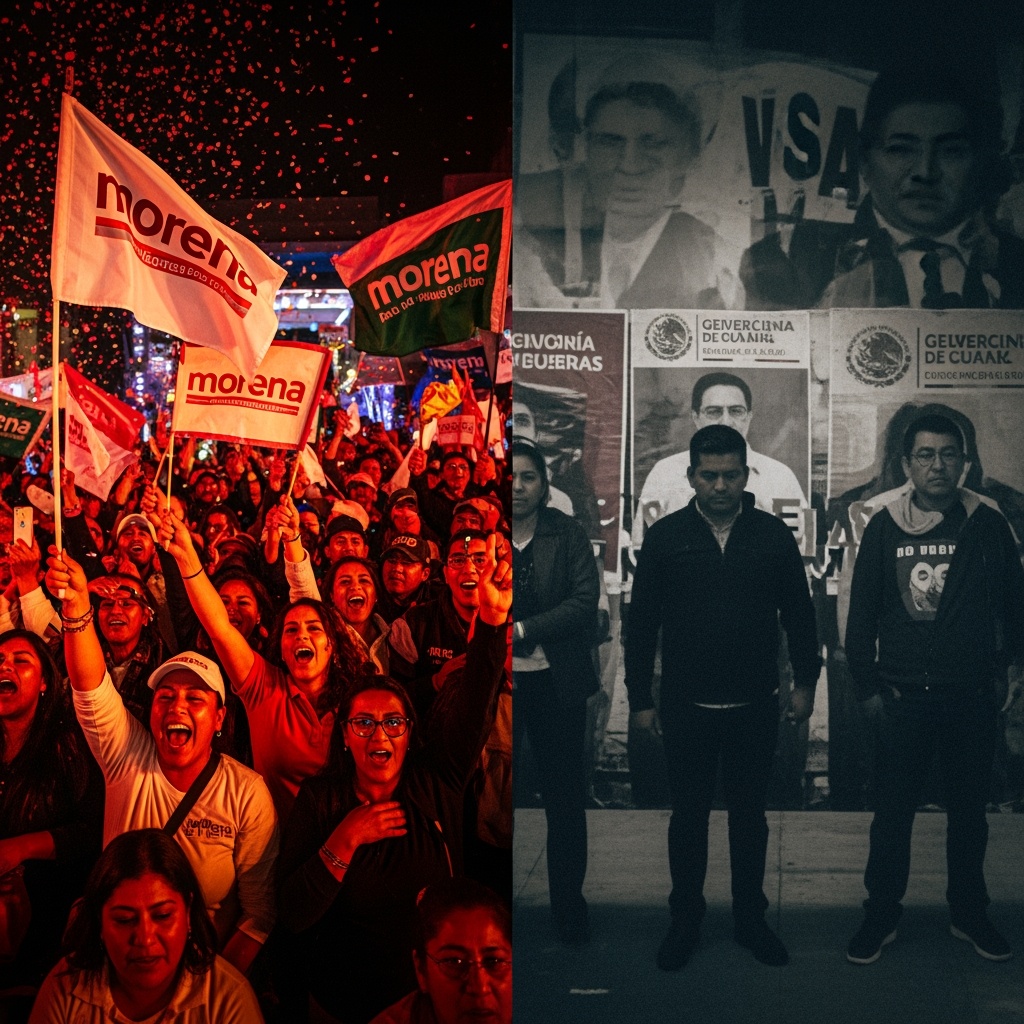
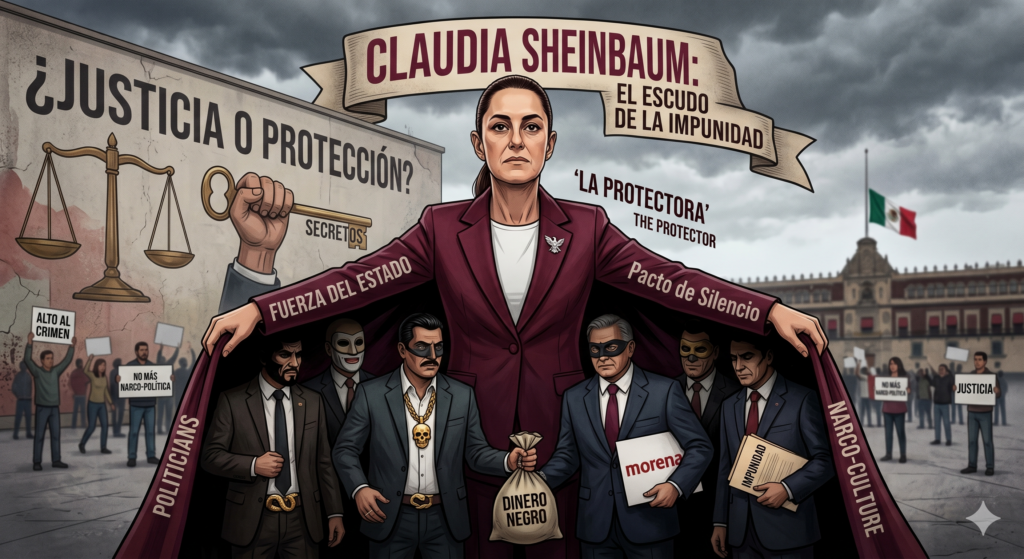
Mexico deserves a separate mention due to the new point of tension in its bilateral relationship with the United States: the increasingly substantiated accusation of alleged collaboration between various levels of government and drug trafficking, at a time when Washington has already elevated several Mexican cartels to the status of foreign terrorist organizations.

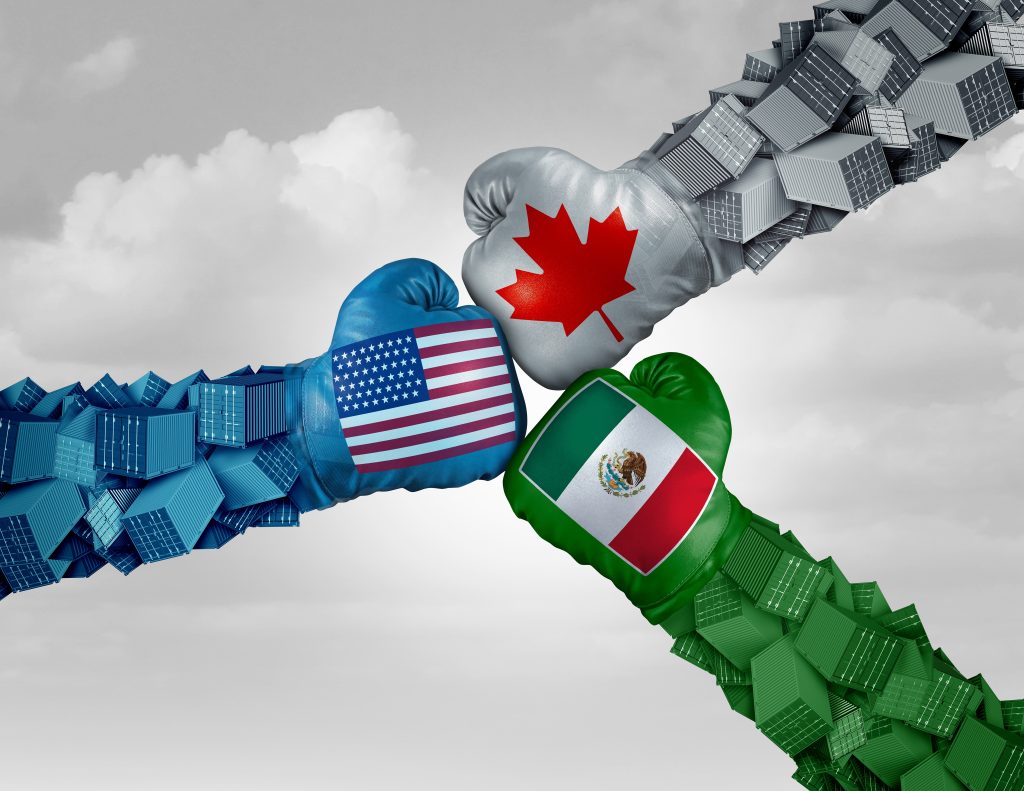
The case is significant, first, because while Mark Carney has clearly redefined the relationship between Canada and the United States—through a frustrating shift that breaks with a historical logic of cooperation, economic integration, and shared security—Mexico appears to be reverting to a confrontational discourse. And what is most delicate is that, in the face of a fundamentally legal approach—based on laws, investigations, formal charges, and U.S. judicial mechanisms—the Mexican president responds with political arguments, appeals to national sovereignty, and historical reminders of U.S. invasion, interventionism, and neglect toward Mexico.
Undoubtedly, aside from Cuba, the redefinition of the relationship between Mexico and the United States is the keystone for understanding what the continent’s political future will look like. Not only because of what it implies for both countries, but because it tests the ideological assumptions under which a commercial, economic, and strategic partnership—which, in reality, remains indissoluble—can be sustained.
Whether or not to extradite those sought by the United States sums up, for both sides, the point we have reached: the end of these populist movements may also mean that prison bars are beginning to loom large for some Mexican officials.
Further Reading: